

FIRST QUARTER 2023
This Journal covers the first quarter of 2023 from January to March.
Magpie
Pica pica
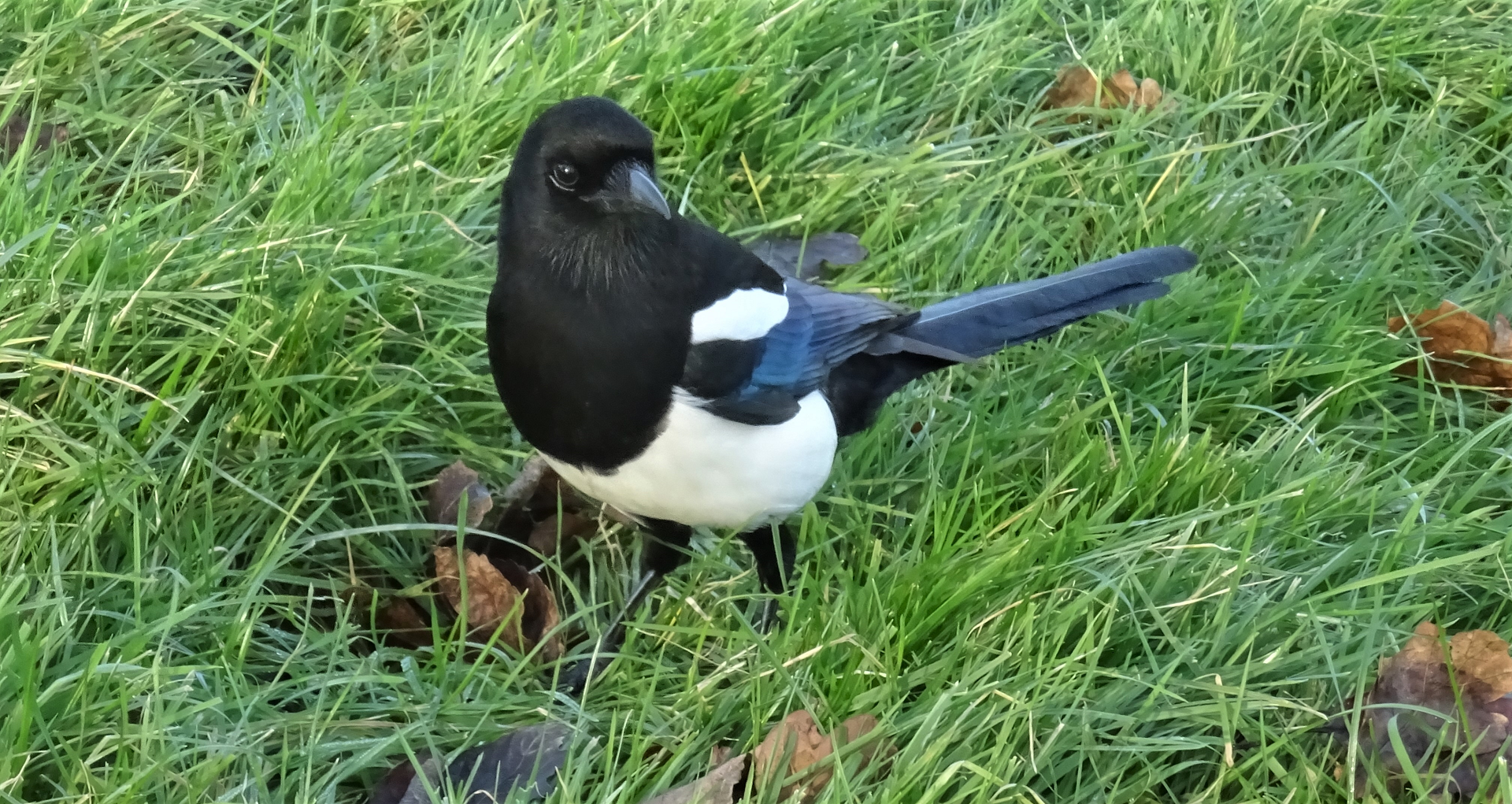
Magpies were infrequently observed in Hainault before the 1960s, but they are now well established and can often be heard chattering in the treetops. The black and white feathers of the Magpie exhibit a bluish iridescent sheen when viewed up close, and the tails may have a greenish appearance.
#
Moorhen
Gallinula chloropus
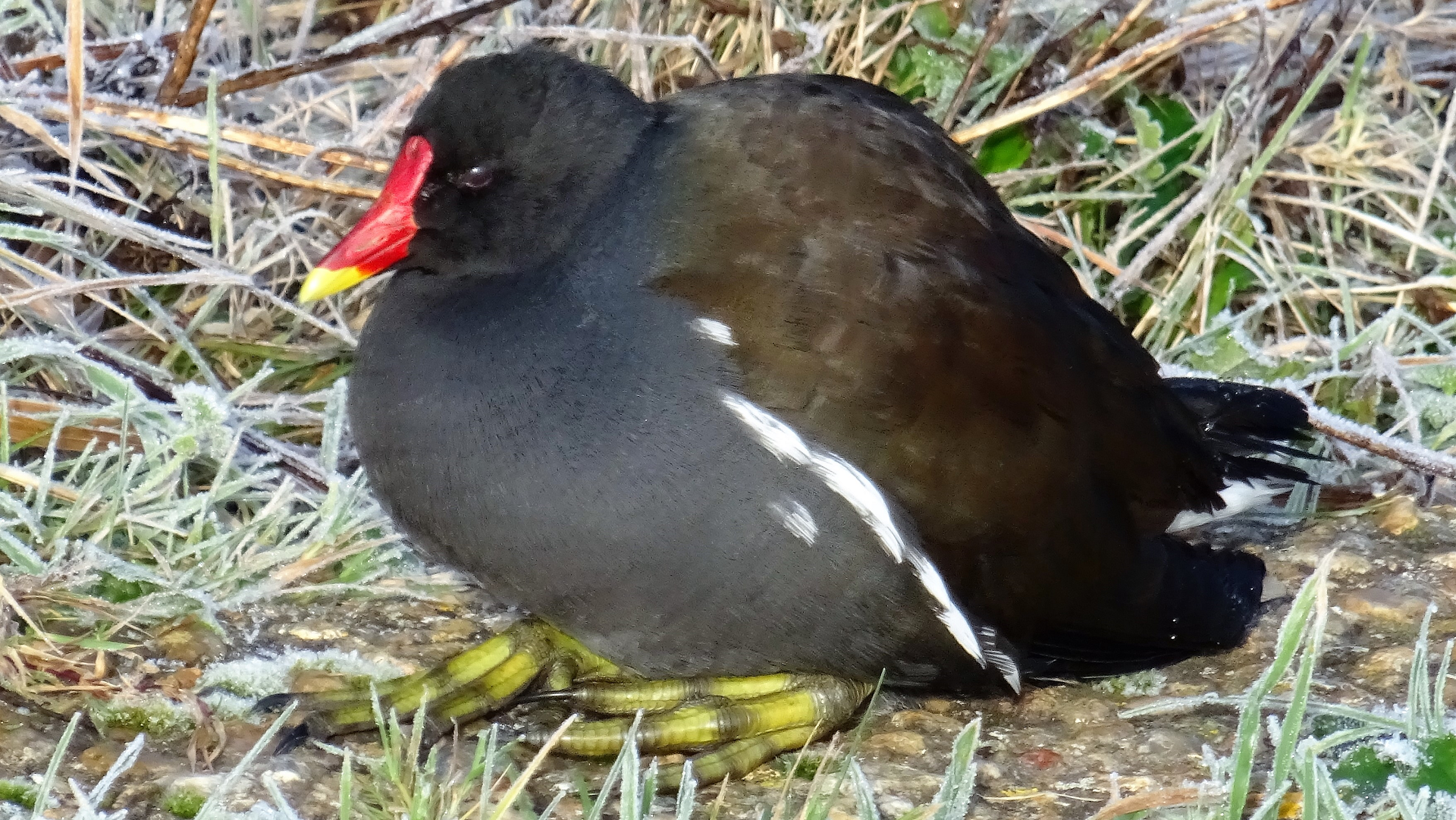
The Moorhen has a beak that is red and yellow, a dark brown back and wings, and a blackish belly with white stripes on the flanks. They are known to change partners frequently during the breeding season, with females showing a preference for smaller, fatter mates. Nests are constructed from dead vegetation and are typically located among floating plants or near the water. Females may occasionally place their eggs in the nests of other birds, which can help increase their overall egg production. Moorhens have a diet that includes plants, seeds, worms, insects, mollusks, and fish.
#
Mandarin Duck
Aix galericulata
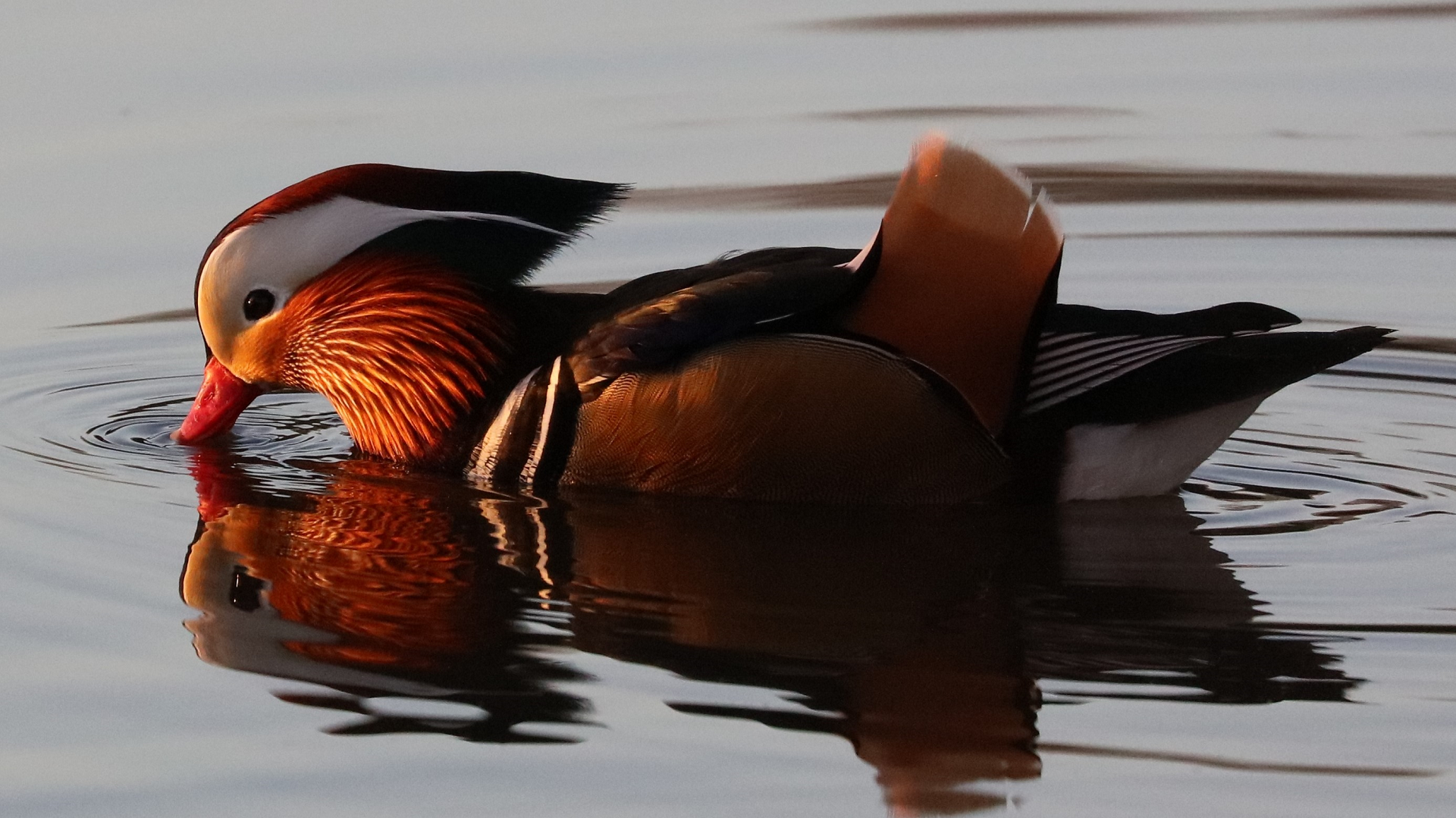
Males exhibit vibrant plumage, while females are less colourful. Introduced to Britain from Asia, the global population is estimated to be around 65,000, with a decreasing trend observed in recent years. Mandarins primarily feed on plants, seeds, and insects. In China, their native habitat, they have been viewed as symbols of fidelity and were traditionally given to brides as wedding gifts. However, in practice, Mandarins typically form pairs during the mating season and often find new partners the following autumn.

#
Goldcrest
Regulus regulus
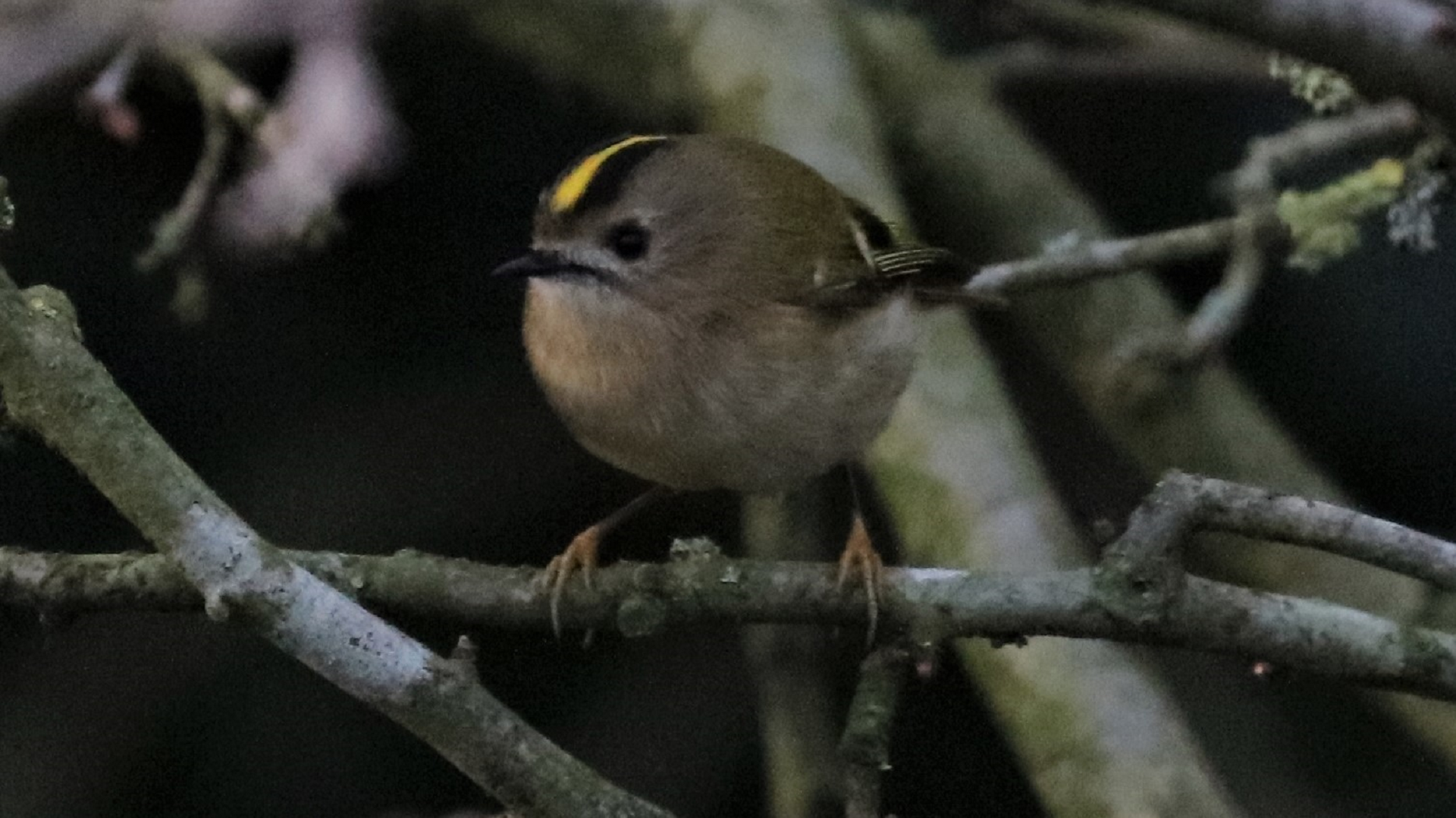
Britain's smallest bird is the goldcrest. Male goldcrests have an orange crest, while females have a yellow crest. Goldcrests mainly feed on arachnids, insects, larvae, and insect eggs.
#
Grey Heron
Ardea cinerea
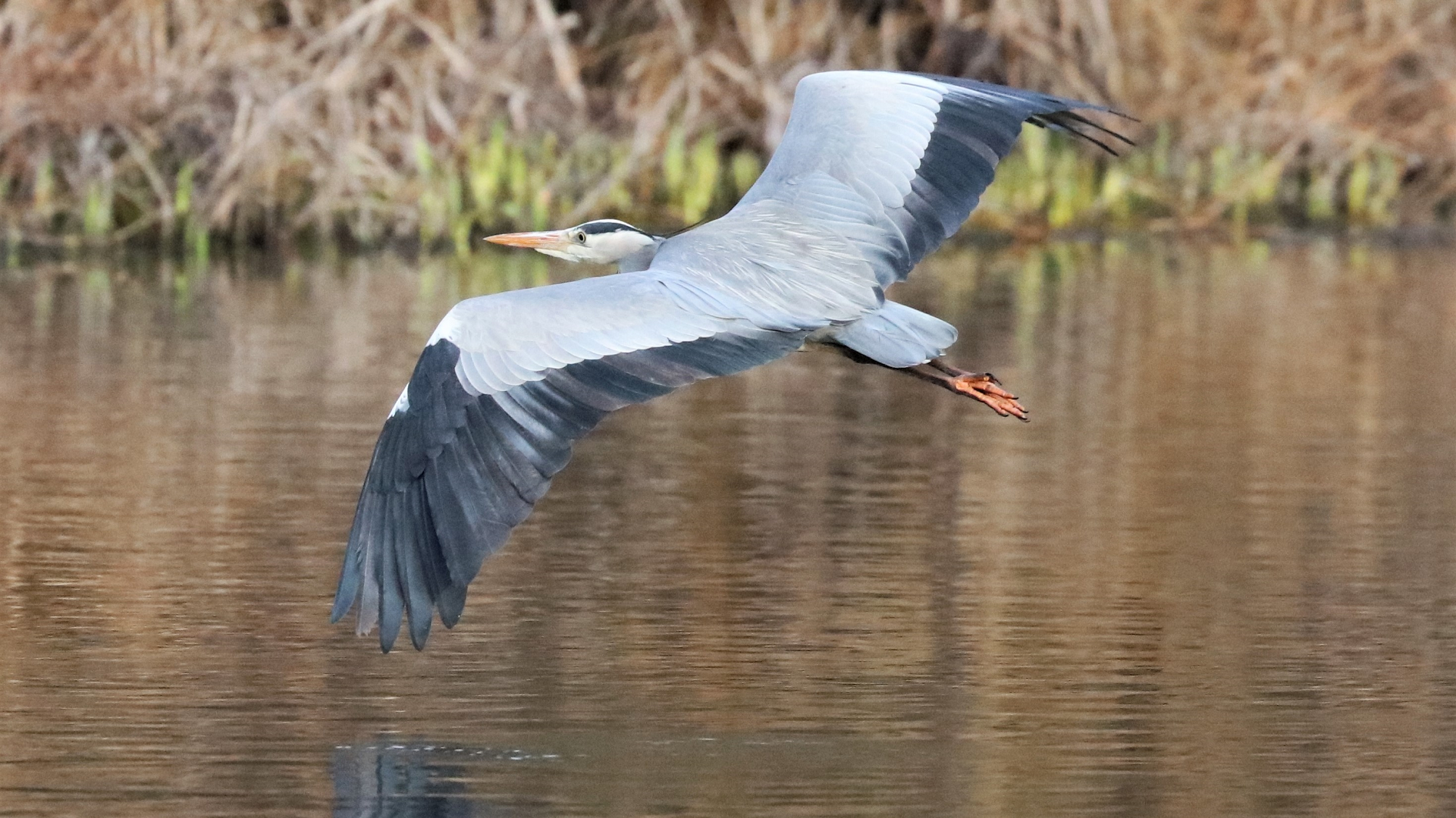
Britain's largest long-legged wading bird, herons, frequently visit Hainault Lake to hunt for fish. When they catch a fish, they typically toss it into the air and swallow it head-first to avoid the scales and fins getting caught in their throat.
#
Ring-necked Parakeet
Psittacula krameri
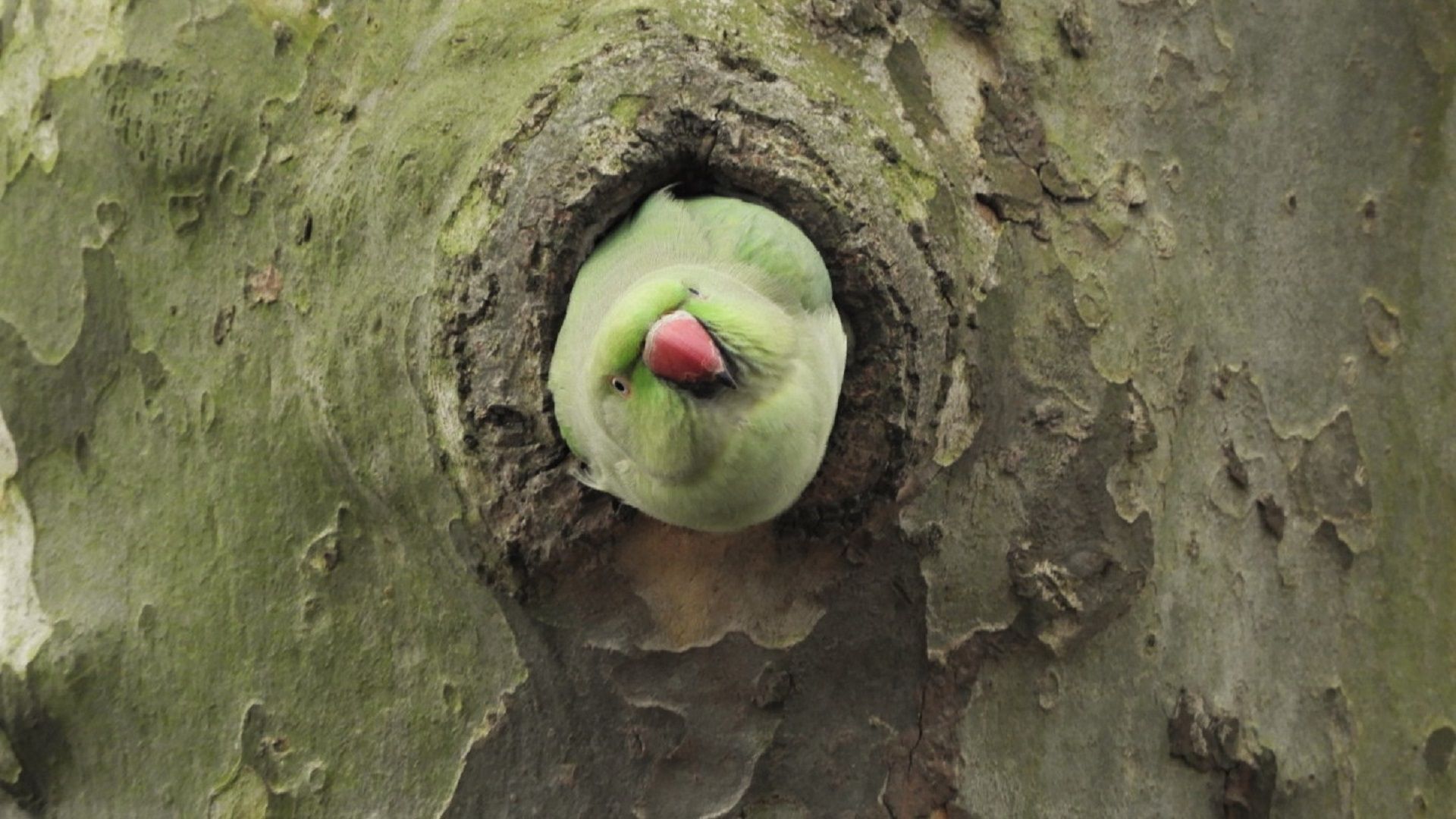
Britain's sole naturalised parrot nests in tree cavities.
#
Wren
Troglodytes troglodytes
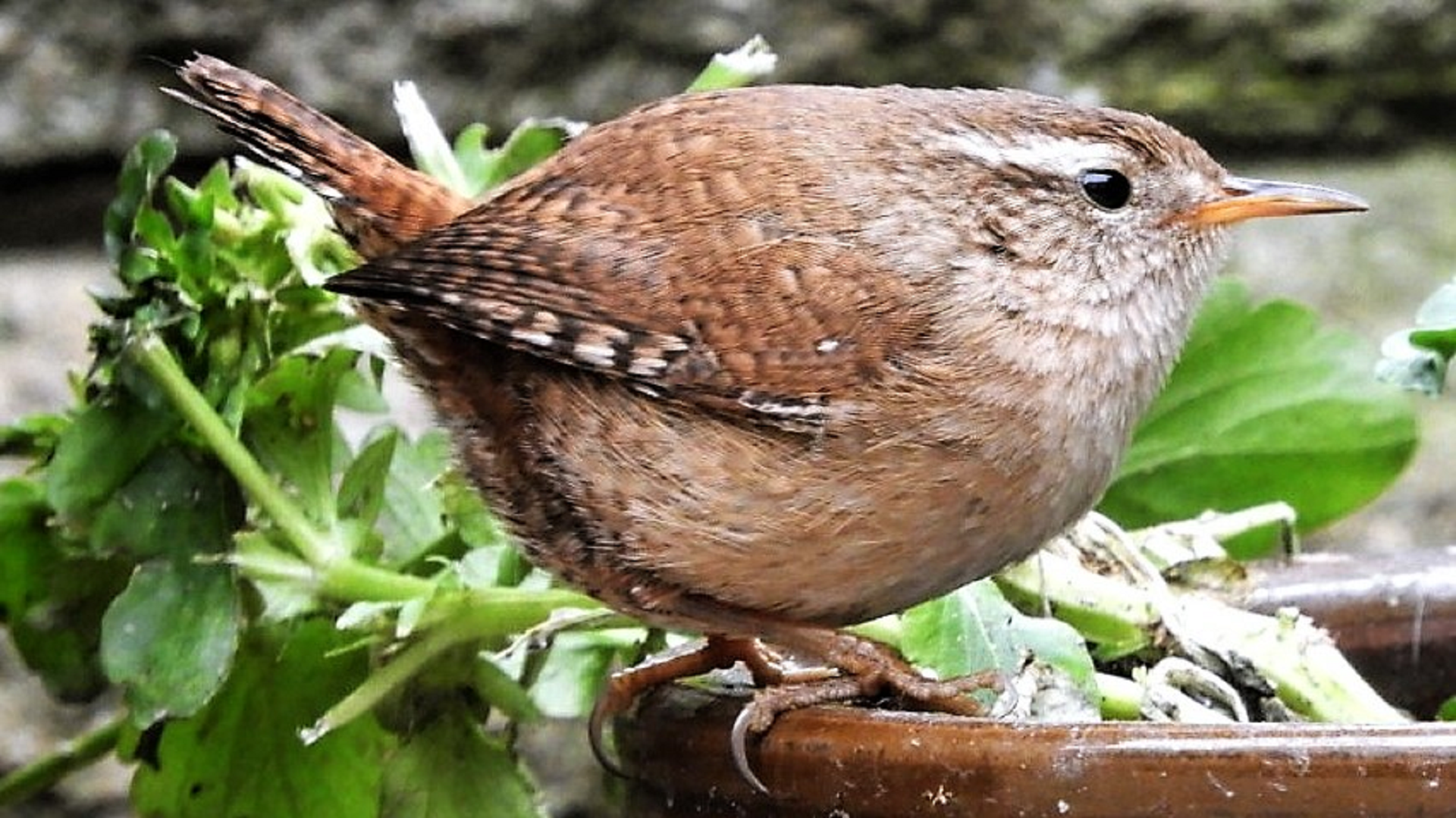
The Wren is the most frequently encountered breeding bird in Britain. They are commonly observed moving through the underbrush. Despite their small size, they have notably loud calls. This bird was seen in Debi's garden.
#
Mallard
Anas platyrhynchos
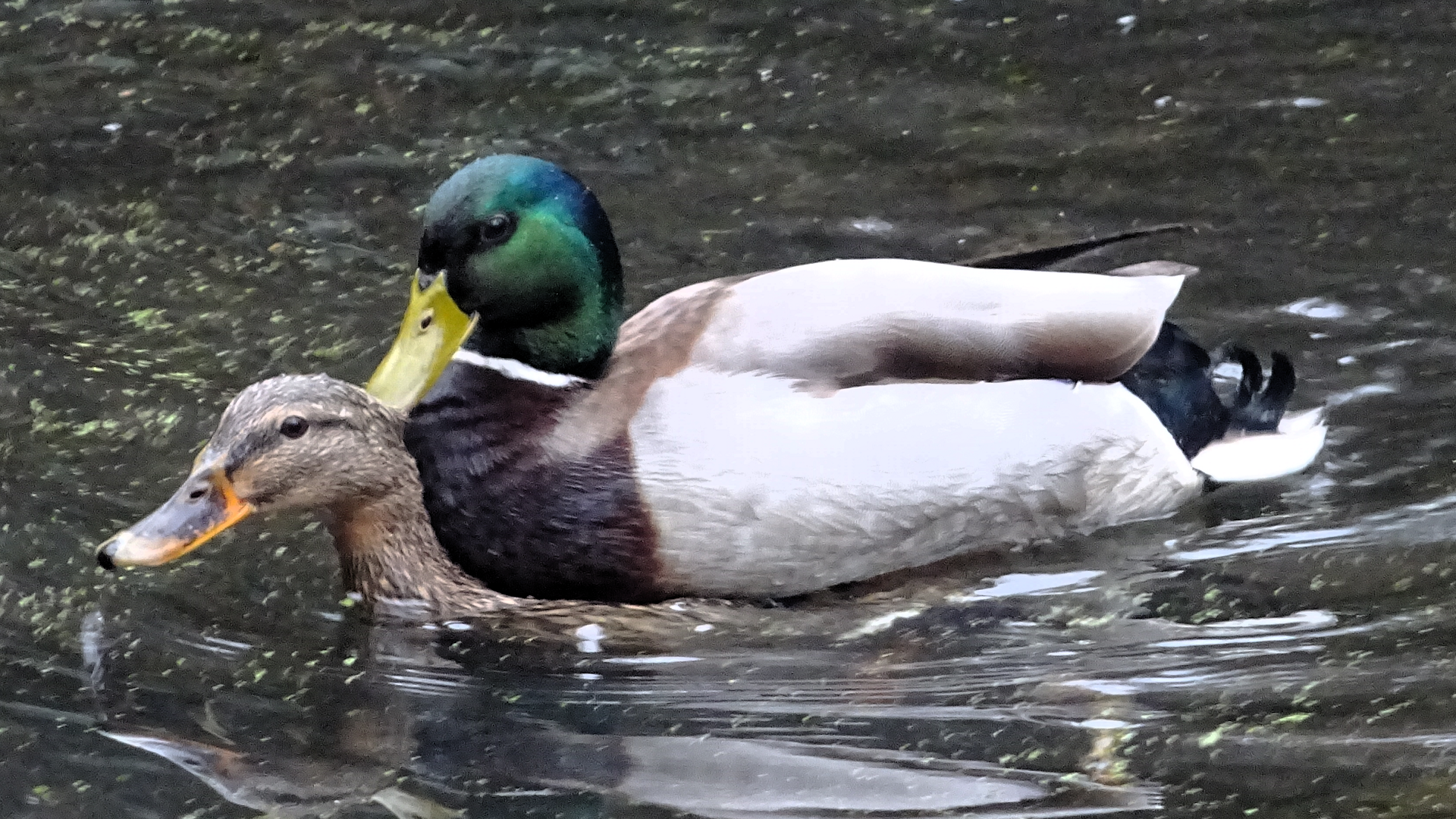
Mallards were observed courting at Roe's well. The female responded to a head-bobbing display from the male by lowering her neck, which he then grasped with his bill to mount her. Although a female can experience neck injuries and lose feathers if the male is too aggressive, in this instance, the mating lasted about a minute with no visible negative consequences.
#
Shoveler
Anas clypeata
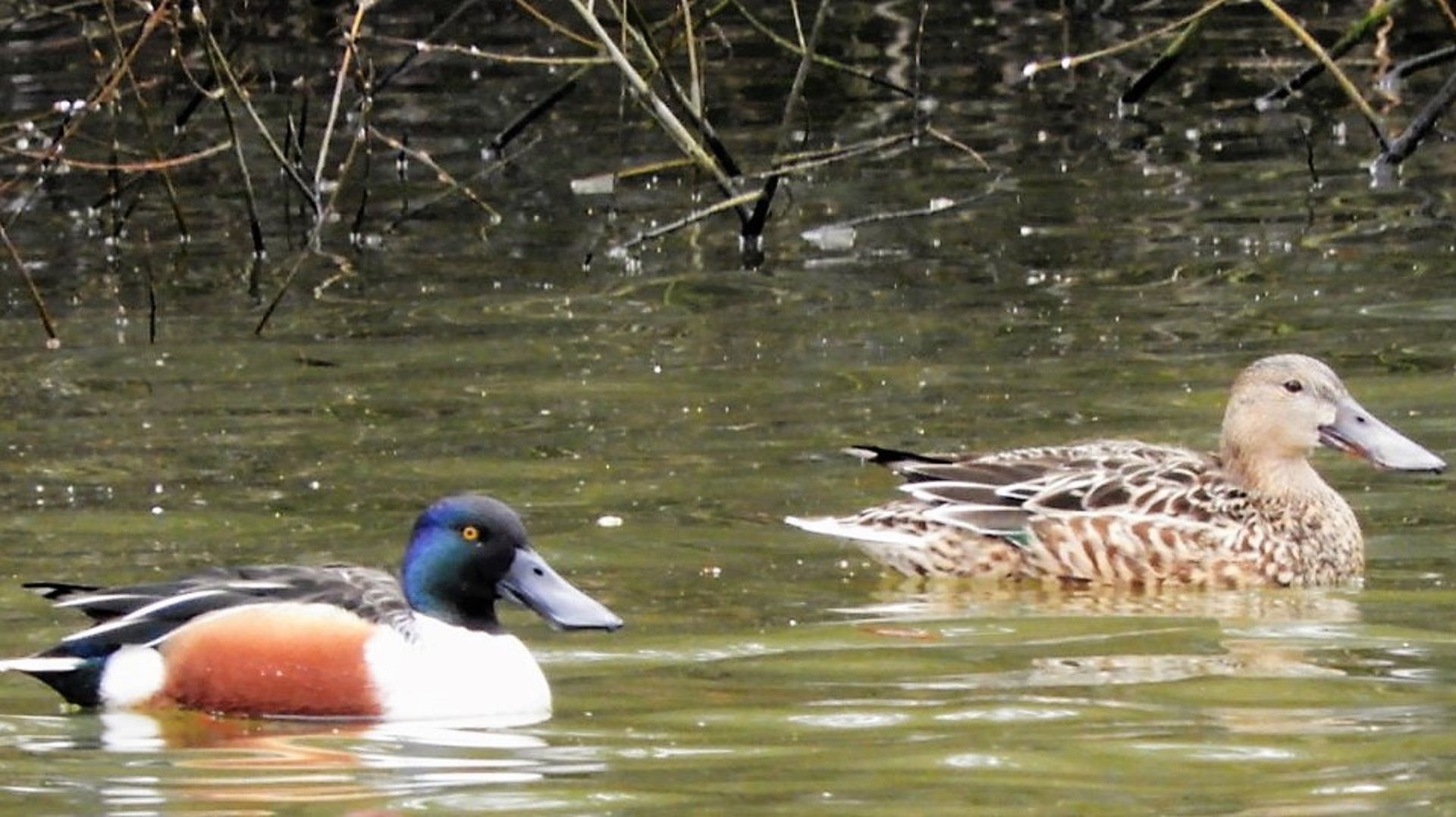
Shovelers are surface feeding ducks with large spatulate bills. They are winter visitors often seen at Hainault Lake and Fairlop Waters. They trawl for insects and plant material with their bills in the water. Females are mottled brown.
#
Snowdrops
Galanthus nivalis
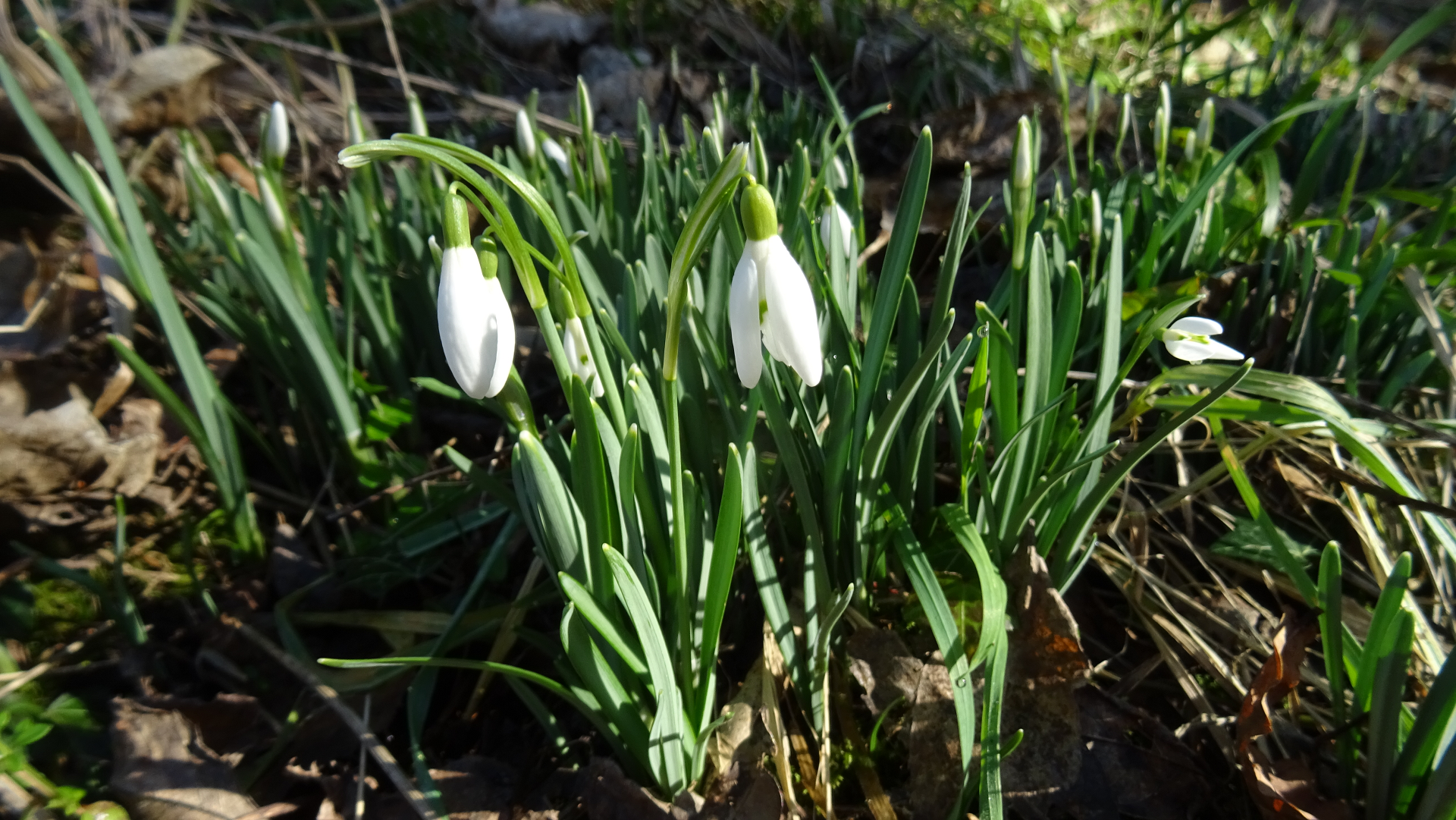
One of the earliest flowers to emerge in moist woods and hedgerows as spring arrives. It is not frequently found in Hainault Forest.
#
70.245 March Moth
Alsophila aescularia

Males are active from February to April, while females lack wings and are seldom observed. The larvae feed on plants such as Oak, Blackthorn, and Hawthorn. This species is typically found in woodland areas.
#
29.001 Early Reveller
Diurnea fagella
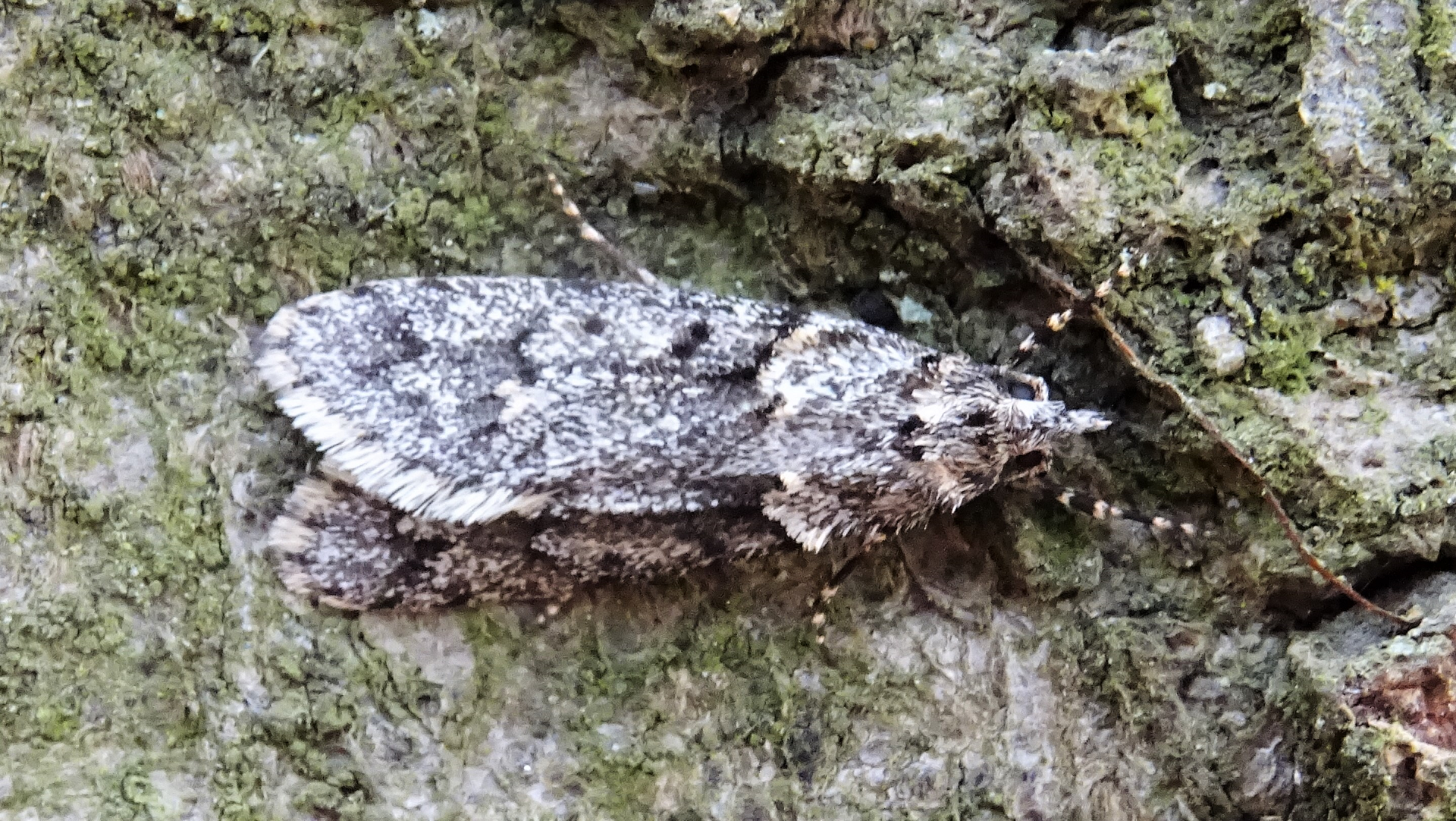
Active in early spring, this species is observed from March to May. Melanic forms are found in industrial regions. Females are flightless. The species feeds on various deciduous trees and was formerly referred to as the 'March Tubic.'
#
Coltsfoot
Tussilago farfara

Coltsfoot features single yellow flower heads that grow on scaly stems. Its heart-shaped leaves emerge after the flowers. This plant is commonly located at the edge of Hainault Lake and on open ground during the spring season.
#
Hazel
Corylus
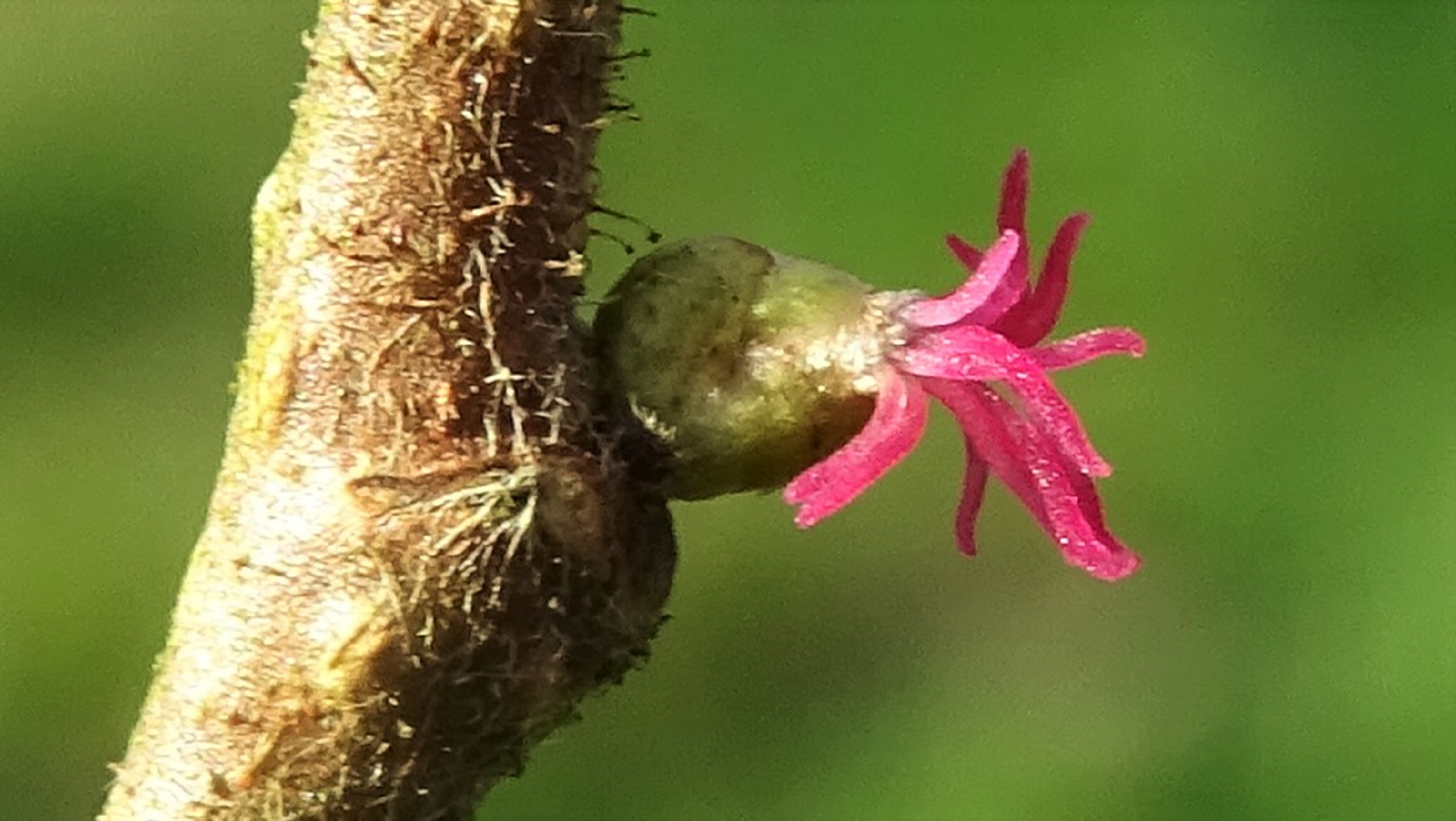
The red styles of the female flower measure approximately 4mm in length. A hazel tree has both male and female flowers (monoecious) but requires cross-pollination with another tree to produce nuts. The long male flowers are called 'catkins'.
#
Groundsel
Senecio vulgaris

Groundsel grows in cultivated and disturbed areas. It produces clusters of yellow flowers that become fluffy and white as the plant produces seeds.
#
Muntjac Deer
Muntiacus
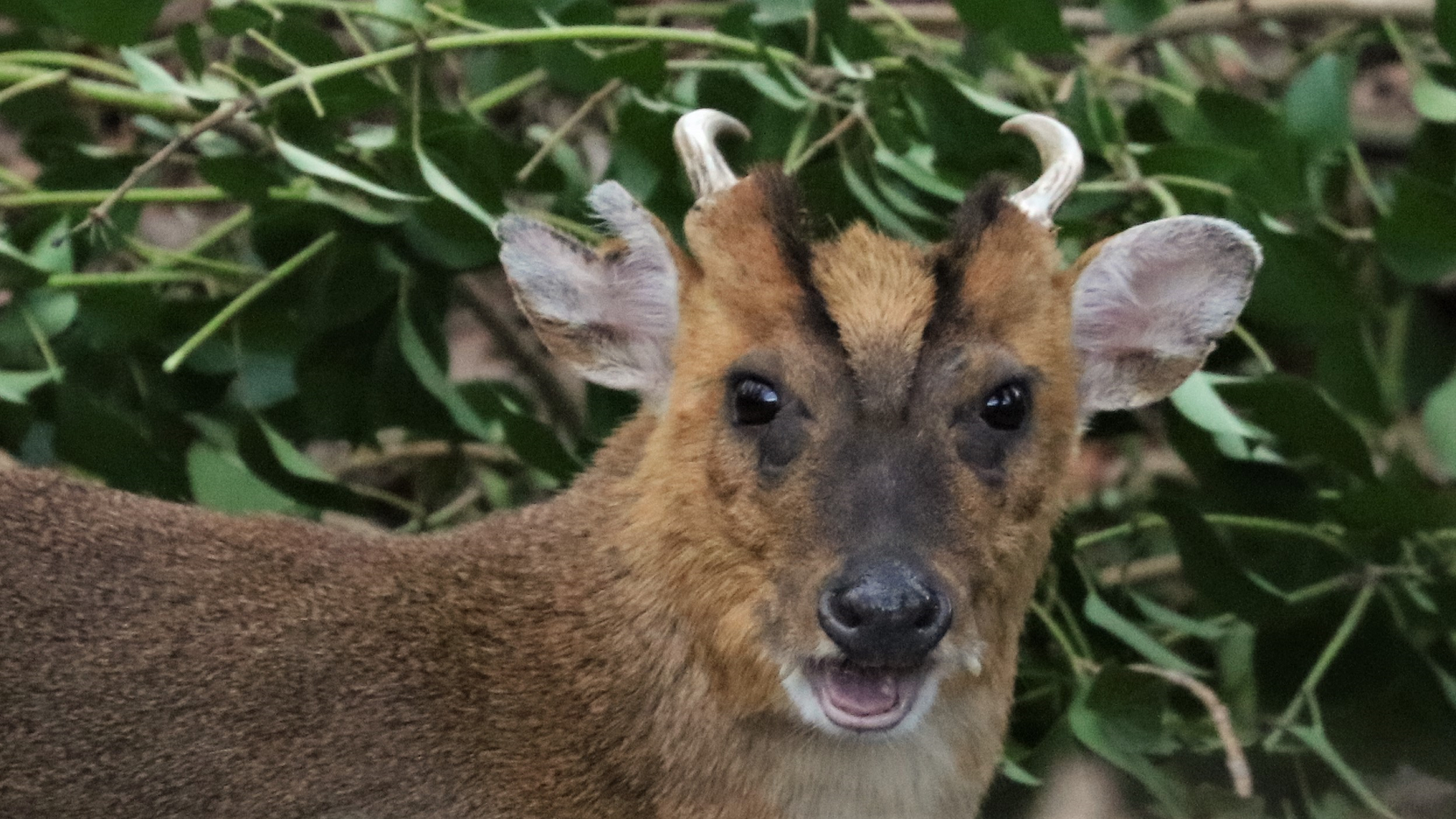
These small deer were introduced to Woburn Park in Bedfordshire from China in the early 1900s. They can now be found in many areas of South East England following some escapes. Male deer, referred to as 'Bucks,' possess short, unbranched antlers that slope backward and regrow, along with a pair of long canine teeth. Despite having antlers, males typically use their teeth to establish territorial dominance. There is no specific mating season. Female deer, known as 'Does,' have the ability to breed throughout the year, usually giving birth to one 'Kid' at a time.
#
Grey Squirrel
Sciurus carolinensis
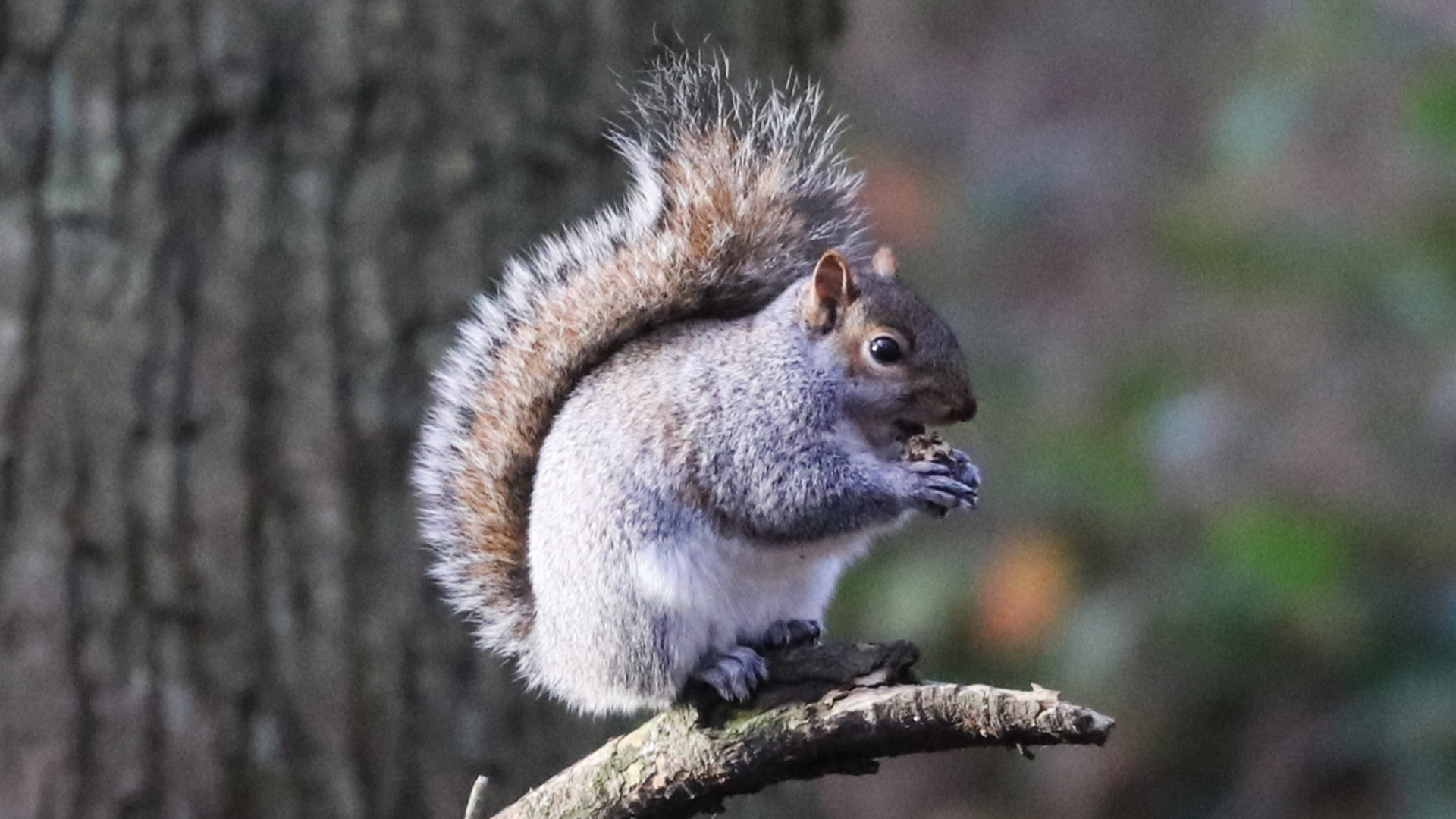
Grey squirrels were brought to Britain in the 1800s and are currently considered an invasive species that significantly harms woodlands. Their presence has contributed to the decrease of the native Red squirrel population. Squirrels build nests known as 'dreys' in the treetops, using twigs, leaves, and pieces of bark.
#
Goosander
Mergus merganser

Goosanders are occasional winter visitors that typically remain at Hainault Lake for a few days. They primarily feed on fish. The male has a bulbous head and a white breast, while the female has a brown head.
#
Grey Wagtail
Motacilla cinerea

Grey Wagtails are present year-round. They typically inhabit streams and can be identified by their grey back and longer tail, which differentiate them from Yellow Wagtails. Their diet consists mainly of insects.
#
Pied Wagtail
Motacilla alba

Pied Wagtails are small birds with long tails and a black-and-white colouration. They are commonly found in open areas and are known for their characteristic tail movements, which involve wagging up and down.
#
Hainault Forest
Restoration Project

The Hainault Forest Restoration Project, funded by the National Lottery Heritage Fund, Redbridge Council, and other organisations, was initiated to revitalise the site. The plans include restoring the ecologically significant ancient woodland, refurbishing the Victorian farm buildings, and developing a visitor hub that will feature cafes, workshops, and new play areas. Although the project experienced delays due to the Covid pandemic, it is now progressing well and is approaching completion. The ongoing efforts aim to preserve, protect, and enhance Hainault Forest for future generations.

Paths have been enhanced, and a new drainage system has been implemented. Some of the straight ditches have been altered to a zigzag pattern, with leaky dams installed to slow the flow of water, which may help reduce flooding in specific areas.

The renovated courtyard will include craft workshops where small businesses can sell their products, many of which will be made on-site. On the left side, there will be a Woodland Trust shop. A large green door in the background leads to a function room that can be used for receptions, business meetings, markets, and other events.

This is the function room that will be opening soon. Please direct any inquiries about booking, facilities, events, and related matters to Redbridge Vision.

Many years ago, Mr. and Mrs. Lucas, who resided in one of the farm cottages, operated a teashop in this location. They offered teas, slab cakes, sandwiches, jellies, and sweets. Long tables were adorned with white tablecloths, and tea was served from large teapots. The walls featured stuffed animals and antlers as decorations, and real monkeys were secured outside on a tin roof. Every summer, swallows made their nests under the eaves.

The refurbished barn is nearing completion, with final details being addressed. Information displays about the forest's history and wildlife are yet to be installed. The building will soon open to the public as the '1856 Cafe.'
#
Thank you to everyone that have contributed to this Journal.
© hainaultforest.net. All rights reserved.
This website uses necessary cookies. It does not use targeting or advertising cookies.