

FIRST QUARTER 2024
This Journal covers the last quarter of 2024 from January to March.
Ring-necked Parakeet
Psittacula krameri
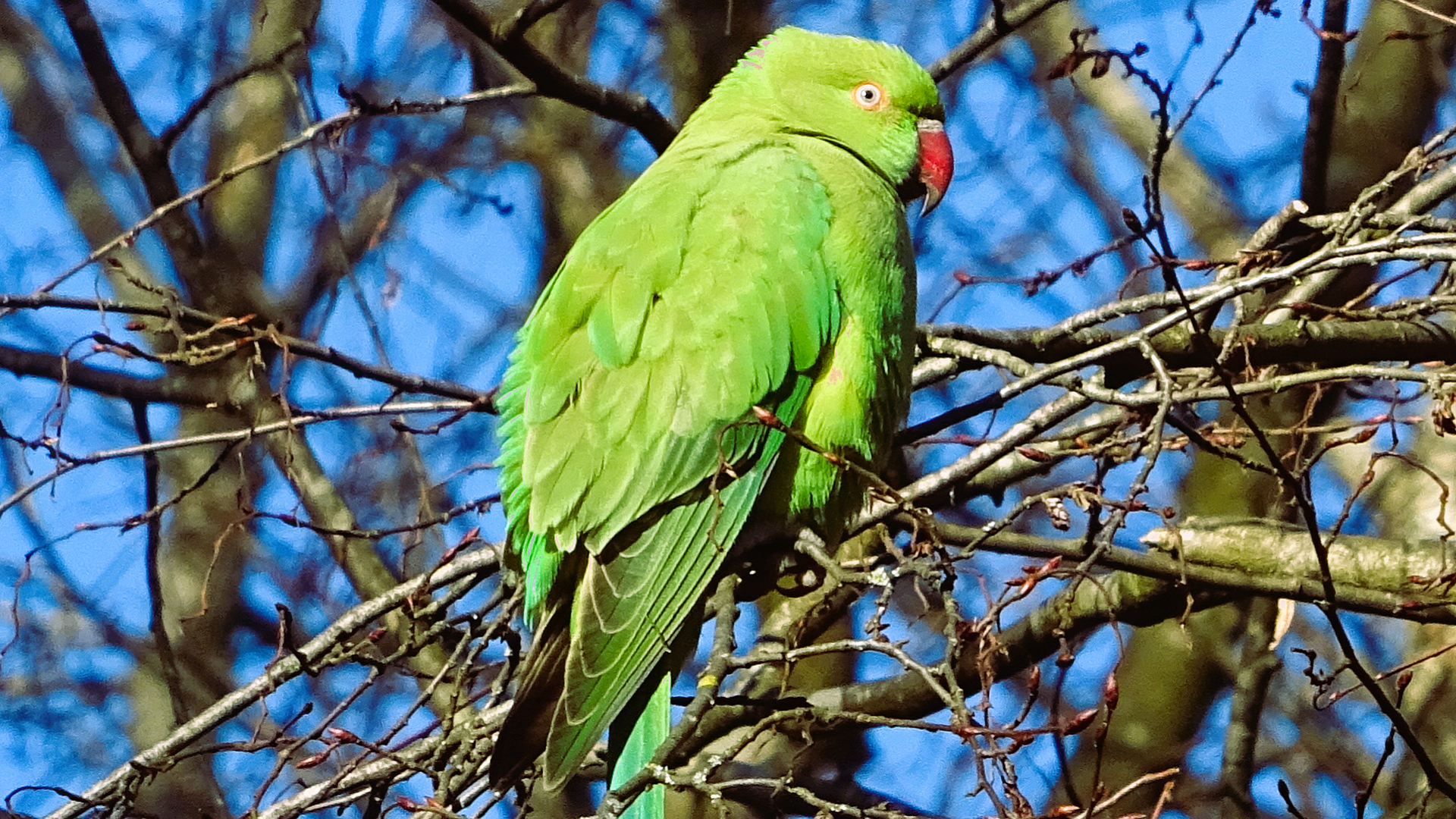
Britain's only naturalised parrot. They are especially common in the Roe's Well area of the forest.
#
Goldfinch
Carduelis carduelis
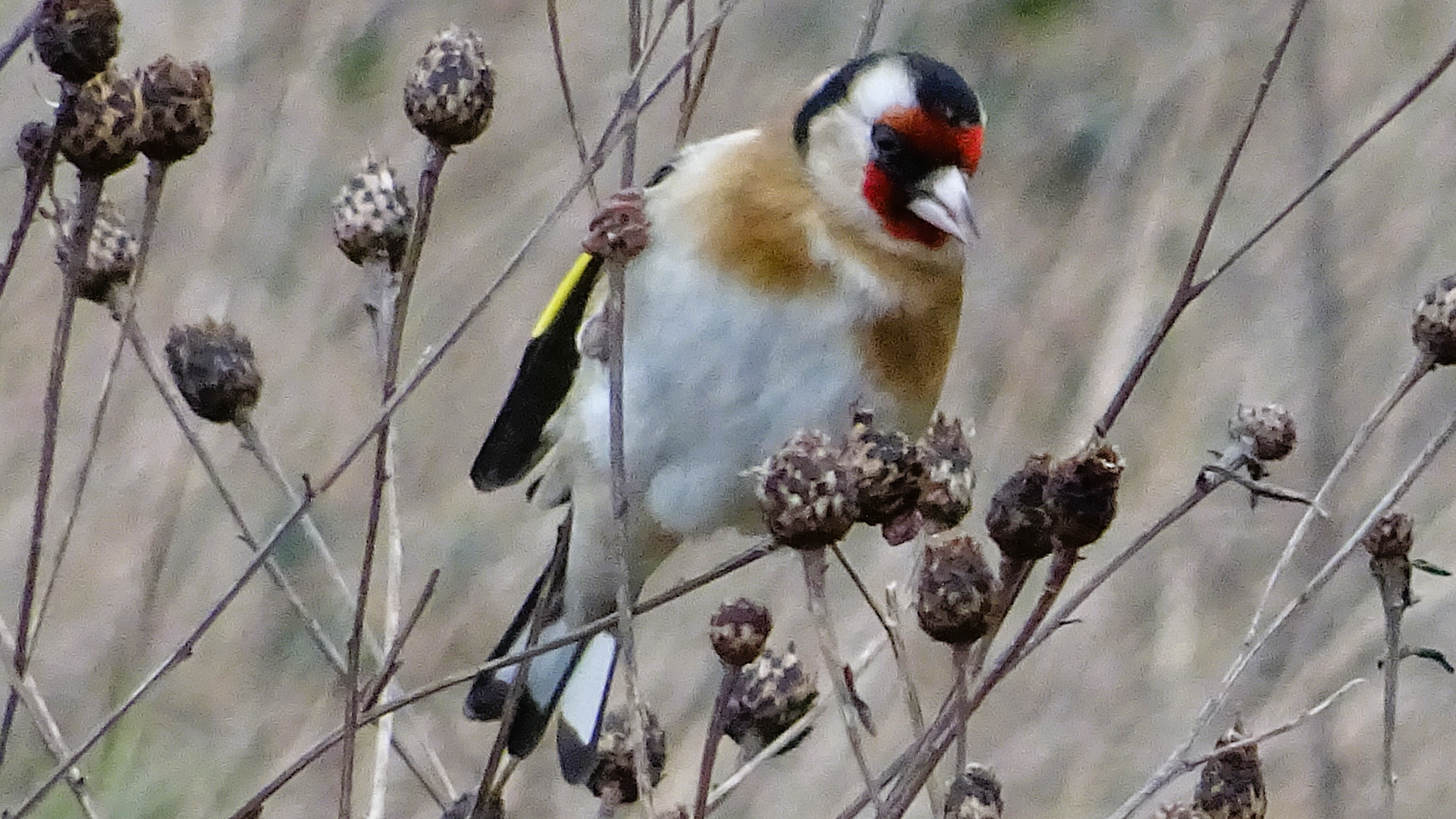
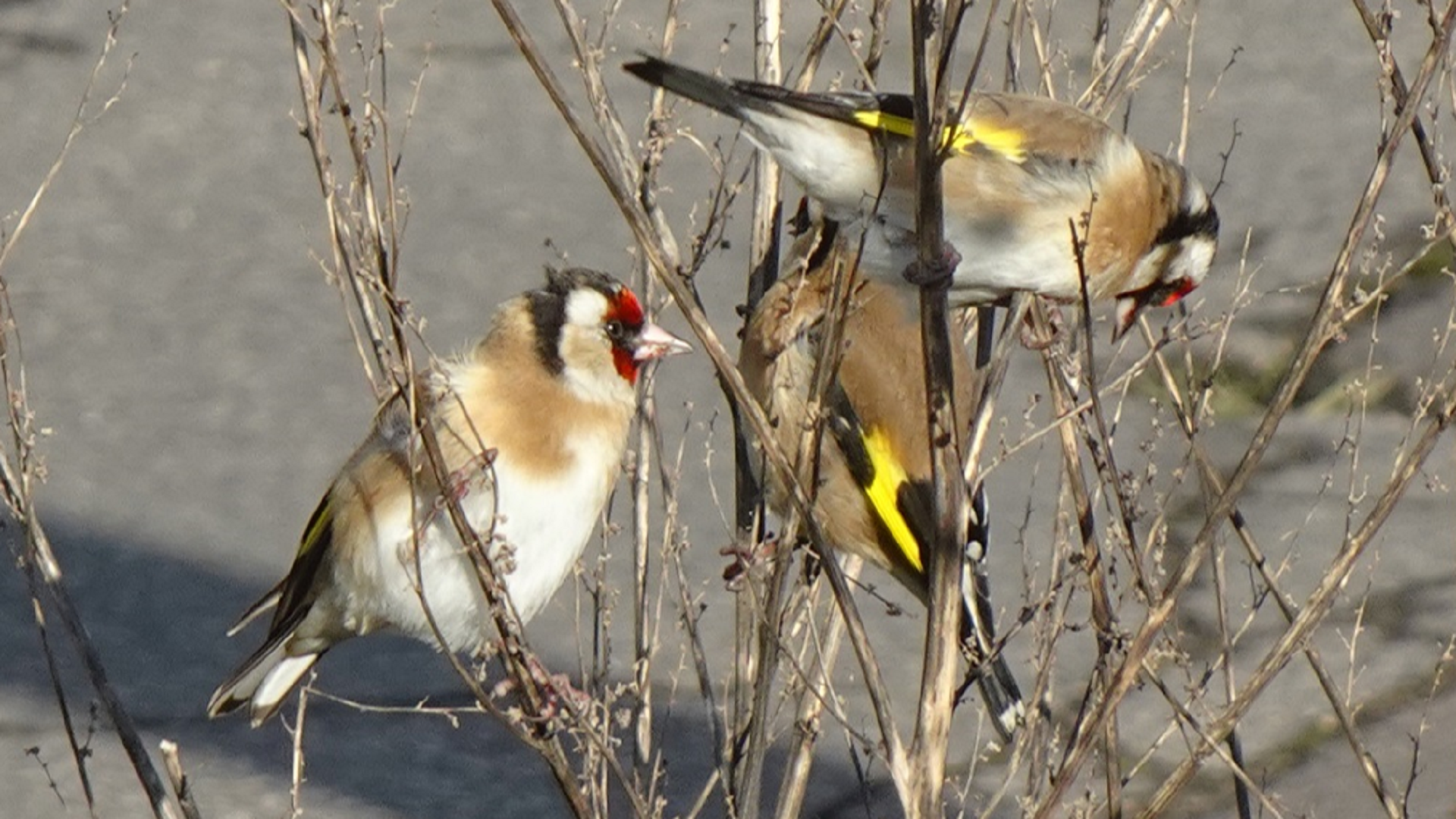
By far the most common type of finch seen in Hainault Forest usually appearing in large groups. They feed on seeds of thistle, teasel and other plants. Their fine beaks allow them to extract otherwise inaccessible seeds from plants. In the past the species was also called the 'Thistle Finch' due to its liking for thistle seed.
#
Grey Heron
Ardea cinerea
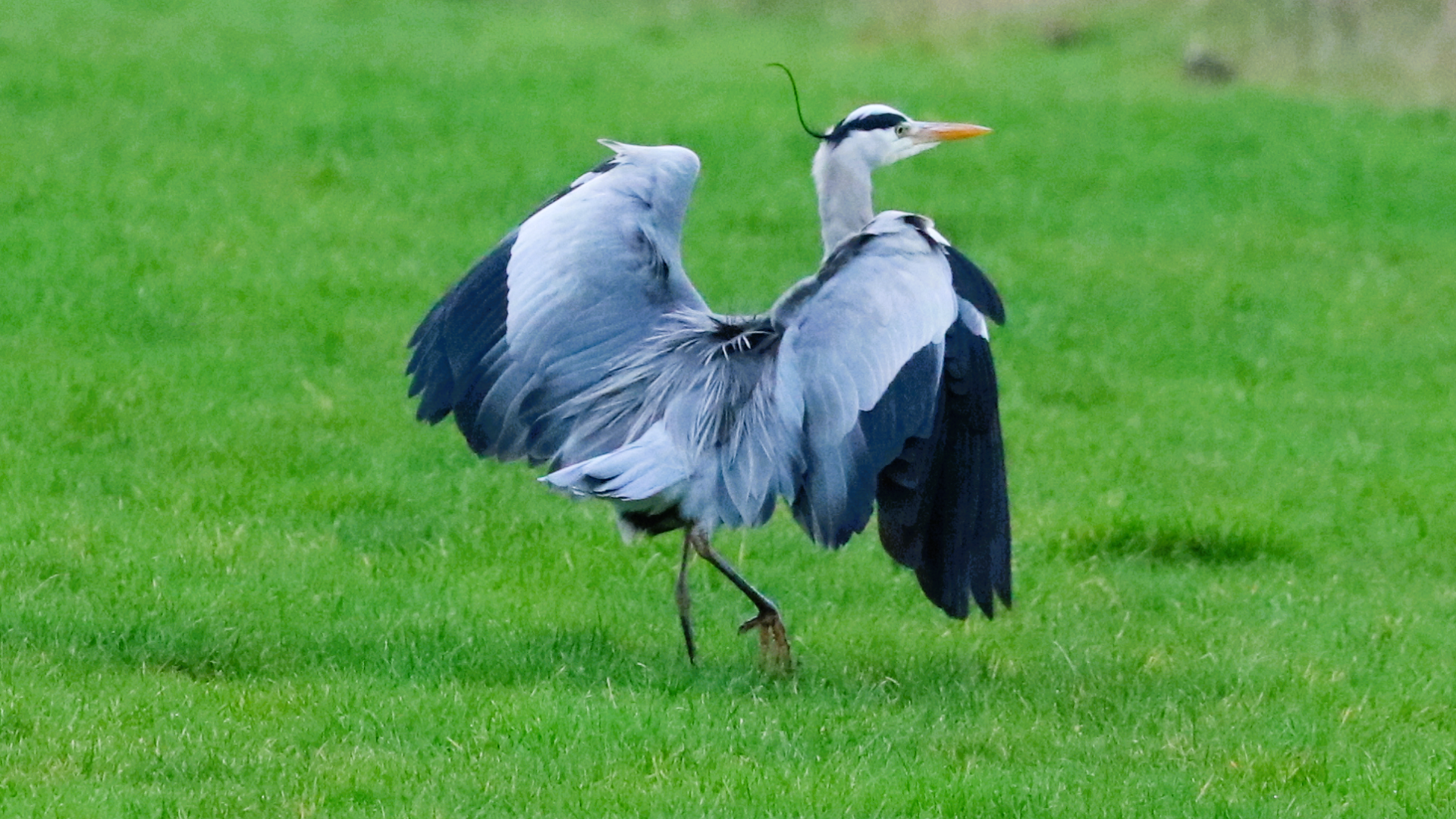
Britain's largest long-legged wading bird often frequents Hainault Lake to hunt for fish. When a fish is captured, it is typically thrown into the air and swallowed head-first to prevent the scales and fins from getting caught in the throat. Herons can also be found standing in meadows, poised to catch small mammals and amphibians with their long bills.
#
Cormorant
Phalacrocorax carbo
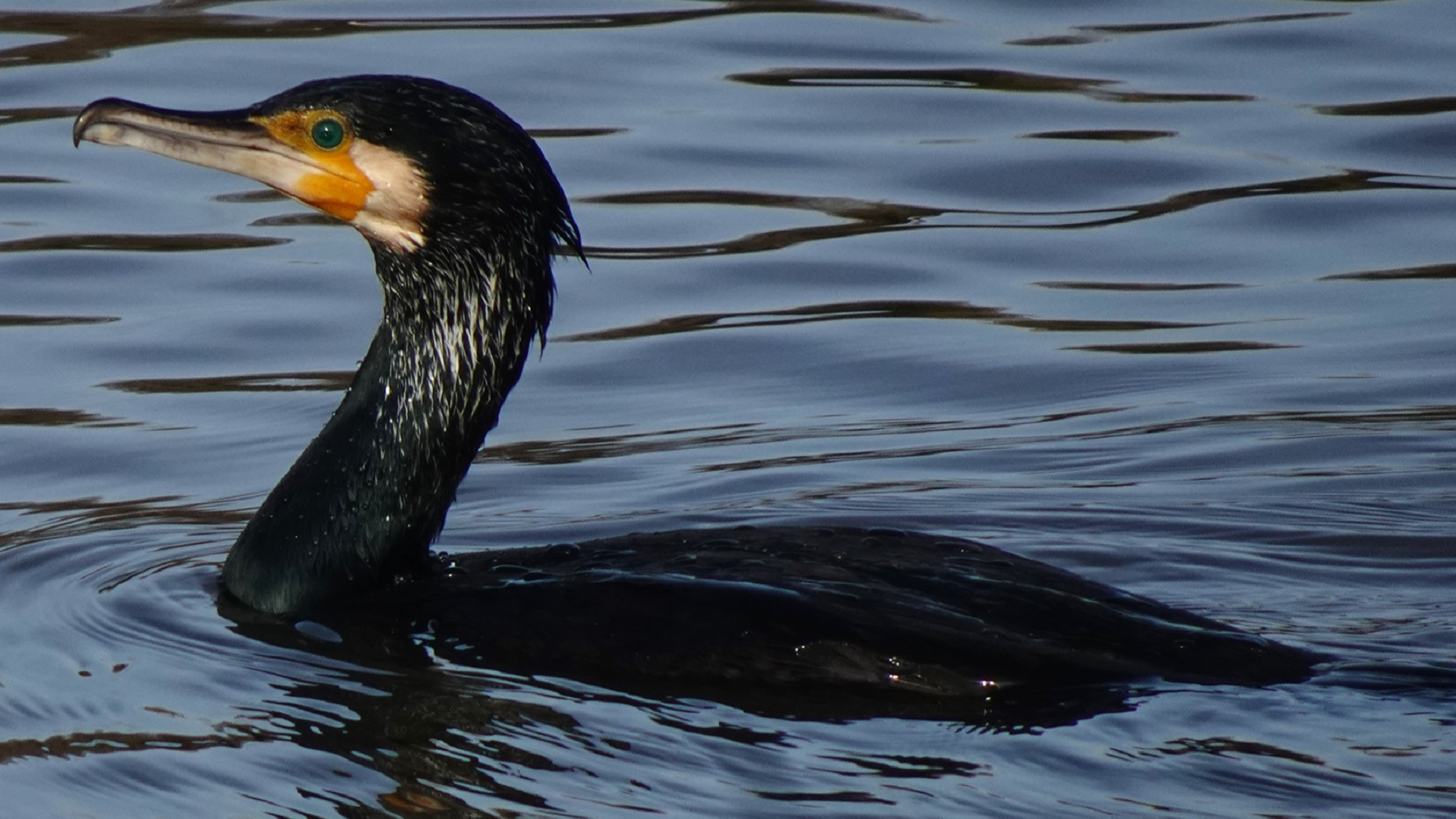
Cormorants are seen at Hainault Lake year-through, with larger groups appearing in winter. They have dark bodies with white and yellow facial markings. The bills are usually pointing upwards. To dry the wings cormorants often stand with them outstretched. During the breeding season white thigh patches develop. Male and females are similar in appearance. Juveniles are whitish underneath. For many centuries in China, trained cormorants have been utilized for fishing. A collar is placed around the bird's neck, enabling it to swallow small fish while preventing it from consuming larger ones. The fisherman retrieves the larger fish from the bird's throat and retains them for personal use.
#
Red Kite
Milvus milvus
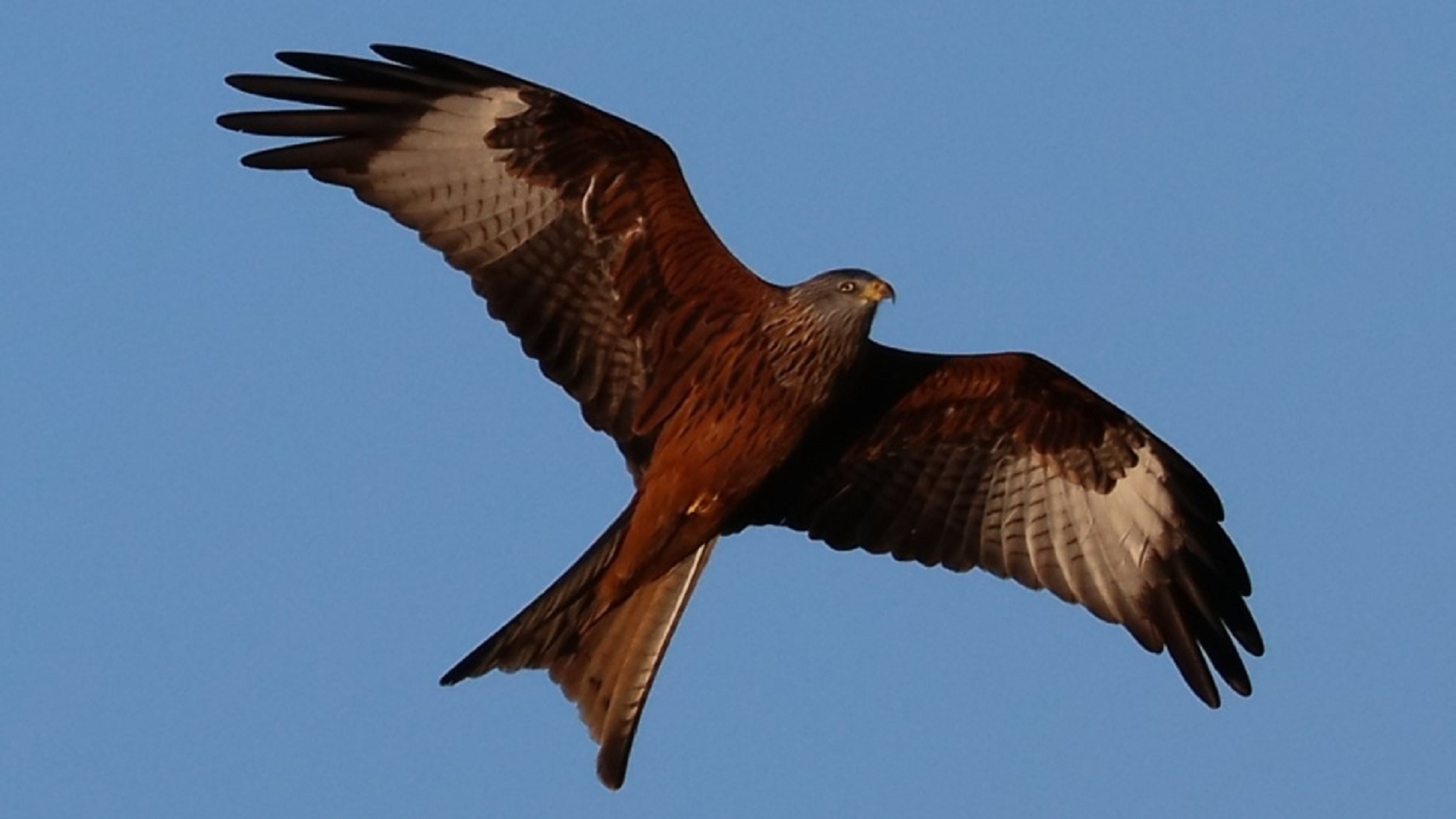
Red Kites were saved from extinction in the UK and have now been successfully re-introduced. They are reddish-brown with a forked tail that distinguishes them from buzzards. Their diet consists of carrion, small mammals and worms.

#
Mallard
Anas platyrhynchos
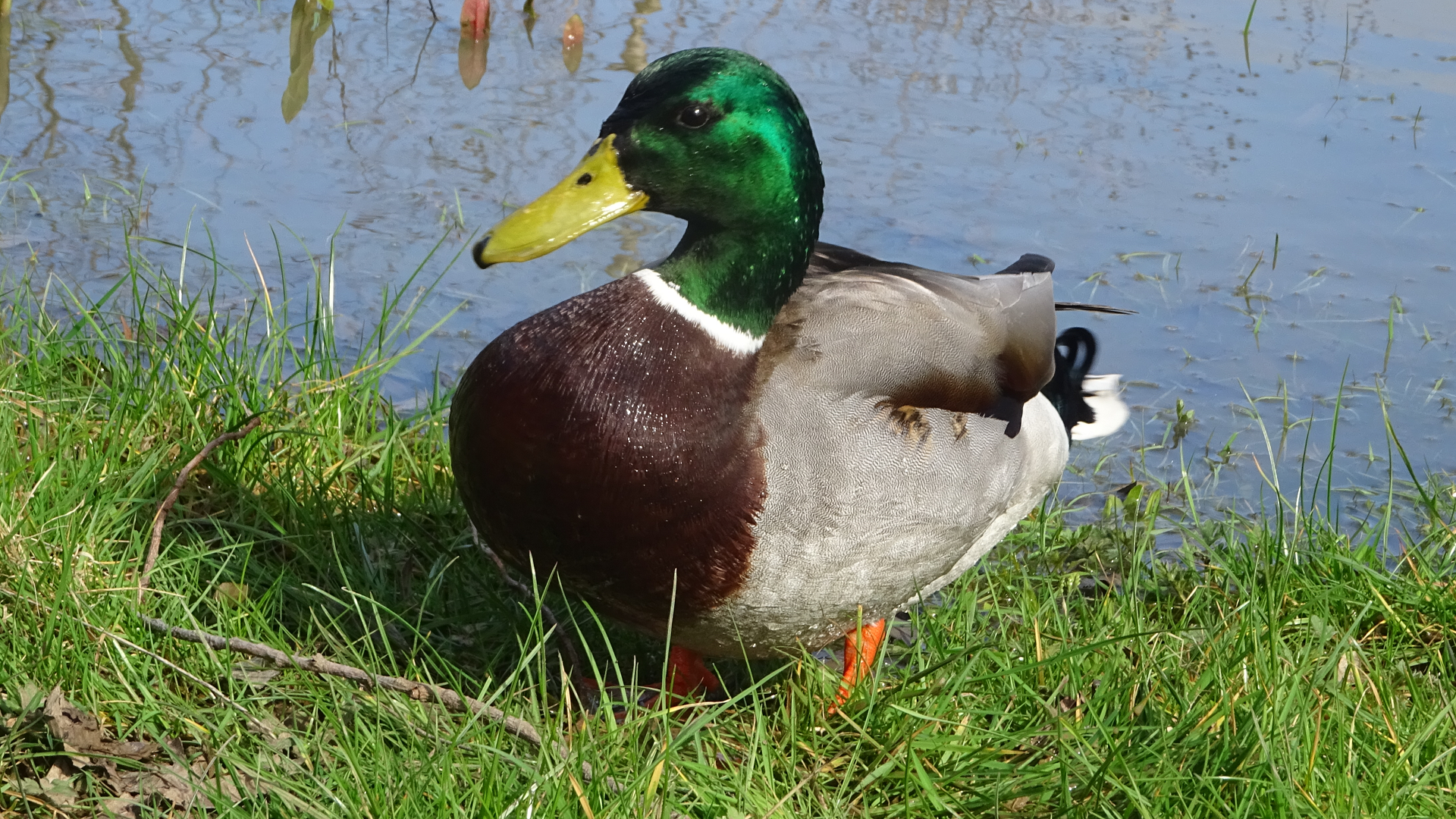
The Mallard is a type of dabbling duck feeding mainly on the surface rather than by diving. Dabbling ducks have feet centred on their body which makes it easy to walk on land. Males known as 'drakes' have glossy bluish-green heads. Females have brown heads. Both sexes have distinct white-bordered blue patches on their wings which become more noticeable in flight. The patches are known as 'speculum'. Early autumn drakes lose colour when moulting flight feathers to grow replacements. This process is known as the 'eclipse'. Mallards typically live 5-10 years spending time in and out of water. Mallards eat vegetation, seeds, berries, insects and shellfish.
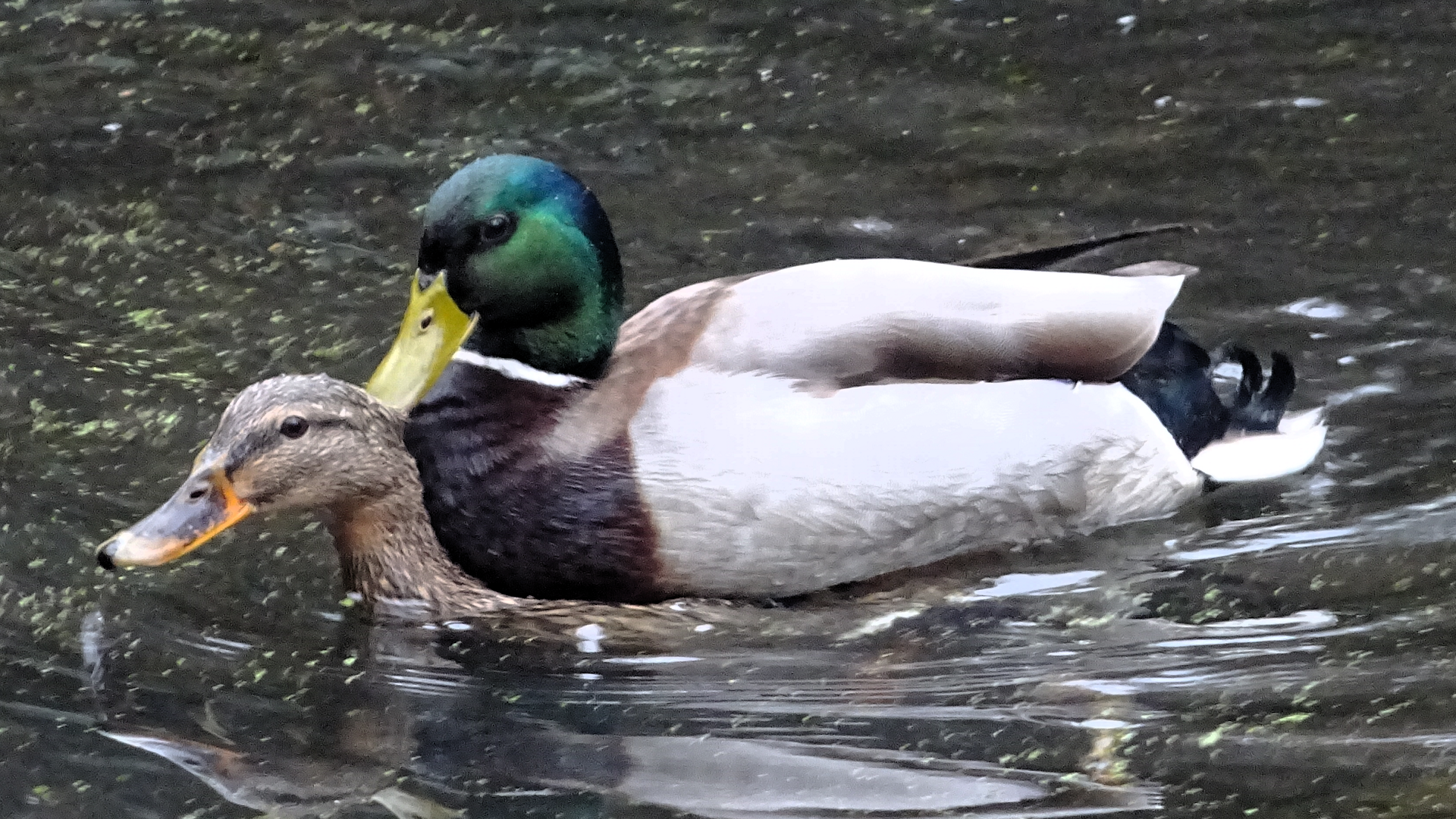
Mallards courting at Roe's well. The female acknowledged a head bobbing display by the drake by lowering her neck which he grabbed with his bill to pull himself onto her back. A female can suffer neck injury and lose feathers if a male gets too rough, however in this case the coupling was over in a minute with no apparent bad consequences.
#
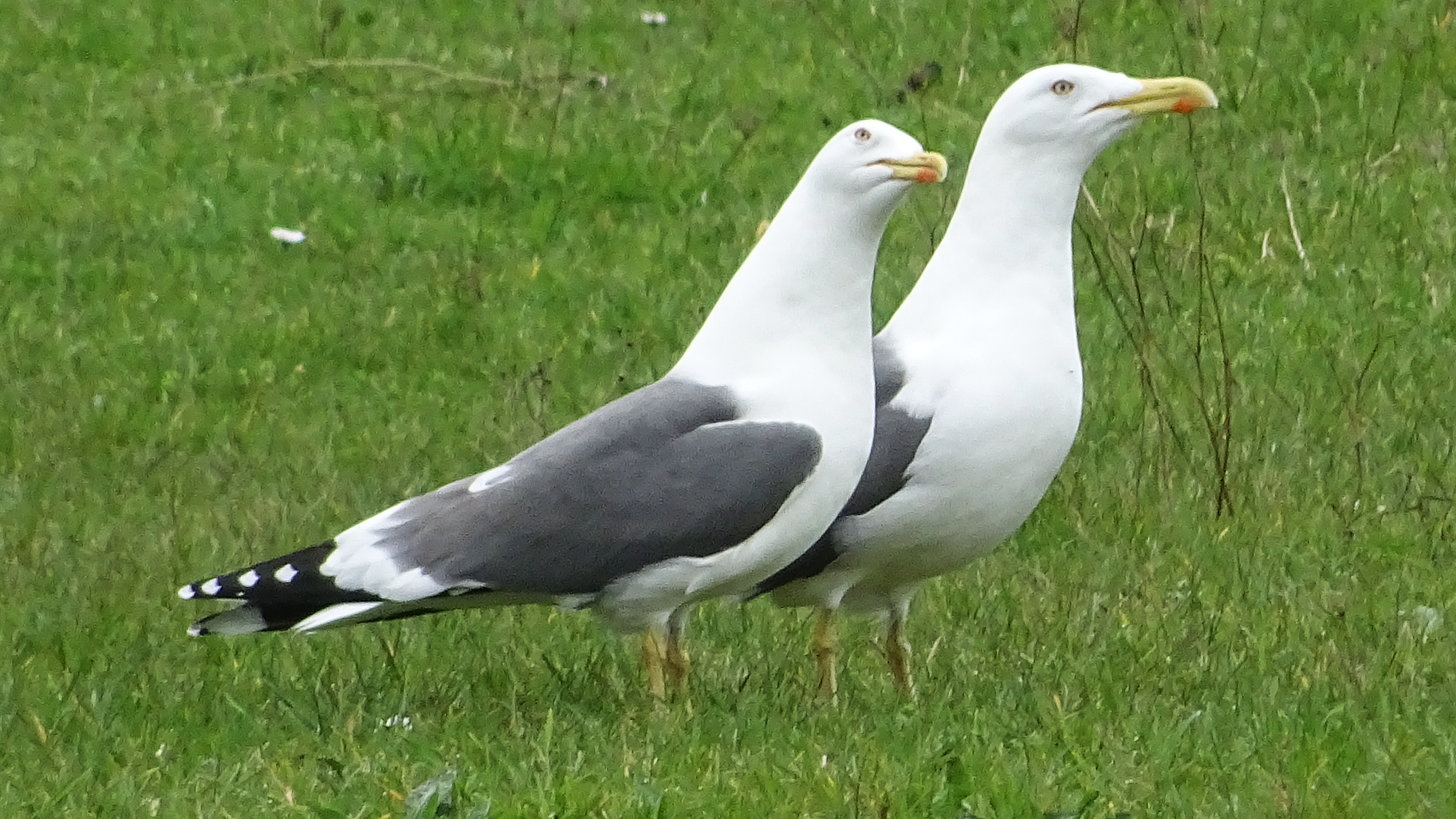
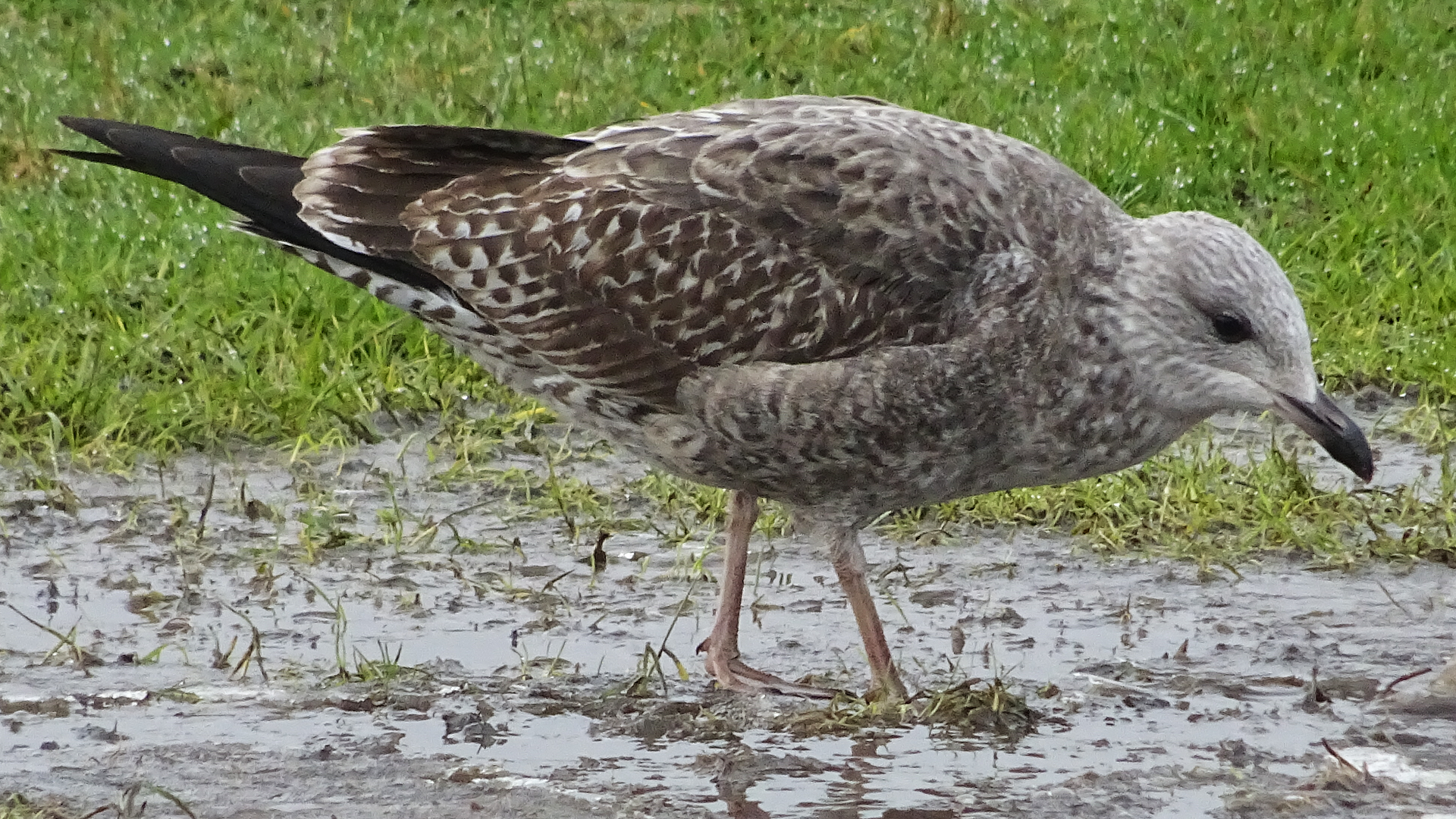
Lesser Black-backed Gull
Larus Fuscus
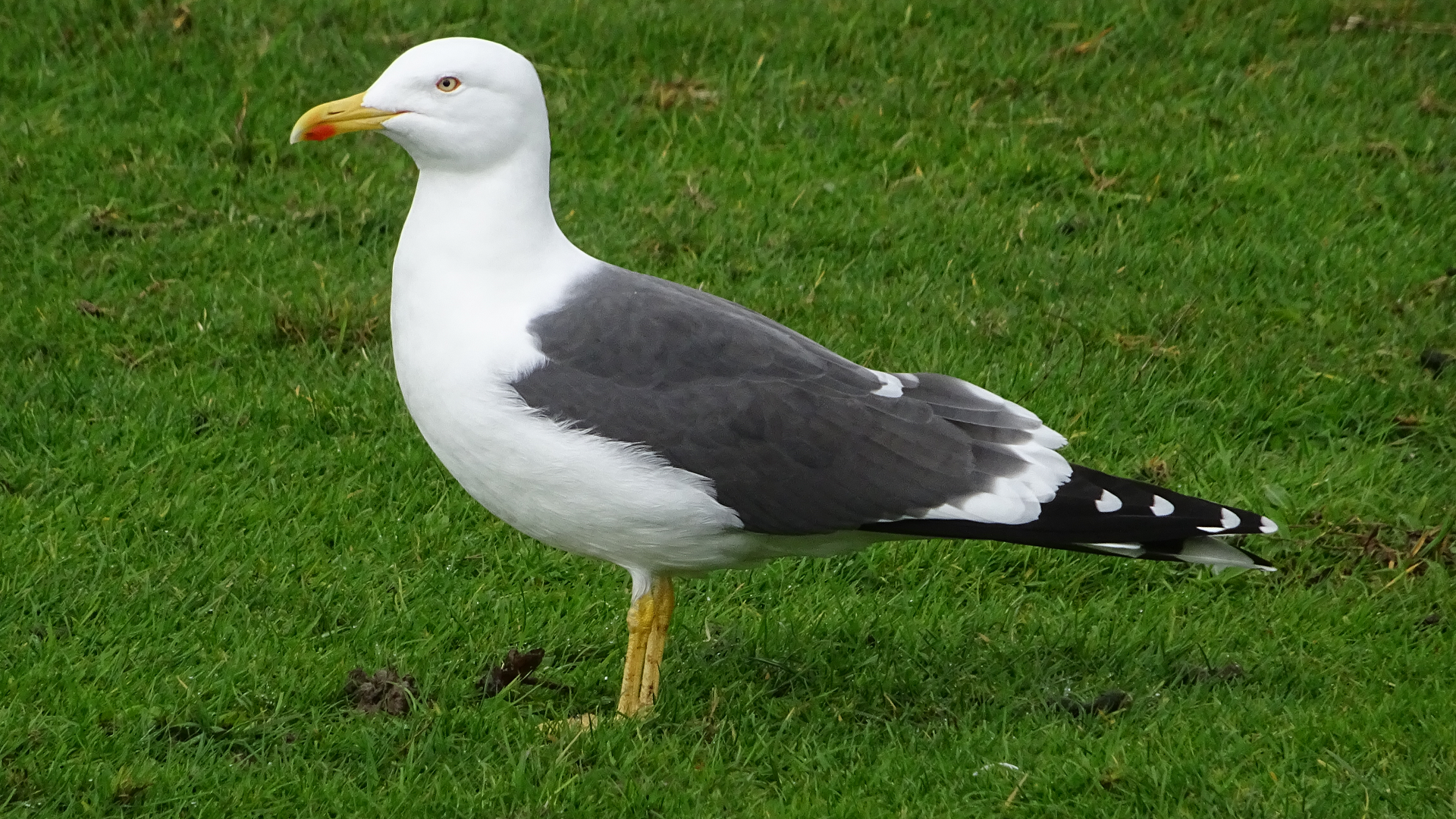
The back of a Lesser Black-backed Gull may range from pale to very dark. Mature adults have yellow bills and legs. It takes four years for them to reach maturity.
#
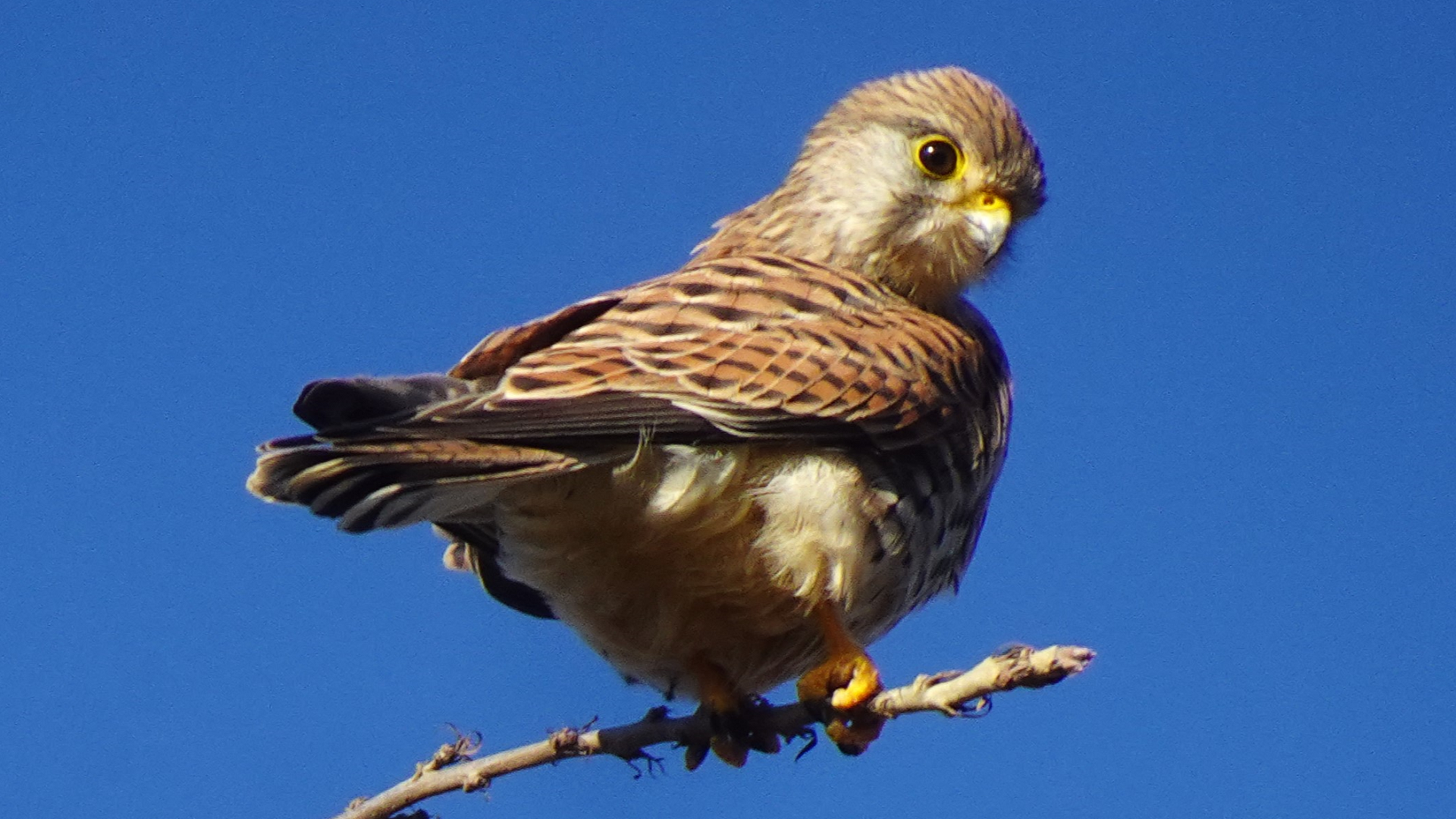
Kestrel
Falco tinnunculus
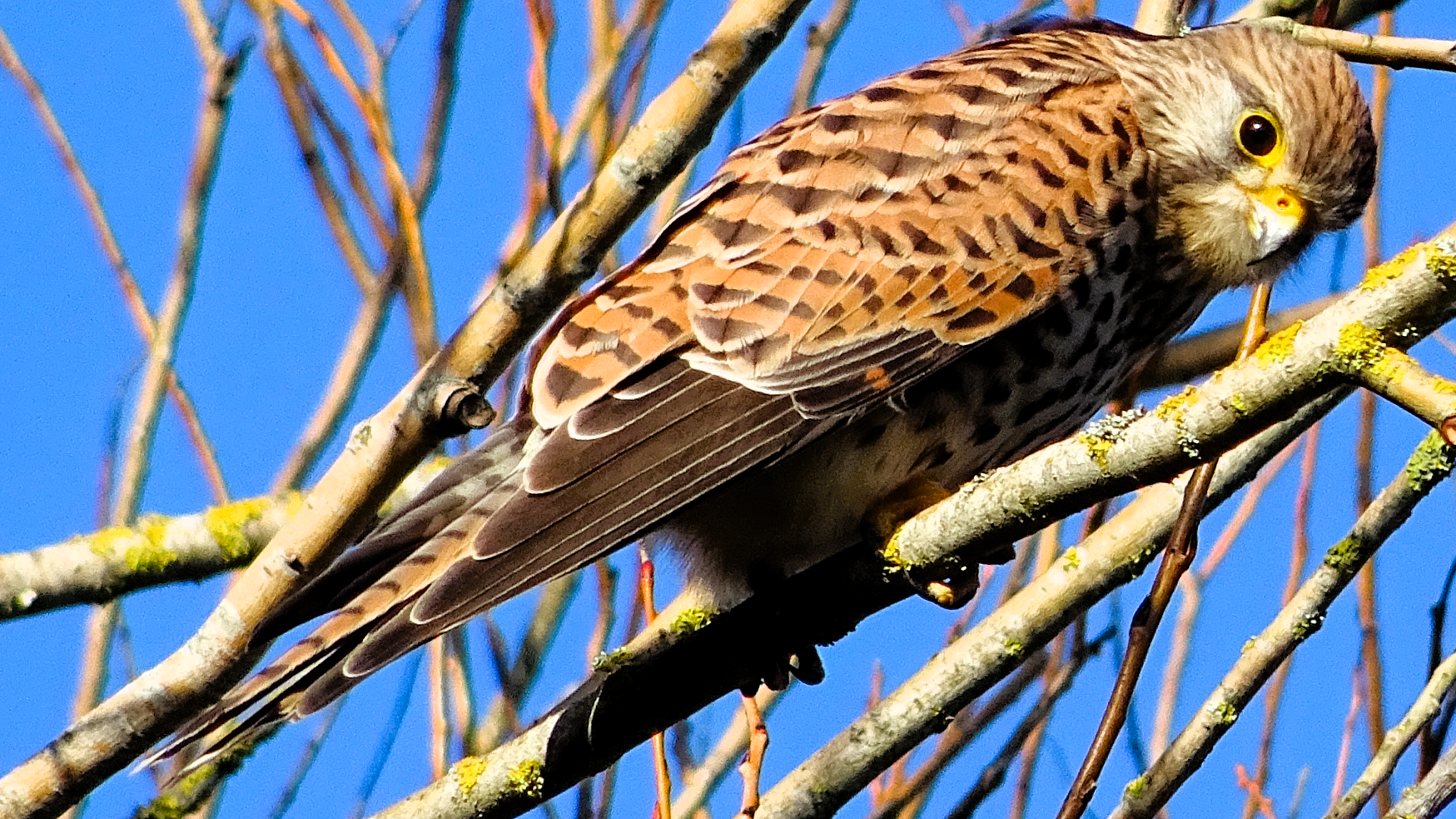
The Kestrel is a small bird of prey known for its distinctive hovering flight when searching for prey in the meadows. They mainly consume small mammals such as voles and mice, but will also feed on small birds and insects.
#
Carrion Crow
Corvus corone
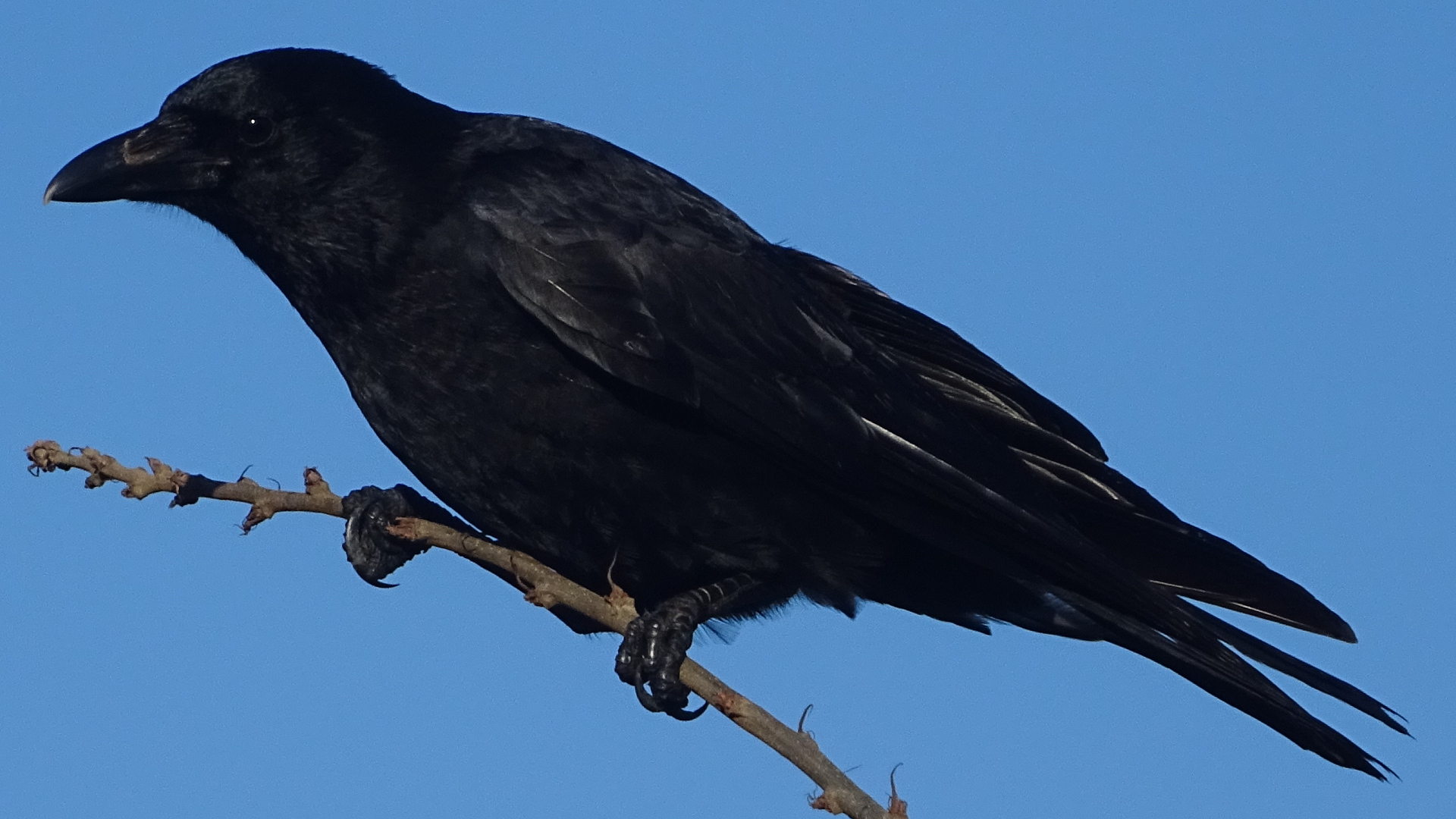
Crows are opportunists and usually go for easy food. Their natural diet mainly consists of nuts, seeds, fruit, grains, insects and rubbish left behind by humans. They also feed on roadkill which is why they are referred to as 'Carrion' Crows.
#
Stonechat
Saxicola torquata
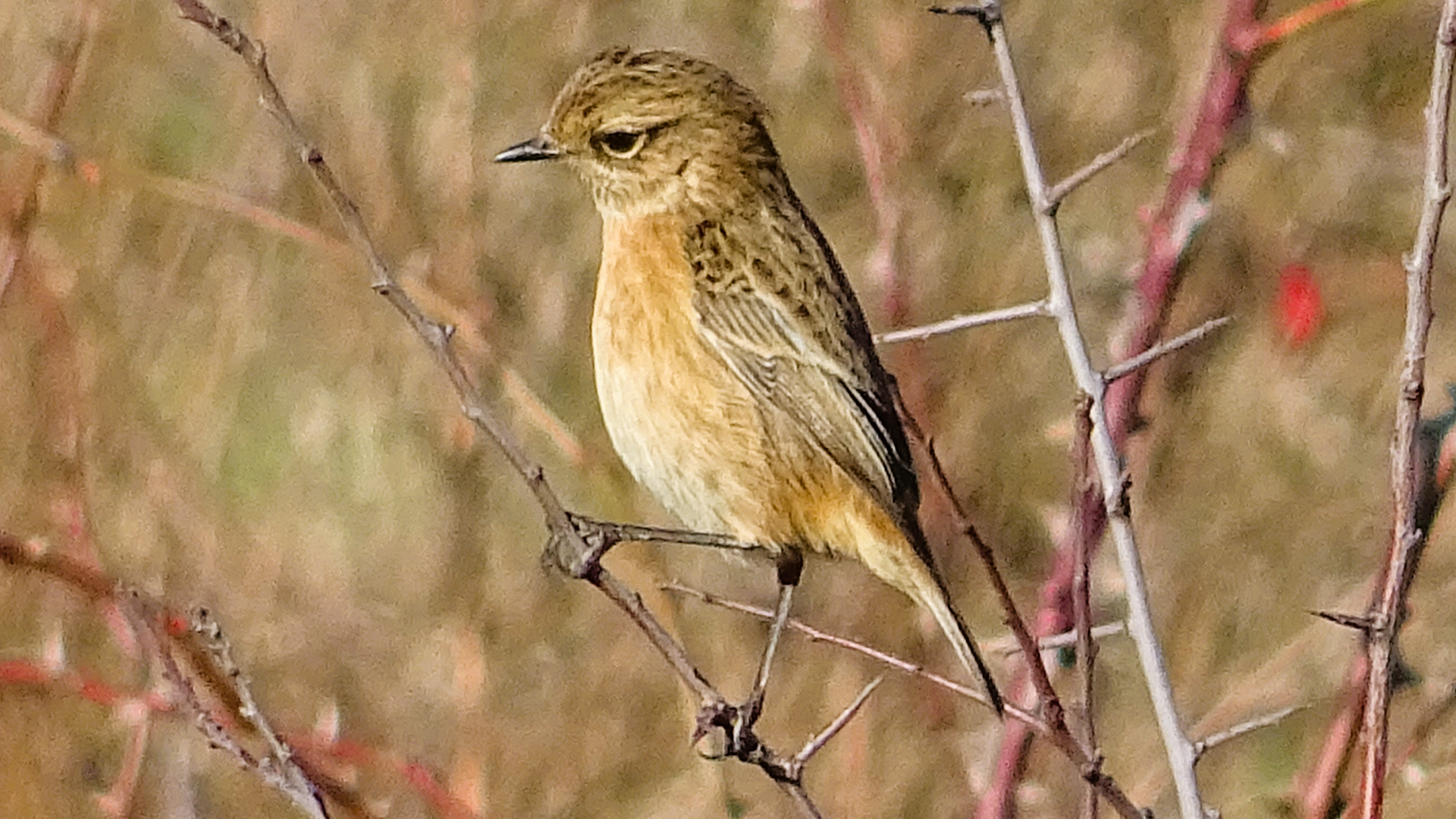
The call of this species sounds like two stones being knocked together. Males have black heads, white at the neck, orange-buff breasts and brown backs. Females do not have black heads. They are winter visitors that consume Insects, fruits and seeds.
#
Redwing
Turdus iliacus
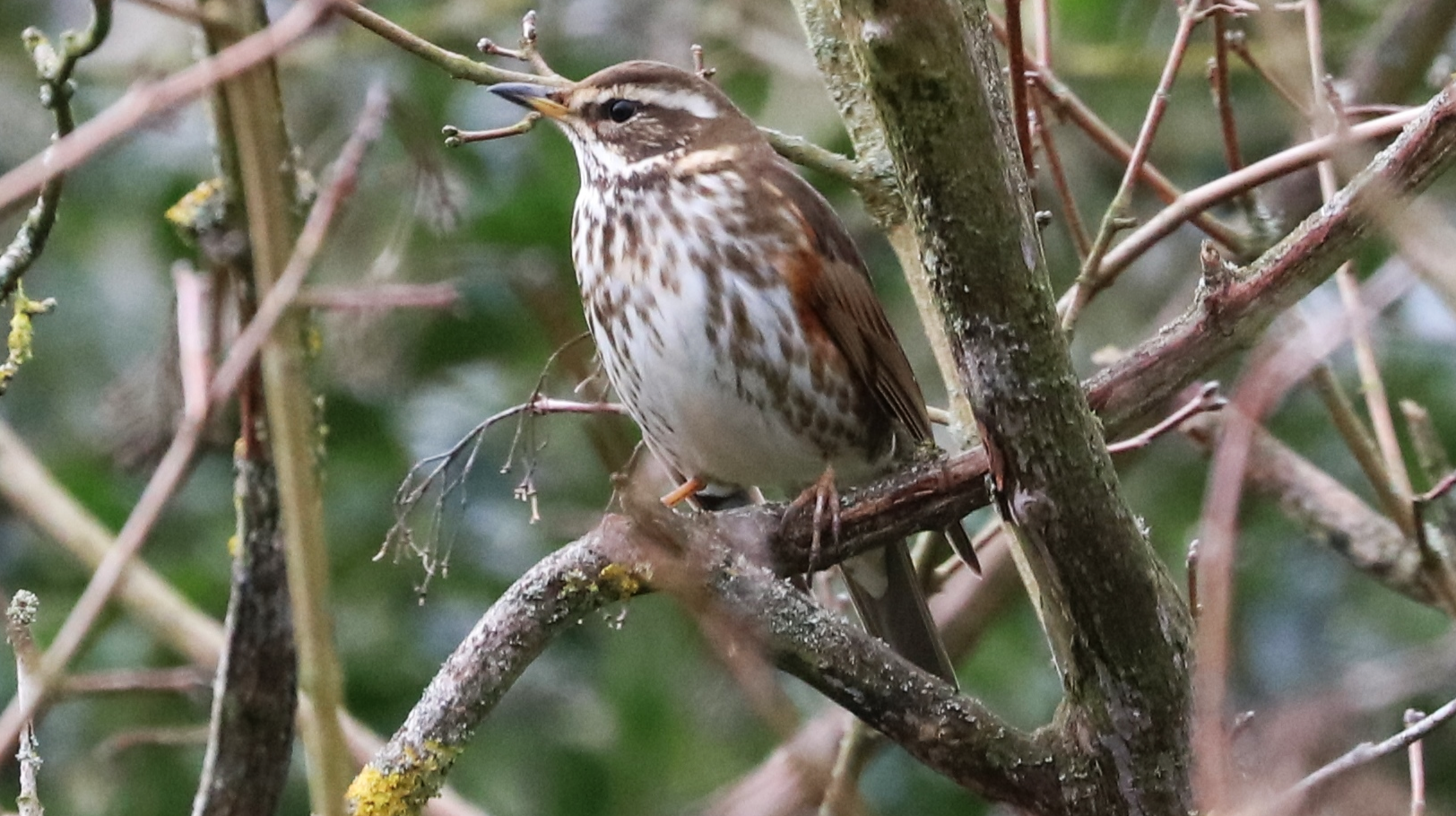
Redwings are thrush-like in appearance, but have a white stripe over the eye and a red underwing. Large flocks of these shy winter visitors sometimes appear in Hainault Forest when there are huge quantities of berries available for them to feed on.
#
Goldeneye
Bucephala clangula

The Goldeneye is a medium-sized diving duck that is seldom observed on Hainault Lake. Males have black and white plumage, with greenish-black heads featuring circular white patches near their yellow eyes. Females are smaller and have mottled grey feathers with chocolate brown heads. This species primarily feeds on mussels, insect larvae, small fish, and vegetation.
#
Mandarin Duck
Aix galericulata
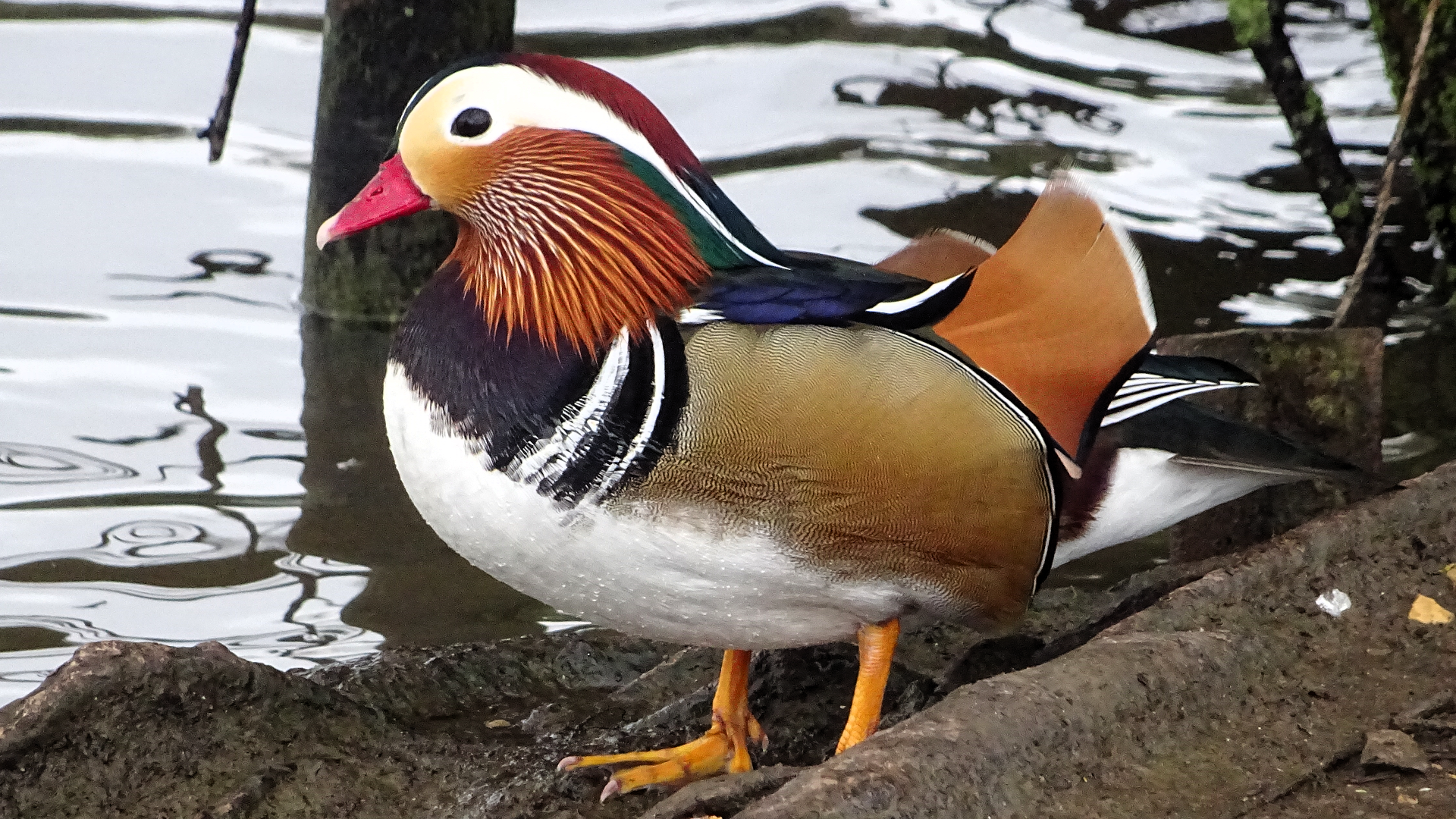
Males have colourful plumage, females are dull by comparison. Introduced to Britain from Asia the worldwide population is believed to be about 65,000 with a downward trend in recent years. Mandarins feed on plants, seeds and insects. In their native country China, they were regarded as symbols of fidelity so were given to brides as wedding presents. However, in reality, Mandarins often pair for the mating season and then seek different partners the following autumn.
#
Treecreeper
Certhia familiaris
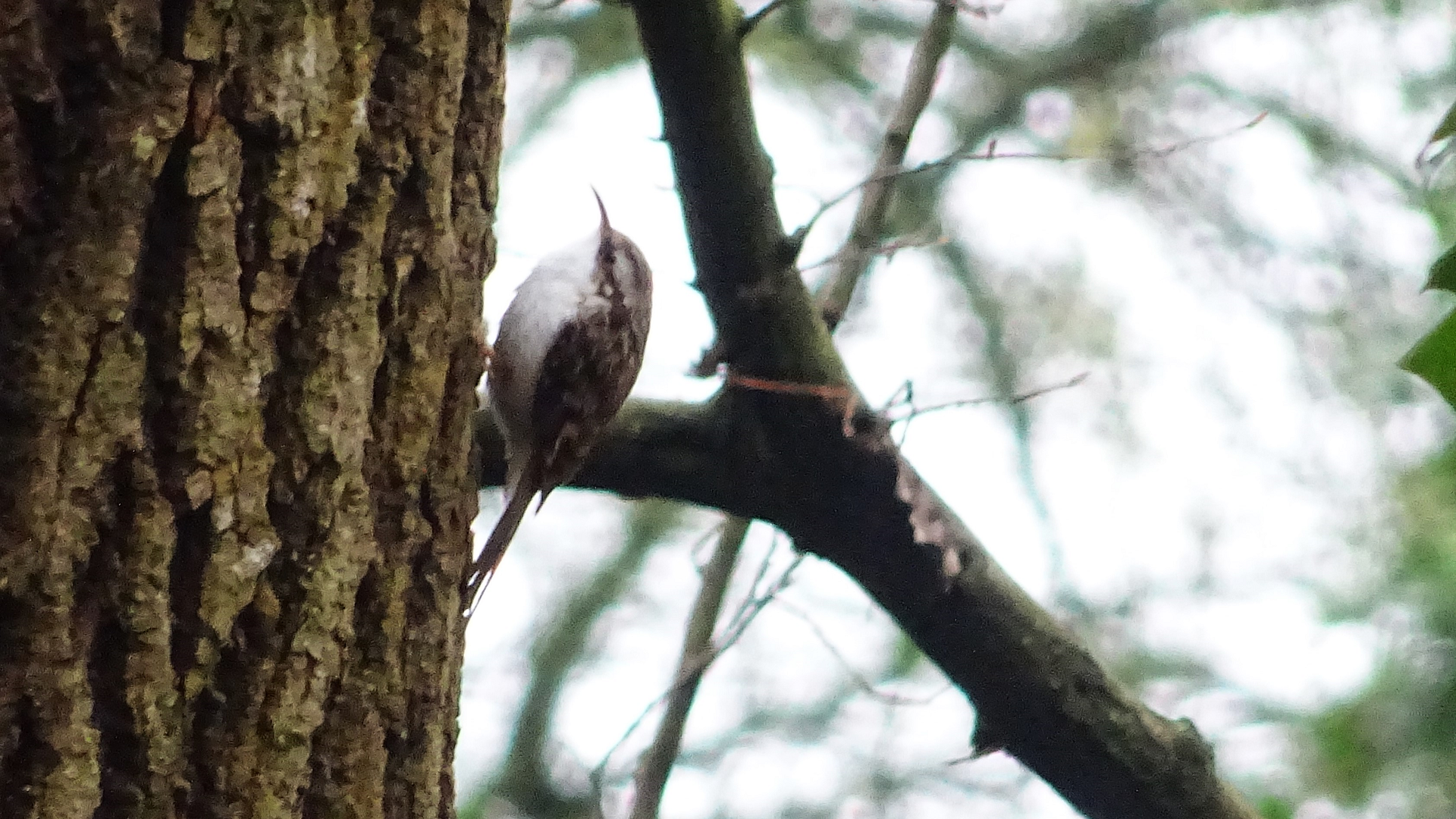
The only British land bird with a curved beak. It is normally seen climbing up the side of tree trunks searching for food. Treecreepers feed on Insects, arachnids and seeds.
#
Nuthatch
Sitta europaea
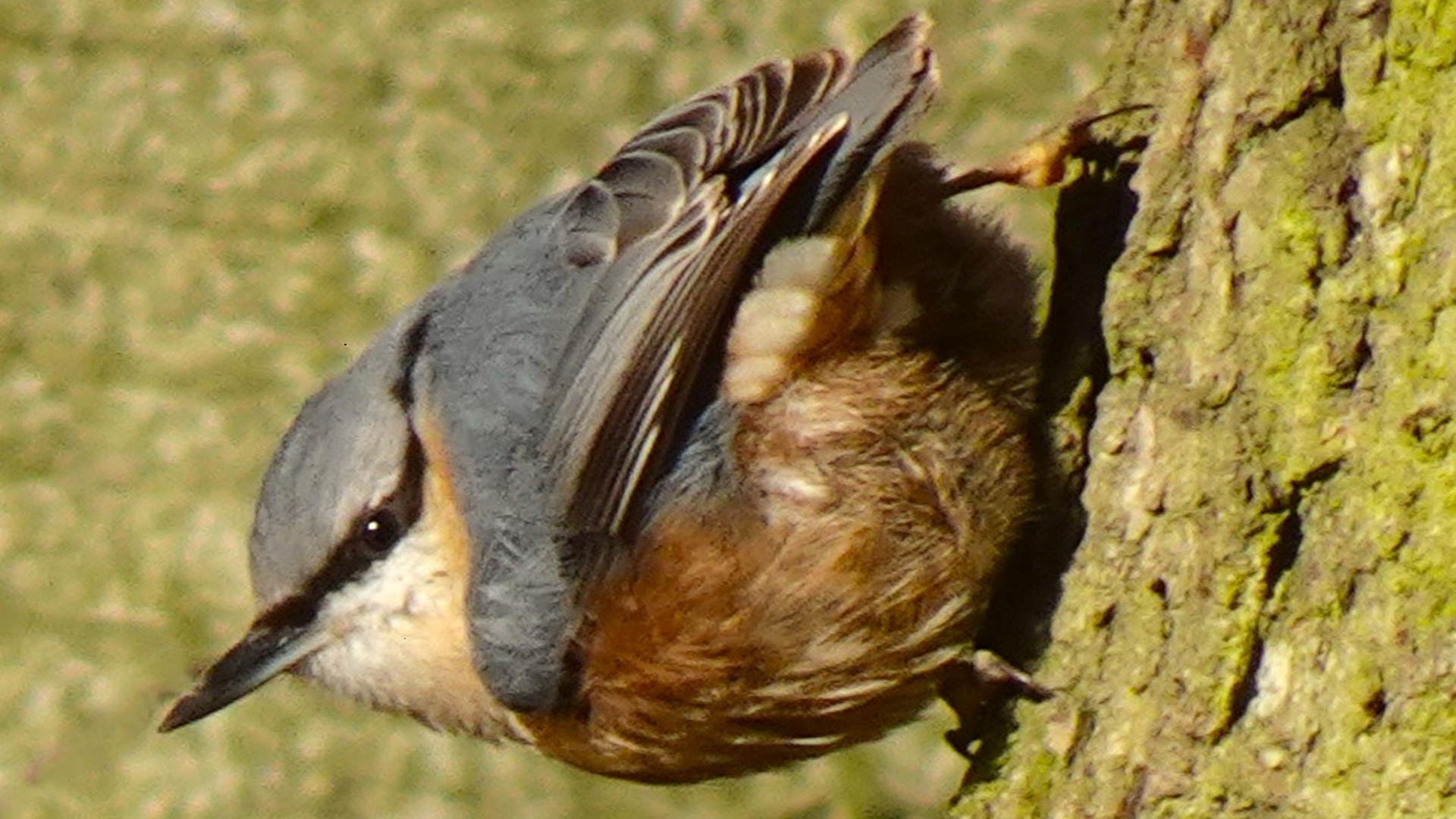
During winter Nuthatches supplement their diet with seeds. In warmer months when insects and arachnids become abundant they usually switch to feeding on those instead.
#
Grey Wagtail
Motacilla cinerea
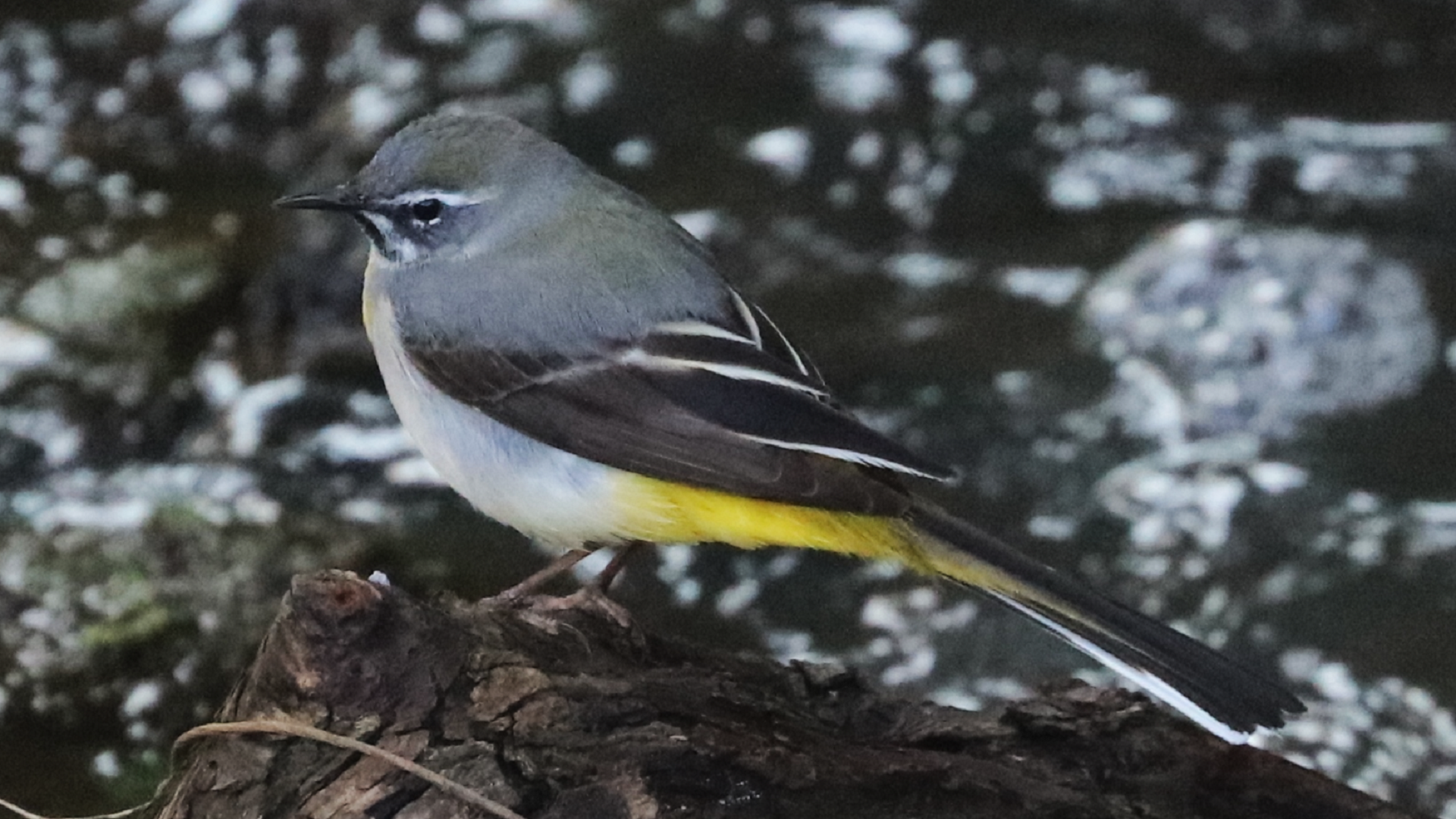
Grey Wagtails are resident throughout the year. Grey Wagtails usually frequent streams and can be distinguished from Yellow Wagtails by the grey back and longer tail. They feed on insects.
#
Blackbird
Turdus merula
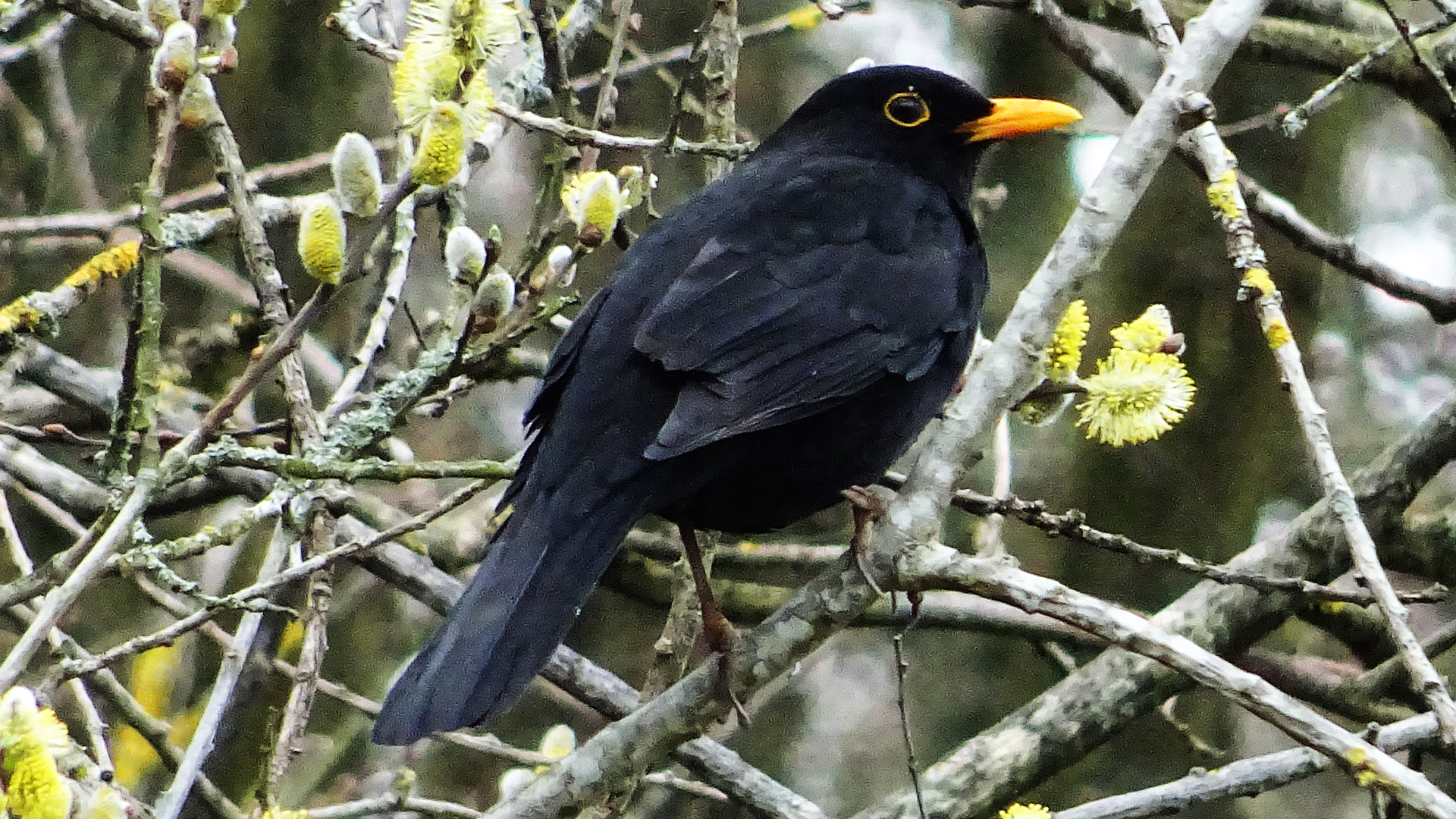
The Blackbird is a member of the Thrush Family that feeds on worms, insects and berries. Males are black with a yellow bill and yellow ring around the eye. Females are dark brown. Blackbirds are often seen turning leaf litter or running across grass in their hunt for food. Males sing to establish territories and are usually heard from March until June. Their melodies start the dawn chorus when other birds are still quiet and continue until dusk.
#
Egyptian Goose
Alopochen aegyptiaca
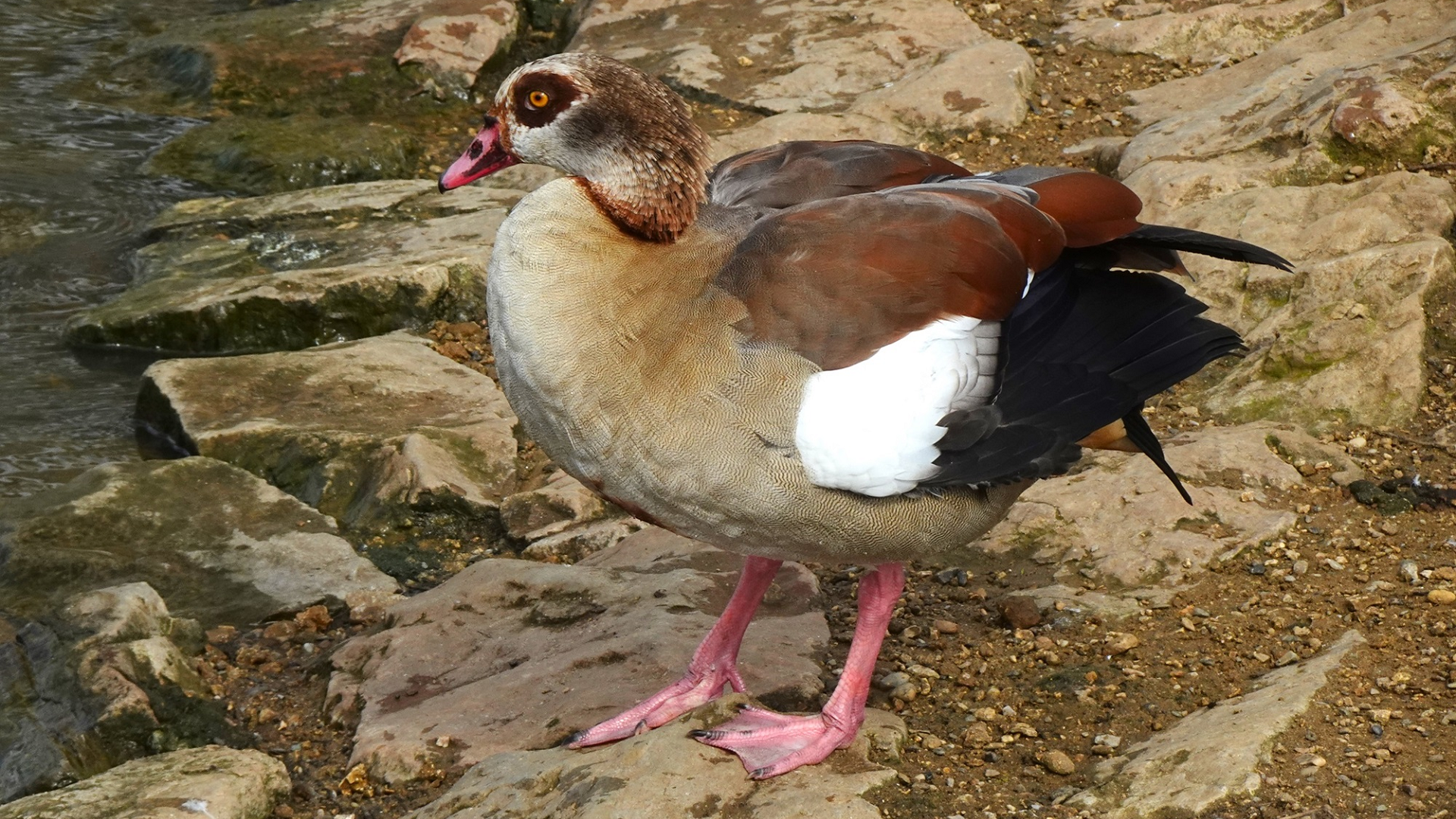
The Ancient Egyptians kept Egyptian Geese as pets as early as 3100 B.C., making them one of the oldest domesticated species. Today, they are the most widespread African waterfowl, found in many countries worldwide after their introduction. They often breed early in the year, usually nesting in tree cavities near freshwater.
#
Skylark
Alauda arvensis
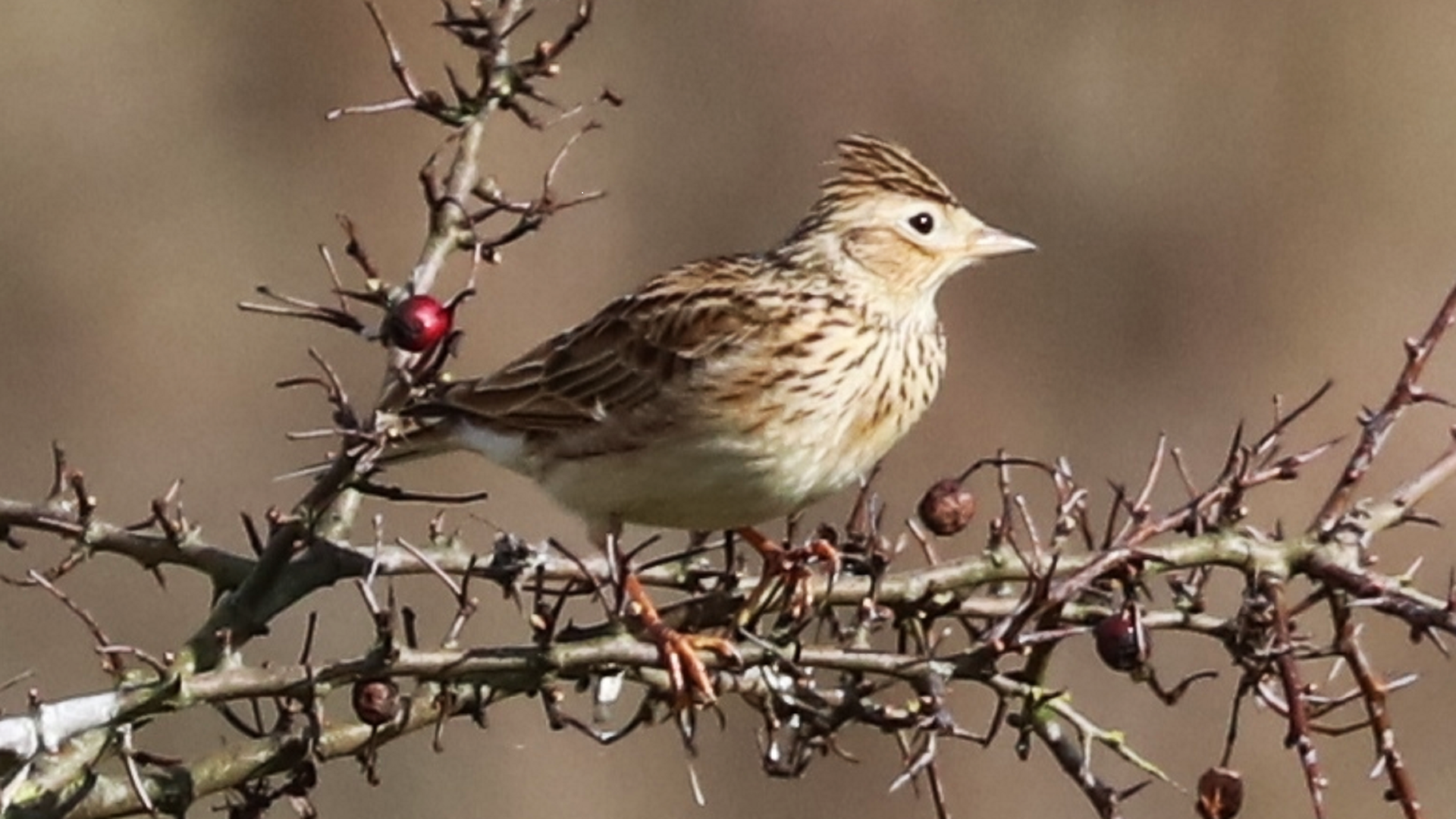
The Skylark is larger than a sparrow and smaller than a starling. It has a small crest on the head which is raised when the bird gets excited or alarmed. It flies vertically up in the air and can often be heard singing while on the wing. The phrase "All aboard the Skylark" has been used in films, children's cartoons and as the title of a music album, but where did it originate? It is a humorous reference for going on a pleasure boat at some seaside resorts - the boat being the proverbial 'Skylark'.
#
Moorhen
Gallinula chloropus
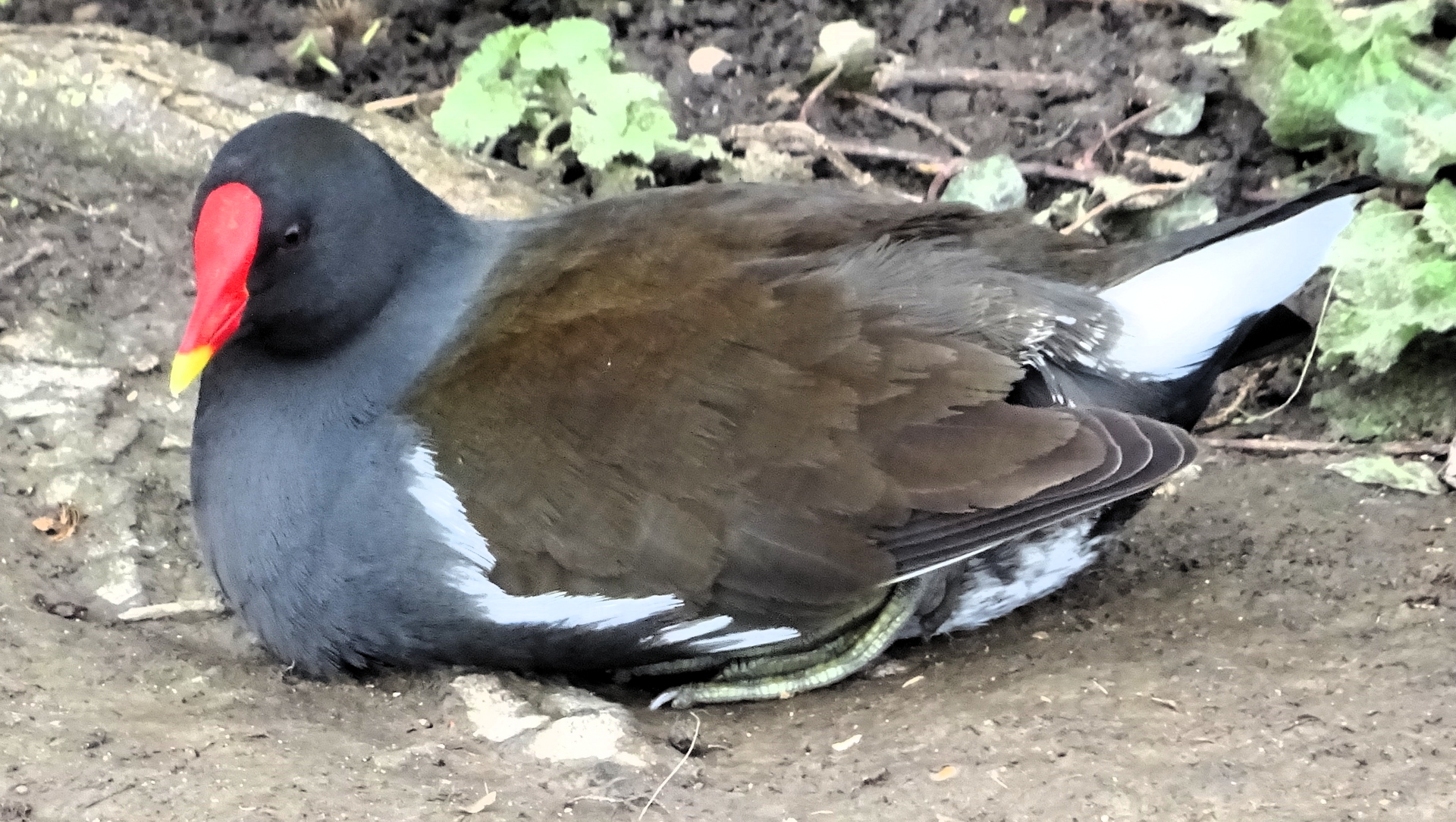
The Moorhen is characterised by a red and yellow beak, a dark brown back and wings, and a blackish belly with white stripes on the flanks. They are known for being promiscuous and frequently change partners during the breeding season. Females appear to have a preference for smaller, plumper mates. Nests are constructed using dead vegetation and are typically placed among floating plants or near the water. Eggs are occasionally laid in the nests of other birds, which enables a female to increase her total egg production. Moorhens have a varied diet that includes plants, seeds, worms, insects, molluscs, and fish.
#
Tufted Duck
Aythya fuligula
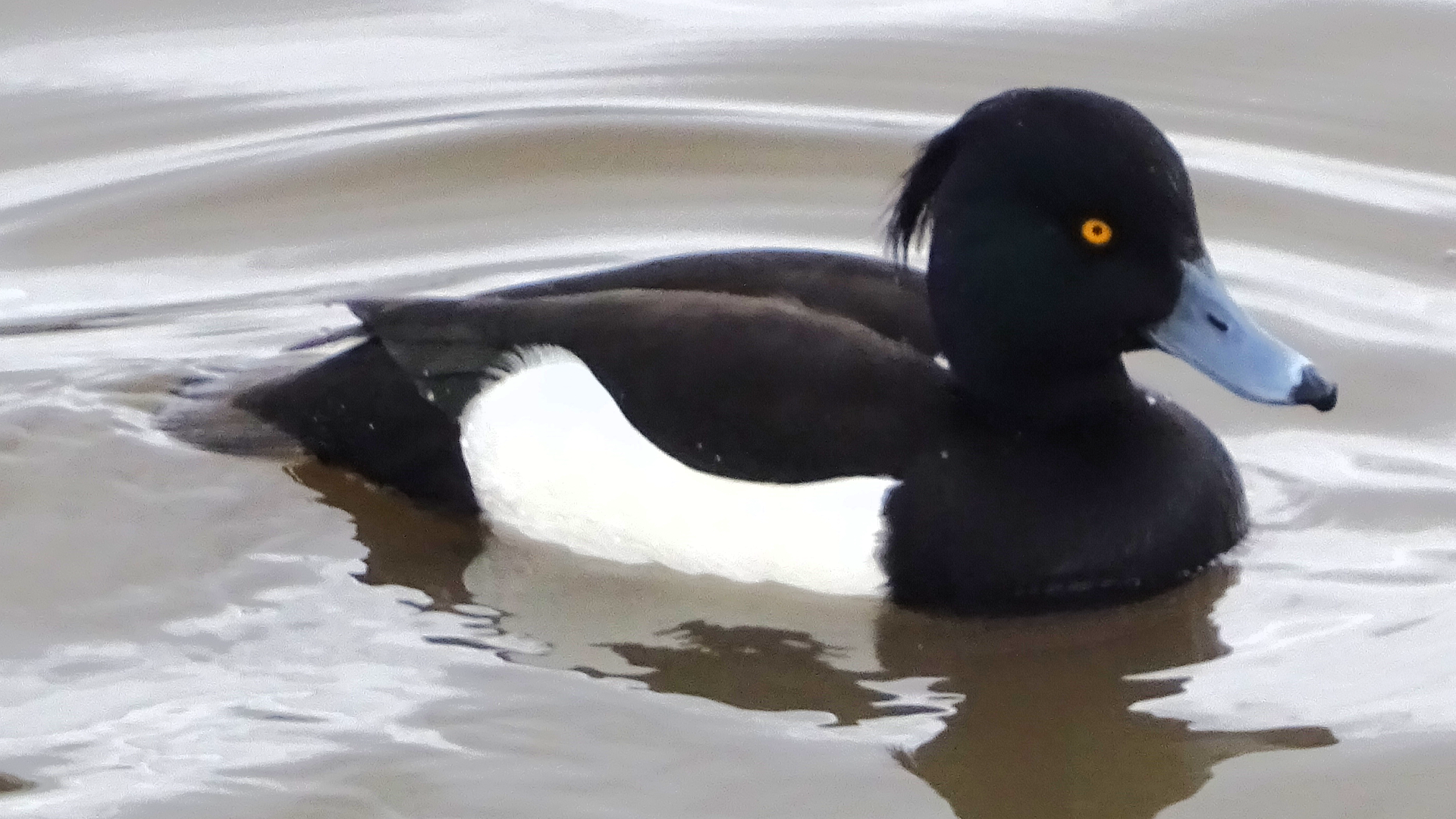
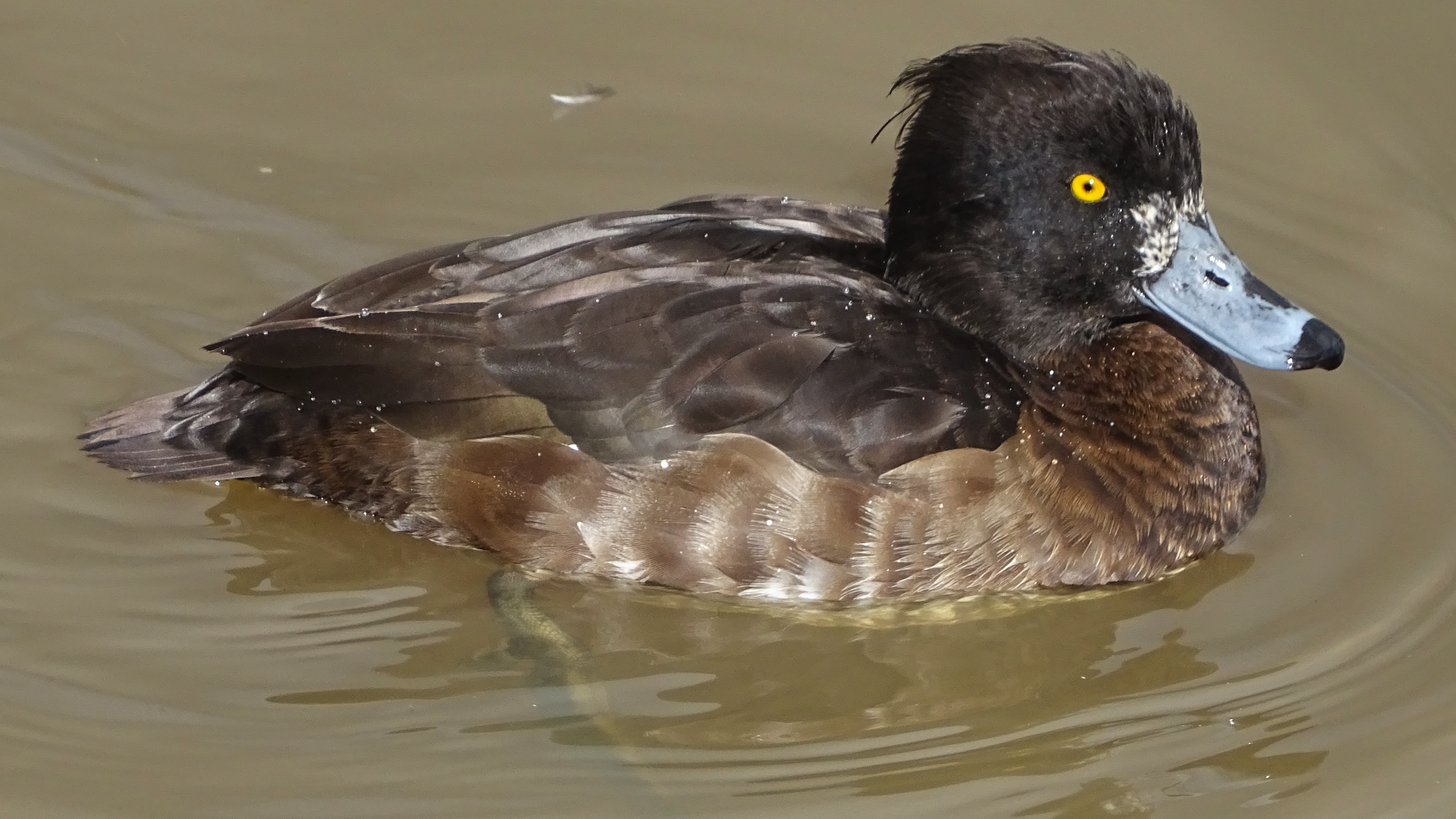
Tufted Ducks have their legs located towards the back of their bodies. They appear awkward when walking and are better suited for an aquatic lifestyle. They normally like to stay on the water and are seldom seen leaving it. Females are brown.
#
Pheasant
Phasianus colchicus
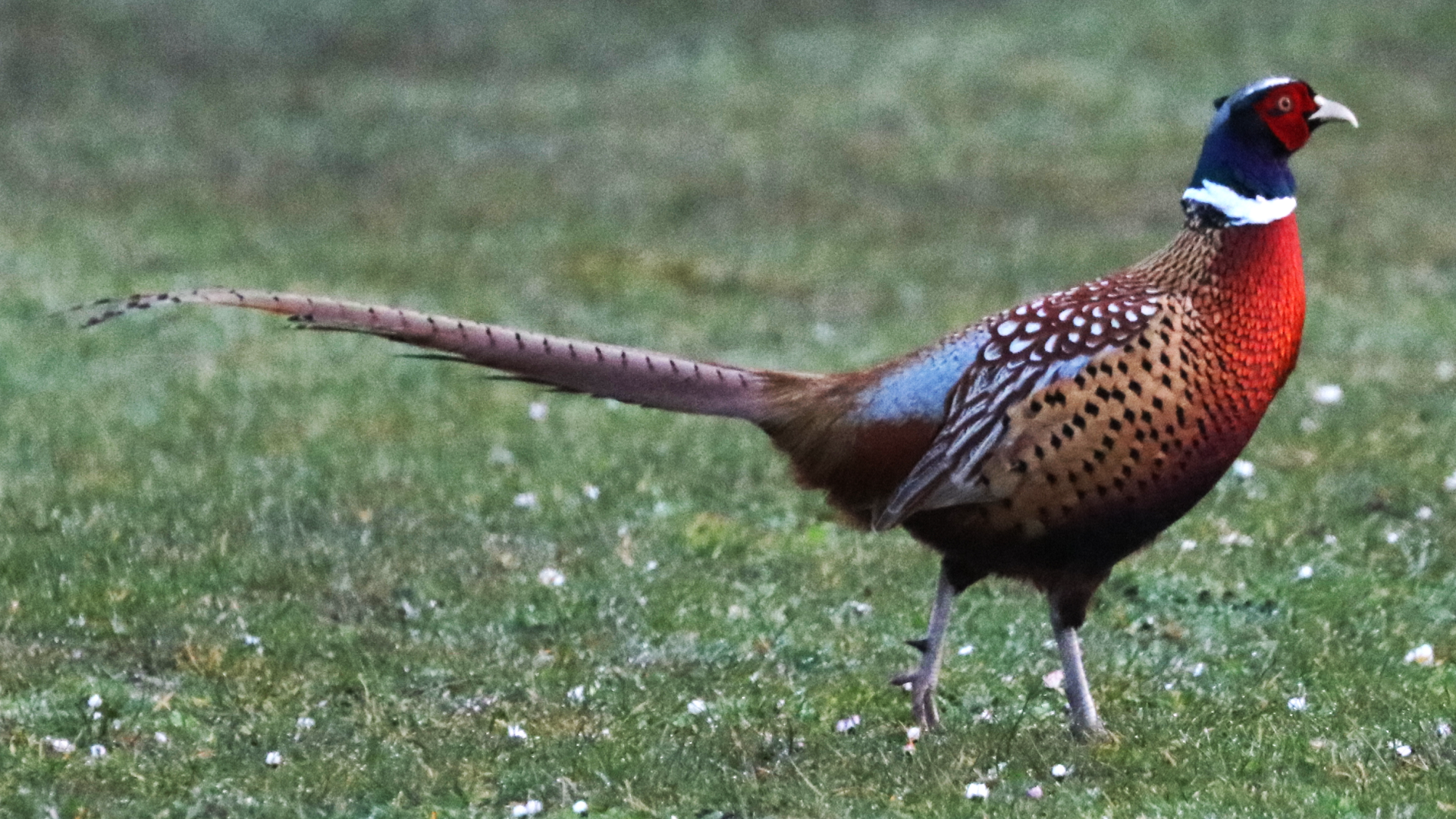
The male Pheasant is a handsome long-tailed bird with bright-coloured plumage. Females are dull brown by comparison.
#
Blue Tit
Cyanistes caeruleus
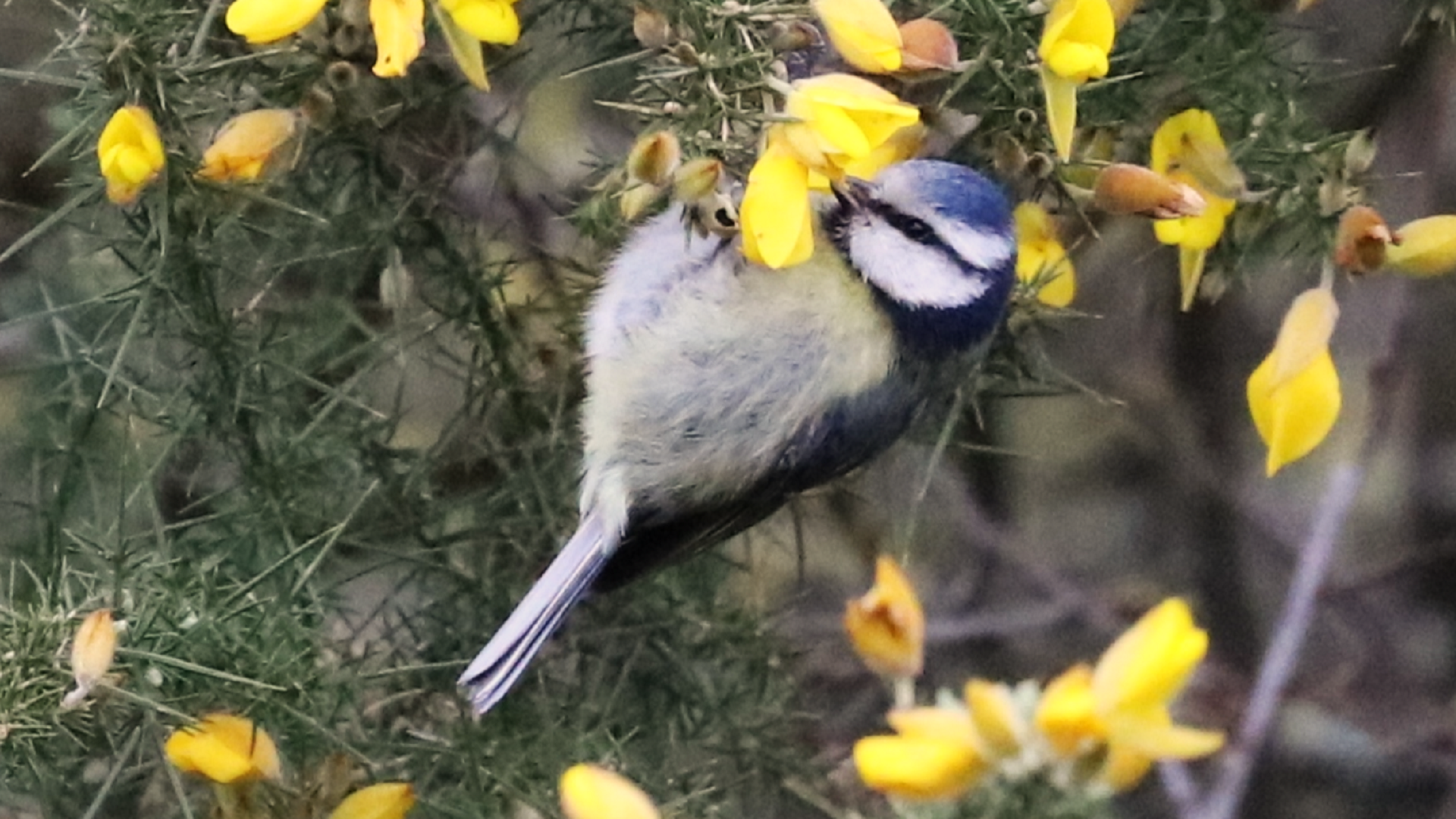
Blue Tits feed on insects, larvae, nuts and seeds. Their favoured habitat is broad-leaved woodland, but they readily adapt to a variety of other habitats. They rarely move far from where they hatched.
#
Fox
Vulpes vulpes
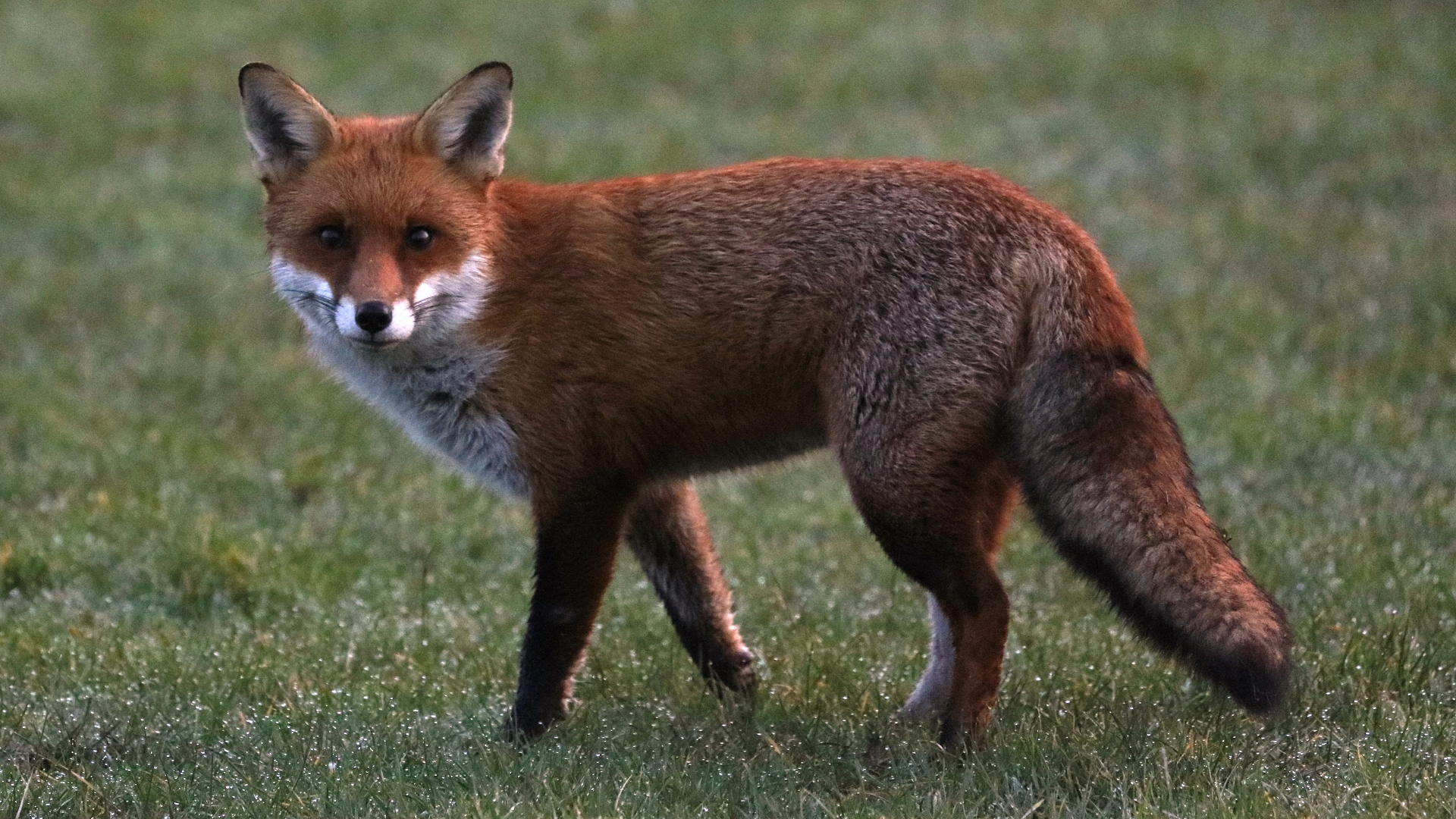
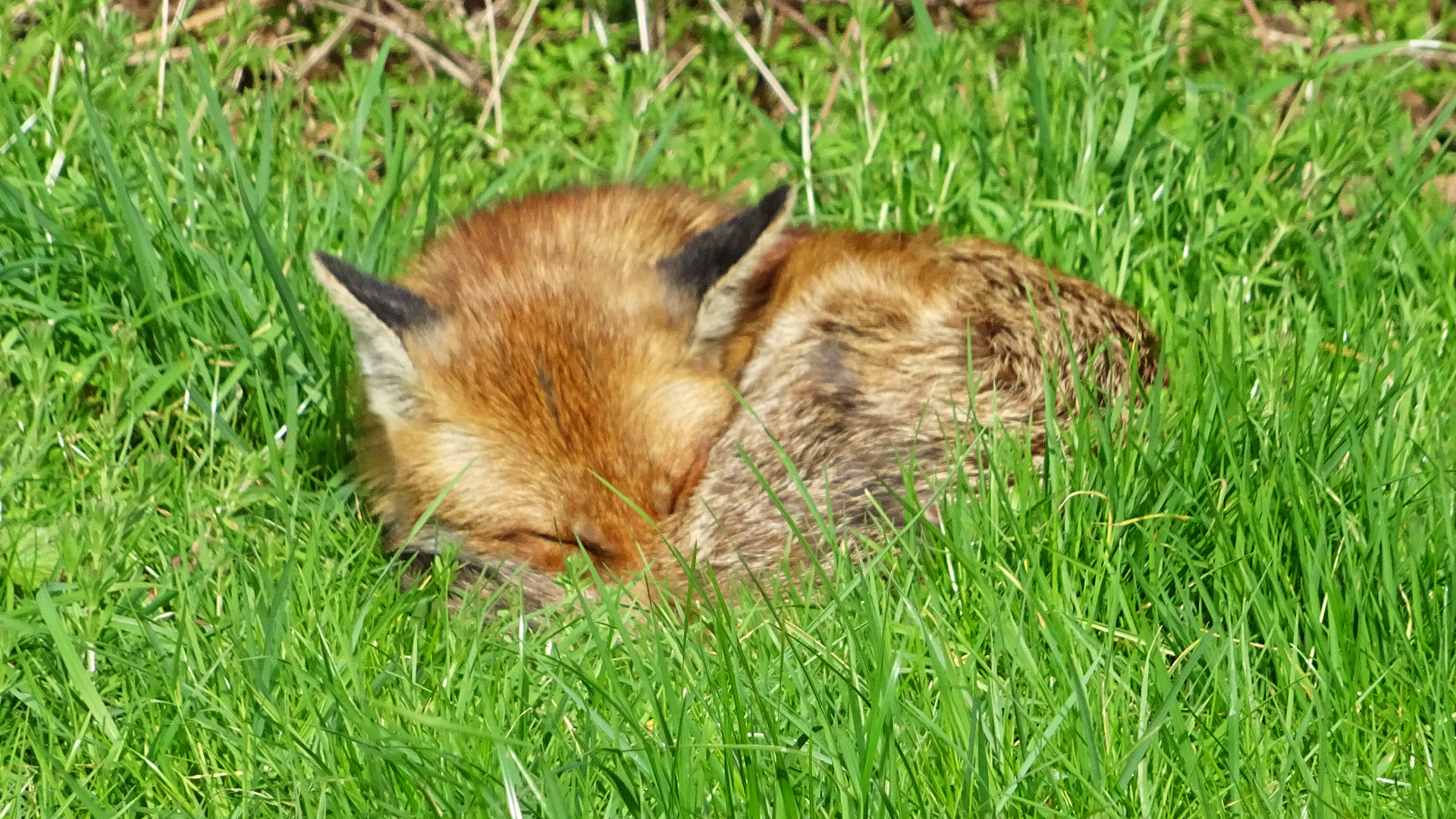
Foxes are often described as wily and cunning. They are clever animals able to find food and escape danger, also excellent at surviving in extreme weather, outwitting predators and looking after their young. Fox cubs learn hunting skills and become more independent during summer. They are ready to find their own territories by autumn or winter.
#
Two-spot Ladybird
Adalia bipunctata
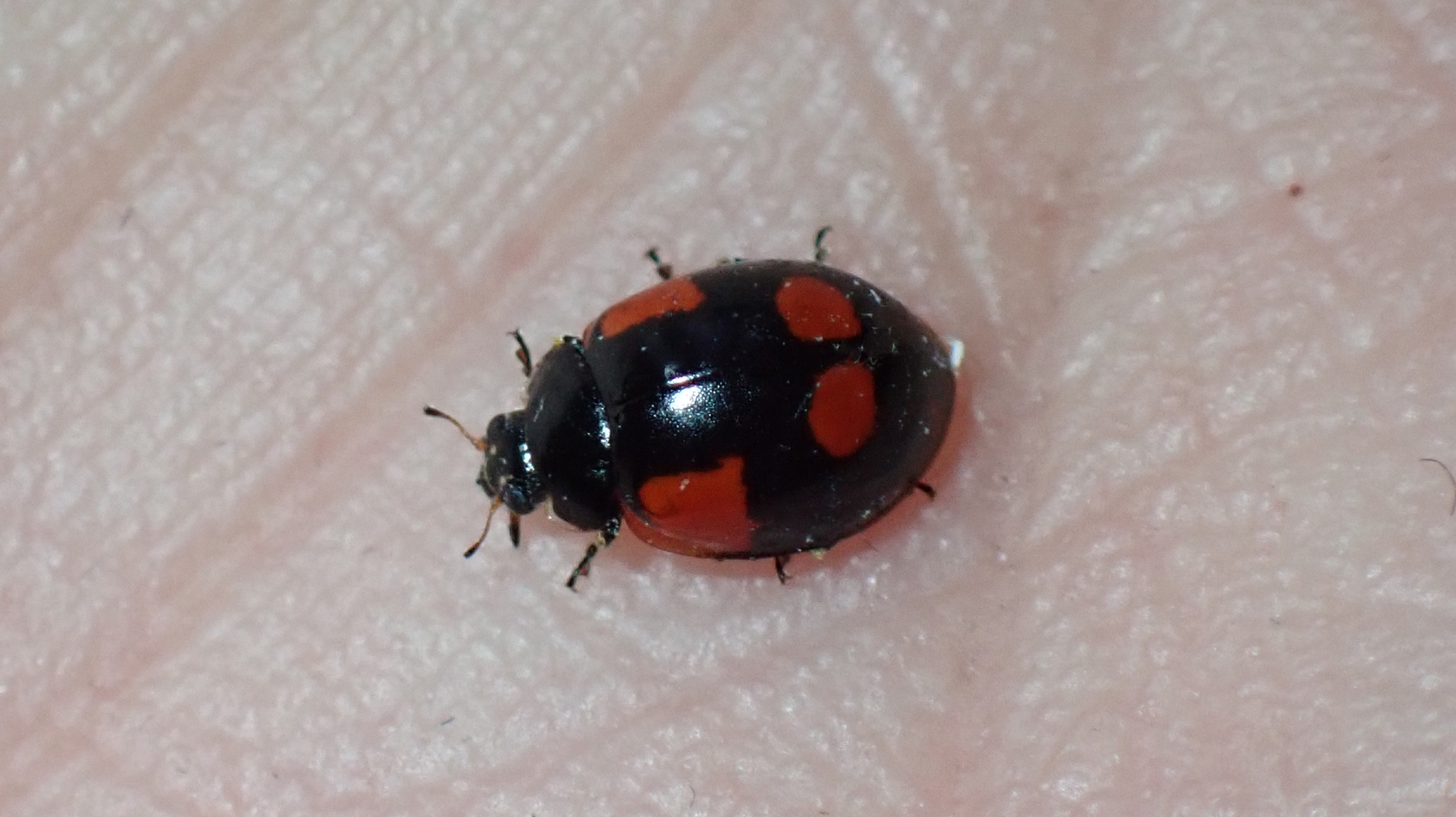
The 2-spot Ladybird is normally red with two black spots on the elytra, but comes in other colour forms too, including black with two red spots. Sometimes they have multiple spots. The legs are black, a useful characteristic to tell it apart from the 10-spot Ladybird which has brown legs.
Hibernation occurs during winter and these ladybirds usually become active late February or during March. Aphids, small insects, insect eggs, and mites form their diet.
#
Comma
Polygonia c-album
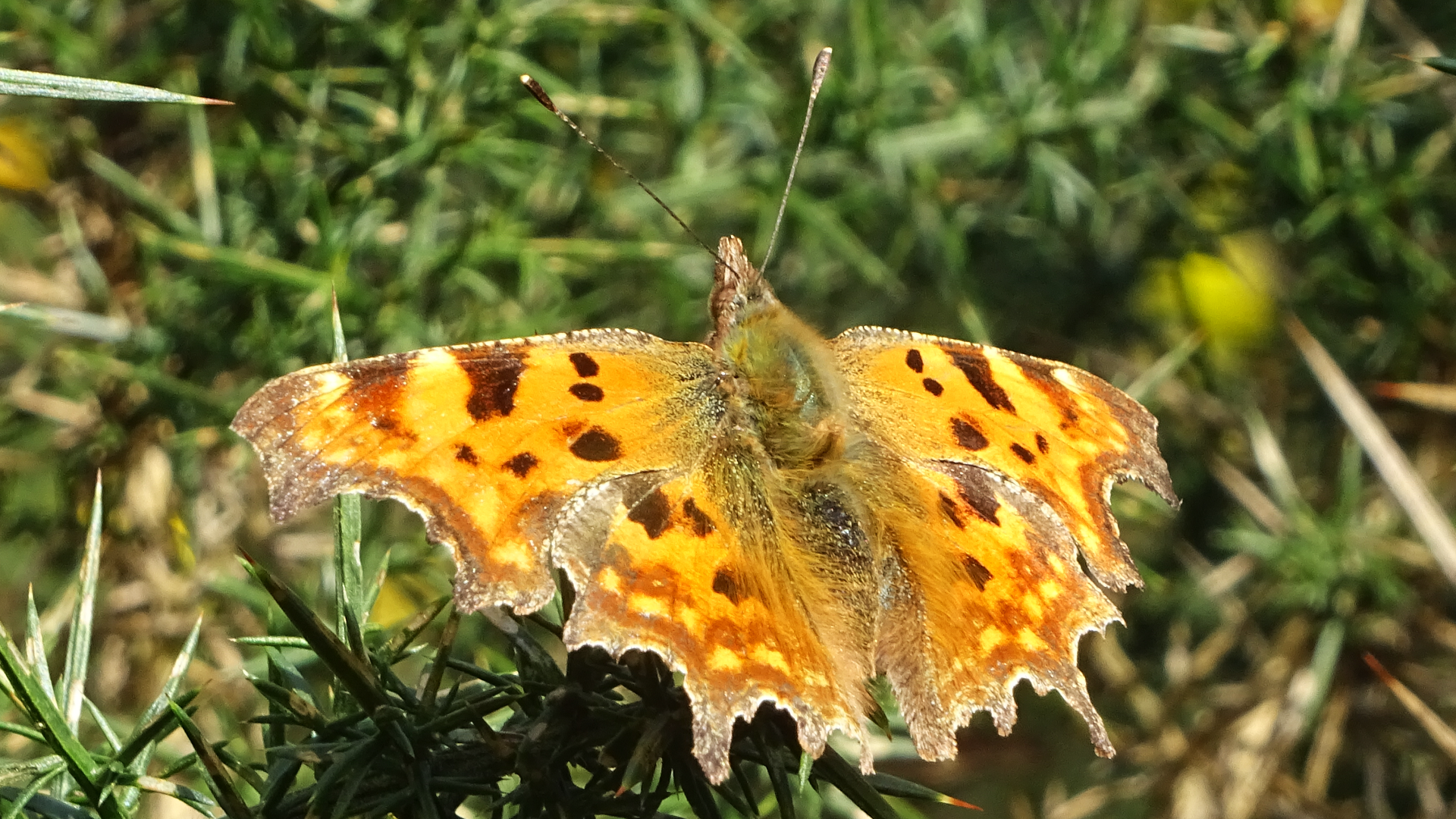
The Comma butterfly features jagged orange-brown upper wings accented with black and yellowish-brown markings. When at rest, it resembles a dried leaf. Comma butterflies prefer to rest on hedgerows in sunny areas. The name "Comma" comes from a small 'comma' mark found on the underside of their wings. Their caterpillars feed on nettles and hop plants.
#
Streamer
Anticlea derivata
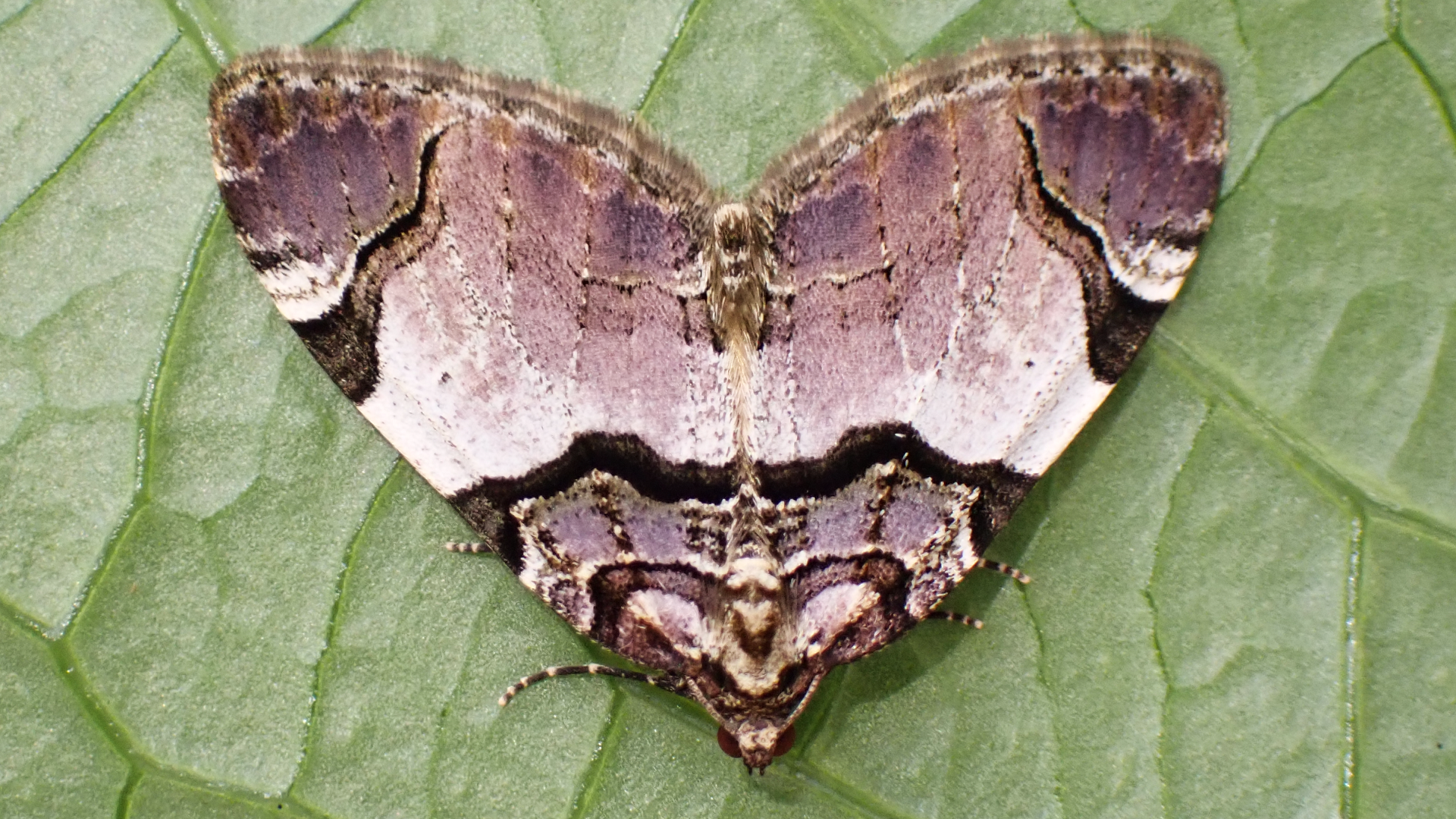
The Streamer is an attractive springtime moth. It inhabits woodland, scrub and hedgerows. Its larvae feed on dog-rose and other wild roses.
#
Spring Usher
Agriopis leucophaearia
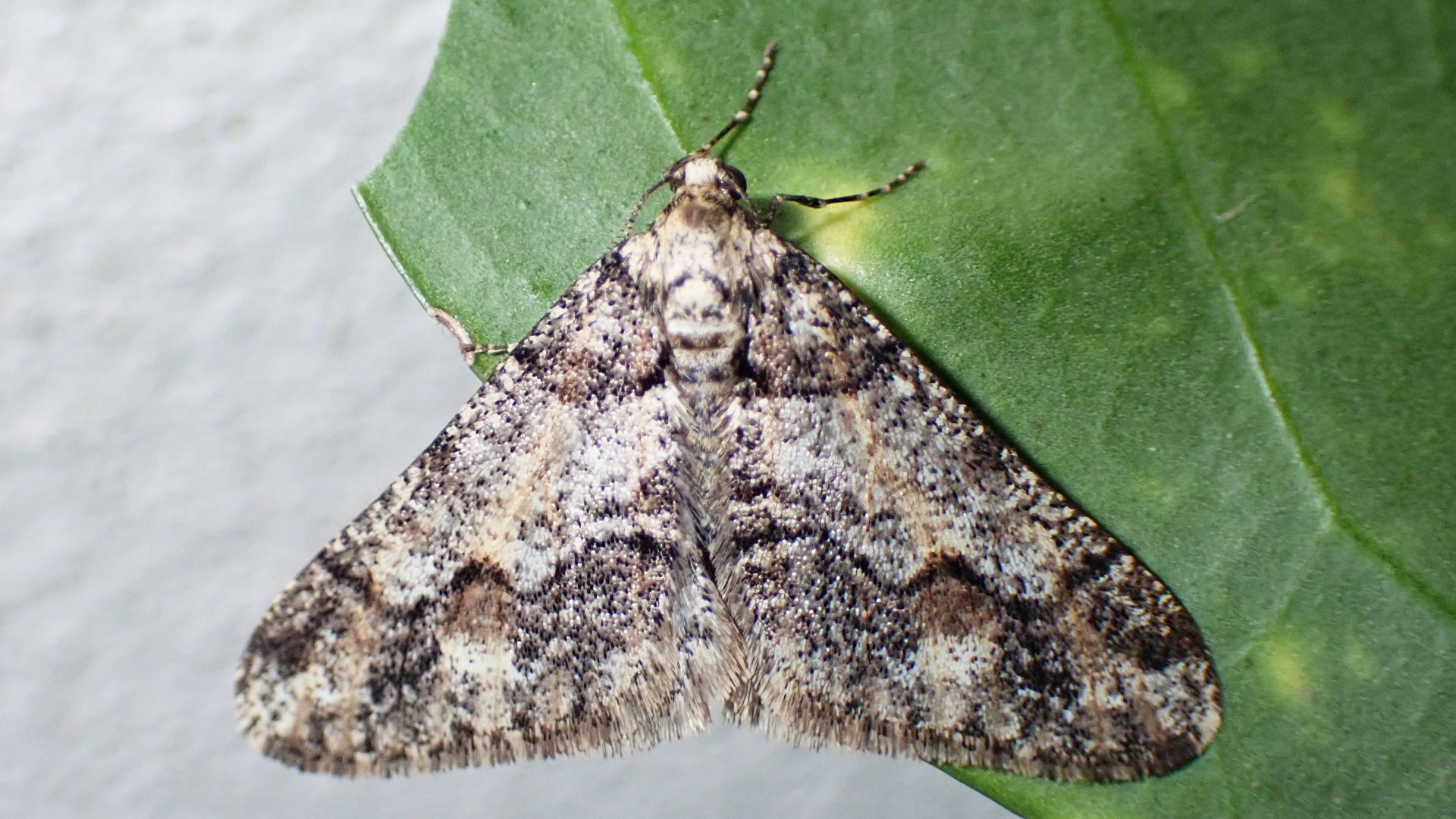
Common species that flies from January until March. It has variable colouration ranging from almost black-and-white to a drab grey. The females are wingless. Its larvae feed on English and Sessile Oak.
#
Double-striped Pug
Gymnoscelis rufifasciata
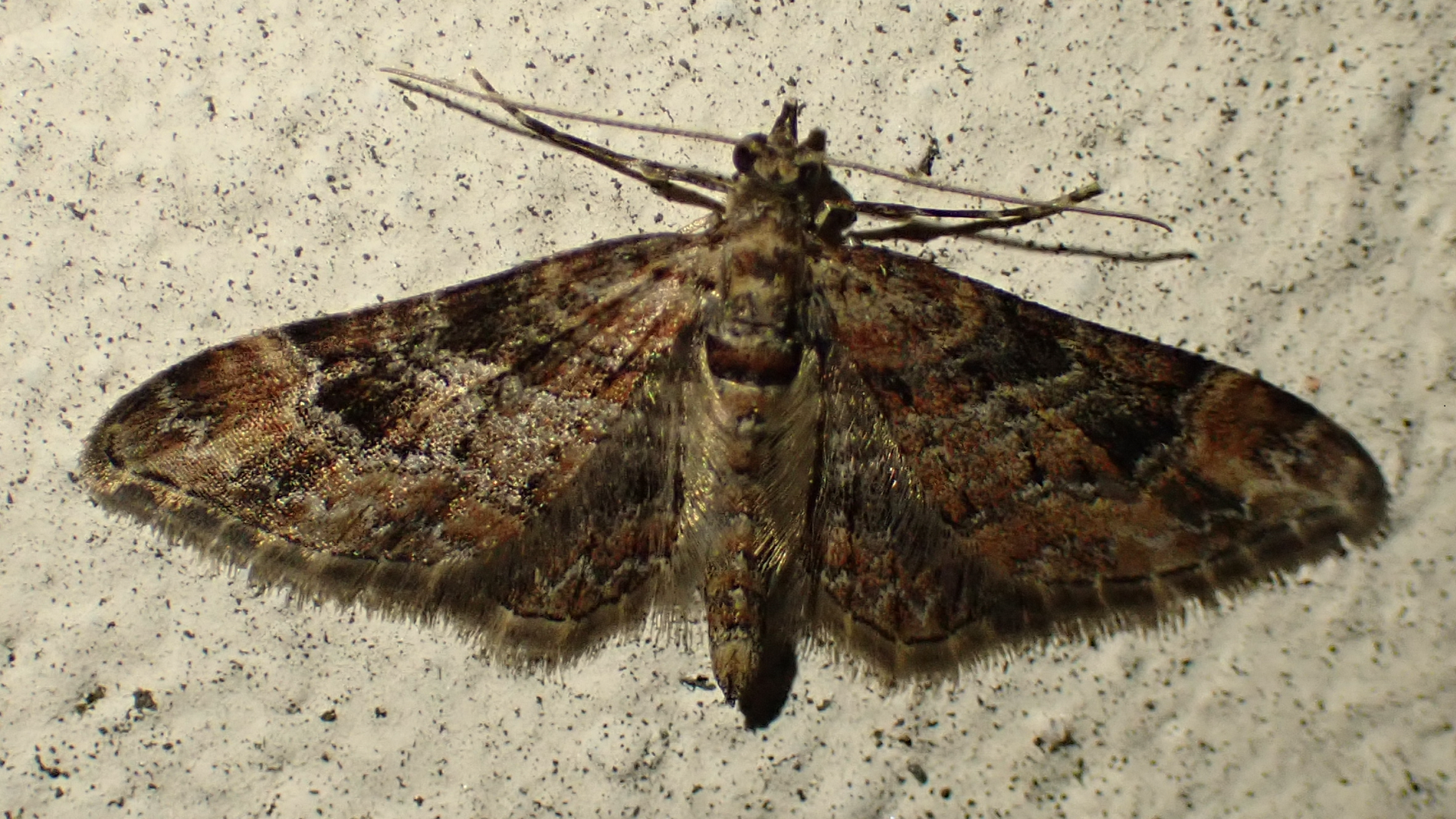
Seen from March to September, this moth flies mainly at dusk and in hot sunshine. Found in a variety of habitats and its larvae feed on a wide range of plants.
#
Common Plume 45.044
Emmelina monodactyla
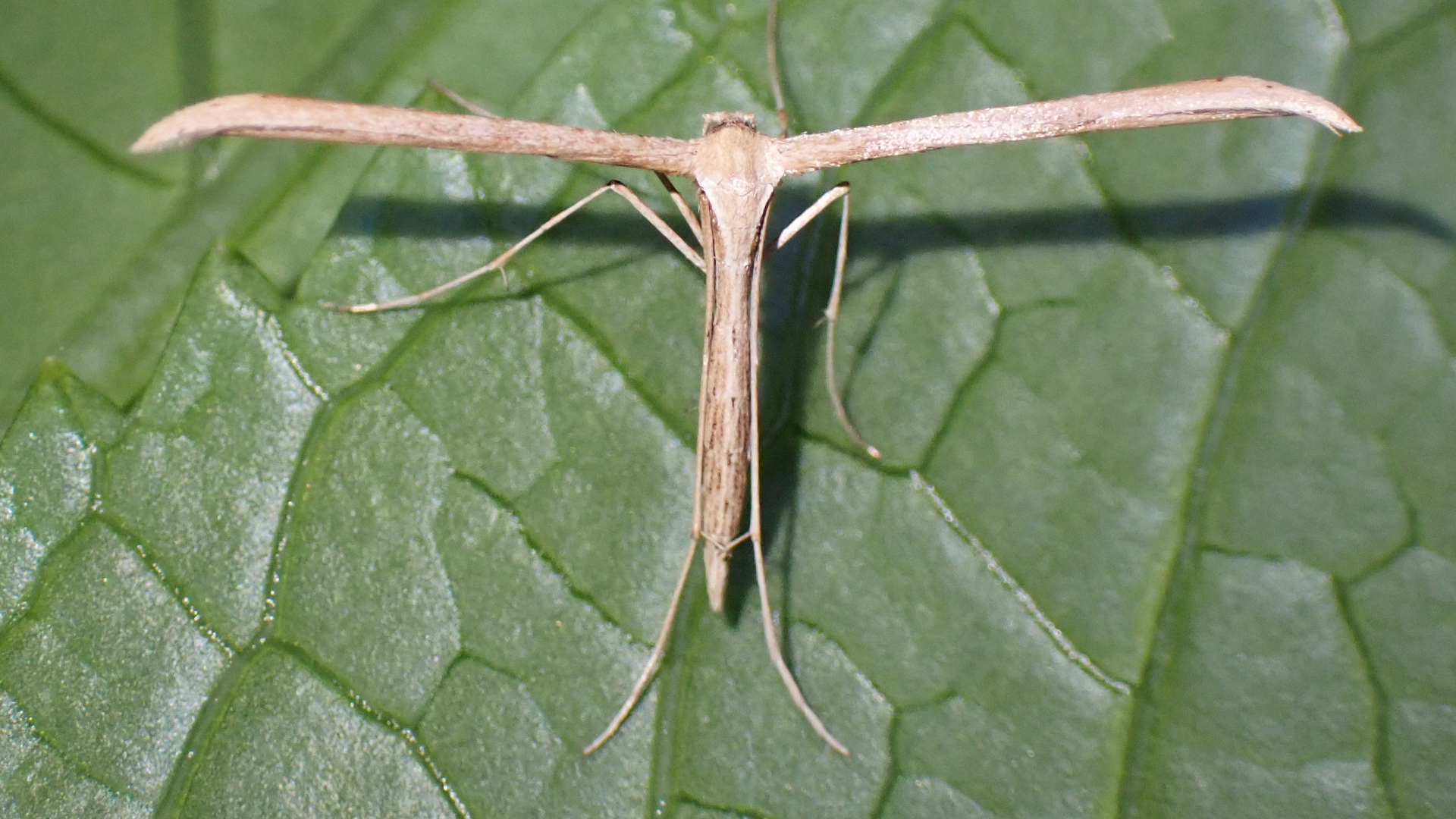
Widespread species that appears all through the year. The outer third of each wing is split into plumes, but with the wings so tightly rolled at rest that they look solid. Its larvae feed on bindweed.
#
Beautiful Plume 45.010
Amblyptilia acanthadactyla
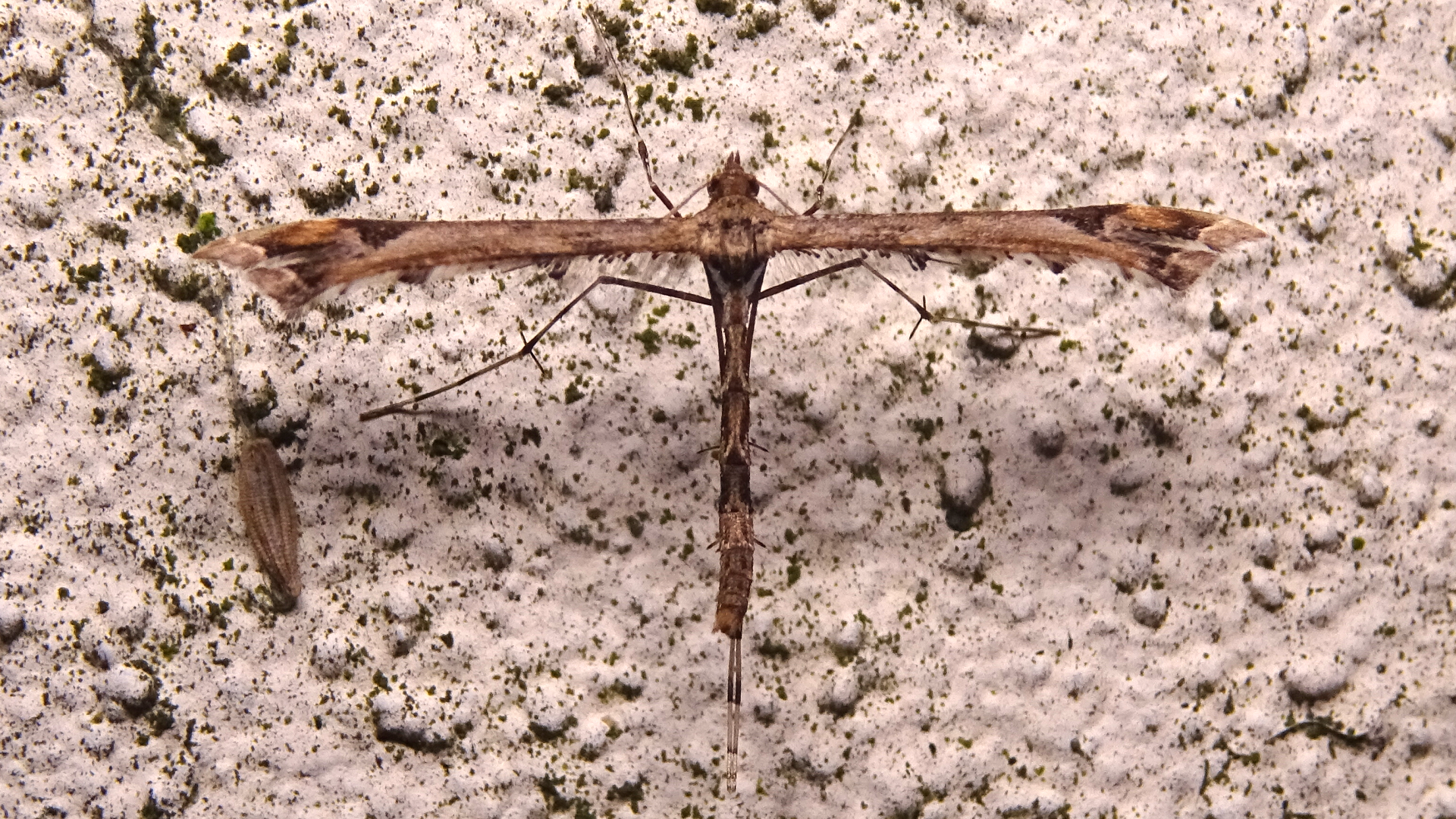
Inhabits heathland, woodland and hedgerows. Hibernates over winter.
#
Hemlock Moth
Agonopterix alstromeriana
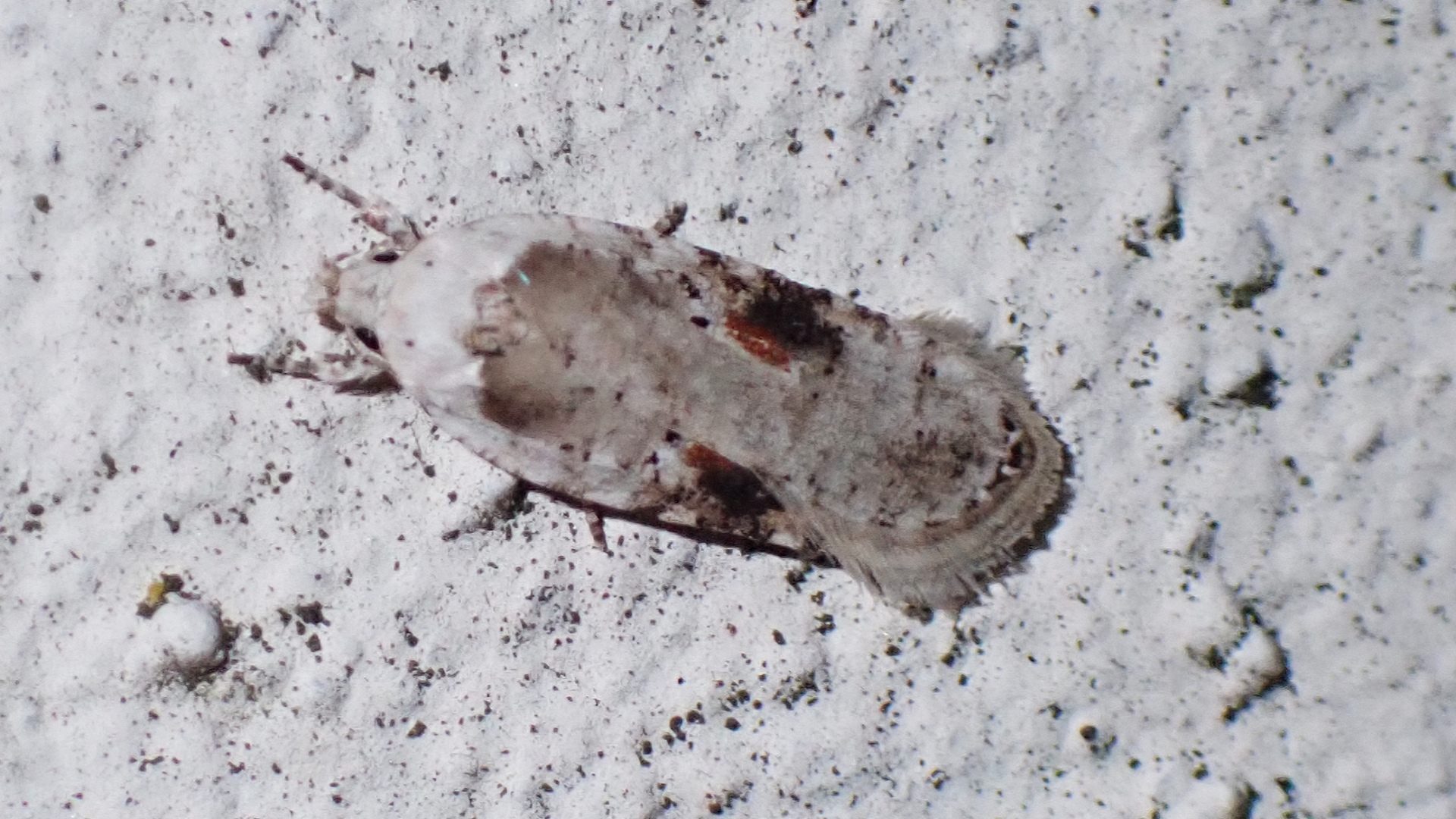
Previously known as the 'Brown-spot Flat-body', but renamed as the 'Hemlock Moth'. As the new name implies it is usually found around hemlock which is the larval foodplant.
#
Vapourer
Orgyia antiqua
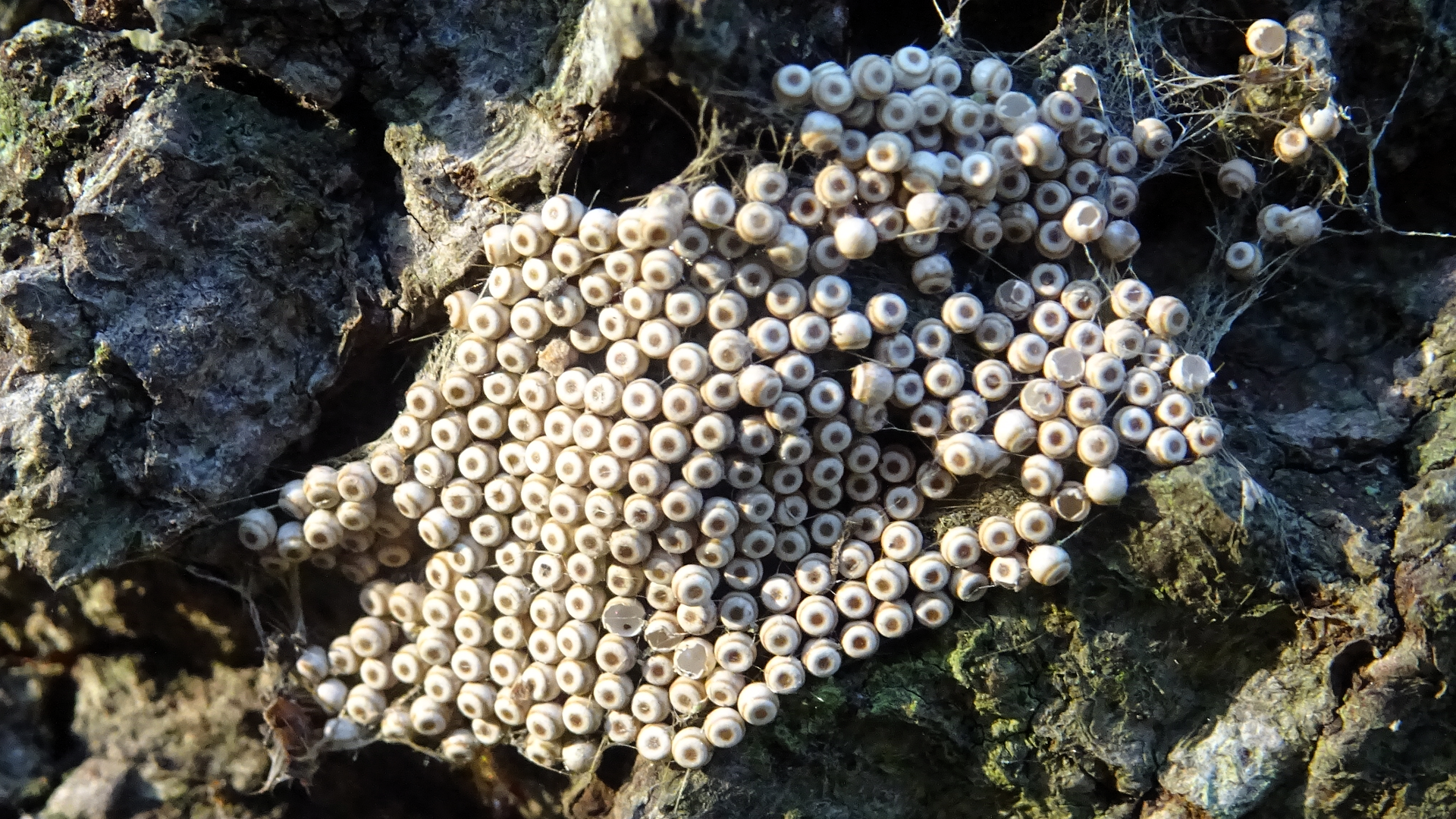
Eggs of the Vapourer Moth. Strands of silk from a female's cocoon can often be seen underneath the eggs.
#
Green Cellar Slug
Limacus maculatus
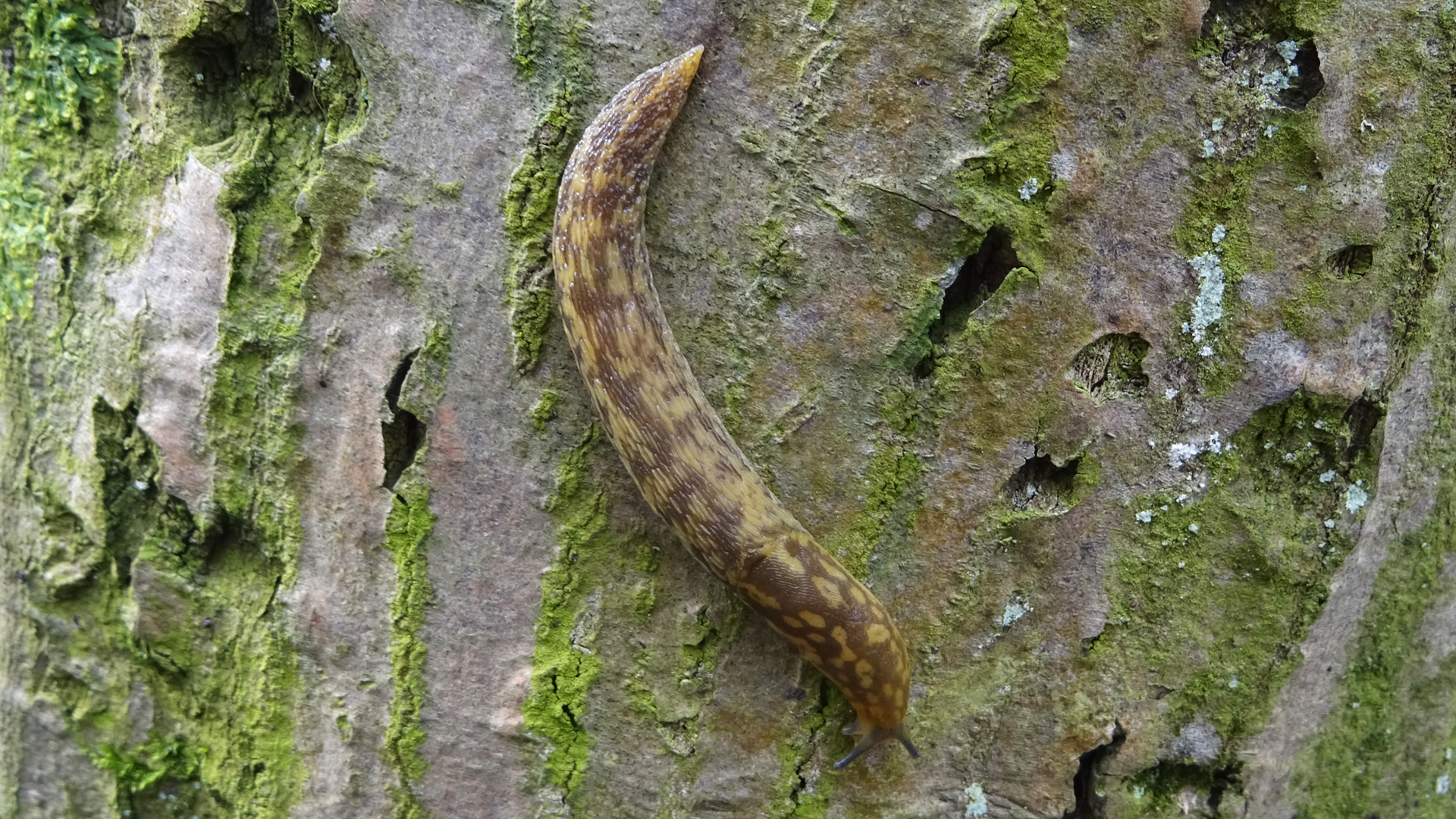
This species originates from the Caucasus and Black Sea Coast and has now spread across Europe. It feeds on decaying plant material and is not considered a pest because it does not feed on live plants. There is a fingerprint pattern on its mantle, greyish tentacles and a short yellow stripe at tail end. It is similar in appearance to Yellow Cellar Slug L. flavus, however that species seems to be in decline. Both species produce clear yellow slime. The Yellow Cellar Slug has a long yellow stripe running along the centre of the tail that is absent on the Green Cellar Slug.
#
Blistered Cup
Peziza vesiculosa
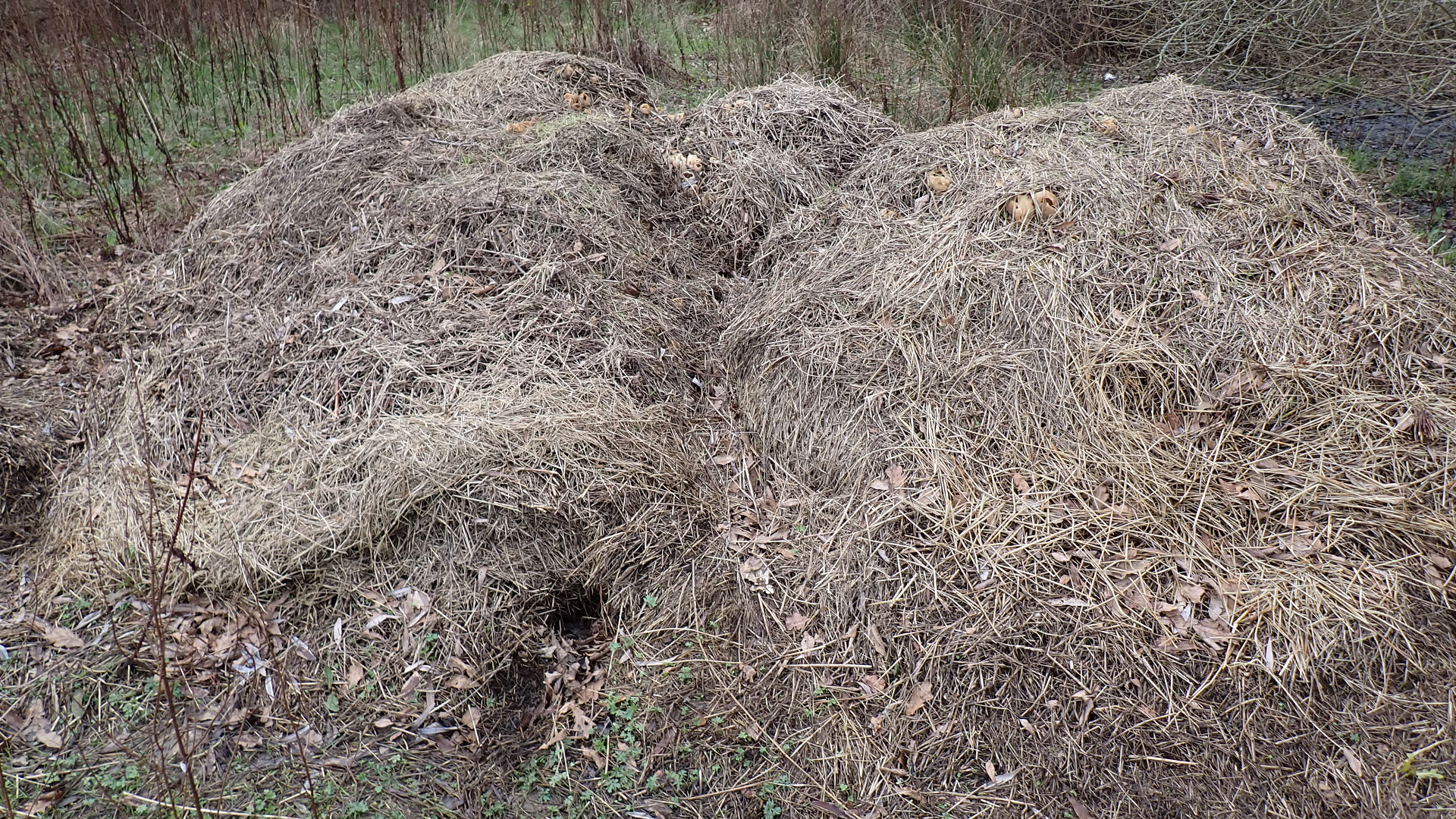
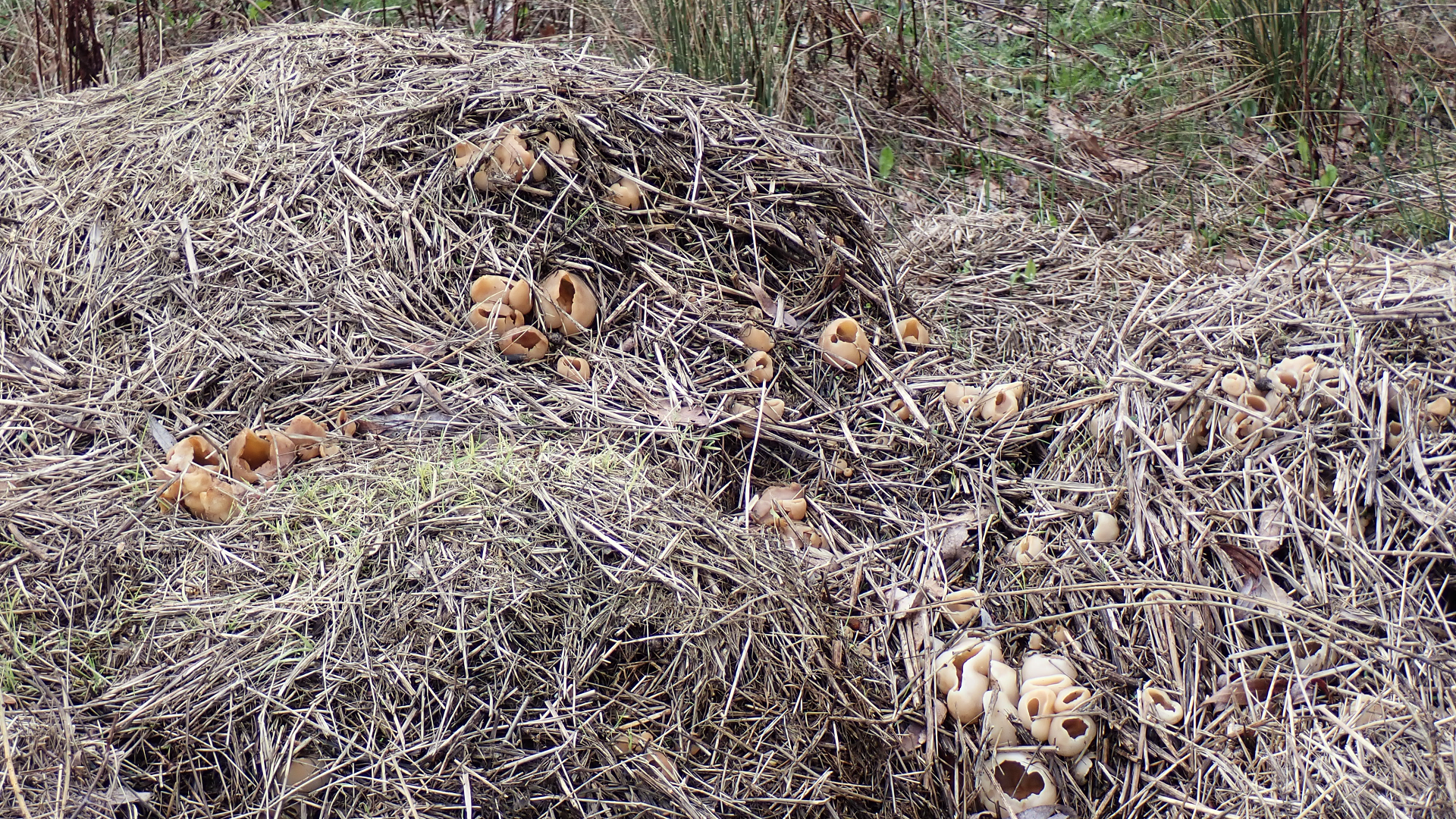
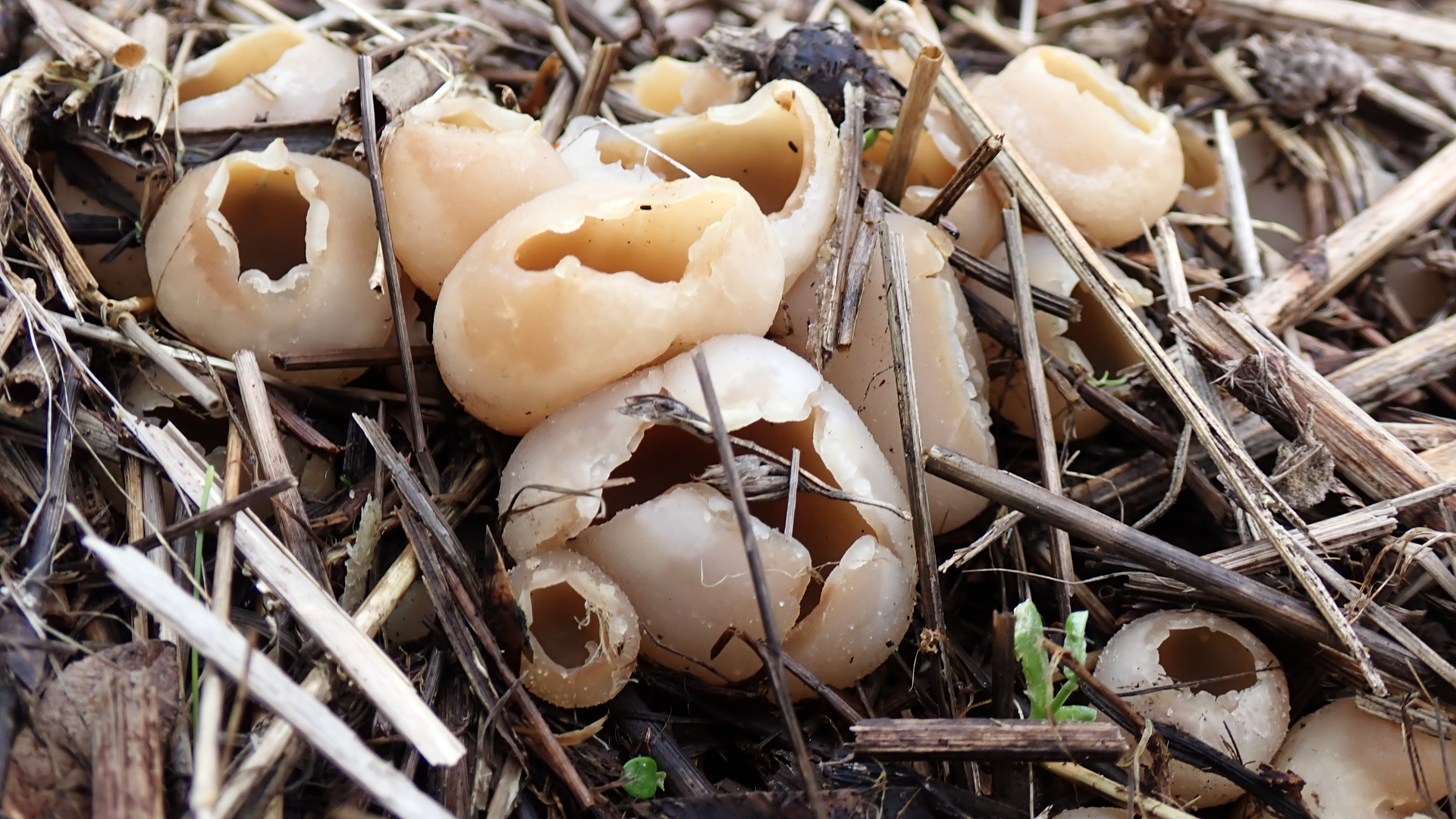
Blistered Cup is seen throughout the year. It is a fungus favouring habitats containing rotting straw and dung heaps. The fleshy cups up to 10cm across are white before turning yellowish-brown. The outer surfaces are rough to the touch while the insides are smooth. It belongs to a group known as 'Spore Shooters' which tend to produce cup-shaped mushrooms. Spores develop on the inner surface of the fruit body and the cup shape assists rain to splash spores out of the cups.
#
Fungus
Laetisaria lichenicola
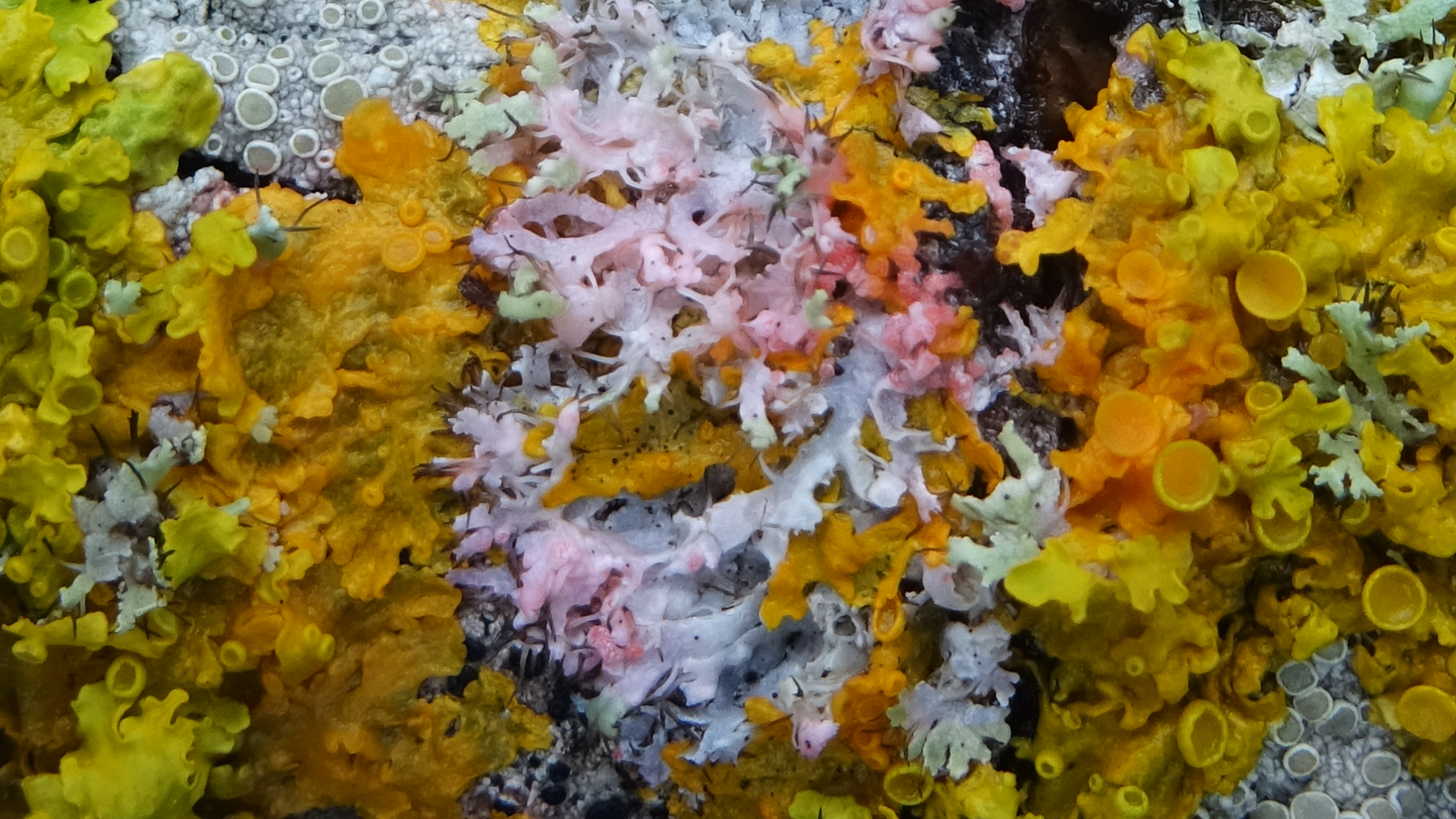
Laetisaria lichenicola
is a pink-coloured fungus that grows on the lichen
Physcia tenella. The first British identification of it was made by Brian Ecott on 3rd January 2016 after discovering it in Hainault Forest.
#
Slime Mould
Arcyria ferruginea

Members of the Arcyria Family generally produce stalked or sessile, brightly coloured sporangia. Arcyria ferruginea is a winter species with fruitbodies that develop from a rose-red or creamy white plasmodium. It grows in crowded colonies 1-2 millimetres tall on rotten trunks and stumps. 'Ferru' means iron and is a reference to rusty colouration seen in the latter stages. The colour changes to brick red and brown prior to sporing. It was found in Hainault Forest on a fallen decorticated Scots pine. It is not common. Thank you to Professor Bruce Ing for verifying this sighting.


#
Slime Mould
Trichia decipiens
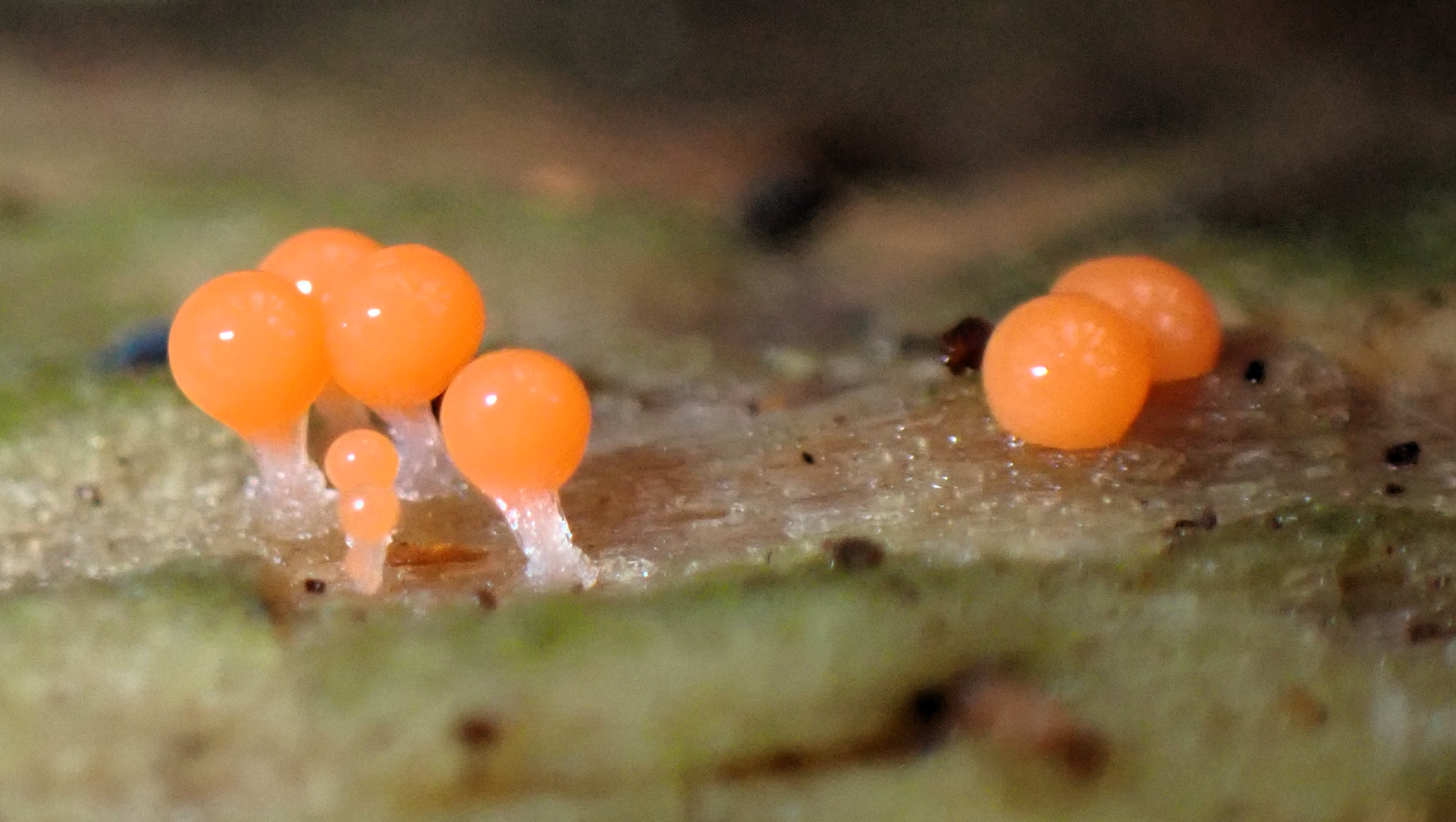
Bright orange fruiting bodies of slime mould
Trichia decipiens.
#
Slime Mould
Stemonitis
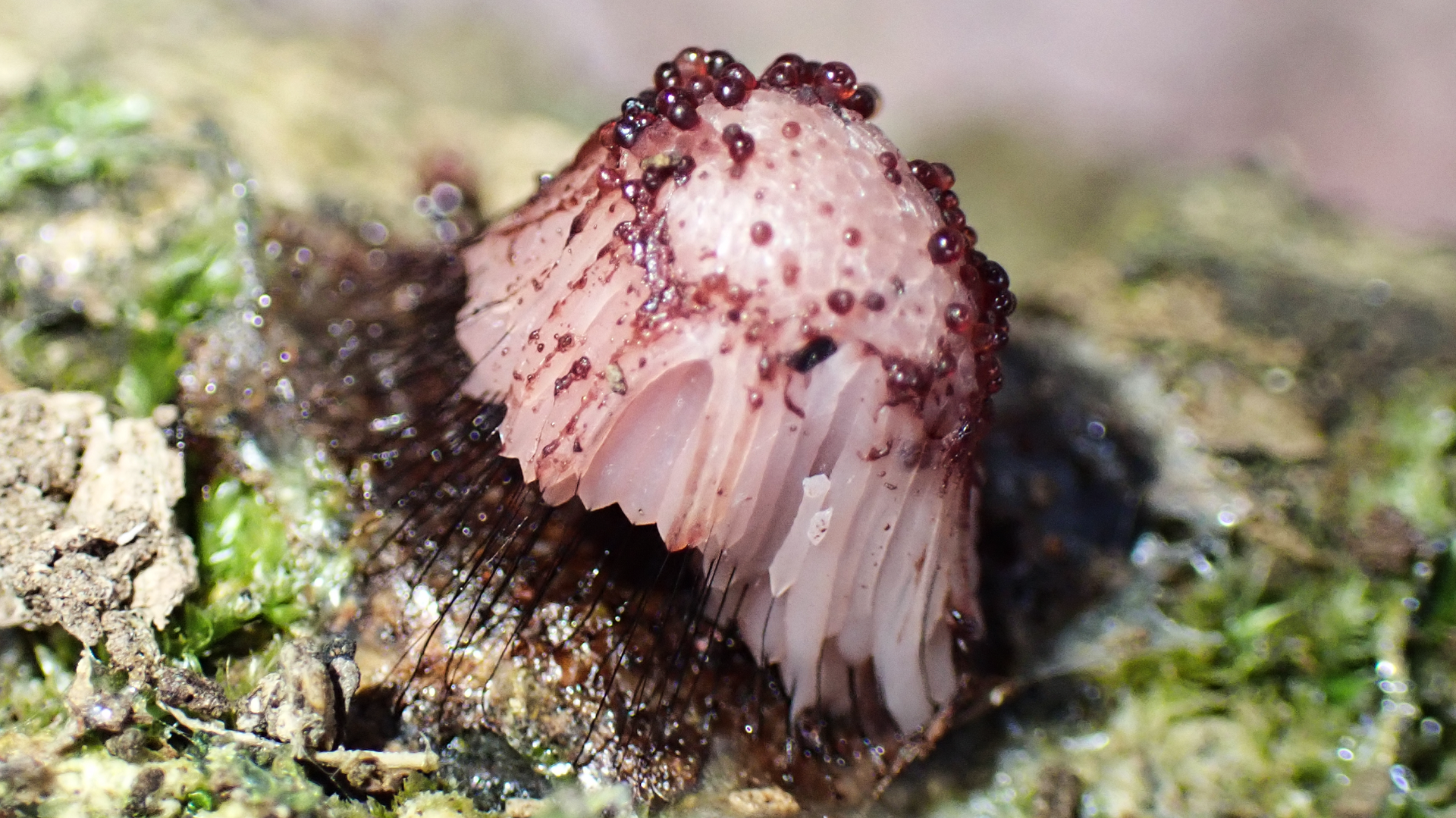
Stemonitis
is a distinctive genus of slime moulds. They are characterised by developing tall brown sporangia when mature.
#
Blackthorn
Prunus spinosa
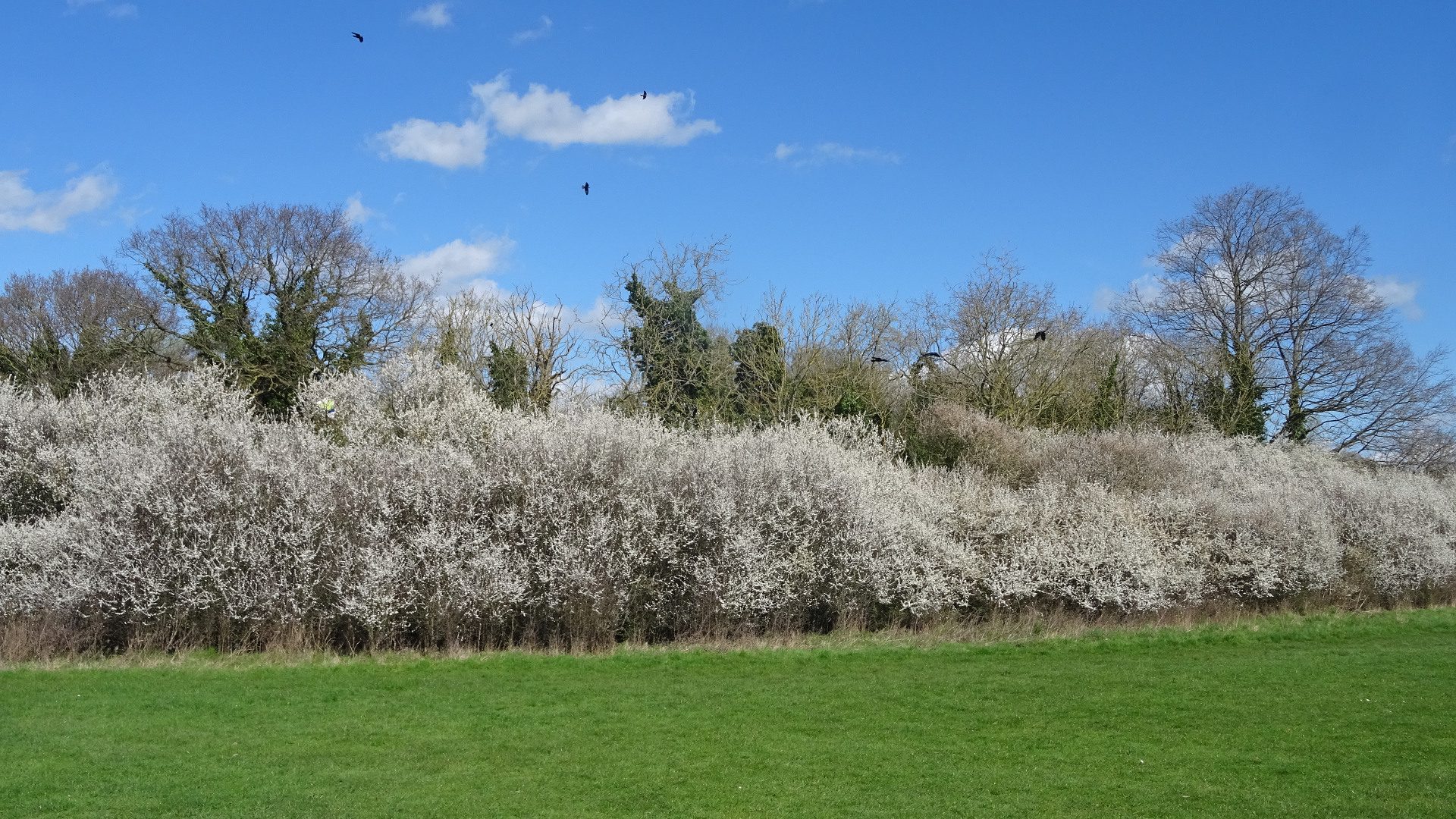
Blackthorn is a thorny shrub known for its early white spring flowers and dark, plum-like autumn fruits called sloes.
#
Wood Anemone
Anemone nemorosa
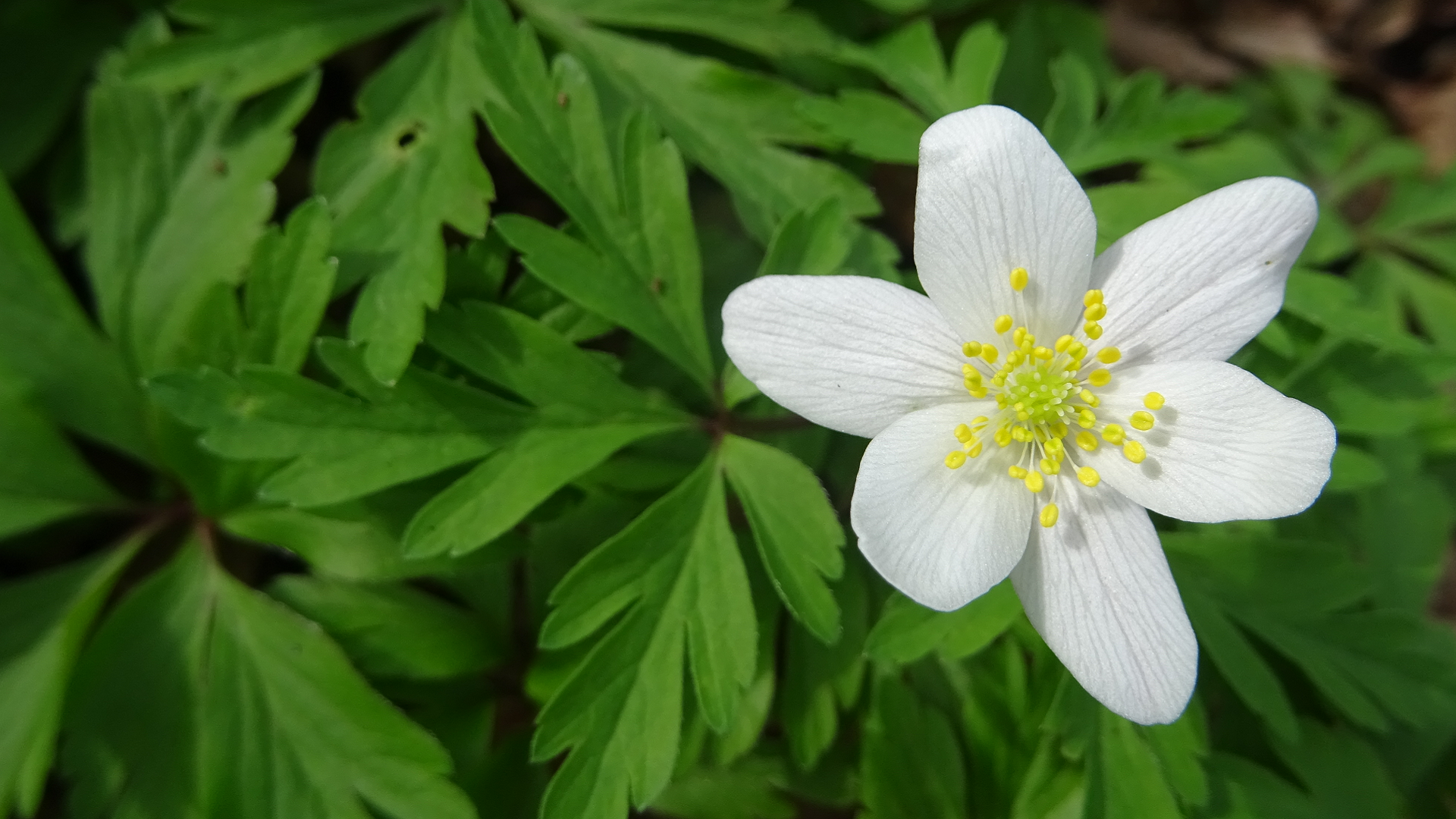
Wood anemones grow in shaded ancient woodland; a short perennial with unbranched stems. Single white flowers with yellow centres appear from March until May. The flowers have 5-9 white sepals which are tinged pink on the underside. There are no petals. It cannot rely on its seeds because they are mostly infertile so the plant spreads gradually through root growth. The leaves grow in whorls.
#
Snowdrop
Galanthus nivalis
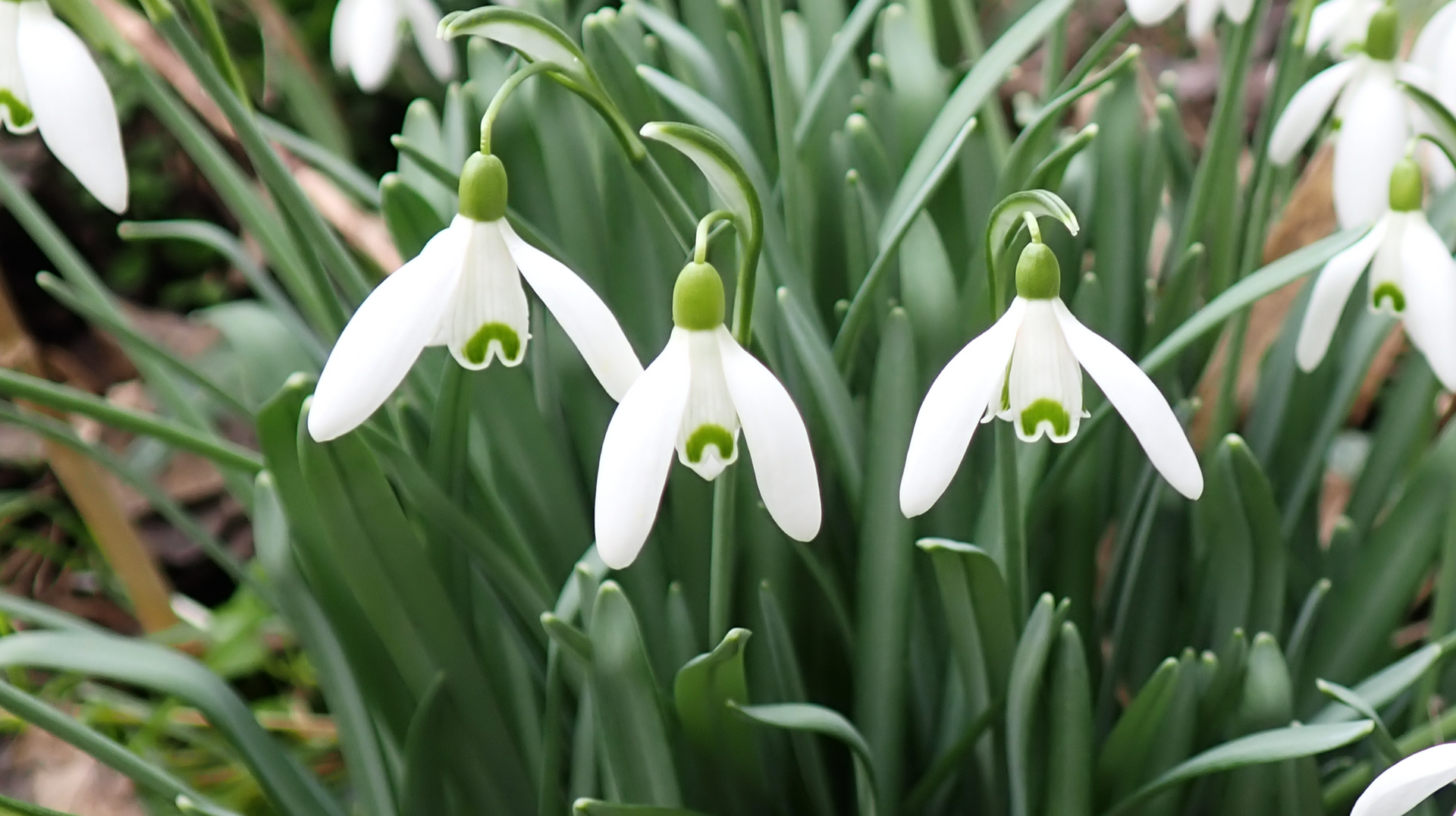
One of the earliest flowers to appear in spring. Not common in Hainault Forest.
#
Cowslip
Primula veris
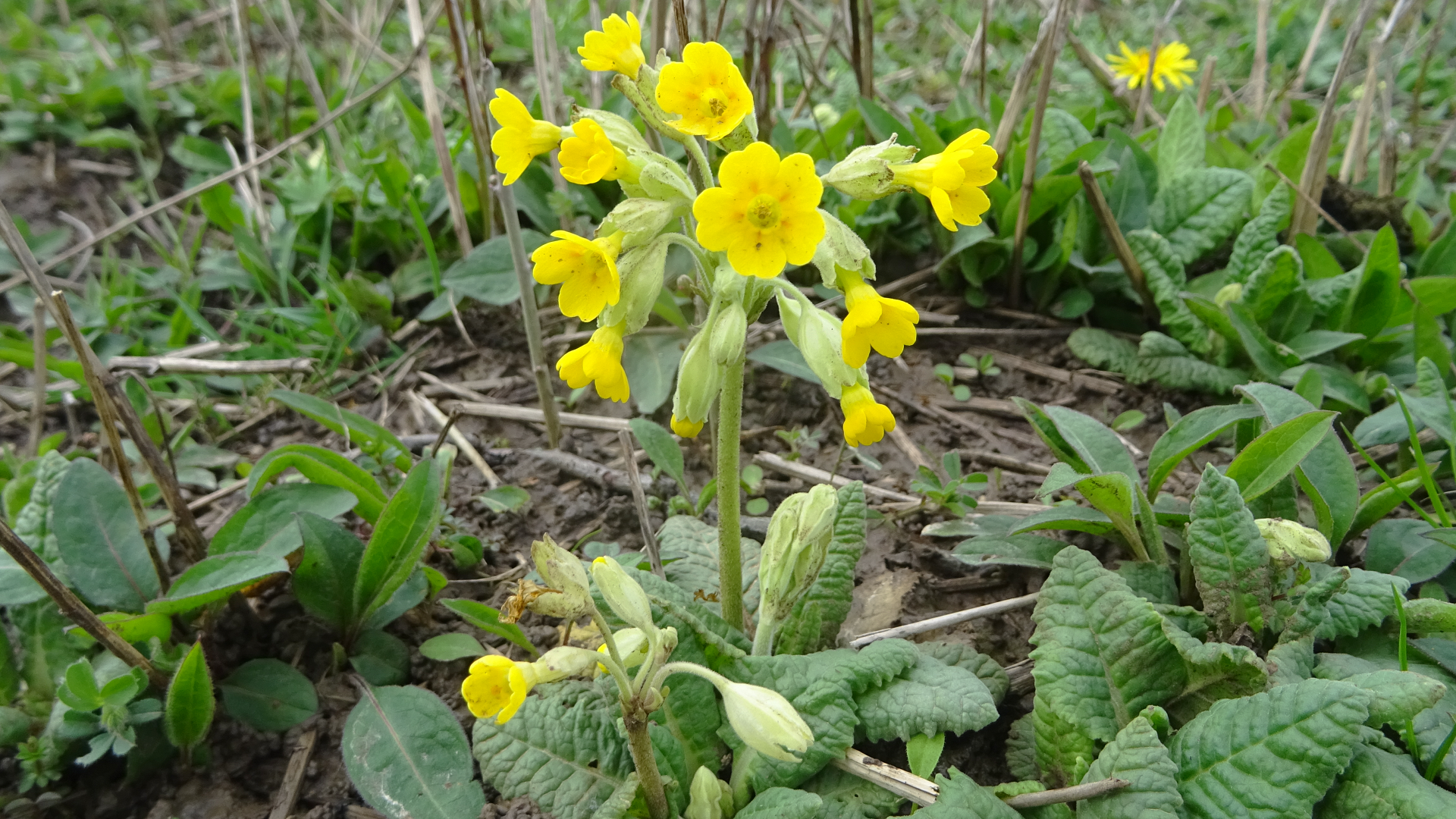
Cowslip is a herbaceous perennial found in the meadows during spring. It grows to a height of 25cm and has a rosette of basal leaves. The yellow flowers appear in clusters of 10–30 blooms together on a single stem. It is closely related to the primrose which is also a spring flower. Once common in meadows, but with loss of habitats it is now falling into decline and the bright yellow nodding flowers are becoming a harder to find.
#
Lesser Celandine
Ranunculus ficaria
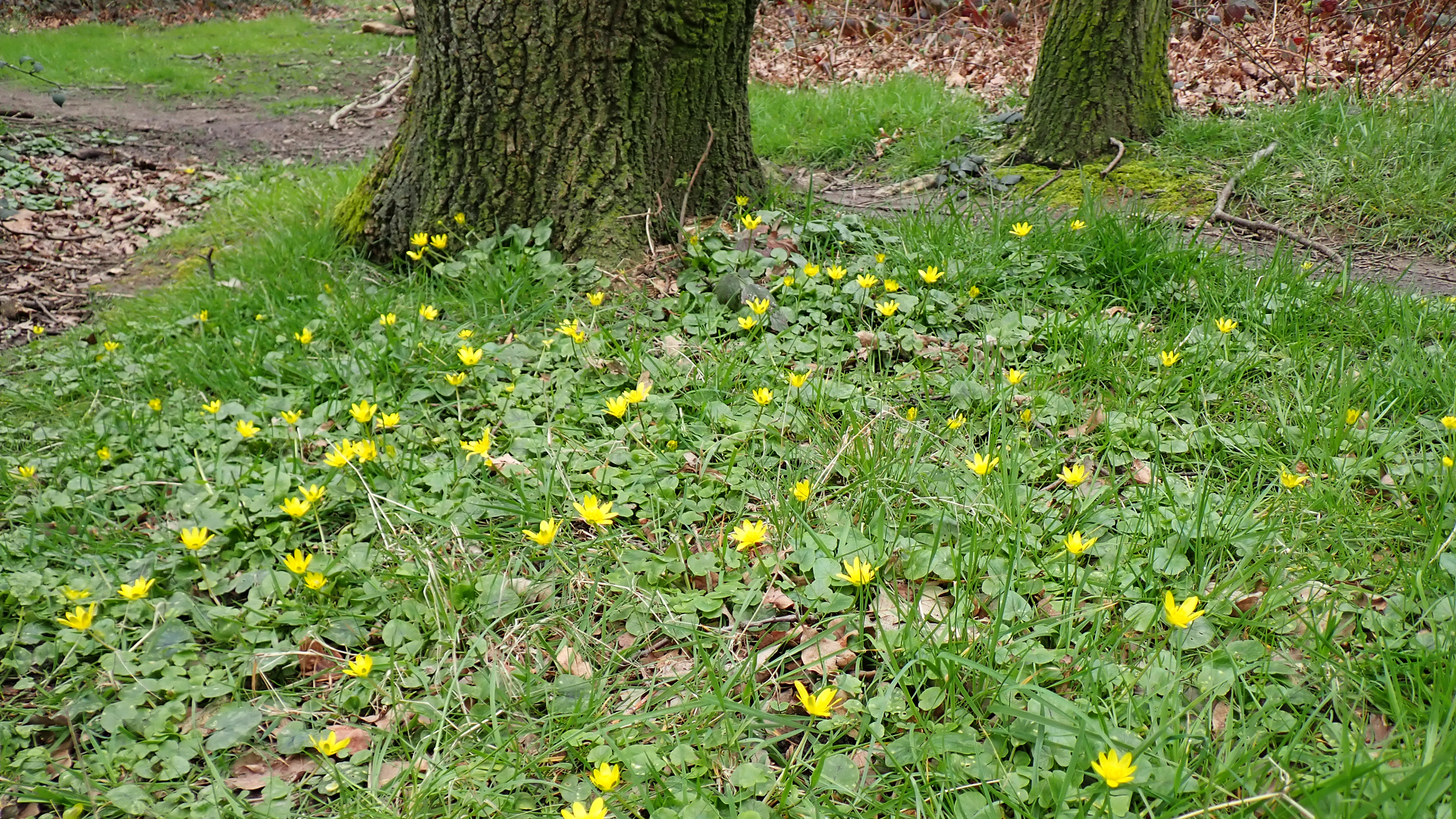
Lesser Celandine Ranunculus ficaria is an actinomorphic flower characterised by radial symmetry (i.e. similar parts facing each other around an axis). This member of the Buttercup family is a low-growing plant with glossy green, heart-shaped leaves and bright yellow flowers about 30mm across. It is one of the first spring flowers to appear providing a rich source of nectar for insects that emerge early.
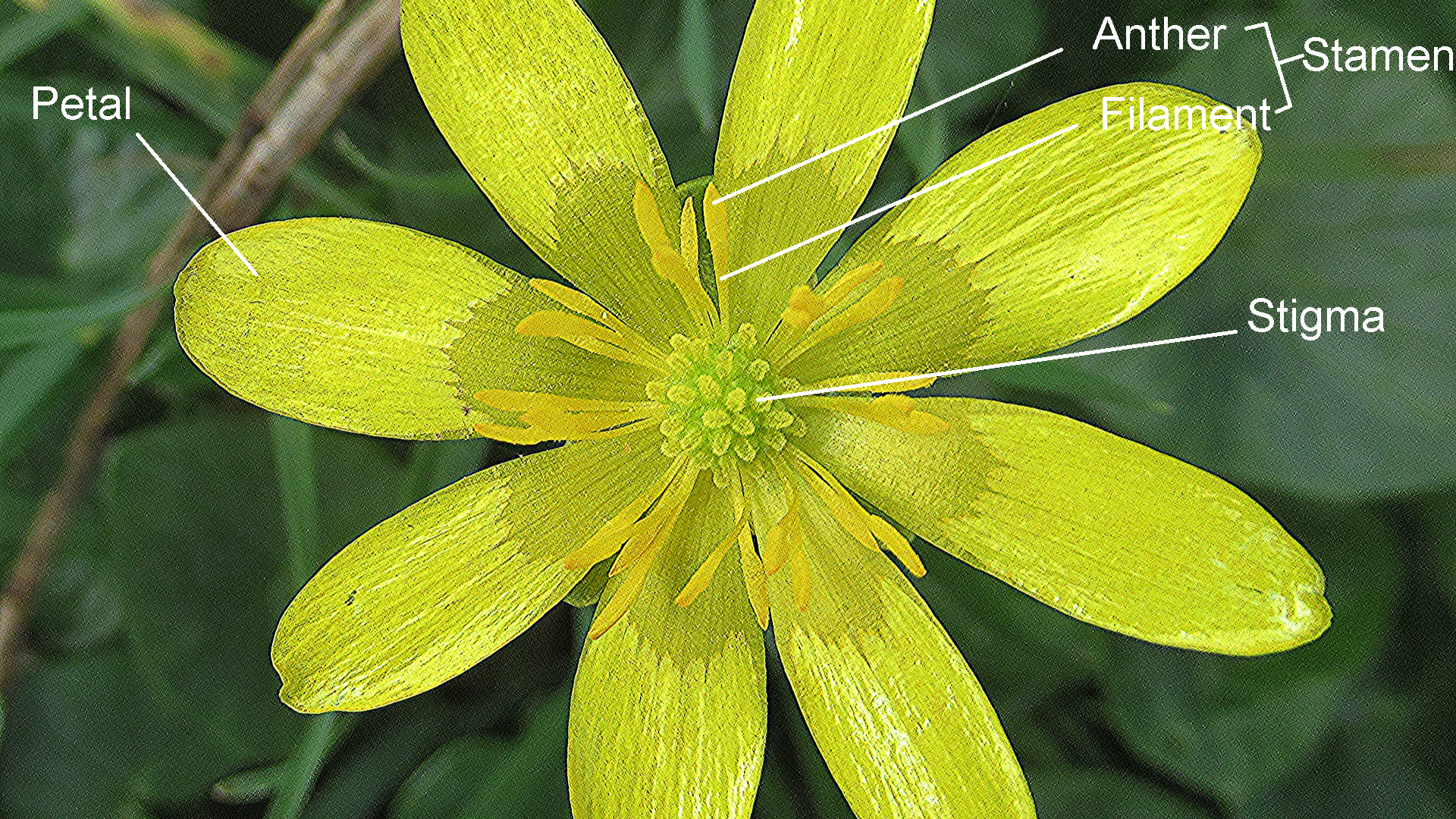
Some plants such as Lesser Celandine use lined patterns and ultraviolet light to guide pollinators towards the middle of the flowerhead. Flowerheads can be thought of as miniature landing pads for flying insects. Flowers produce a sugary liquid called nectar which many insects consume. Nectar is made in glands known as nectaries usually located at the base of the stamens. A visiting insect brushing against the anthers will have pollen deposited on its body. As the insect travels from plant to plant it spreads the pollen and pollination occurs. Pollination is the process of transferring pollen grains from the male anther of a flower to a female stigma. Once a plant is pollinated it makes seeds that will produce the next generation. Pollination by insects is called Entomophily.
#
Hainault Lake Inflow
Leaky Log Dams
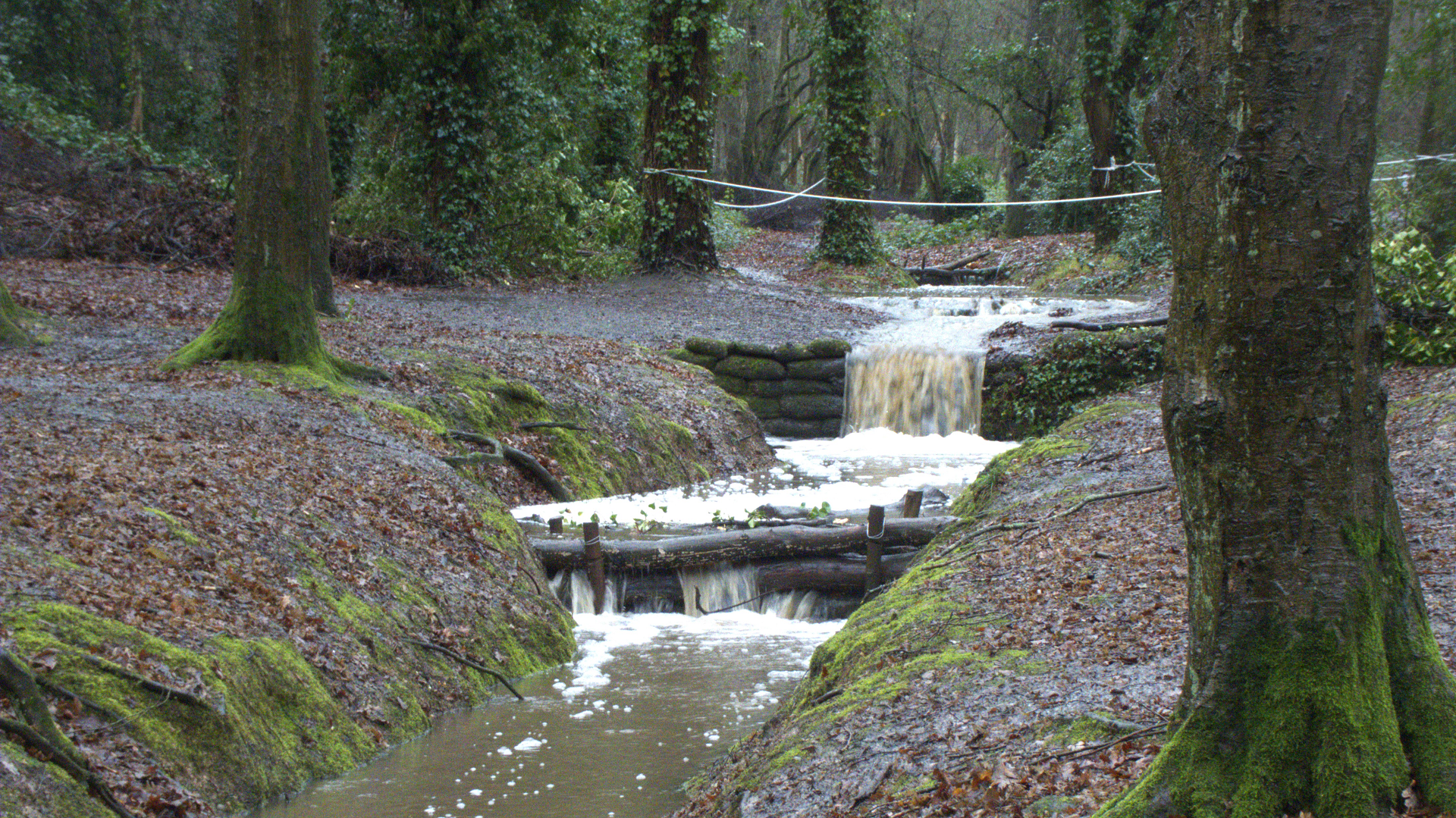
Leaky log dams have been placed in some of the streams to slow the water flow.
#
Thank you to everyone that have contributed to this Journal.
© hainaultforest.net. All rights reserved.
This website uses necessary cookies. It does not use targeting or advertising cookies.