

Butterflies are flying insects known for having large wings covered in tiny scales They belong to the order Lepidoptera and undergo complete metamorphosis, transforming from egg to larva (caterpillar) to pupa (chrysalis) to adult. Adults feed on nectar using a long proboscis performing an important role as pollinators.
BUTTERFLIES
Speckled Wood
Pararge aegeria
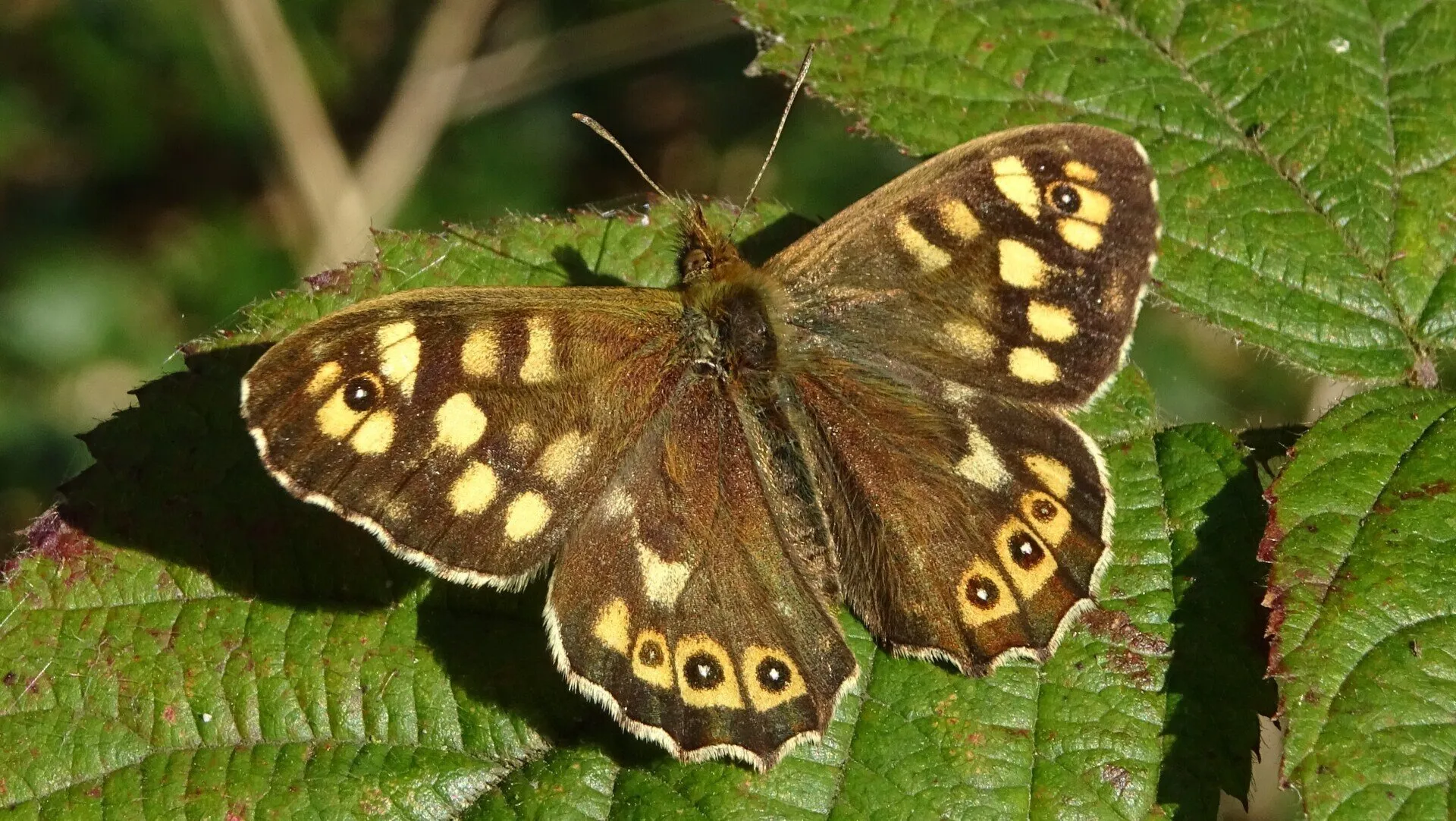
ThIs common woodland butterfly has a wingspan of approximately 45mm and is frequently seen resting on bramble along woodland paths. Adults are active in two broods: from April to early June and again from July to September. Males typically bask in sunlight and defend their territory from intruders. Both males and females tend to visit tree tops to feed on honeydew produced by aphids. This species seldom feeds on flowers, mostly doing so in early and late seasons when honeydew availability is limited. The caterpillars feed on various types of grasses, including false brome, cock's-foot, and Yorkshire fog.
#
Small Heath
Coenonympha pamphilus
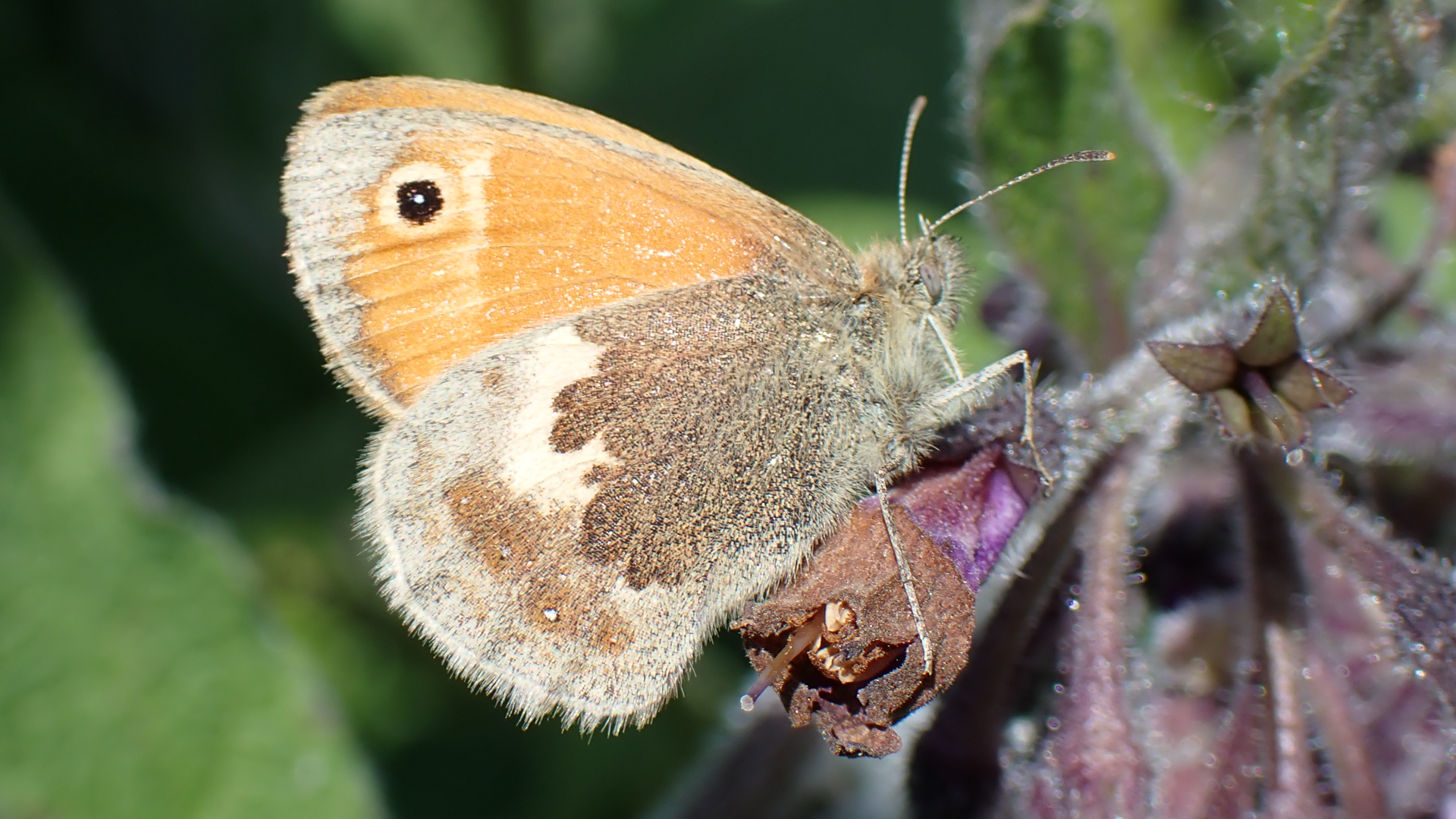
The Small Heath is the smallest brown butterfly found in the UK. It has a fluttering flight and often rests with wings closed and leaning to one side. This species tends to favour heathland areas in sunny locations.
#
Marbled White
Melanargia galathea
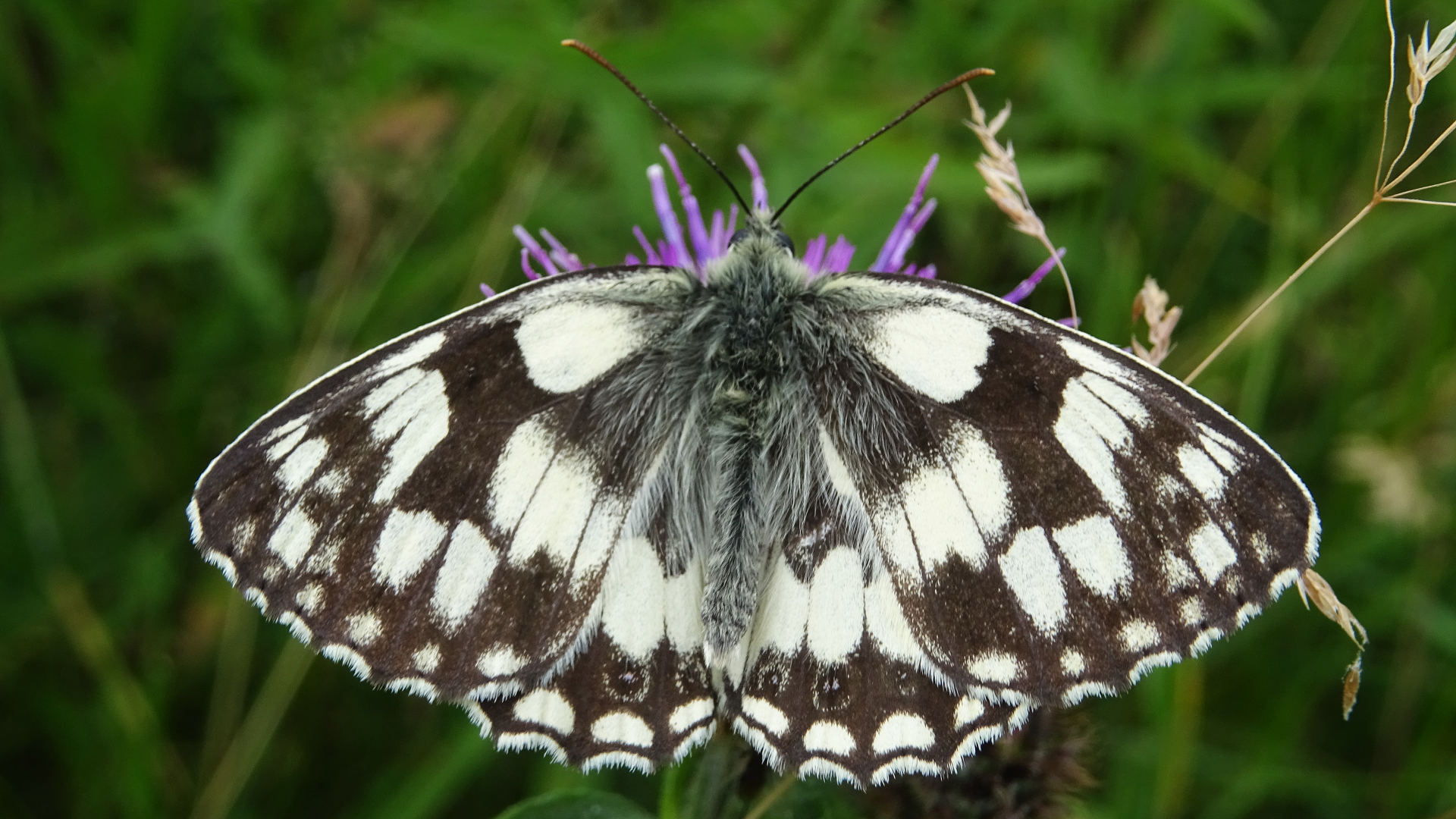
The butterfly is part of the Brown Family. It is typically observed in July and August, often found on knapweed, thistles, and other flowers in unimproved grassland.
#
Meadow Brown
Maniola jurtina
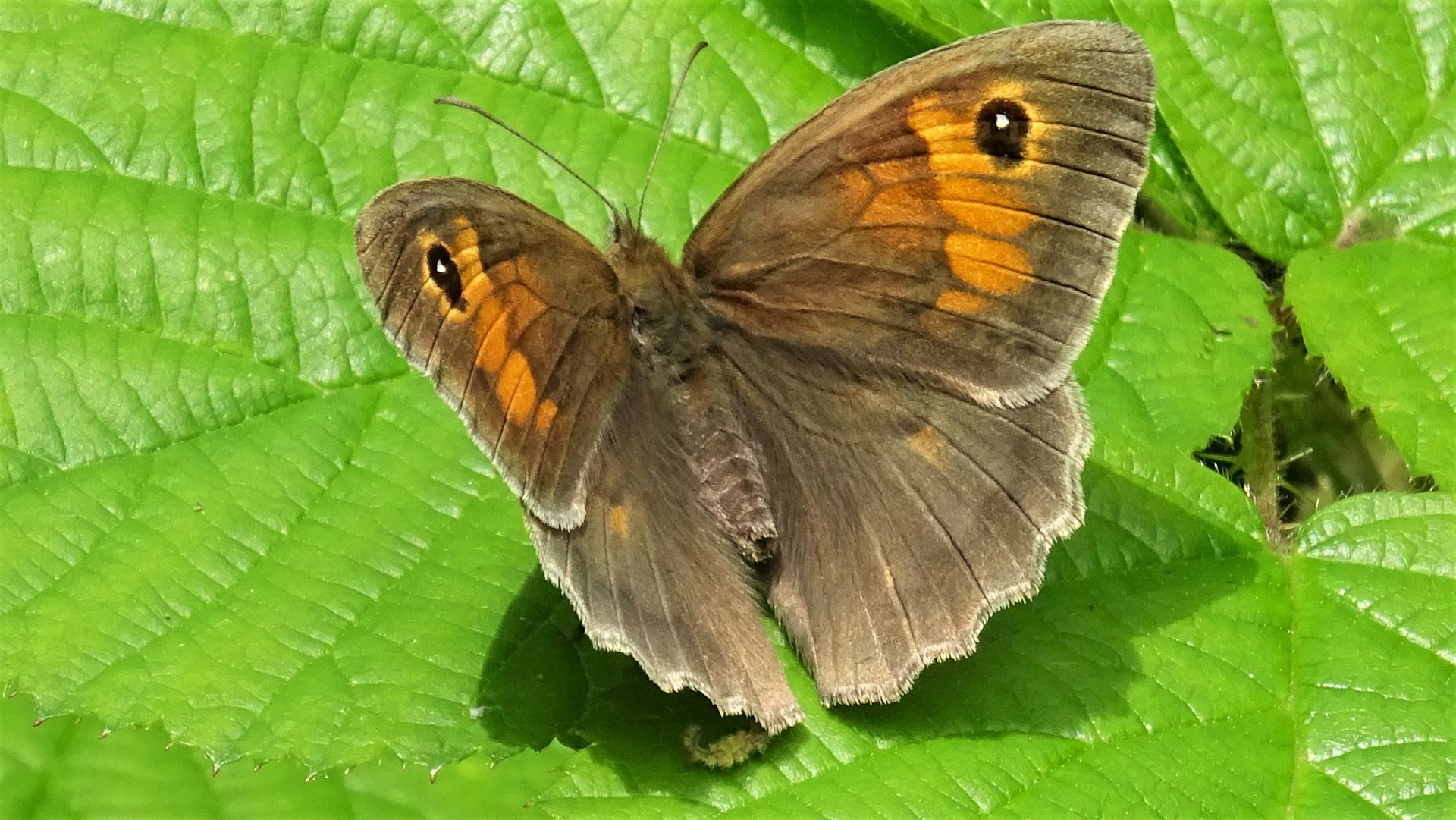
A common butterfly found in meadows above low vegetation. Adults can be seen flying in overcast conditions when many other butterflies remain inactive. They often rest with their wings closed.
#
Gatekeeper
Pyronia tithonus
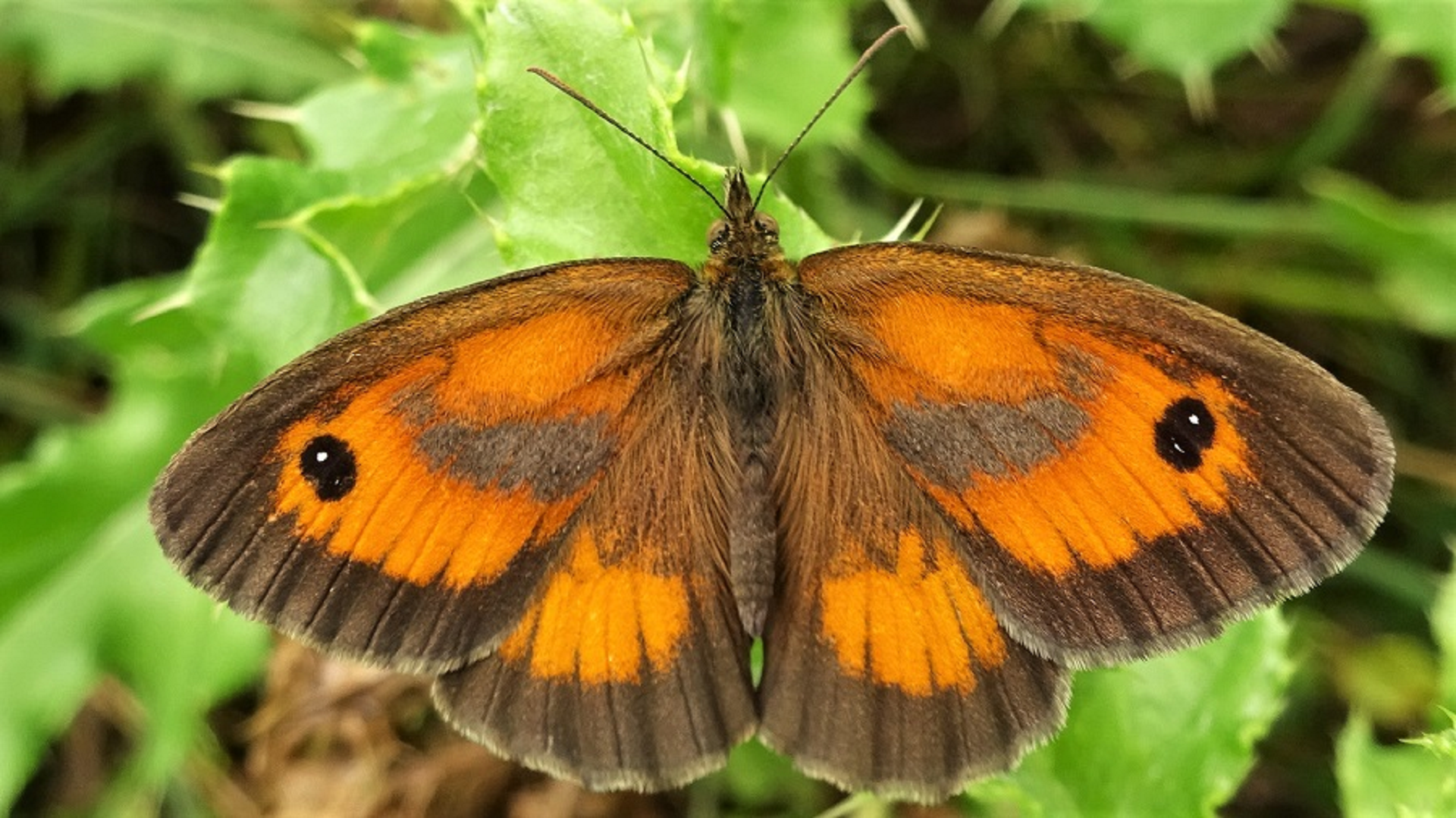
The Gatekeeper is a butterfly that can be found during the summer months. The males can be easily identified by the dark bars on their forewings, while the females are generally larger and lighter in color. This species is also referred to as the 'Hedge Brown.'
#
Ringlet
Aphantopus hyperantus
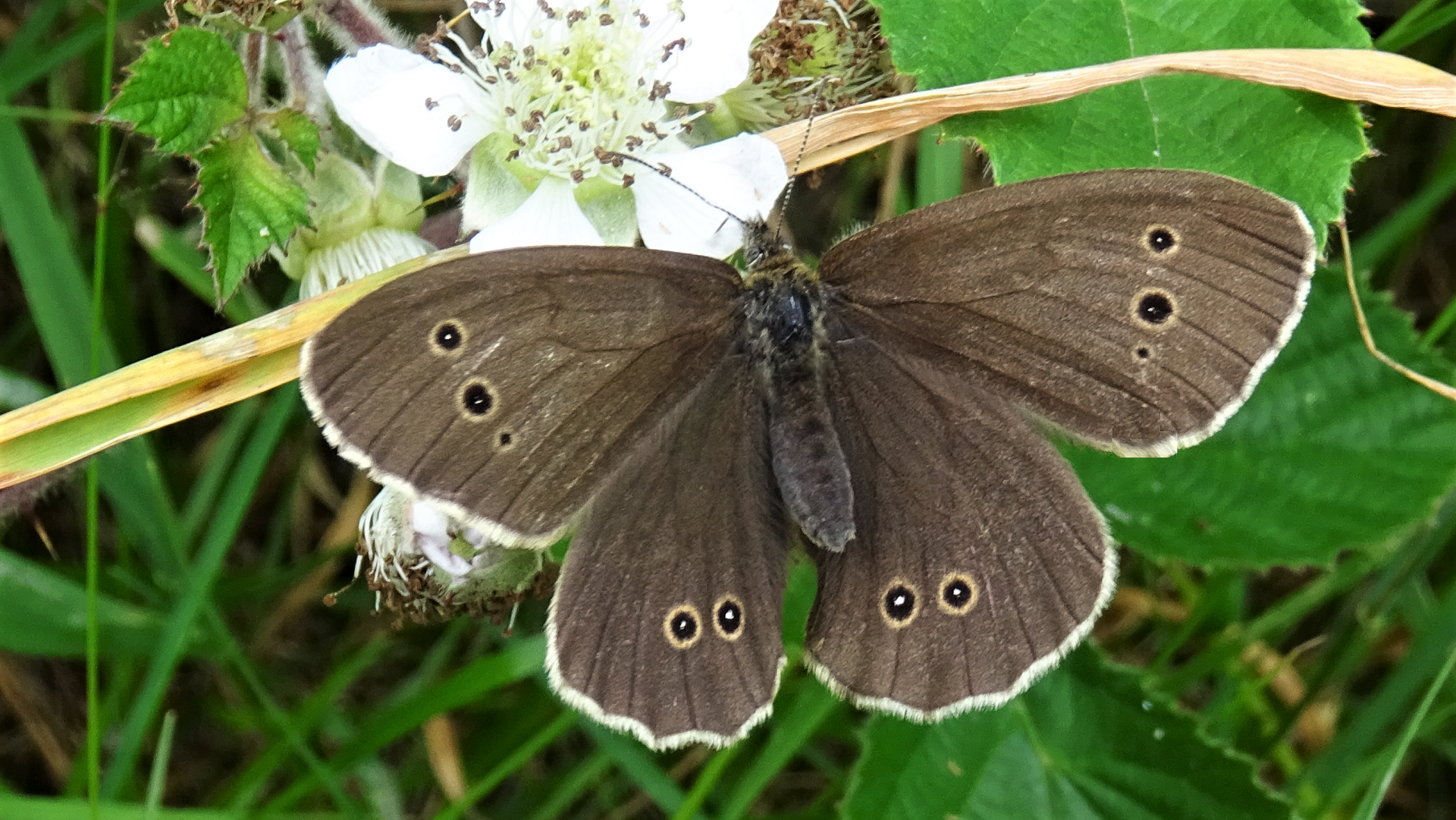
This is a medium-sized species measuring up to 50 mm in diameter. They are usually located flying near bramble along shaded forest paths. The larvae consume coarse grasses. The quantity and size of the wing spots can vary, and in some cases, the black rings may be absent.
#
Red Admiral
Vanessa atalanta
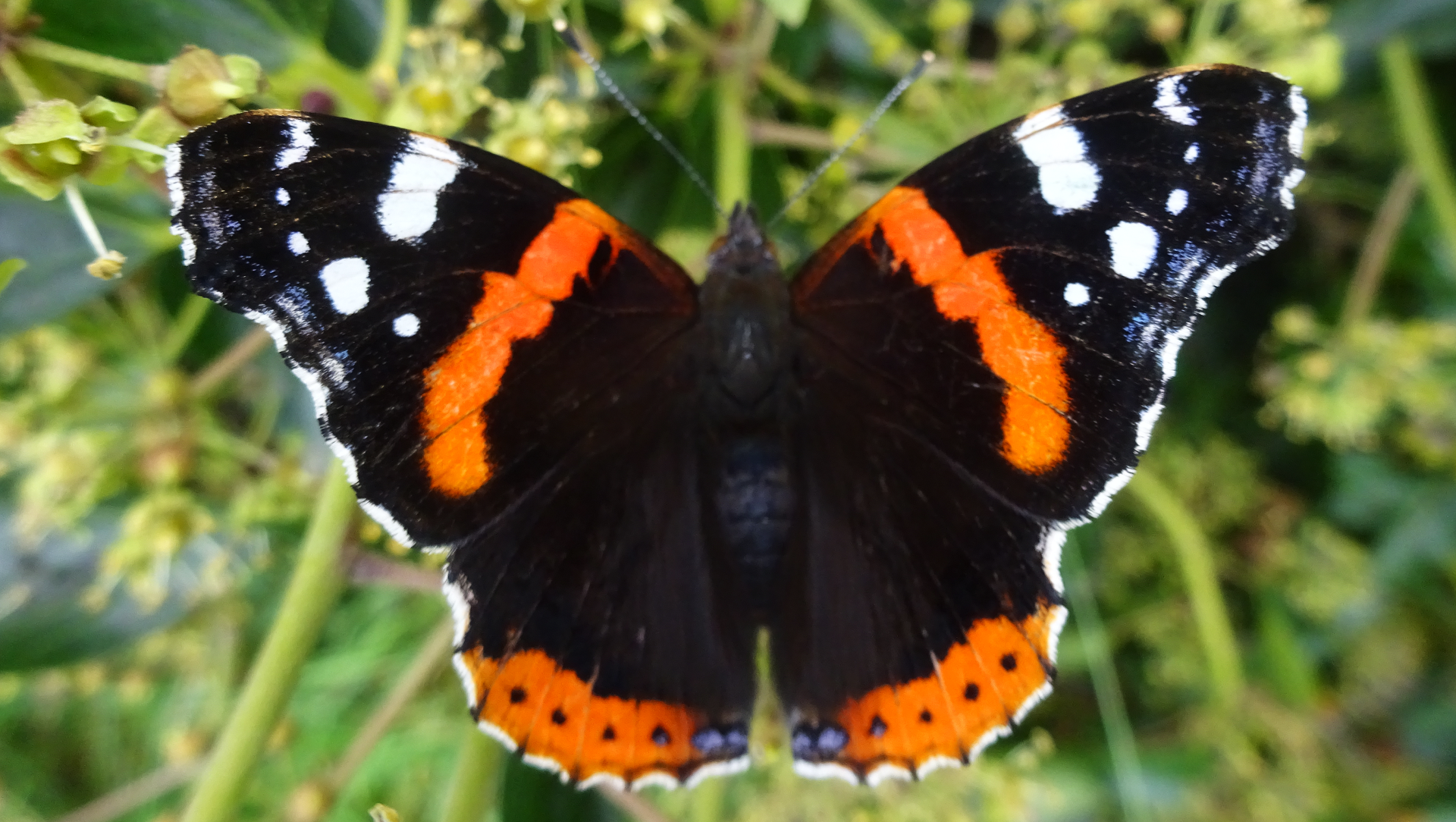
The Red Admiral is a medium-sized butterfly characterised by black wings, red bands, and white spots. It has a wingspan of approximately 5 cm and was previously referred to as the Red Admirable.
#
Painted Lady
Vanessa cardui
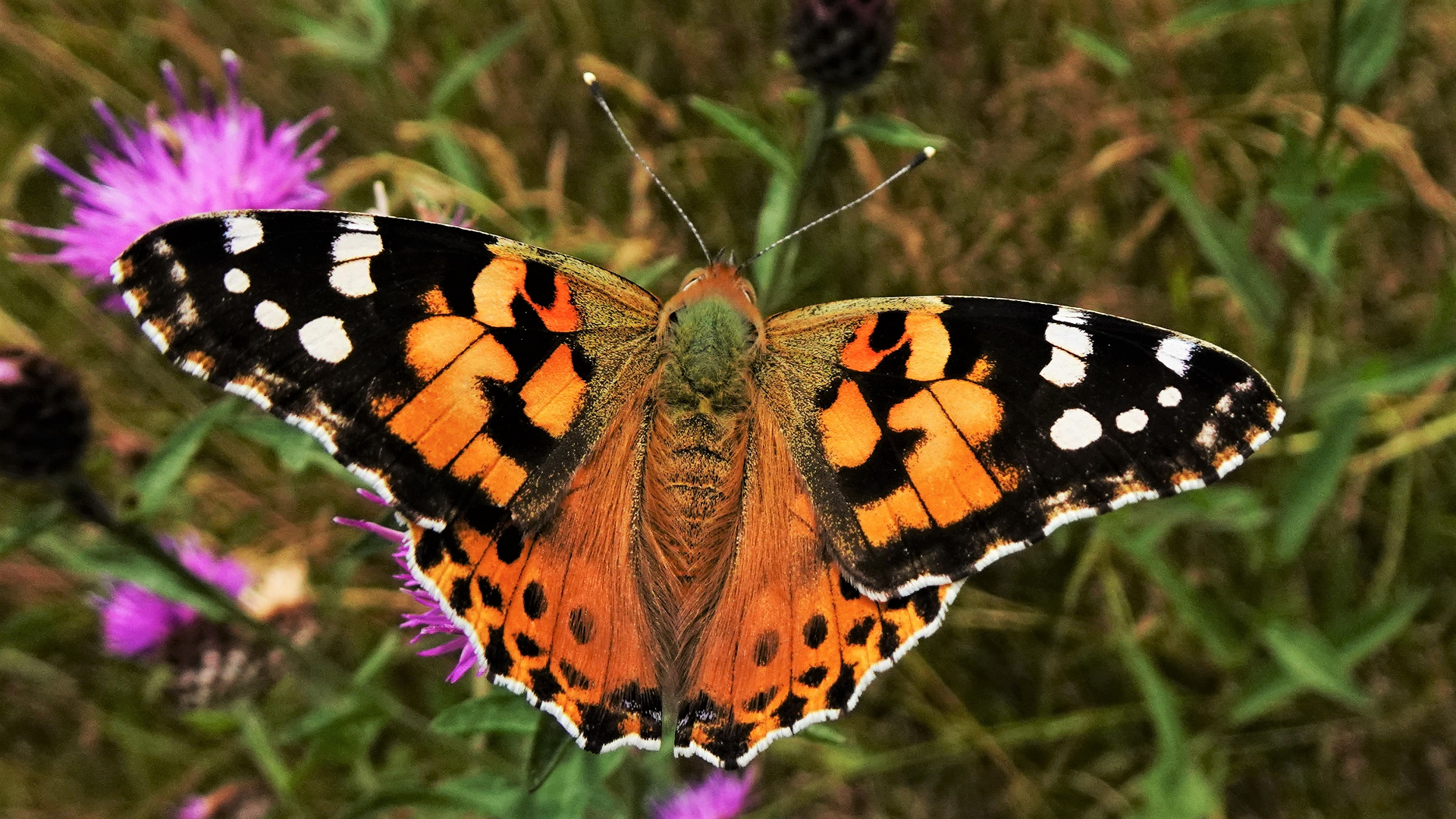
The Painted Lady butterfly comes from the Mediterranean annually and is typically observed in Britain between July and September.
#
Small Tortoiseshell
Aglais urticae
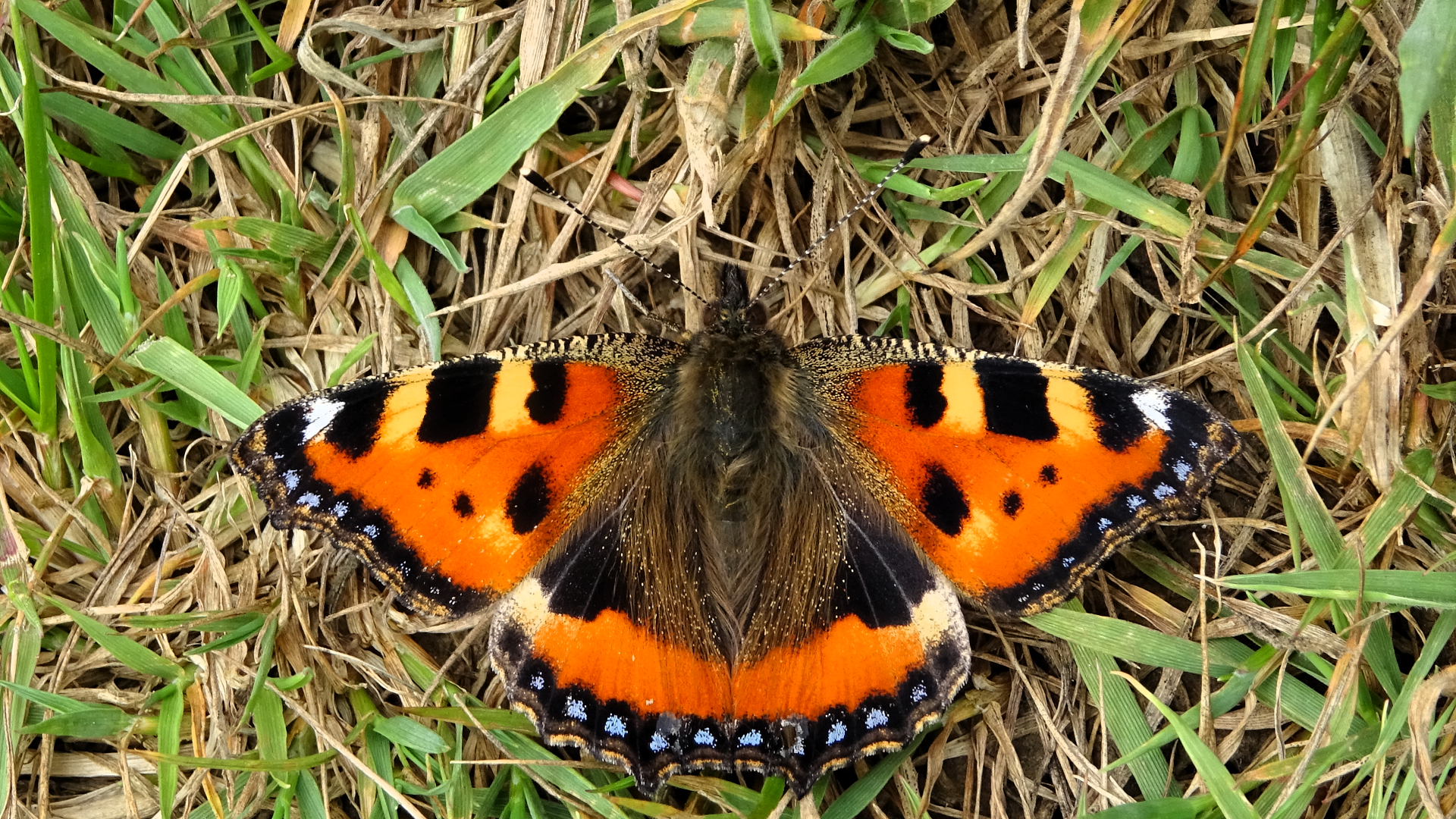
This attractive butterfly is found in the meadows during summer, however in recent years it has been suffering a steady decline. Its caterpillars consume nettles, so the removal of this food source significantly impacts its population. Another threat is the fly
Sturmia bella, which has increased in numbers due to climate change. The fly's larvae feed on Small Tortoiseshell caterpillars.
#
Peacock
Aglais io
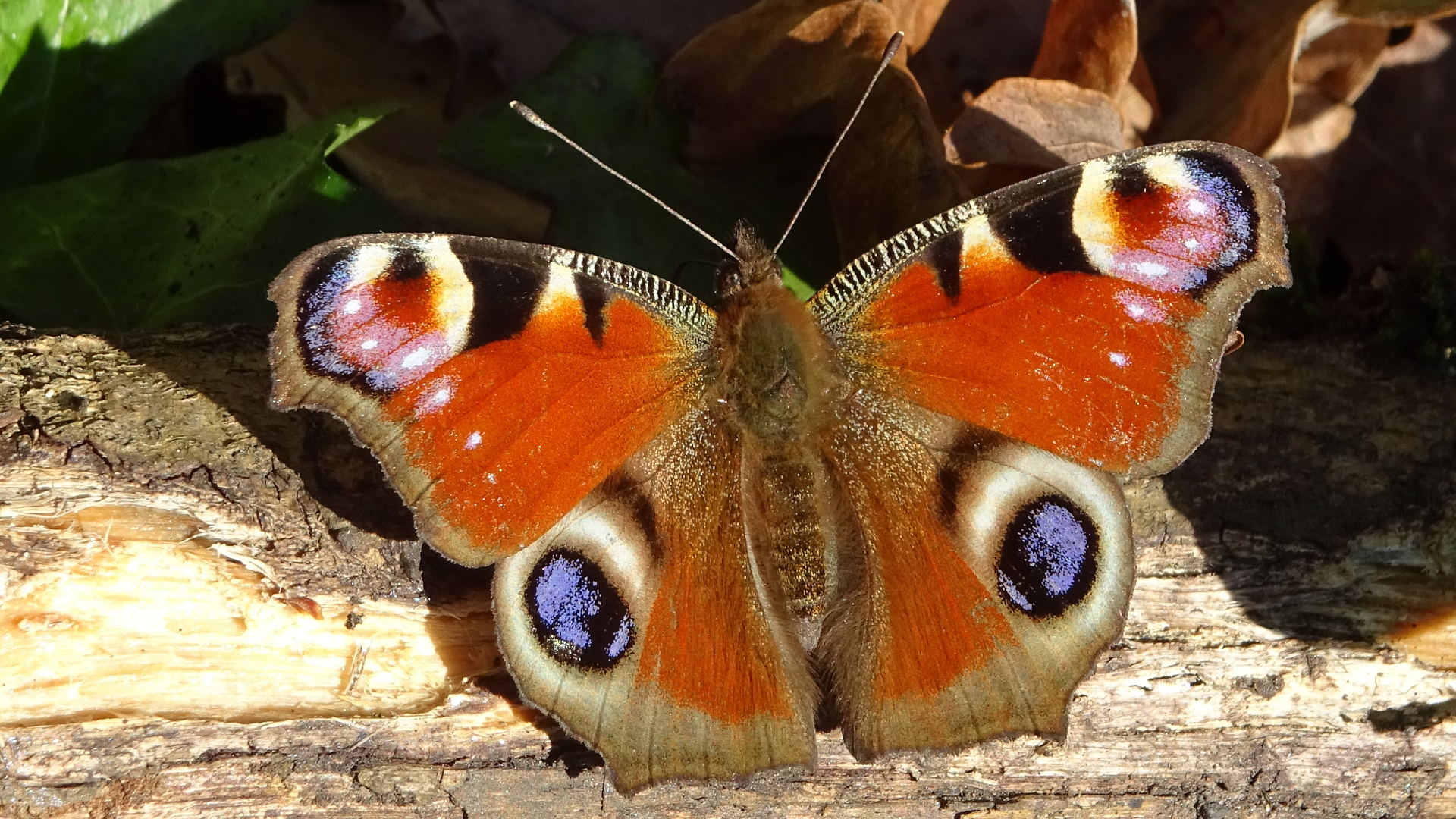
The Peacock Butterfly has spectacular wing spots that have evolved to startle and deter predators. The wing undersides resemble dead leaves. Peacocks are often found along sheltered woodland paths where they lay eggs on stinging nettles from which blackish caterpillars emerge to feed.
#
Comma
Polygonia c-album
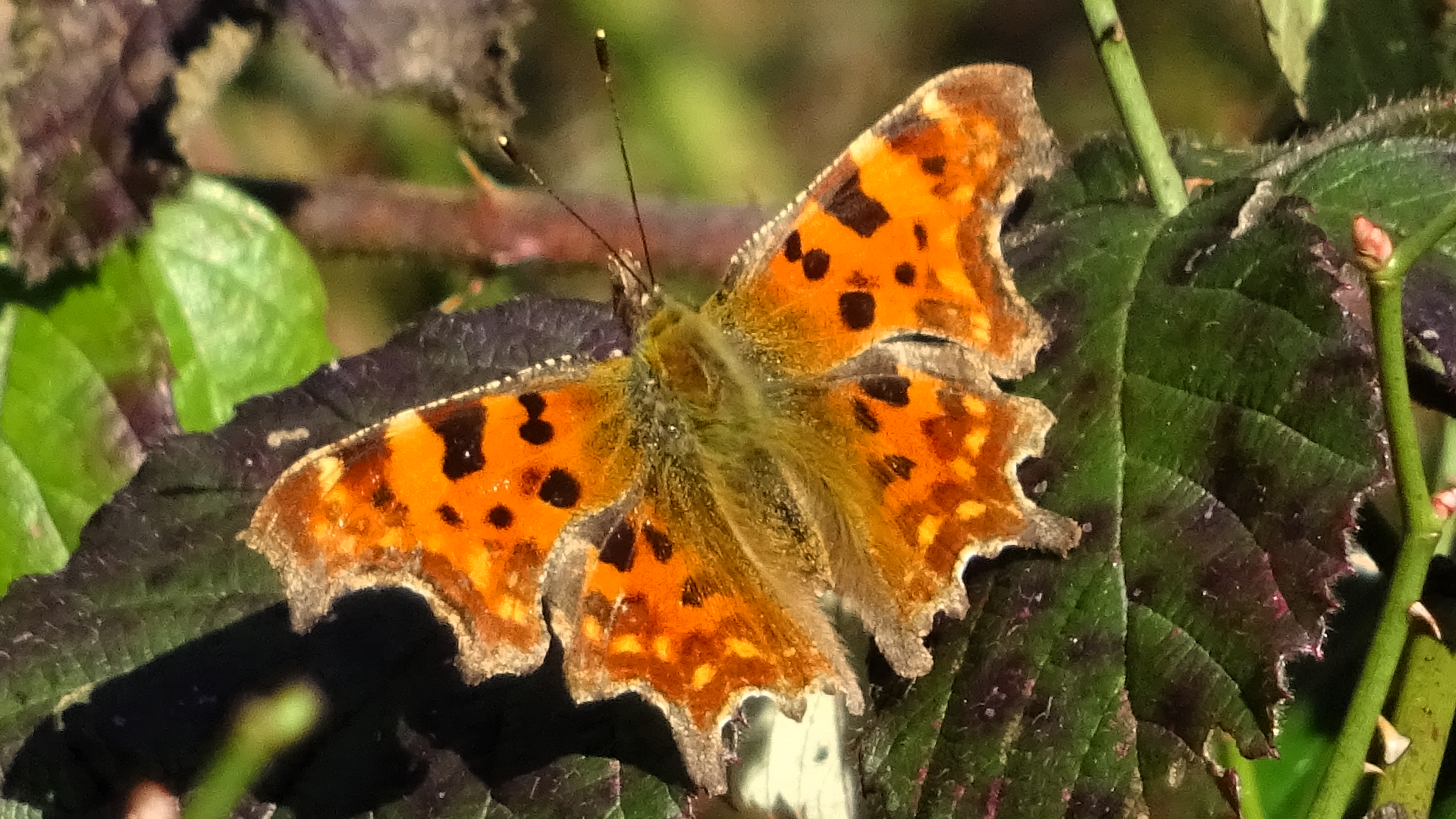
The Comma butterfly features jagged orange-brown upper wings accented with black and yellowish-brown markings. When at rest, it resembles a dried leaf. Comma butterflies prefer to rest on hedgerows in sunny areas. The name "Comma" comes from a small 'comma' mark found on the underside of their wings. Their caterpillars feed on nettles and hop plants.
#
White Admiral
Limenitis camilla
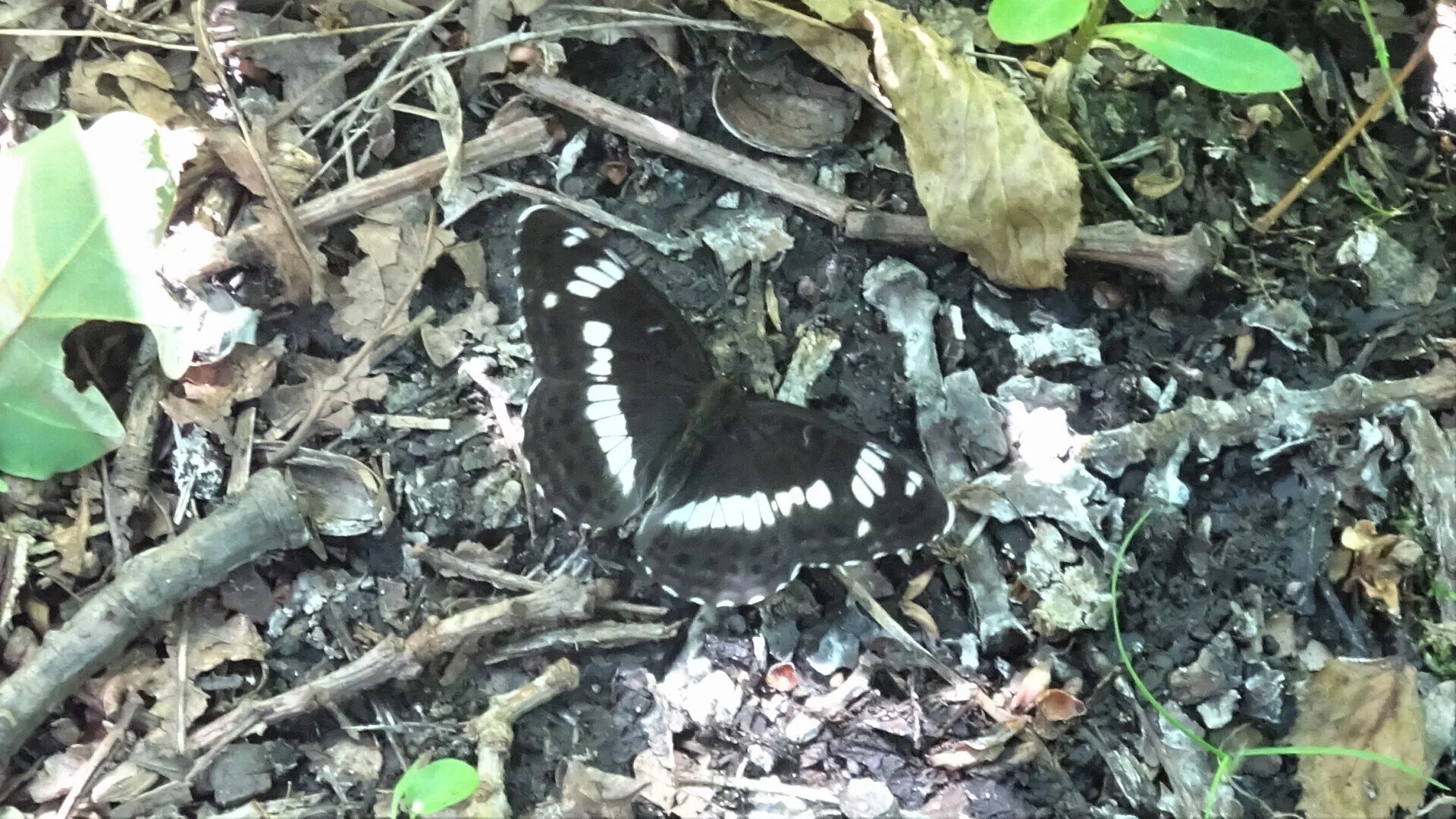
The White Admiral is active from June to August, where it can be observed visiting brambles for nectar. The green caterpillars primarily feed on honeysuckle. The wingspan of this butterfly is approximately 60mm.
#
Brown Argus
Aricia agestis
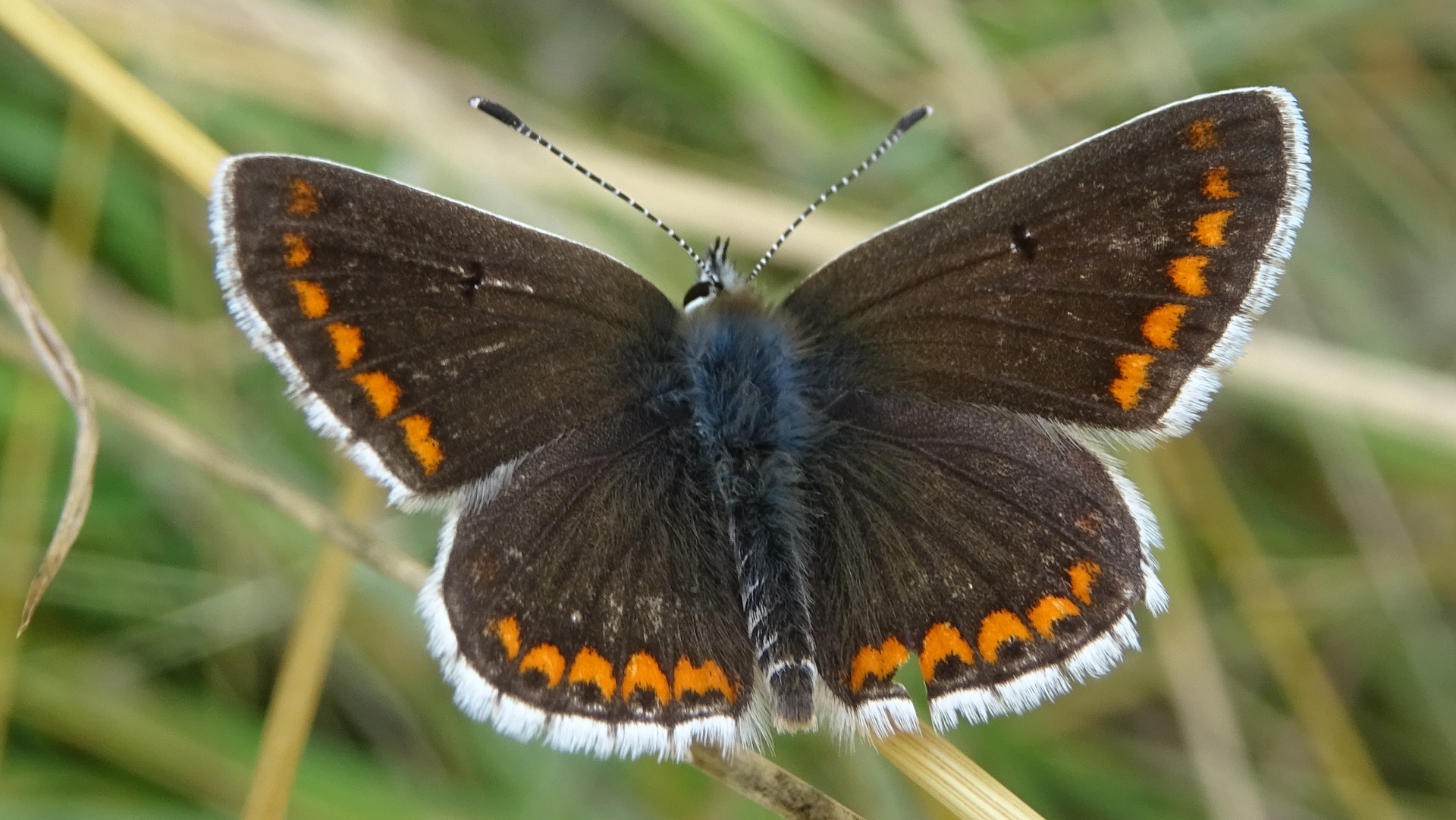
Brown Argus is a small grassland species that can be confused with a female Common Blue.
#
Common Blue
Polyommatus icarus
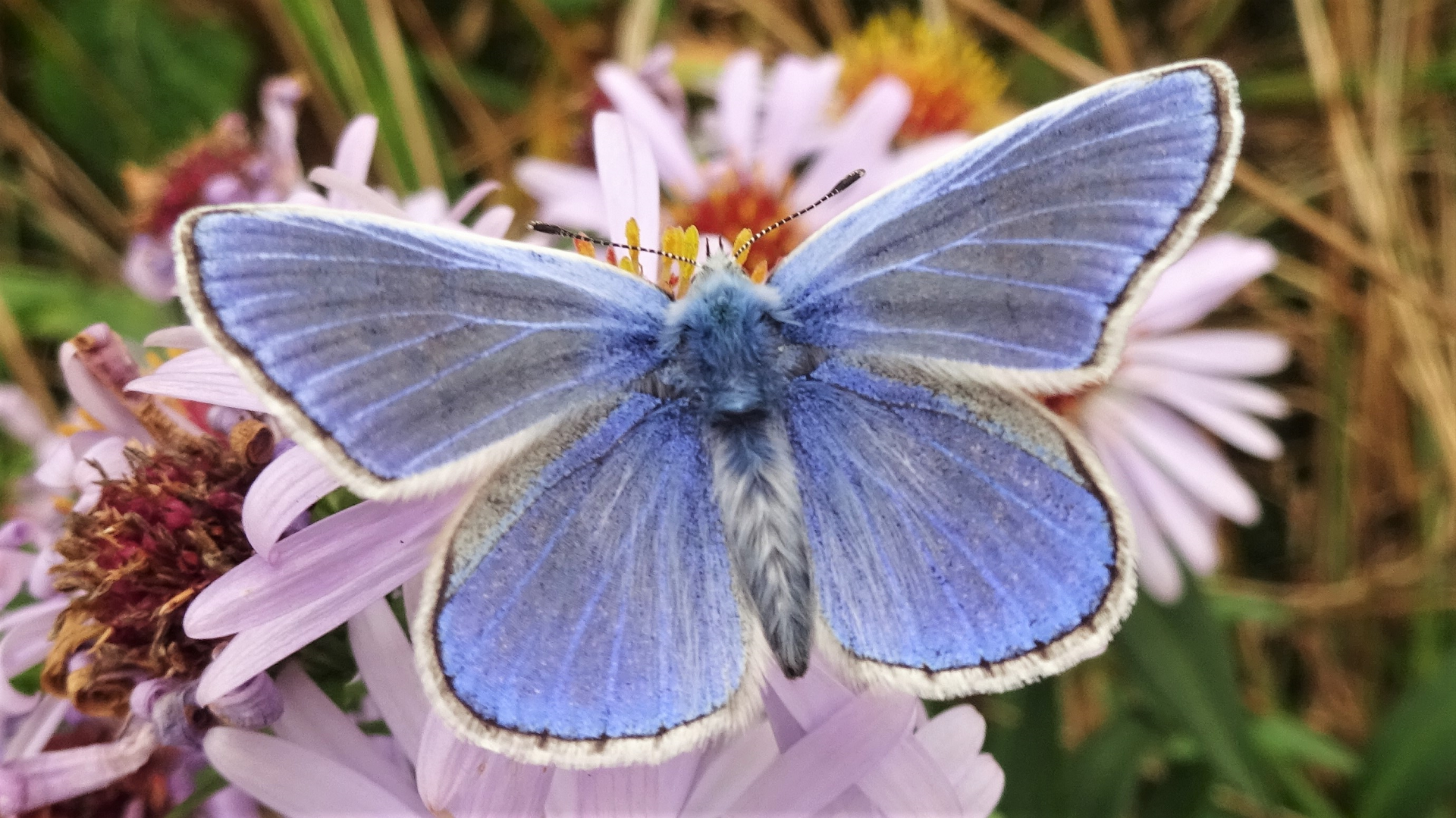
The Common Blue is a small butterfly with a wingspan of approximately 35mm, typically found in meadows during the summer and autumn months. Males are brightly coloured, while females tend to be less colourful and may appear nearly entirely brown.
#
Holly Blue
Celastrina argiolus
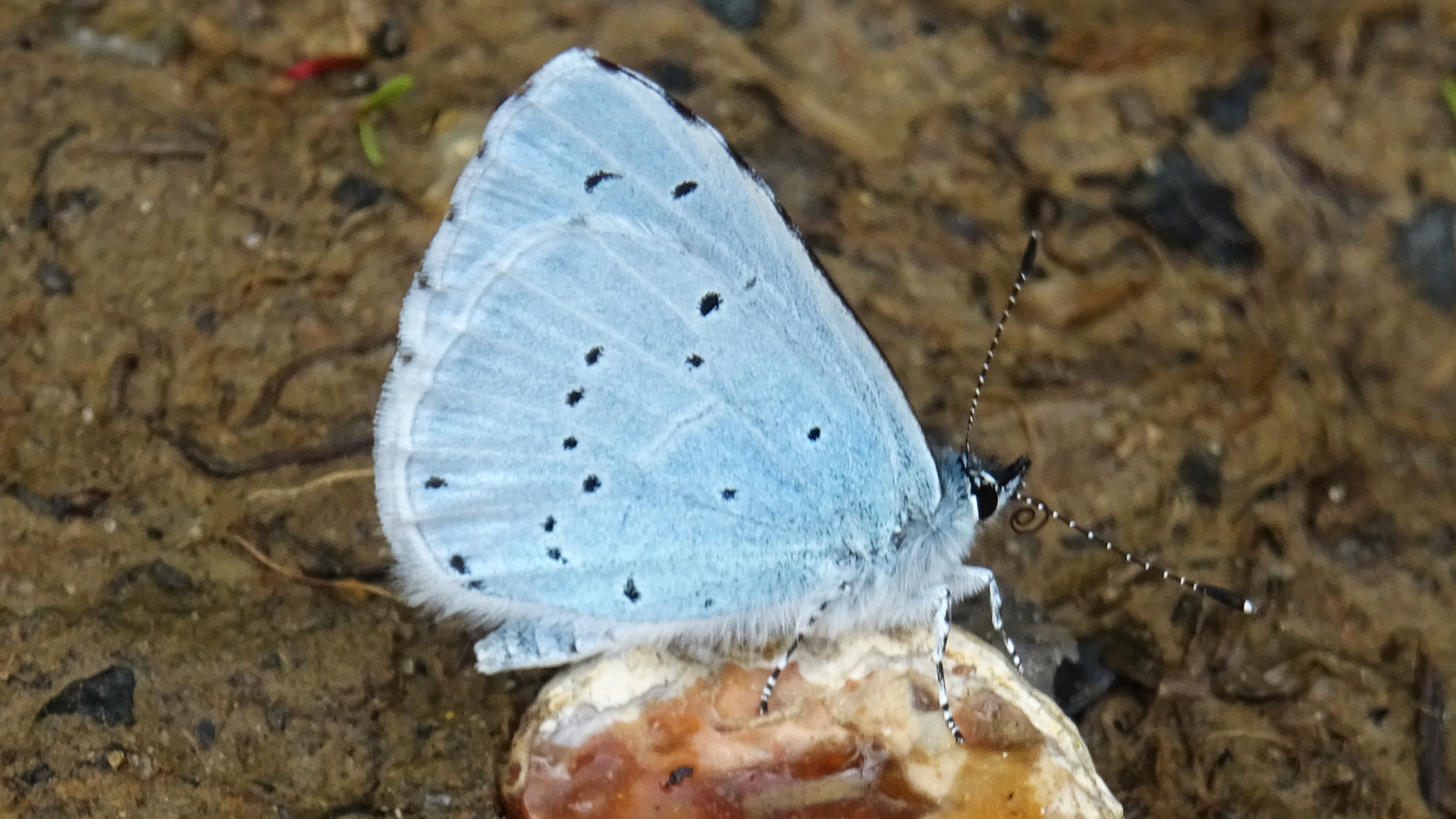
The Holly Blue emerges in early spring, appearing before many other blue butterflies. It tends to fly high around trees and bushes, in contrast to other grassland blues that typically remain closer to the ground. This species visits holly in spring and ivy during late summer.
#
Small Copper
Lycaena phlaeas
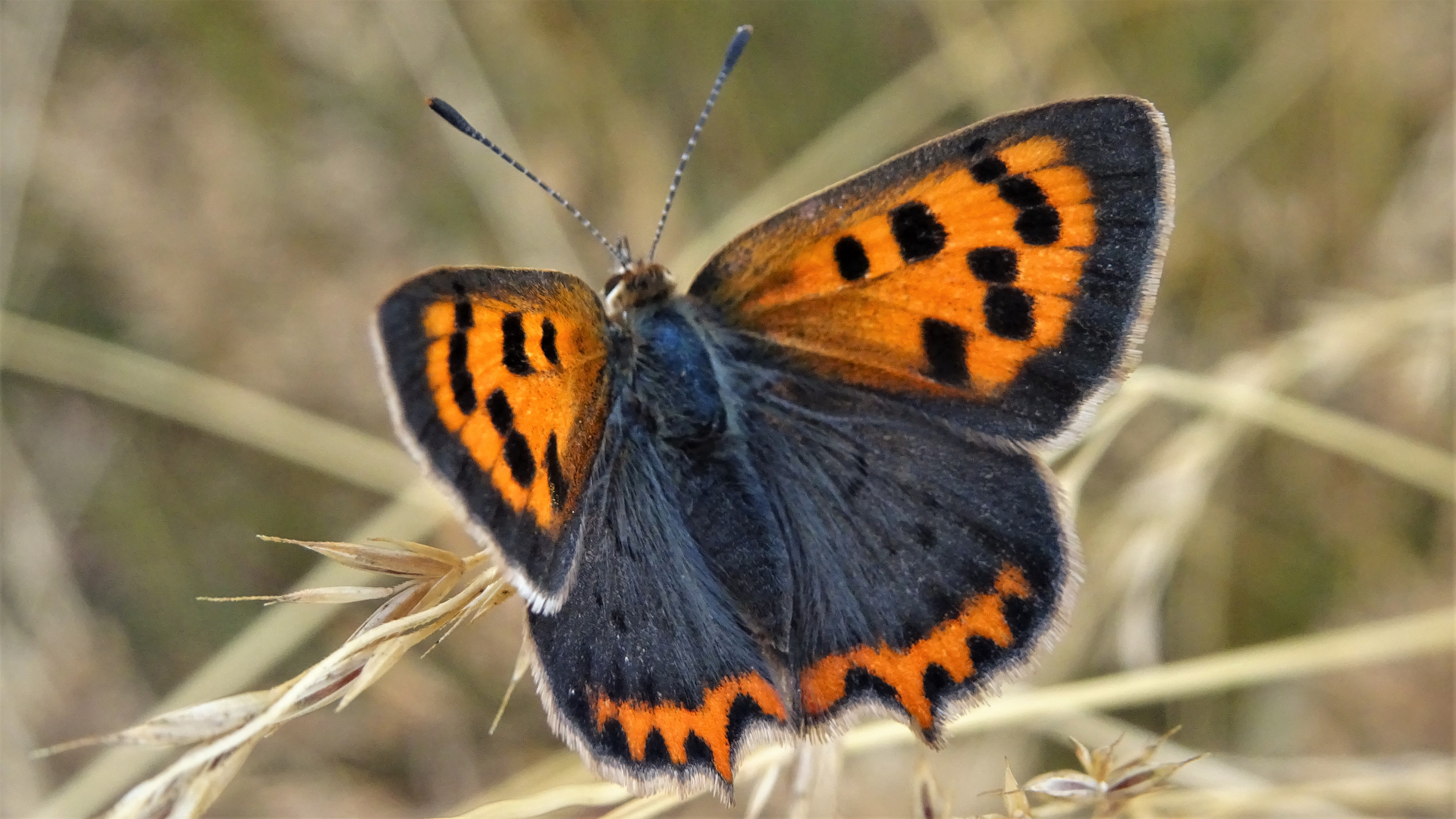
Normally observed from July to September in meadows, particularly in areas with short grass. Males sunbathe on bare ground while waiting for females to pass by. They fend off rivals and other insects to protect their territory. The caterpillars primarily feed on Sheep's sorrel.
#
Green Hairstreak
Callophrys rubi
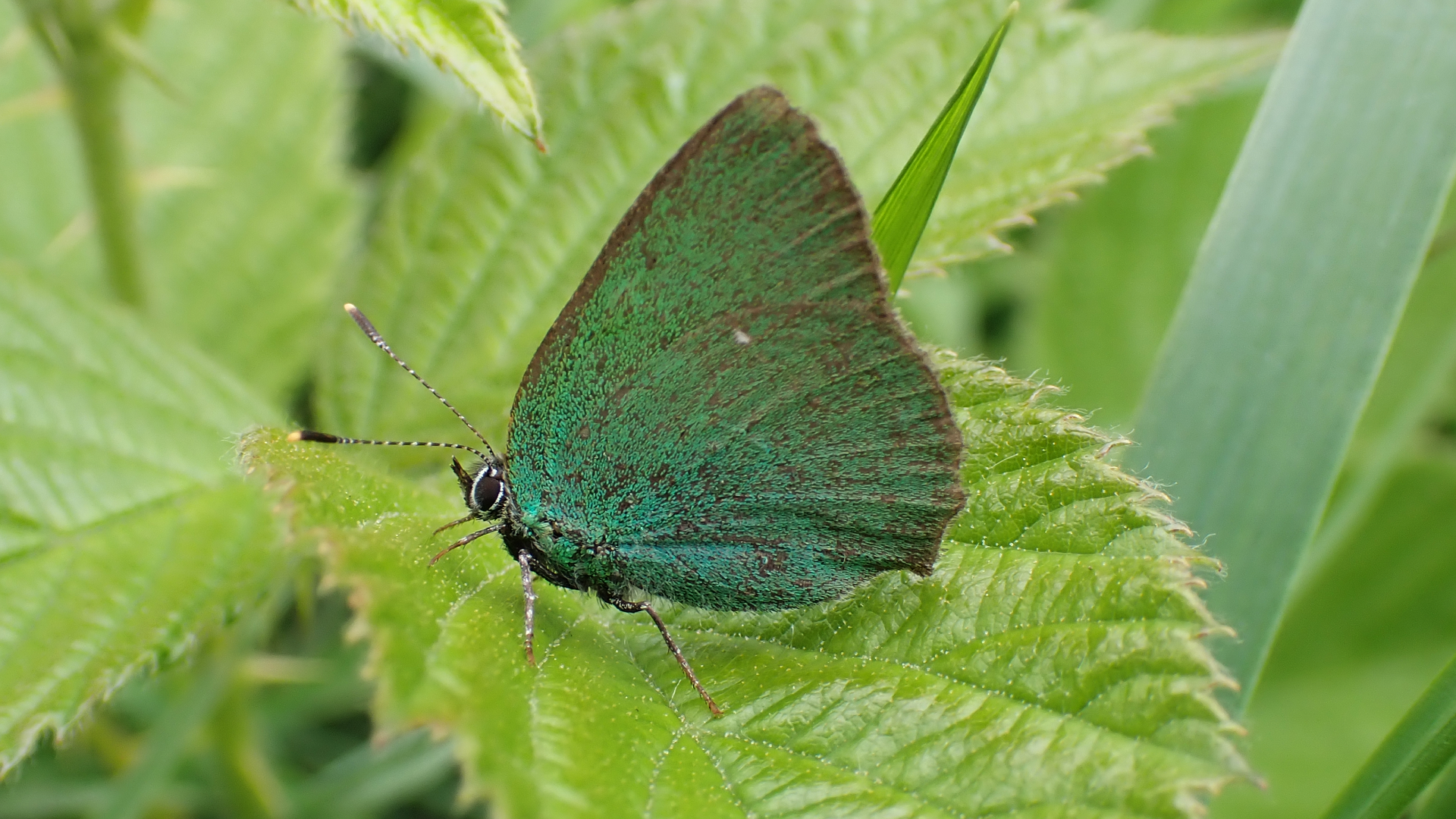
The Green Hairstreak butterfly often rests with its wings closed. In some specimens, the white streak on the wings may be absent.
#
Purple Hairsteak
Favonius quercus
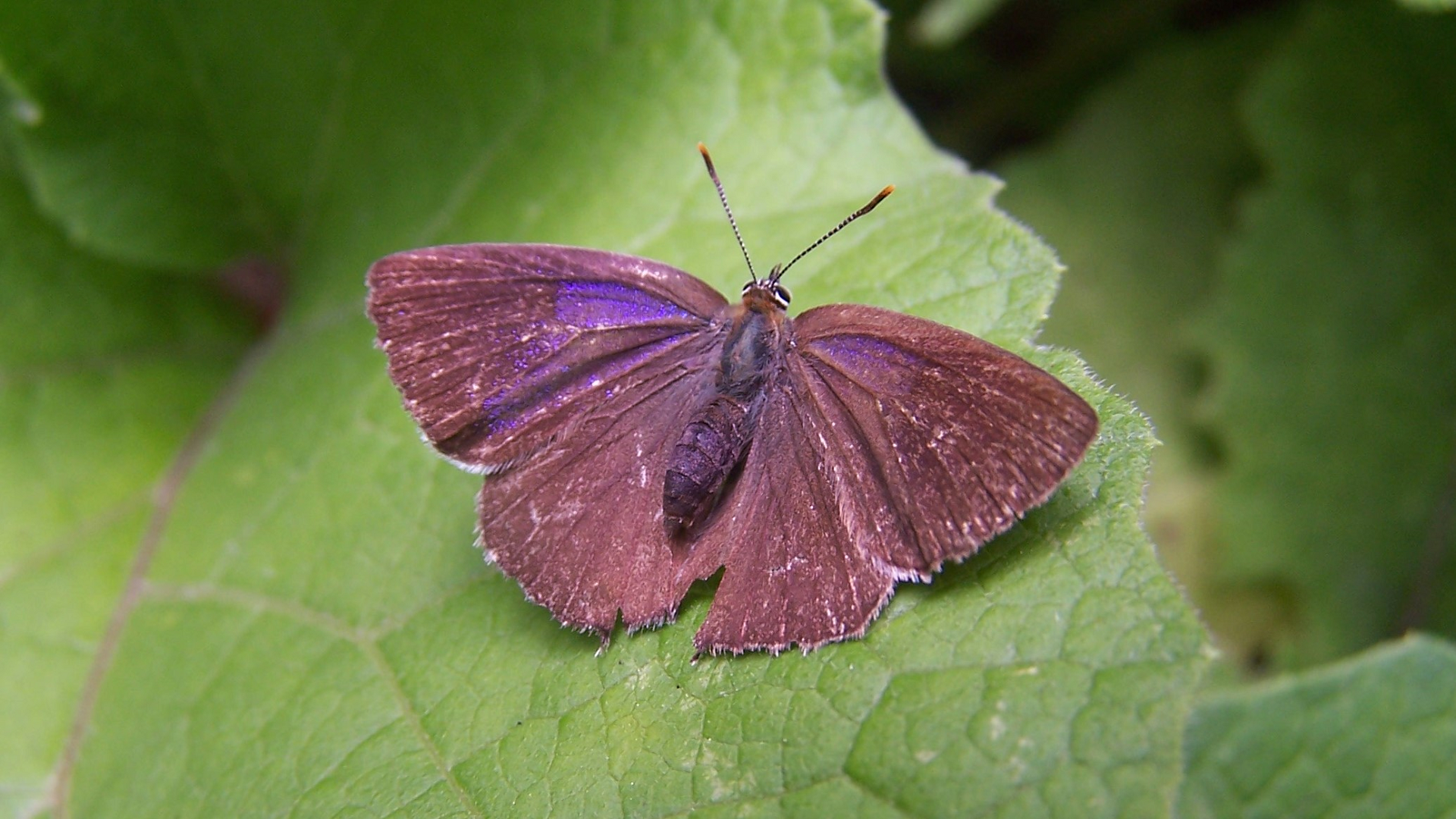
This species inhabits woodland containing oak trees, Oak is the larval foodplant.
#
Large White
Pieris brassicae
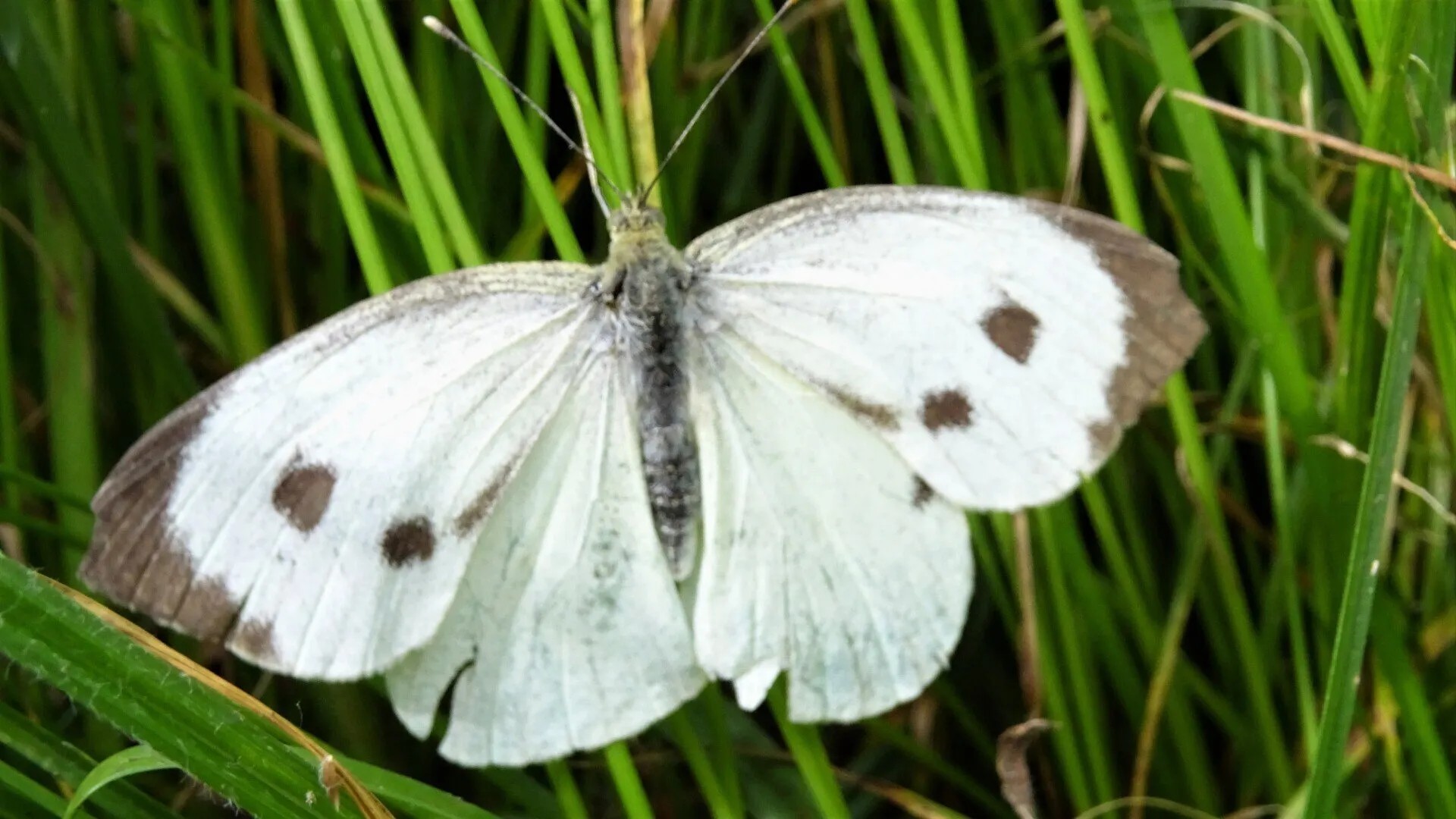
The Large White is a sizable butterfly, with a wingspan that can reach 70mm. Its forewings are predominantly white and feature black tips along the edges. Female specimens possess two spots on the forewings, which are absent in males. The undersides of the wings are creamy white. The caterpillars of this species consume plants from the Cabbage family.
#
Small White
Pieris rapae
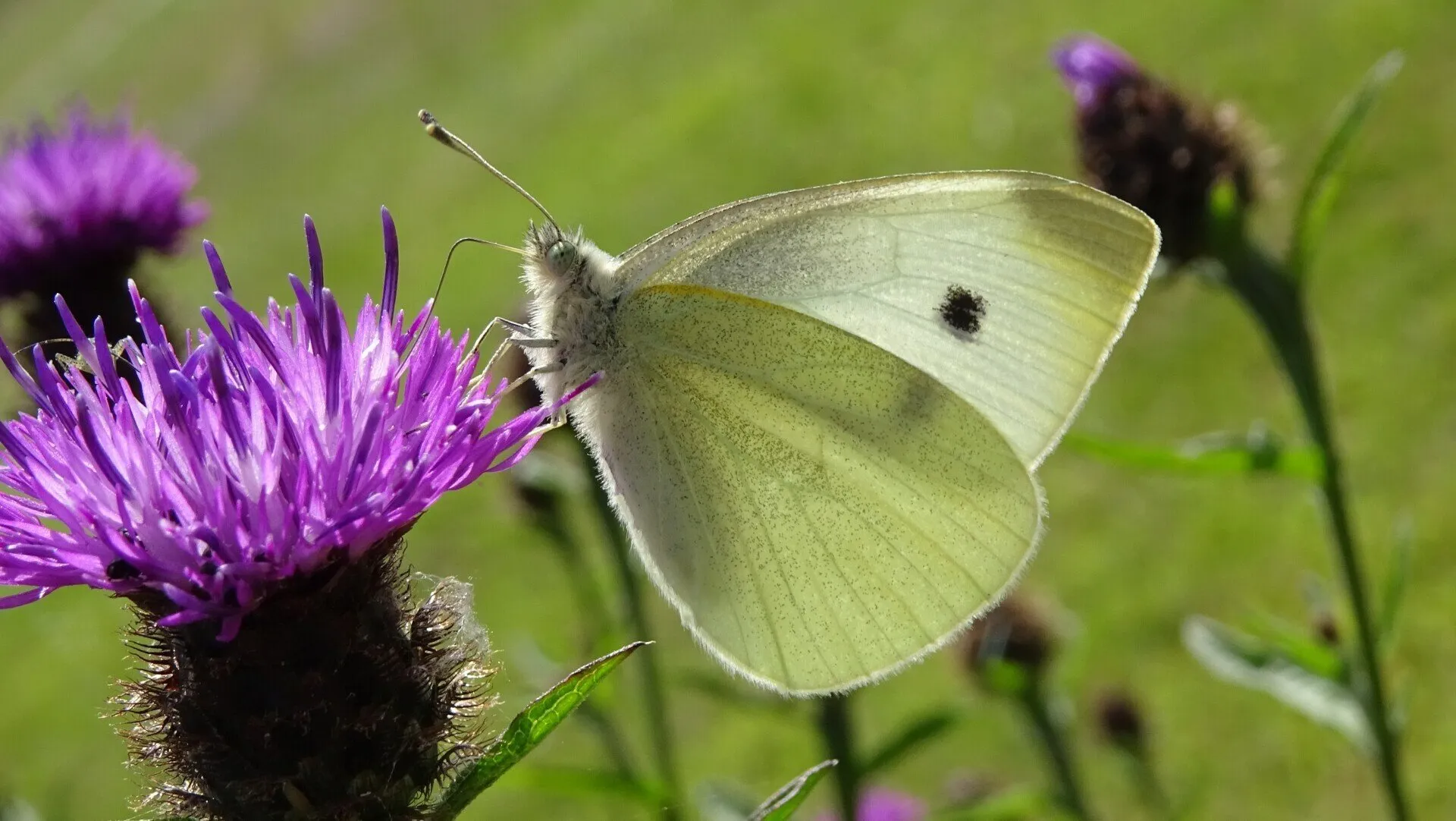
Similar to the Large White, but smaller in size. The caterpillars consume plants from the Cabbage family.
#
Green-veined White
Pieris napi
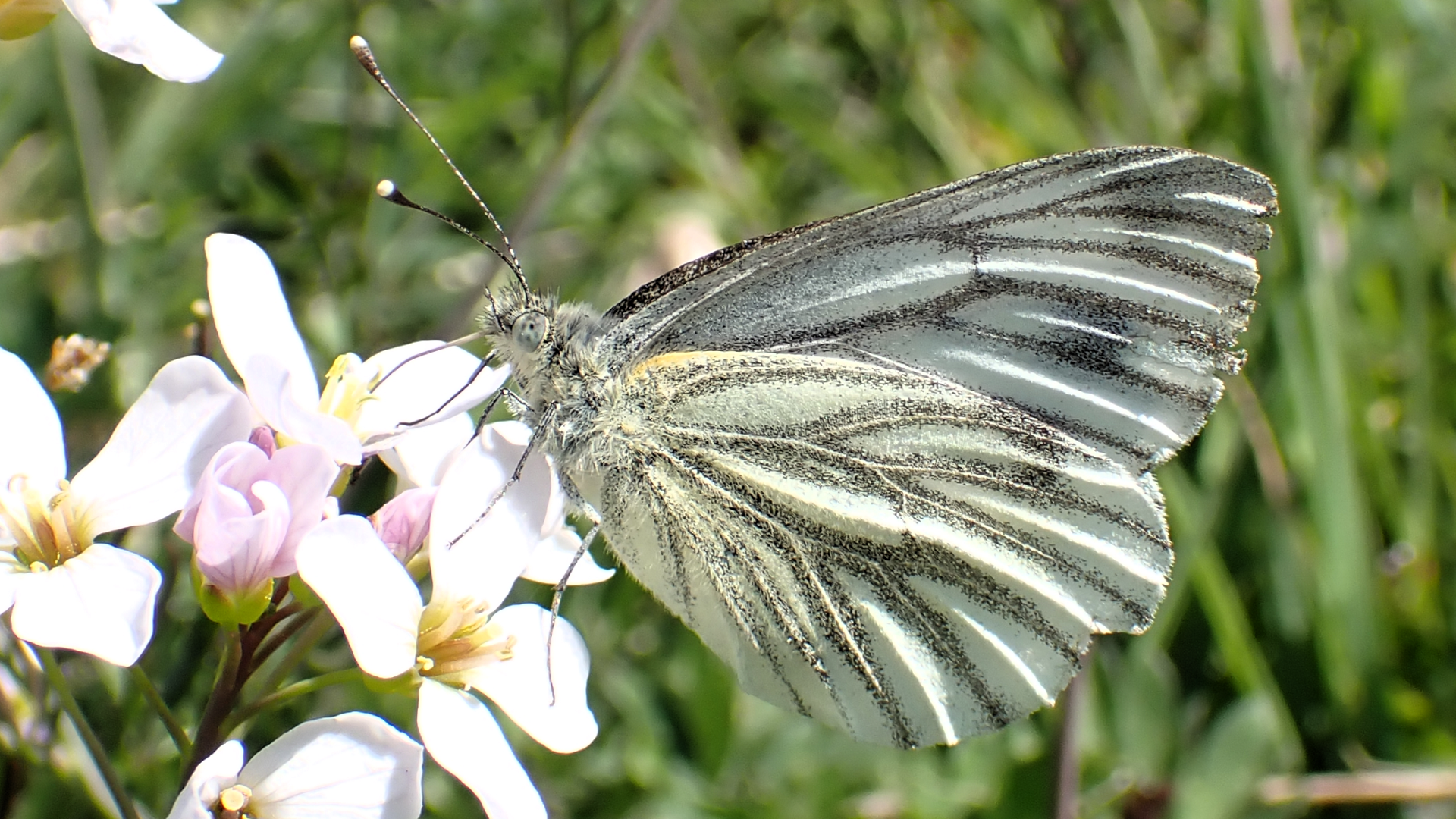
The Green-veined White is a common butterfly that is active from April to October. It inhabits various environments, particularly moist areas with abundant vegetation. The caterpillars of this species feed on plants belonging to the Cabbage family.
#
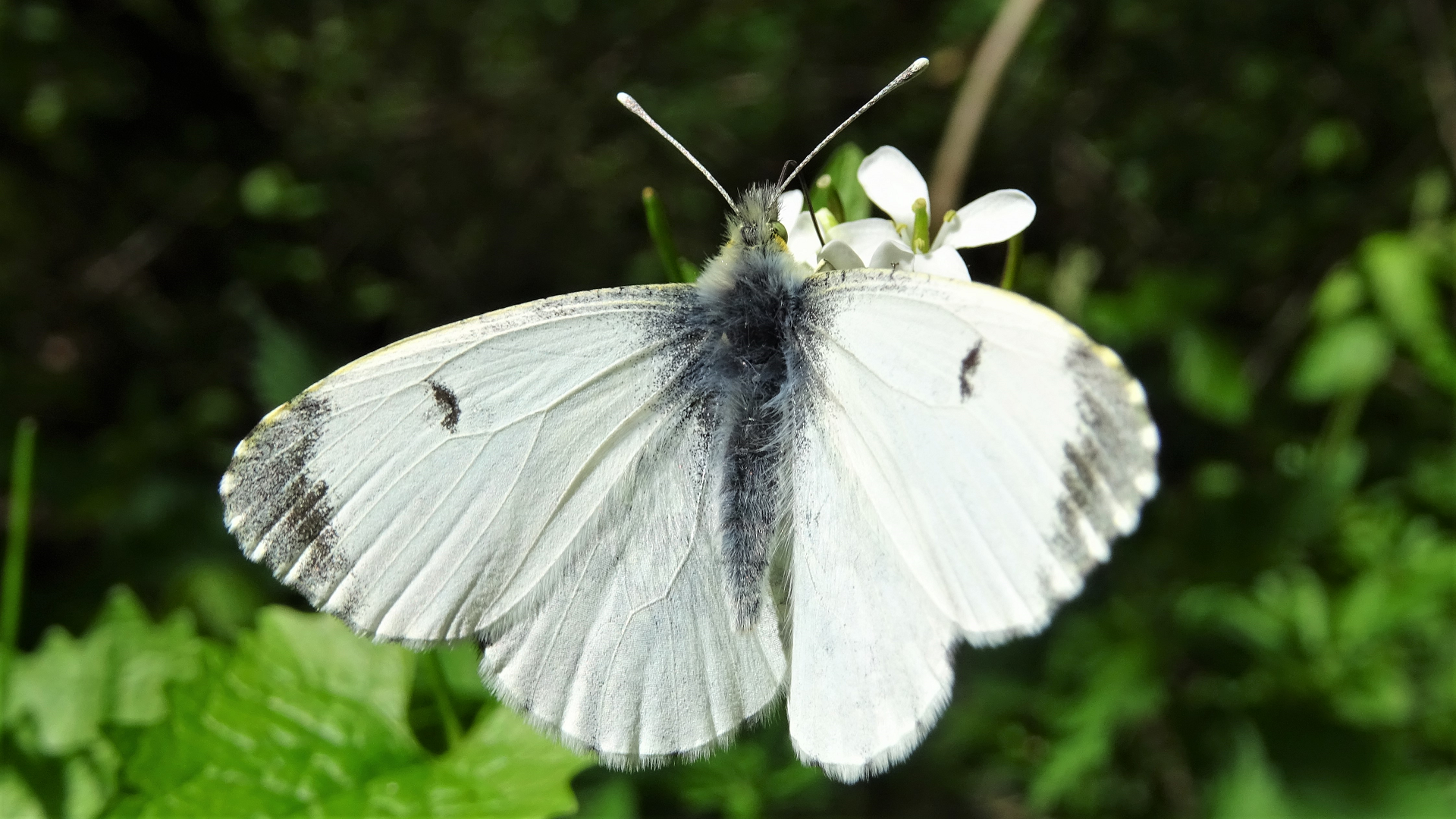
Orange-tip
Anthocharis cardamines
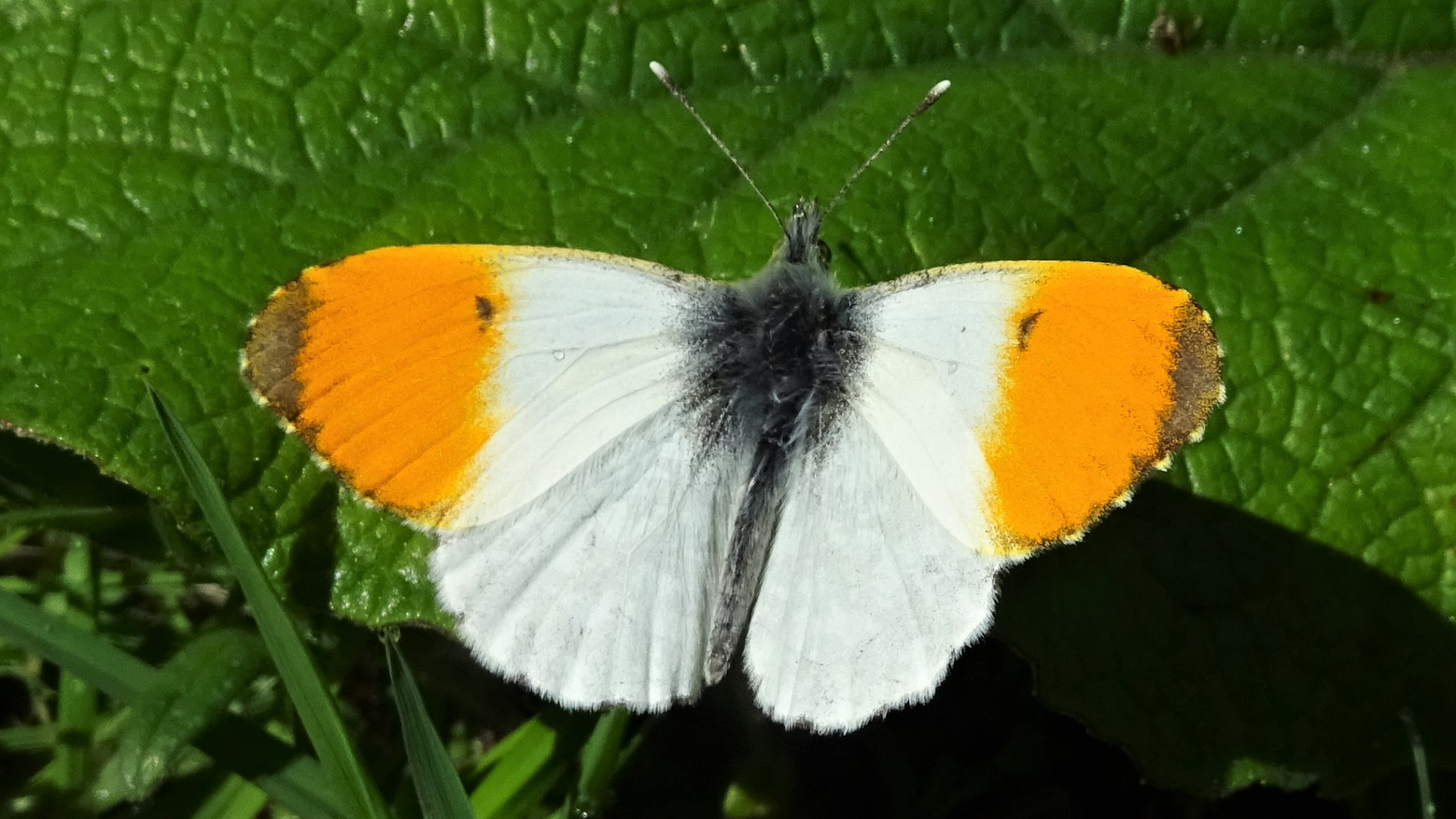
Both males and females have mottled green underwings. Males are distinguished by the orange visible when the wings are open, whilst females have no orange on the wings.
#
Clouded Yellow
Colias croceus
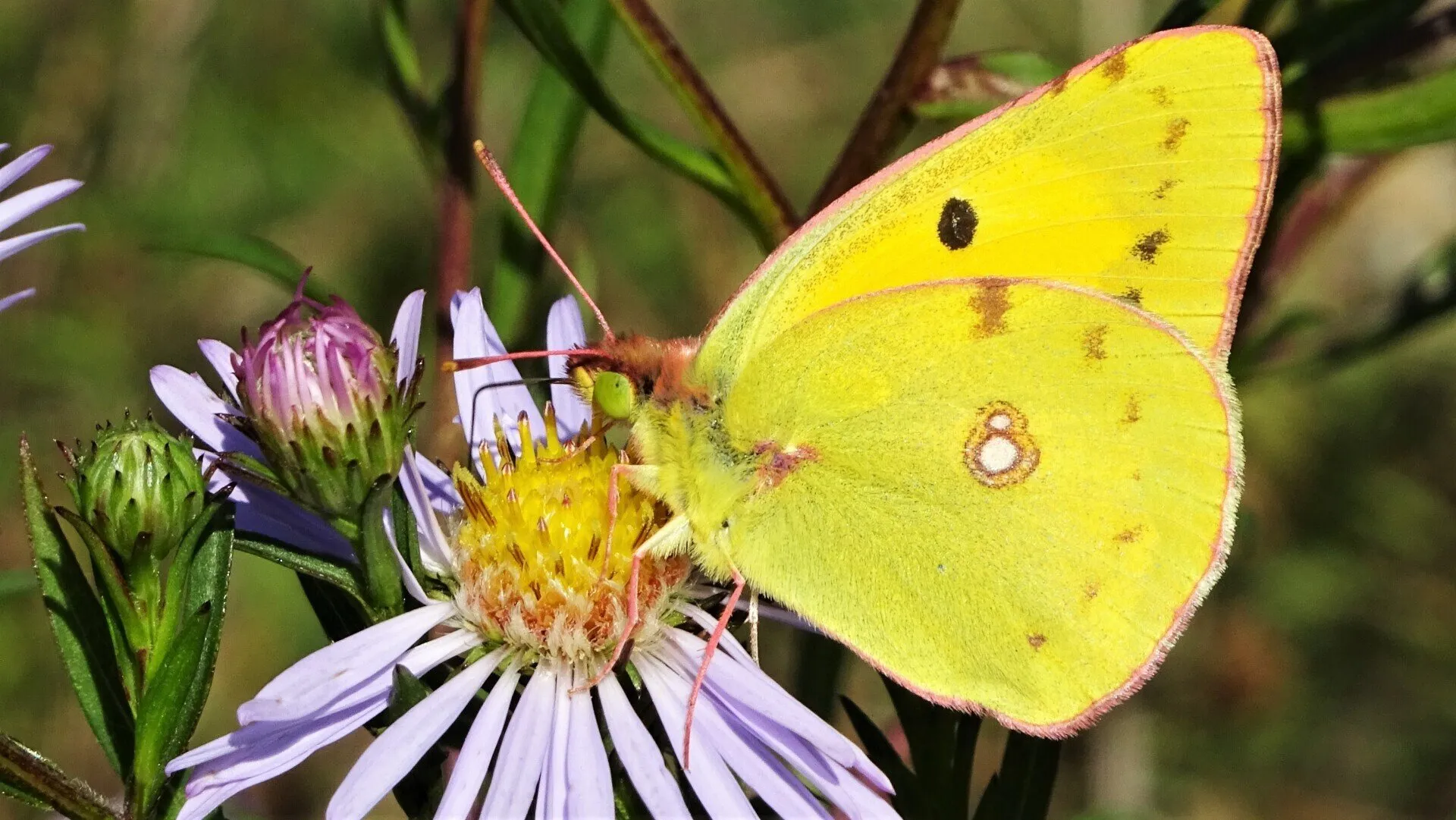
An immigrant, typically from North Africa and Southern Europe. The numbers fluctuate, and there are years when they are not seen in Hainault Forest.
#
Brimstone Butterfly
Gonepteryx rhamni

Males have yellowish-green underwings and yellow upper wings, while females have very pale green or nearly white wings. They are known to rest under bramble, making them challenging to see. The caterpillars feed on Buckthorn and Alder Buckthorn.
#
Small Skipper
Thymelicus sylvestris
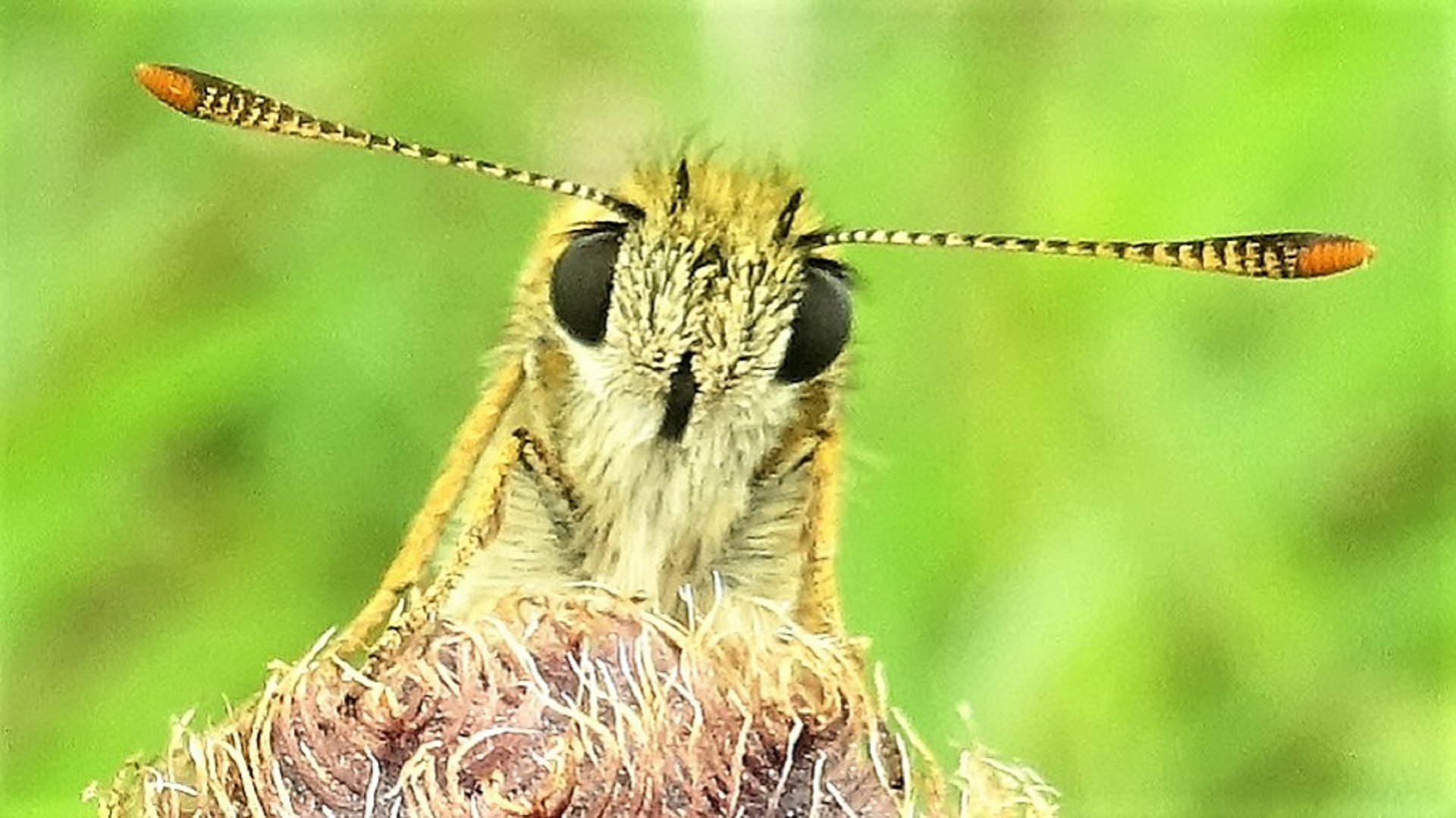
Small Skippers and Essex Skippers have a similar appearance. To differentiate between the two species,
it is necessary to view the antennae from the front. If the antennae do not appear to be dipped in black ink, then the butterfly is a Small Skipper.
#
Essex Skipper
Thymelicus lineola

Essex Skippers look similar to Small Skippers, and many recorders list them an aggregate. To differentiate the two species, the antennae must be examined from the front. If they appear as though they have been dipped in black ink, it indicates an Essex Skipper. If they do not, it is a Small Skipper.
Identification cannot be accomplished by inspecting the back of the antennae.
#
Large Skipper
Ochlodes sylvanus

Usually located in grassy areas, males feature a prominent black line running through the centre of their forewings. A subtle chequered pattern is noticeable on the sides of their wings. Males often rest on bramble in sunny spots while awaiting the arrival of females.
#
Do you know? A butterfly has taste buds on its proboscis and antennae but the majority are located on the feet. These check leaves before eggs are laid helping to ensure that when their larvae emerge they will be on a suitable food plant.
© hainaultforest.net. All rights reserved.