

FIRST QUARTER 2018
This Journal covers the first quarter of 2018 from January to March and consists of two pages. There is a button at the bottom of this page that will direct you to page 2. The second page mainly features fungi and plants.
Pochard
Aythya ferina

In winter and spring, male Pochards have bright reddish-brown heads, black breasts and tails, and light grey bodies. The females are brown, with greyish bodies and light cheeks. Pochards dive to search for molluscs and insects in the mud. After foraging on the silty bottom, they may have mud on their faces. They also consume plants, seeds, and small fish.
#
Great Crested Grebe
Podiceps cristatus

Great Crested Grebes are the largest grebe species in Britain. They dive beneath the surface to catch fish and avoid predators. Courtship behaviour usually starts in mid-winter and includes synchronized swimming, diving, head shaking, and the presentation of vegetation, as well as running on water. If a pair bonds, they will build a floating nest. While feeding, parents give their chicks feathers to ingest. The purpose of this behavior is not entirely clear, but it is thought to assist the young in regurgitating fish bones and minimizing their risk of gastric parasites.
#
Cormorant
Phalacrocorax carbo
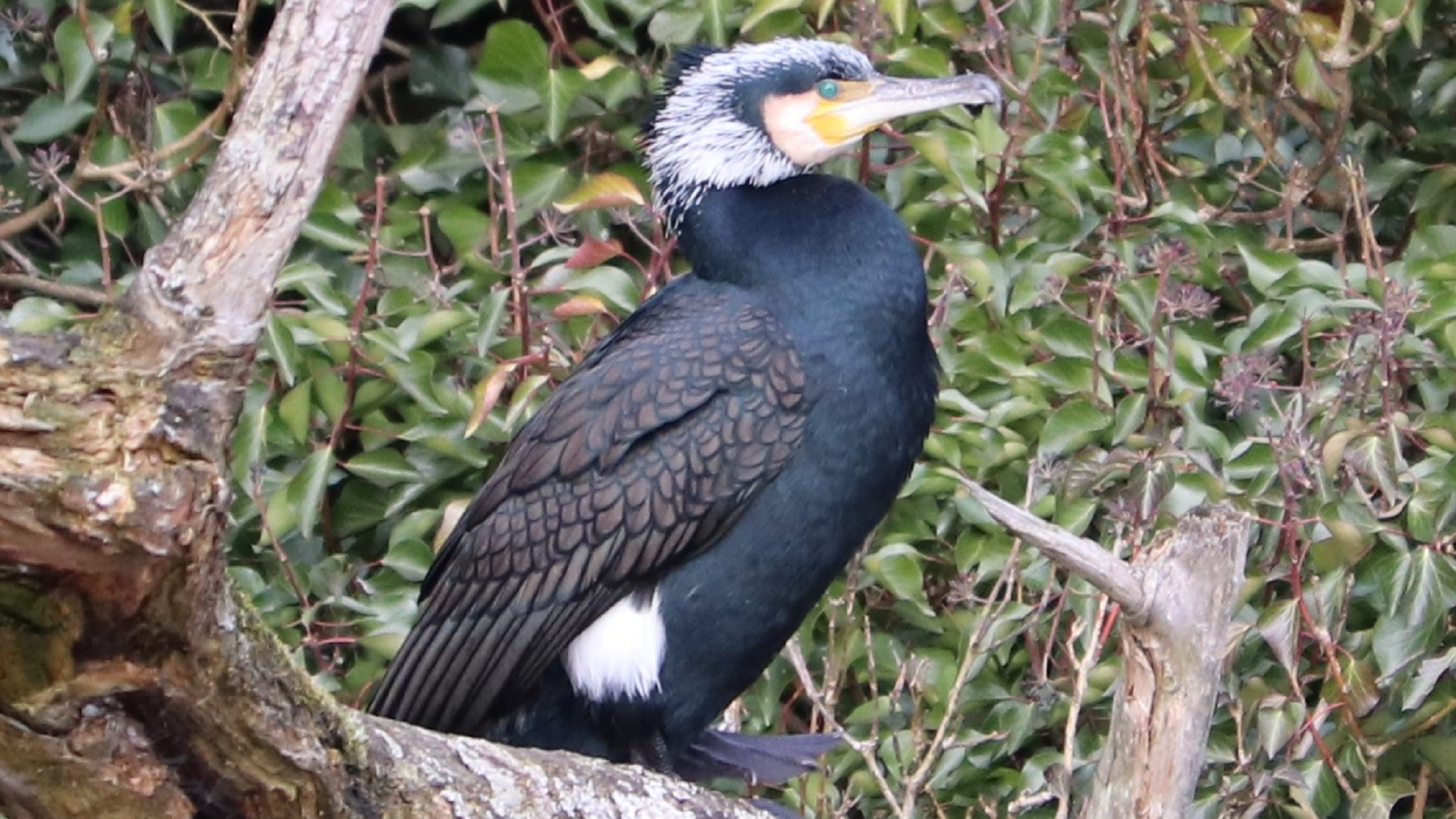
A Cormorant displaying its full breeding plumage.
#
Grey Heron
Ardea cinerea

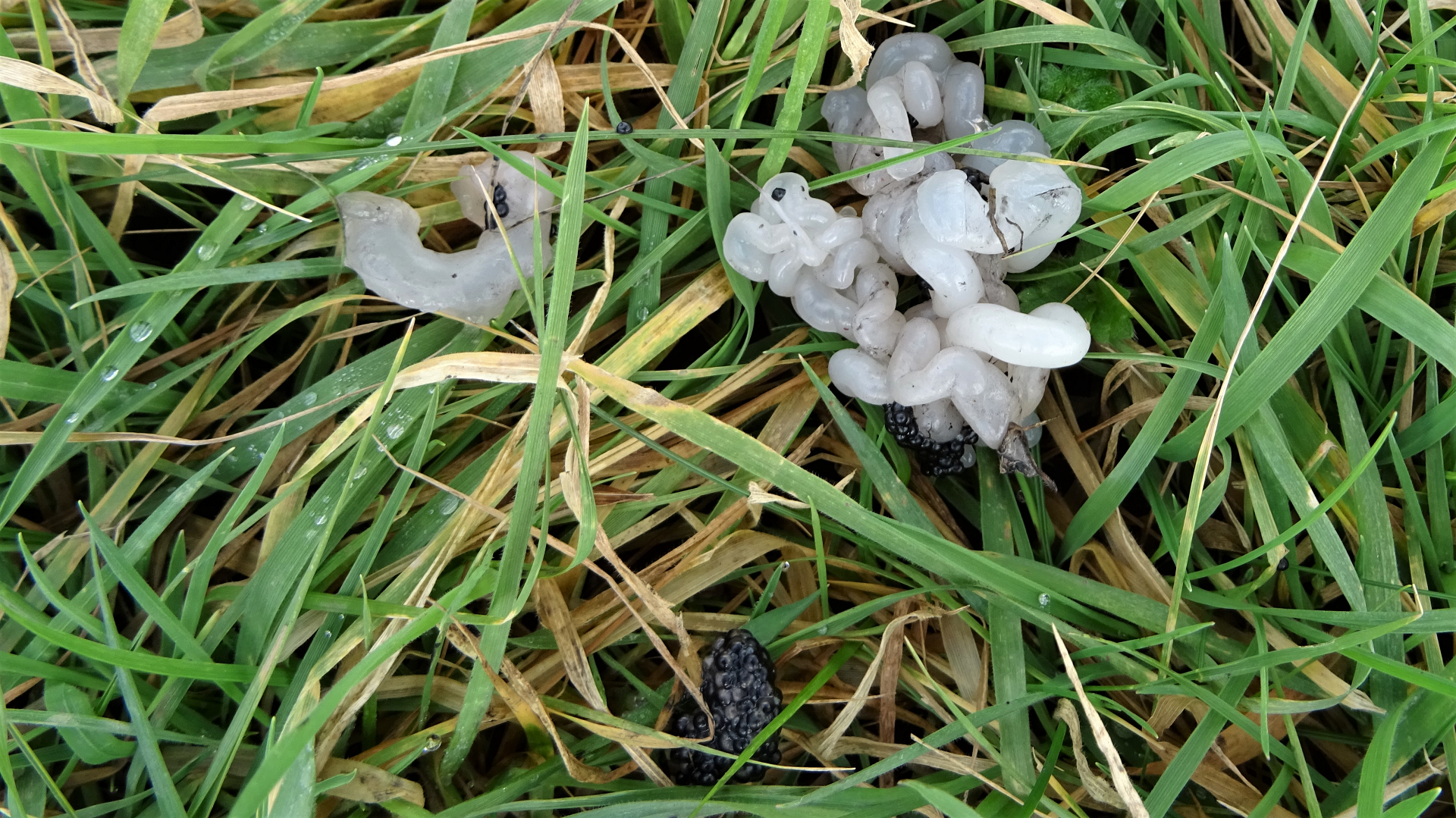
Grey Herons are often spotted at Hainault Lake, where they have access to a good supply of fish. They also hunt in the meadows for voles and amphibians. The internal organs of a common frog and black egg masses were discovered in grassland, the result of a heron's hunting expedition.
#
Green Woodpecker
Picus viridis
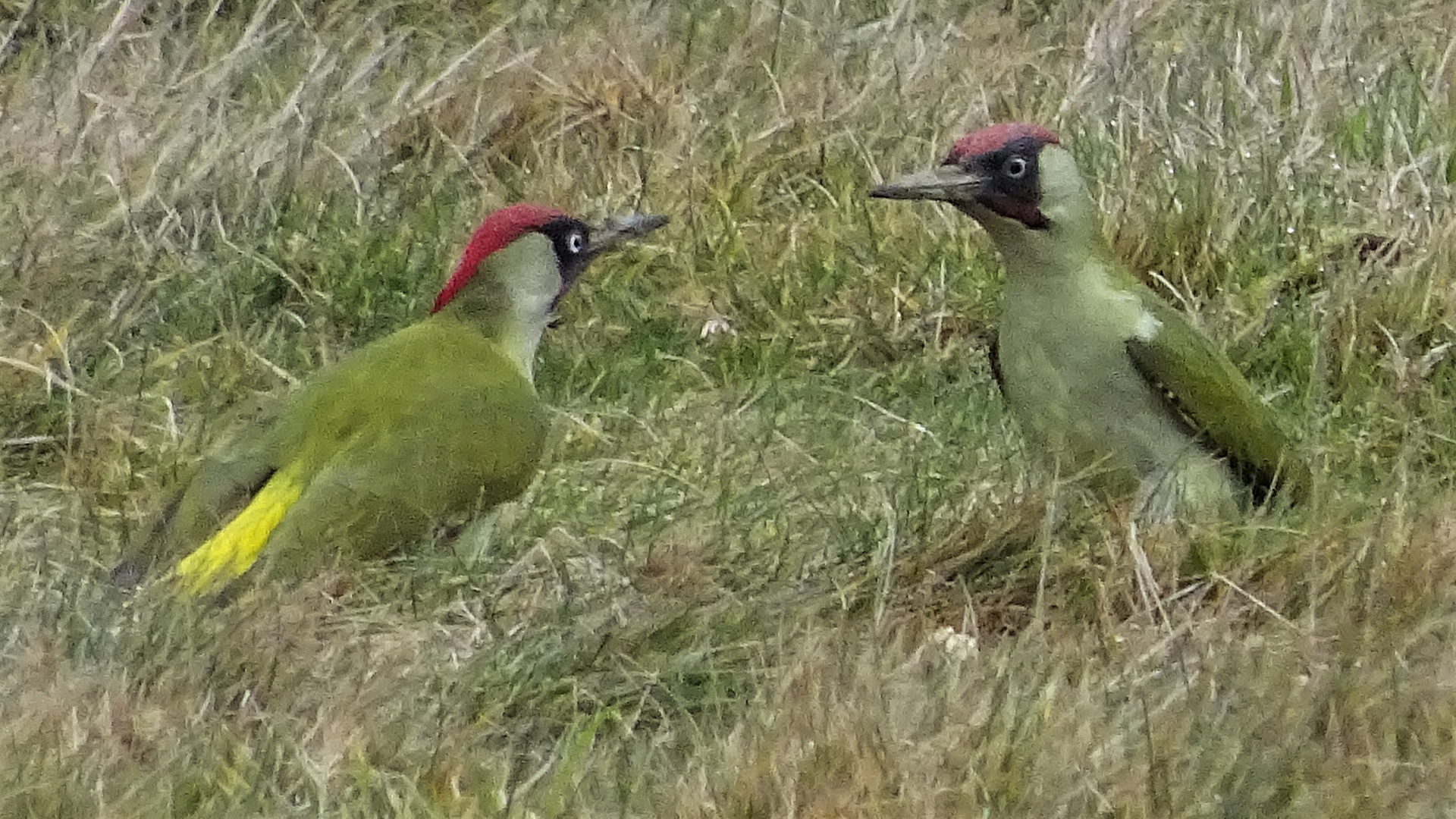
A lot of head nodding suggested that these birds were engaging in a complex courtship display. However, the red colour in the centre of their moustaches means that both are males. They are probably having a confrontation over territory or a potential mate.

#
Ring-necked Parakeet
Psittacula krameri

This species is the UK's only naturalised parrot. They have been nesting in holes in trees near Roes Water and are sometimes seen in large noisy flocks.
#
Carrion Crow
Corvus corone

A crow with wings spread.
#
Peacock
Aglais io
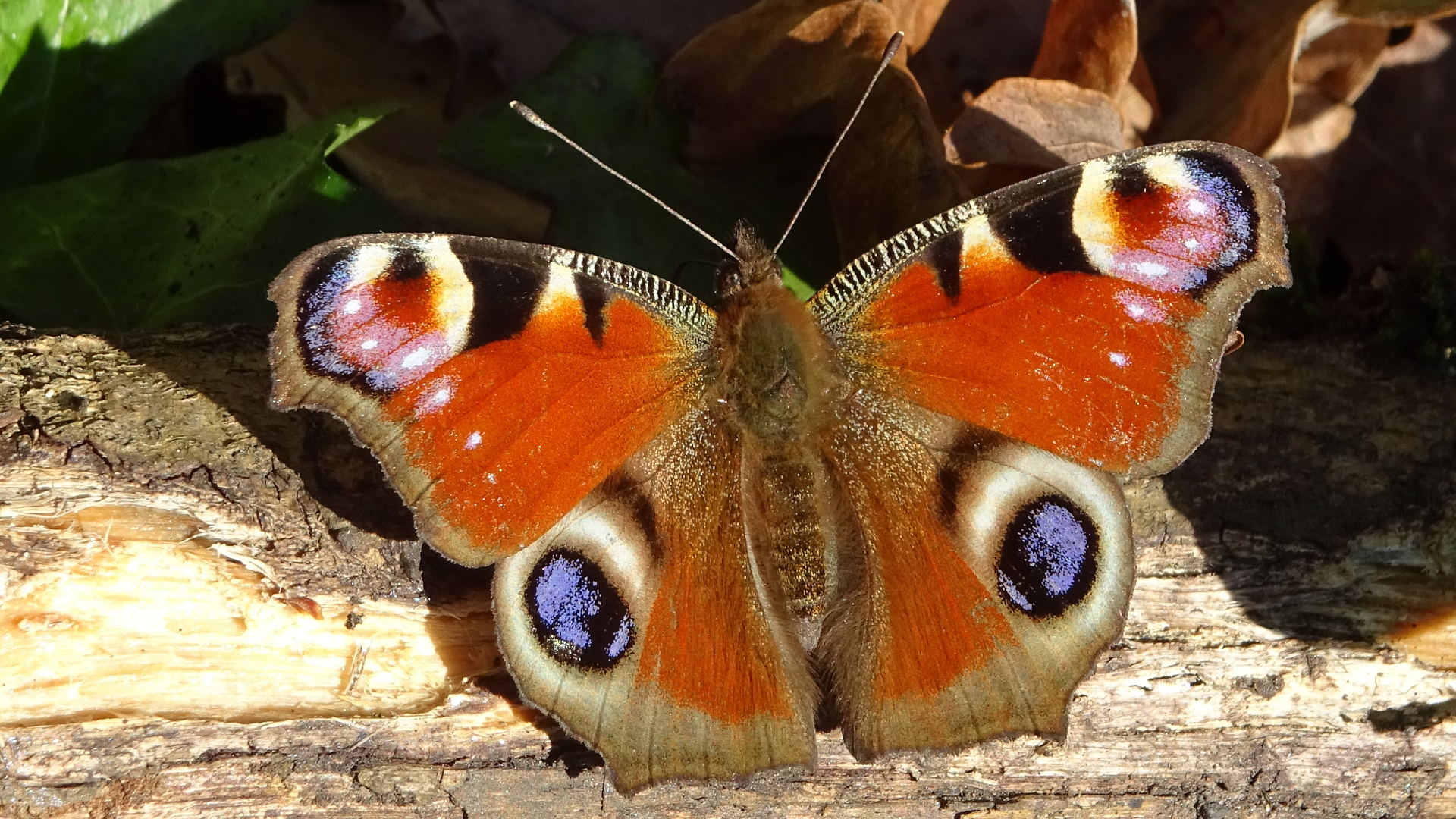
The Peacock Butterfly has spectacular wing spots that have evolved to startle and deter predators. The wing undersides resemble dead leaves. Peacocks are often found along sheltered woodland paths where they lay eggs on stinging nettles from which blackish caterpillars emerge to feed.
#
Ridged Violet Ground Beetle
Carabus problematicus
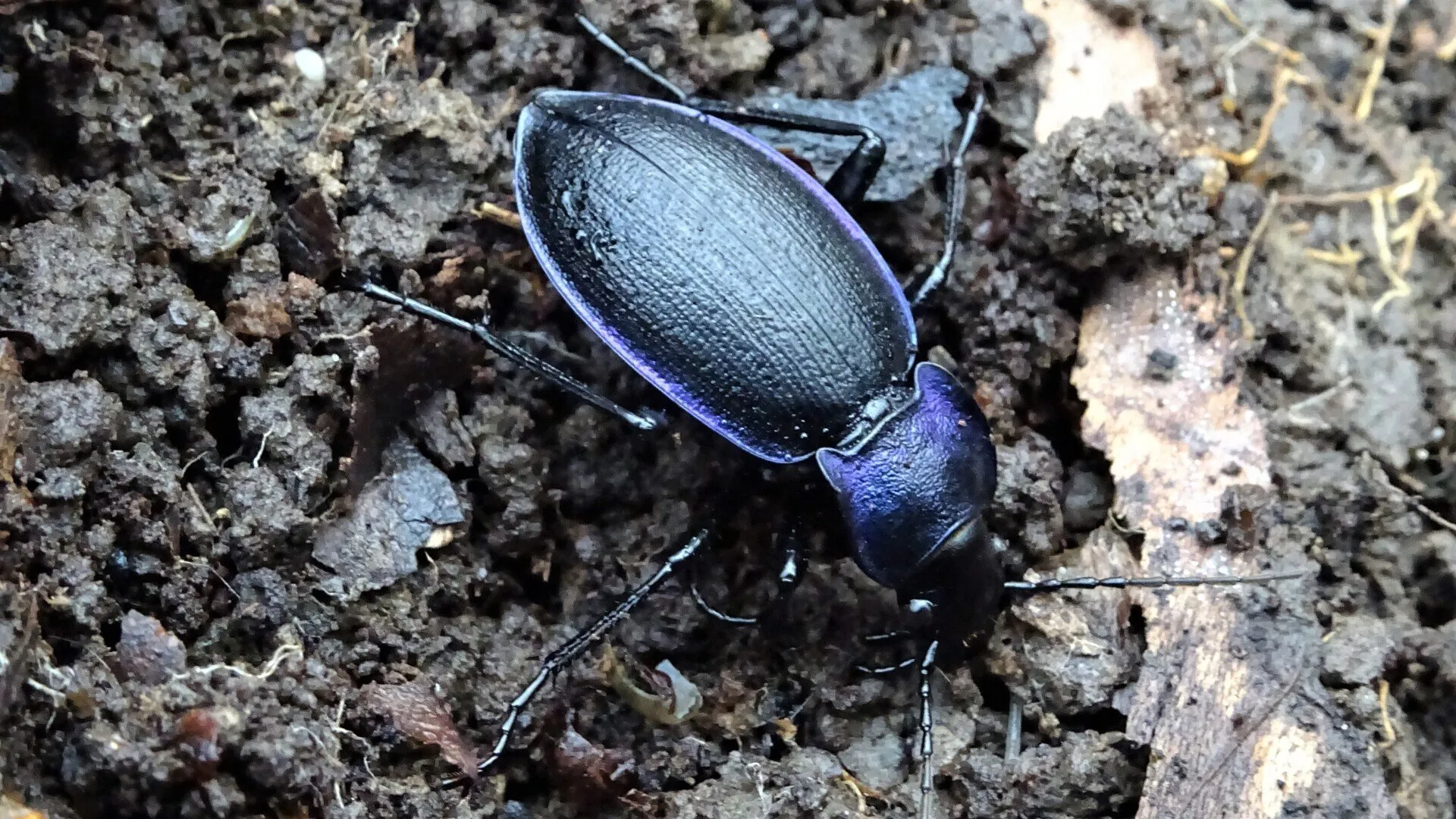
A common species in Hainault Forest that hides under logs during the day and hunts at night. It can grow up to 30 mm long and is normally seen during the summer.
#
Bruchid Weevil
Bruchus
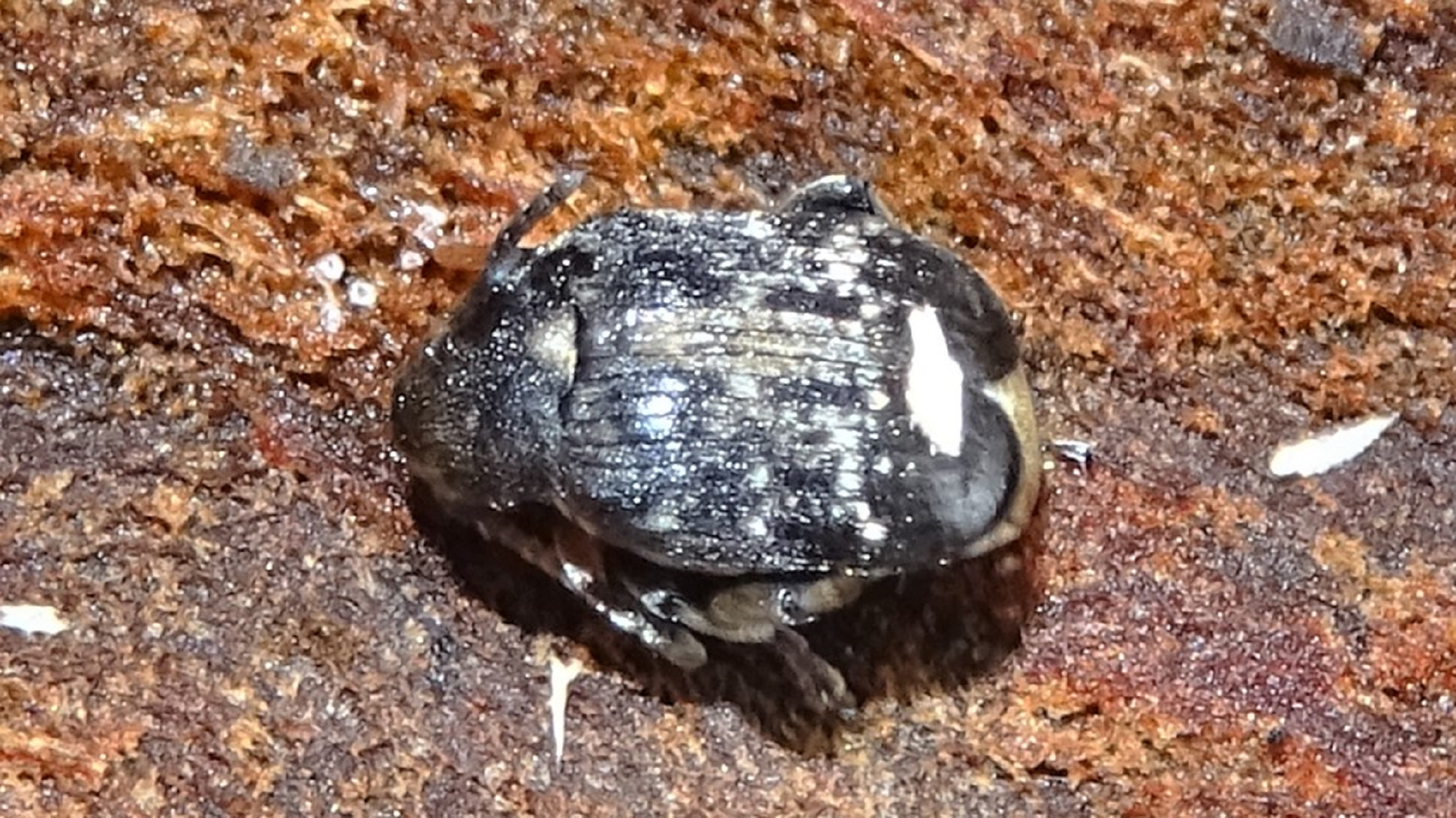
A group of these beetles was found beneath the peeling bark of a Plane tree located opposite Foxburrows Cottages. This specimen is not a pupa but a fully developed adult. It may possibly be
Bruchus rufimanus, although this could not be confirmed.
#
Seven-spot Ladybird
Coccinella septempunctata
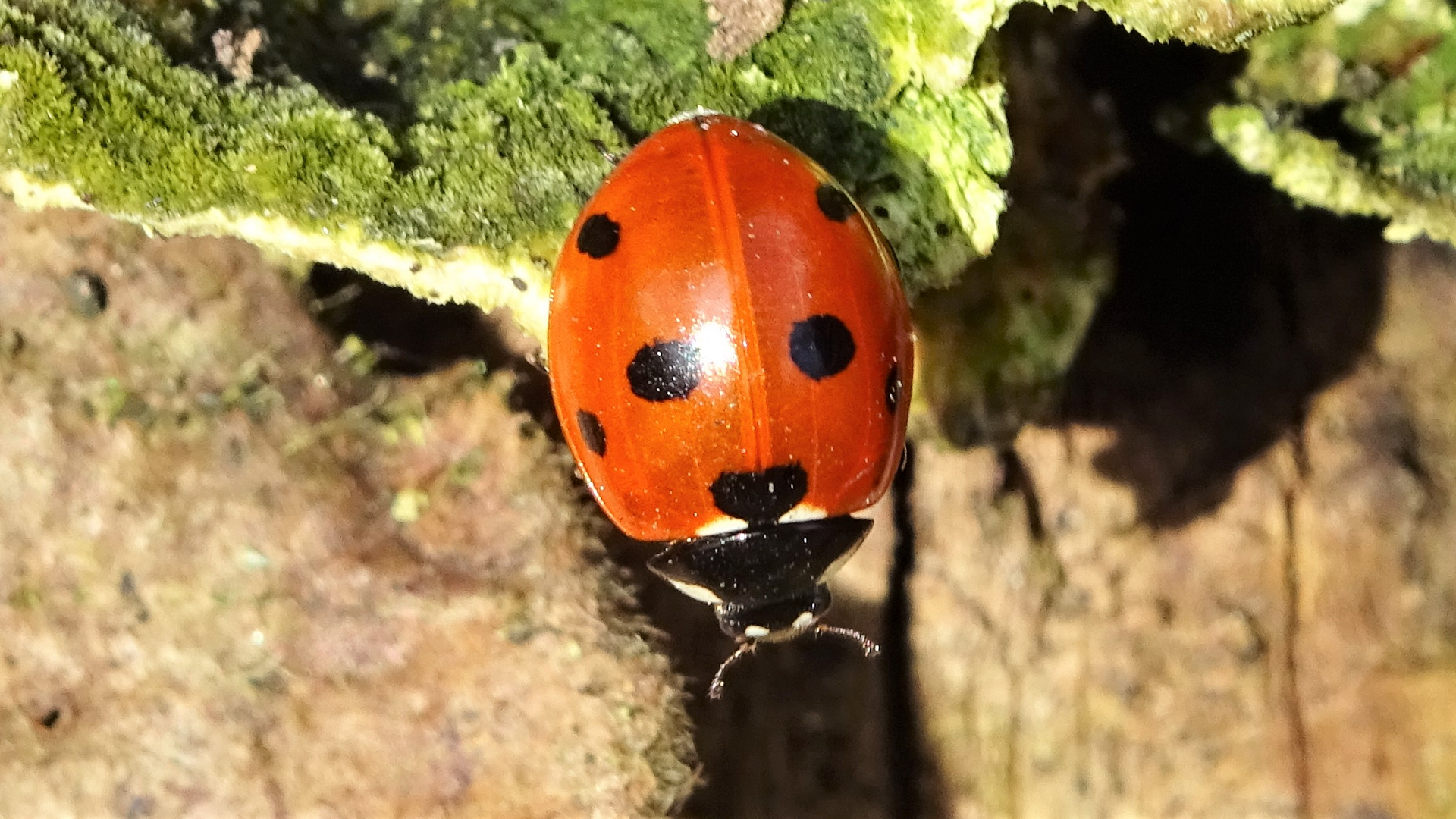
This is the most prevalent ladybird species in Europe. Each wing case features three black spots, along with an additional spot located across both elytra behind the pronotum, resulting in a total of seven spots. They are effective predators of aphids. Adults hibernate under rocks, in leaf litter, and beneath tree bark.
#
Buff-tailed Bumblebee
Bombus terrestris
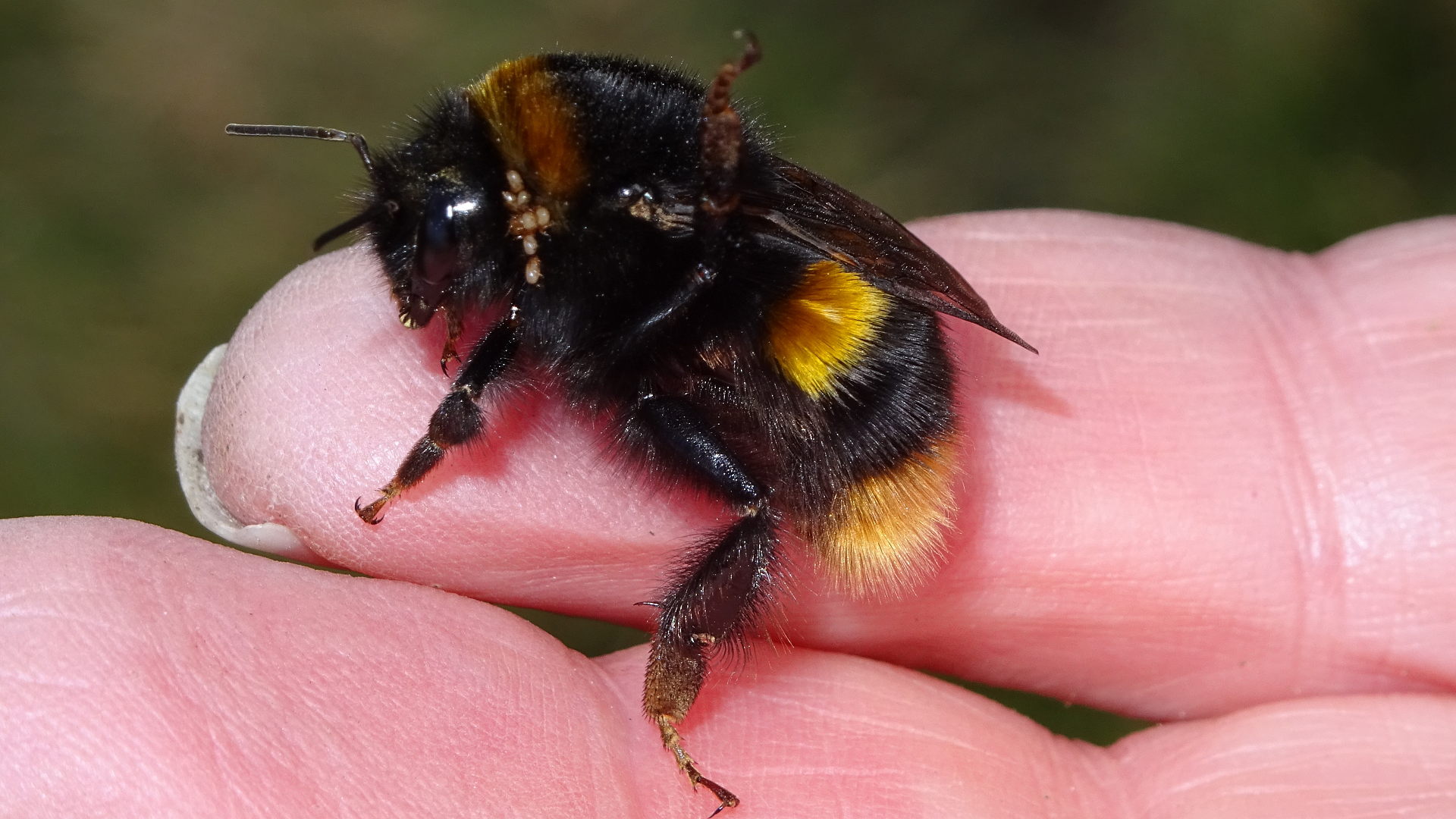
This Buff-tailed bumblebee queen found in grassland had mites around its neck. Mites can occasionally attach themselves to bees and can sometimes pose issues for the host if there are too many.
#
Yellow-legged Mining Bee
Andrena flavipes
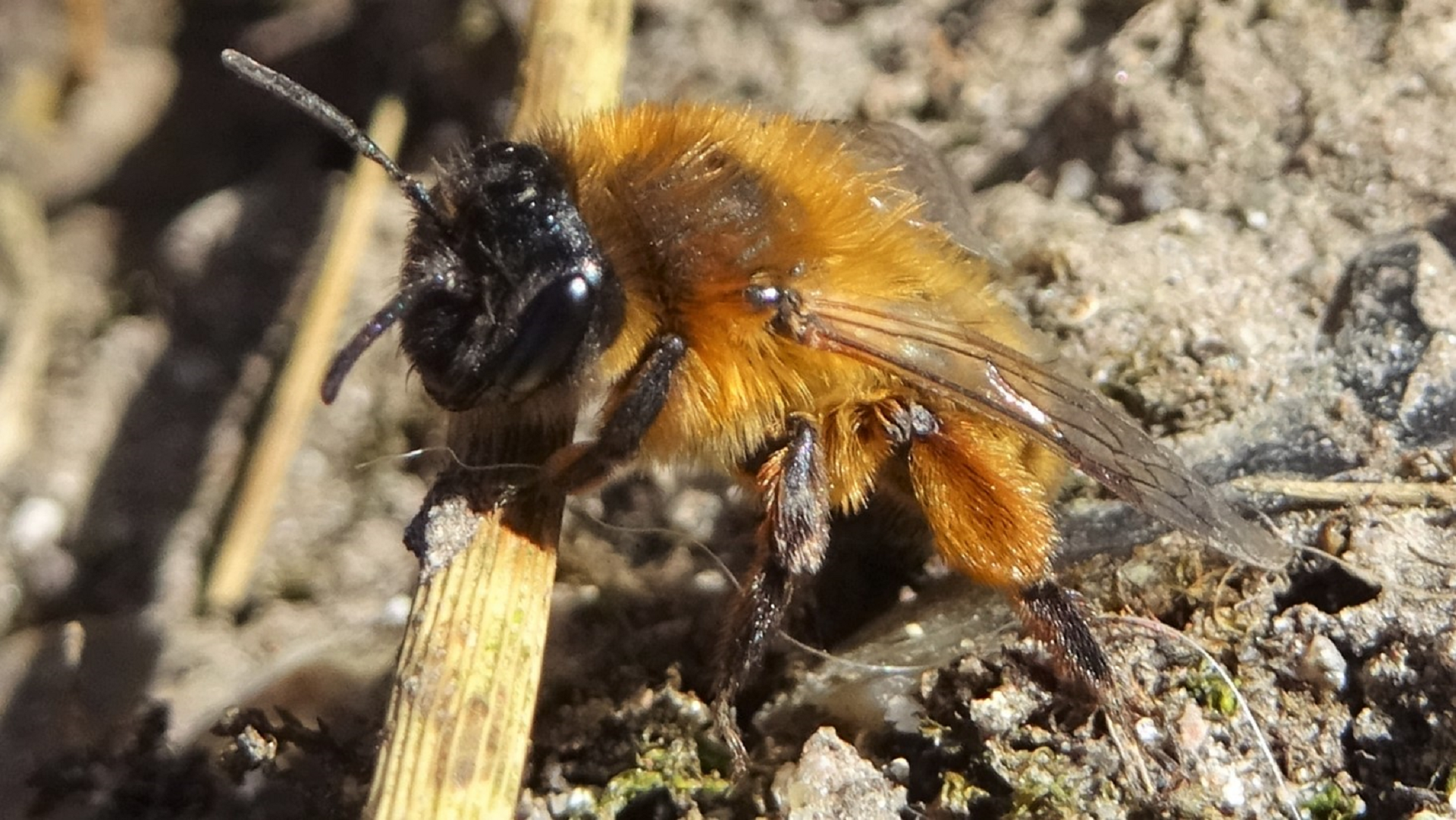
The Yellow-legged Mining Bee builds nests in the ground. Males are slimmer than females, have less hair, and lack the dense tuft of yellowish hairs on their hind legs. The spring generation is active from March to May, while a later generation appears from June to August.
#
Thistle Gall Fly
Urophora cardui
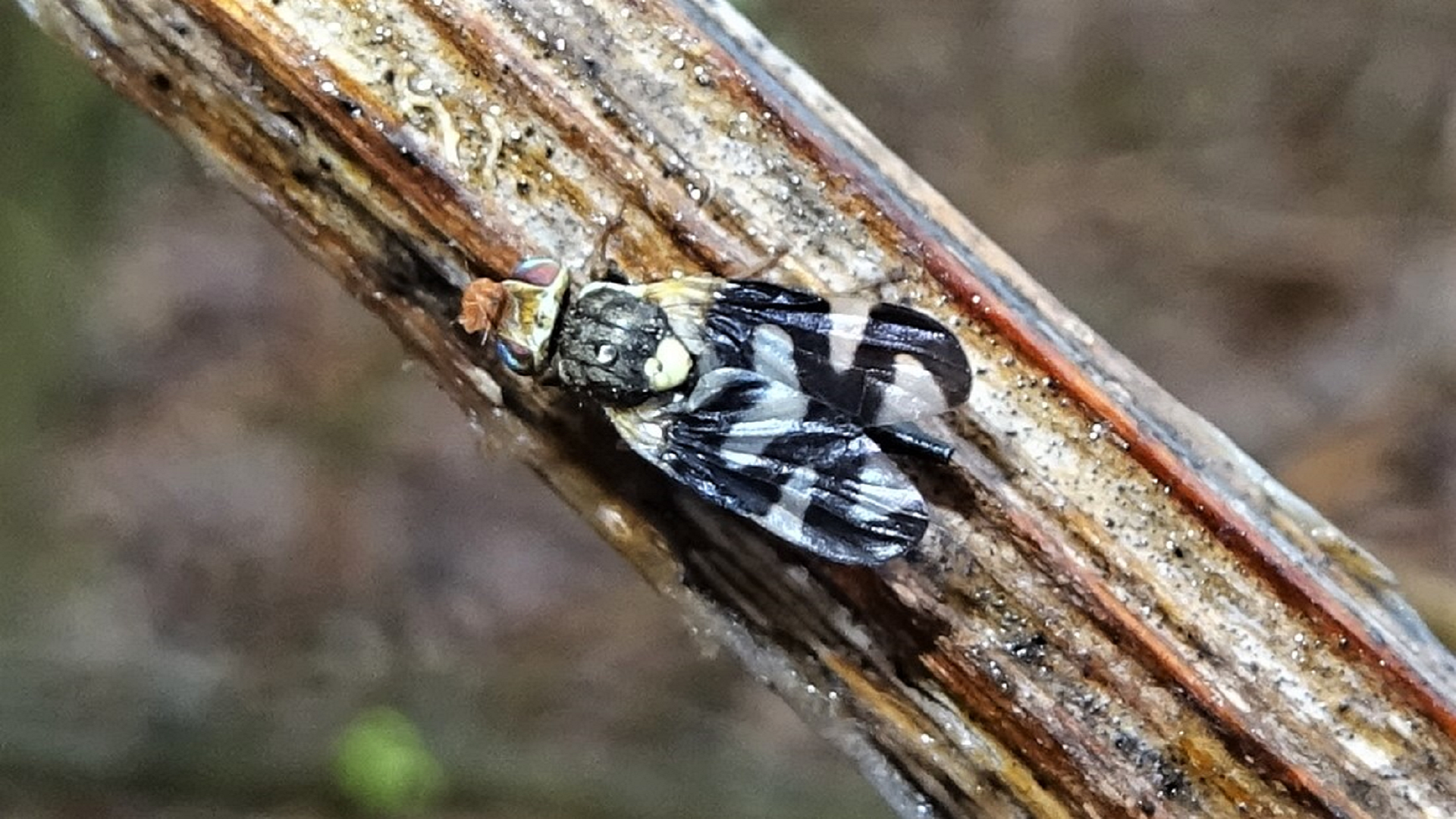
This gall fly inhabits grassland from spring to autumn where creeping thistle grows. Eggs are laid on the plant and the larvae that emerge burrow into the stem and create swollen stem galls.
#
Common Toad
Bufo bufo
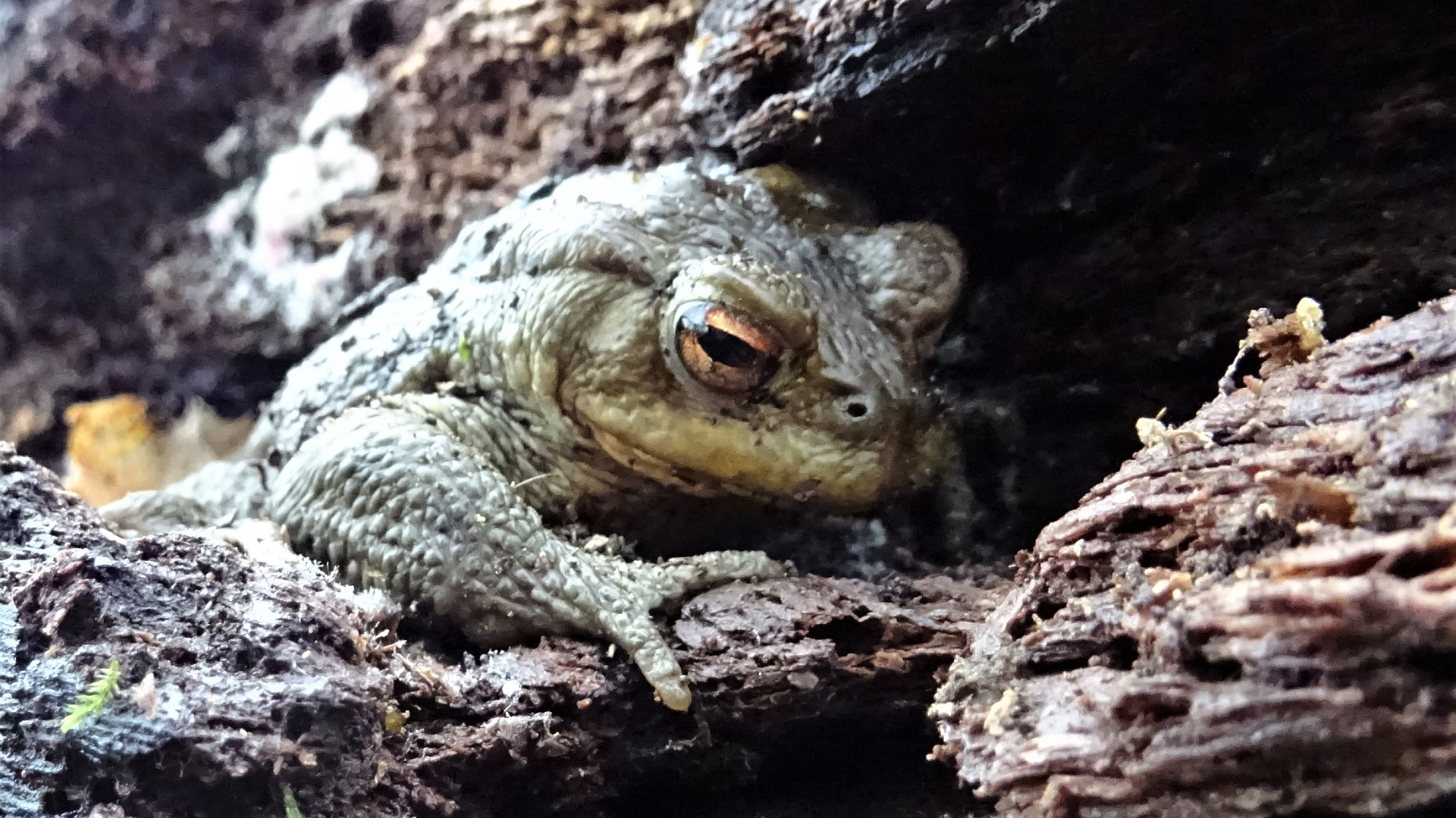
The Common Toad usually remains concealed during the day in a burrow it has created beneath a log, stone, or foliage. It comes out at dusk and is capable of travelling a considerable distance at night in search of food.
#
Foxburrow Farm
Lambing Season
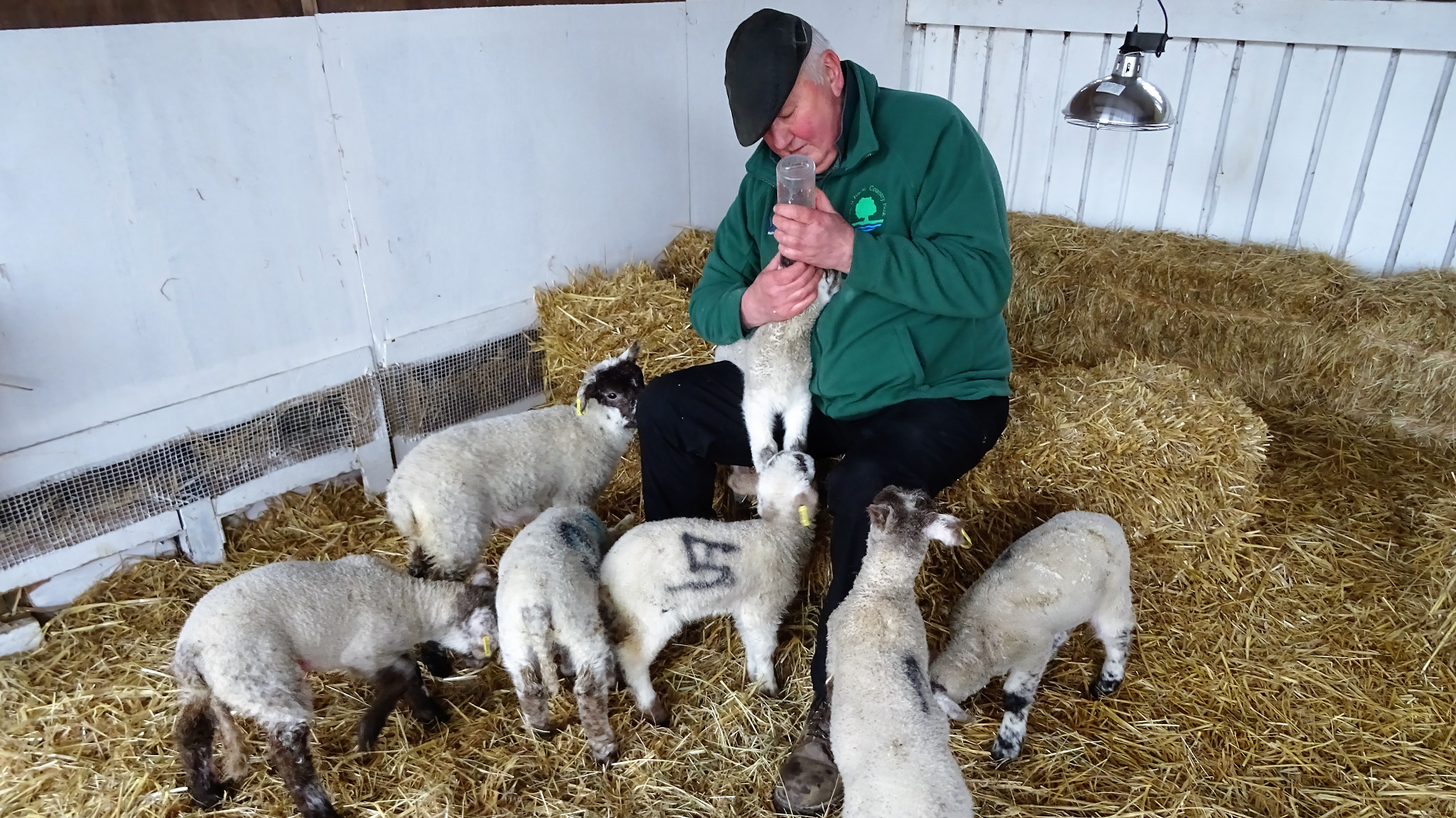
March and April are the peak lambing months in the UK. This picture shows Hainault Forest ranger, John Golds, with seven newly-acquired lambs at Foxburrow Farm. They will be on display in the farm soon.
#
Weather
Snow
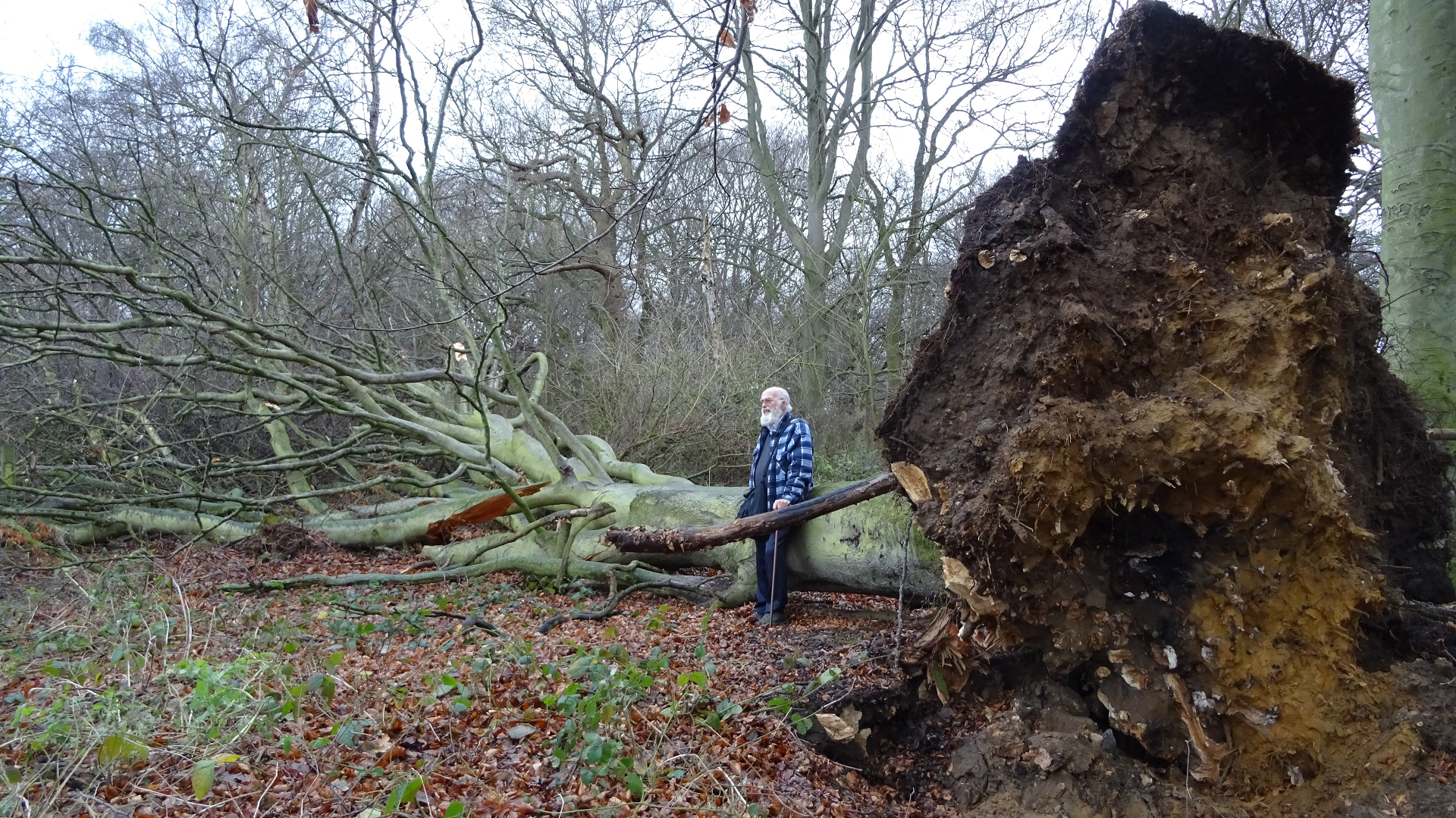
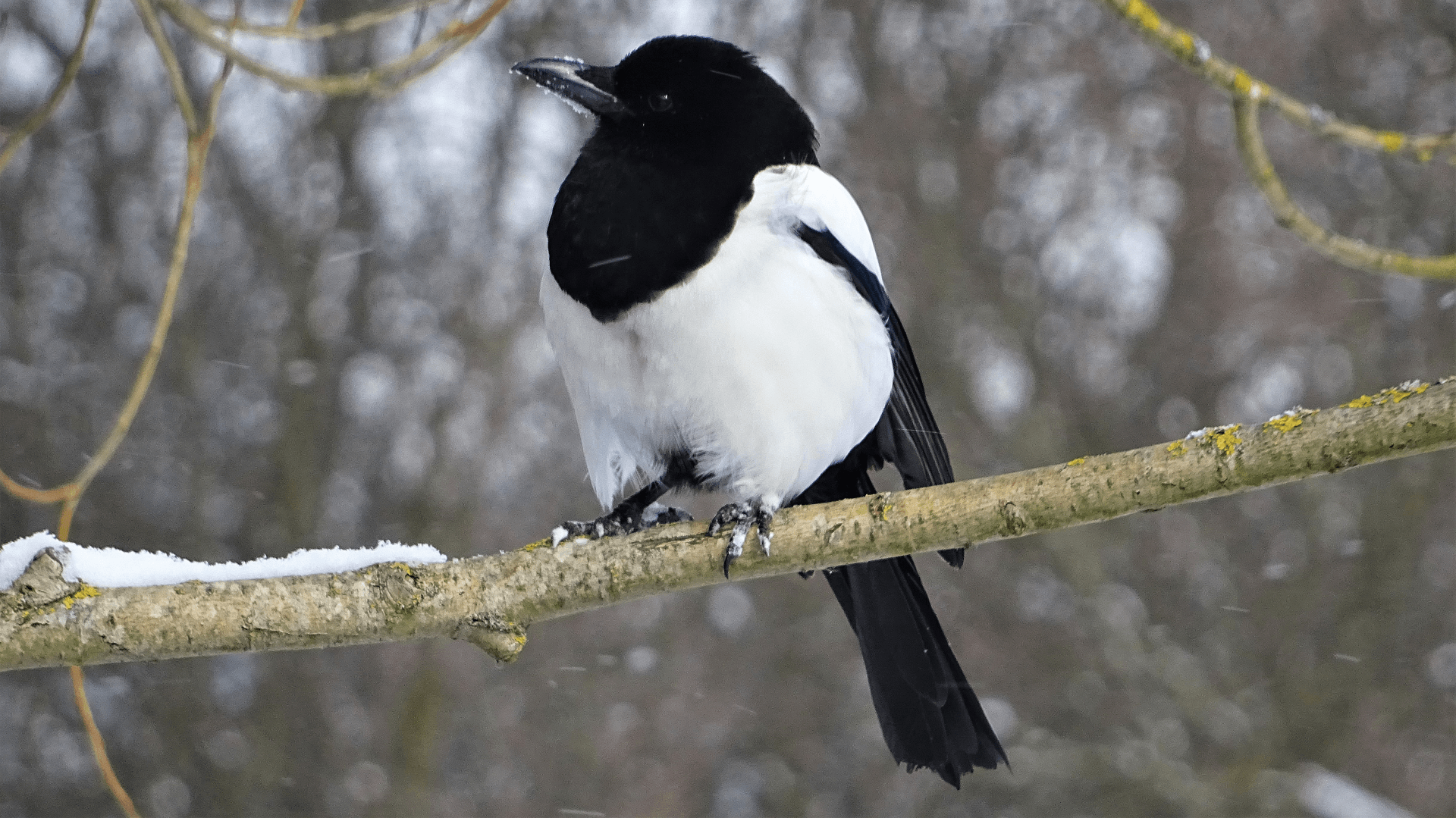
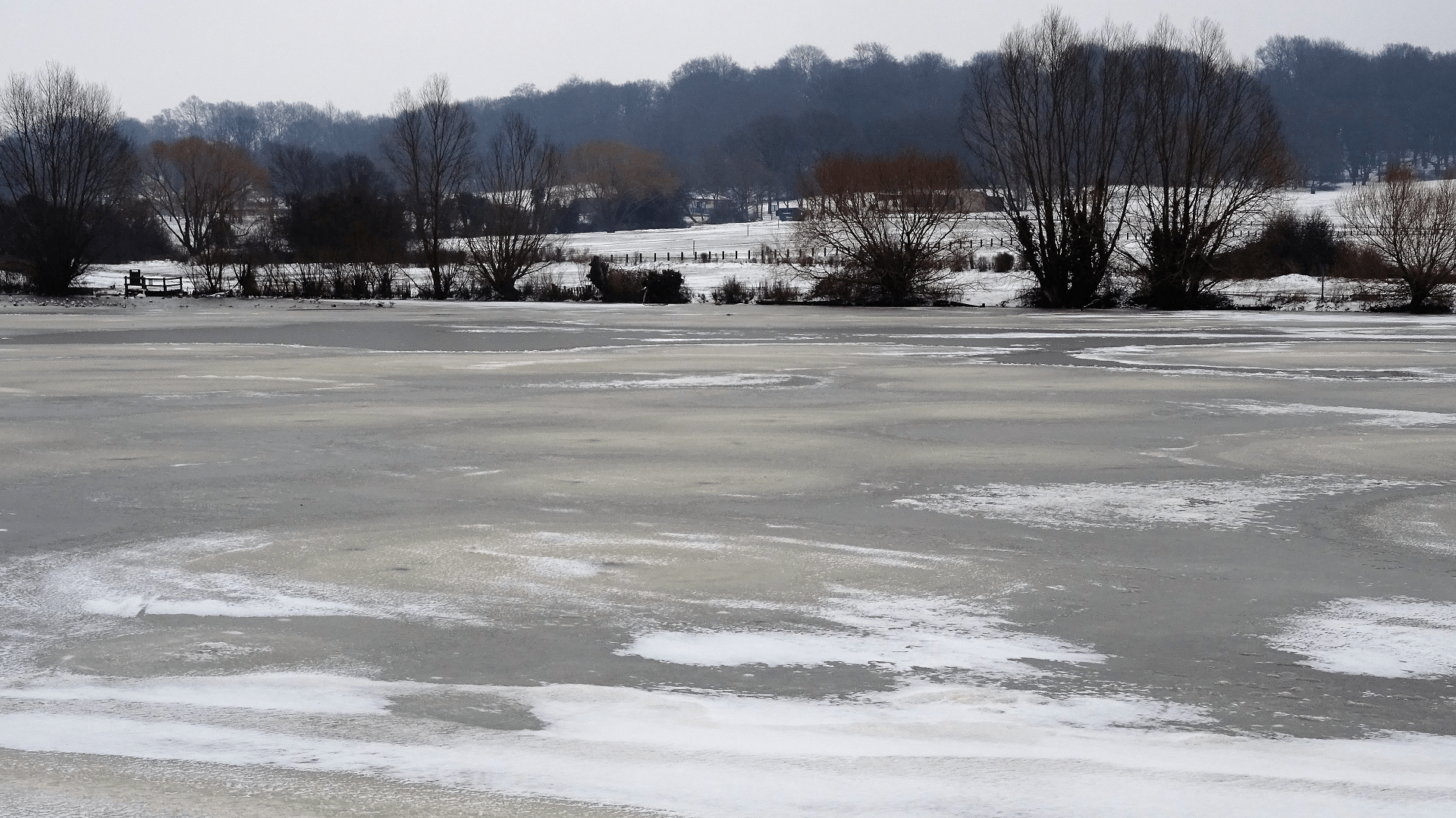
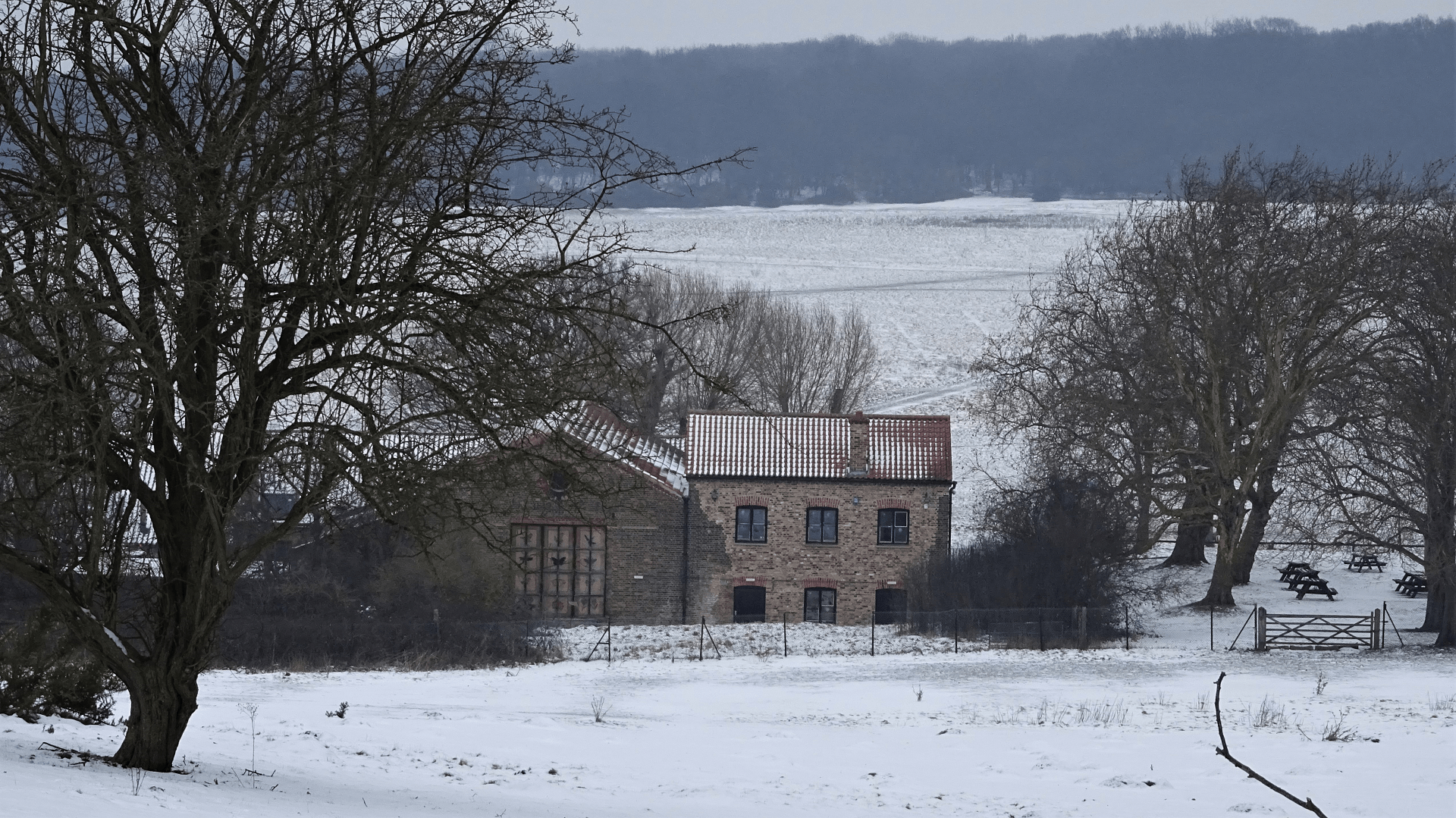
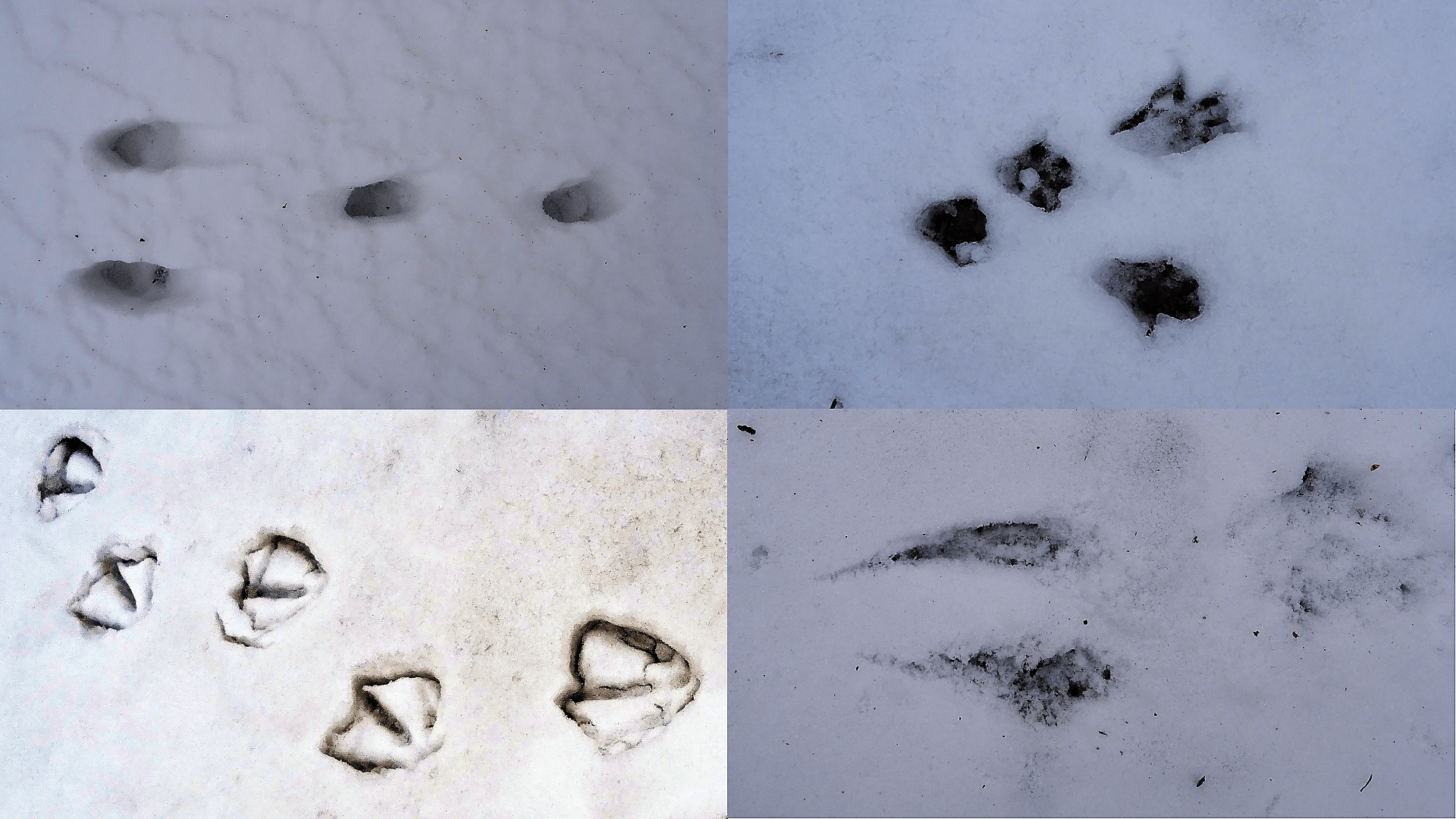
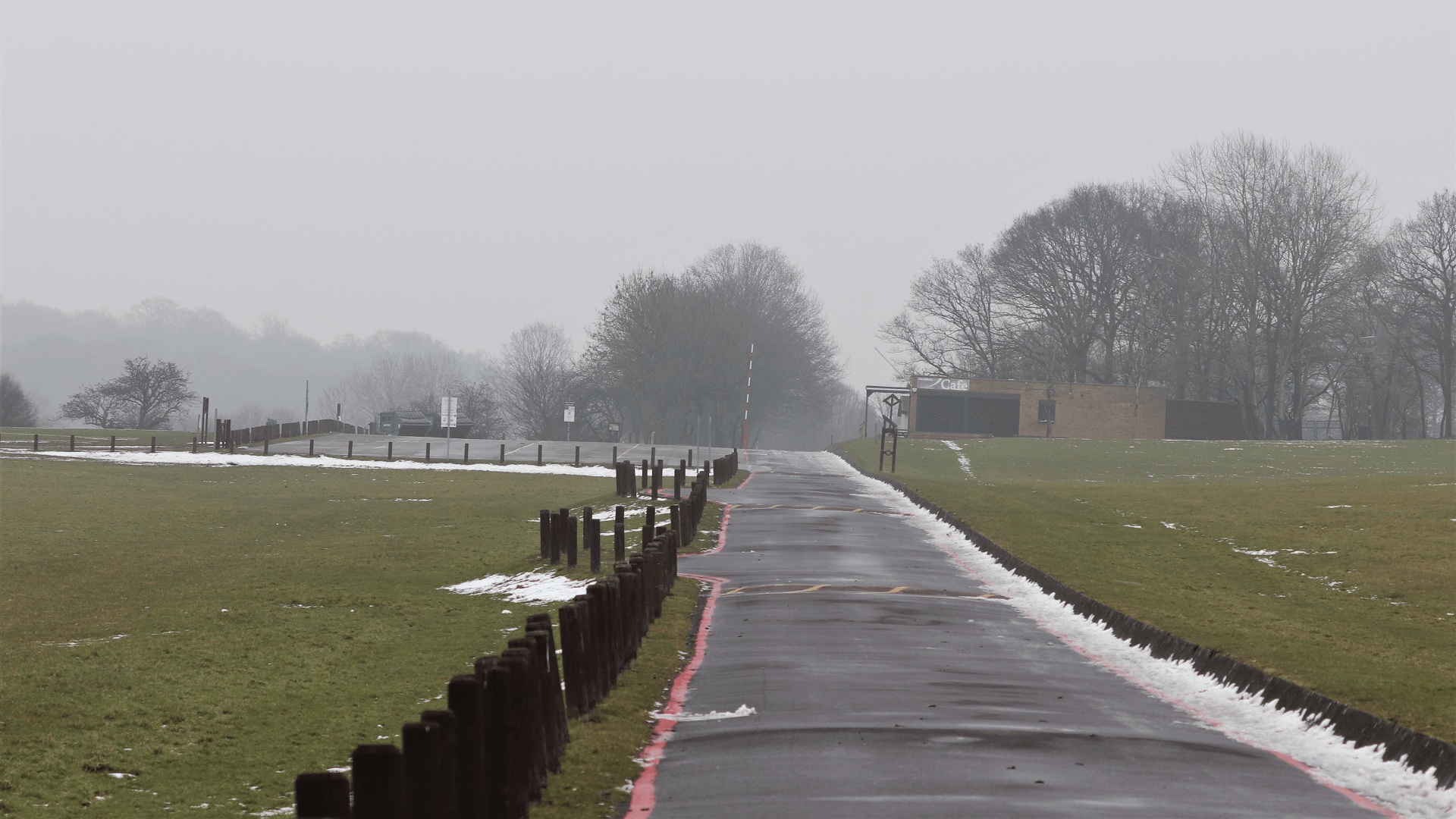
At the end of December 2017 strong winds caused a beech tree to fall across the path on Dog Kennel Hill. The tree had stood 22 metres tall with a circumference of 2.86 metres (much easier to measure when laying on the ground!) Millions of years ago this area was covered by deep seas which left sandy deposits behind when the water receded; sand was very evident around the tree's roots. The weather improved until snowfall occurred on February 26th when cold conditions persisted for approximately a week. By March 6th the snow started to melt leaving only a few scattered patches.
#
© hainaultforest.net. All rights reserved.
This website uses necessary cookies. It does not use targeting or advertising cookies.