

LAST QUARTER 2018
This Journal covers the last quarter of 2018 from October to December and consists of two pages. There is a button at the bottom of this page that will send you to page 2. The second page mostly features fungi.
Weasel
Mustela nivalis
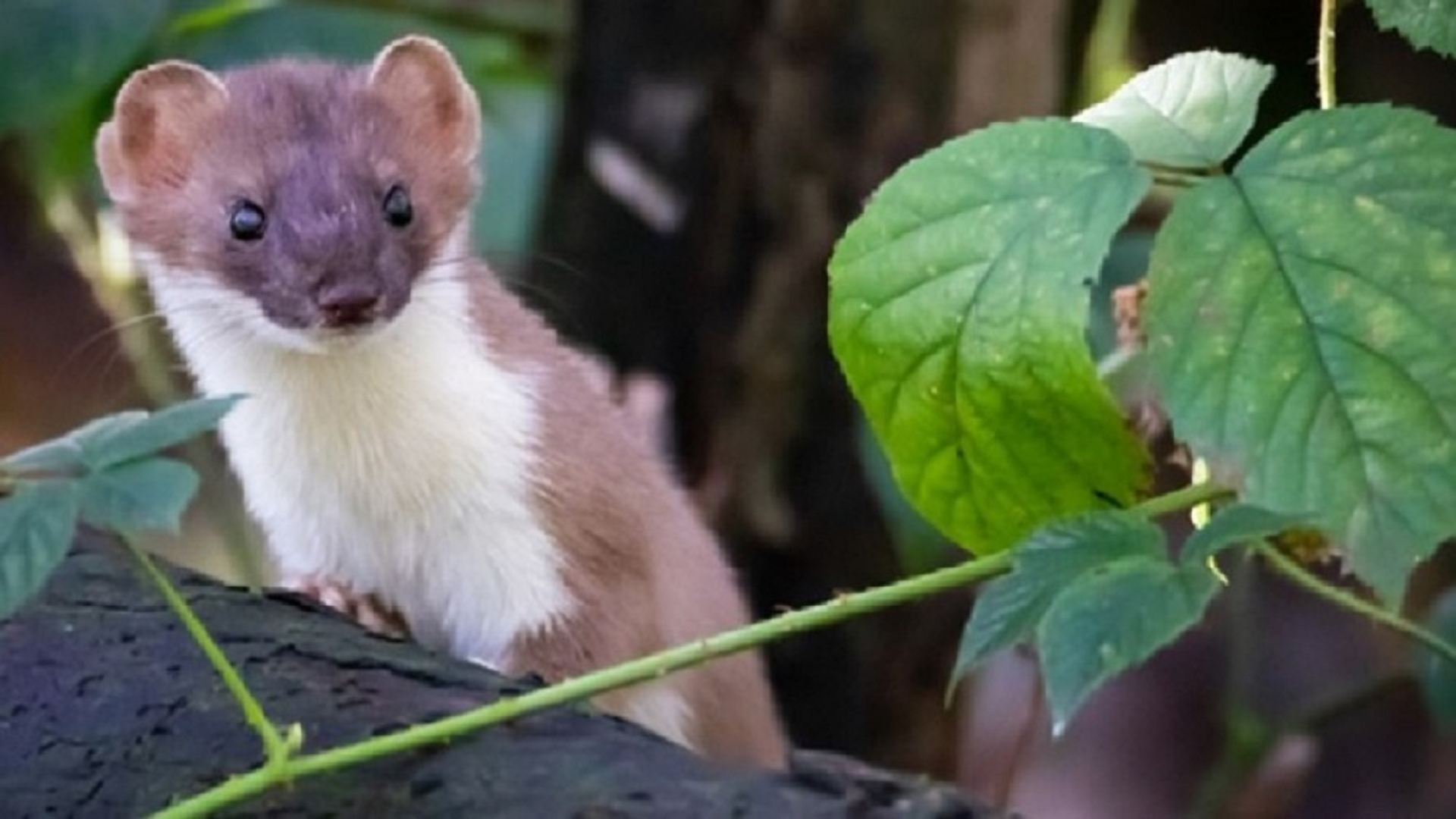
Weasels are up to 25cm in length. They are similar to Stoats, but the Stoat has a black-tipped tail and is larger, measuring up to 40cm long. Weasels feed on small mammals, reptiles and birds. They hunt prey throughout the day and night and are skilled at running, climbing and swimming.
#
Blue Tit
Cyanistes caeruleus

The Blue Tit is a small blue and yellow bird that builds nests in holes of trees, buildings and sometimes unusual places. They feed on insects, larvae, nuts and seeds.
#
Stonechat
Saxicola torquata
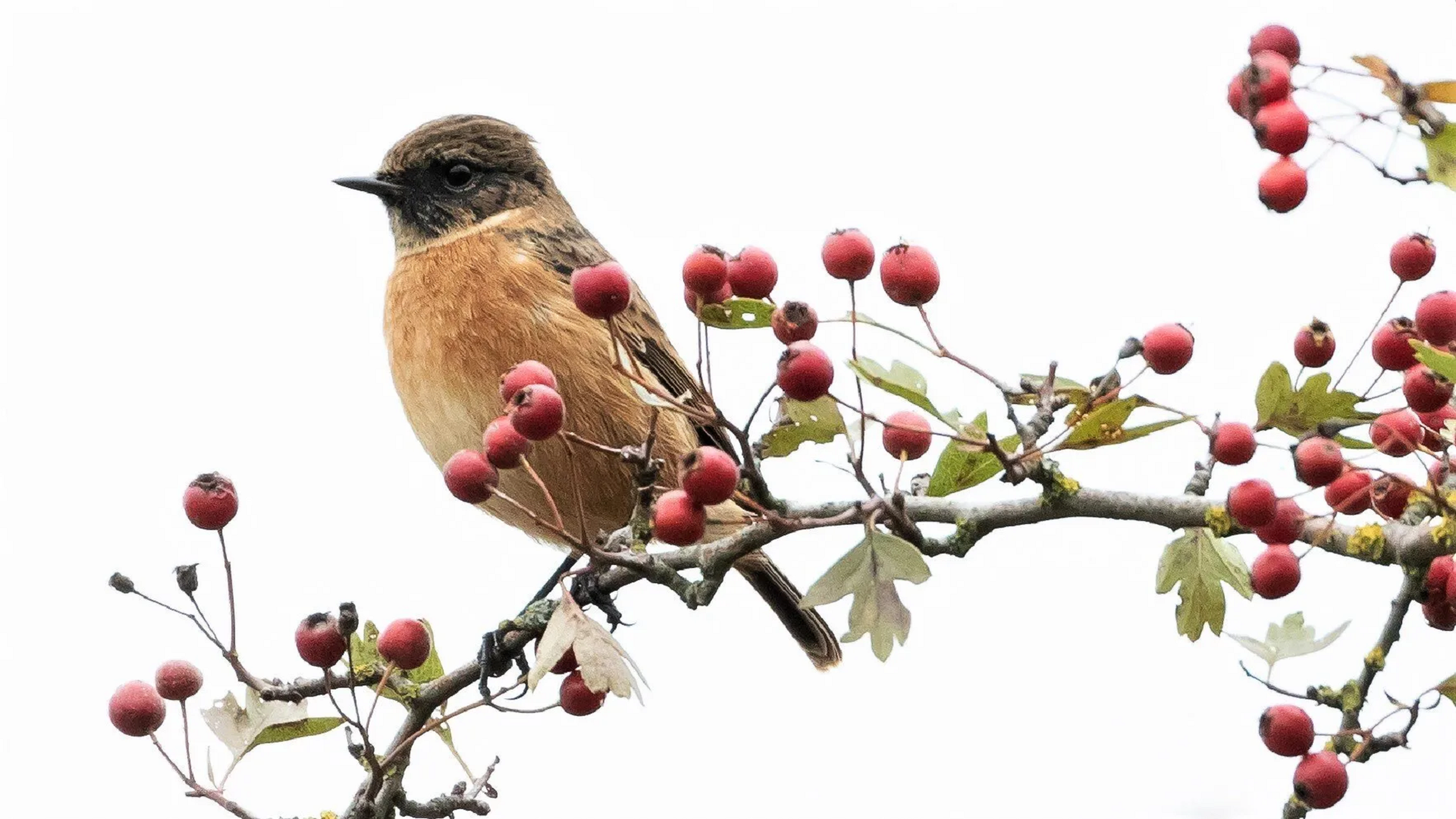
The call of this species sounds like two stones being knocked together. Males have black heads, white at the neck, orange-buff breasts and brown backs. Females do not have black heads. They are winter visitors that consume Insects, fruits and seeds.
#
Chiffchaff
Phylloscopus collybita
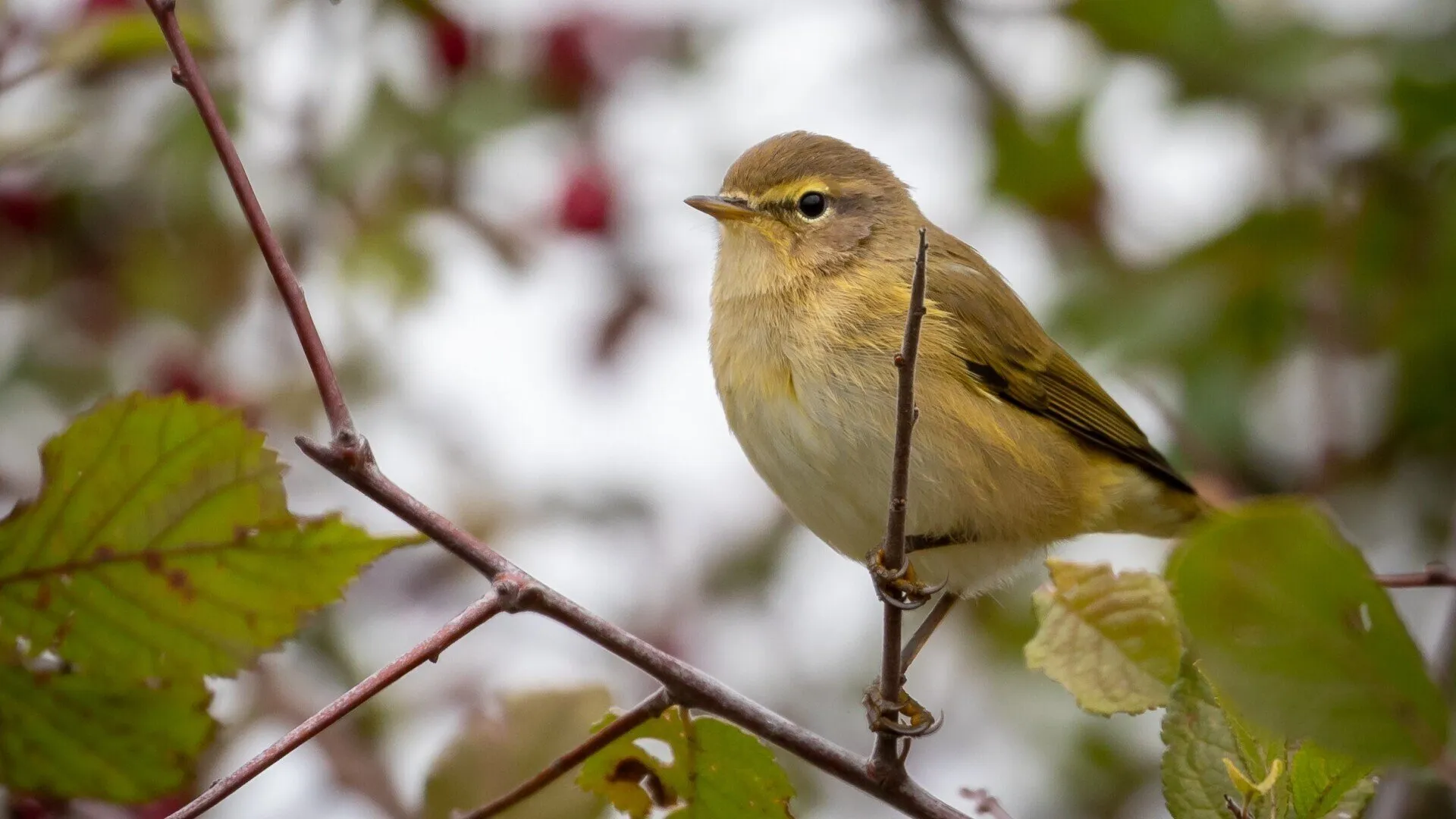
The Chiffchaff flits through trees and bushes searching for insects and arachnids. Its name is derived from its song.
#
Robin
Erithacus rubecula

Robins with their brightly-coloured breasts and song are easily discernible. Males and females look identical. Males are very aggressive when guarding their territory against intruders. Their diet consists of worms, insects, spiders, fruits and seeds.
#
Magpie
Pica pica

The Magpie is a members of the Crow family. It has black, white and blueish plumage. They often gather in flocks loudly chattering. They are scavengers, sometimes predators, that feed on a wide range of foods.
#
Cormorant
Phalacrocorax carbo
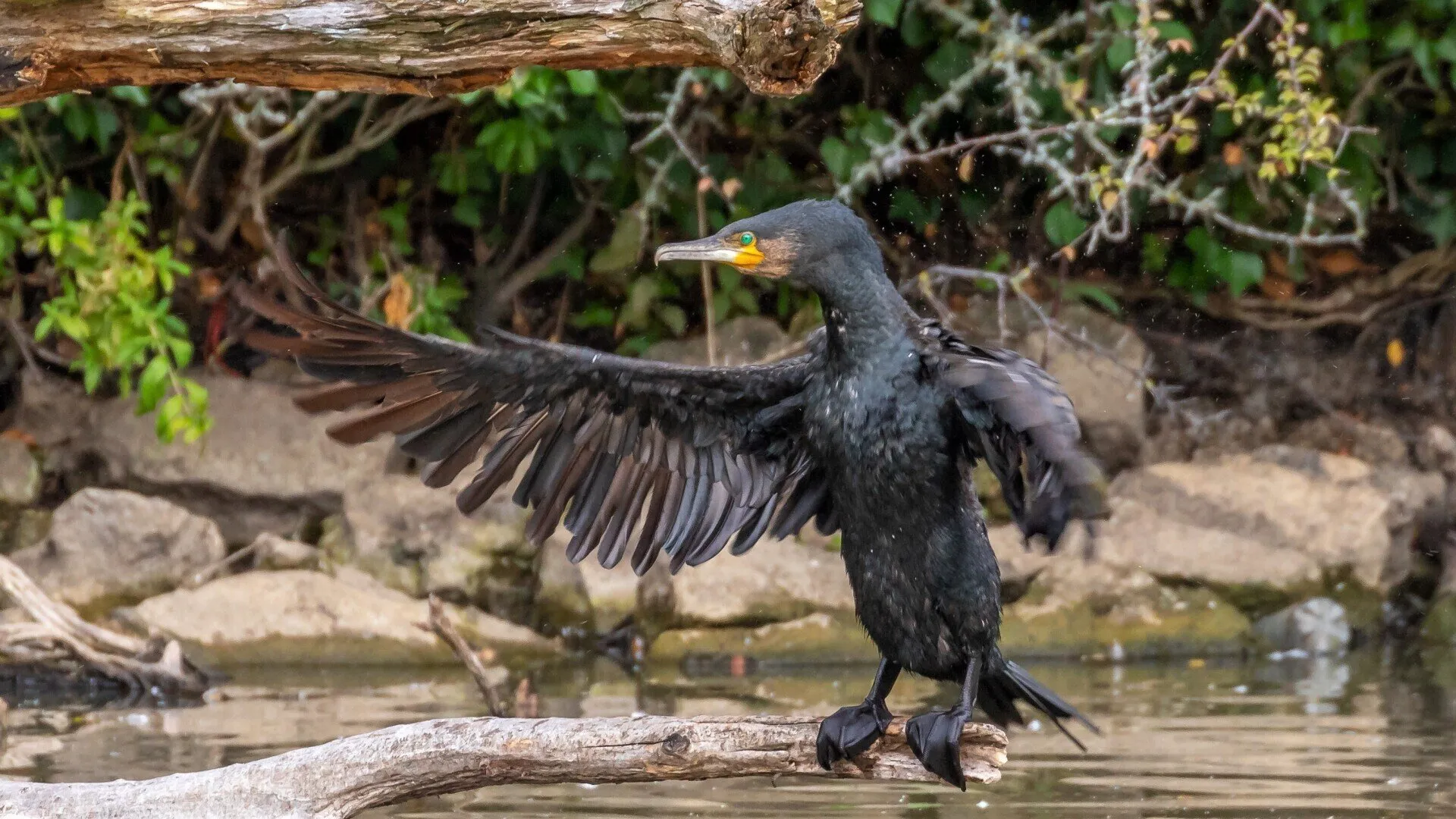
Often considered to be a coastal bird the Cormorant is a regular visitor to Hainault Lake. They visit all year round, appearing in greater numbers during the winter months to fish for food. Cormorants often stand with wings held out to dry. While swimming the bill is held angled upwards.
#
Kestrel
Falco tinnunculus
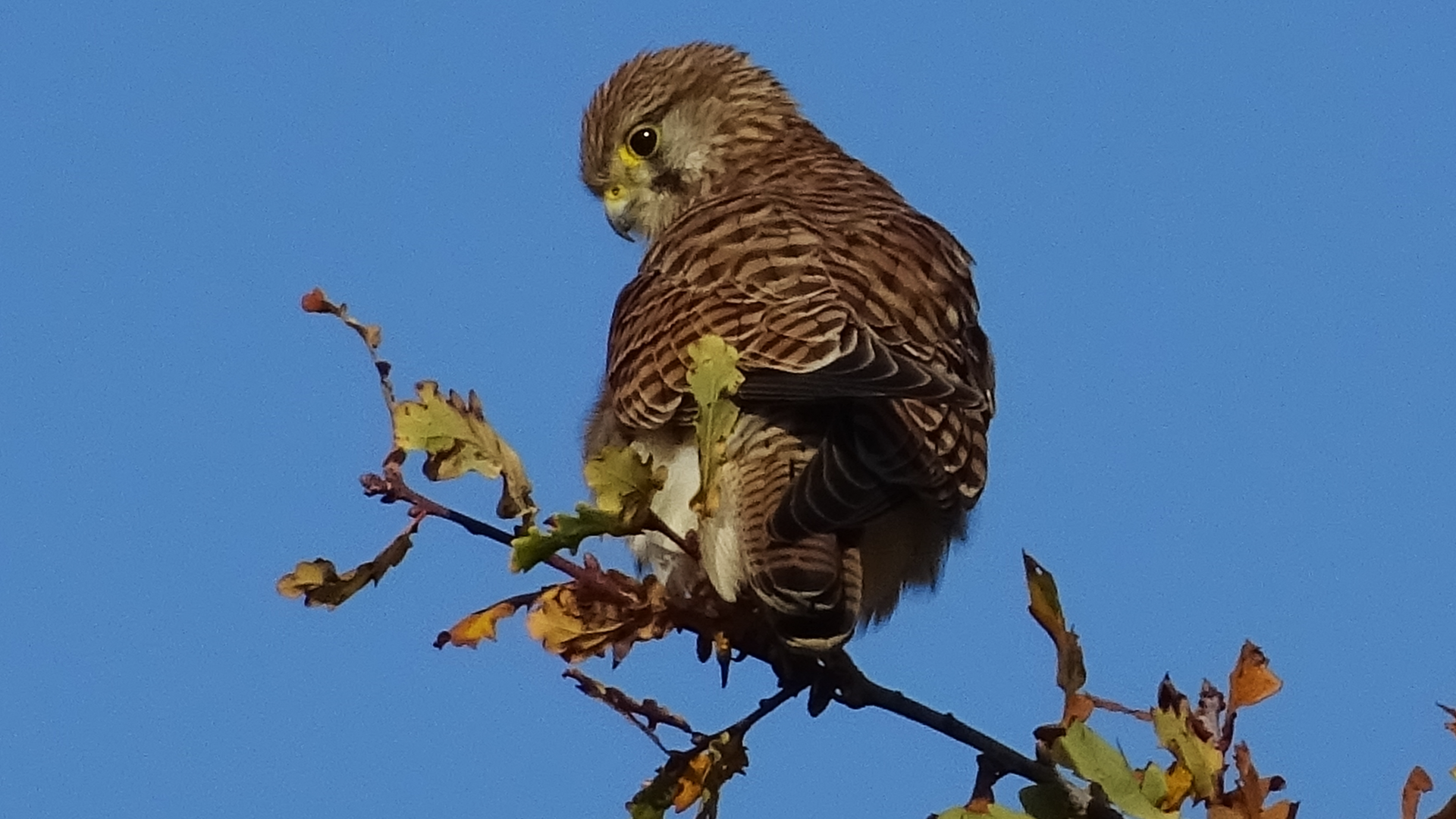
Kestrels hover over meadows looking for small rodents and birds on which to feed. They also eat insects.
#
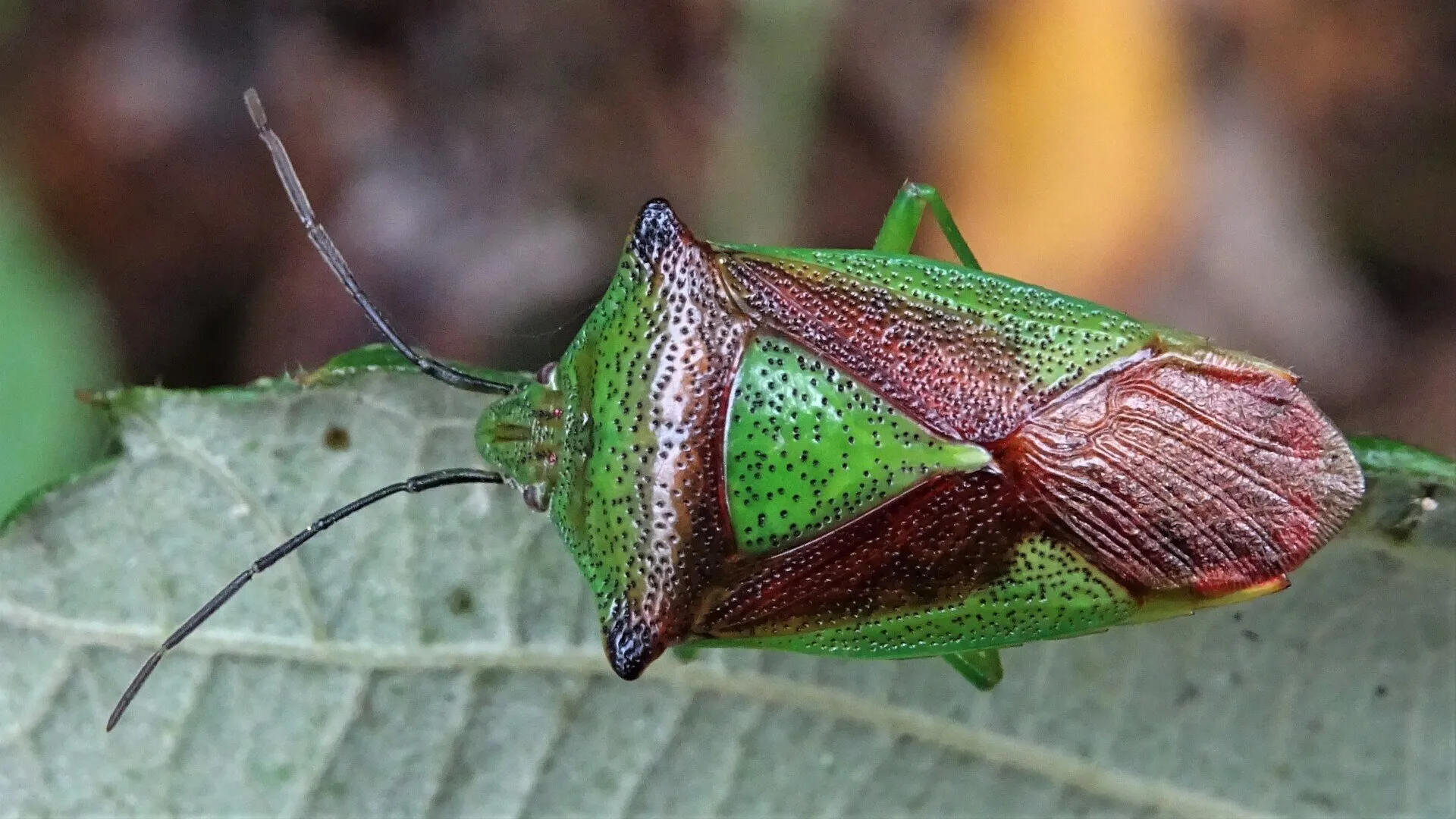
Hawthorn Shieldbug
Acanthosoma haemorrhoidale
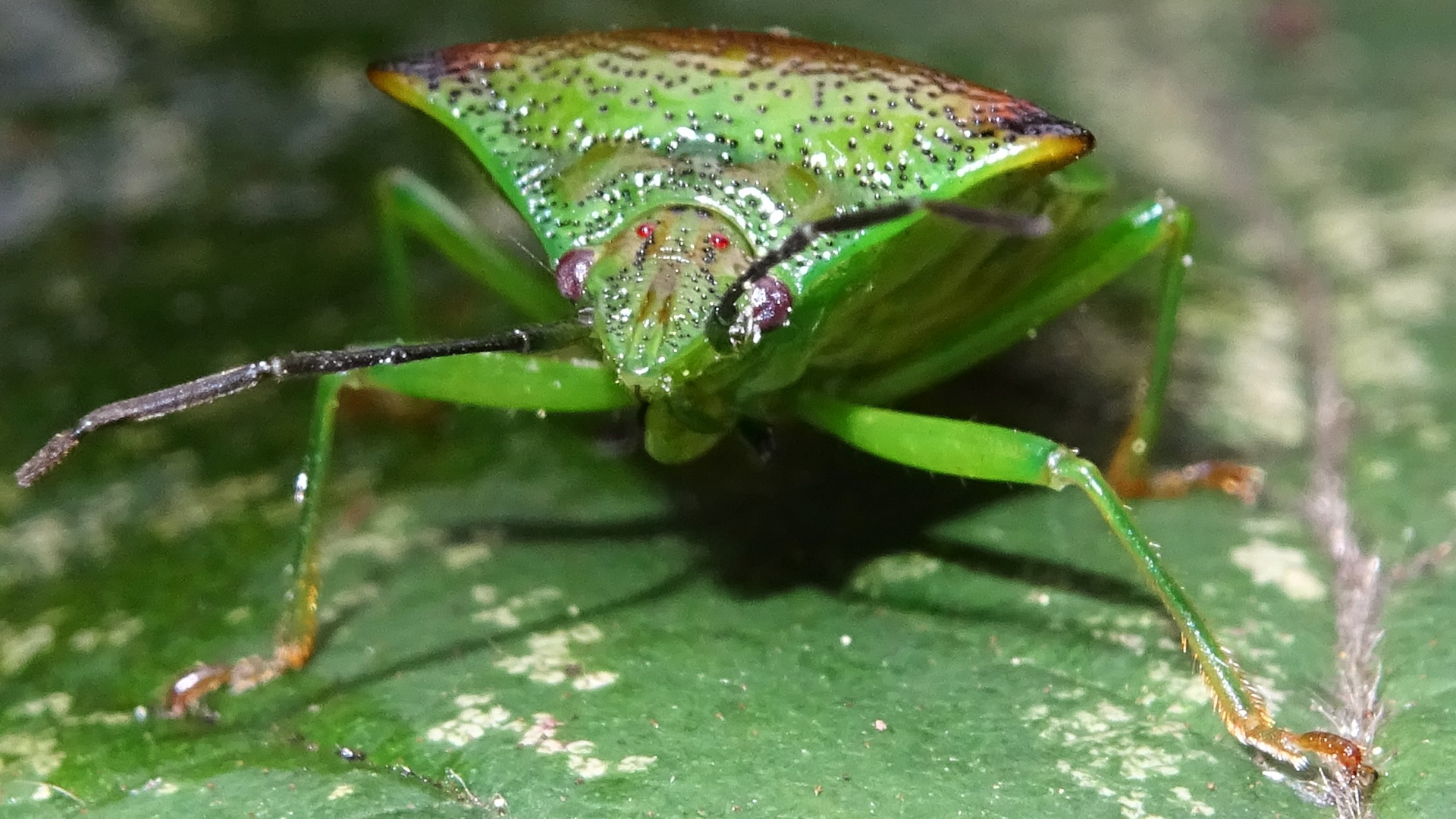
This is a distinctive species with lateral extensions of the pronotum that are marked with red, the scutellum is green and the abdomen is often red-tipped. Adults (13-15mm) can turn darker prior to hibernation. They overwinter and emerge during spring to mate. The larvae mainly feed on hawthorn berries, but are sometimes found on other trees.
#
Gorse Shieldbug
Piezodorus lituratus
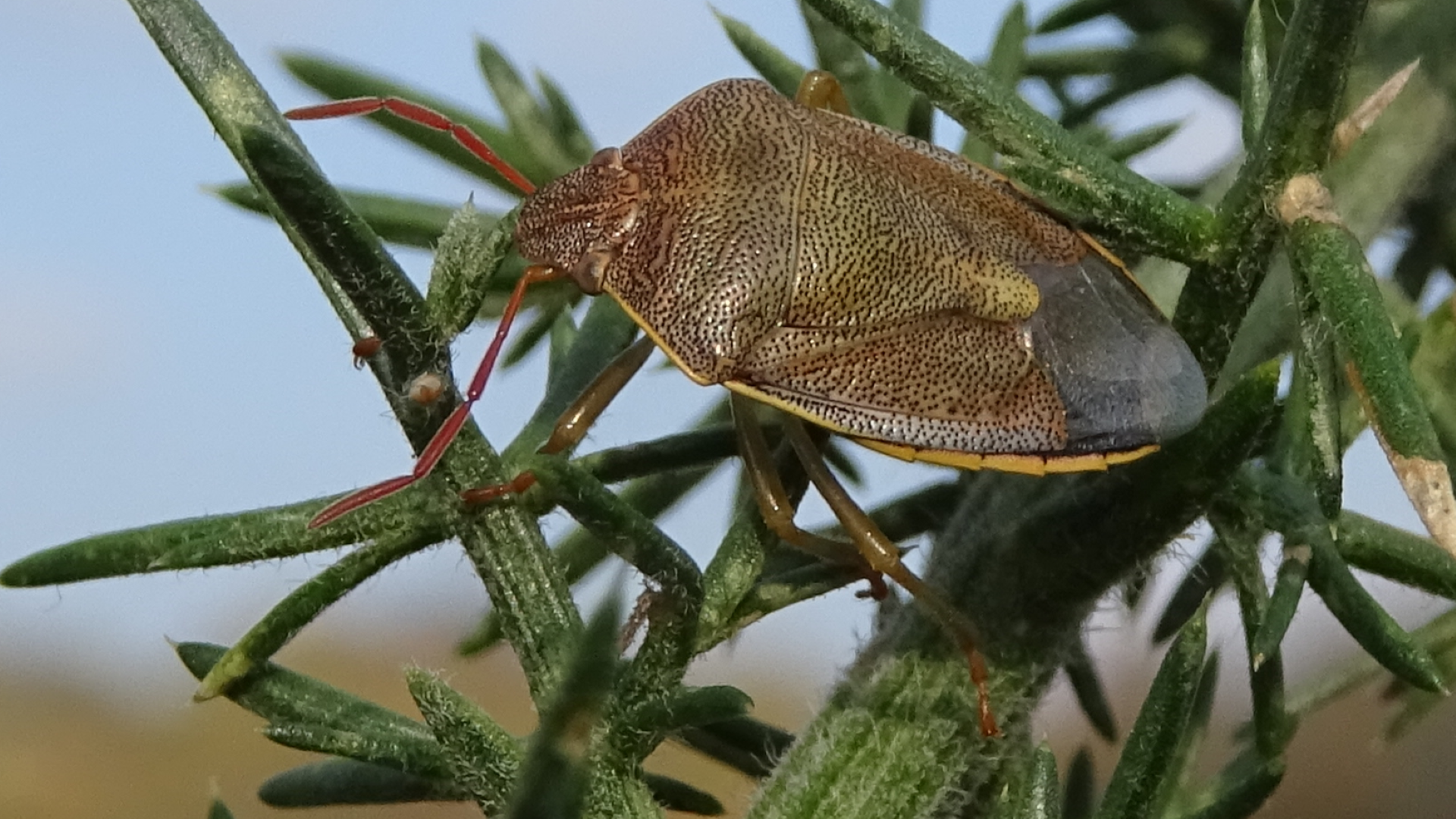
These shieldbugs are found on gorse bushes. Those emerging to mate during spring are normally green. They turn darker as winter approaches - a sign that they will soon be hibernating. Adults are 10-13mm long.
#
Oval Oak Bug
Deraeocoris lutescens
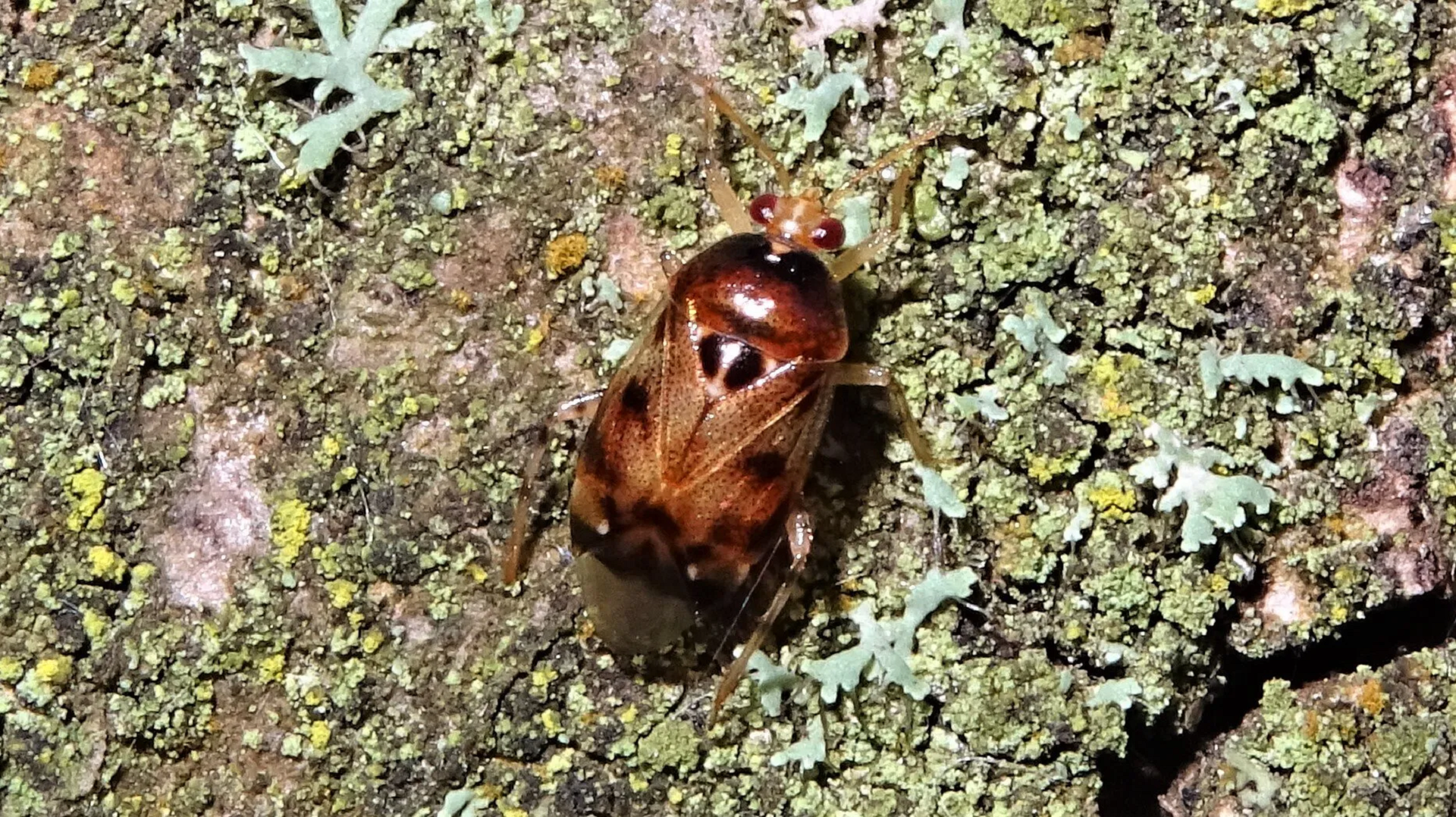
The Oval Oak Bug is a predatory orange-brown insect that inhabits a wide range of plants, especially oak. Adults overwinter and mate in spring. They are about 4mm long.
#
Tree Damsel Bug
Himacerus apterus
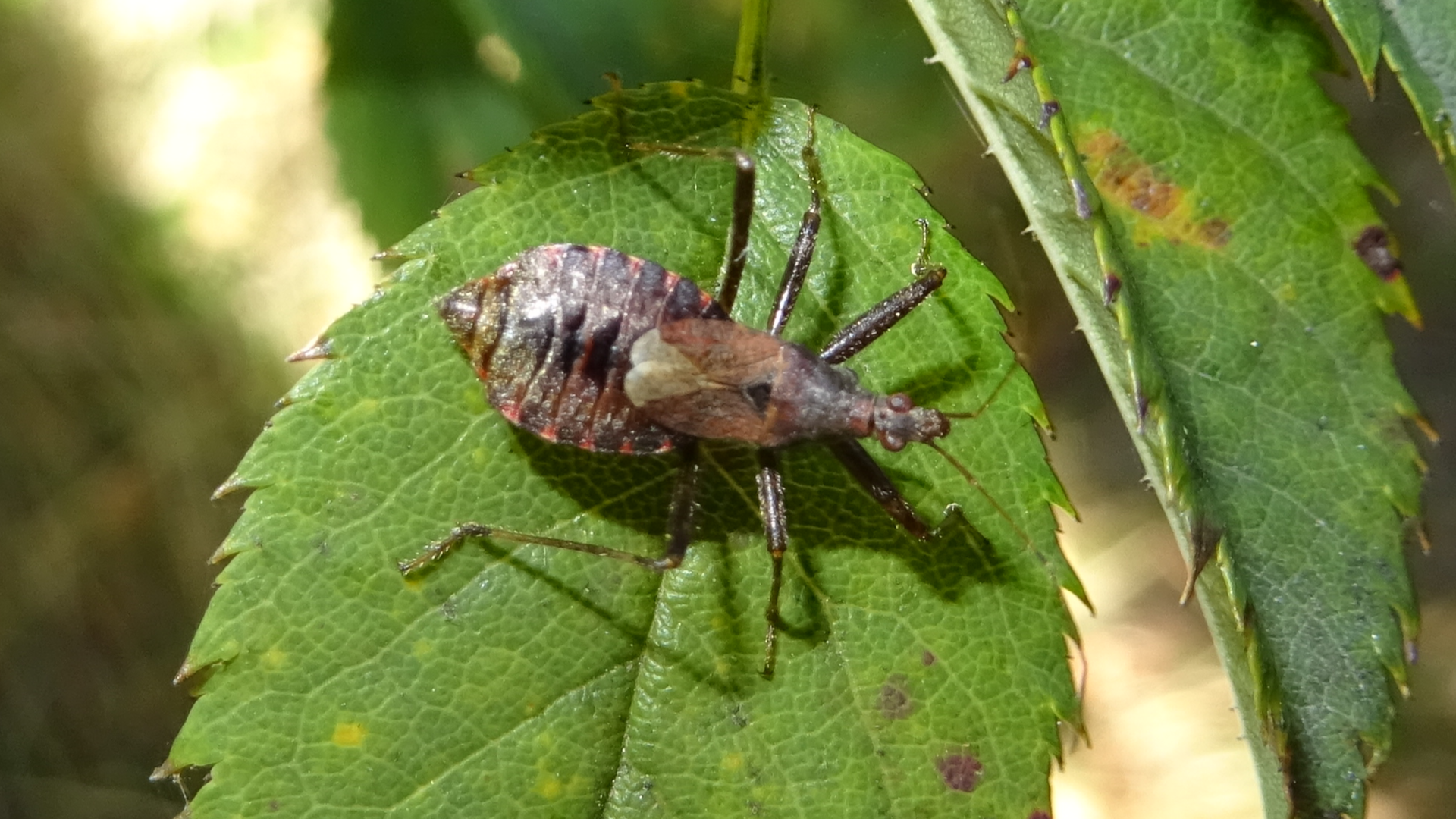
Inhabits on trees where it feeds on aphids, mites and other small insects. Adults (8-11mm) are normally seen from July until October. Eggs are laid late summer which hatch the following spring. The black connexivum has orange-red spots and the wings are reddish-brown.
#
Common Carder Bee
Bombus pascuorum
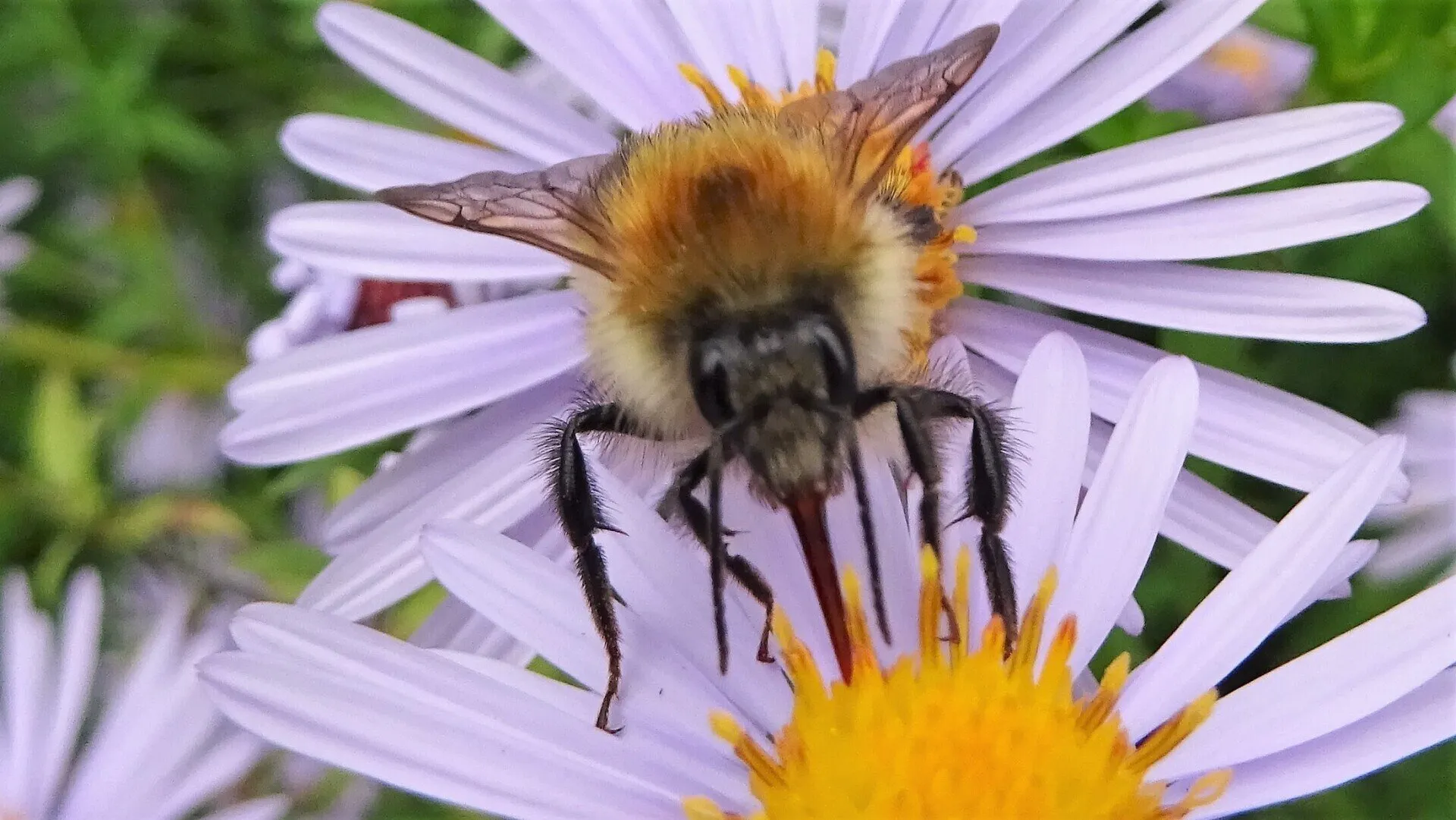
This fluffy orange bee is often seen visiting flowers for nectar from early March until November. These are social bees that live in nests containing up to 200 workers. When hibernation ends the queen starts a colony by laying a few eggs. Workers emerge to tend the nest and young. Prospective queens and males hatch later to mate. Old queens and males die in the autumn.
#
Noon Fly
Mesembrina meridiana
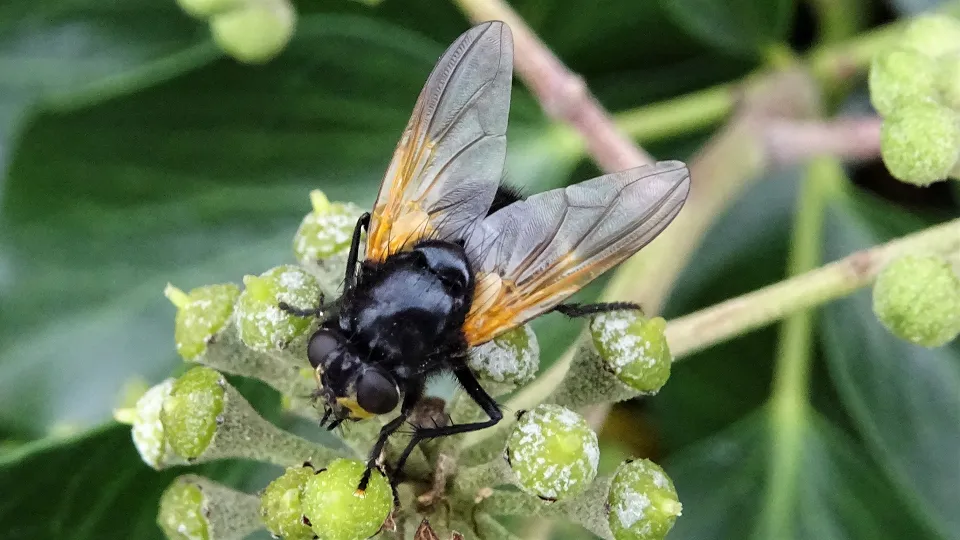
Jet black with orange on the face, wing bases, and feet. This species is found between April and late October. The flies feed on pollen of plants such as ivy, nectar and overripe berries. Eggs are laid in cow dung. A female lays up to five eggs in a lifetime, each one in a different pat at two-day intervals. The larvae are carnivorous and eat other fly larvae within the dung. This is a member of the Housefly family (Muscidae).
#
Kite-tailed Robber Fly
Machimus atricapillus
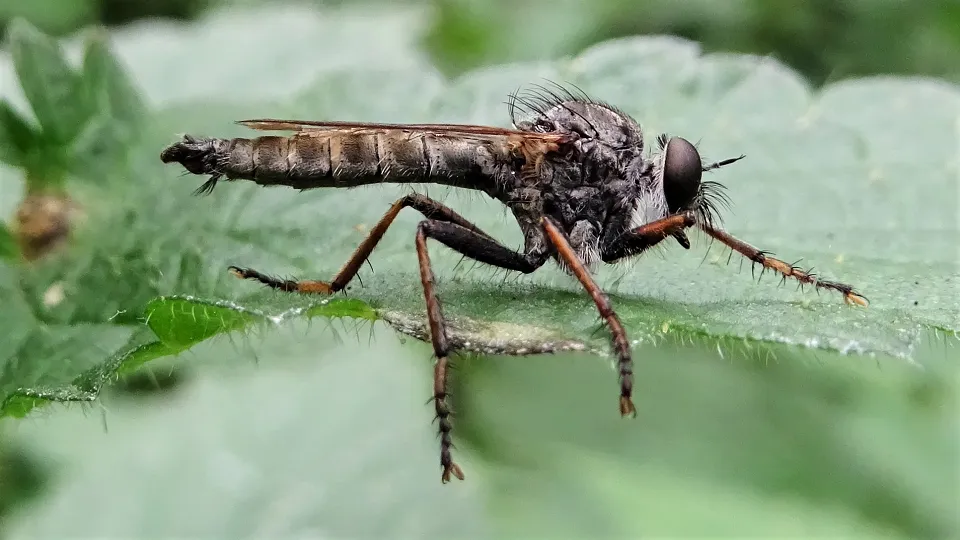
The male is the only Asilid with a black tuft of hairs before the terminal tail segments. It appears in meadows and on hedgerows during the summer. Robber flies are predators that grab insects to feed on, including other fly species. Identified by Essex Field Club recorder, Del Smith.
#
Muscid Fly
Phaonia
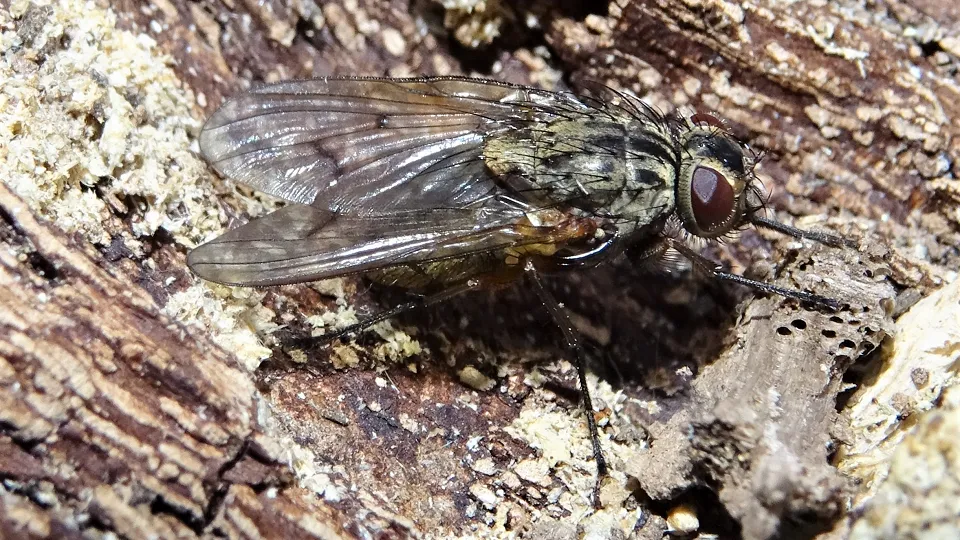
This female fly was discovered hibernating under bark. Possibly
Phaonia tuguriorum, one of the earliest
Muscids to appear each year. The tibia and femora should be dull yellow and the tarsi black. The species is often seen basking on tree trunks during sunny days - even in February. Unfortunately, due to there not being enough leg detail in the picture it was impossible to get an exact identification. There are 46 British Phaonia species, some extremely rare. Verified to genus by Essex Field Club recorder, Del Smith.
#
Wasp Spider
Argiope bruennichi
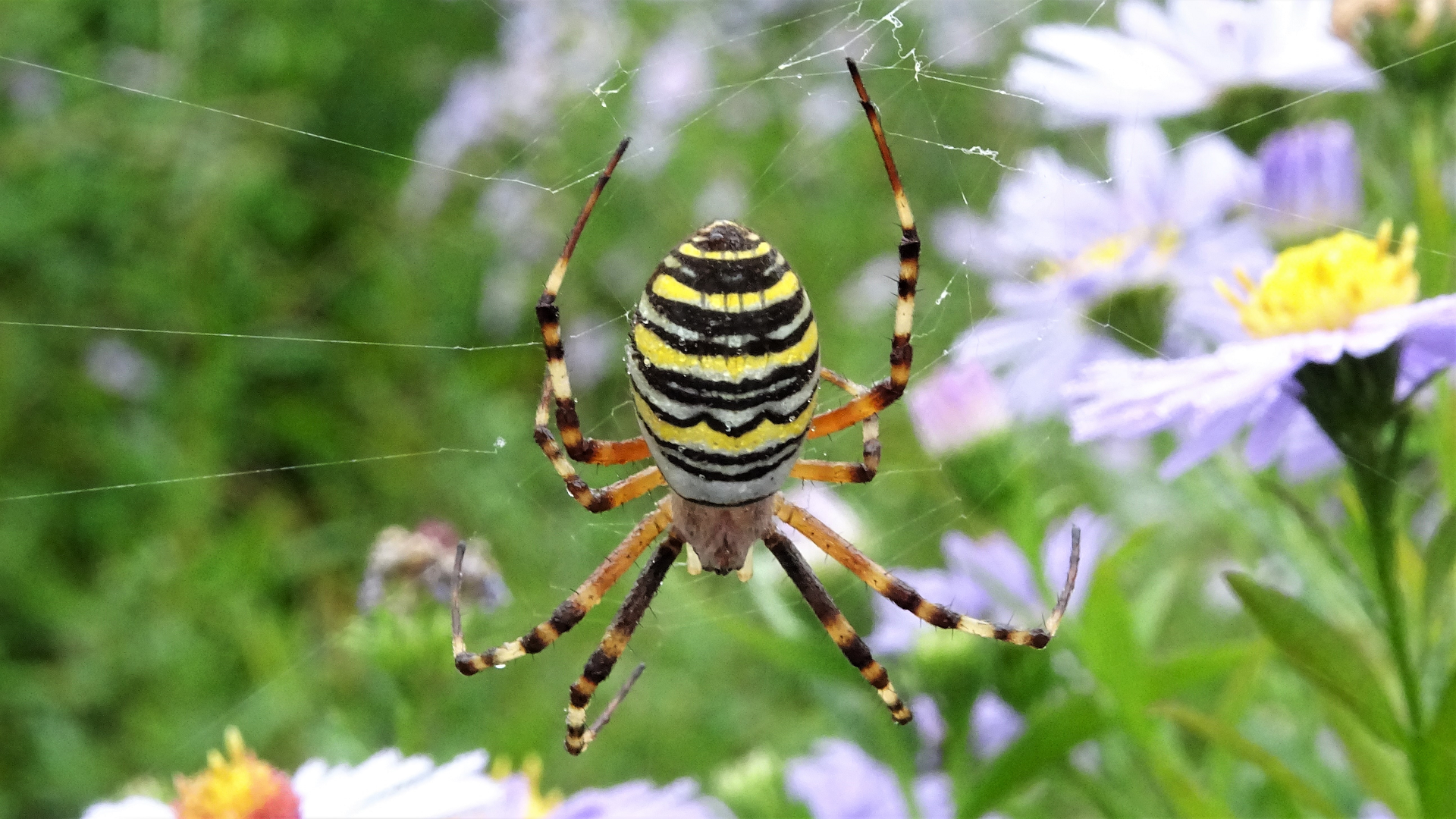
Unlikely to be mistaken for any other British spider. The female spins a large orb web which is anchored with a zigzag band of silk known as the stabilimentum. Normally seen late summer and early autumn, the web is spun just above ground level in grass or low vegetation - an ideal height for catching grasshoppers which are the primary food source. Males are smaller and often wait at the web edge waiting for a chance to approach safely to mate. The best time is when the female has just moulted because her jaws are soft at this time. Males choosing the wrong moment usually end up as a meal.
#
Slug Eggs
Limacus
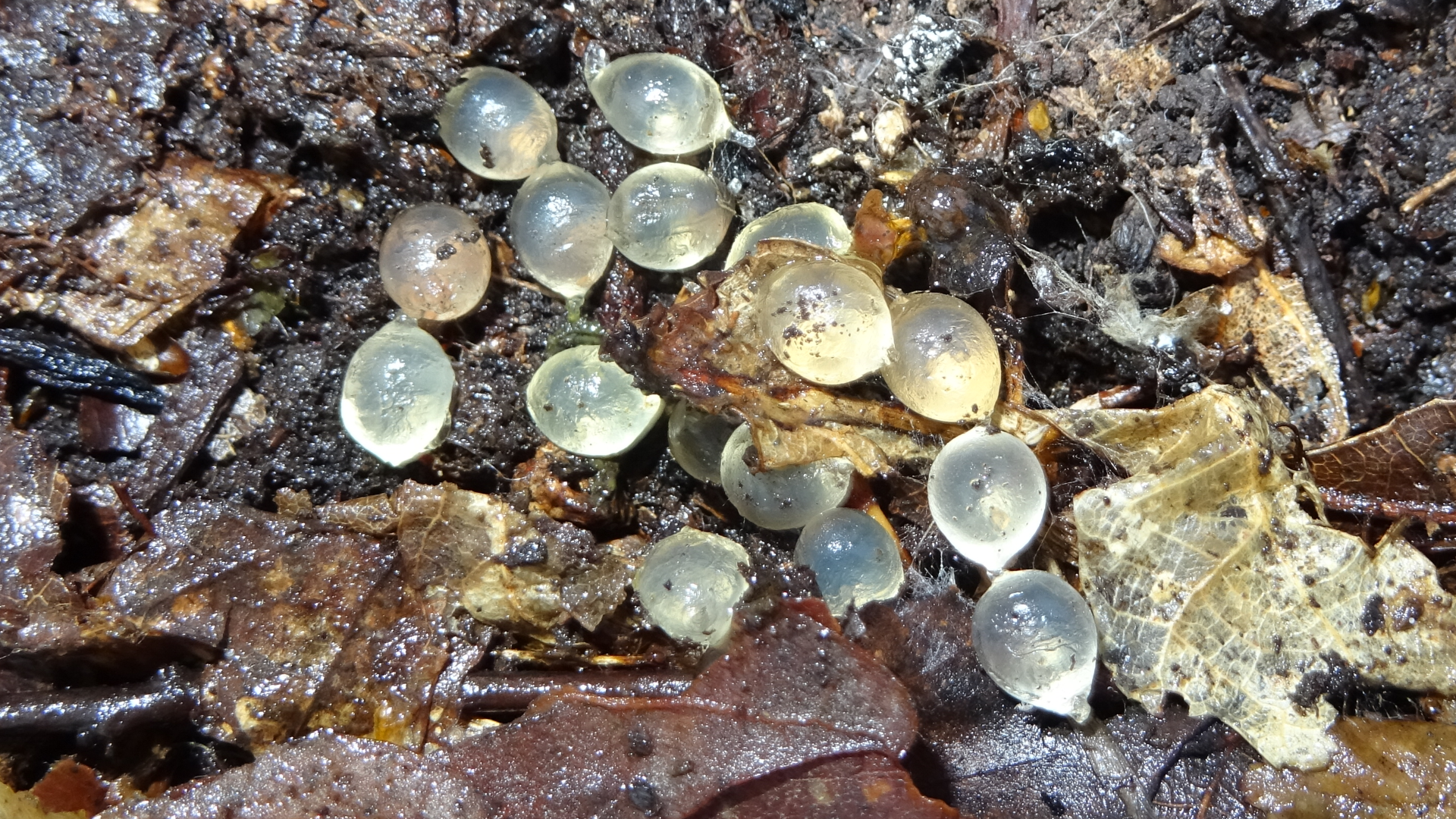
Found under a rotting log these transparent lemon-shaped blobs measuring 6x4mm are slug eggs belonging to a Limacus species.
#
Redbridge Vision
Nature Walk
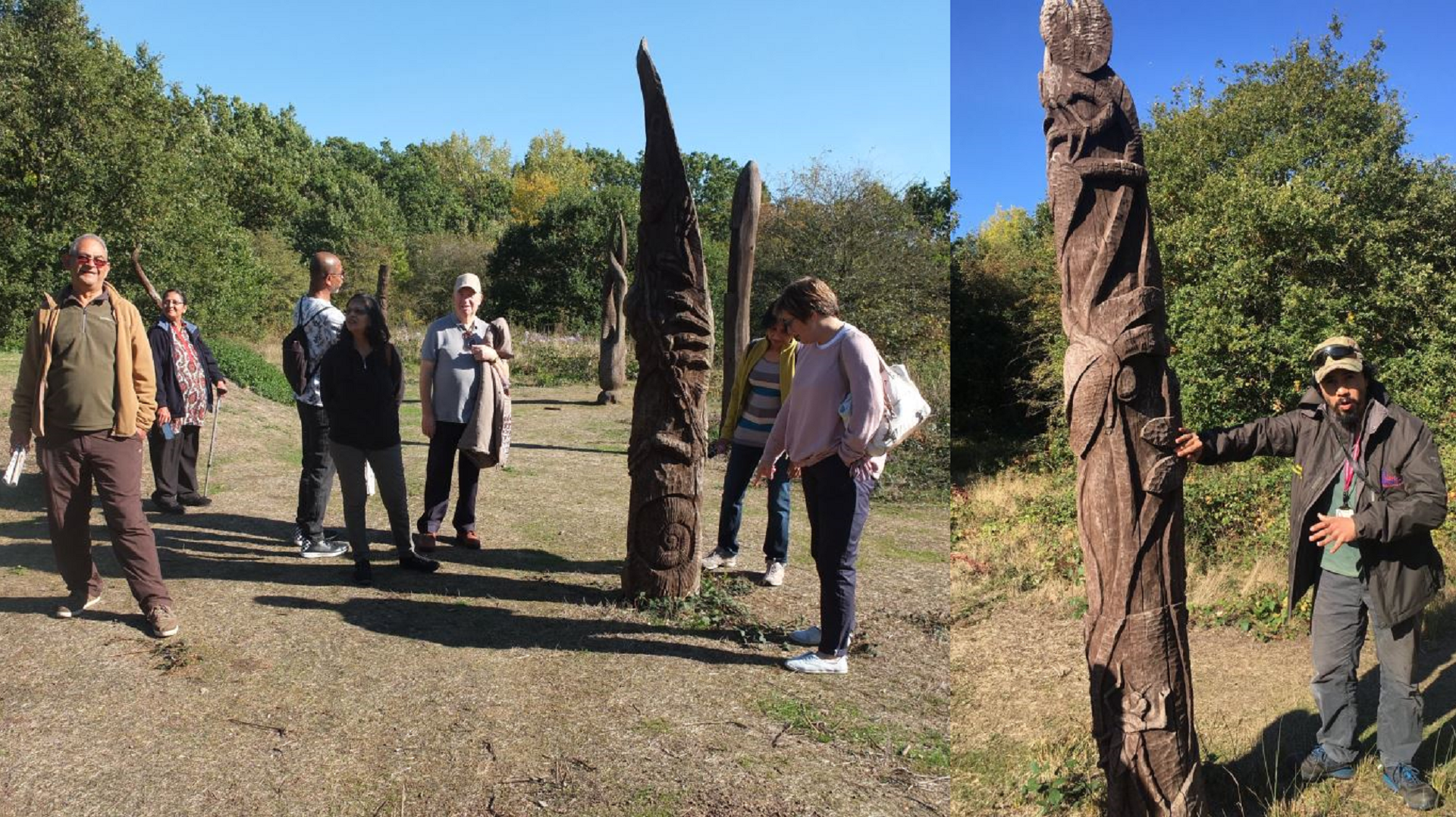
Redbridge Vision organised a nature walk led by Francis Castro (right) during October. The group gathered at Woodhenge, part of a nature trail that officially opened in 2005. It was designed by sculptor Jeff Higley and planned in collaboration with Country Park manager Paul Browne. Woodhenge serves as the centrepiece of the trail featuring twelve sculptures that represent the life cycles of creatures found in the forest. At conception it was envisioned that the large wooden circle would function as an outdoor classroom and a meeting point. The sculptures were made from oak trees that were removed during the re-creation of a wood pasture area.
#
© hainaultforest.net. All rights reserved.
This website uses necessary cookies. It does not use targeting or advertising cookies.