

THIRD QUARTER 2018
This Journal covers the third quarter of 2018 from July to September and consists of two pages. There is a button at the bottom of this page that will direct you to page 2. The second page mainly features fungi, flora and galls.
Jay
Garrulus glandarius
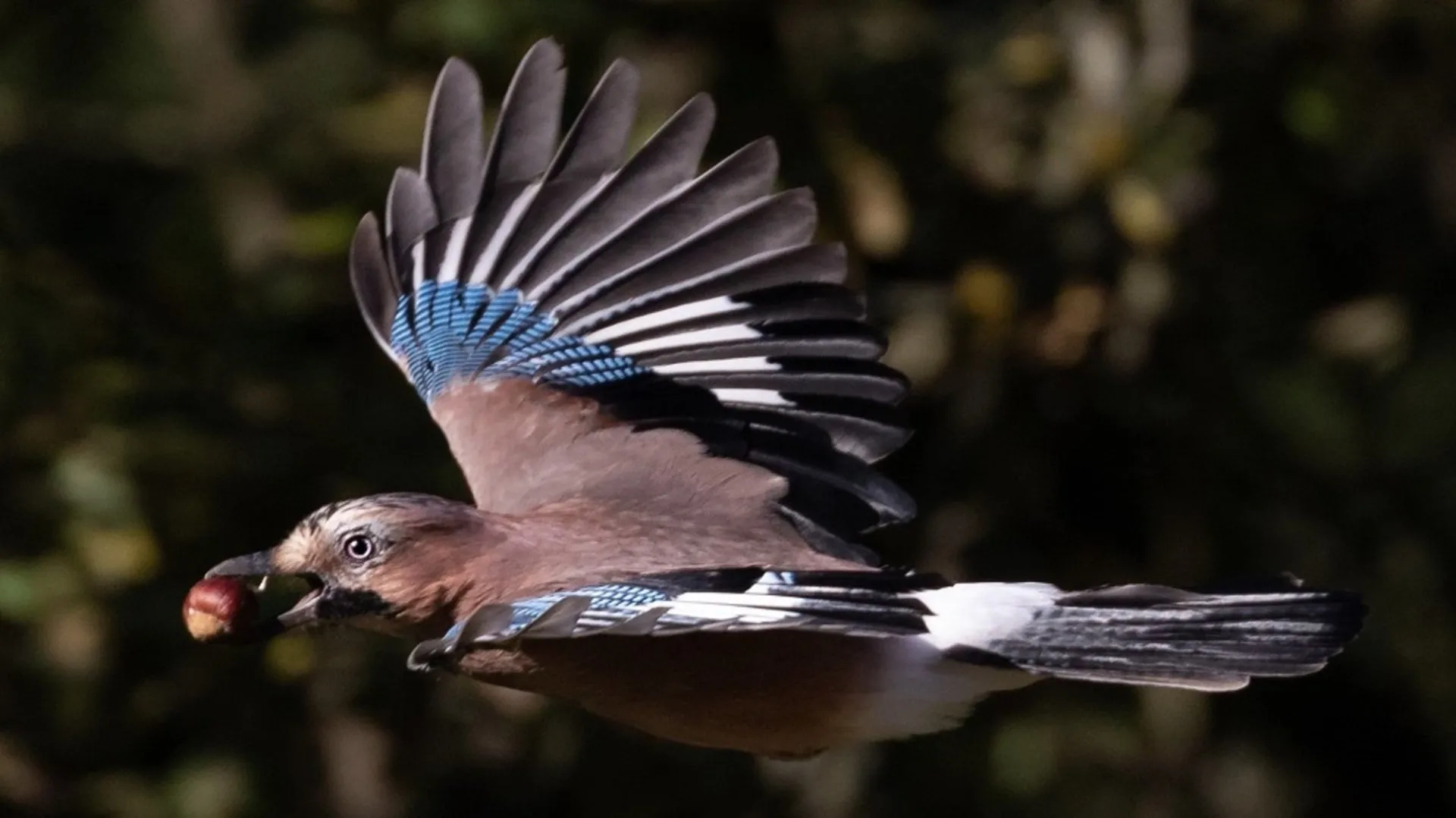
During autumn Jays bury acorns and chestnuts ready for collection in winter when food is scarce.
#
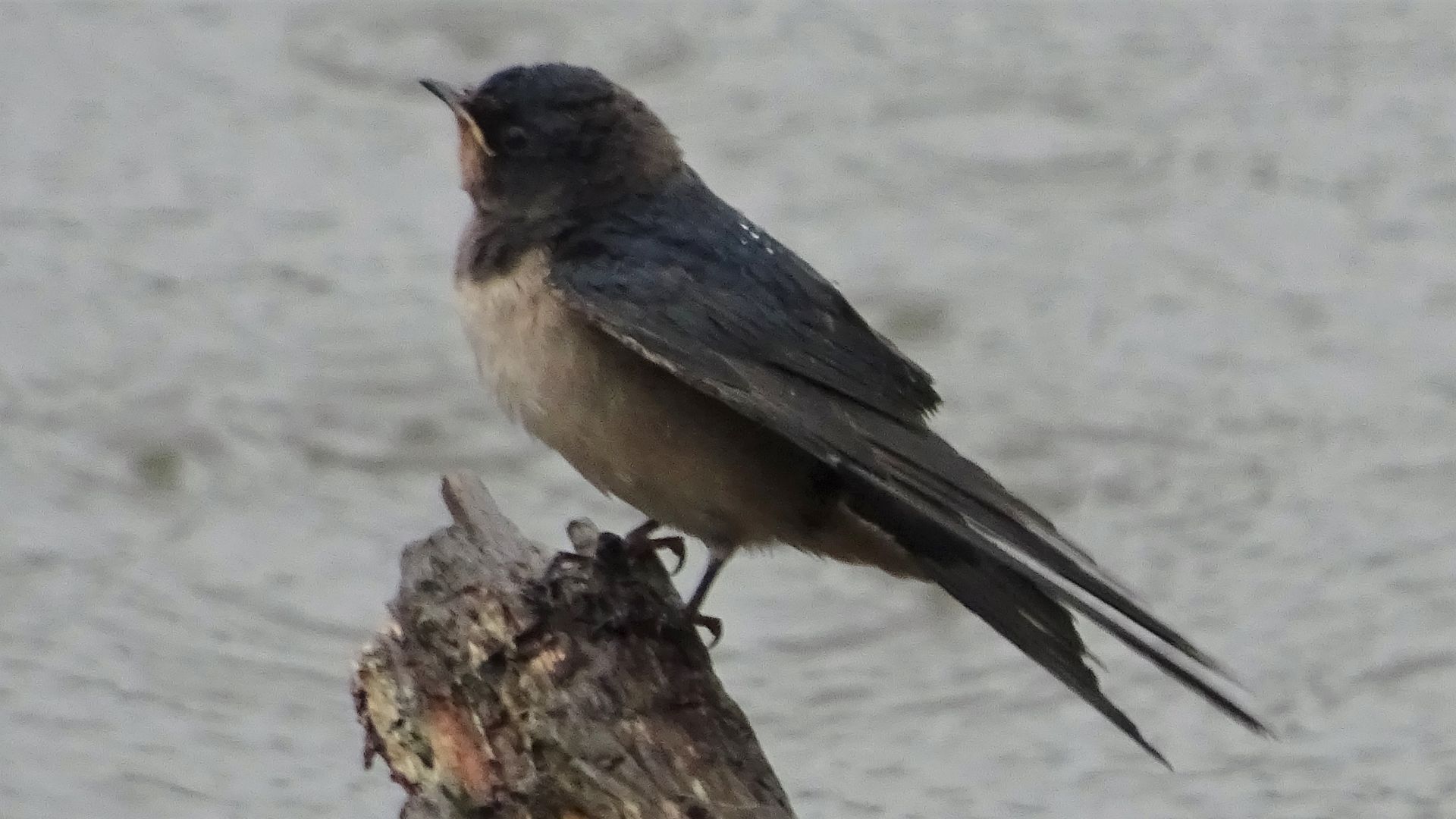
Swallow
Hirundo rustica
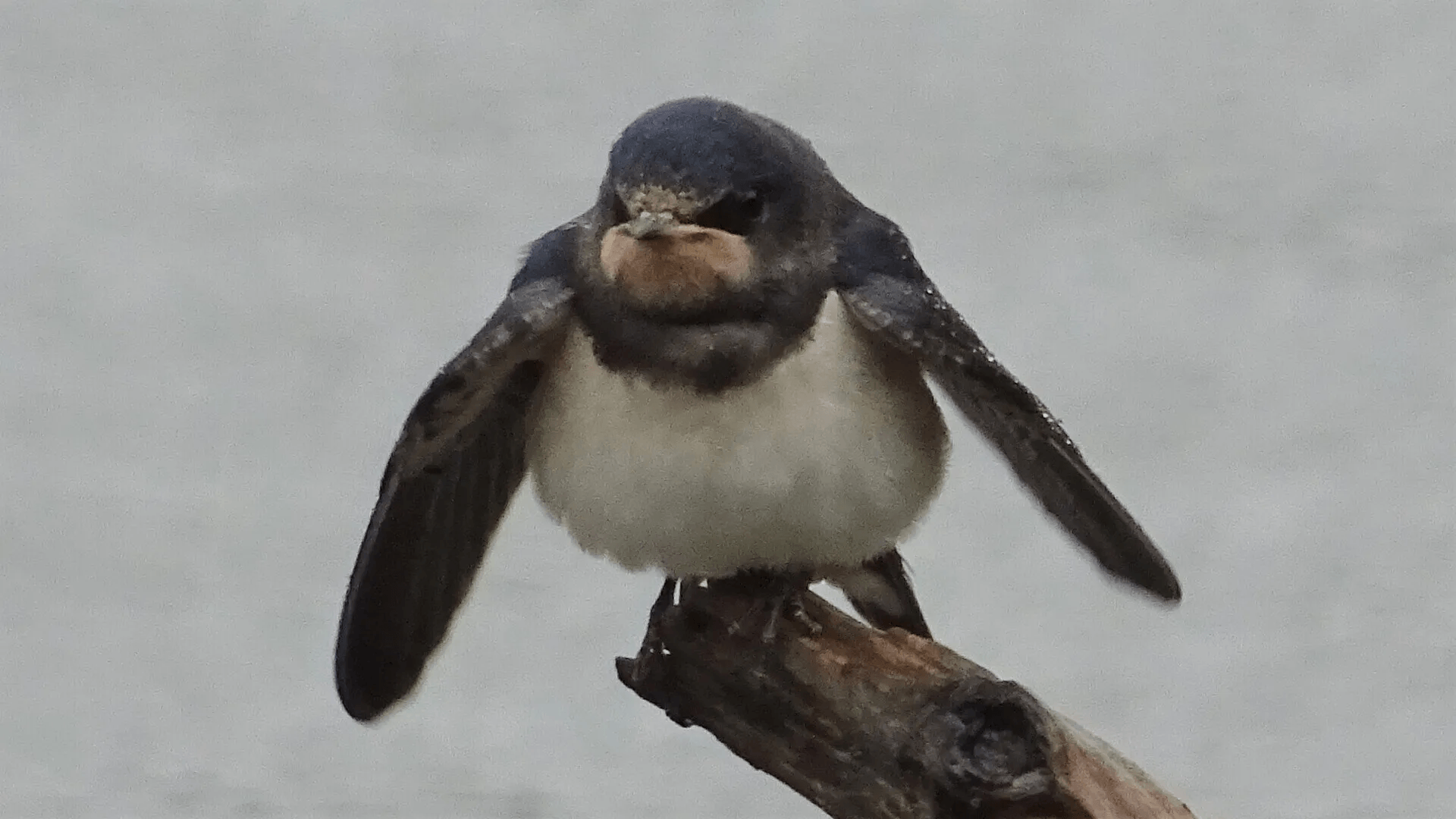
Swallows fly fast and low over with beaks open to catch insects while on the wing.
#
Short-eared Owl
Asio flammeus
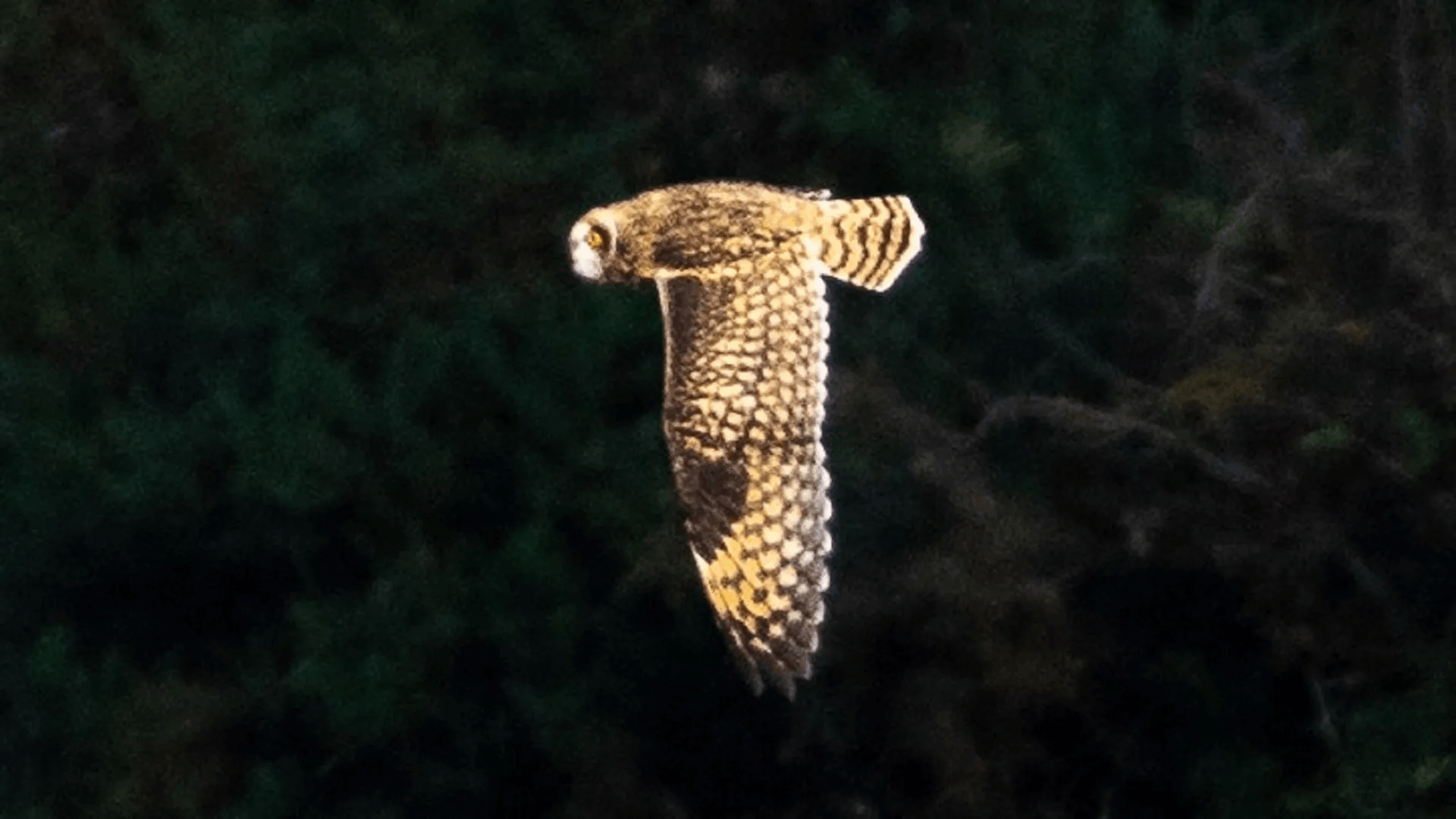
Short-eared Owls hunt during daytime. These medium-sized owls are more likely to be seen during the winter months when they visit from Iceland, Scandinavia and Russia. They feed on small mammals especially voles.
#
Goldfinch
Carduelis carduelis
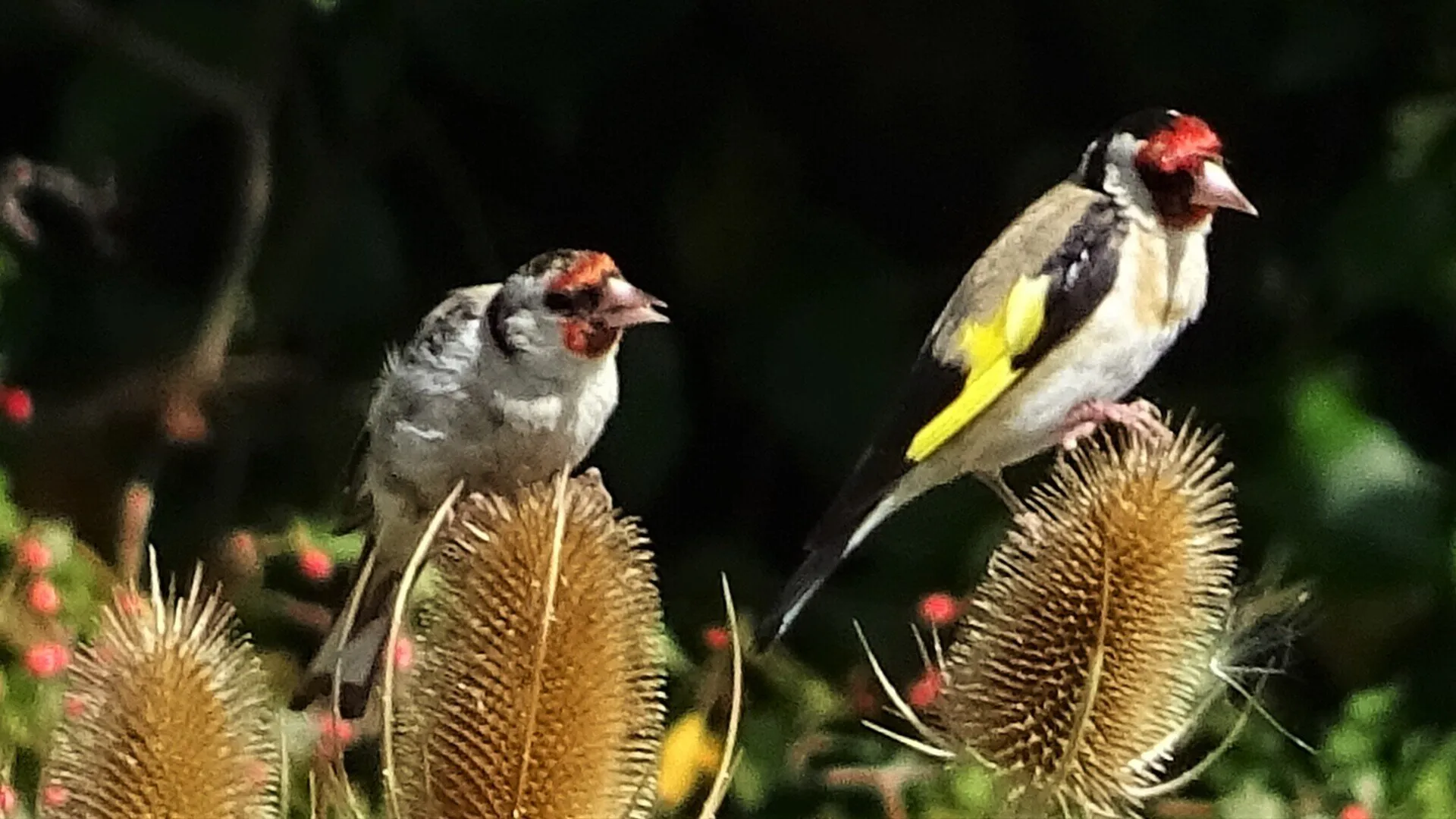
Goldfinches are normally observed in large flocks during autumn near teasel, thistle, and Michaelmas daisies, where they feed on the seeds.
#
Buzzard
Buteo buteo
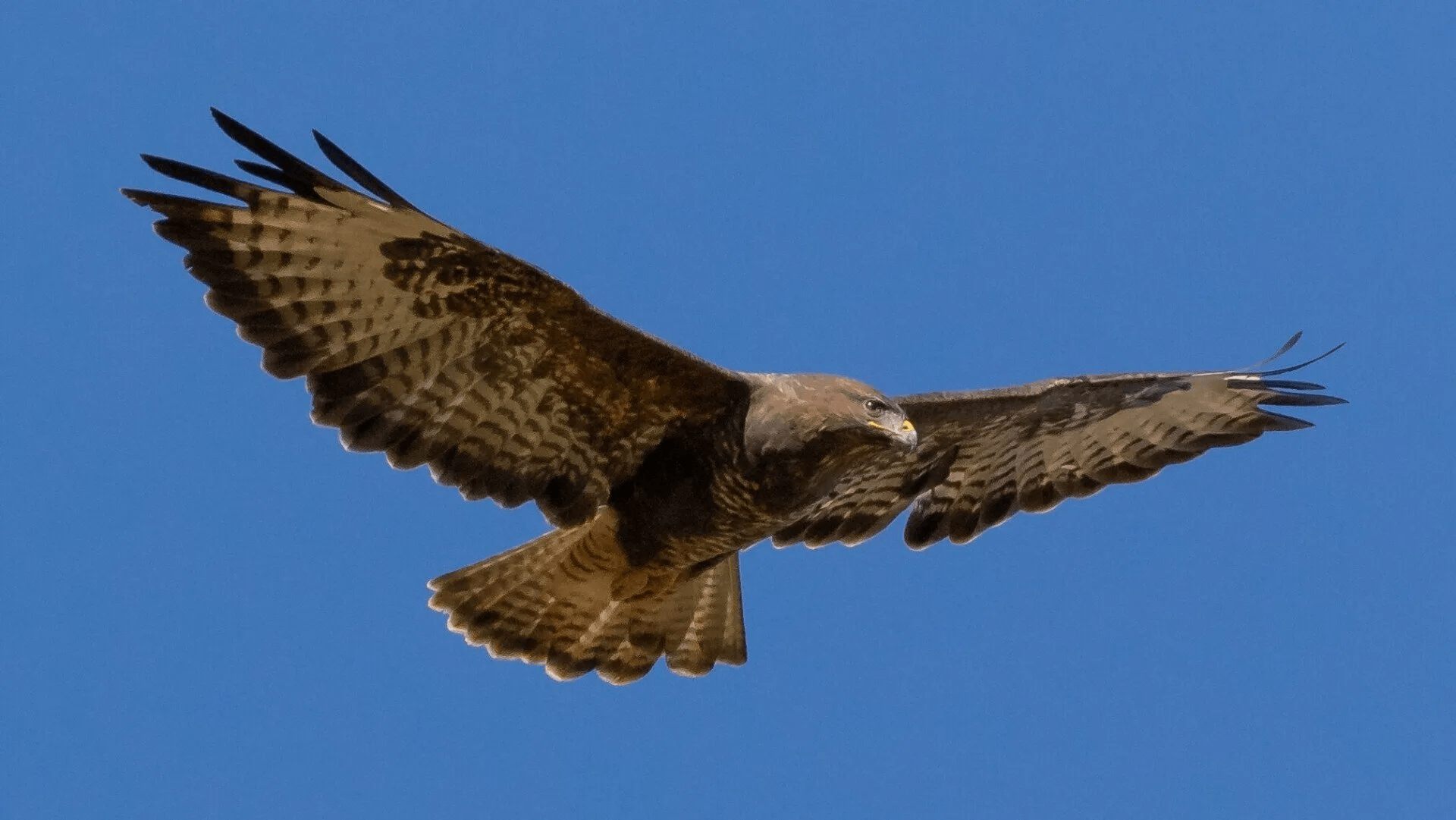
The buzzard is now Britain's most widespread bird of prey. They emit a cat-like meowing call and are often seen in small groups. They feed on mammals, birds, carrion, worms and insects.
#
Jackdaw
Corvus monedula
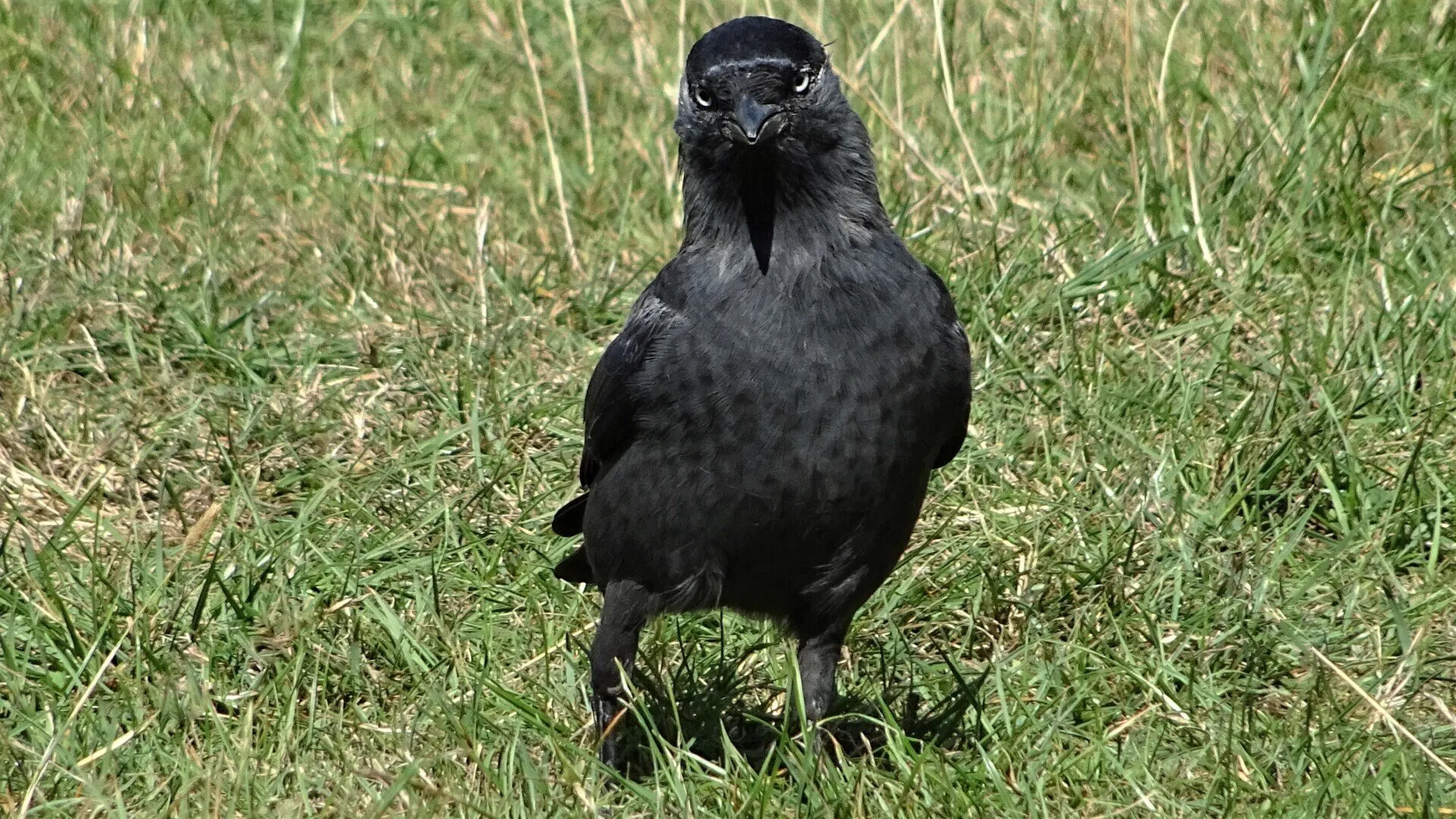
Jackdaws are small members of the crow family with very distinctive eyes and silvery hood. They are mostly found in groups. Their diet consists of insects, fruit, seeds, nuts, young birds and eggs.
#
Moorhen
Gallinula chloropus

The Moorhen is characterised by a red and yellow beak, a dark brown back and wings, and a blackish belly with white stripes on the flanks. They are known for being promiscuous and frequently change partners during the breeding season. Females appear to have a preference for smaller, plumper mates. Nests are constructed using dead vegetation and are typically placed among floating plants or near the water. Eggs are occasionally laid in the nests of other birds, which enables a female to increase her total egg production. Moorhens have a varied diet that includes plants, seeds, worms, insects, molluscs, and fish.
#
Dunlin
Calidris alpina

The Dunlin is a wading bird normally found in coastal areas and not very often inland. It has a slightly curved bill and is easily recognised in the breeding season by a large black belly patch. It eats worms and molluscs. Photographed at Fairlop Waters.
#
Great Crested Grebe
Podiceps cristatus
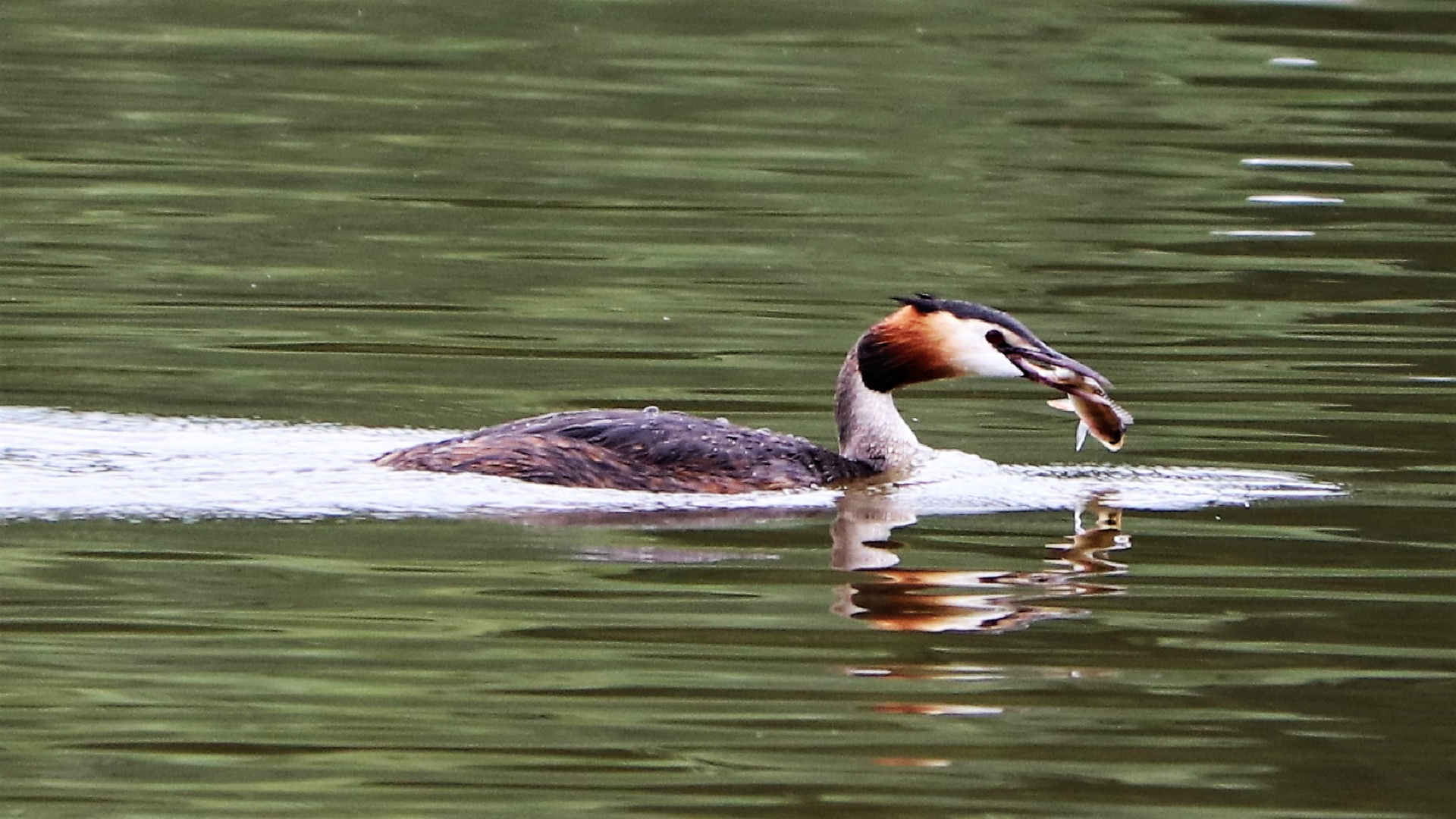
Great Crested Grebes are the largest grebe species in Britain. They dive beneath the surface to catch fish and avoid predators. This one has caught a Perch.
#
Small Copper
Lycaena phlaeas
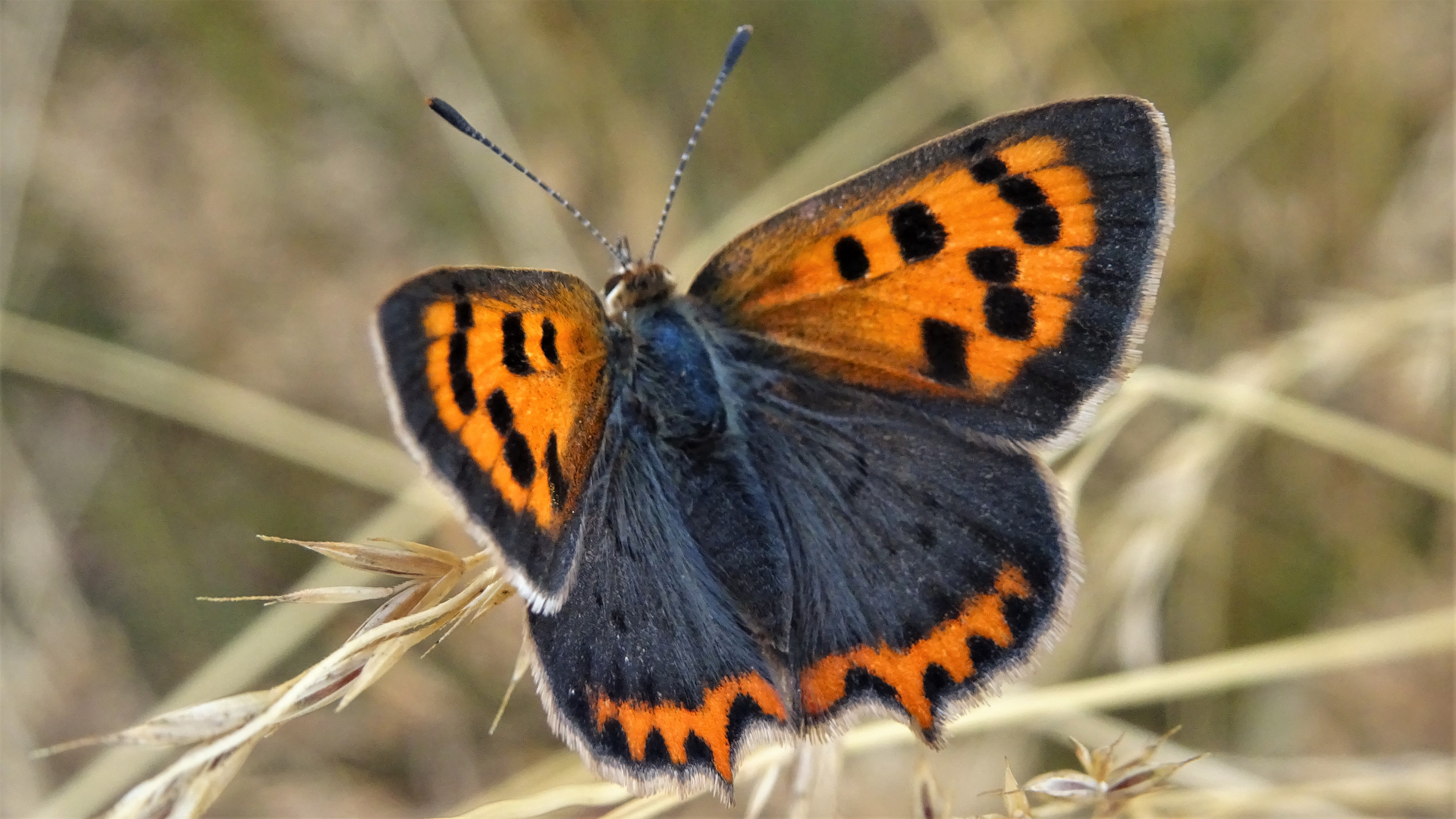
Normally observed from July to September in meadows, particularly in areas with short grass. Males sunbathe on bare ground while waiting for females to pass by. They fend off rivals and other insects to protect their territory. The caterpillars primarily feed on Sheep's sorrel.
#
Purple Hairsteak
Favonius quercus
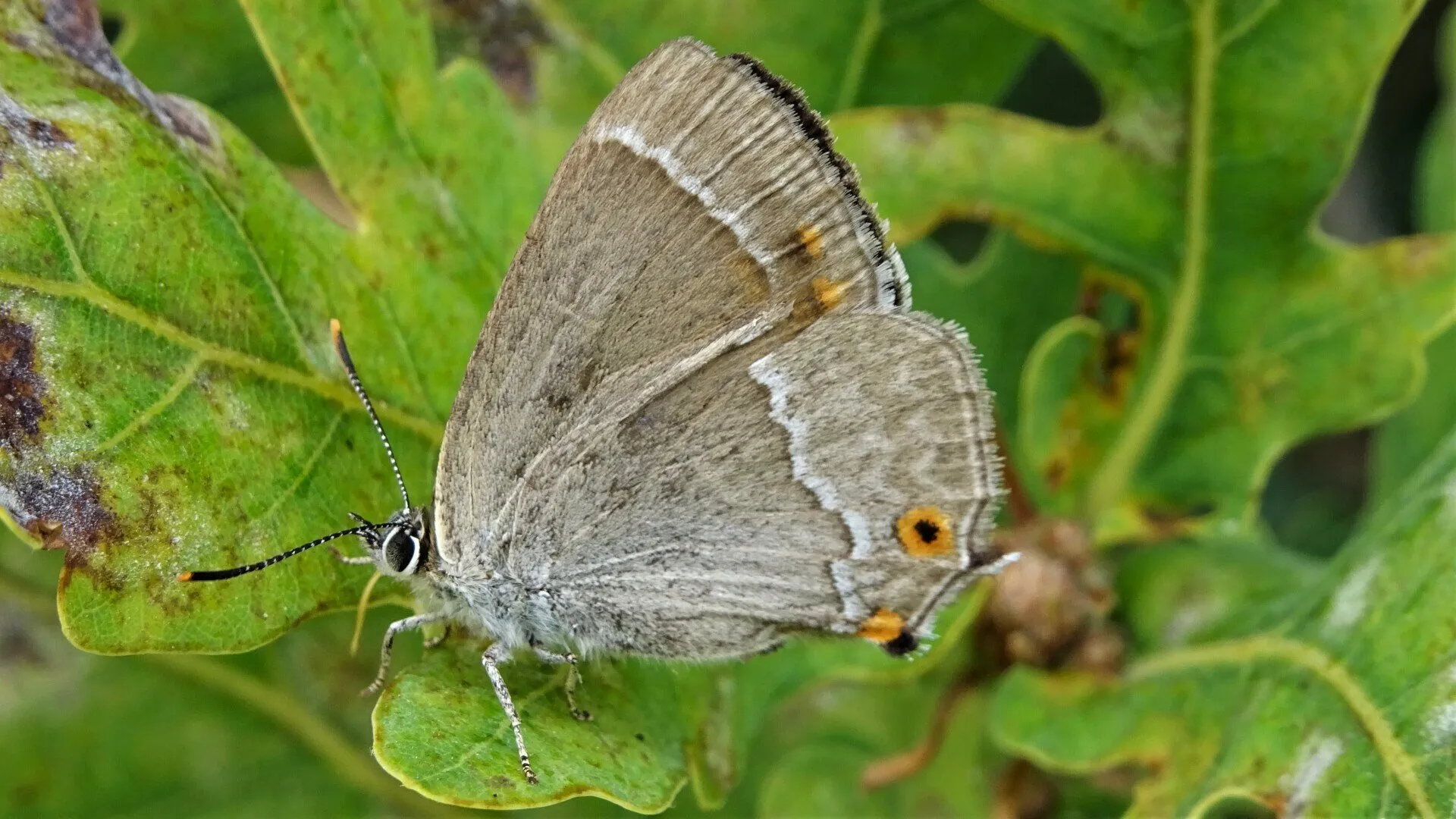
This species inhabits woodland containing oak trees. Oak is the larval foodplant.
#
Large White
Pieris brassicae
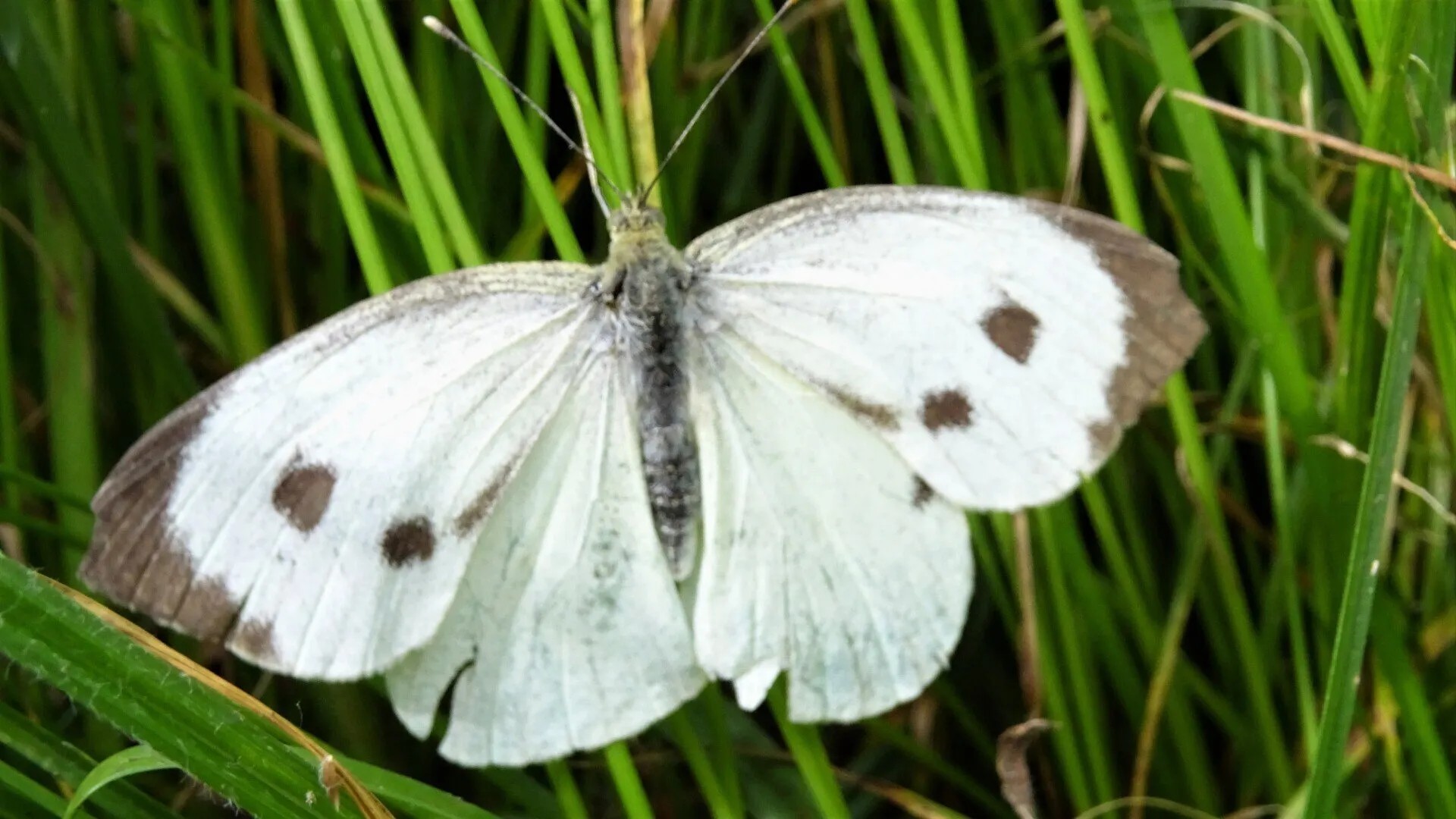
The Large White is a sizable butterfly, with a wingspan that can reach 70mm. Its forewings are predominantly white and feature black tips along the edges. Female specimens possess two spots on the forewings, which are absent in males. The undersides of the wings are creamy white. The caterpillars of this species consume plants from the Cabbage family.
#
Brimstone Butterfly
Gonepteryx rhamni

Males have yellowish-green underwings and yellow upper wings, while females have very pale green or nearly white wings. They are known to rest under bramble, making them challenging to see. The caterpillars feed on Buckthorn and Alder Buckthorn.
#
Straw Dot
Rivula sericealis
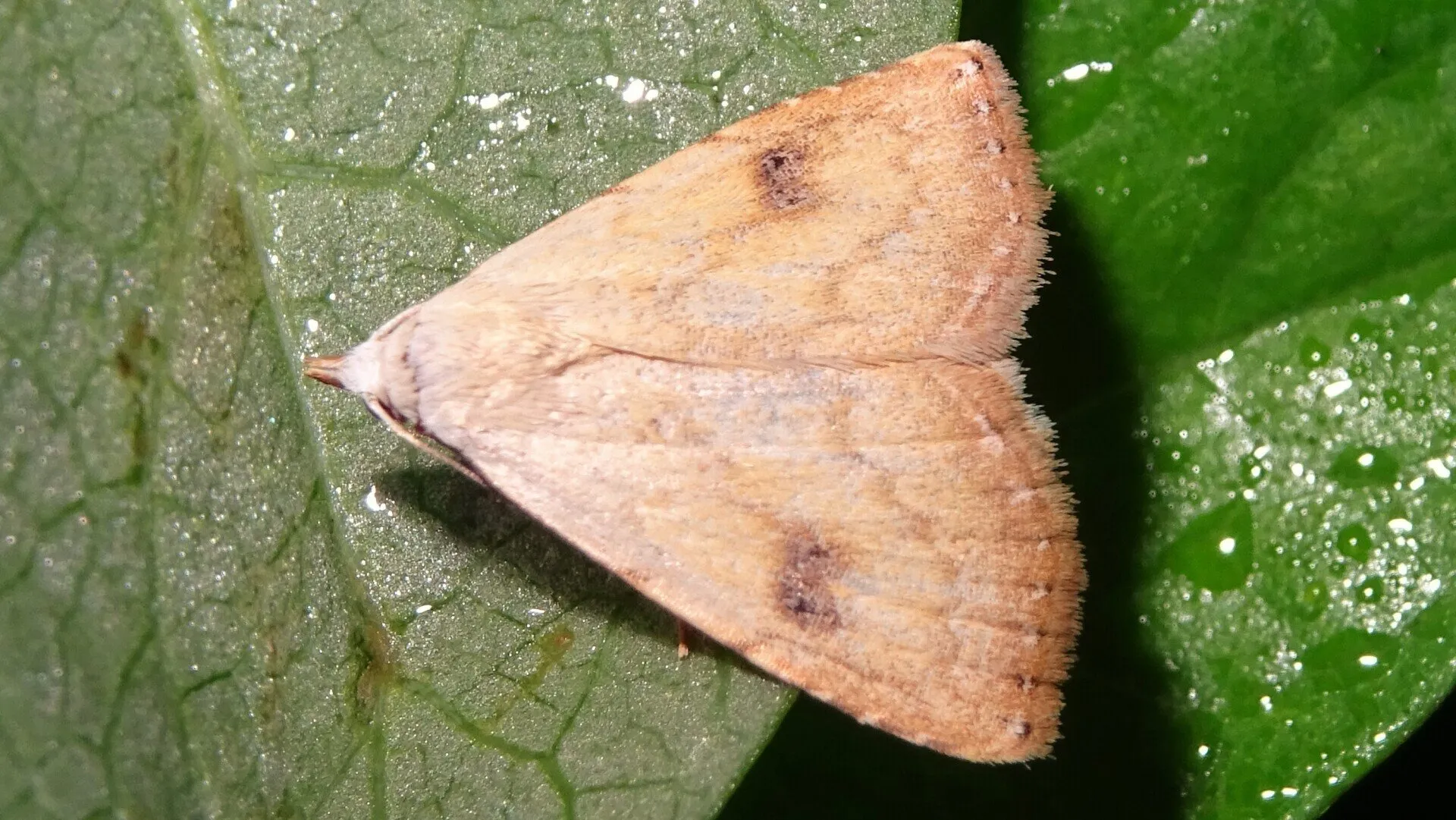
This moth is found in damp meadows and woodland from June until September. Its larvae feed on various grasses.
#
Drinker
Euthrix potatoria
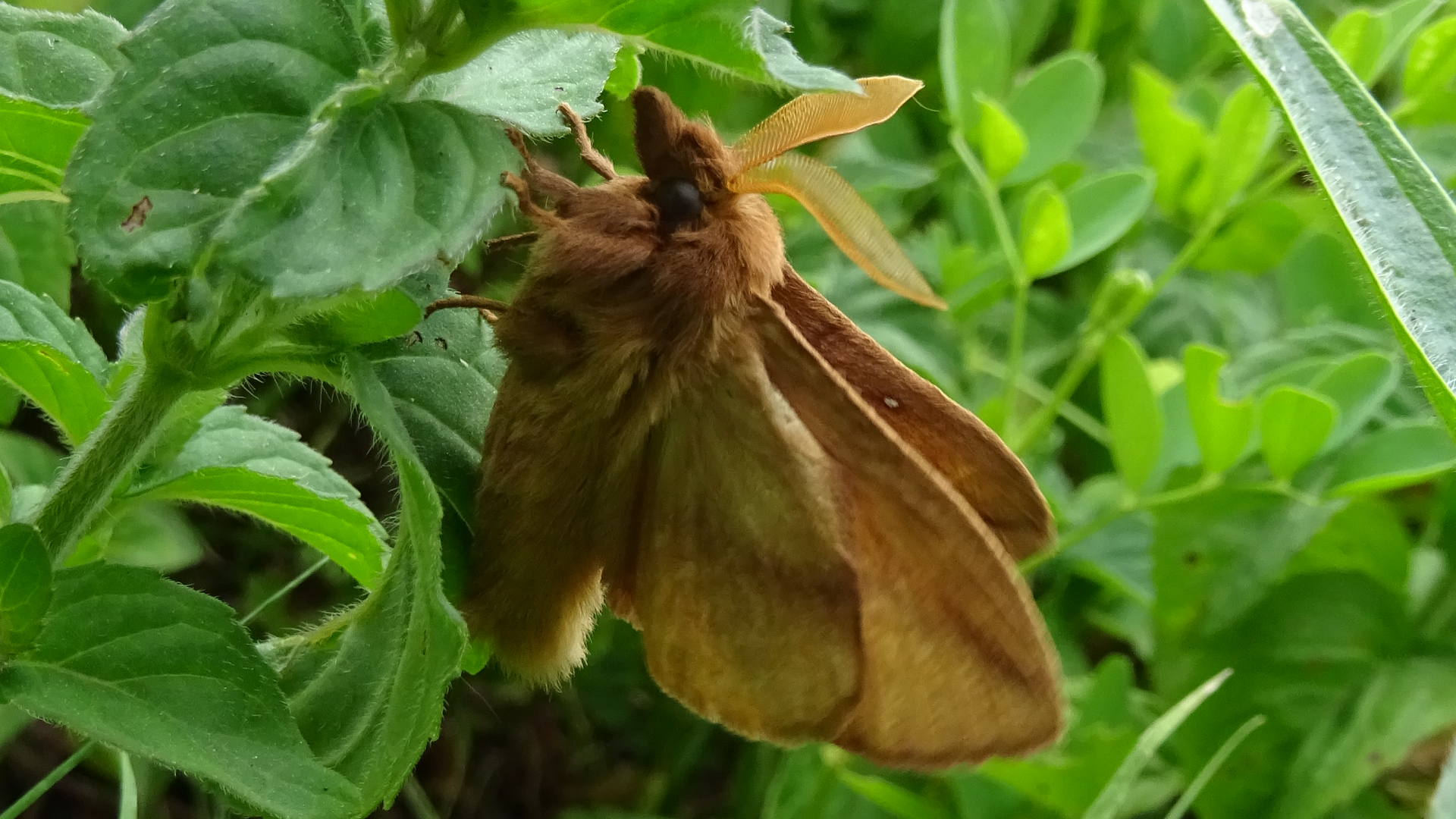
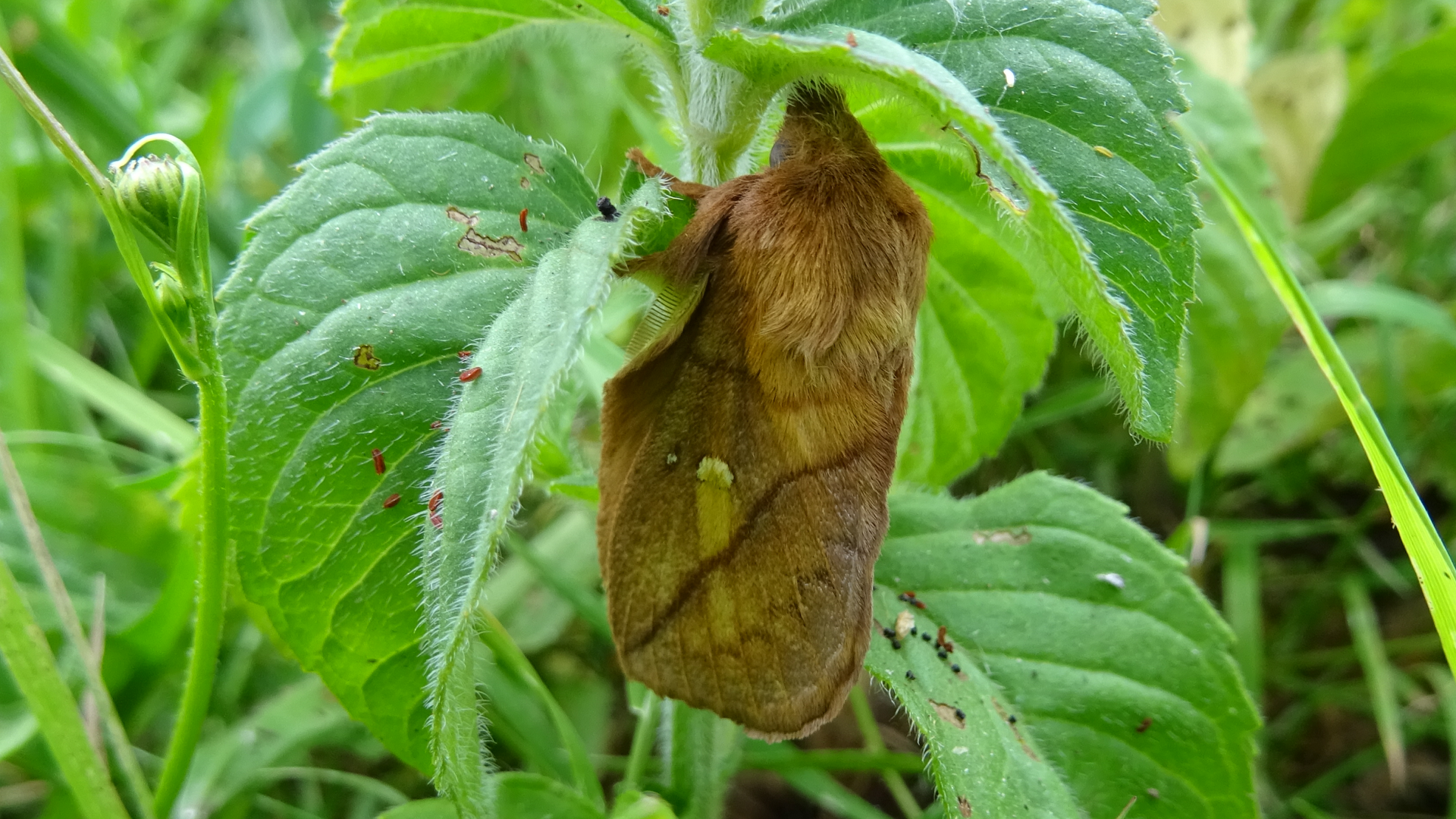
Nocturnal species that possesses splendid feathery antennae. The large hairy larvae go into hibernation during October and start feeding again from April to June. They drink drops of dew from plants which is how their common name came about.
#
Box Bug
Gonocerus acuteangulatus
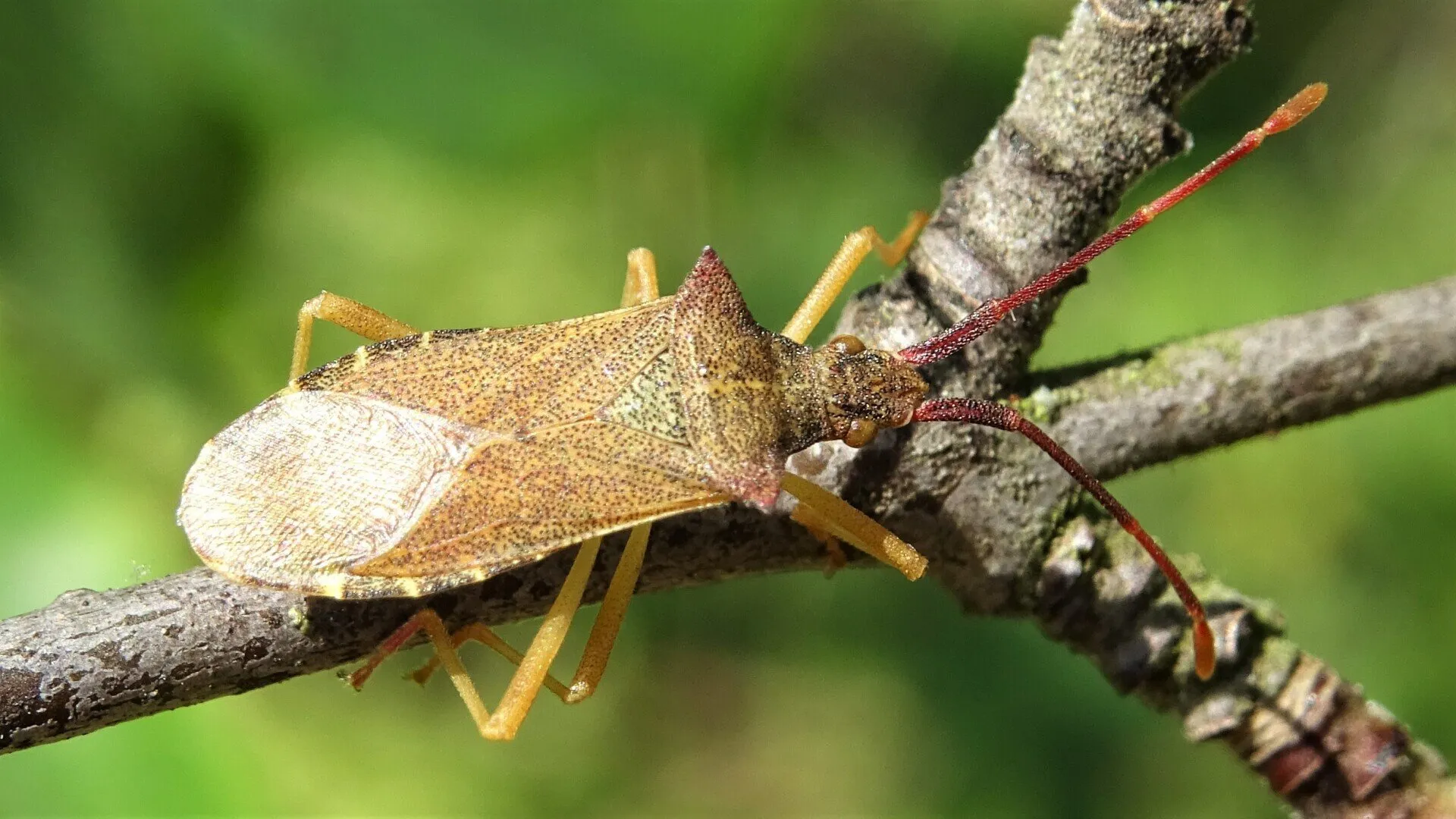
Once extremely rare in the UK and only recorded on box trees at Box Hill in Surrey. This species now feeds on different foodplants enabling it to spread.
#
Bishop's Mitre
Aelia acuminata
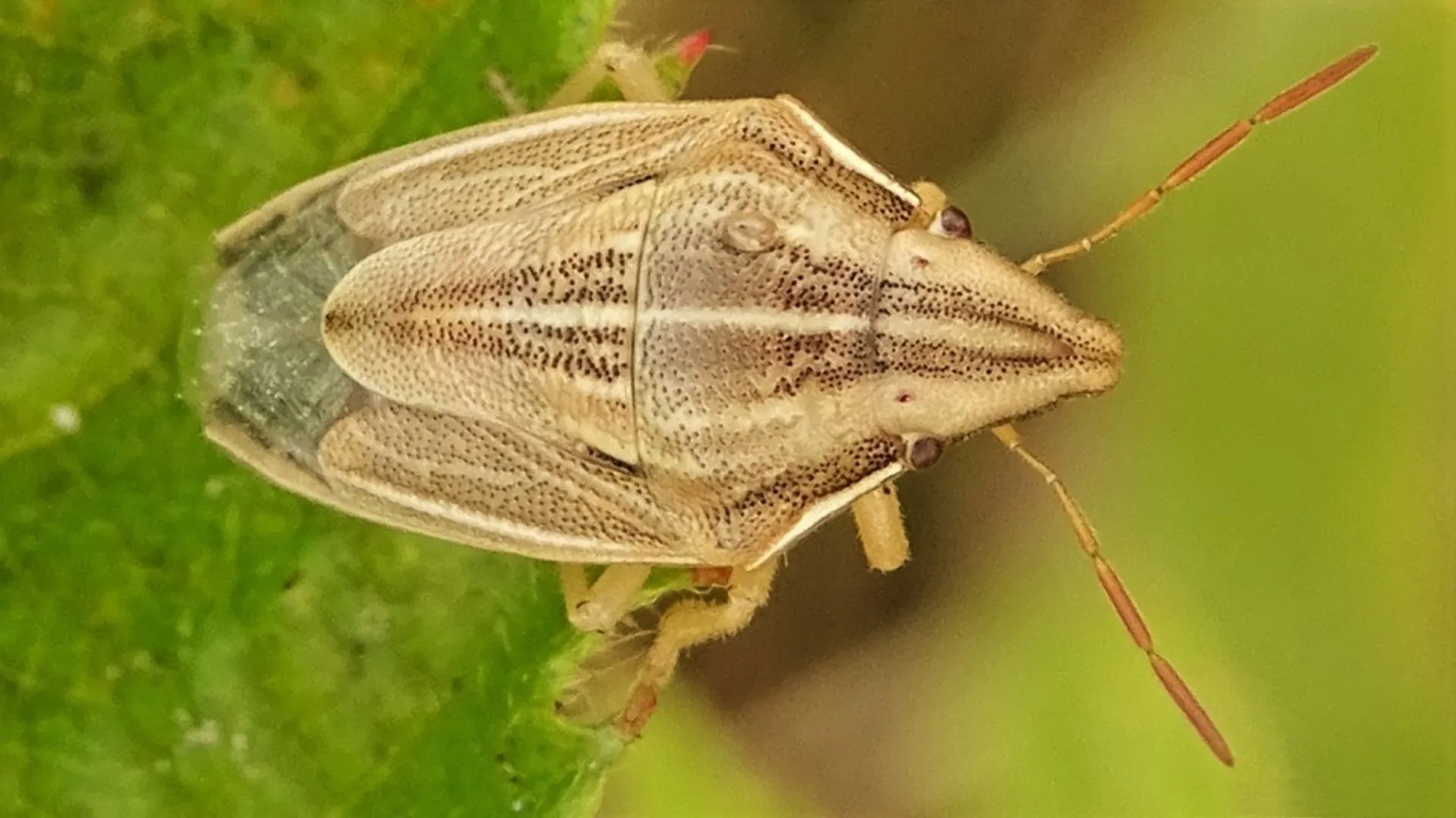
This striped Shieldbug has a distinct pointed head and ridged pronotum. It lives in tall grass. Adults mate and lay eggs in spring and early summer. The instars feed on ripening seeds of various grasses.
#
Common Green Shieldbug
Palomena prasina
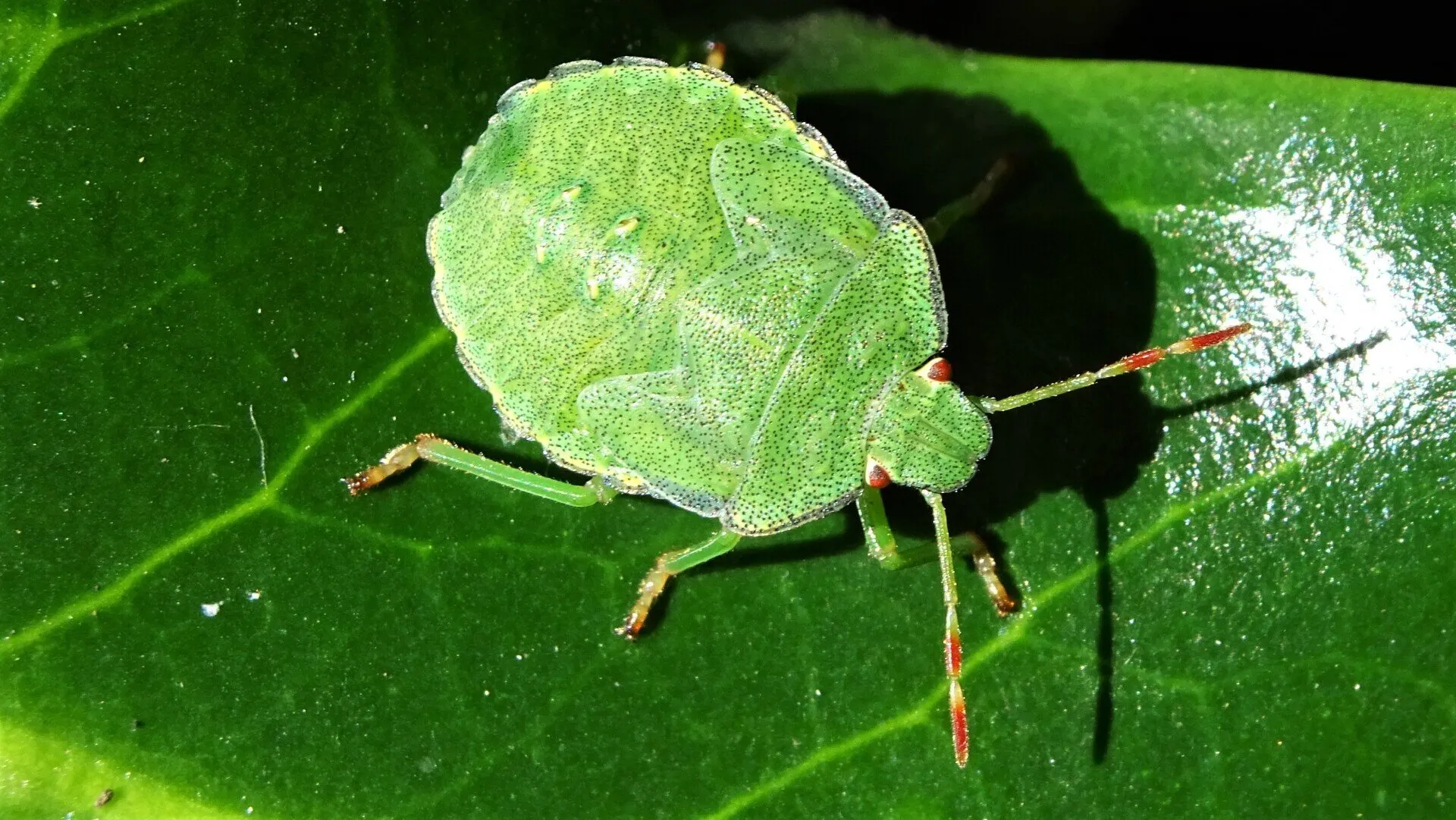
The final instar nymph of the Common Green Shieldbug, a common species that is present year-round in various habitats.
#
Birch Shieldbug
Elasmostethus interstinctus
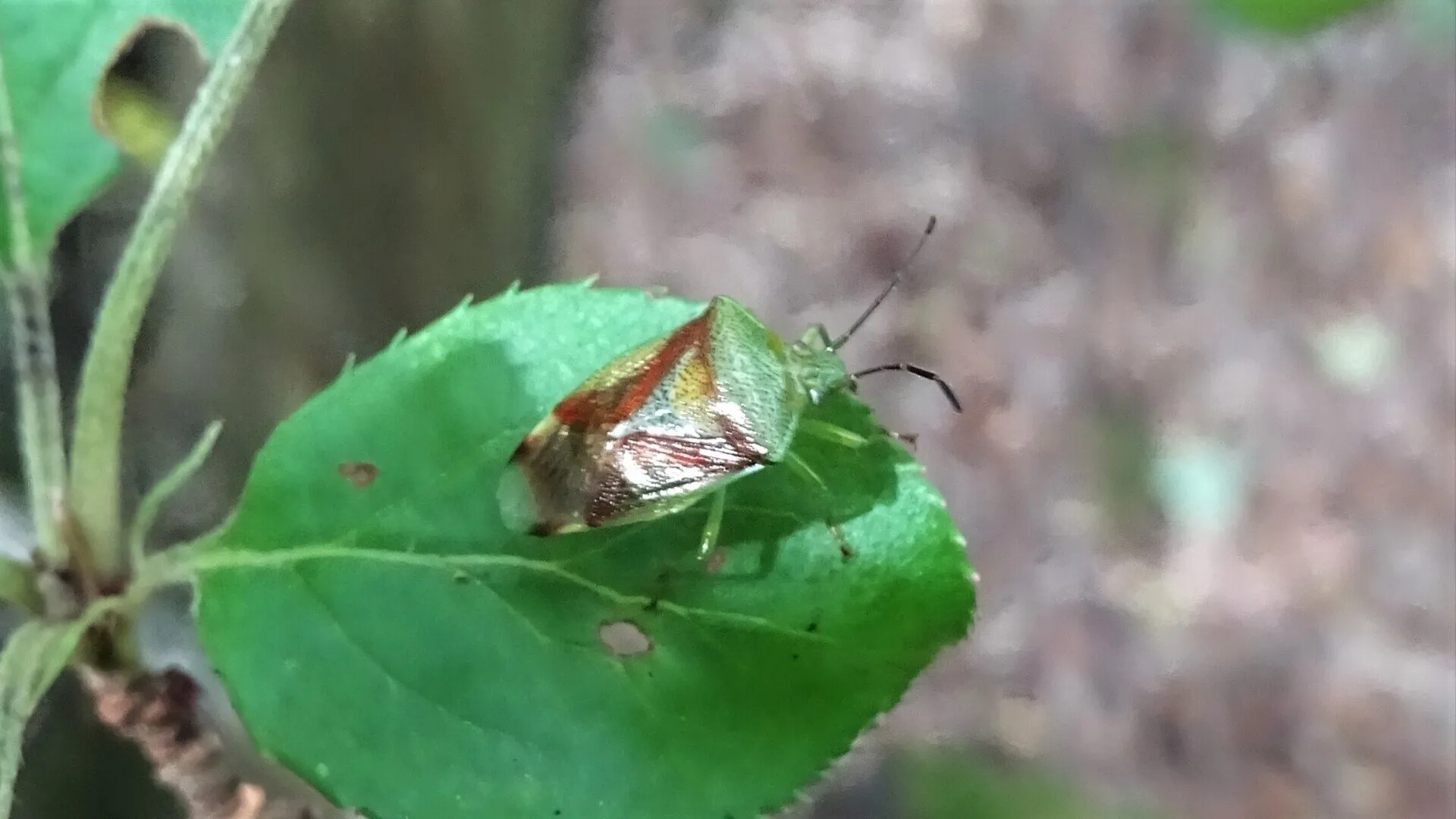
This species is typically found in birch woodland. Adults hibernate during the winter and emerge in the spring for mating. Their food plants include birch, hazel, and aspen. The adults measure between 8 and 11mm in length.
#
Red-legged Shieldbug
Pentatoma rufipes
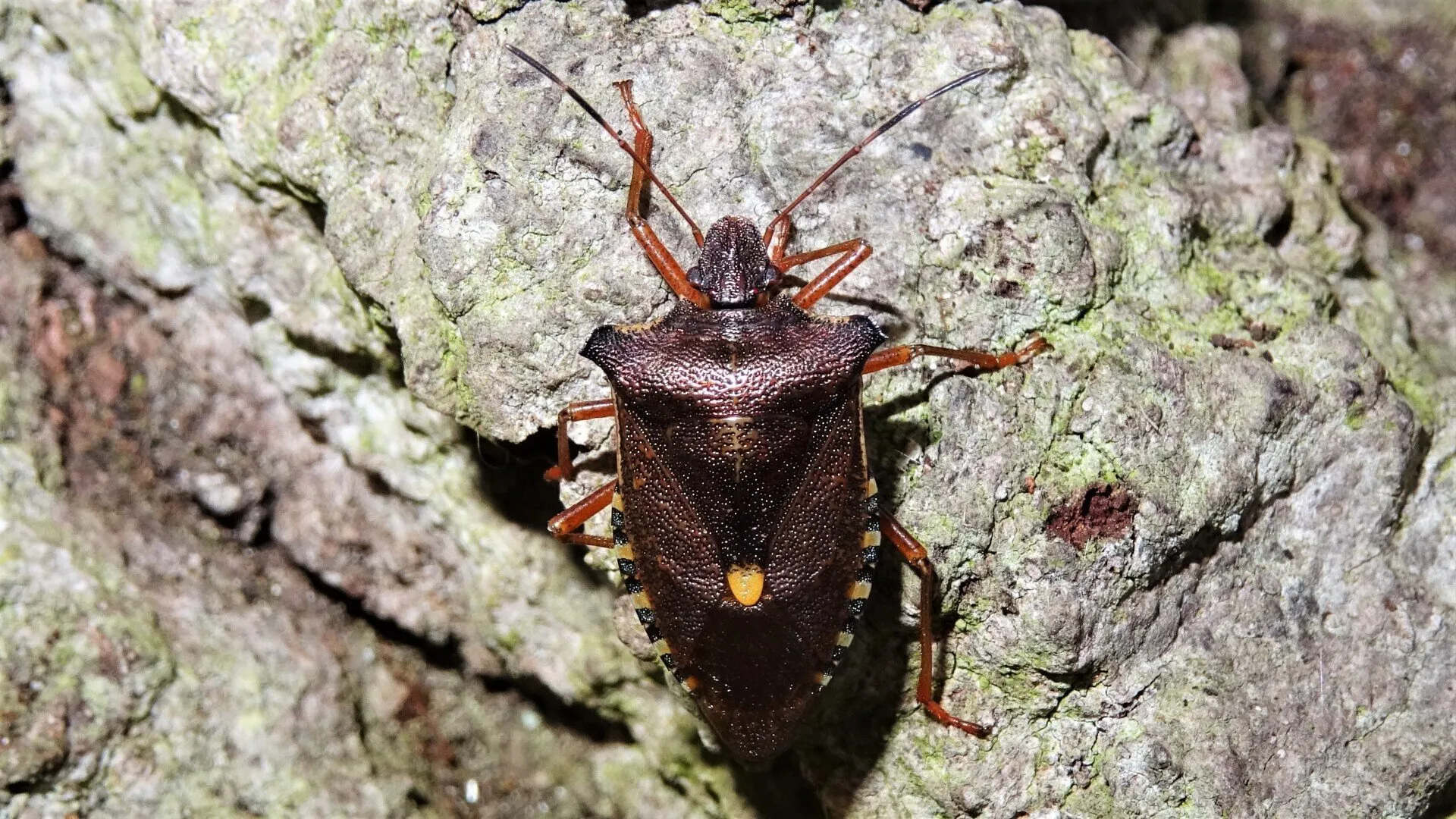
The Red-legged Shieldbug has orangish-red legs and slightly hooked projections at front of the pronotum. Adults feed on fruits, caterpillars and other insects. It is also called the Forest Shieldbug. Adults are 11-14mm long.
#
Parent Bug
Elasmucha grisea
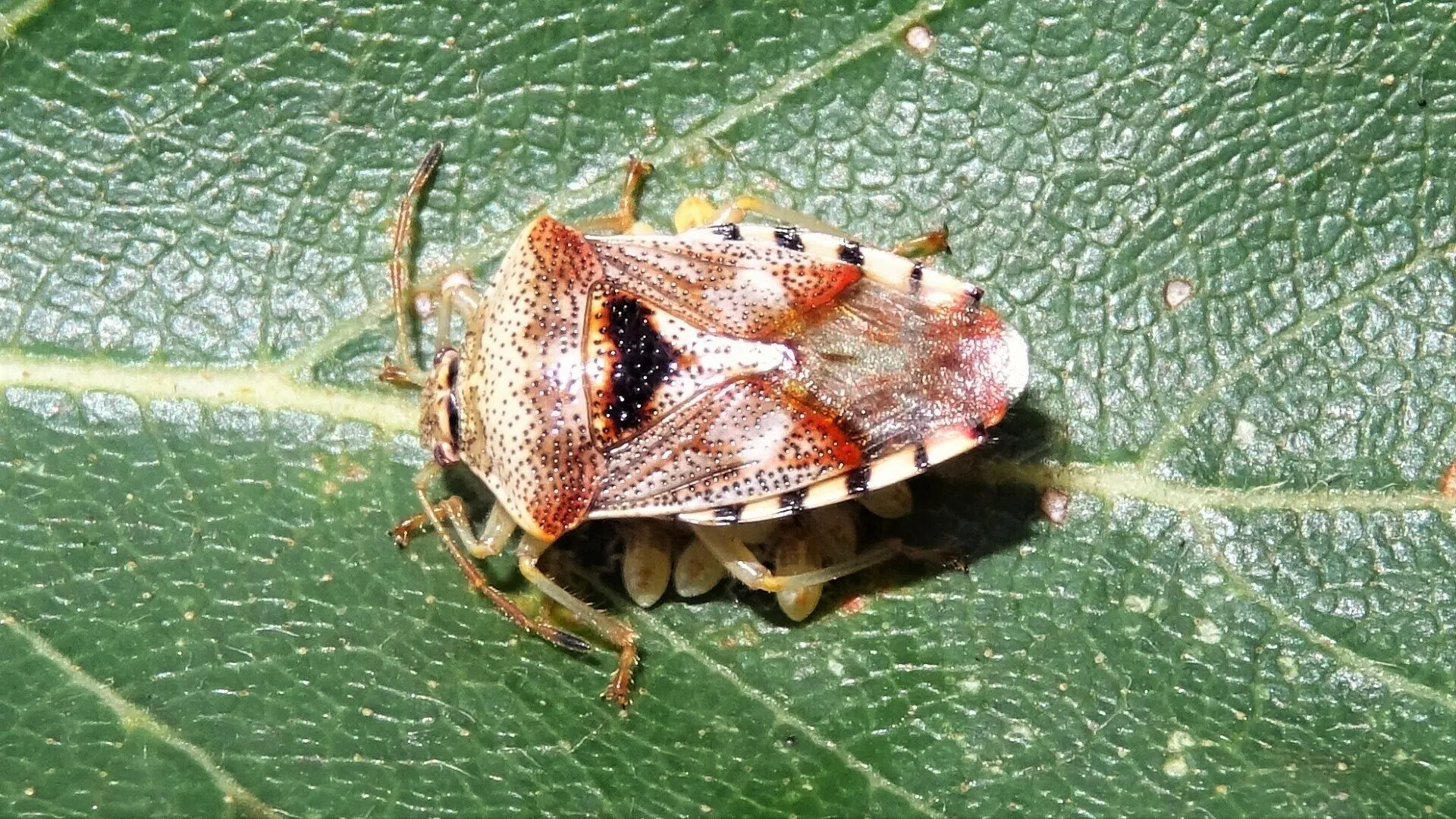
The Parent Bug (7-9 mm) has a black and white connexivum and there is usually a black patch on the scutellum. Adults overwinter and emerge in spring to mate. Soon after mating the male dies leaving the larger female to tend the eggs and young larvae. New adults appear from August onwards. The tiny green instars can sometimes be found grouped on the underside of alder and birch leaves. Birch and alder are larval foodplants.
#
Glass-winged Bug
Stictopleurus punctatonervosus
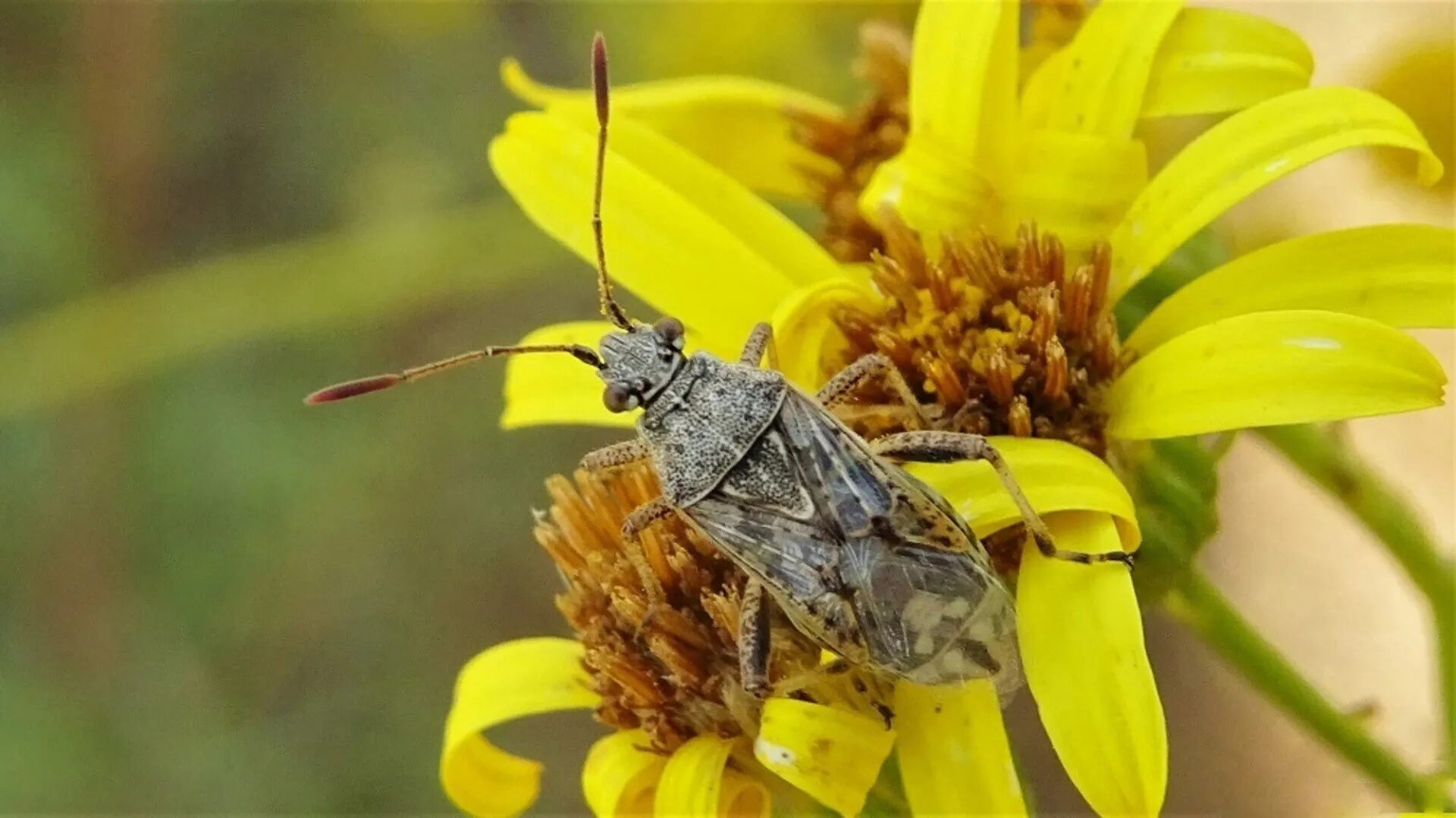
This bug was historically rare in Britain but is now encountered more frequently in dry grassland habitats. It measures approximately 7 to 8mm in length and is also referred to as the 'Transparent Rhopalid'.
#
Golden-striped Leafhopper
Lindbergina aurovittata
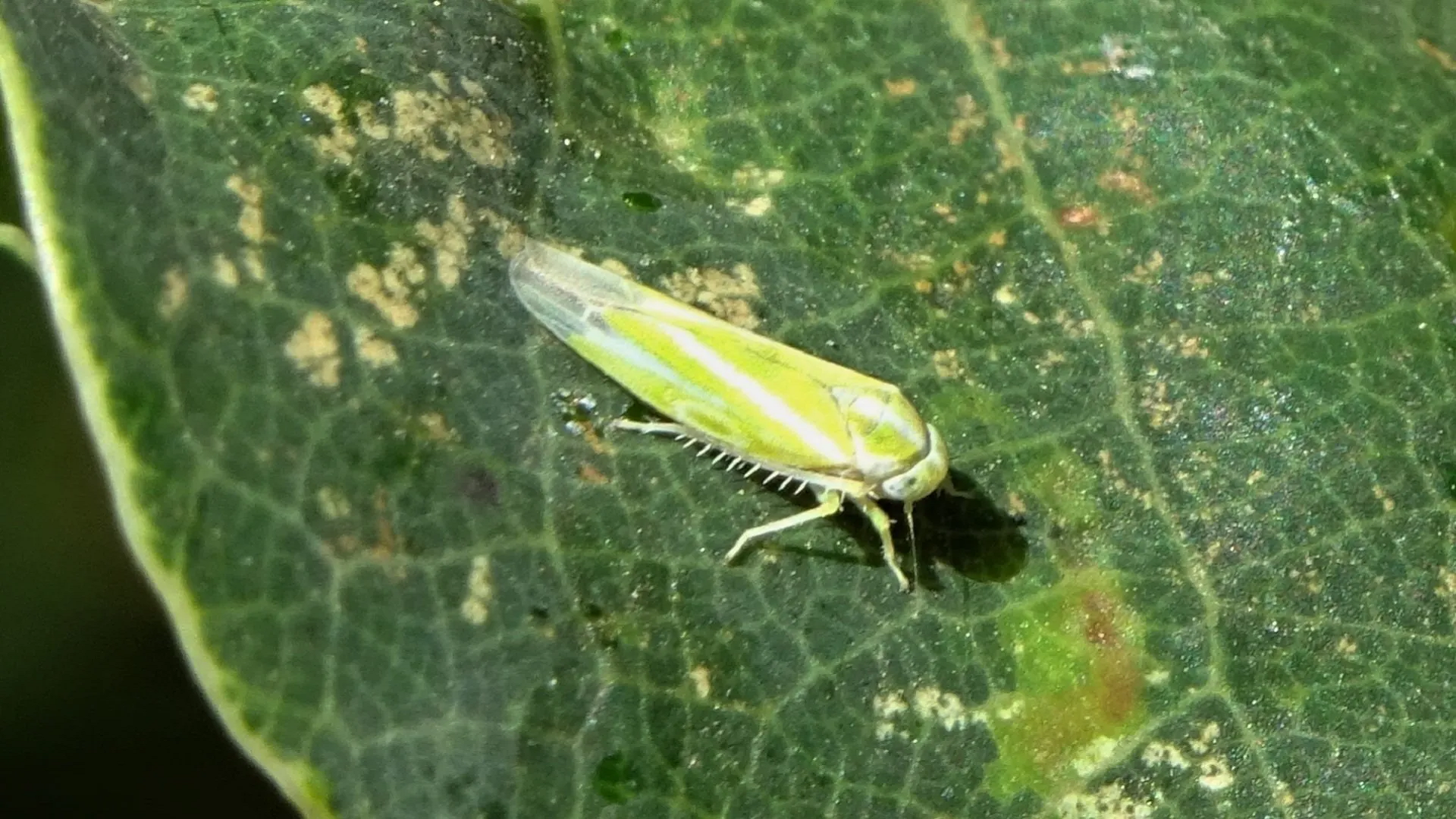
Attractive yellow and white Leafhopper (3-4mm) found on oak trees and brambles from August to November.
#
Bramble Sawfly
Arge cyanocrocea

This sawfly is usually observed from May to July. It has an orange body, black head and thorax, and measures approximately 8mm in length. There is a dark band across the wings, and the legs typically have black rings. Adults are attracted to umbellifers for nectar and pollen, while bramble serves as the larval food plant.
#
Large Rose Sawfly
Arge pagana

This is a late instar of the Large Rose Sawfly. The female adult makes a cut and deposits eggs in the fresh shoot of a host plant. When the eggs hatch the larvae move together to freshly emerged leaves. Older instars are more solitary creatures and move on to eat older leaves as well. Larvae of this species have pale hairs on the head.
#
Black-tailed Skimmer
Orthetrum cancellatum
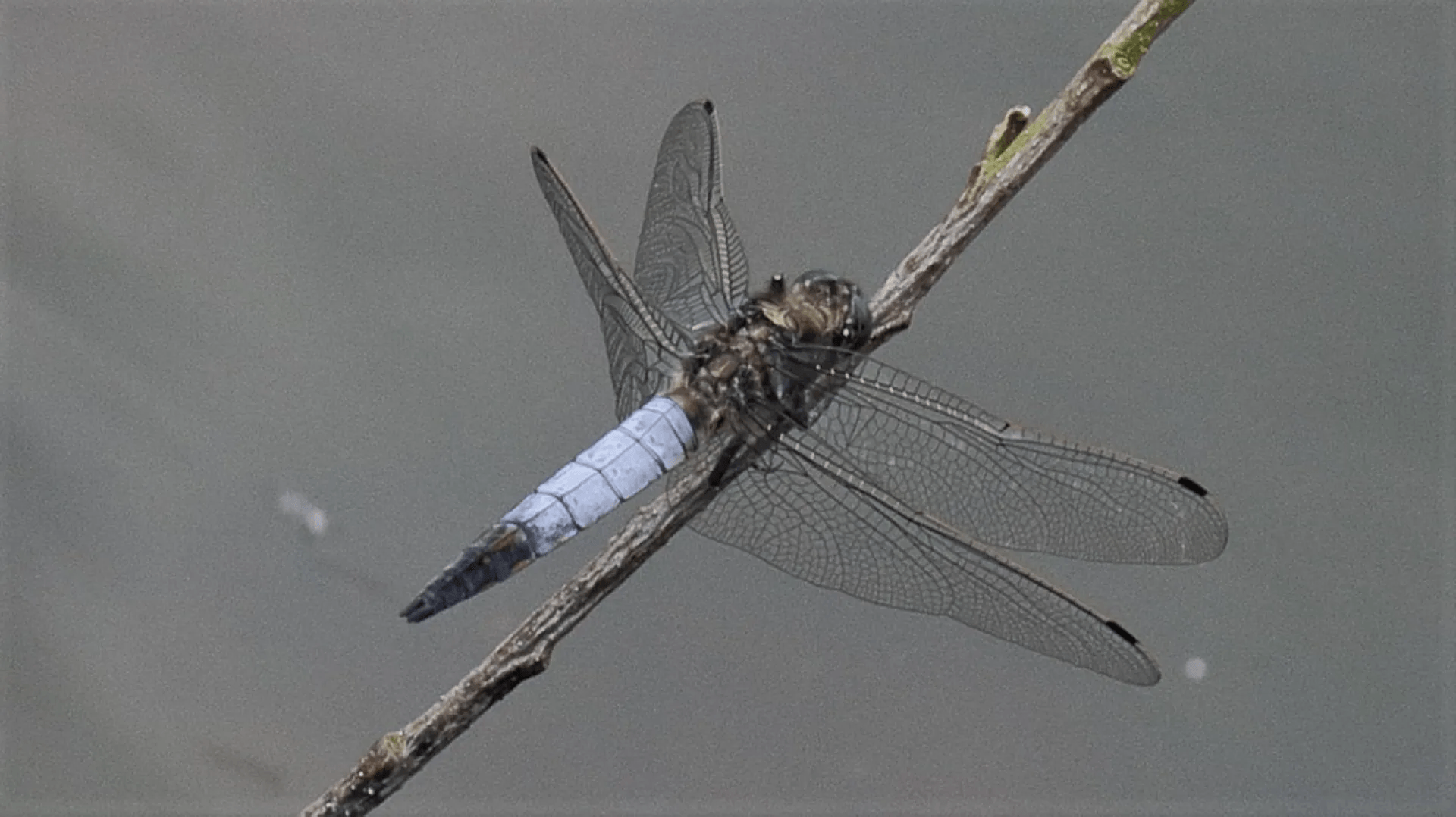
Active from May to August, females have a yellowish colour with two black stripes along their bodies. Mature males appear blue, while immature males are yellow, which requires caution when identifying the sexes. The larvae spend 2 to 3 years underwater before emerging. This dragonfly is commonly found at Hainault Lake.
#
Caddis Fly
Eggs
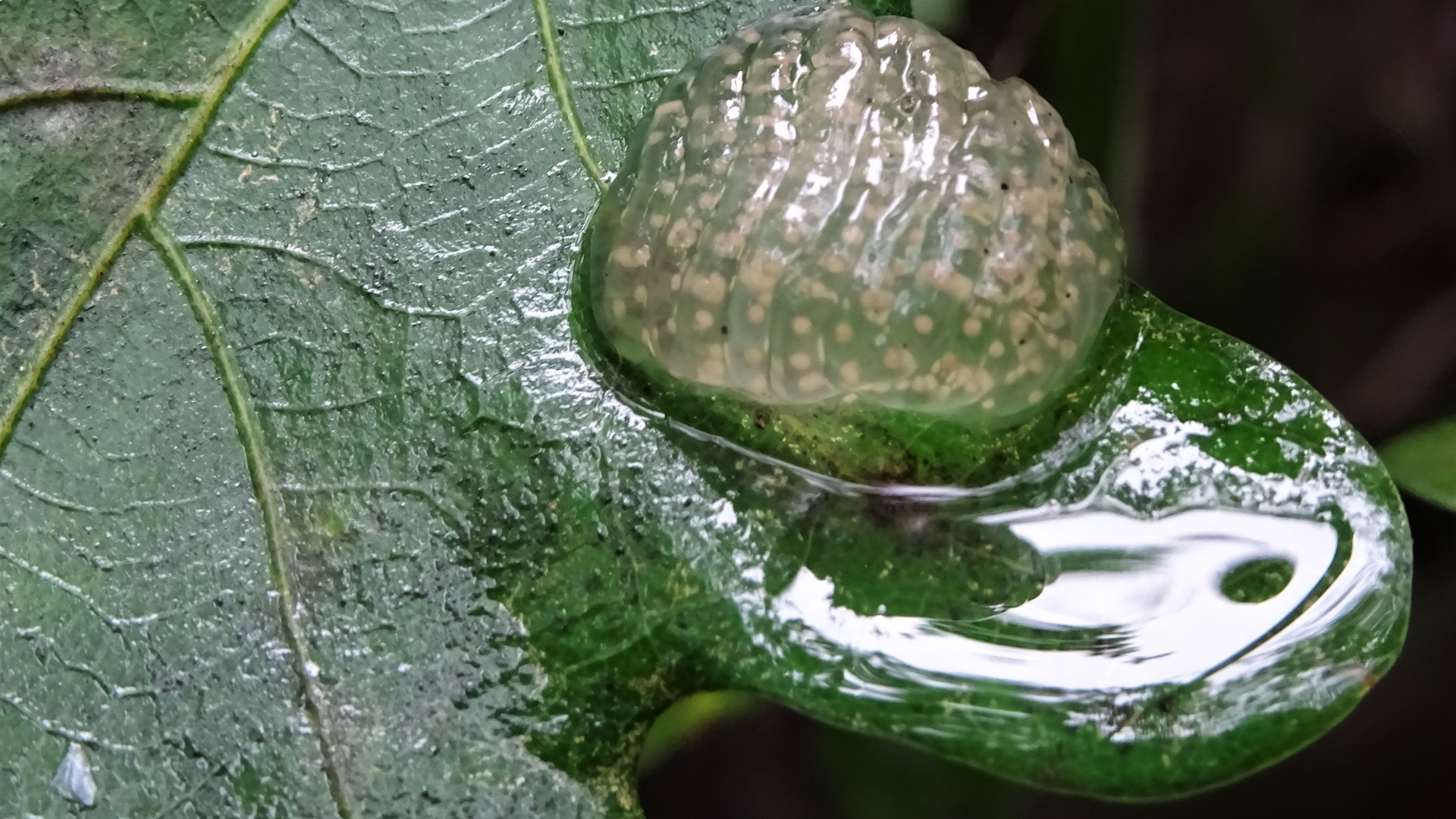
These jelly-like blobs laid on vegetation overhanging Seven Kings Water are Caddisfly eggs. They are positioned so that hatched larvae can drop into water where the larval and pupal stages take place.
#
Buff Slugkiller
Tetanocera elata
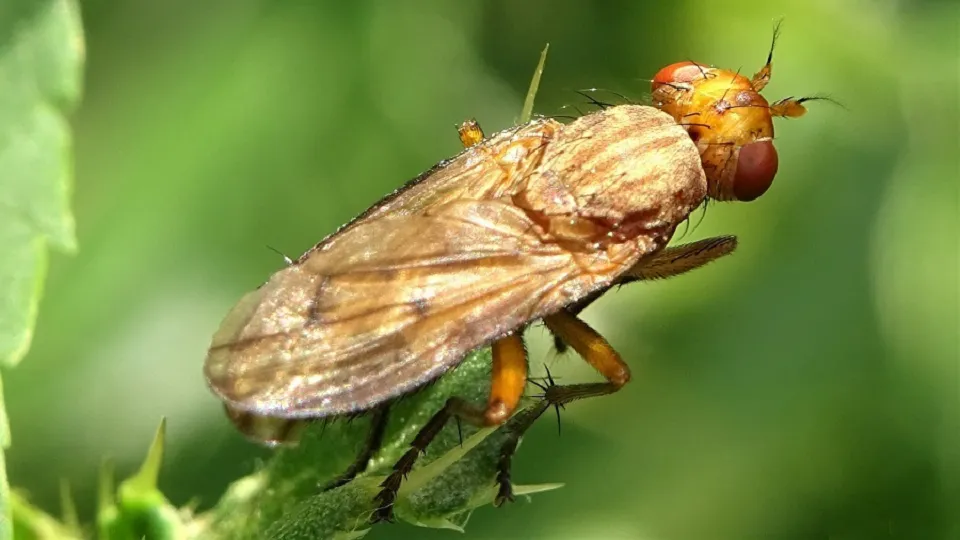
The larvae of this fly are parasites of slugs, ultimately leading to the death of their host. They serve a role in pest control. This information has been verified by Del Smith, a recorder for the Essex Field Club.
#
Common Snout Fly
Rhingia campestris
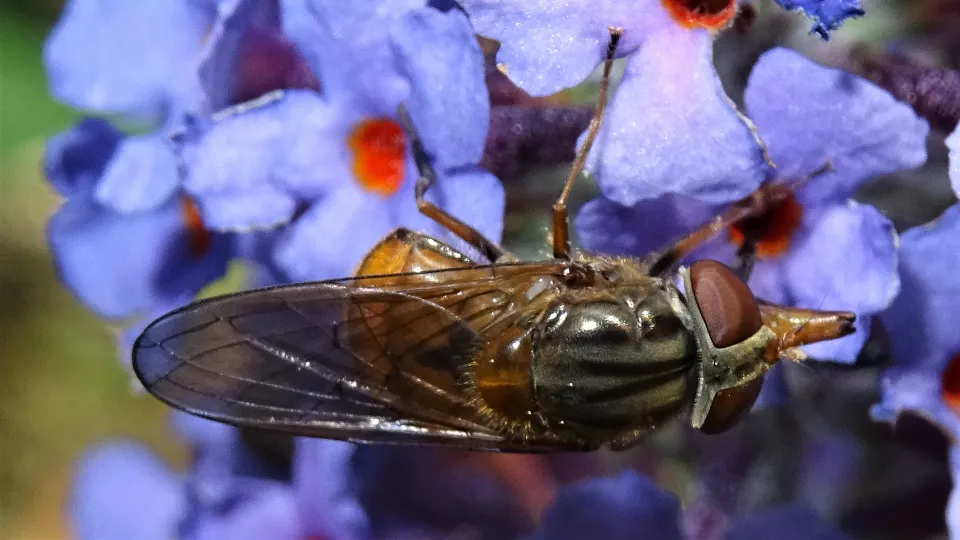
This hoverfly has an orange abdomen, dark thorax, and a black line along the edge of the tergites and always has at least one black ring on the rear leg.
#
Muscid Fly
Graphomya maculata
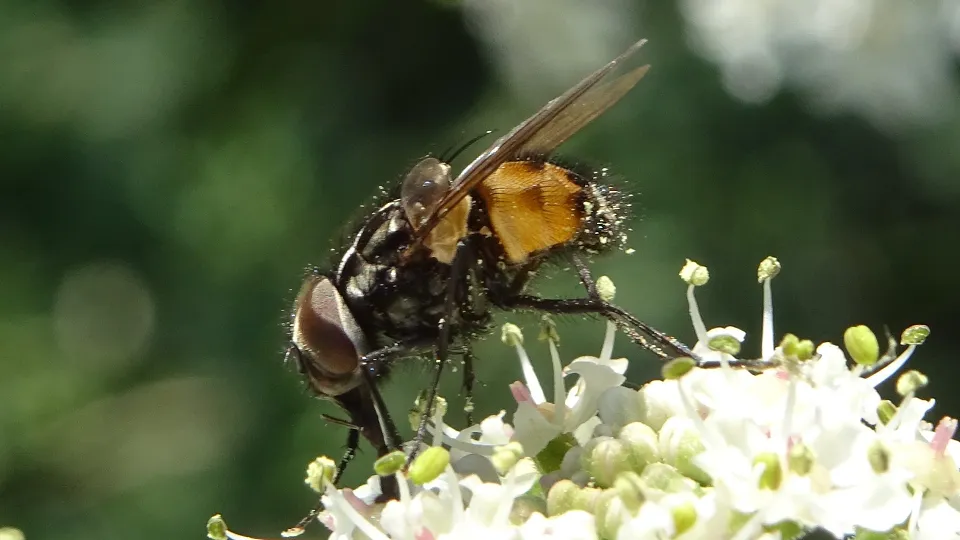
The male of this common muscid fly exhibits an orangey-brown pattern on the abdomen, while females display a black and grey-white abdomen. Both sexes have distinctive stripes on the thorax. This species belongs to the housefly family (Muscidae). They are found visiting umbellifers and other flowers in meadows and hedgerows from May to October. The predatory larvae are located in muddy areas and moist leaf litter. Verified by Essex Field Club recorder, Del Smith.
#
Tachinid Fly
Tachina fera
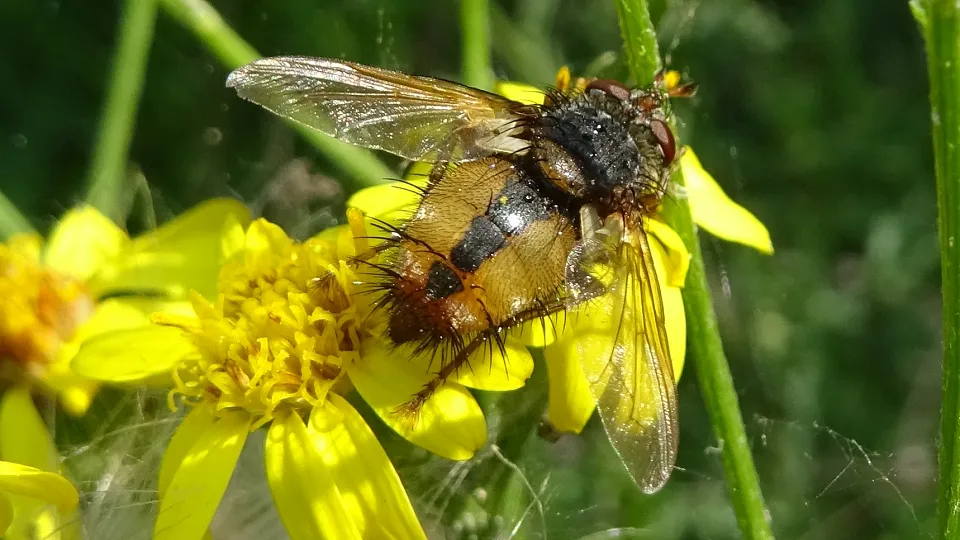
This species is present from May to September. It can grow up to 16mm long and is normally found in damp and well-vegetated areas where it feeds on plants such as ragwort and creeping thistle. The orange abdomen has a prominent black stripe down the centre. It can be confused with this fly is
Nowickia ferox, which has dark brown or black antennae and tibia instead of yellow ones. Verified by Essex Field Club recorder, Del Smith.
#
Cluster Fly
Pollenia
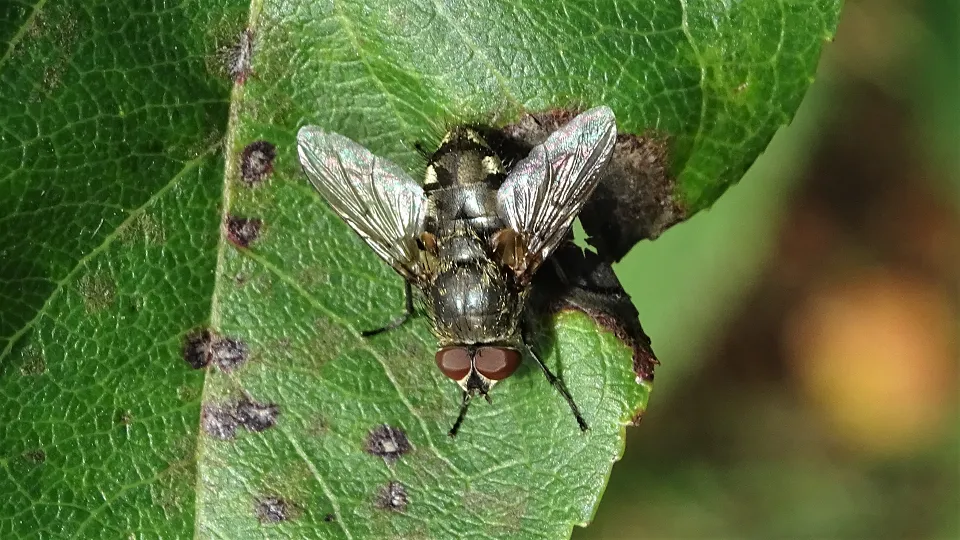
These pose no threat to human health because they are strictly parasitic on earthworms. Females lay eggs near worm burrows where the larvae hatch out to feed on worms. Genus Pollenia contains 8 British species of cluster fly. They are very distinctive in having long wavy underlying golden hair. The individual species can't reliably be identified from a photo and need careful scrutiny of several characters. During cold weather they sometimes seek refuge in houses and then emerge on warm days forming clusters at windows when trying to escape, hence their common name.
#
Red-sided Parasite Fly
Eriothrix rufomaculata
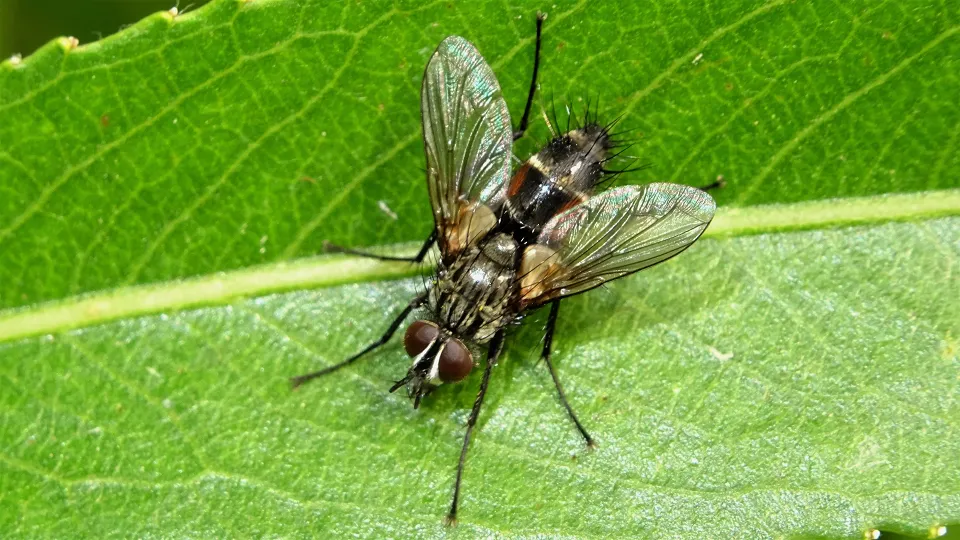
This bristly tachinid fly is known to visit flowers in summer and autumn, particularly umbellifers like hogweed and wild carrot. It has reddish-coloured sides with a black dorsal line in between. The larvae are parasitic and develop inside moth caterpillars. Identification confirmed by Del Smith, Essex Field Club recorder.
#
Picture-winged Fly
Campiglossa malaris
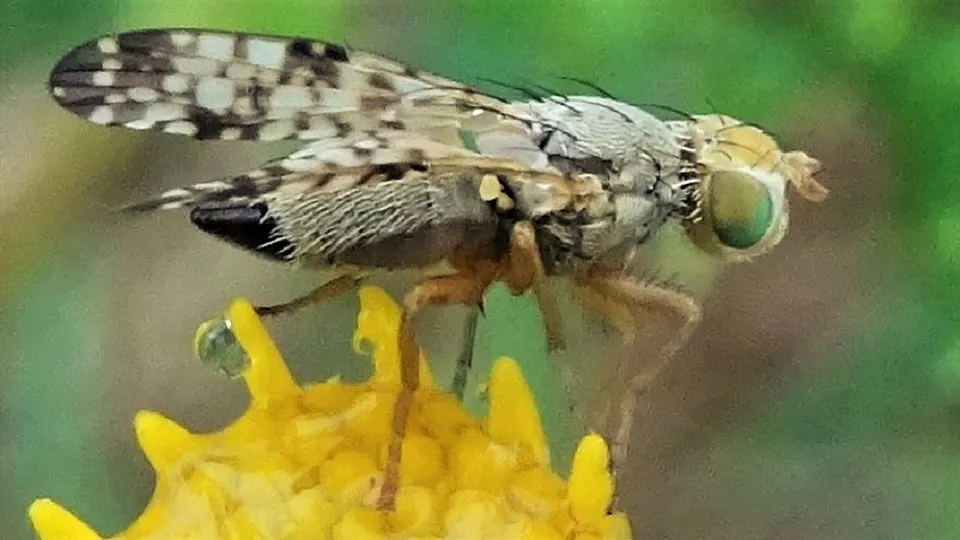
This is a fruit fly in the family Tephritidae which contains over 190 known species. Thank you to Essex Field Club recorder Del Smith and expert Laurence Clemons for identifying this fly. Both agreed this is probably Campiglossa malaris because it's larval foodplant is ragwort (Senecio) and is the plant this fly is resting on.
#
Stripe-legged Robber Fly
Dioctria baumhaueri
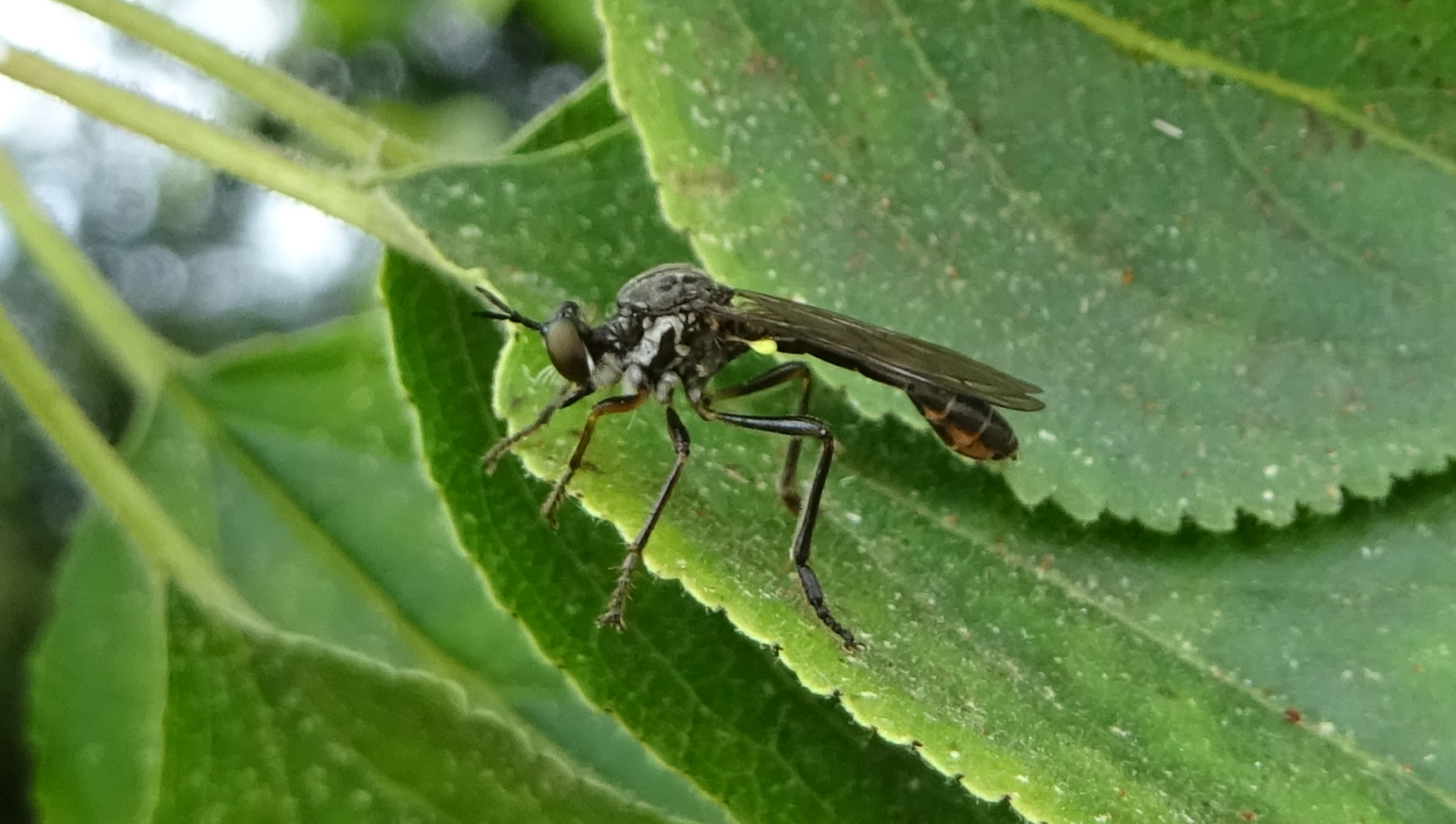
Robber flies, also known as assassin flies, prey on other insects. Their common name reflects their predatory behaviour. They capture prey while in flight. This blackish fly can grow up to 13mm in length. They are typically found in grassland habitats and on hedgerows during the summer and autumn seasons. The species was identified by Del Smith, a recorder for the Essex Field Club.
#
Cranefly
Tipula lateralis
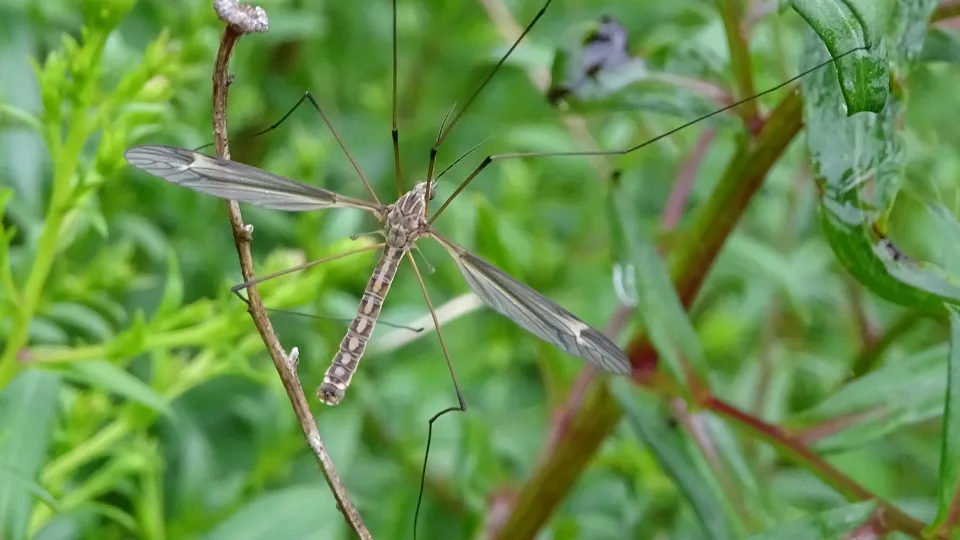
Usually found flying from March to October near water. The larvae are semi-aquatic and feed on decaying plants at the bottom of lakes, ponds and streams. Adults measure up to 20mm in length and have a light line running down the back of the abdomen, untypical of most other British species that normally have a dark line. A second characteristic is a black line starting just behind the eyes and running over the thorax. There are also distinctive dark veins on the wings. This is the only common species with all these combined features. Verified by Essex Field Club recorder, Del Smith.
#
Kidney-spot Ladybird
Chilocorus renipustulatus
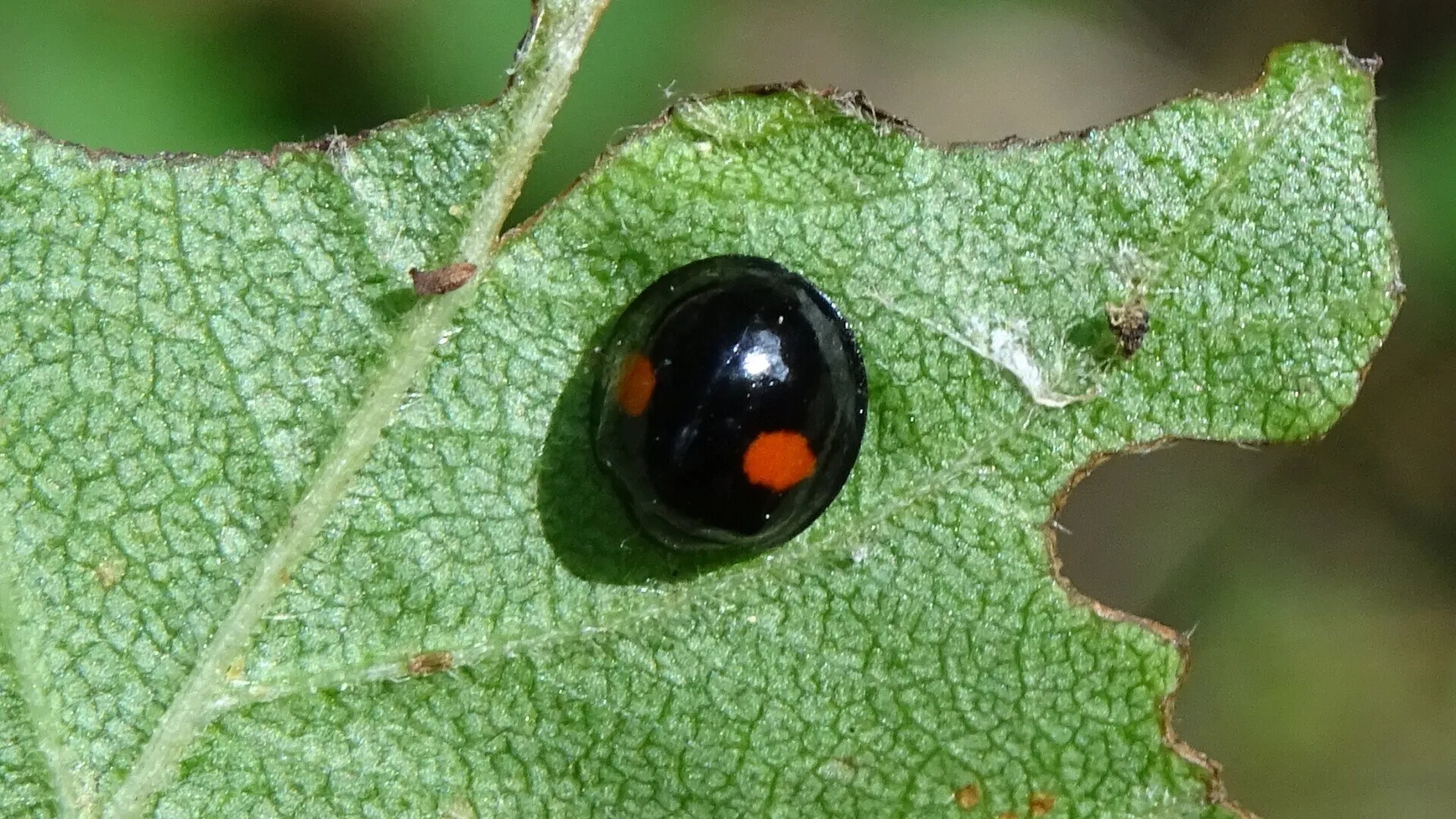
Rounded ladybird that measures about 5mm in size. Its black body features a rim around the base that resembles a bowler hat. Each wing case has a prominent red spot, and the legs are black. This species is typically found in well-wooded areas from April to October, where it feeds on scale insects located on tree bark.
#
Harlequin Ladybird
Harmonia axyridis
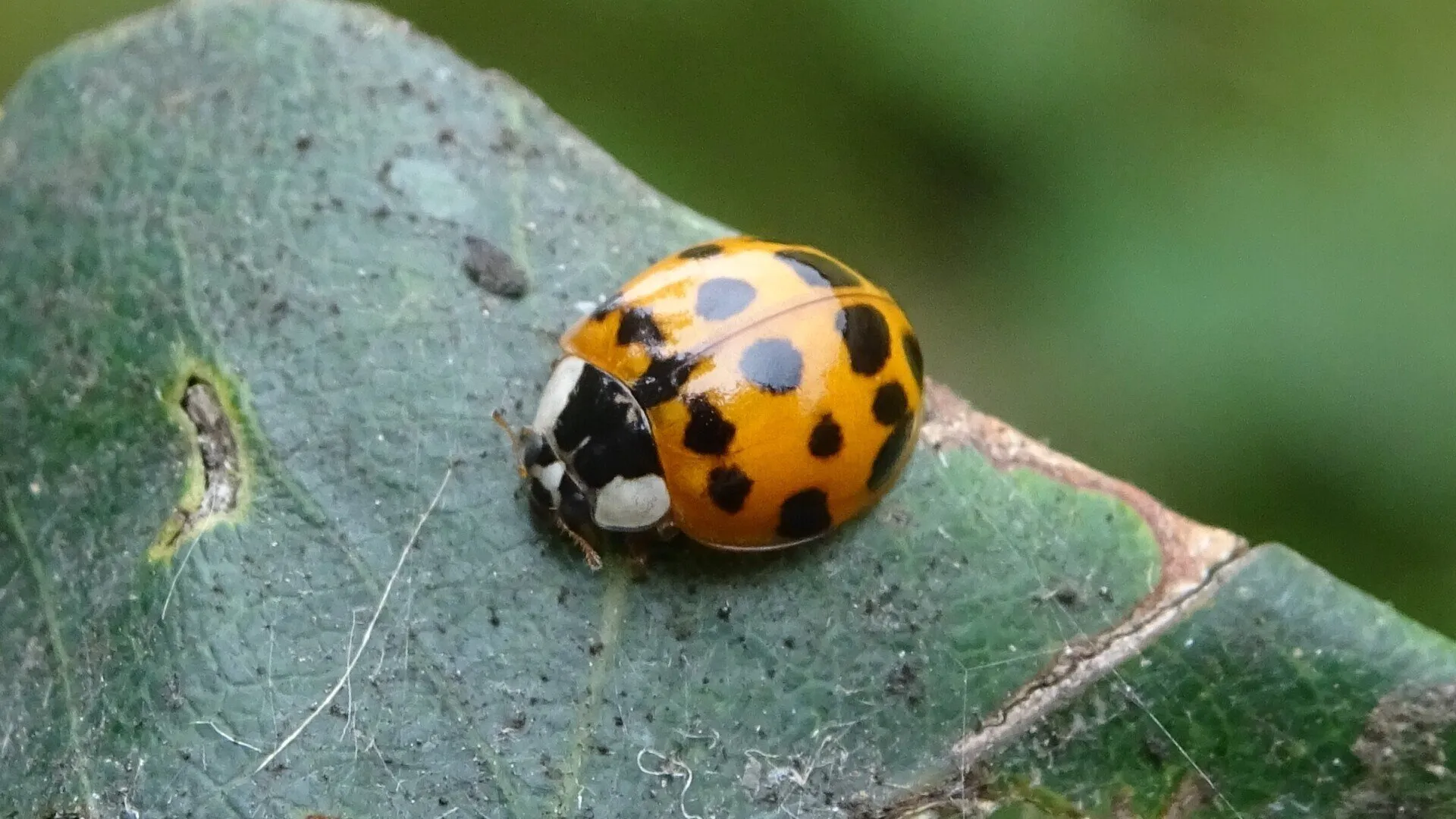
A species that has various pattern forms was first identified in Britain in 2004. It is considered invasive and is originally from Asia. It is often found on oak trees as well as several other types of trees and shrubs.
#
Sexton Beetle
Nicrophorus vespilloide
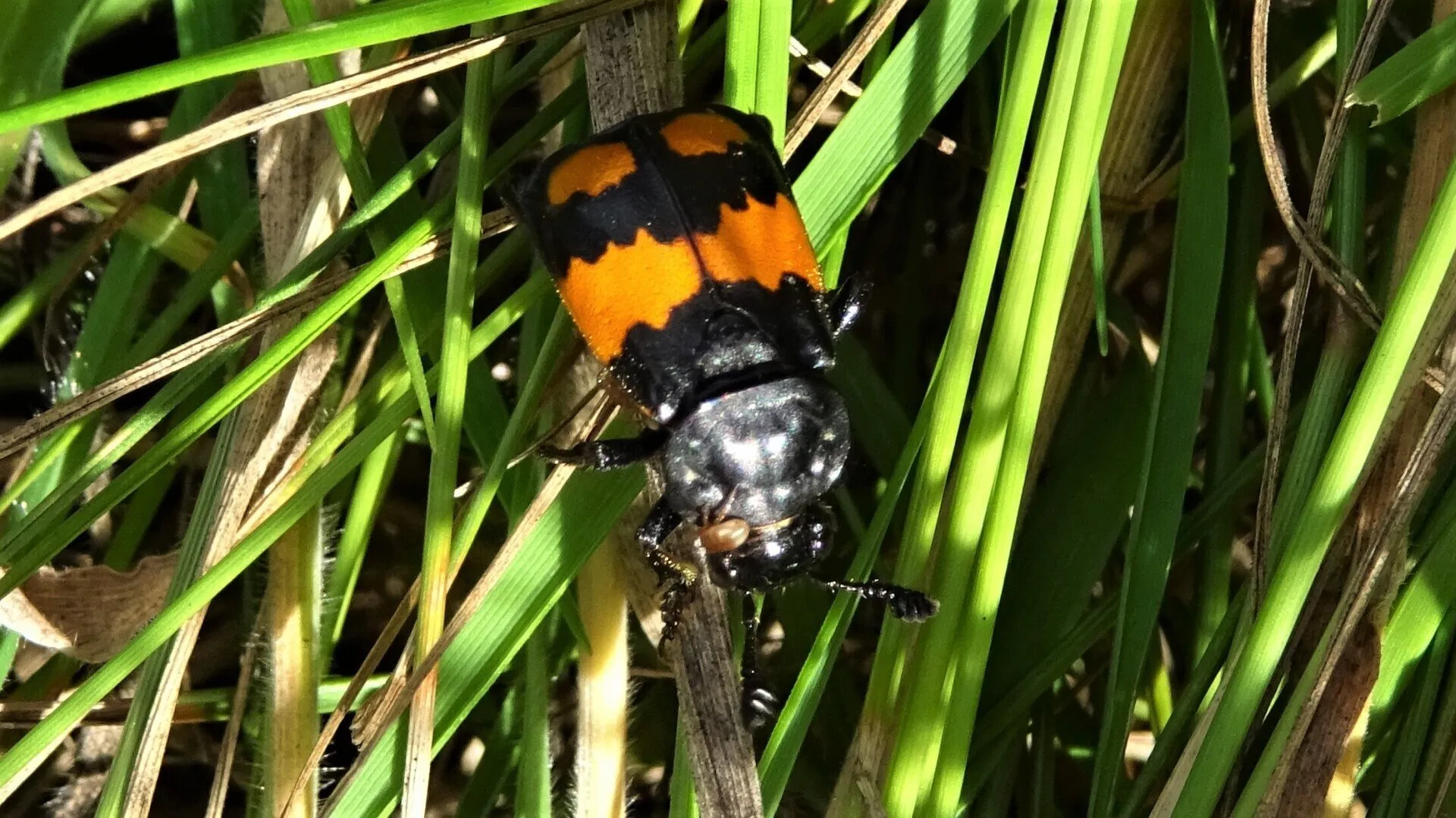
The Sexton Beetle buries carrion that serves as a food source for its larvae. Mites are transported on the beetle's body from place to place. They eliminate maggots and other competitors, allowing the carcasses to remain available for the beetle's larvae to consume. Sextons are responsible for maintaining churches and churchyards, and their tasks include gravedigging, which is the origin of the beetle's name. The adult size is approximately 12mm.
#
Devil's Coach-horse
Ocypus olens
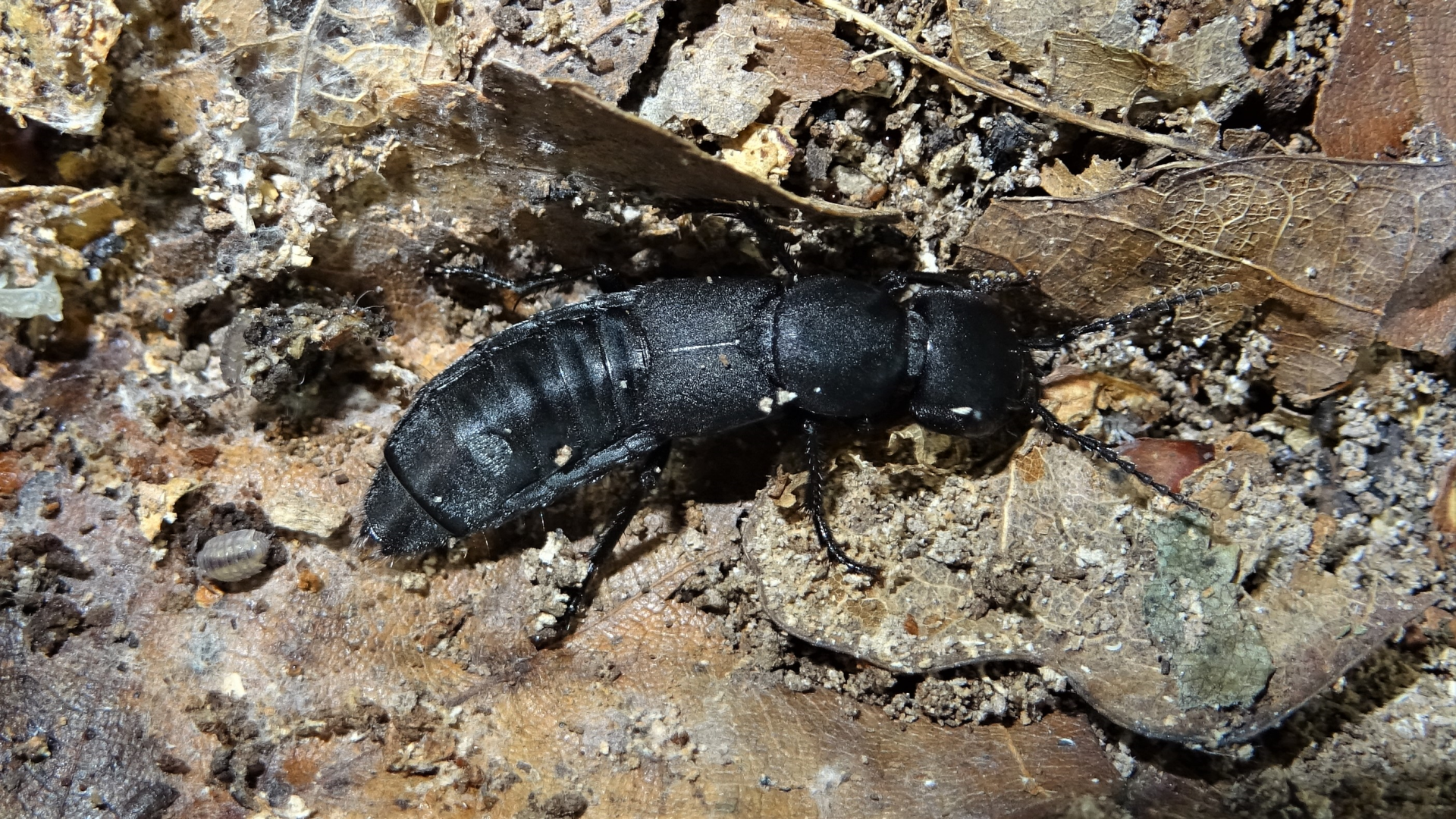
This is a nocturnal predator that primarily hunts invertebrates and has a strong bite. When threatened, its abdomen curls up resembling a scorpion's tail. Upon handling, it may release a foul-smelling substance from the abdomen. While capable of flight, it prefers to run, which it does effectively. During the day, it often seeks shelter under logs, stones, and in compost heaps. It can grow up to 30mm in length and is typically visible from mid-spring to late autumn. Females deposit their eggs in the soil, and the larvae hatch and overwinter as pupae, emerging as adults in the following spring.
#
Common Wasp
Vespula vulgaris
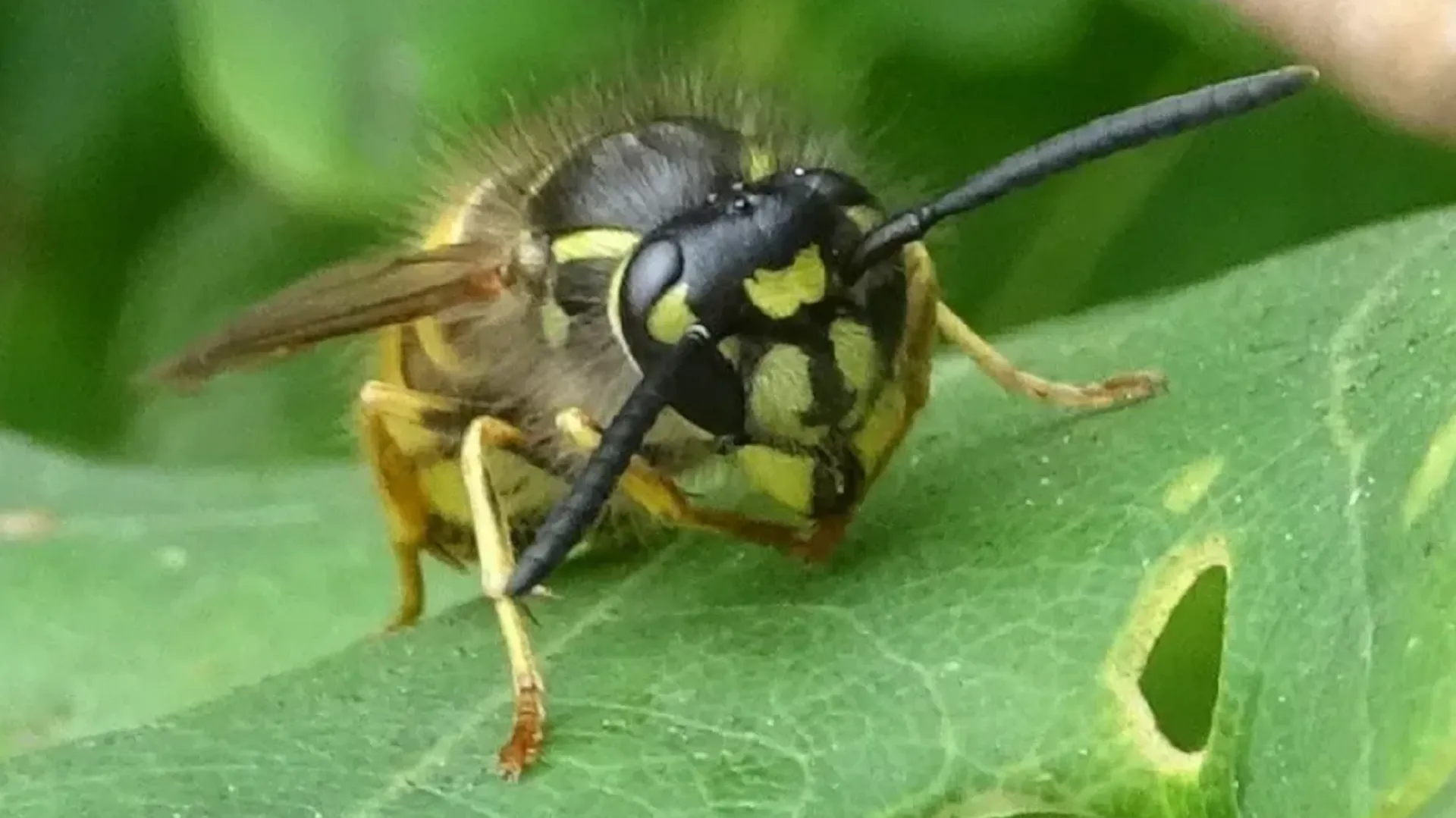
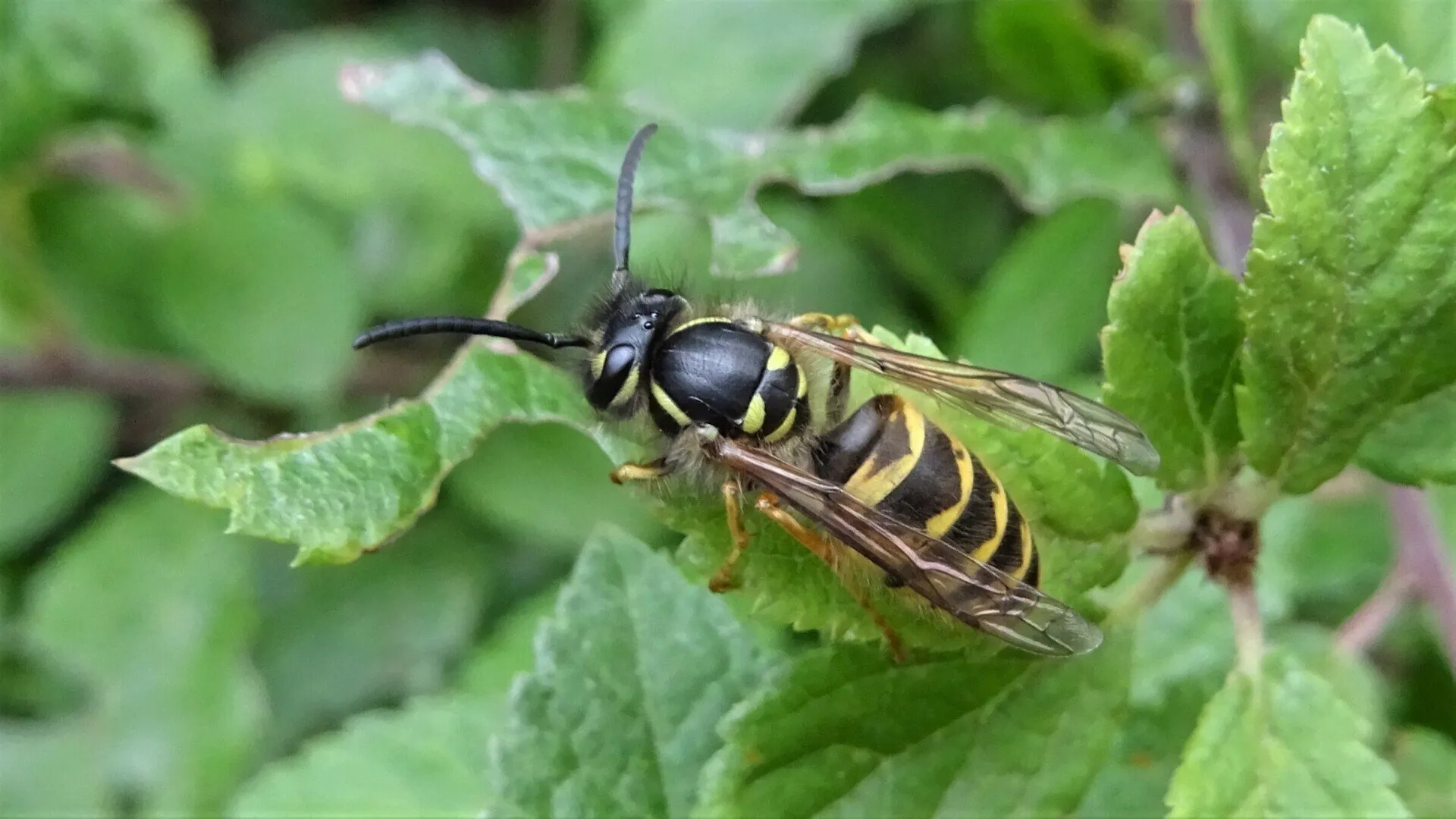
The Common Wasp can be identified by its anchor-shaped face marking, which sets it apart from other social wasps. This species is active from April to October and plays a beneficial role as a predator; their presence helps control caterpillars and other larvae that could otherwise harm vegetable crops. As such, they merit similar respect to that given to bees. Wasps play a significant role in pollination by transferring pollen between plants. Their mouthparts are capable of penetrating tough fruit skins, which benefits other insect pollinators with weaker jaws by allowing them access to juices that would otherwise be inaccessible. Only females are capable of stinging, and this behaviour is more common in the afternoon after they have consumed fermented fruit. They typically measure around 20mm in length.
#
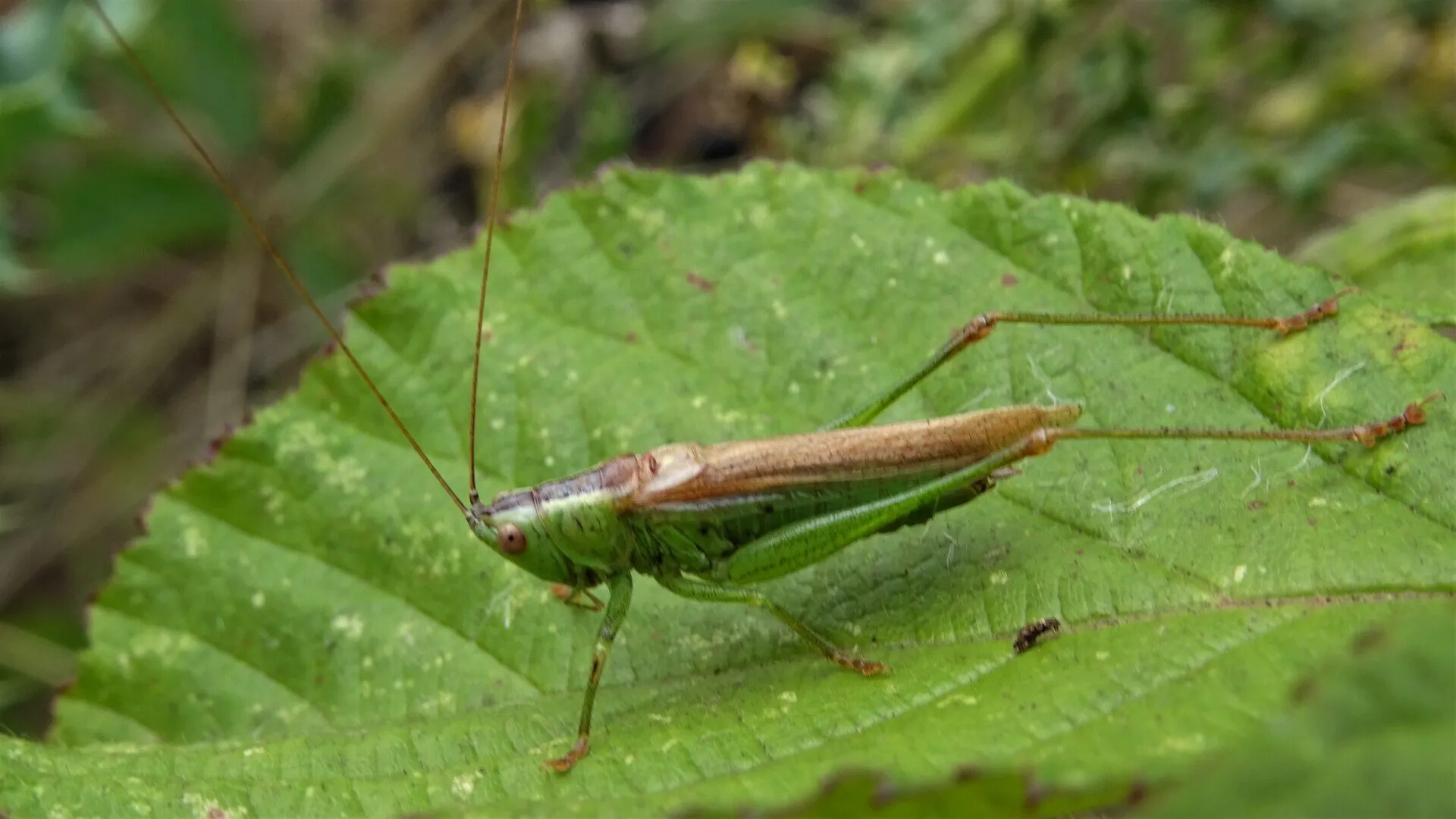
Long-winged Conehead
Conocephalus fuscus
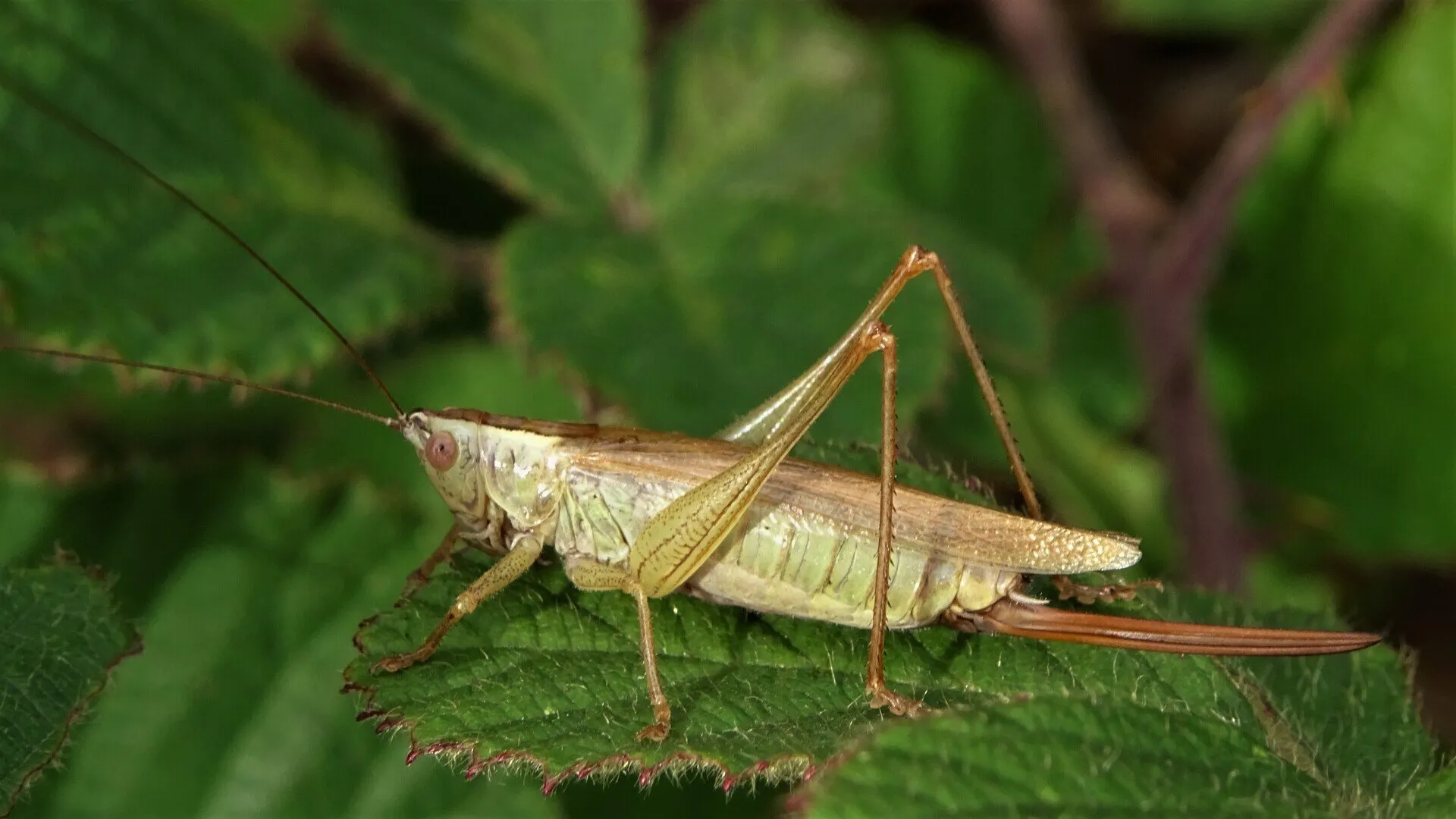
The Long-winged Conehead primarily feeds on grass and occasionally on small invertebrates. Its name comes from the distinctive angled shape of its head. The female possesses a large ovipositor at the rear which is used for laying eggs.
#
© hainaultforest.net. All rights reserved.
This website uses necessary cookies. It does not use targeting or advertising cookies.