

THIRD QUARTER 2018
Yellow Shield
Pluteus chrysophaeus
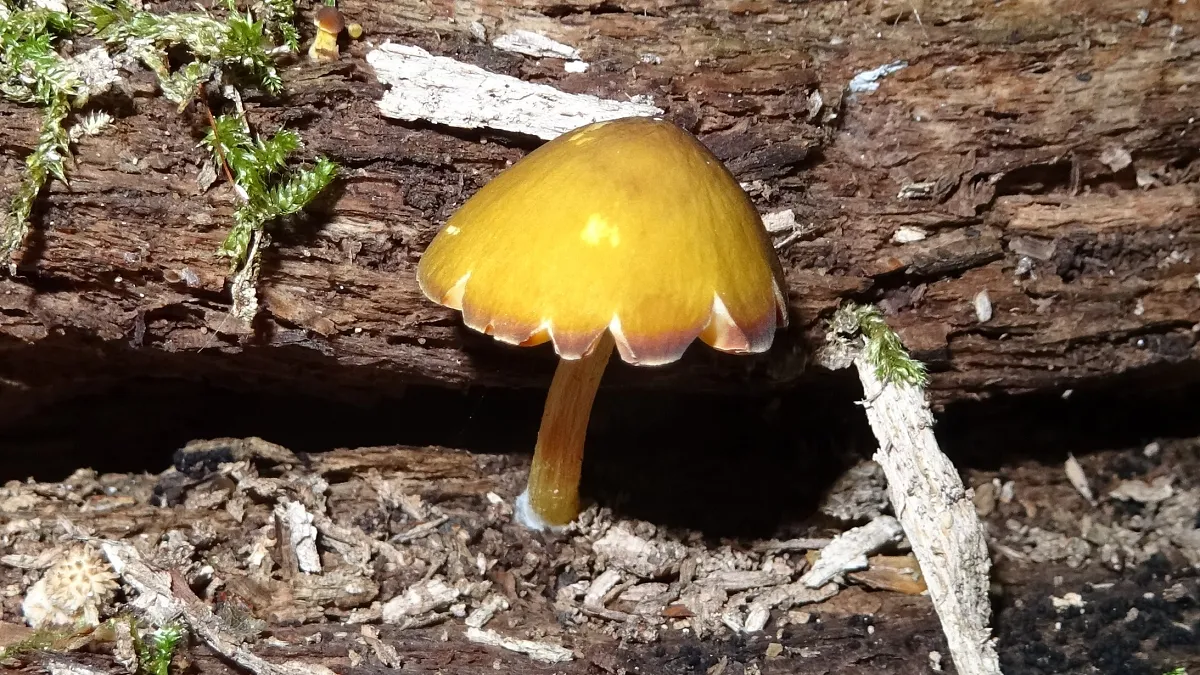
This fungus is found in woodland on deciduous deadwood during late summer and autumn. The yellow cap, 20-30mm diameter, is initially bell-shaped, then flattens, often with a slight umbo. The white or yellow stipe is 20-50mm long, 1-3mm thick, tapers slightly towards the cap. The spores are pink.
#
Honey Fungus
Armillaria mellea
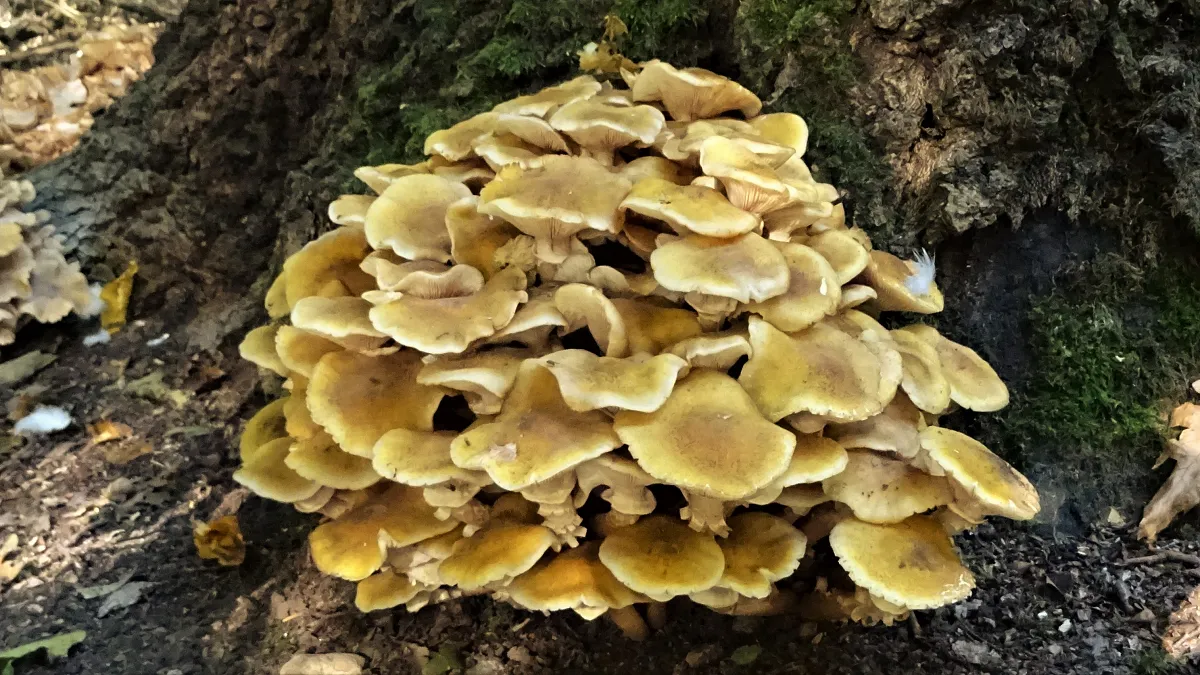
Honey Fungus is found on deciduous trees during late summer and autumn. The cap, 50-150mm across, varies from honey yellow to reddish-brown. Initially, convex, then flattening and developing wavy, striated edges. The middle area is darker, flesh is white and firm. Young specimens often have fine scales on the cap. The white stipe turns yellowish-brown and is 60-150mm tall and 5-15mm thick. It has a fine woolly surface. Gills are weakly decurrent or adnate, crowded and flesh coloured.
#
Beefsteak Fungus
Fistulina hepatica
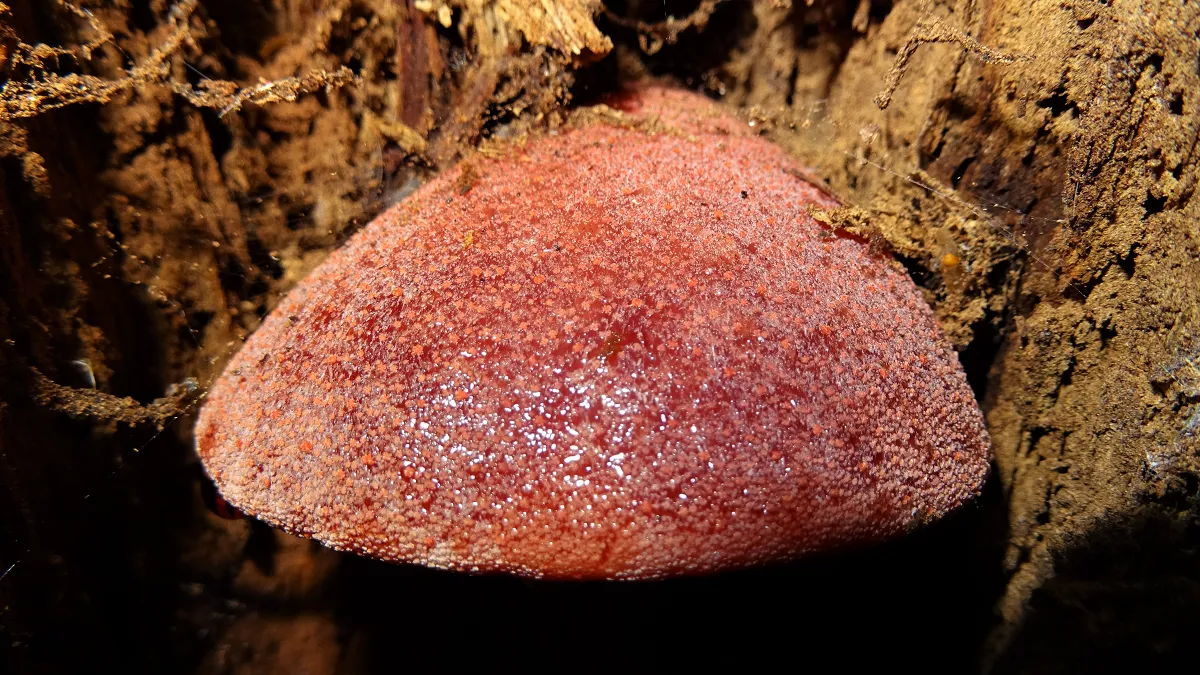
This fungus gained its name because when young it looks similar to raw meat and bleeds when cut. It usually occurs low down on the trunks of oak trees and sweet chestnut from July to October.
#
Oyster Mushrooms
Pleurotus ostreatus
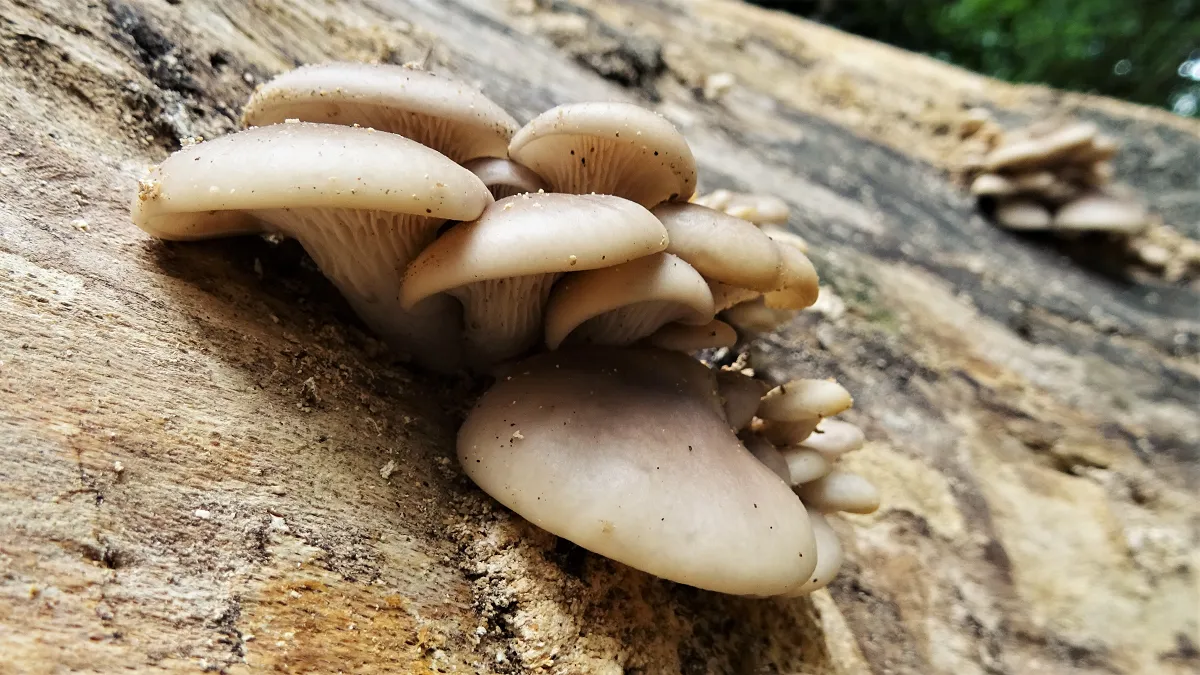
These shell-shaped mushrooms with little or no stems. The cap flattens with age often becoming split or wavy at the edge. The caps appear in various shades of grey or brown, sometimes very pale, sometimes dark. They measure up to 150mm across. They grow in groups on fallen trunks and stumps of deciduous trees.
#
Silky Rosegill
Volvariella bombycina
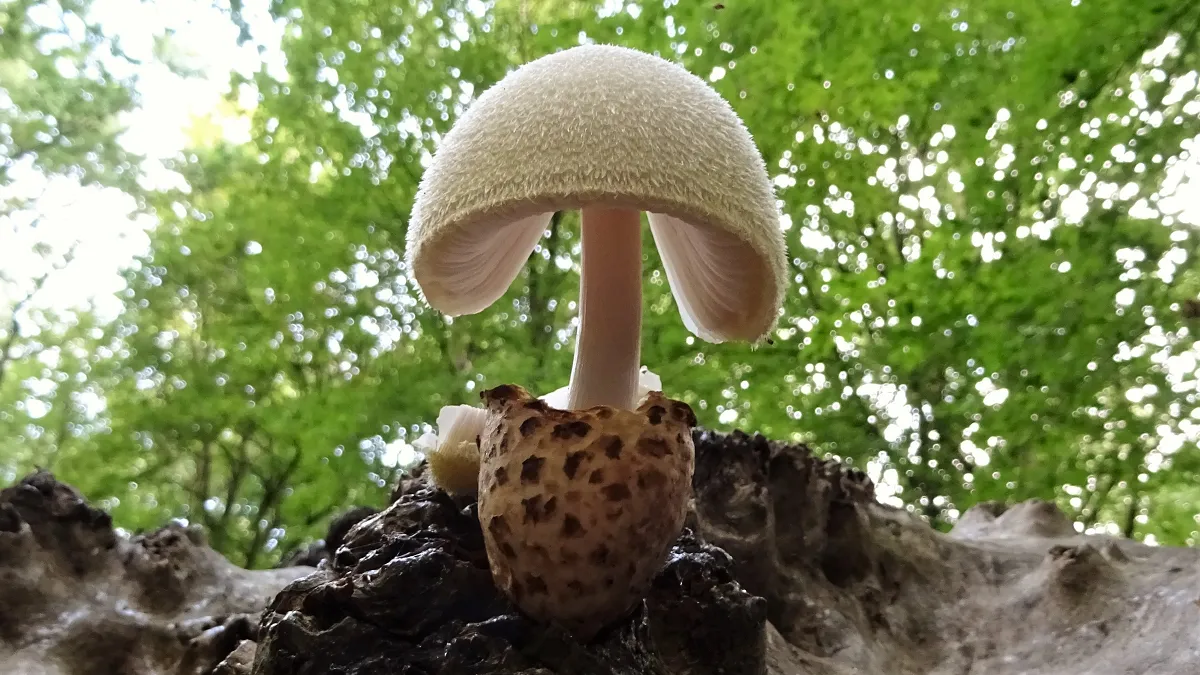
A saprobic fungus found on dead deciduous trunks and large branches during summer and autumn. It is not usually near the ground. The creamy white cap, initially egg-shaped, later becomes bell-shaped measuring 50-200mm diameter. The stipe is between 70-150mm long and 10-20mm thick. There is a persistant volva at base. There is no ring. The crowded and free gills are white, becoming pink. The spores are pink.
#
Black Nightshade
Solanum nigrum

This is a poisonous member of the Solonacea family that includes bittersweet, deadly nightshade, potatoes and tomatoes. The leaves, 50-70mm, are oval to heart shaped with slightly serrated edges. Black berries develop after the flowers.
#
Skullcap
Scutellaria galericulata

Skullcap is a perennial that flowers in damp habitats from June to September. It has bluish-violet flowers, a square stem and opposite pairs of round-toothed oval leaves.
#
Gipsywort
Lycopus europaeus

This plant is a perennial with a preference for wet habitats. It features small white flowers that grow in dense whorls at the base of the uppermost leaves. This species can be observed from July to September.
#
Greater Burdock
Arctium lappa

Greater Burdock thrives in scrub and woodland areas. The flower-heads bloom from July to September, after which brown seed heads develop that can cling to fur and clothing, aiding in the plant's seed dispersal.
#
Agrimony
Agrimonia eupatoria
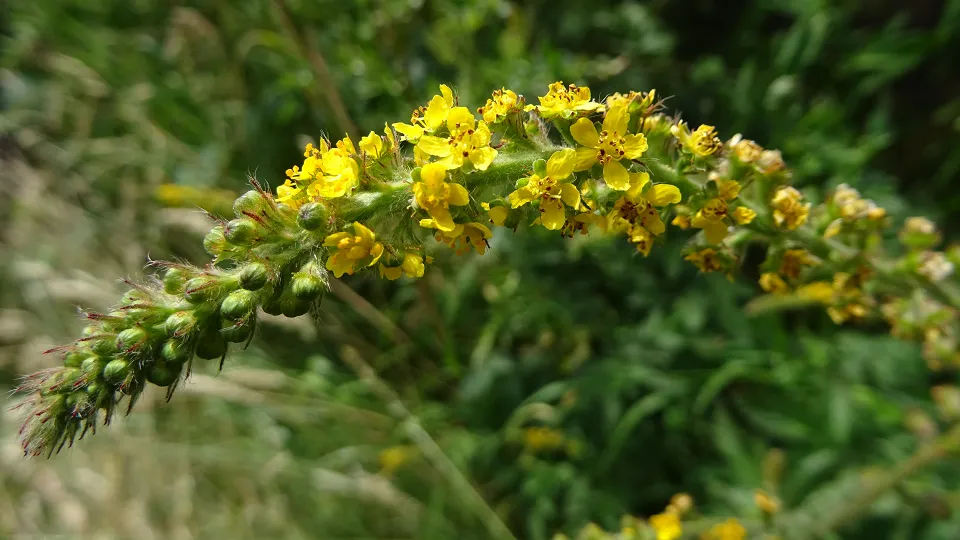
This perennial can reach heights of up to 60 cm. The flowers measure 5-8 mm across, and the stem has a hairy texture. Yellow star-like flowers appear in spikes from June to August. Burred seed heads form, which attach to animals or humans for seed dispersal. The plant contains a high level of tannin and can produce a yellow dye suitable for staining textiles. It is also referred to as "Lemonade" or "Bunch-flower."
#
Redshank
Persicaria maculosa
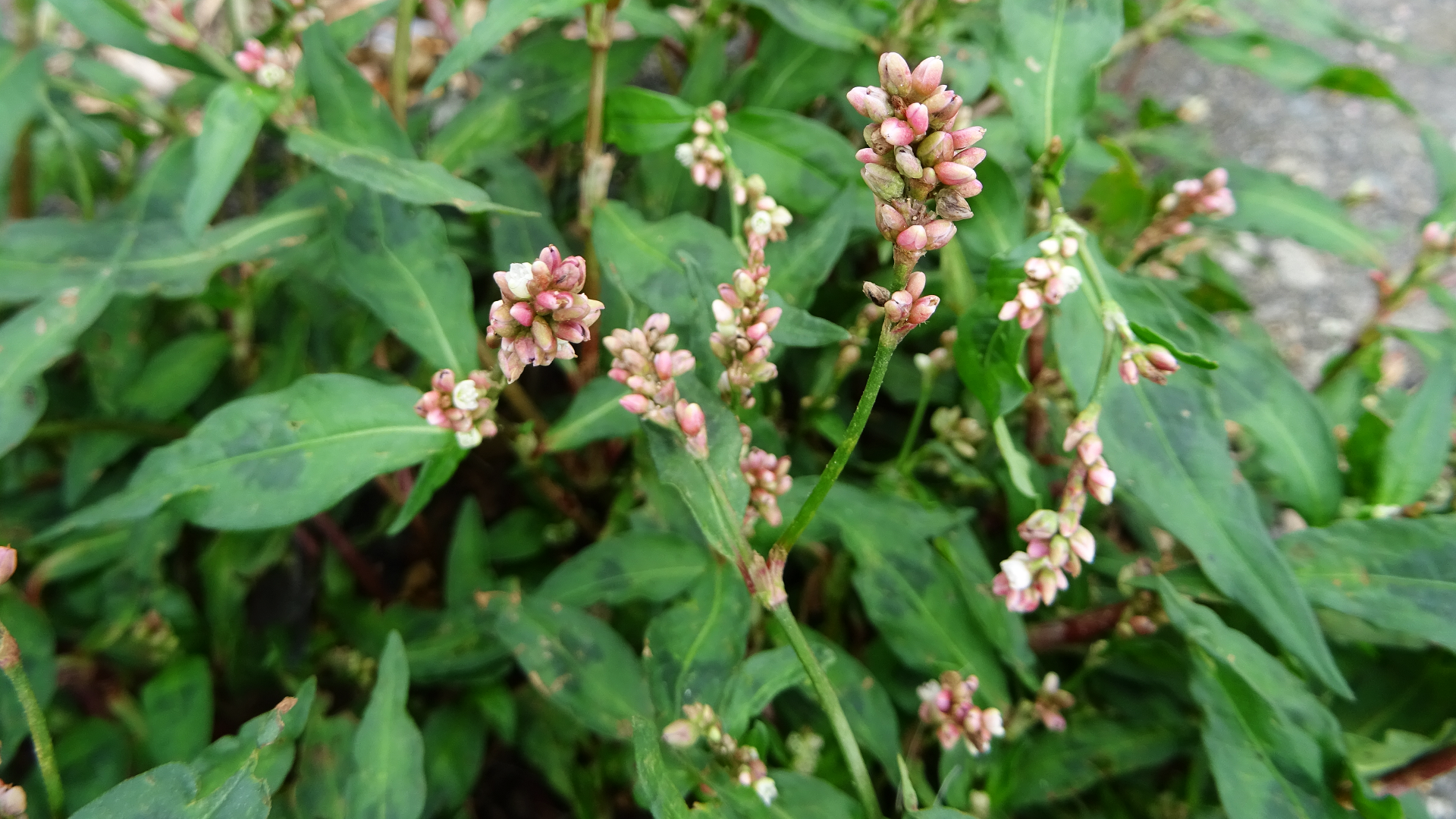
A short, occasionally tall, sprawling annual with reddish, well-branched stems. Its narrow leaves normally show a dark mark in the centre. The pink flowers are tightly grouped in short, stout spikes from June to October. This plant is sometimes seen on waste ground beside woodland paths.
#
Common Knotgrass
Polygonum aviculare
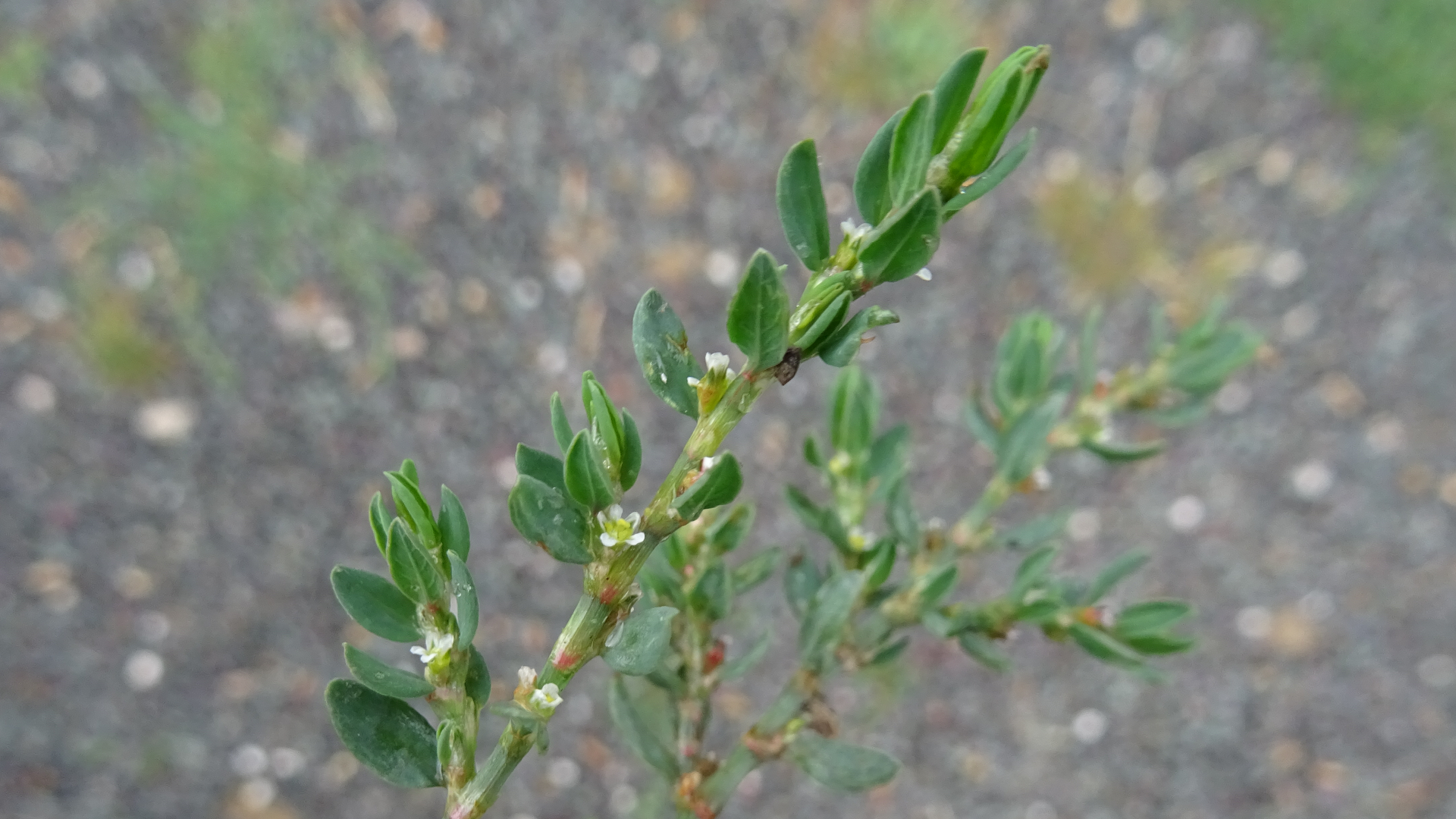
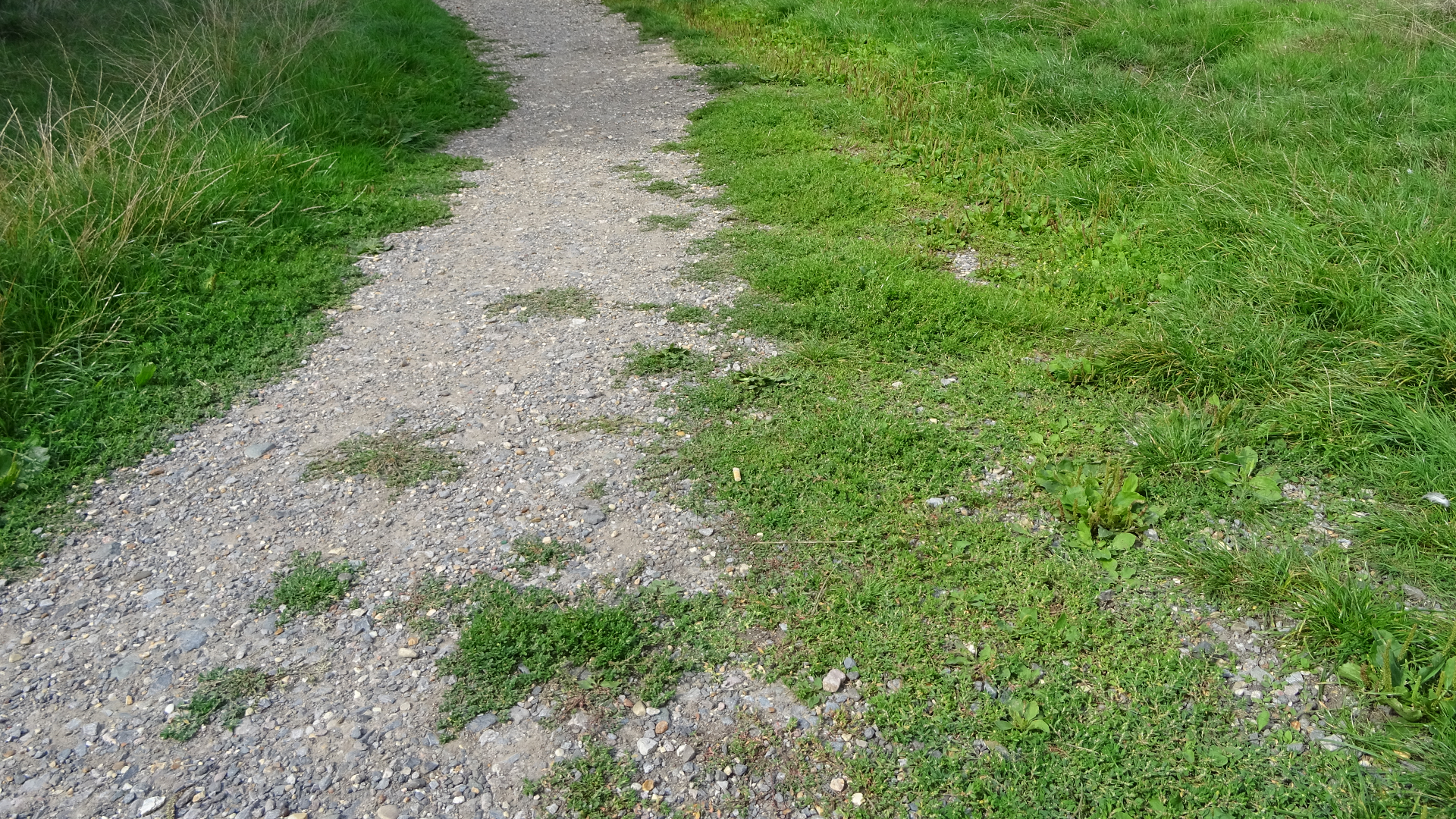
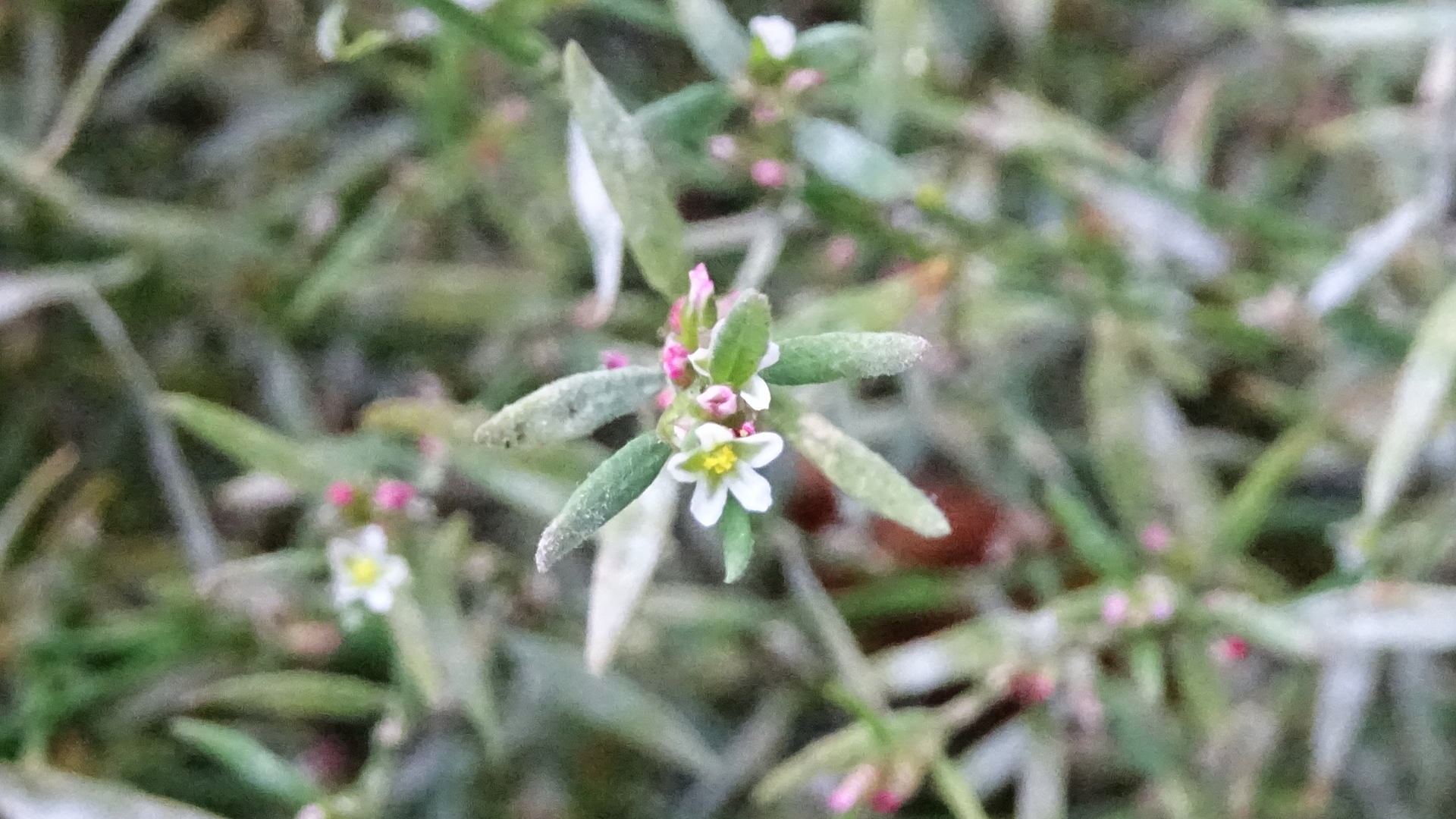
Often seen on the path at the back of Hainault Lake but may disappear when the path is improved as part of the Hainault Forest restoration project. It is a short to medium, stiff-stemmed annual with leaves growing on flowering stems with leaf-joints surrounded by a silvery sheath. The white or pale-pink flowers appear in clusters of 1-6 from June to November. Also known as Prostrate Knotgrass.
#
Leaf Gall
Iteomyia major
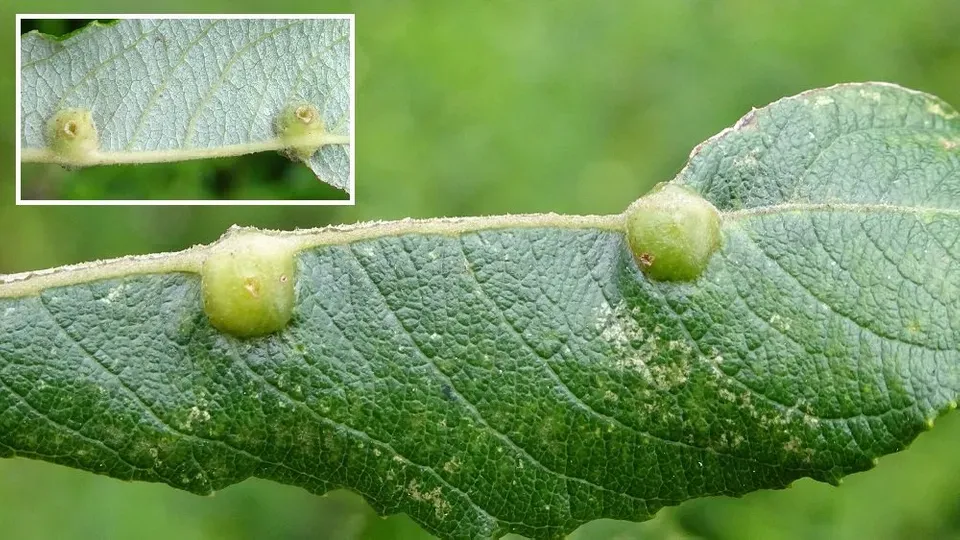
Leaf galls on sallow and willow are caused by the midge
Iteomyia major. They can be found on both the upper and lower surfaces of the leaf.
#
Pustule Gall
Aculus tetanothrix
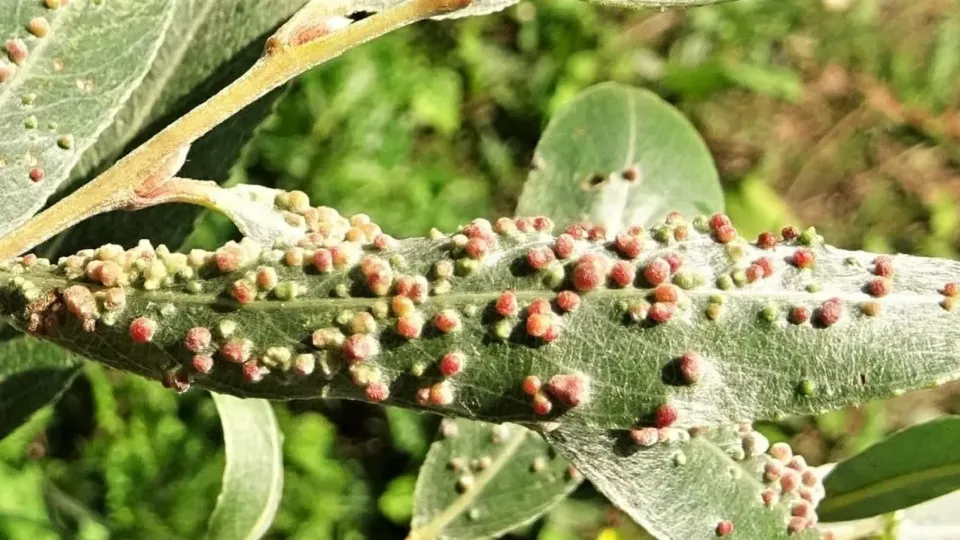
Pustule galls on willow leaves are produced by the mite
Aculus tetanothrix, particularly on White willow. The galls, which can be green or reddish, are found on the upper surface of the leaf. A slit on the underside of the leaf has hairs inside.
#
Rosebud Gall
Andricus gemmeus
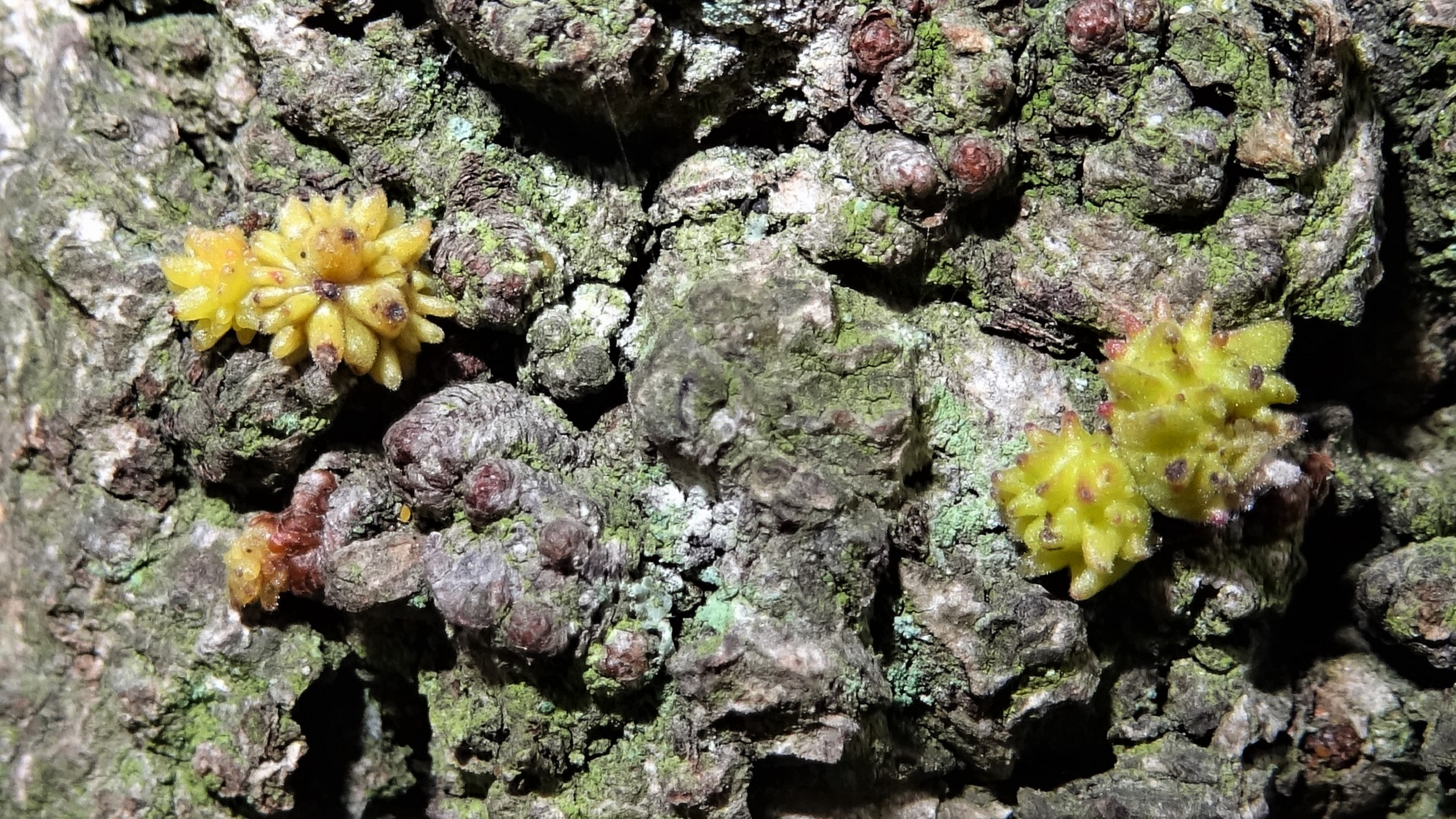
Originally discovered in the UK in 2008 at Colchester, Essex, the galls (3-4mm in diameter) are produced by the asexual generation of the gall wasp Andricus gemmeus. They are commonly observed on oak trunks in September.
#
Hainault Lake
Path
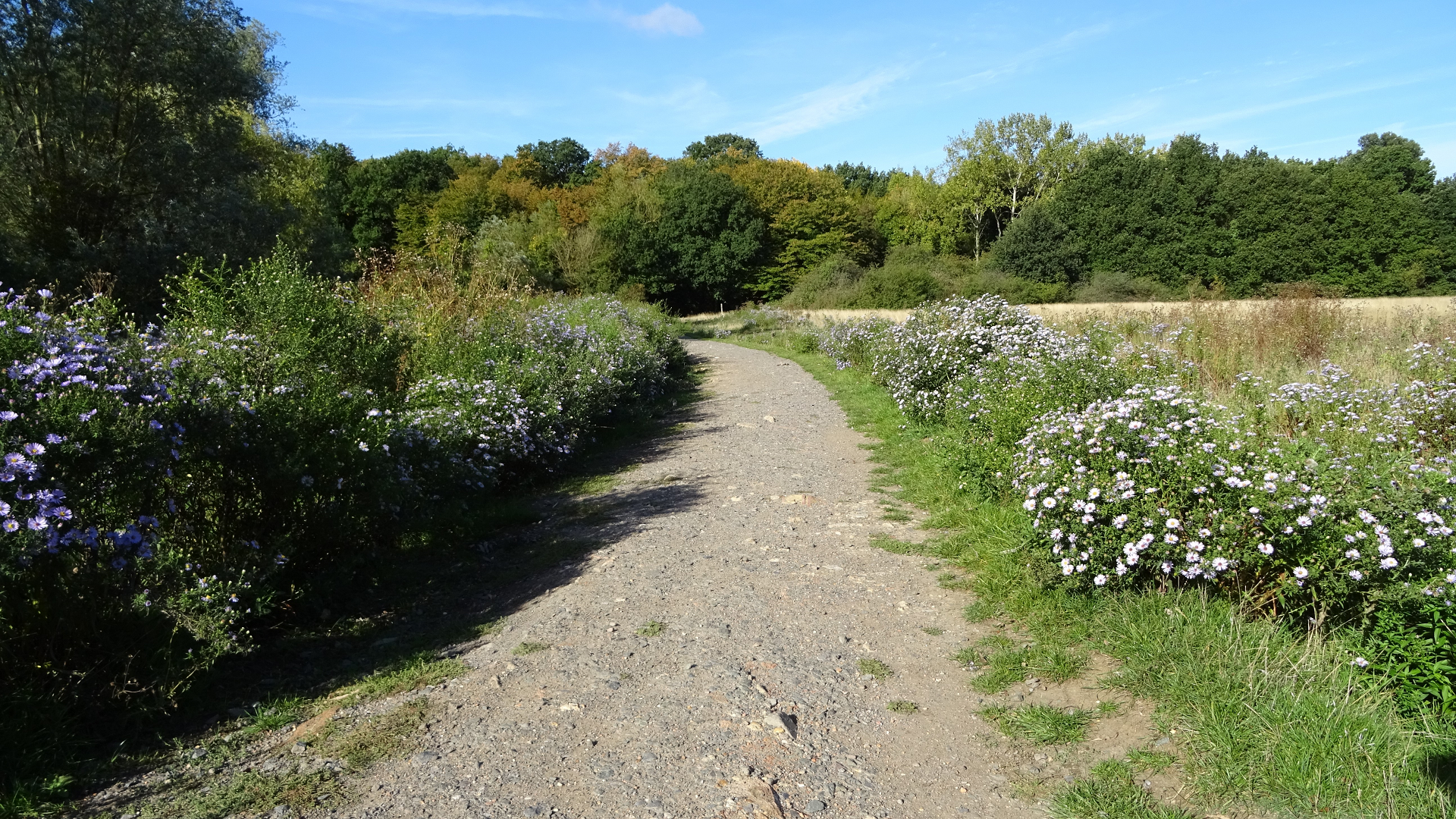
An autumnal view at the back of the lake with Michaelmas Daisies on each side of the path. Plans are in the offing to improve the uneven, stony path and to place a ditch on one side to improve drainage.
#
Thank you to everyone who has contributed to this Journal.
© hainaultforest.net. All rights reserved.
This website uses necessary cookies. It does not use targeting or advertising cookies.