

LAST QUARTER 2019
This Journal covers the last quarter of 2019 from October to December.
Goldfinch
Carduelis carduelis
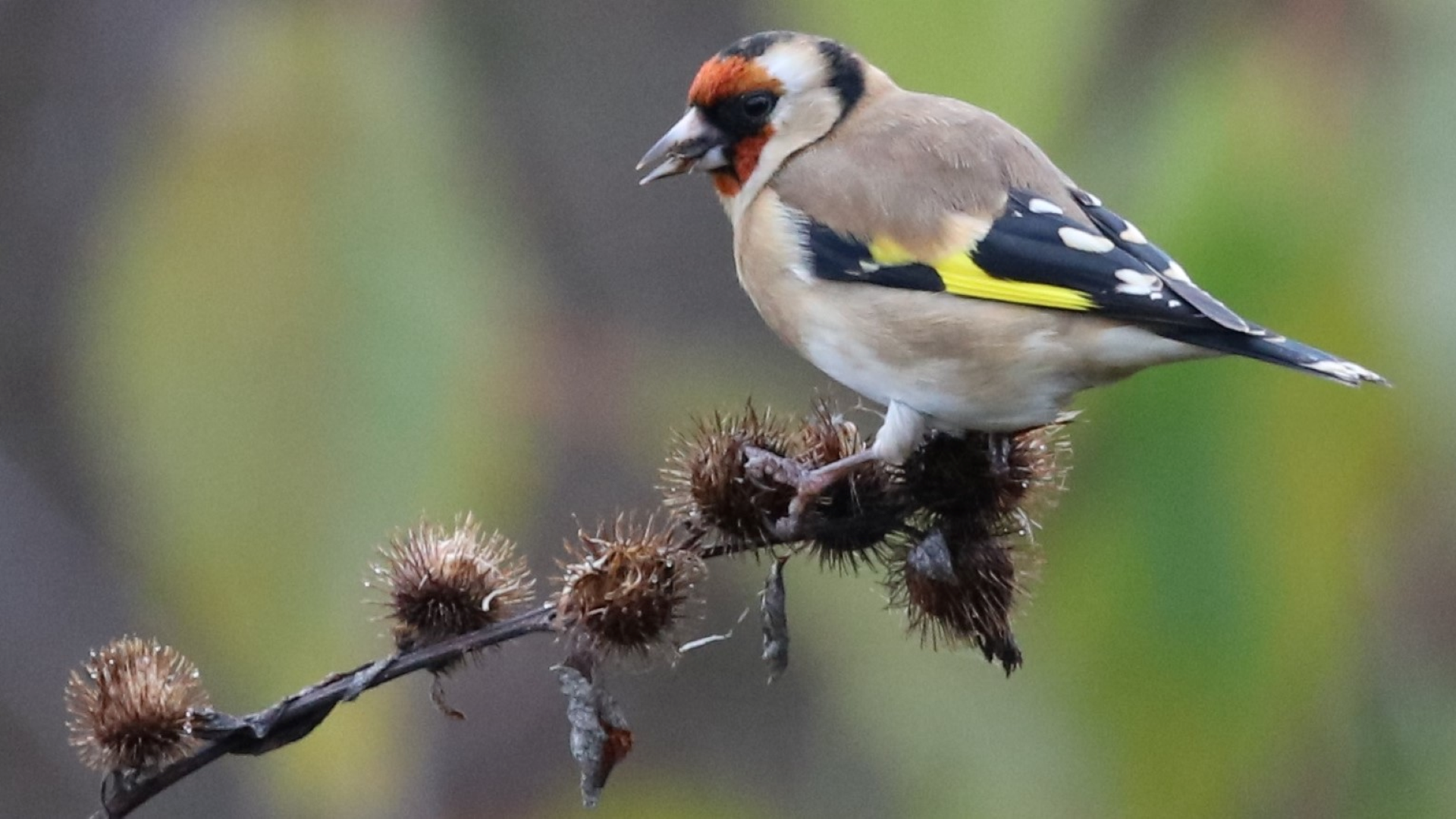
Goldfinches visit lesser burdock, agrimony, thistles and teasel to feed on seeds.
#
Robin
Erithacus rubecula
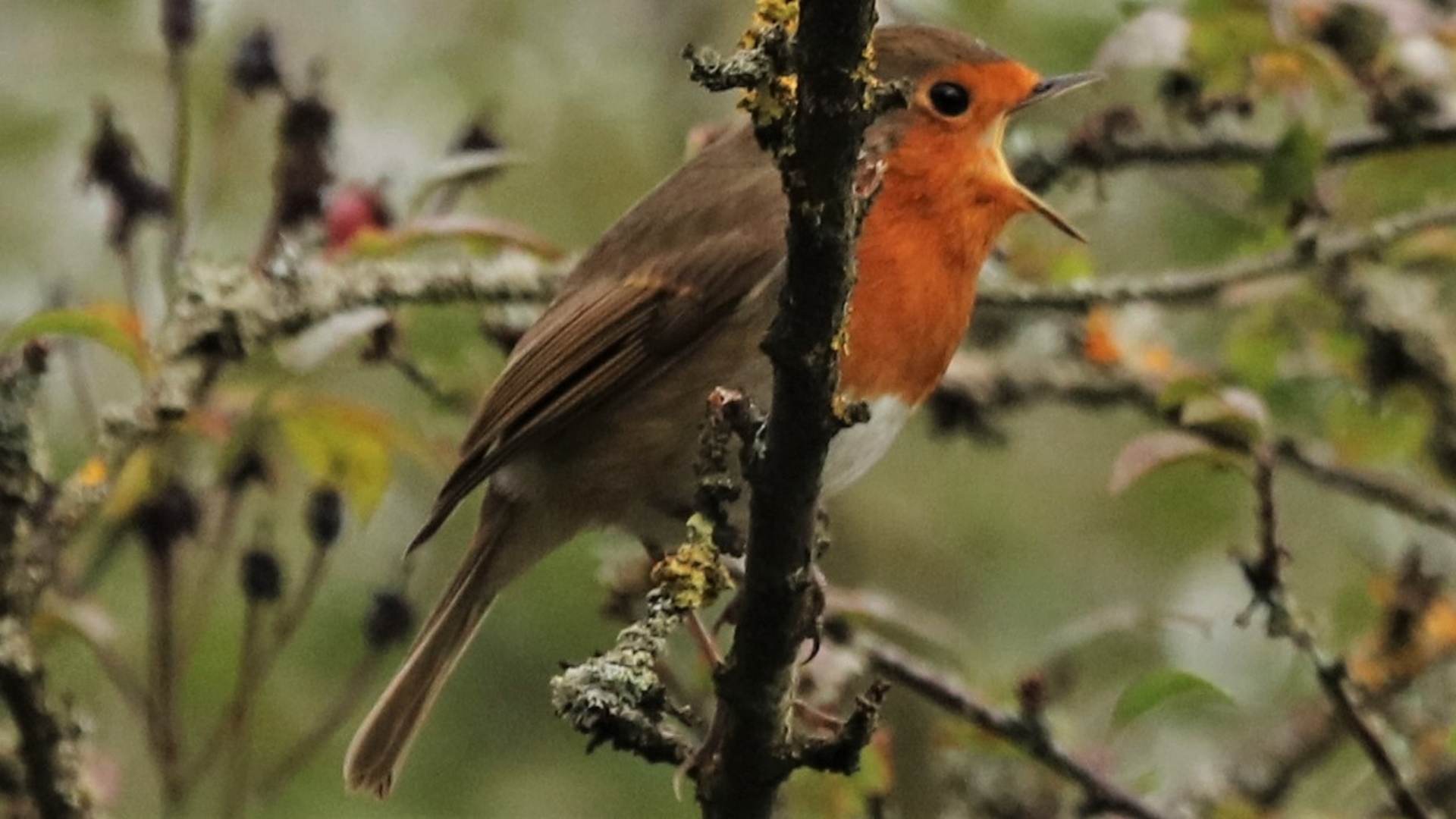
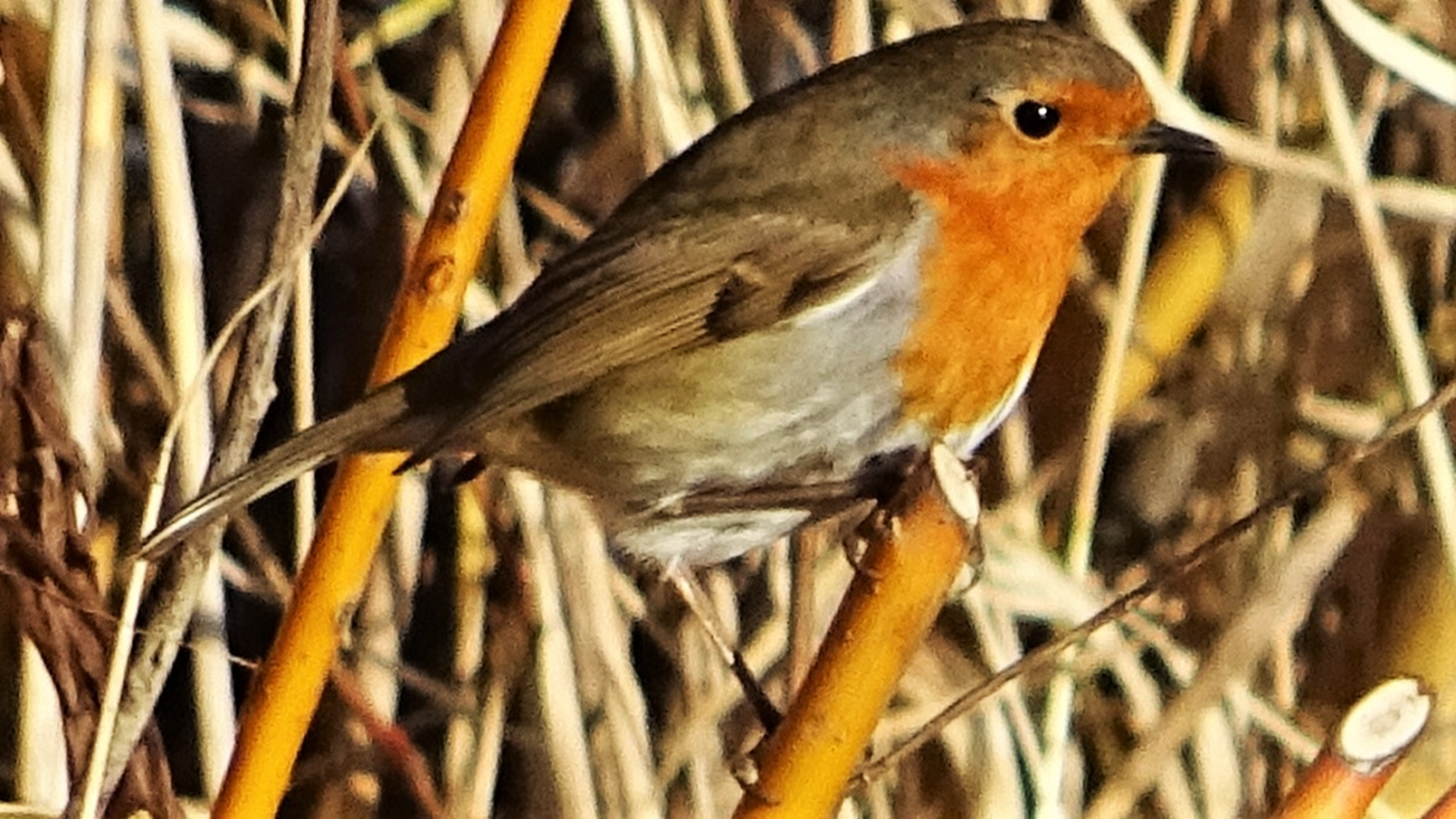
Robins defend their territories aggressively. Males sing from high perches because they want females to spot their red breasts. This can lead a rival making a challenge. When this happens a fight resulting in death or injury is often the consequence. Up to 10% of adult mortality is caused by territorial clashes.
#
Starling
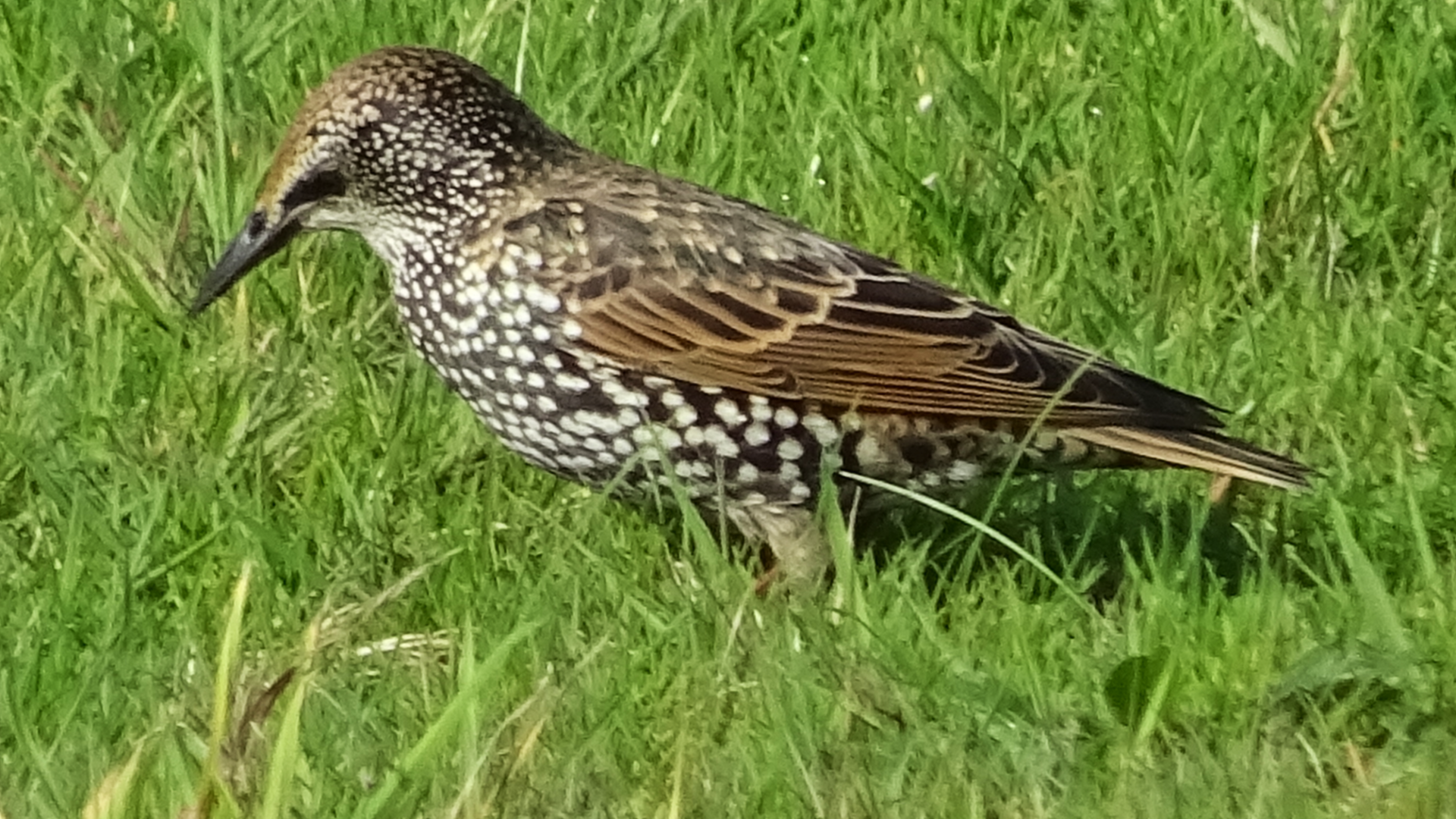
Starlings may look quite plain from a distance but closer up appear more interesting. They have pointed heads, triangular wings and short tails. They are often seen in large groups.
#
Green Woodpecker
Picus viridis
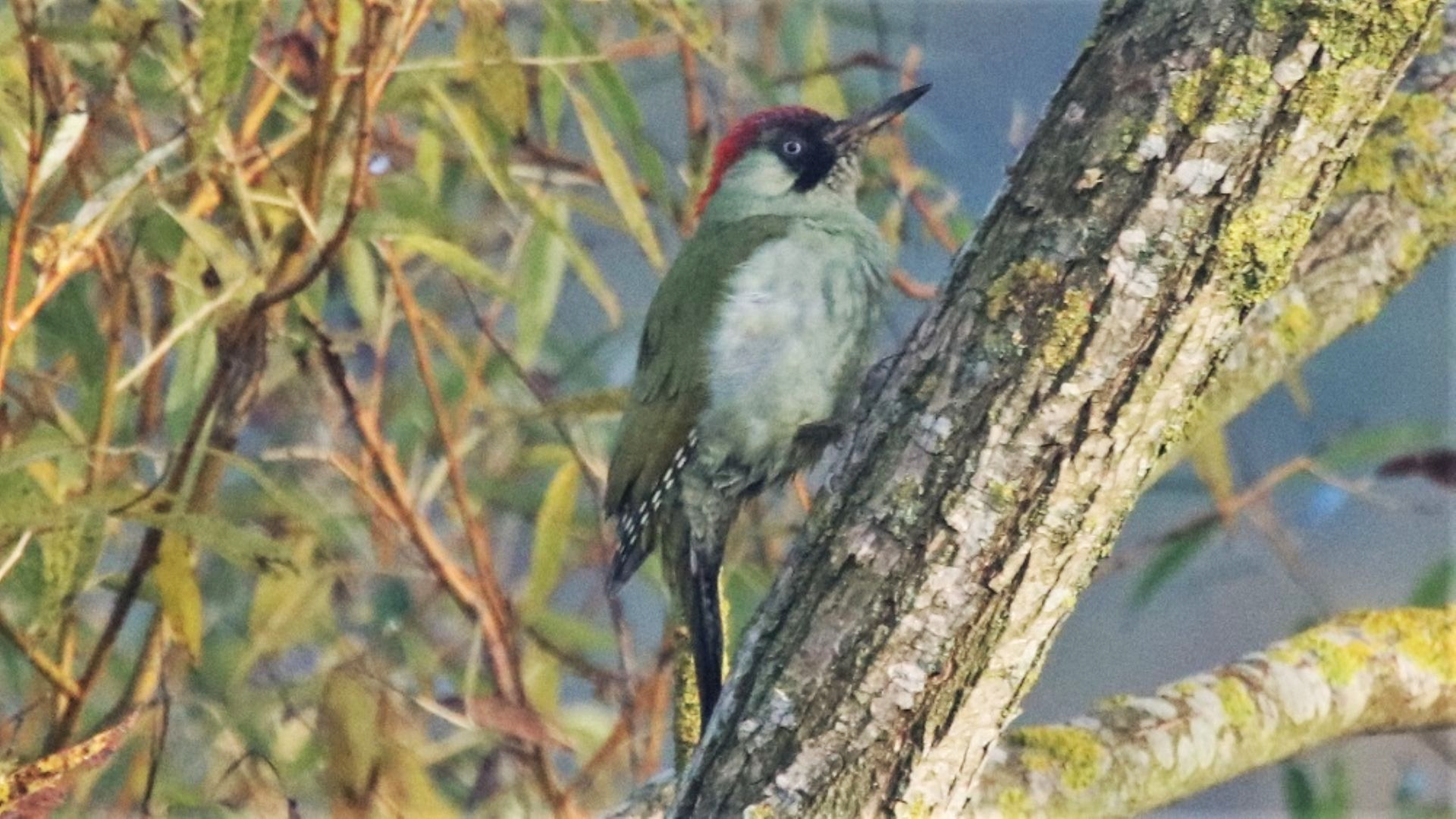
Green Woodpeckers are normally seen on the ground searching for ants. They fly into the trees for safety when disturbed. Unlike other woodpeckers they are not usually seen tapping tree trunks with their peckers.
#
Great Spotted Woodpecker
Dendrocopos major
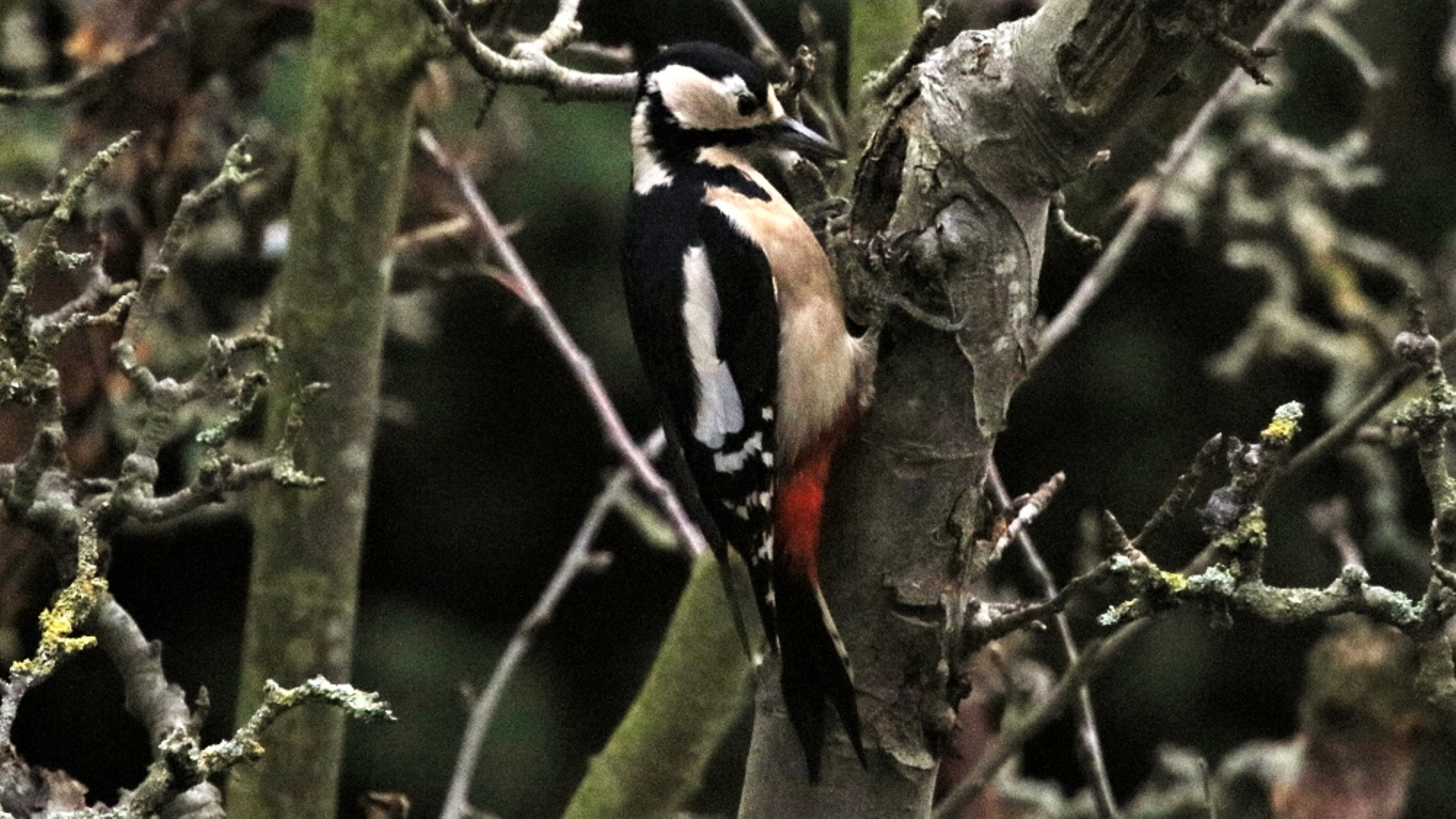
A female woodpecker looking for insects. Males have a red patch on the back of the head.
#
Buzzard
Buteo buteo
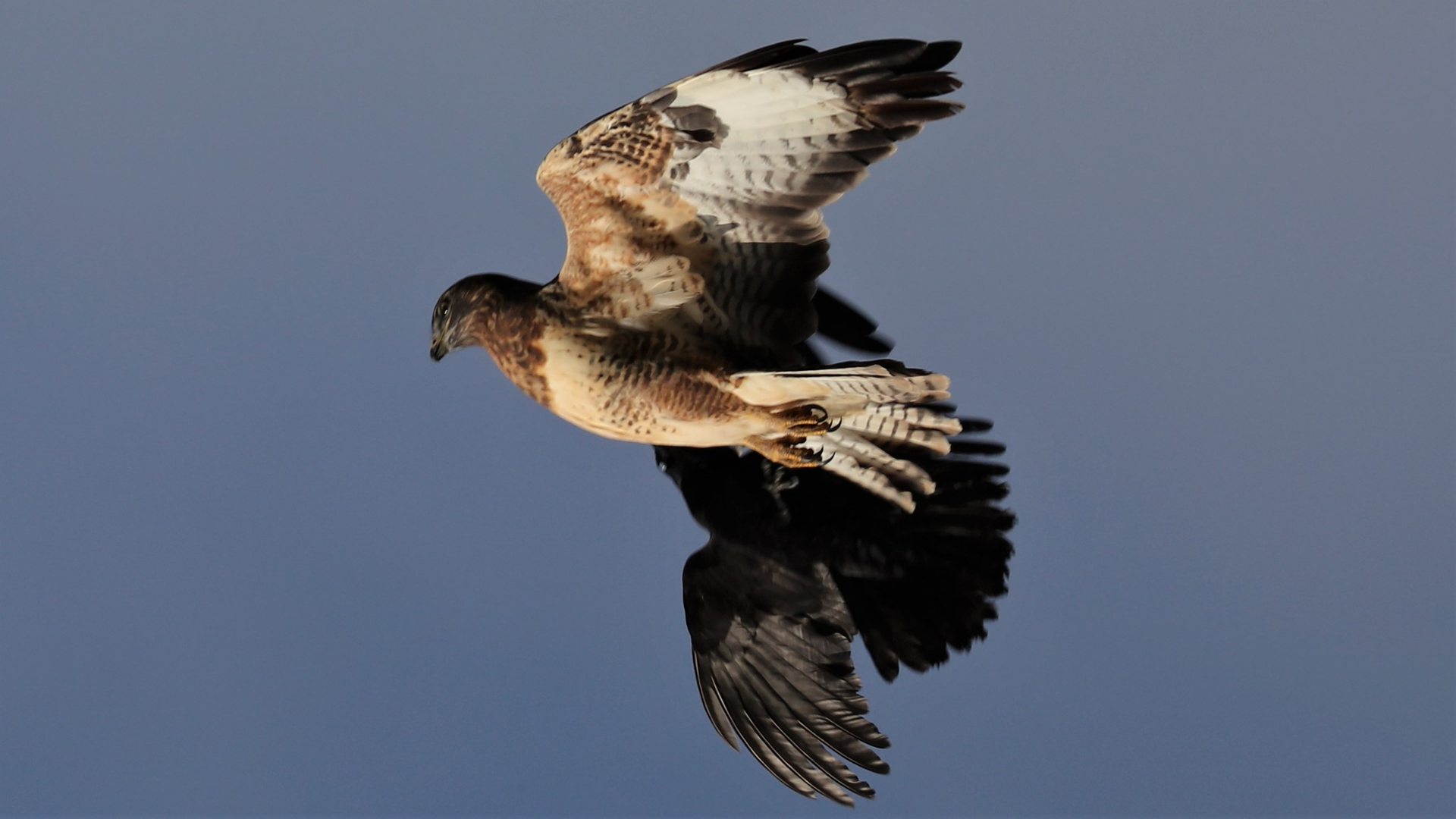
Buzzards are a common sight circling over Hainault Forest announcing their presence with a pee-oo cry.
#
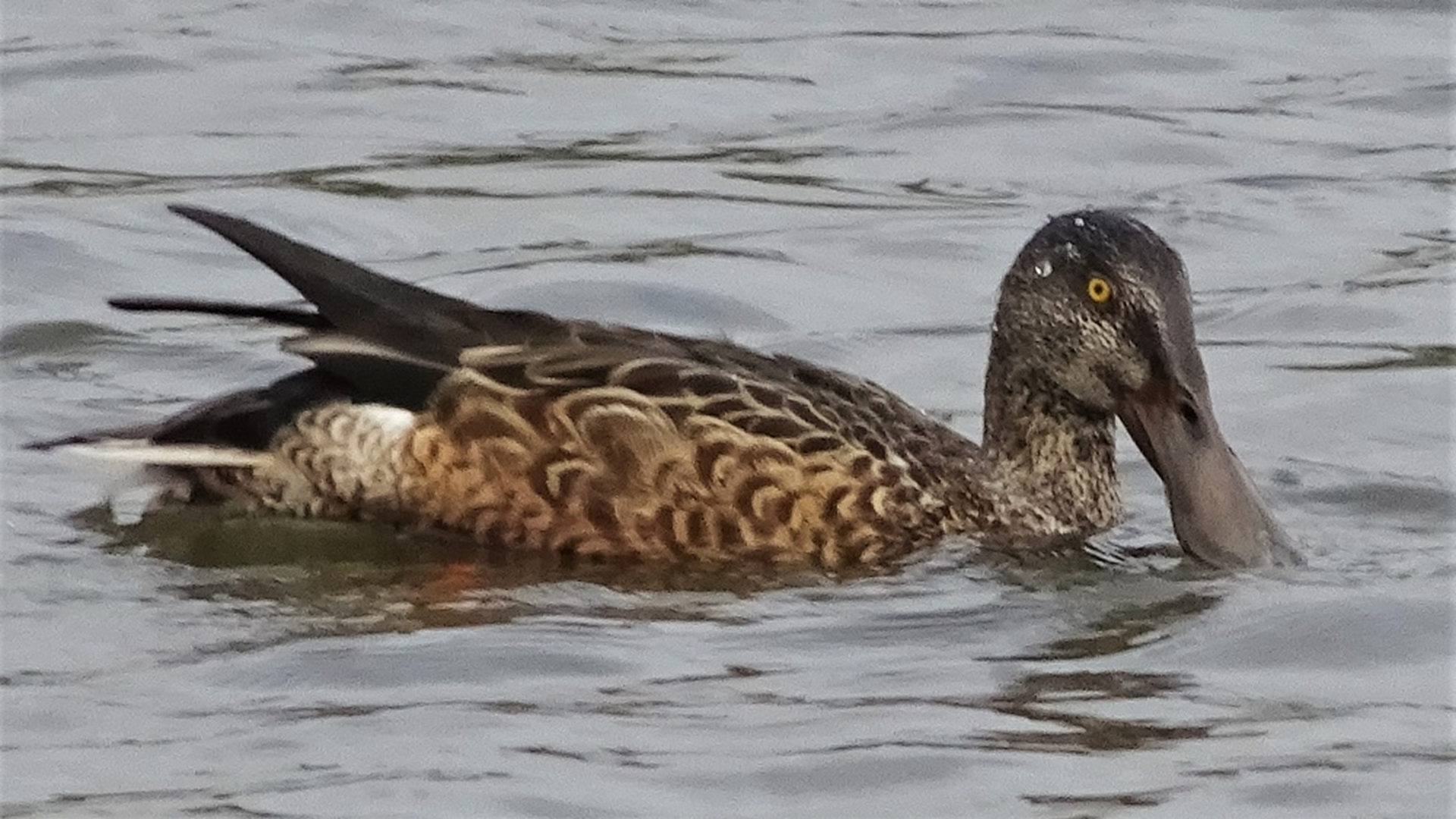
Shoveler
Anas clypeata
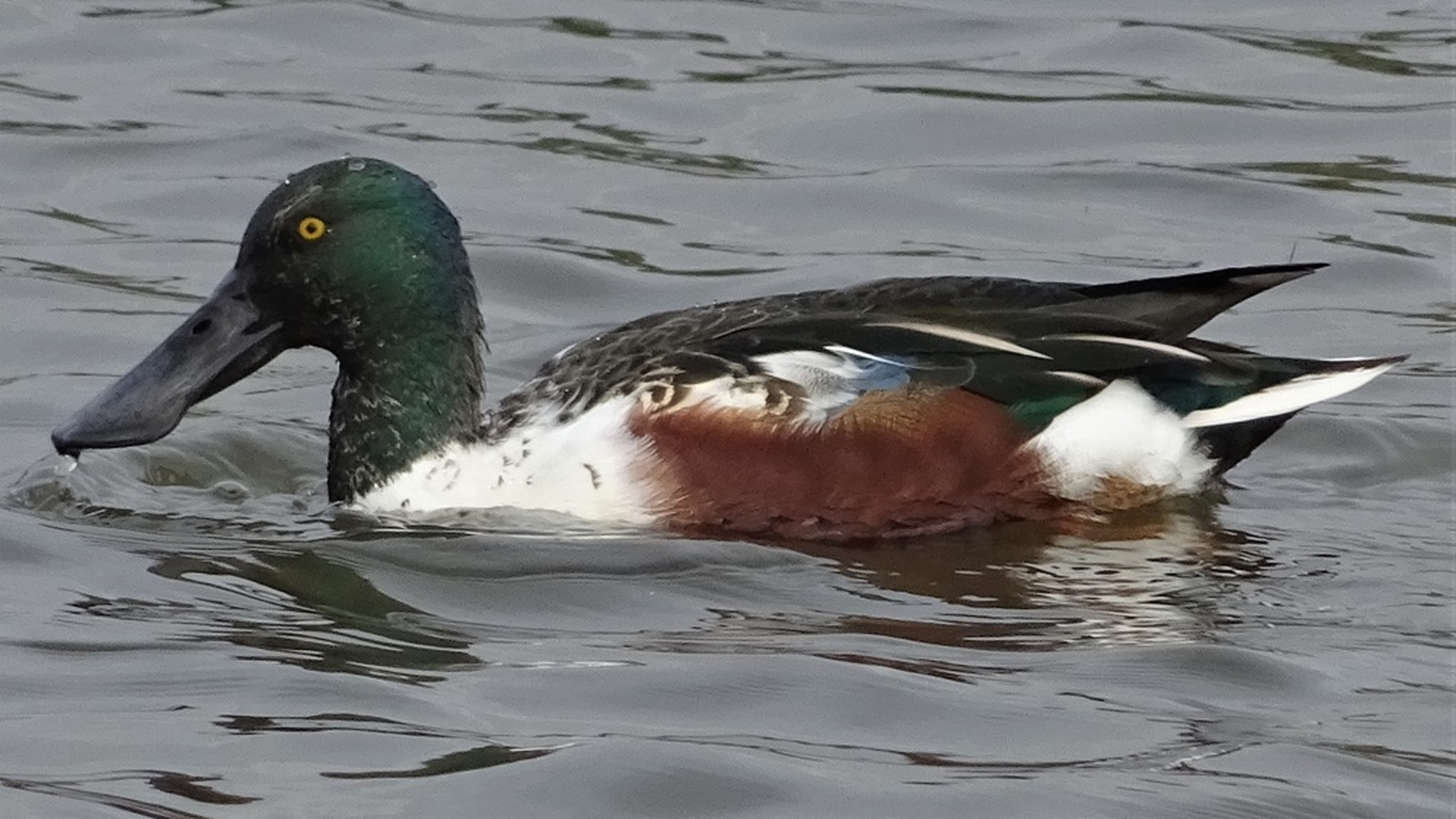
Shoveler ducks typically swim while foraging for food with their beaks submerged in the water. Females are brown and have dull colouration in comparison to the males.
#
Tufted Duck
Aythya fuligula
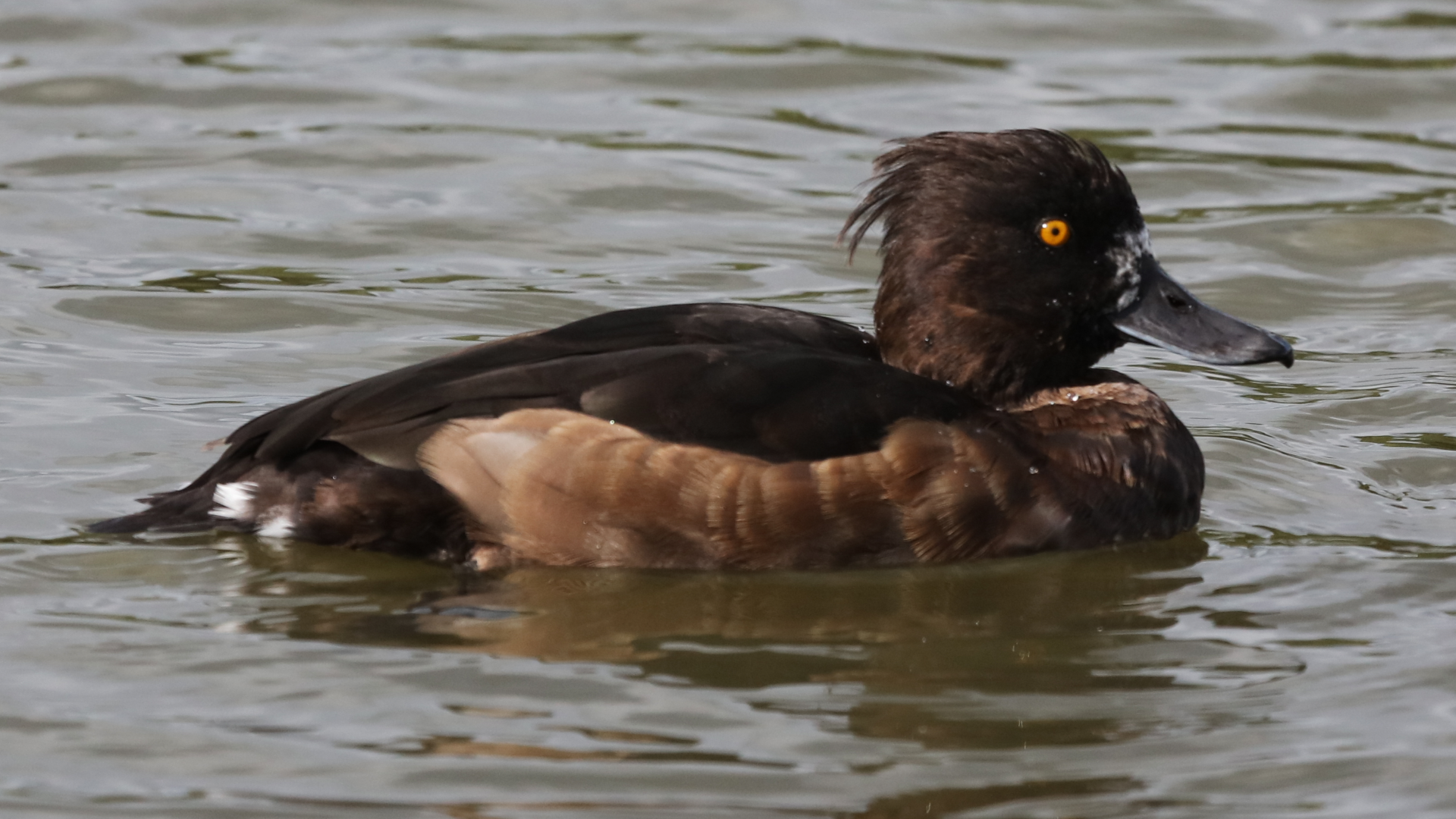
Tufted Ducks are observed on Hainault Lake more often during the winter months due to migration from Iceland and northern Europe. The females have brown colouration.
#
Moorhen
Gallinula chloropus
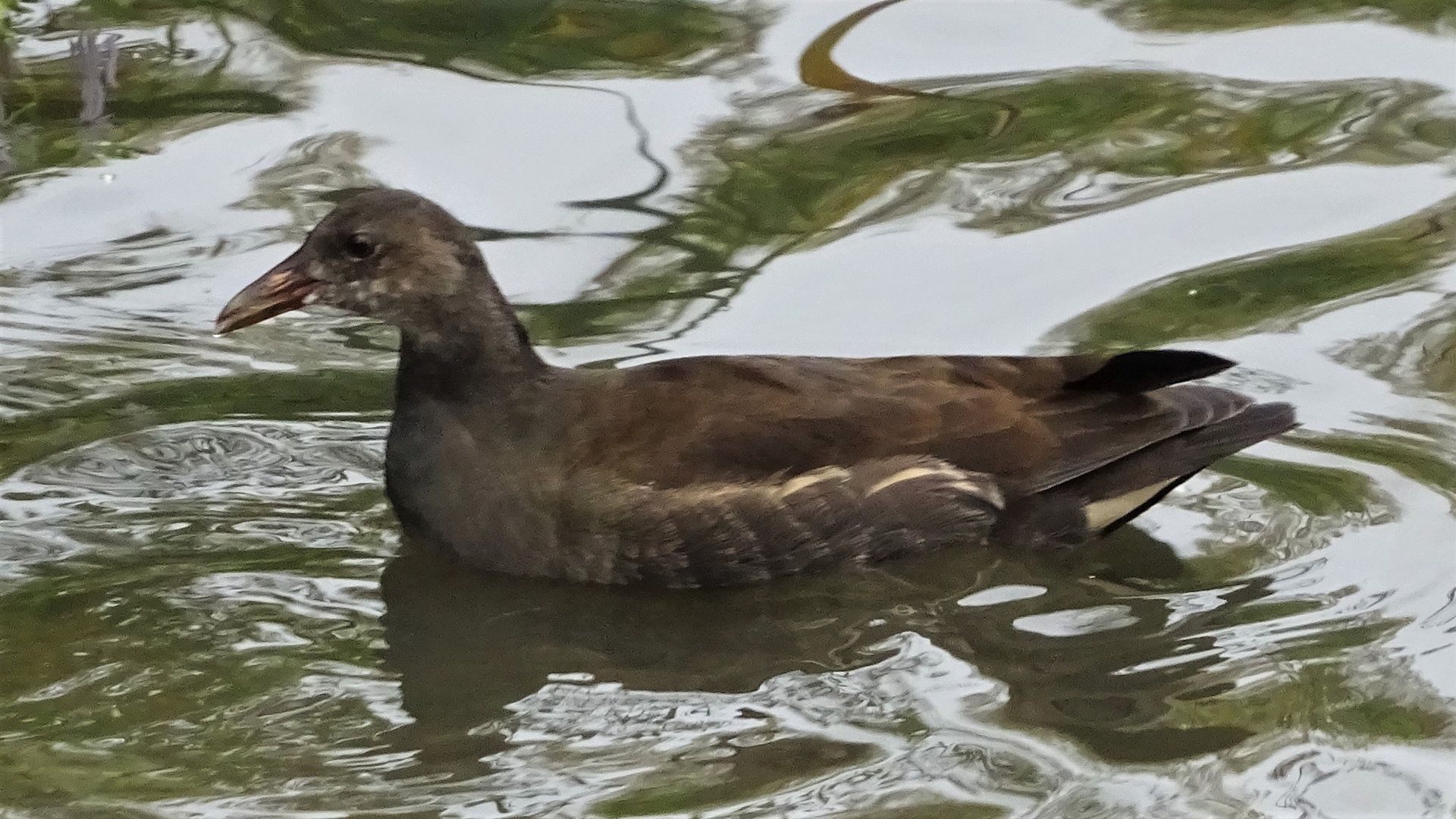
A young moorhen approaching its first winter.
#
Lesser Black-backed Gull
Larus fuscus
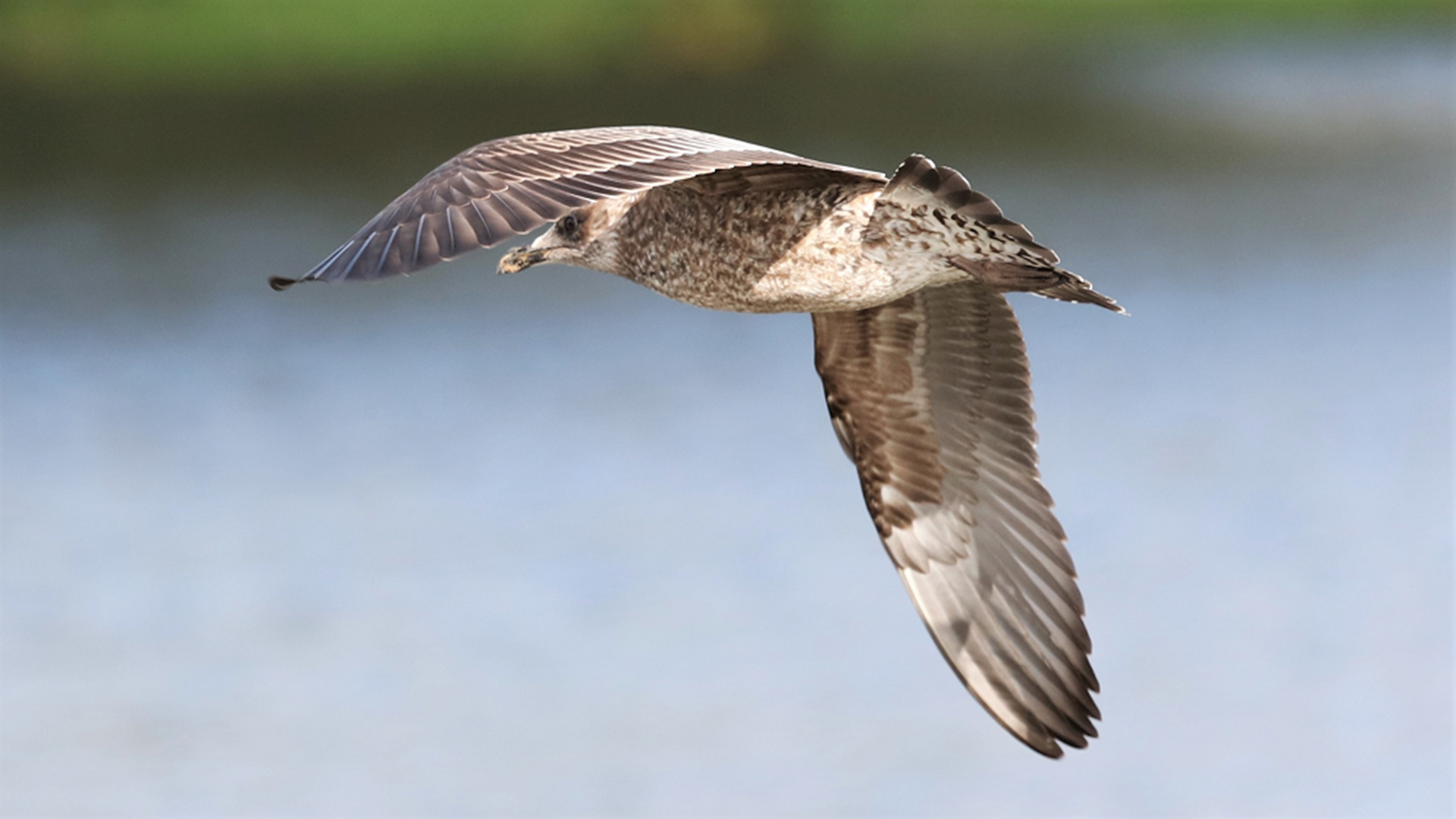
A gull arrived at Hainault Lake. Its immature colouration made identification challenging. It was larger than a black-headed gull, which eliminated that species from consideration. Herring gull was a possibility; however, an examination of the tail band favoured this young bird being a lesser black-backed gull. In their first year, both species are mottled brown, but juvenile lesser black-backed gulls typically appear darker overall and have less of a pale patch in their wing feathers compared to young herring gulls.
#
Little Egret
Egretta garzetta
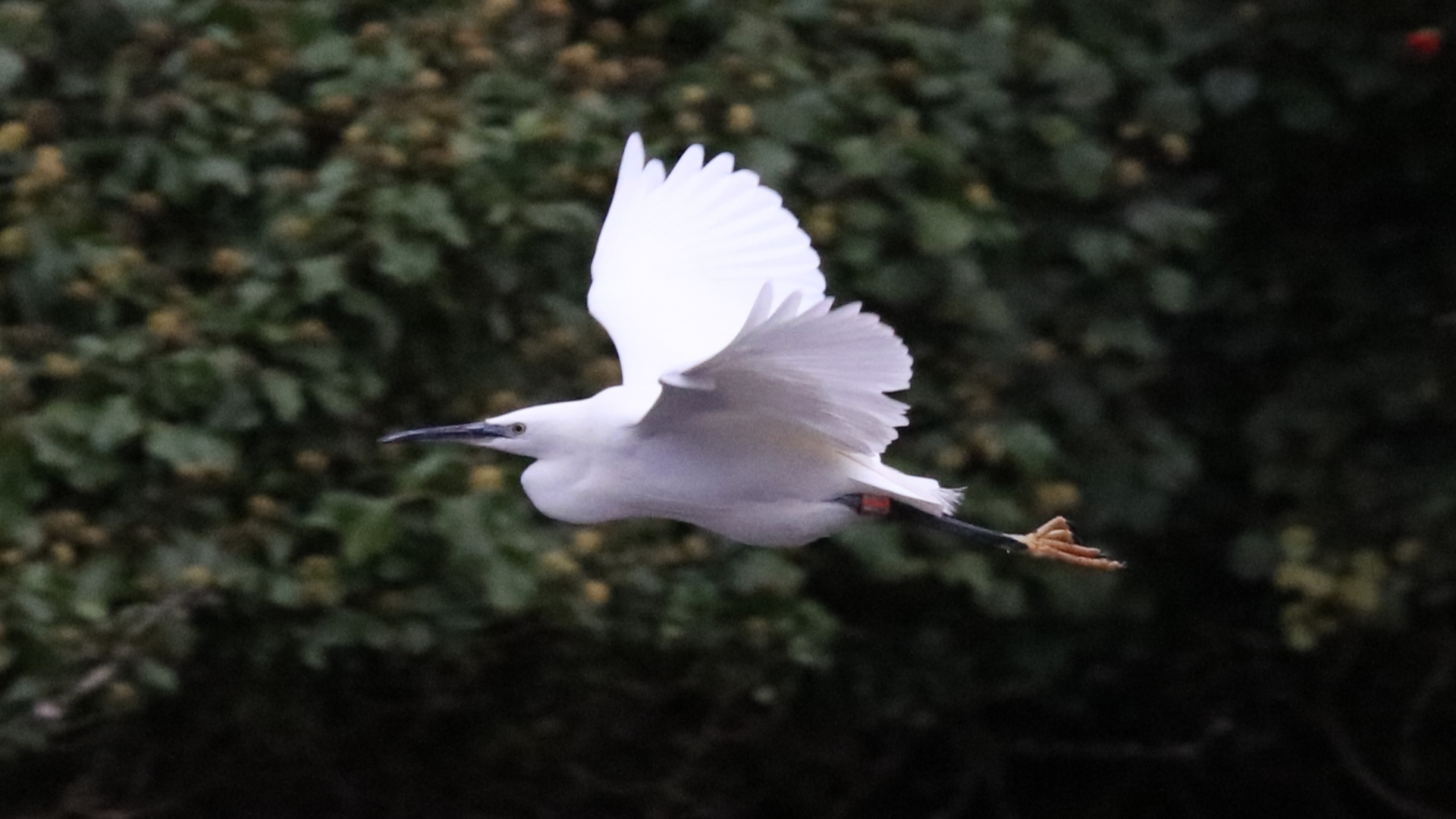
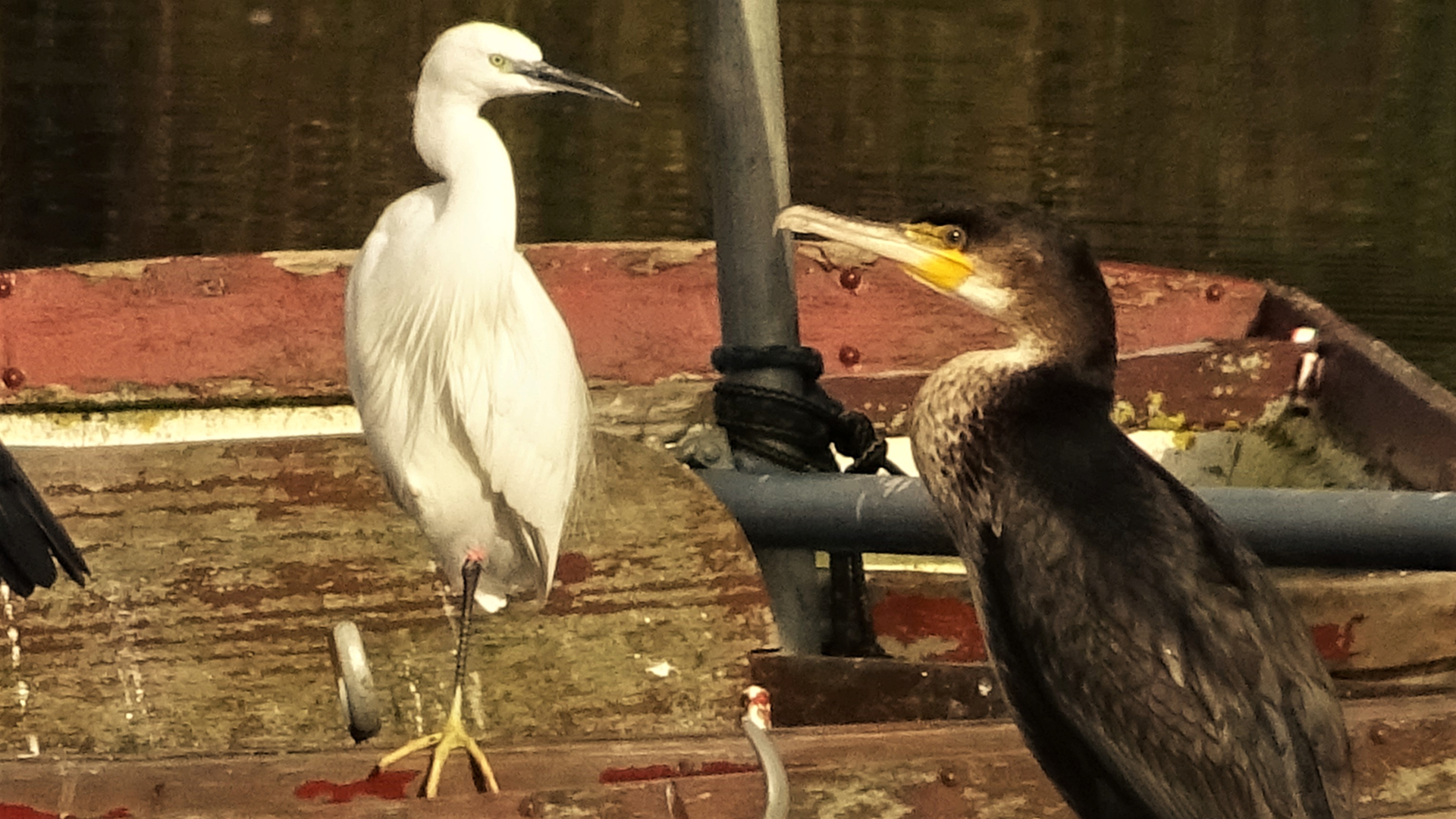
The Little Egret is a small white bird with a black bill, black legs, and yellow feet, belonging to the heron family. This month marks the first recorded sighting of one at Hainault Lake. The estimated population of Little Egrets in the UK is around 4,500. These birds primarily feed on small fish and crustaceans. They began appearing in significant numbers in Britain in 1989, and the first breeding record in the country was noted in Dorset in 1996. The species is now established at several locations along the south coast and seems to be expanding its range inland.
#
Cormorant
Phalacrocorax carbo
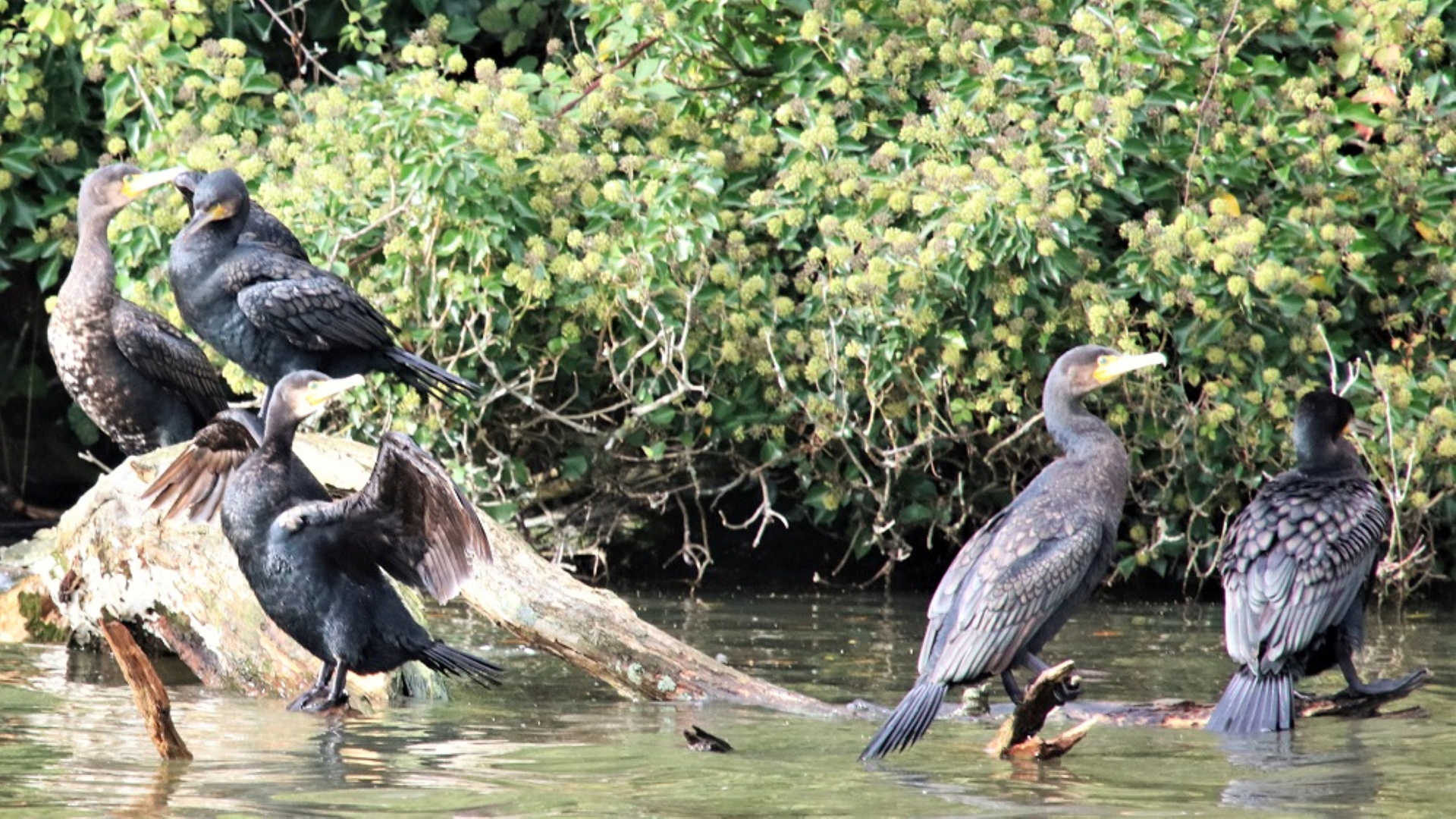
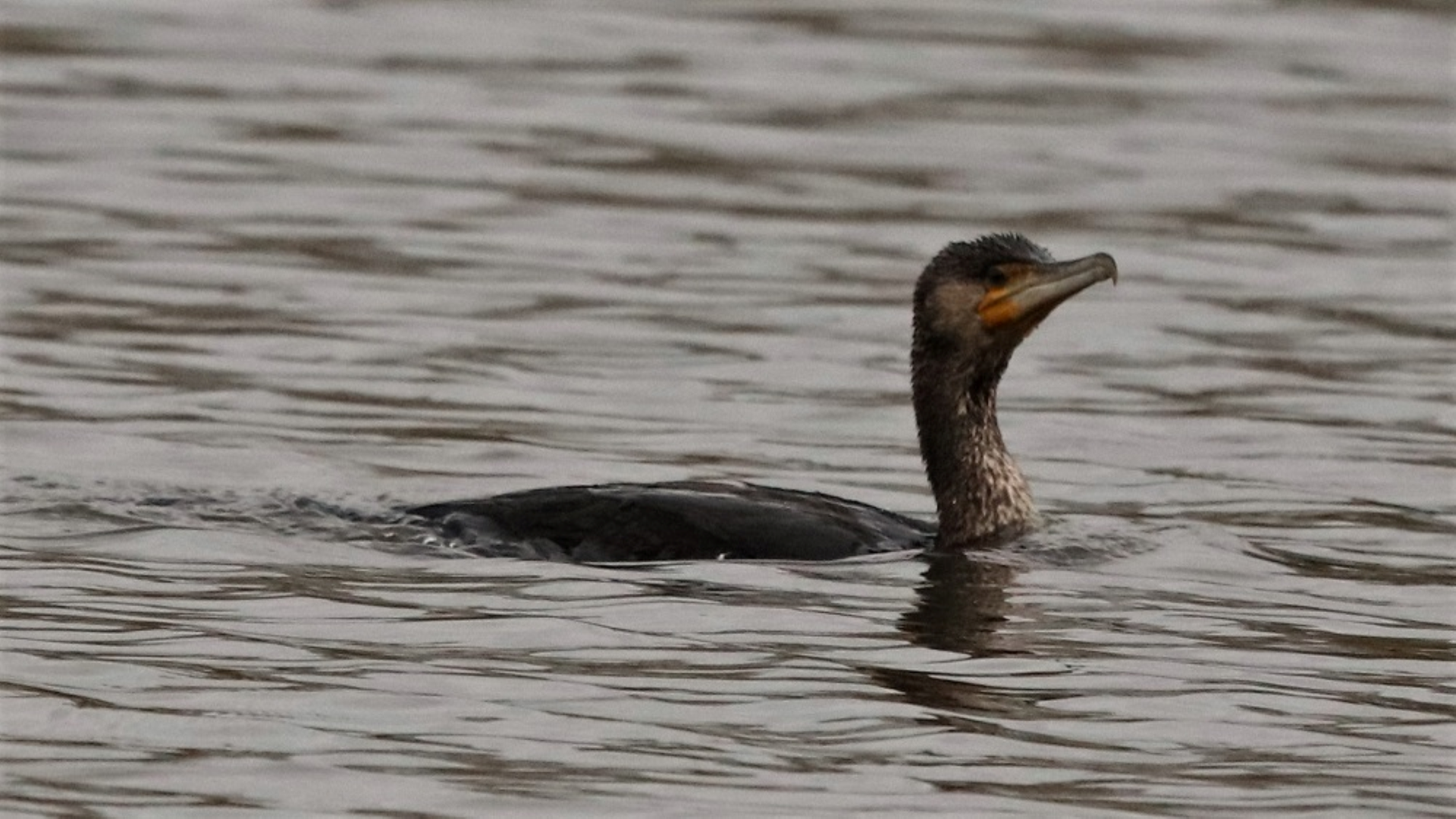
This picture does not display the entire group of cormorants that arrived at Hainault Lake in search of fish. On October 16th, seventeen descended on Hainault Lake. This is the most we have recorded in a group here, however just down the road in Fairlop Waters Nature Reserve an avid birdwatcher counted 127. Cormorants swim with bodies low in the water. They are diving birds that disappear underwater in search of fish.
#
Roach
Rutilus rutilus
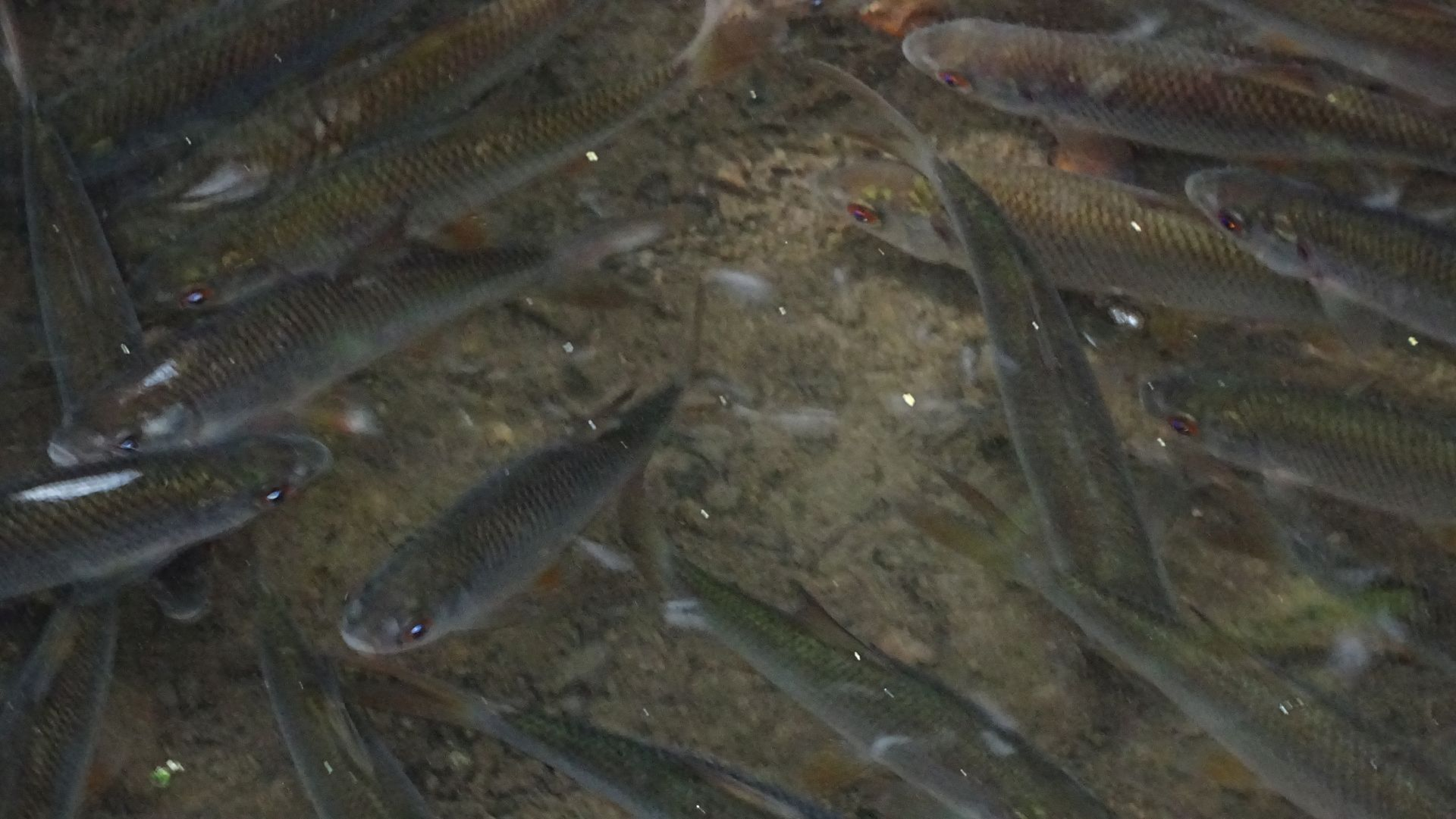
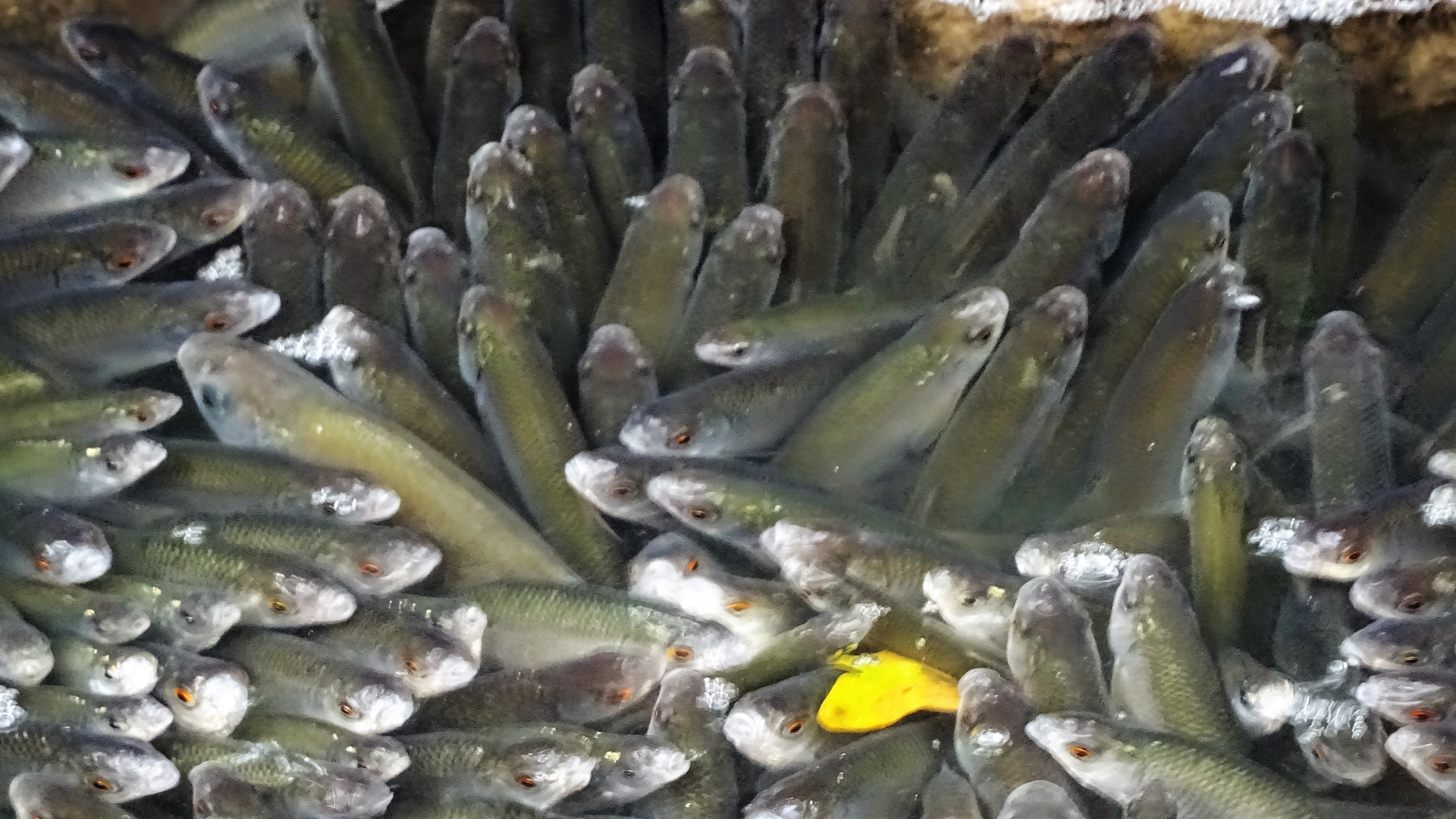
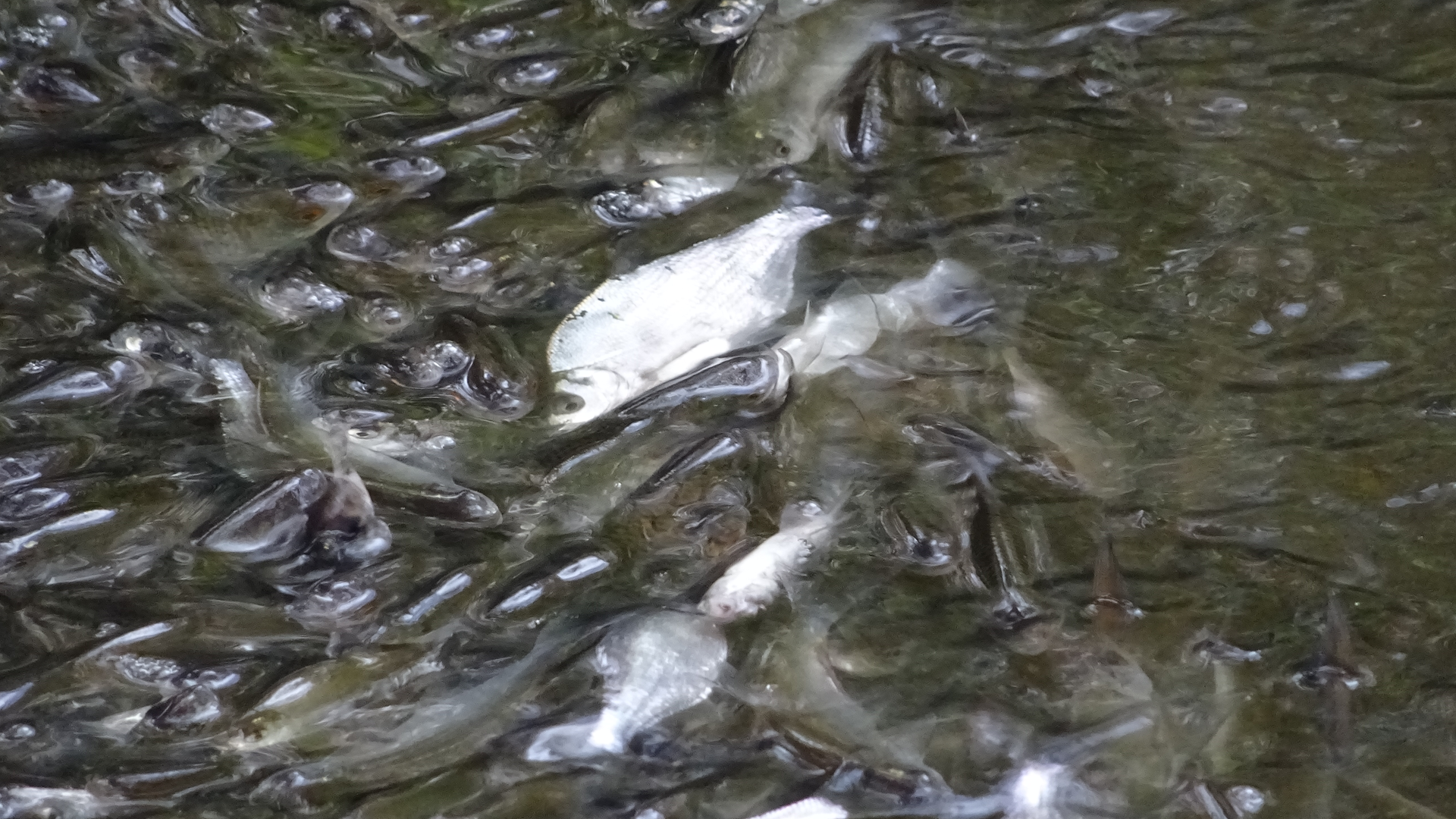
Roach are a common species of fish found throughout Britain. They have a silvery appearance with reddish fins and can grow up to 25 cm in length. Recently, a large number gathered at the lake inflow. Many visitors voiced concern, prompting a visit from the Environmental Agency. However, just a few days later, the fish returned to the lake on their own. This behaviour may have been a response to the presence of cormorants. The large number of fish indicates that the lake is a healthy habitat. Many species tend to group together for safety in numbers. A few Silver Bream were also spotted in the mix; they are covered in slime and sometimes referred to as "snotties" by anglers
#
Common Frog
Rana temporaria
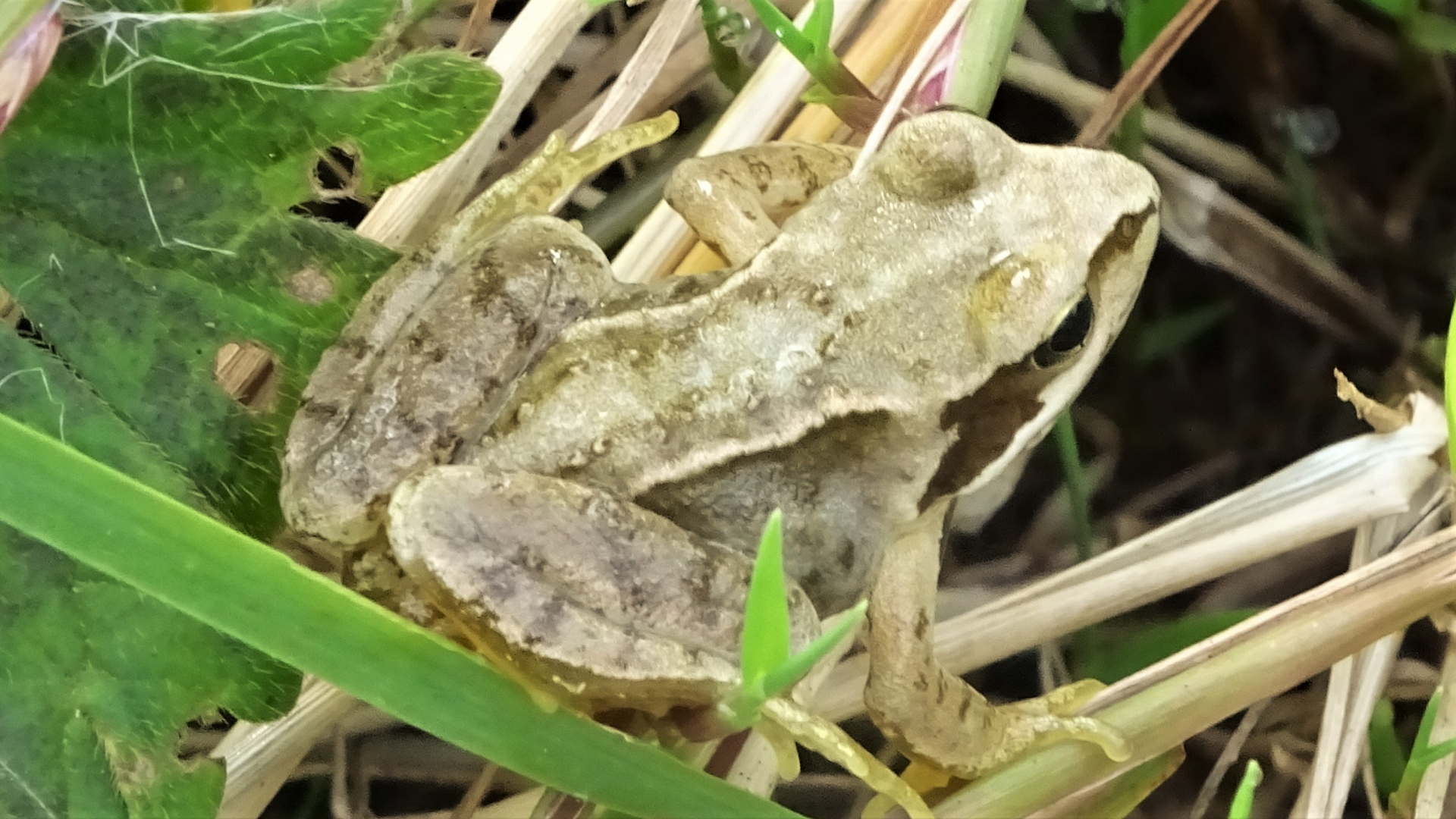
This tiny frog was hopping through long grass near Reynard's Ditch. It has stripes on the legs which the common toad doesn't have.
#
Pink-barred Sallow 73.181
Xanthia togata
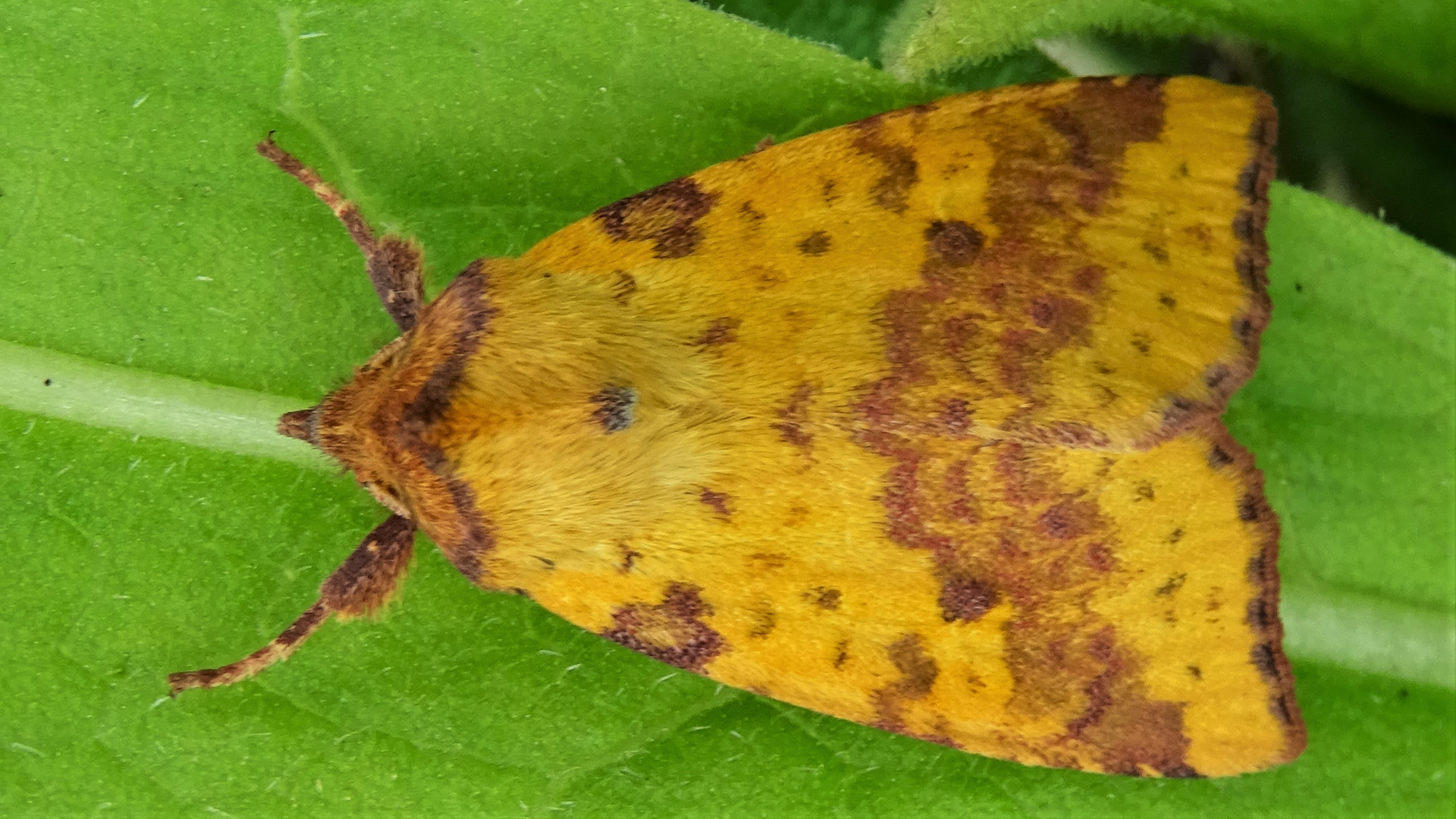
The Pink-barred Sallow moth is active in September and October, normally found in damp areas near woodlands. It has a wingspan of up to 30mm. The larvae feed on sallow catkins during their early stages.
#
Merveille du Jour
Griposia aprilina
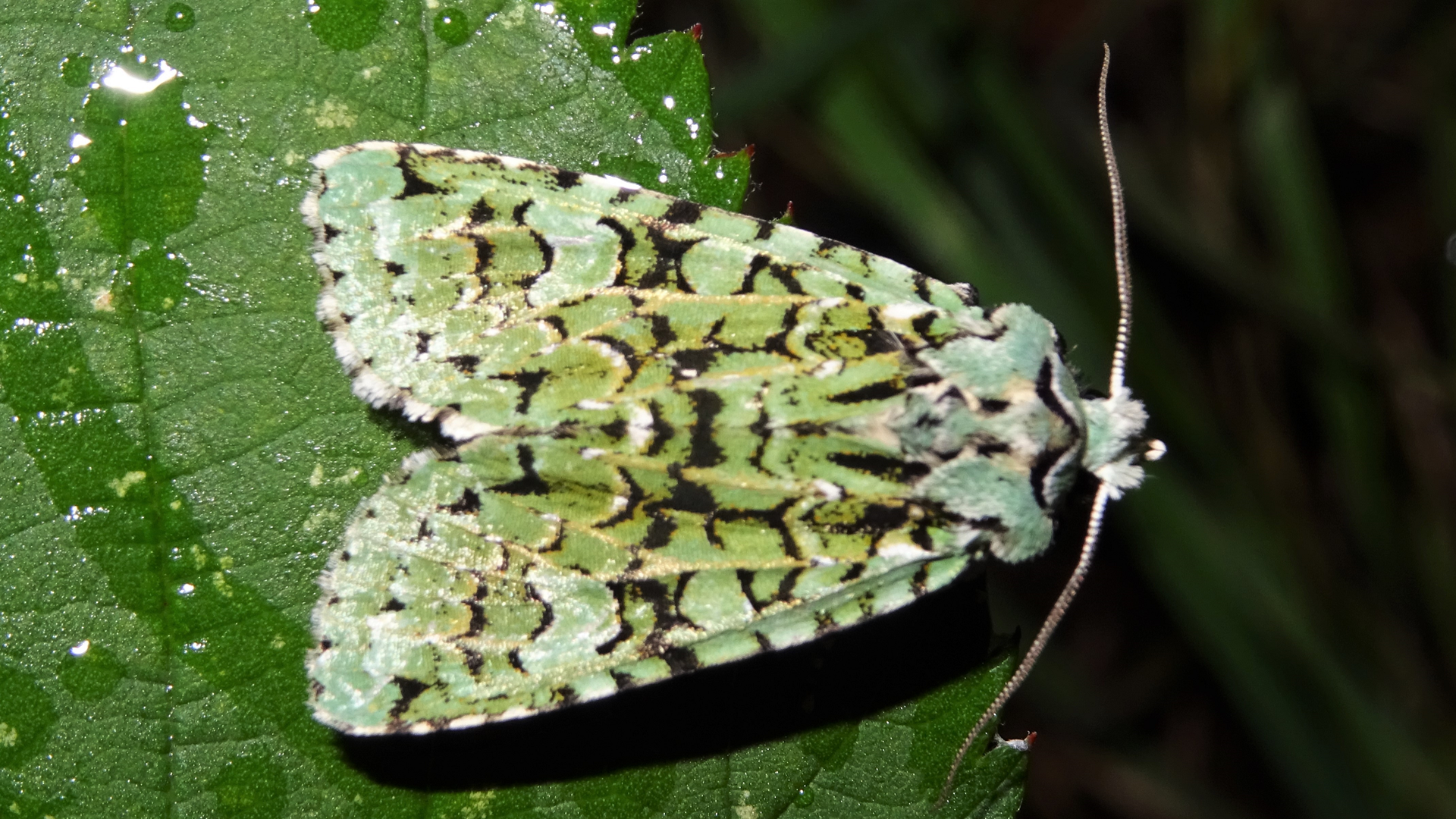
Merveille du Jour is a beautiful moth thinly spread throughout much of the UK. It is on the wing from September to October and can be drawn to light. The maximum wingspan of the moth is 52mm. Its caterpillars inhabit oak trees.
#
Scarce Umber
Agriopis aurantiaria
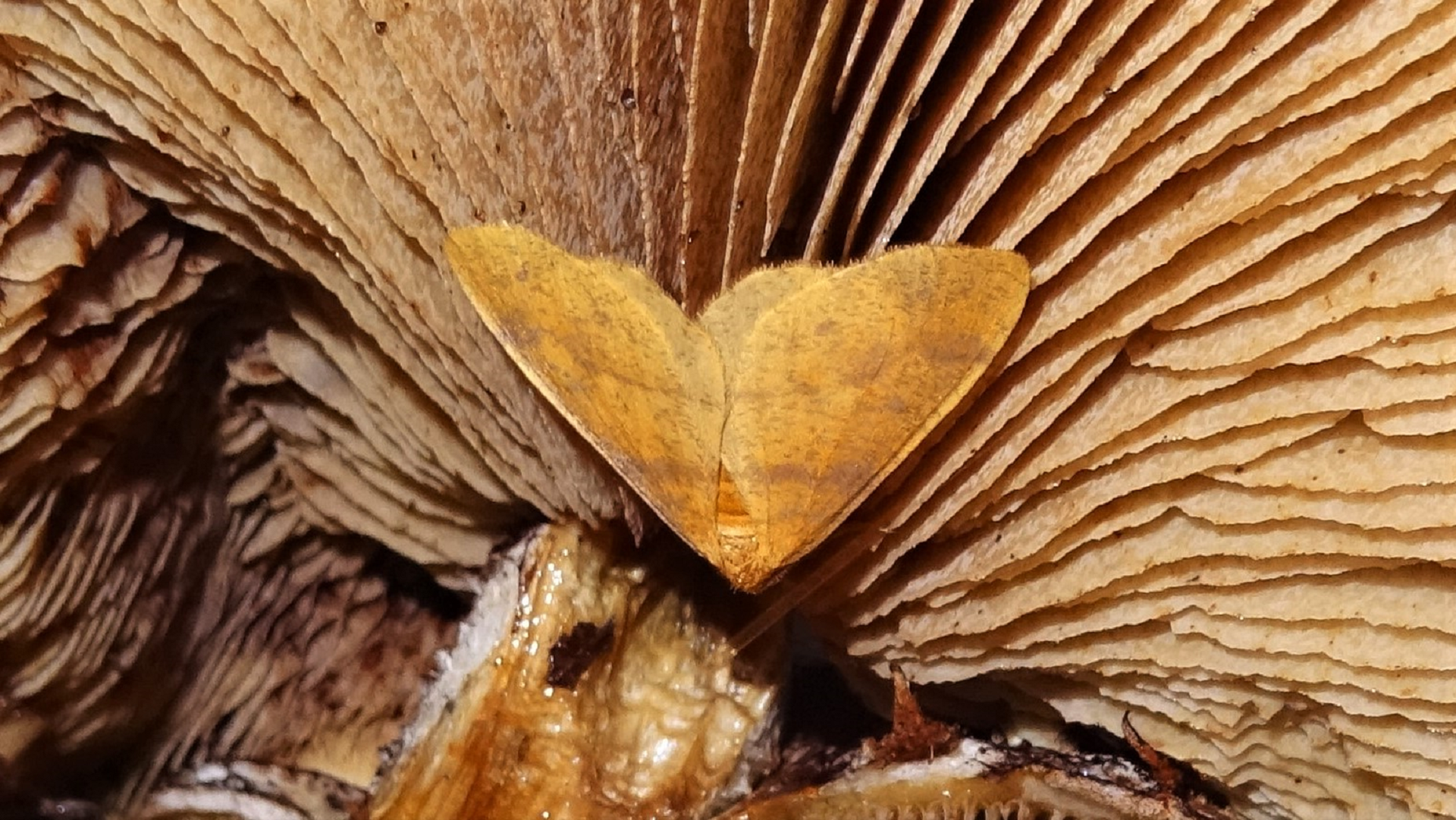
This moth was found resting under a bracket fungus during the day. Despite its name 'Scarce Umber,' it is quite common in wooded and bushy areas. Males are active from November to early December and have a wingspan of 27-35 mm. Females are almost wingless and are mostly seen when they climb tree trunks. The caterpillars feed on various deciduous trees.
#
Lunar Underwing
Omphaloscelis lunosa
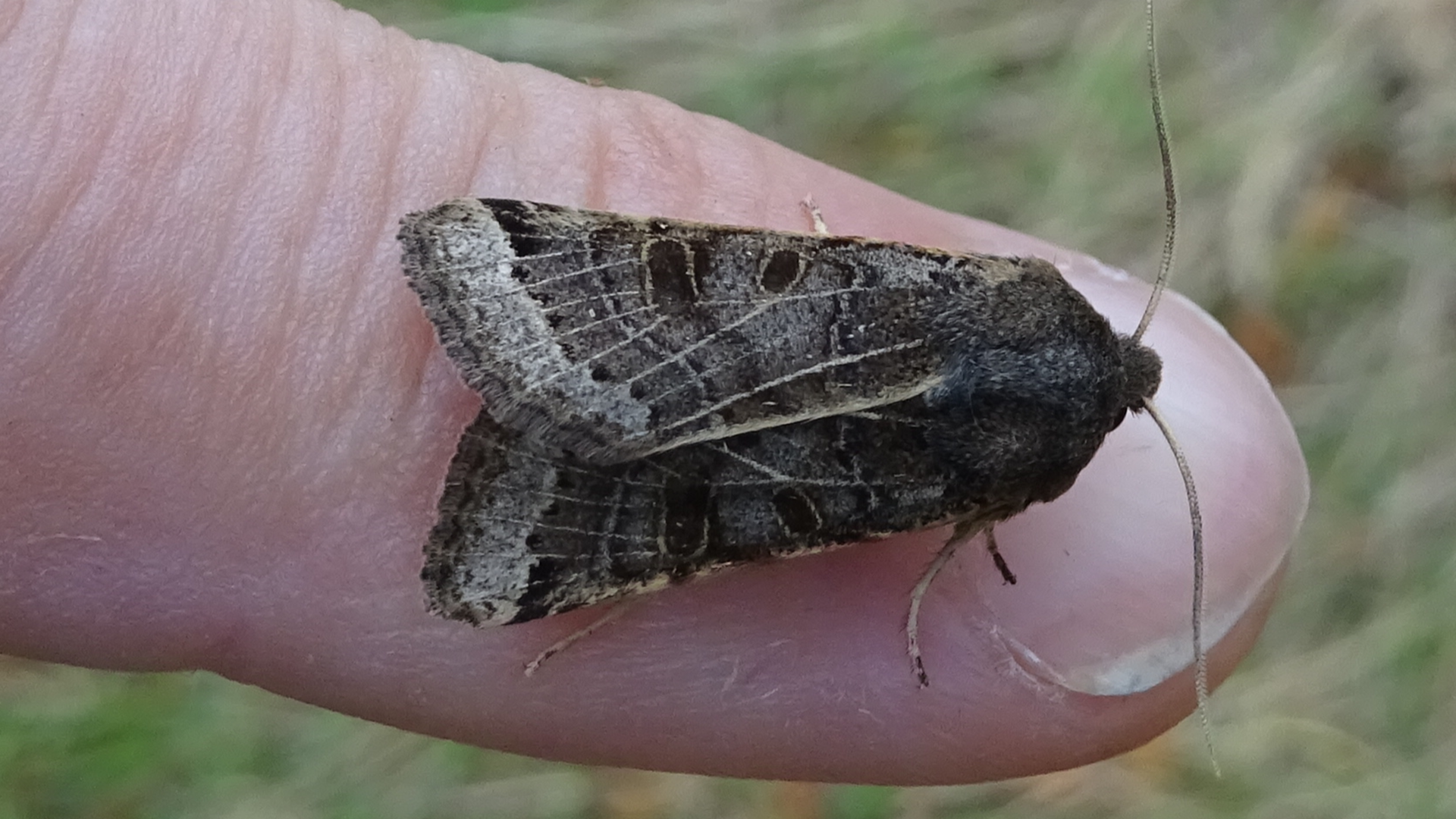
The colour of the Lunar Underwing ranges from orange-yellow to dark brown. The wings have pale veins with lines crossing that are more obvious on the darker forms. This species has one generation a year which is on the wing during autumn. The maximum wingspan is 38mm. The caterpillars feed on a range of grasses.
#
Winter Moth
Operophtera brumata
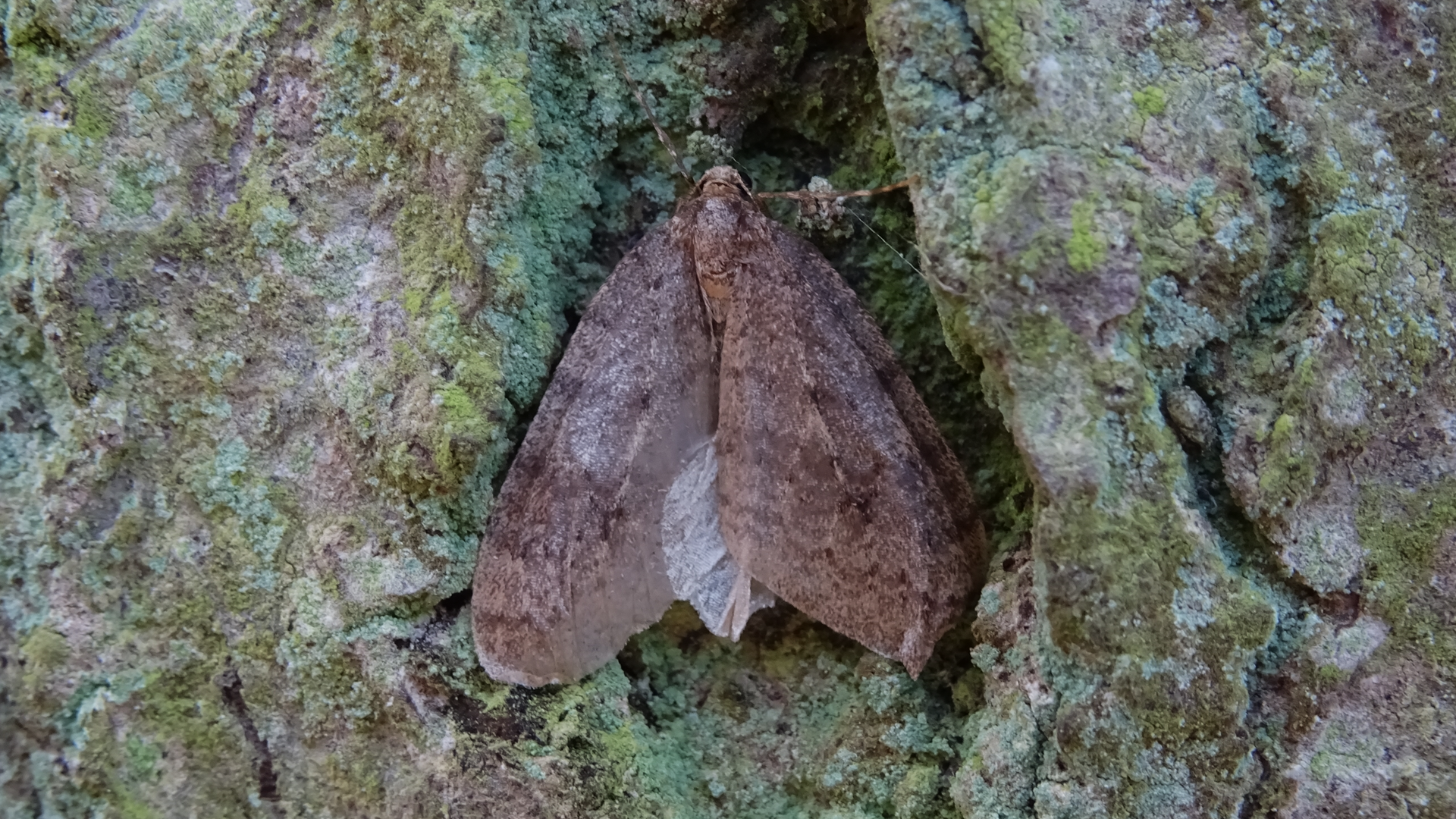
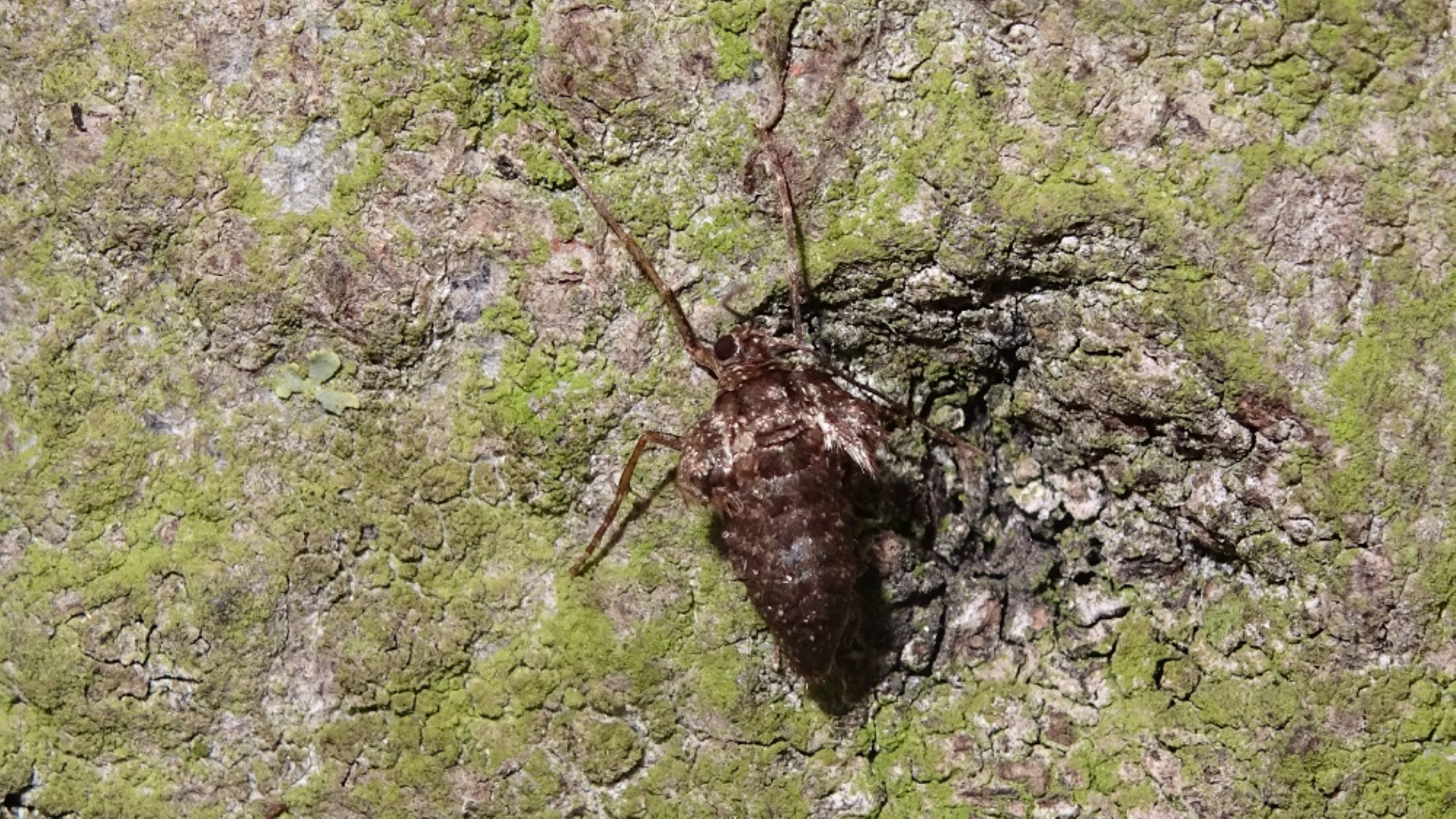
The Winter Moth, as its name suggests, is typically observed from December to February. Males have a wingspan ranging from 22 to 28 mm and are frequently found resting on tree trunks. Females are nearly wingless and can be hard to detect against the bark. They ascend tree trunks to await the arrival of males, which they attract using pheromones.
#
Wasp Nest
Badger Damage
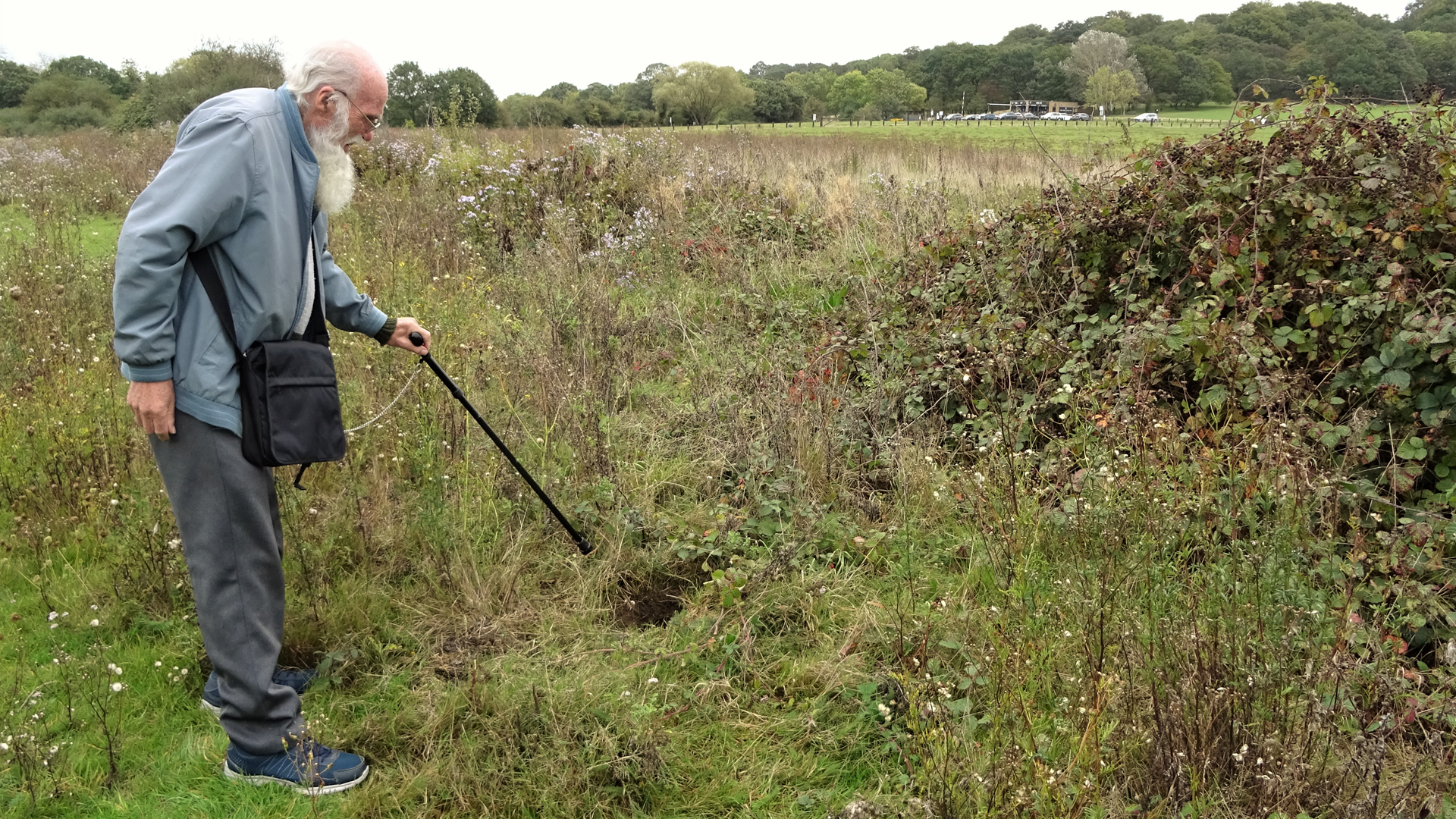
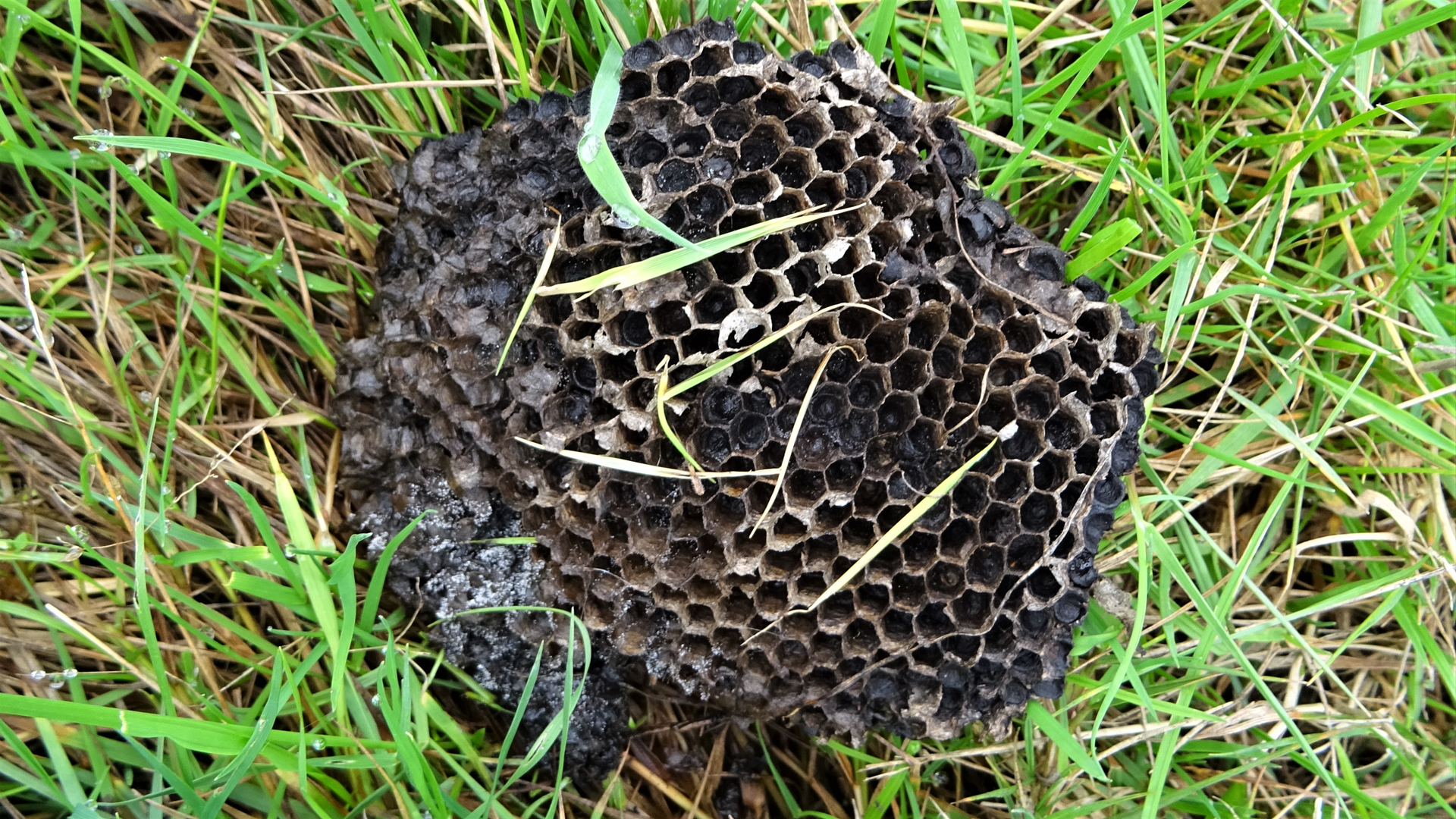
Brian Ecott is directing his walking stick towards a wasp nest that a badger has unearthed. Badgers frequently dig up wasp nests, especially during late summer and autumn. They utiliise their powerful claws and keen sense of smell to excavate the nests for the protein-rich larvae within. Their thick skin and fur shield them from stings, allowing them to undertake this activity without suffering fatal consequences. Fragments of the nest were discovered spread out on the ground. Thousands of visitors probably passed this spot during the summer without realising a wasp nest was here.
#
Mirid Bug
Liocoris tripustulatus
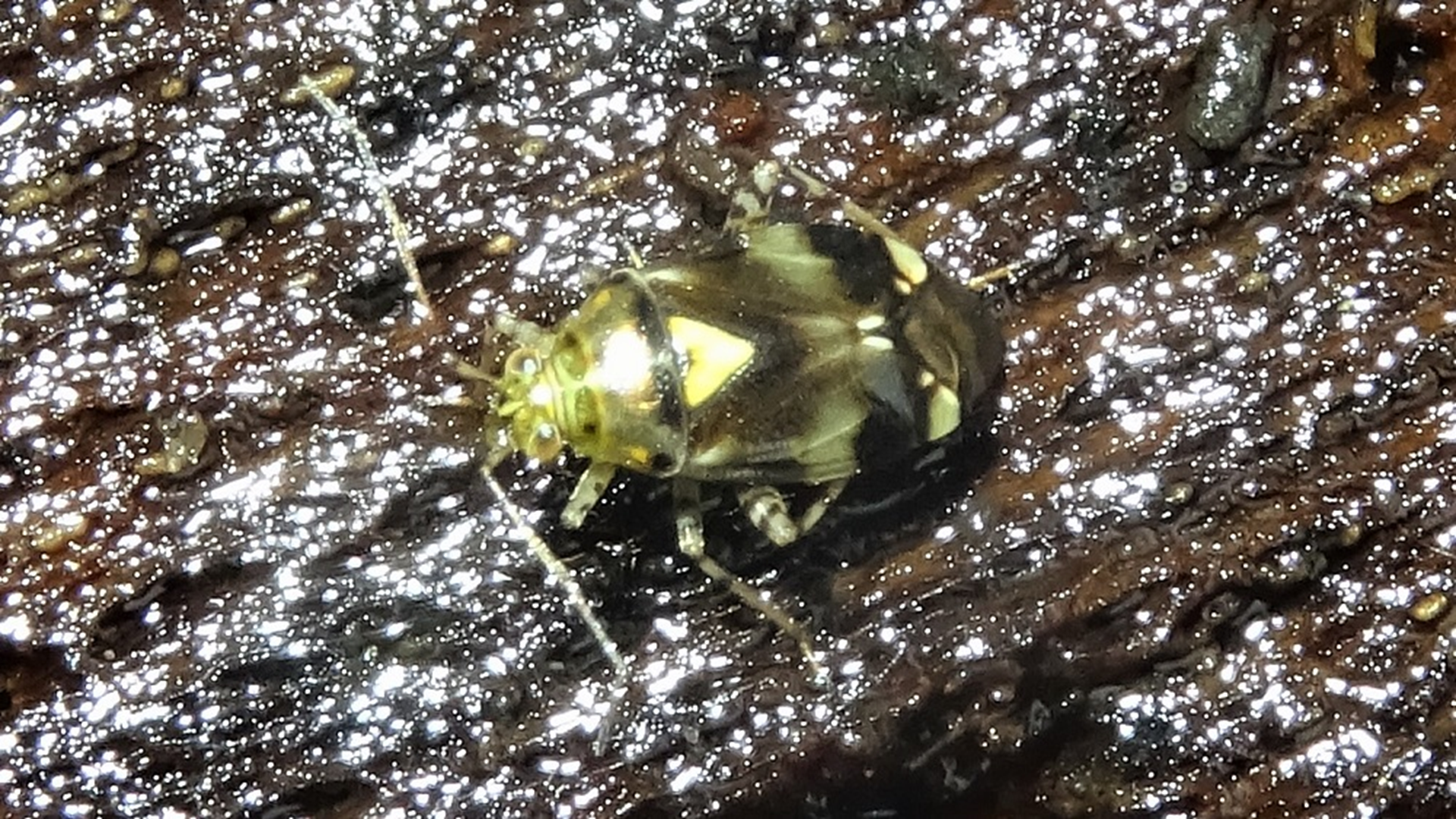
A small plant bug from the family Miridae is mainly associated with nettles, which serve as the food source for all life stages. This individual found on a fallen beech tree measured approximately 4mm. The colouration of this species varies and is typically associated with age.
#
Two-tailed Bristletail
Campodea agg.
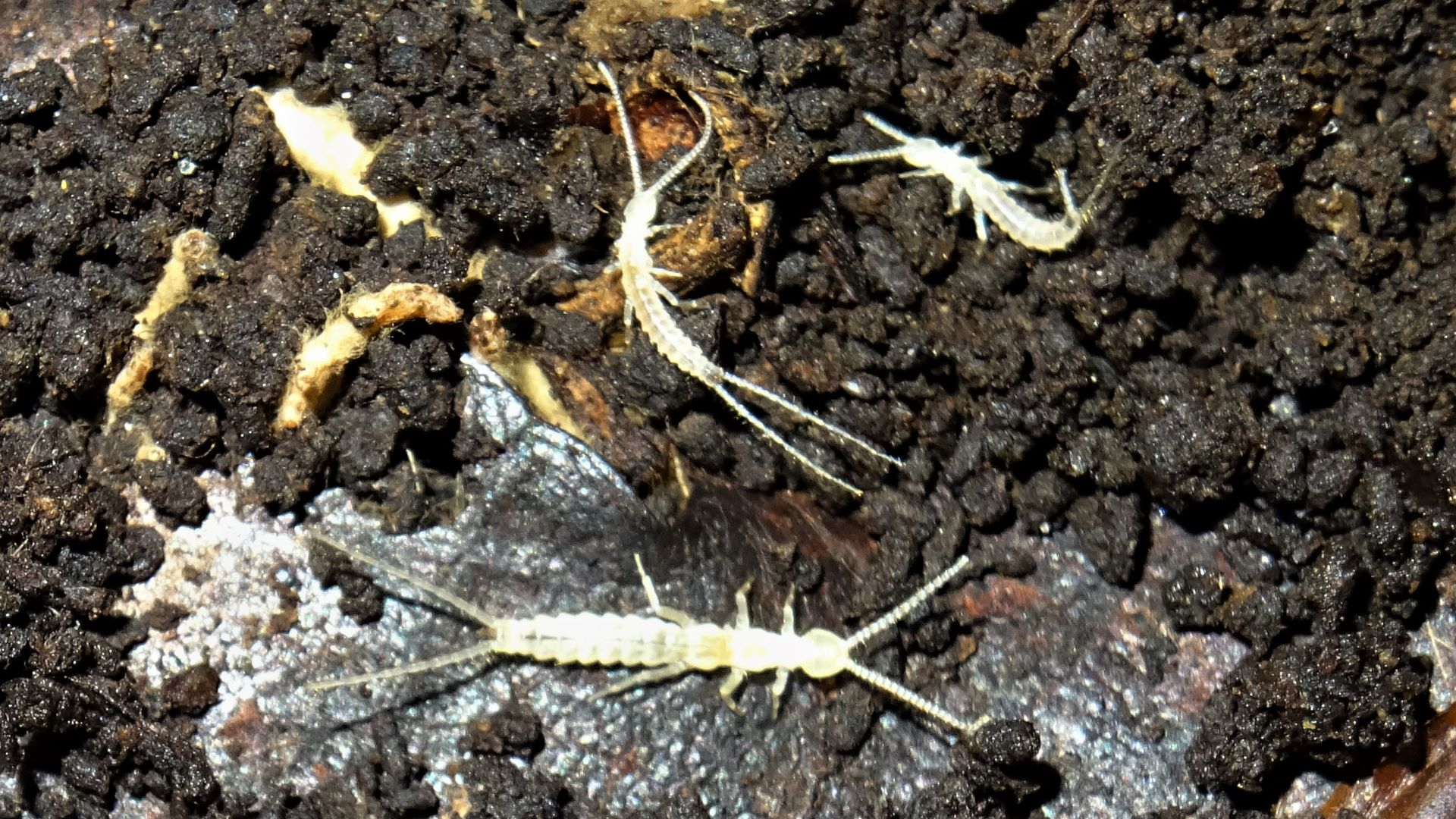
Two-tailed Bristletails are tiny invertebrates that live in damp locations, usually found under logs, stones and in leaf litter. They feed on plant debris and dead insects. They are about 4mm long with translucent white flexible bodies. Bristletail species are difficult to tell apart without microscopic examination, therefore this one has been recorded as
aggregate. They are fairly common but not often recorded.
#
Oak
Bark Beetle Gallery
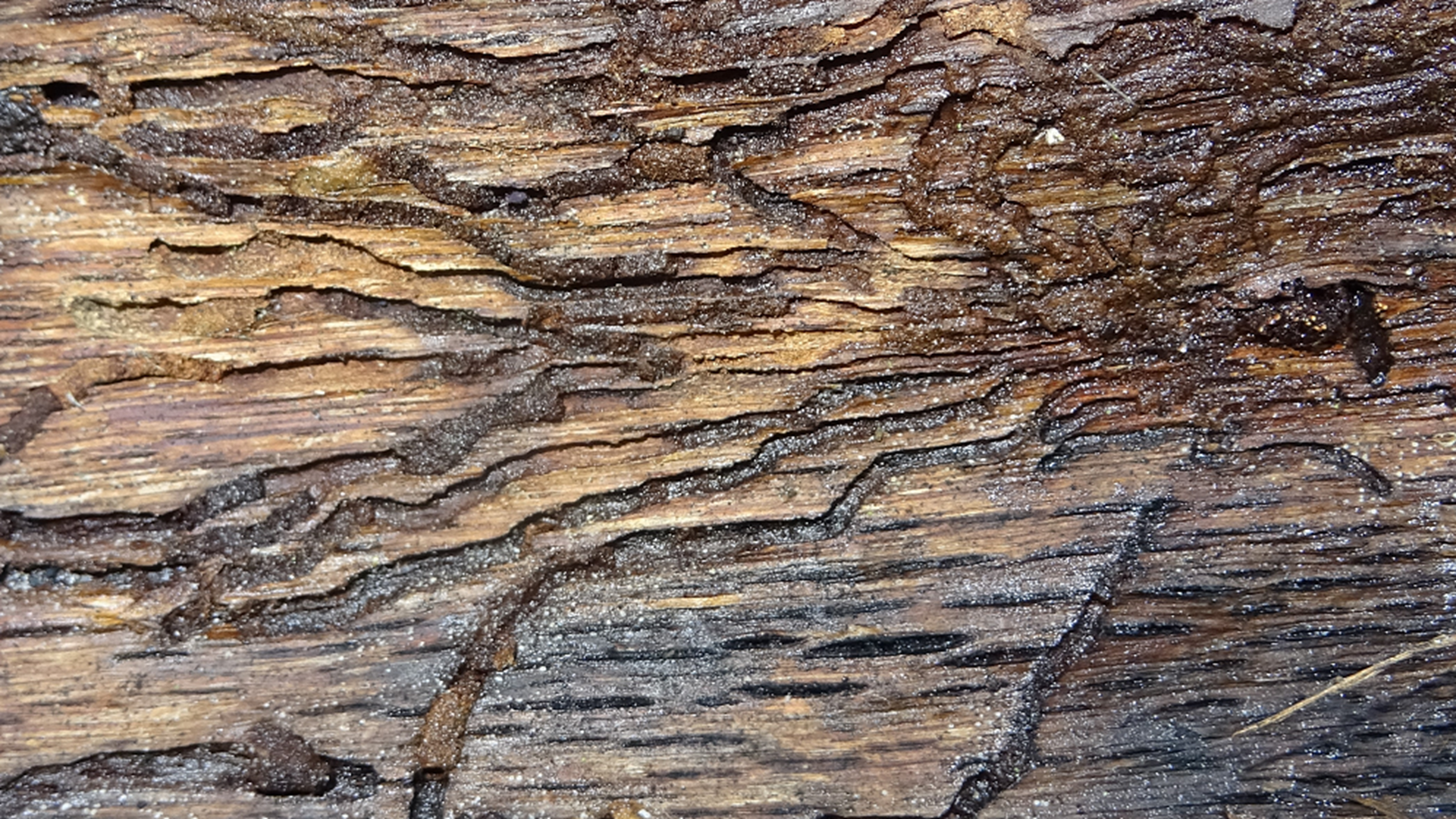
This gallery is made by wood-boring beetle larvae on the underside of oak bark. The dark area on the right is where eggs were laid. The larvae hatched and began to feed on the wood, creating individual radiating trails that widened as they advanced. At the end of each trail, pupation occurred in a chamber. By examining the droppings left in the trails and their spacing, experts can often identify the actual species involved.
#
Common Striped Woodlouse
Philoscia muscorum
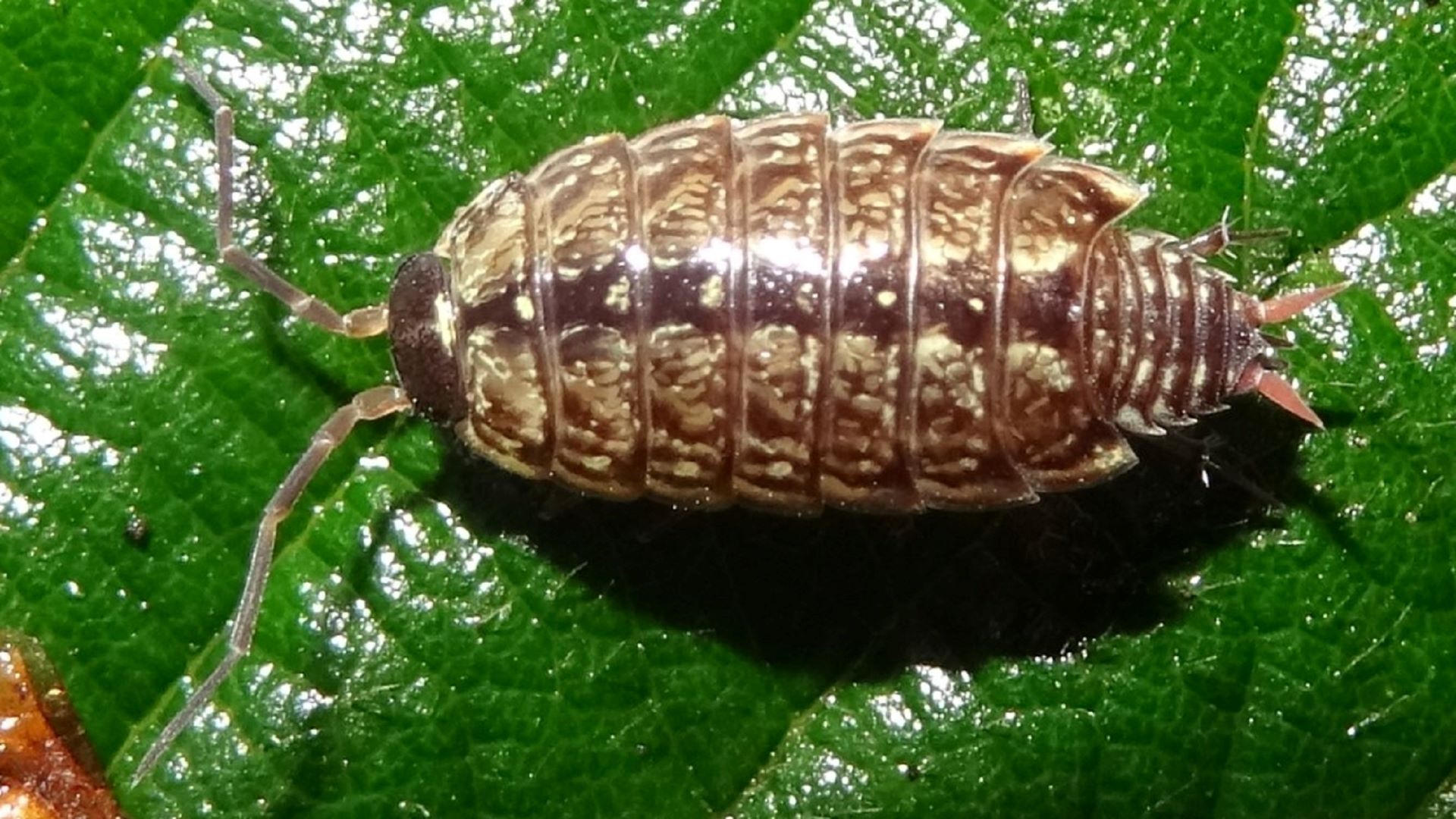
Sometimes referred to as the 'Fast Woodlouse' due to its capacity to move more quickly than many other common species when disturbed. This brownish mottled woodlouse features a dark stripe along its back and has a black head. It can reach a maximum length of 11mm and is typically observed from early spring to late autumn. Mating usually takes place at night. When a female is prepared to mate, a male climbs onto her back and licks her head while tapping against her with his front legs.
#
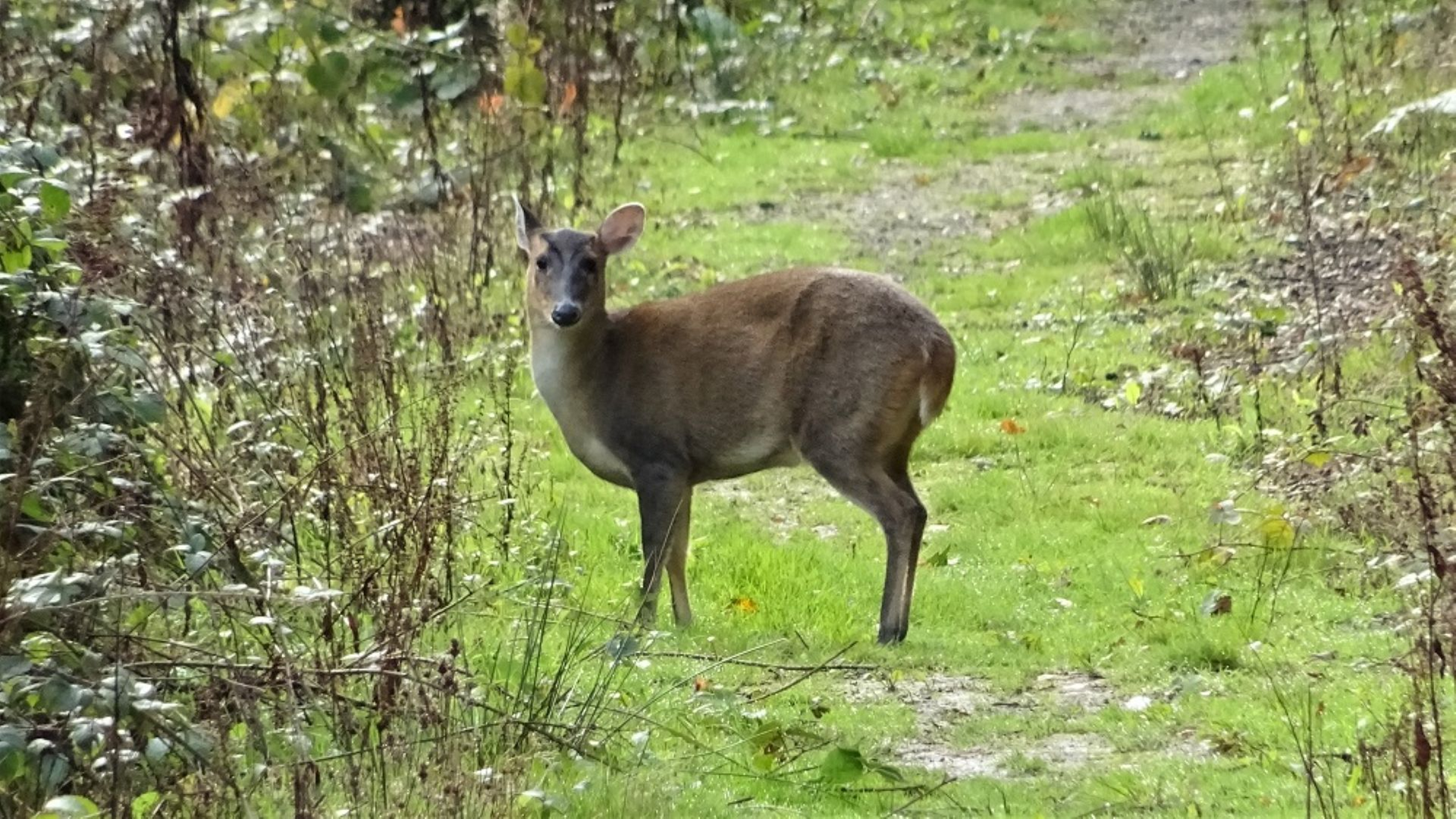
Muntjac Deer
Muntiacus
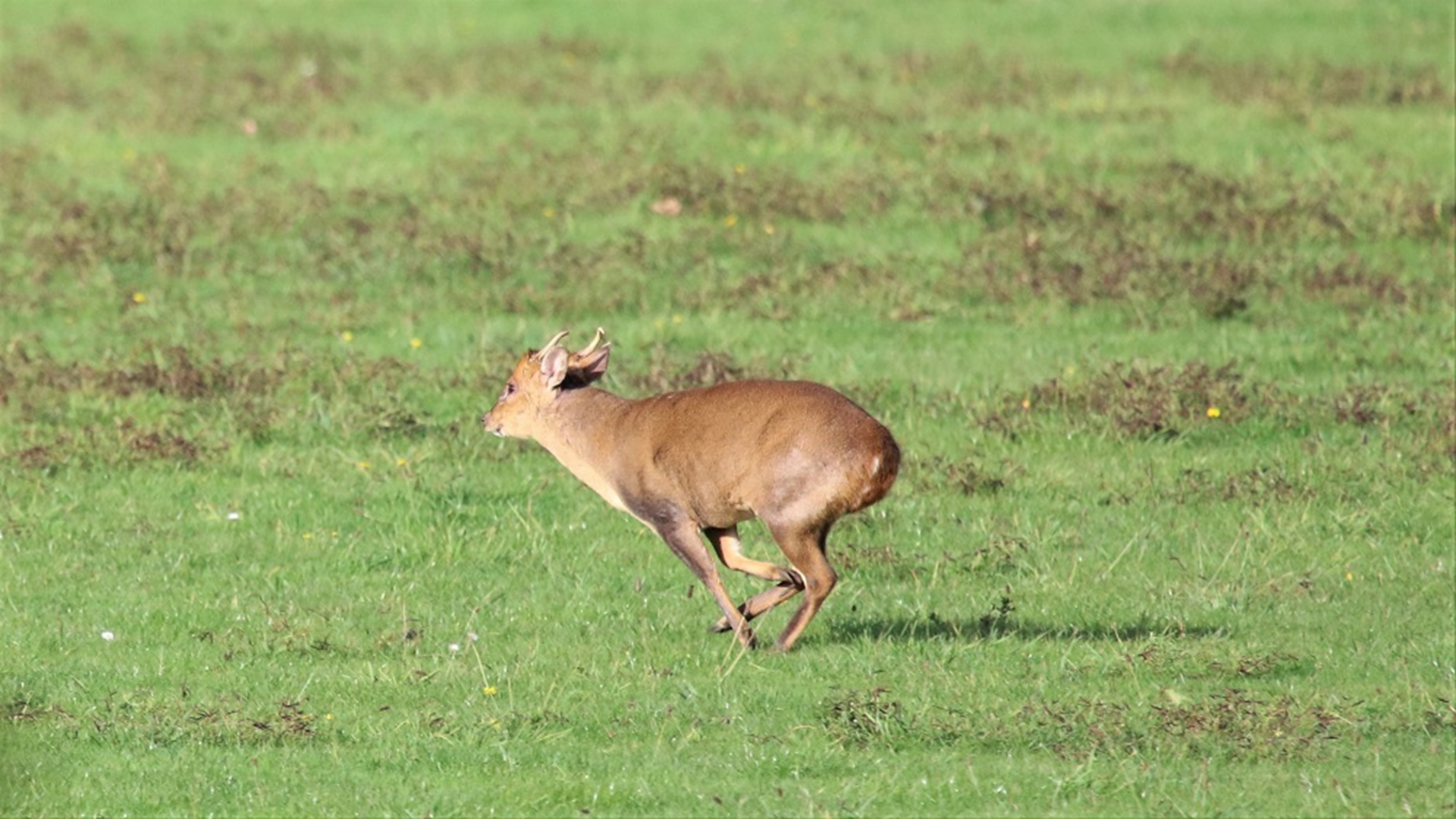
A buck muntjac dashing across the meadow near the Global Cafe and a doe a deer - a female deer on a forest path!
#
Grey Squirrel
Sciurus carolinensis
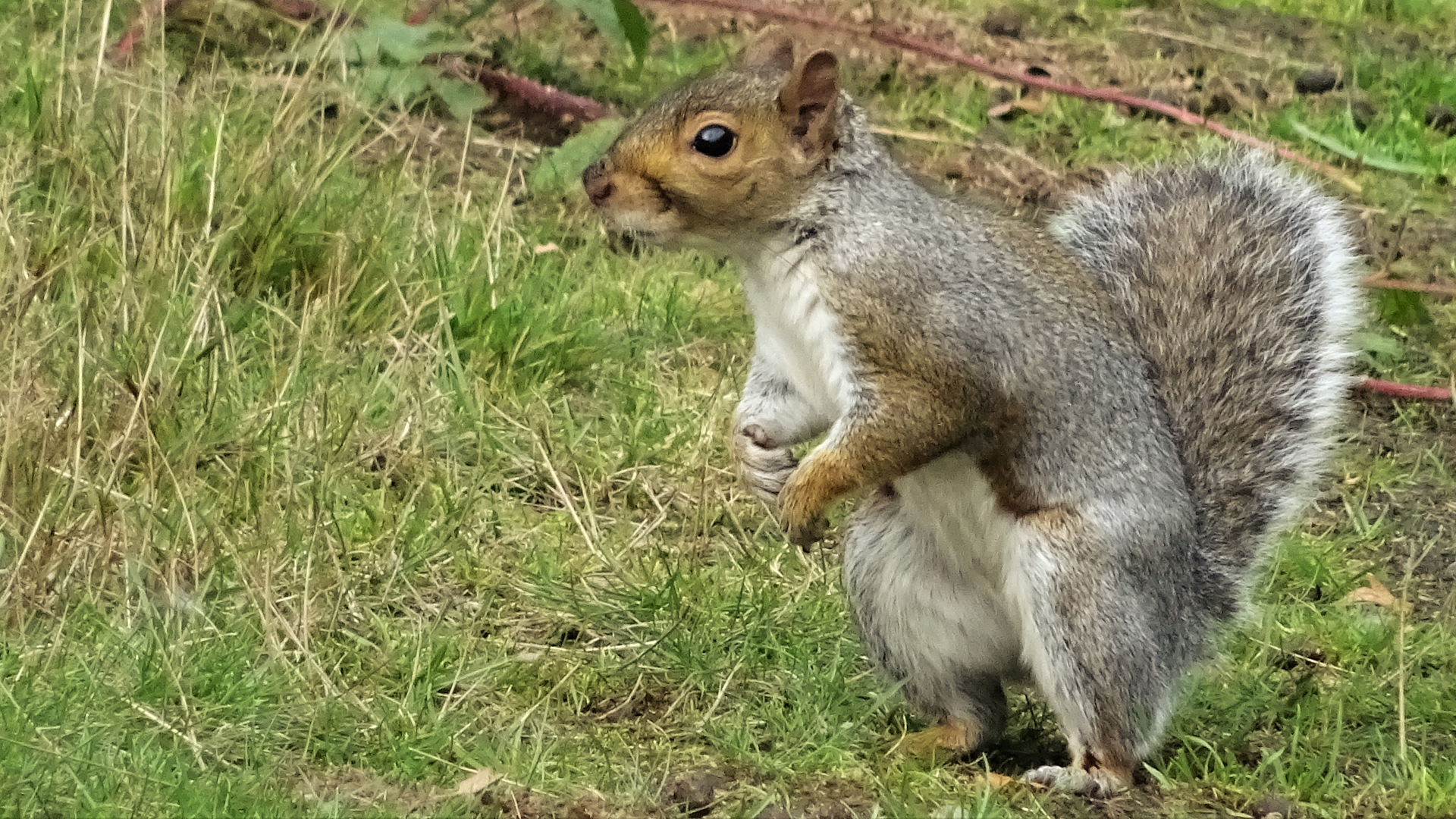
Grey Squirrels didn't take long to establish themselves in the UK. Such is their number that it is sometimes hard to imagine that 200 years ago they weren't seen here.
#
Bat
Nyctalus
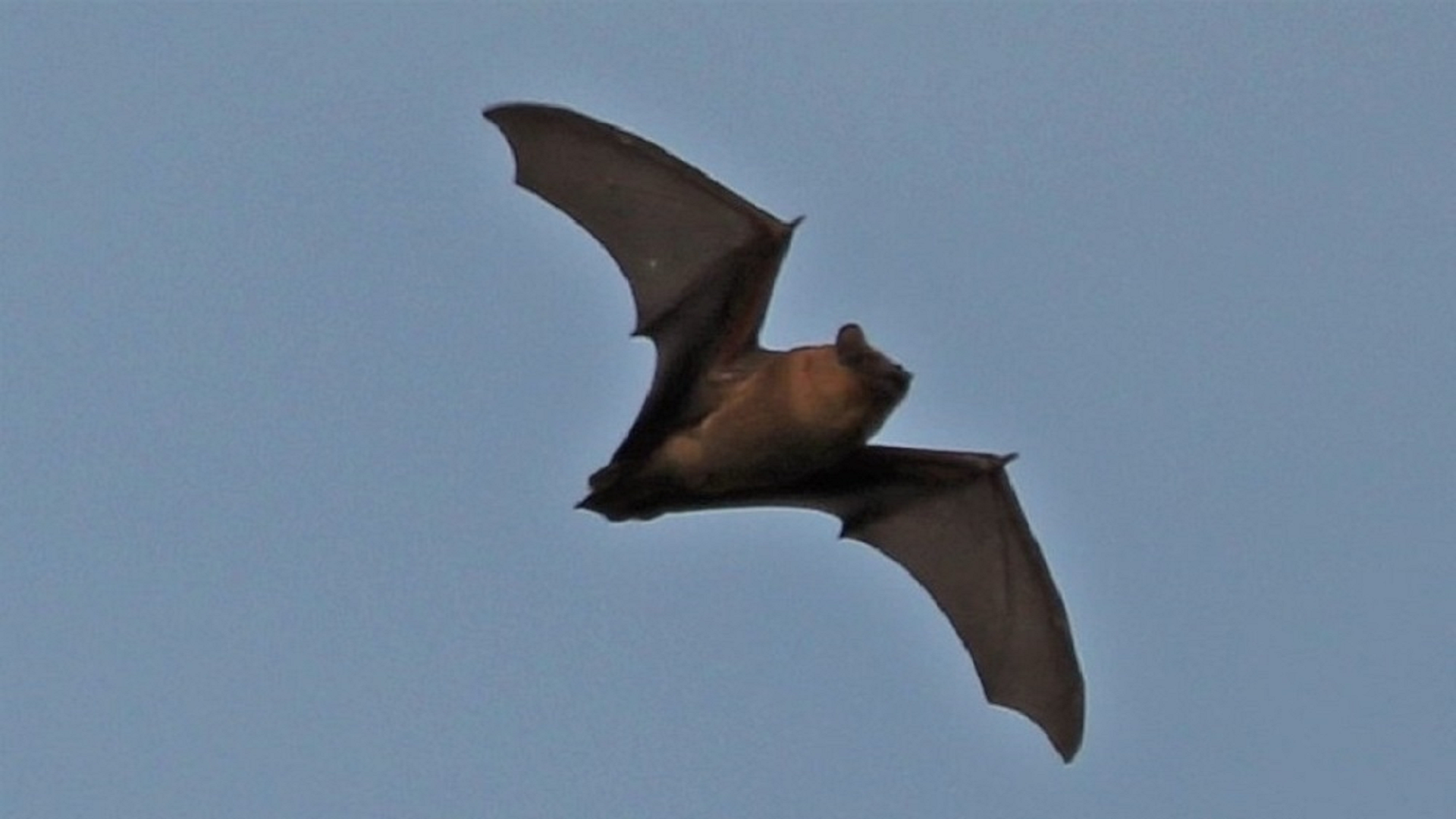
Bats are the only mammals capable of true and sustained flight. This picture shows a large bat with wingspan of over 30cm flying just before noon at the back of Hainault Lake. It is more likely to be Noctule than Leisler's although they look similar in flight.
#
Seven-spot Ladybird
Coccinella septempunctata
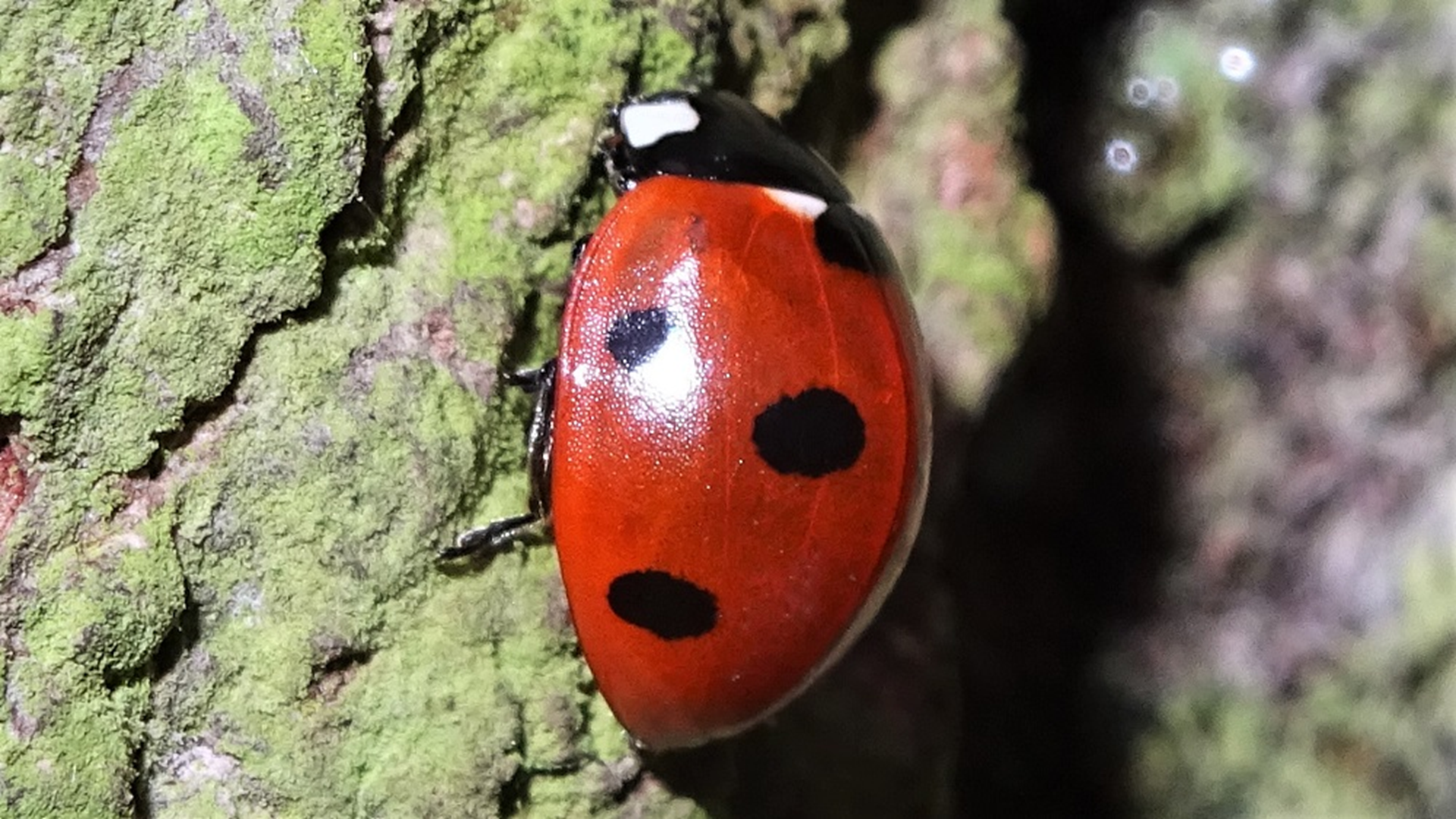
Seven-spot Ladybirds usually hibernate during winter, but this one was still active.
Perhaps a sign of the fairly mild weather we've been having lately?
#
Canestrini's Harvestman
Opilio canestrinii
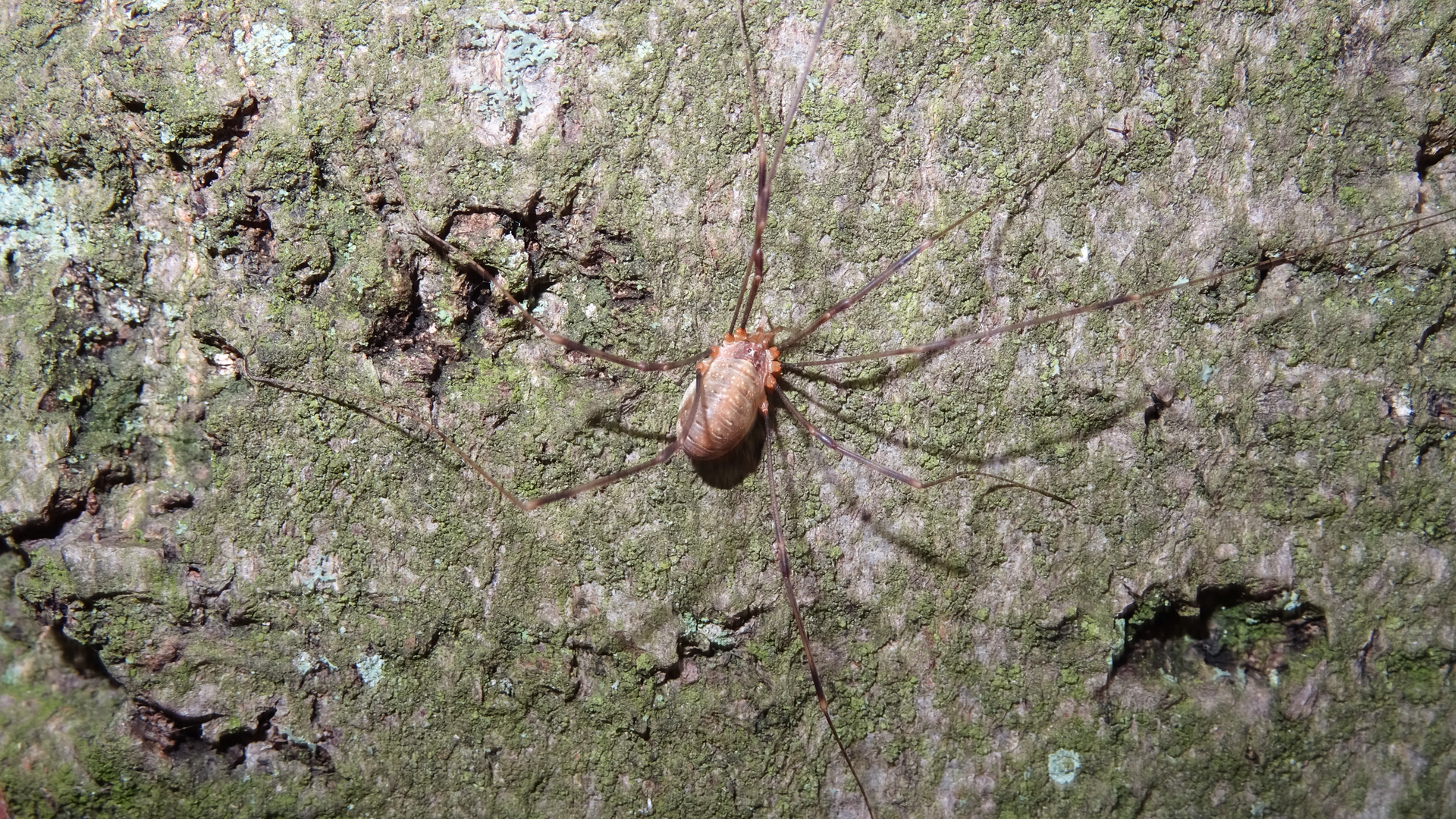
Harvestmen are long-legged arachnids that are often mistakenly identified as spiders. While they may be distant relatives of spiders, they have several differences. Unlike spiders, their bodies are not segmented and are instead a single piece. Additionally, they do not have silk glands, which means they are unable to spin webs.
#
Essex Field Club Exhibition
Pitsea
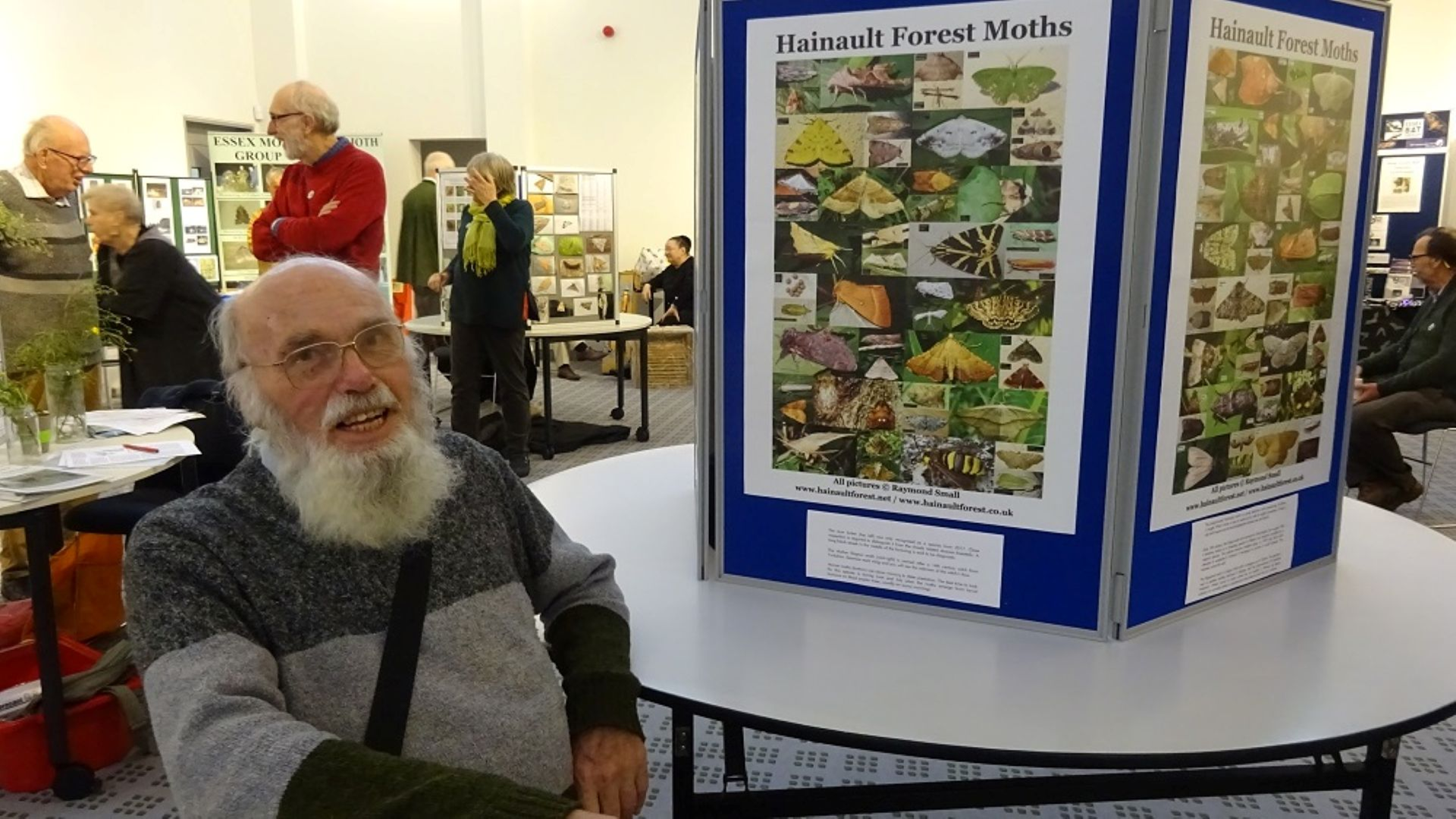
Essex Field Club's annual exhibition at Pitsea showcased a variety of nature displays from different areas of Essex. Hainault Forest has been part of this event for over 20 years with displays from Brian Ecott (pictured). This year, the boards were organised by Raymond Small, because Brian has opted to reduce his forest activities.
#
Hainault Restoration Project
Times they are a-changing!
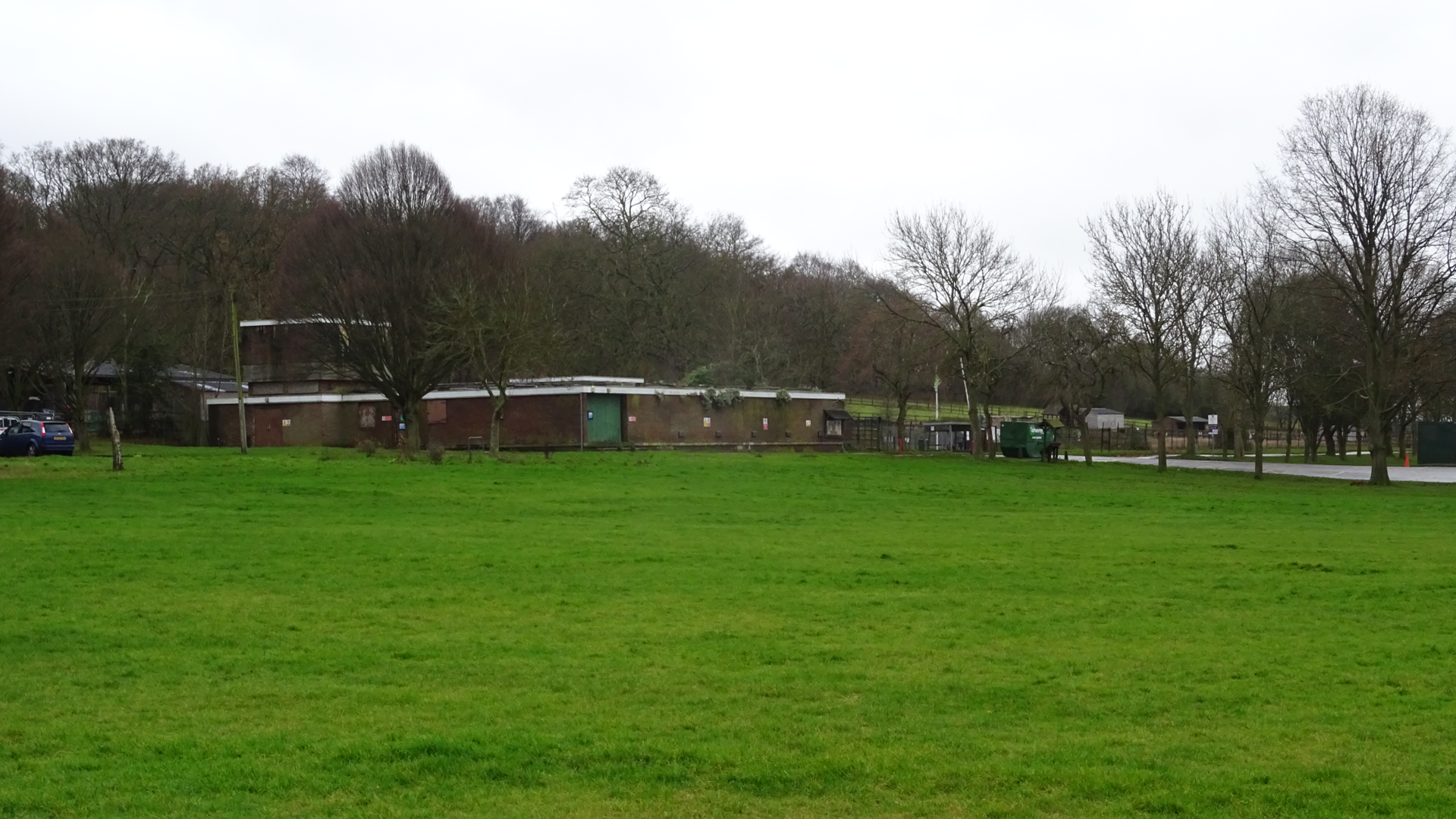
The changing rooms on Foxburrow Road were closed some time ago after it became known that asbestos, a known health risk, had been used in its construction. The building will be pulled down soon as part of the Hainault Restoration Project and the asbestos safely removed under secure conditions. Plans under consideration to replace the building are a children's play area or a storage building for the farm.
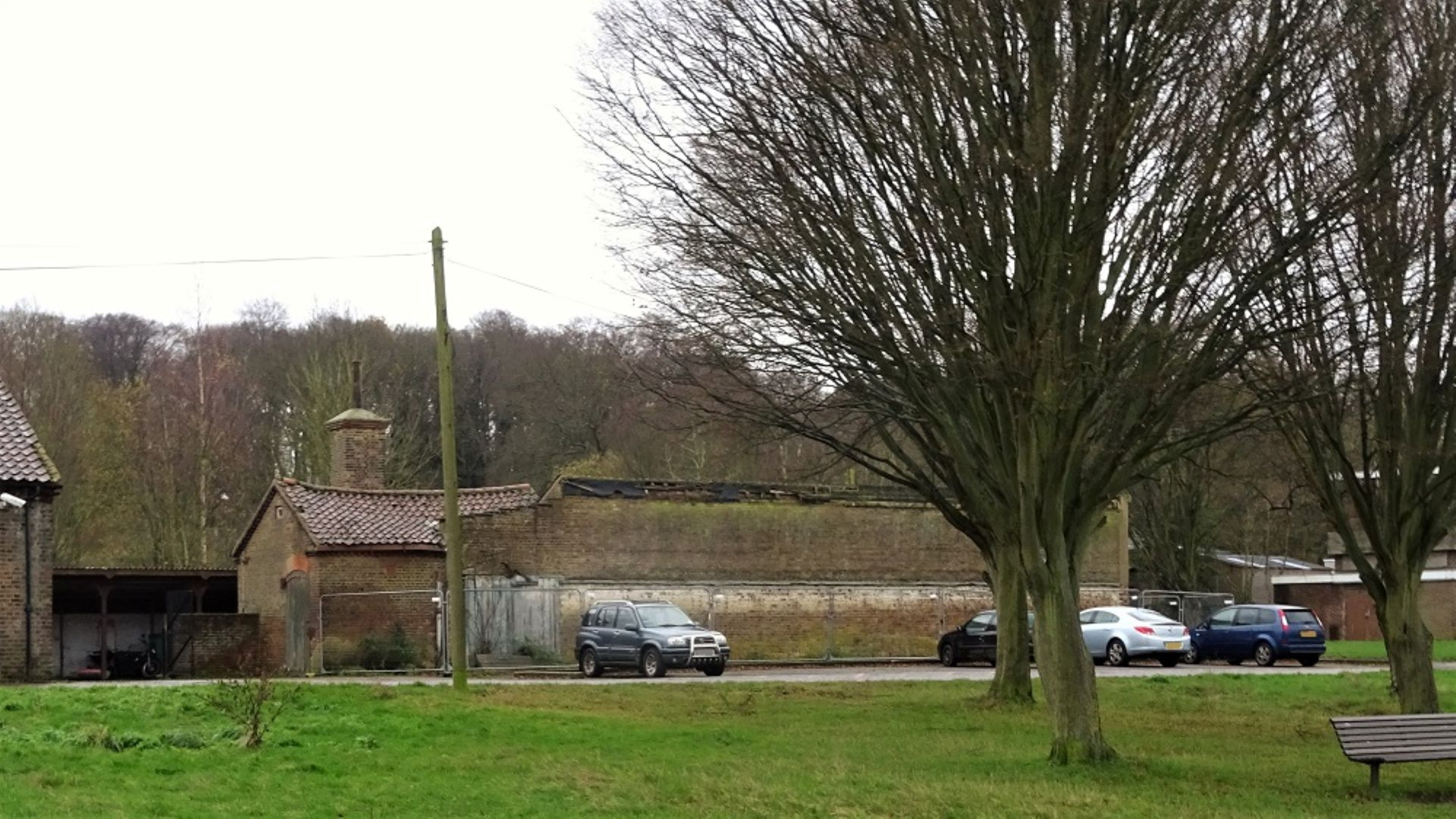
The structure situated behind the staff car park was the Old Smithy building, where horses were once shod by a blacksmith. The building is scheduled for restoration. There have been discussions about the possibility of this area being equipped with units for small businesses to sell craft items, but this has not yet been confirmed.
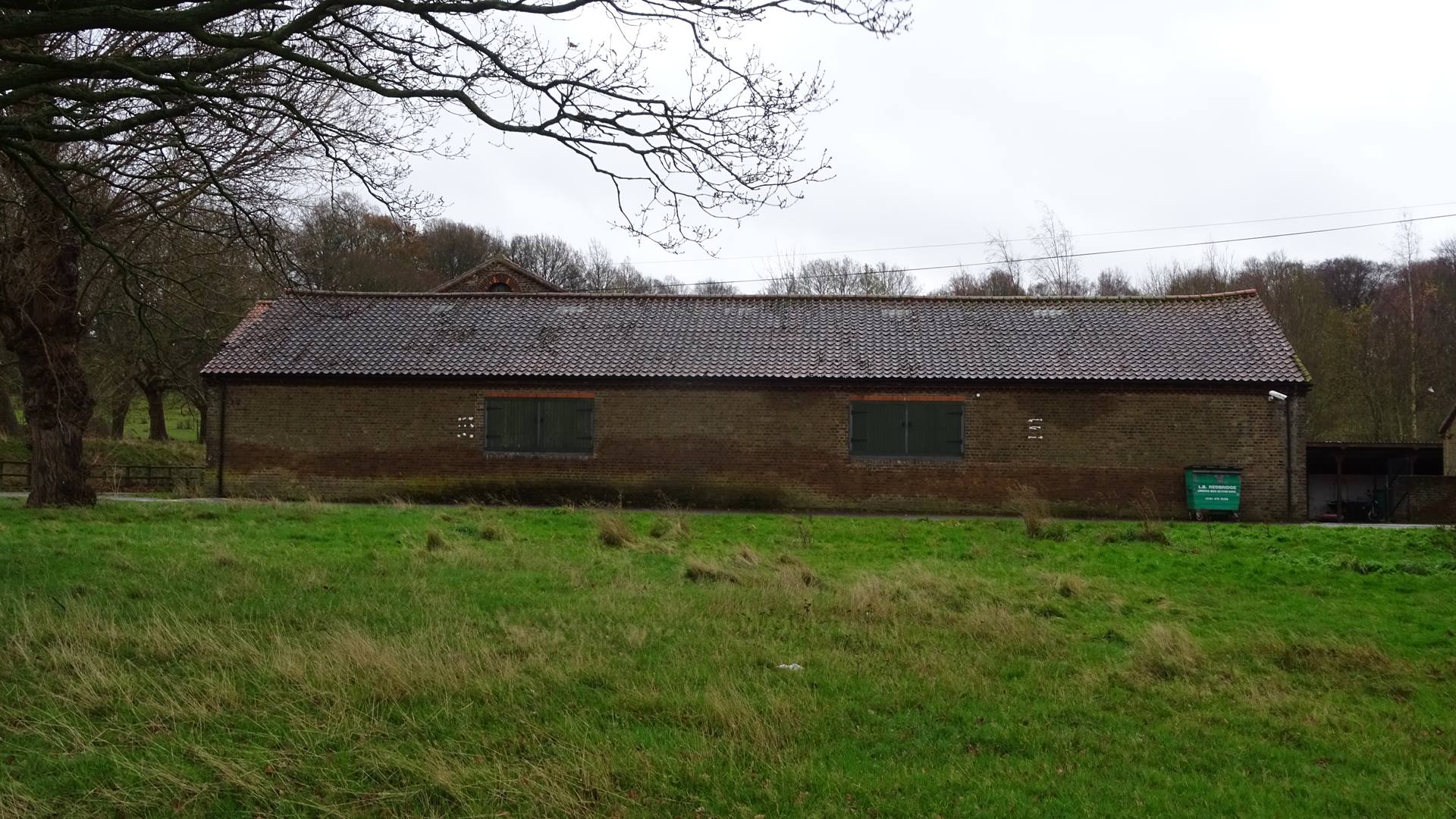
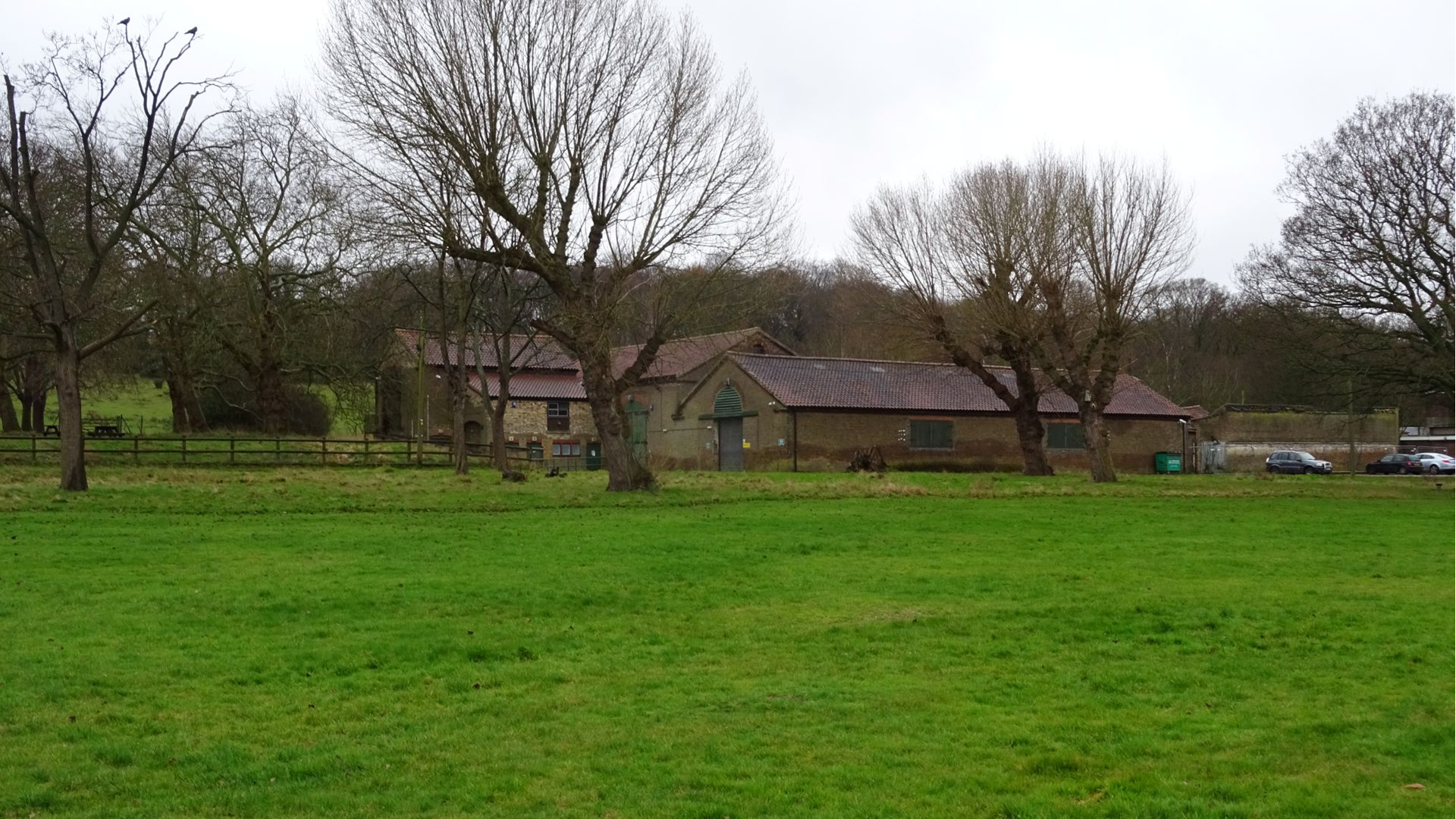
This building, constructed in 1886, is set to undergo refurbishment soon. It has functioned as a visitor information centre, and before that a café. Discussions regarding the possibility of converting it back into a café have occurred, but no official details have been released yet.
#
Hainault Lake
A Moment to Reflect
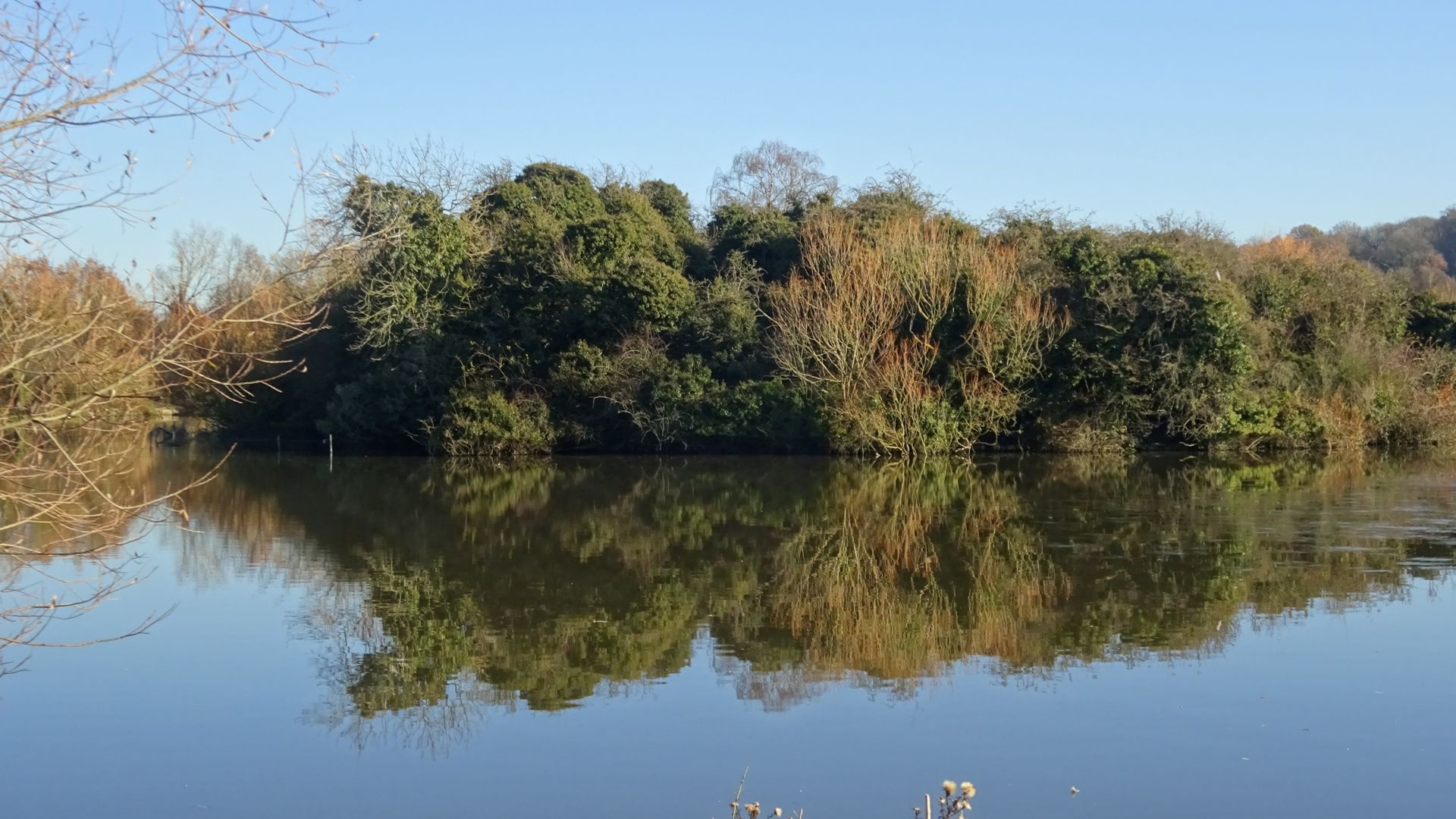
A perfect day for pictures of swans reflected in water - but where did they go?
#
© hainaultforest.net. All rights reserved.
This website uses necessary cookies. It does not use targeting or advertising cookies.