

LAST QUARTER 2019
Fly Agaric
Amanita muscaria
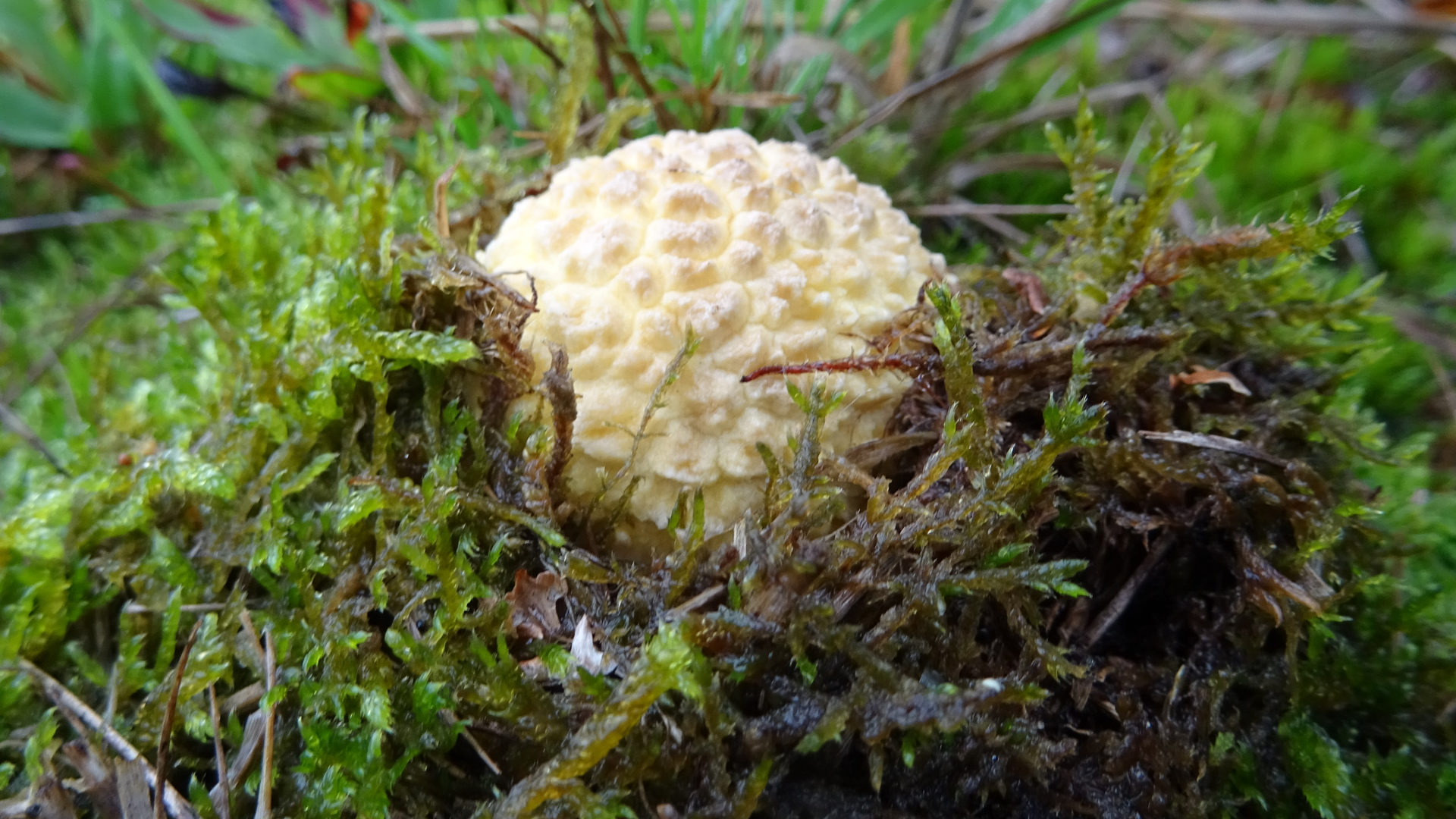
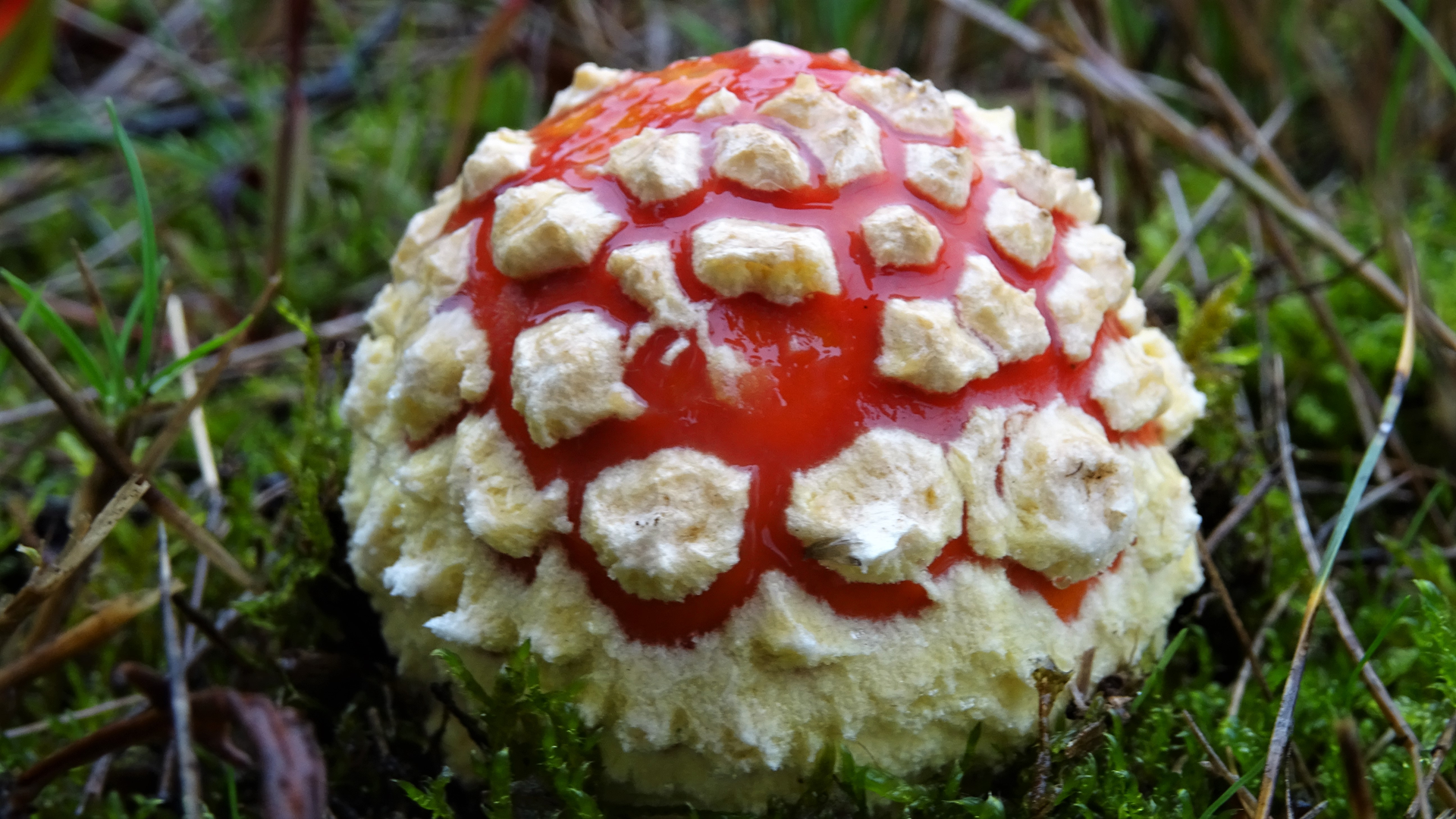
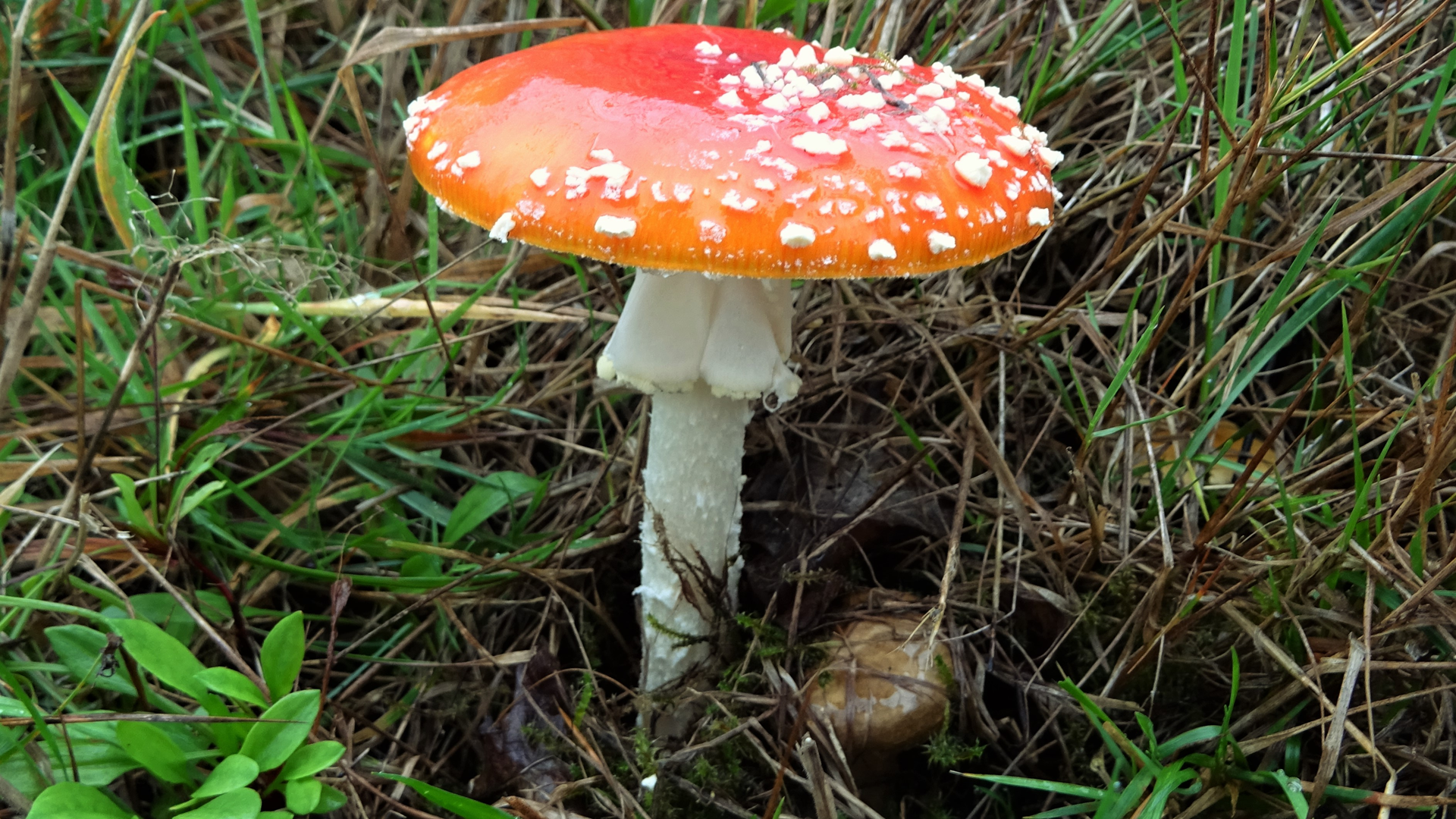
When these mushrooms appear they can be easily mistaken for golf balls partially buried in the grass. Initially the striking red cap is covered in a white scaly veil that covers the whole immature fruiting body. The mushrooms become more recognisable once the veil has broken and the red cap is revealed. The white stems can reach a height of 150mm and caps measure 150mm across. There is a beneficial relationship with tree roots of silver birch trees in a process called symbiosis. The fungus provides the tree roots with water, essential nutrients and chemicals. The tree provides carbohydrates to the fungus, which, lacking chlorophyll cannot make their own sugar. These toxic mushrooms were once chopped and combined with milk for use as an insecticide.
#
The Blusher
Amanita rubescens
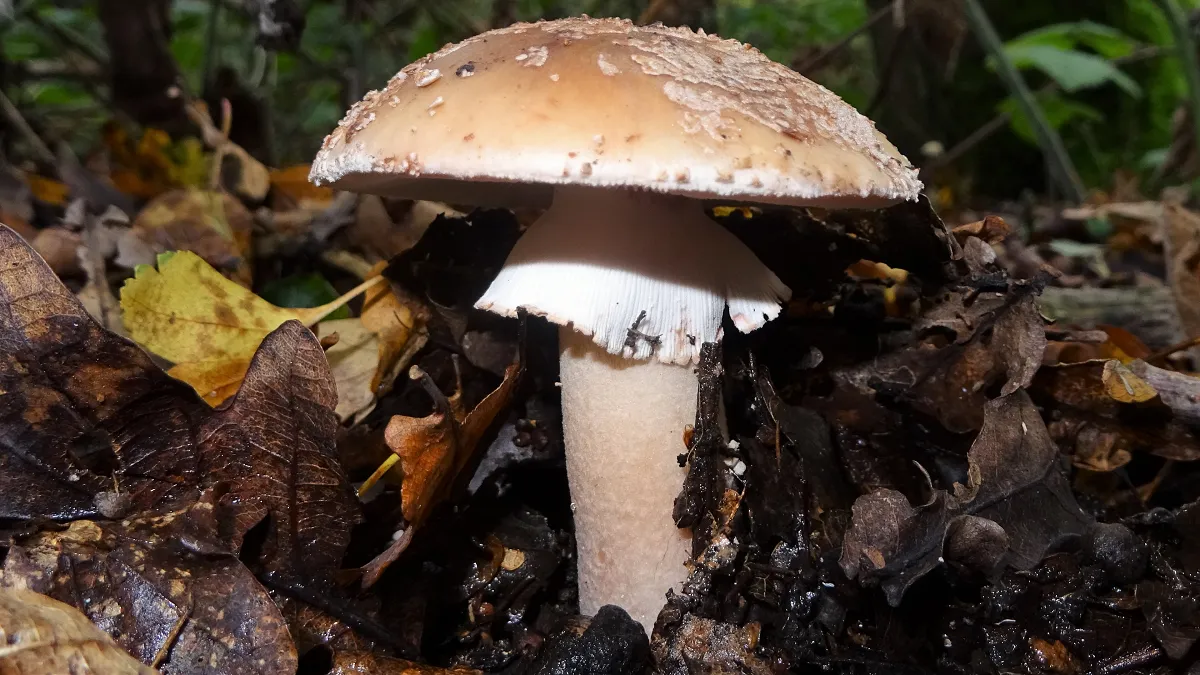
At first glance, this could be confused with a Panther cap mushroom
Amanita pantherina. However, the Panther cap's ring on the stem lacks grooves on the upper side, which distinguishes it from the Blusher. A key feature of the Blusher is that its flesh turns rosy-red when bruised. Characteristics such as a pink stem, pink bruising on the ring, and a large ring indicate it is a Blusher.
#
False Deathcap
Amanita citrina
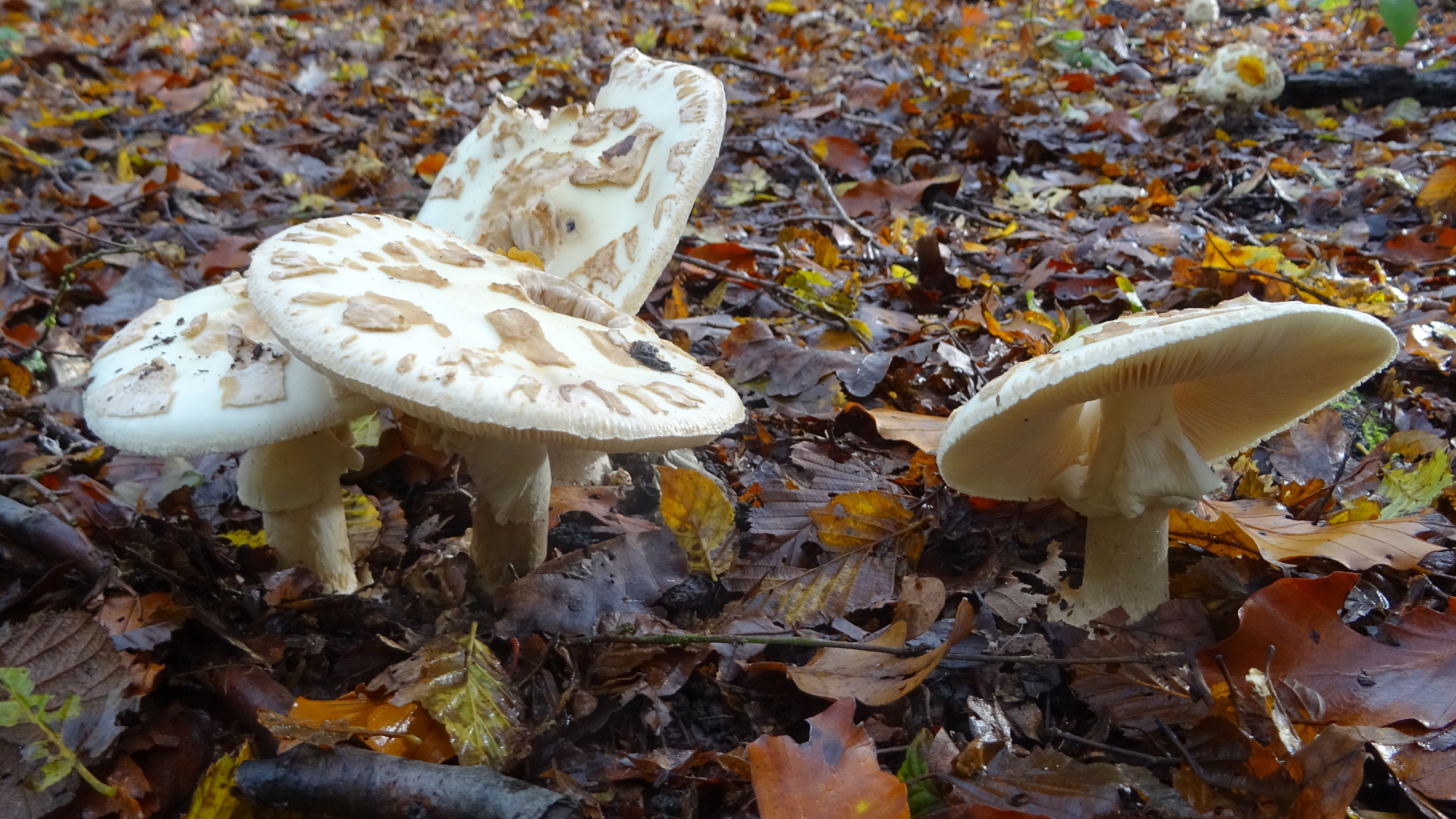
The False Deathcap is slightly lemon-yellow in colour. The cap grows up to 10cm across and the stipe up to 8cm tall. It is found on soil in broad-leaved and mixed woodland. We normally find these growing in single units, but this year has been an excellent for fungi and we discovered a large group of over twenty.
#
Field Mushroom
Agaricus campestris
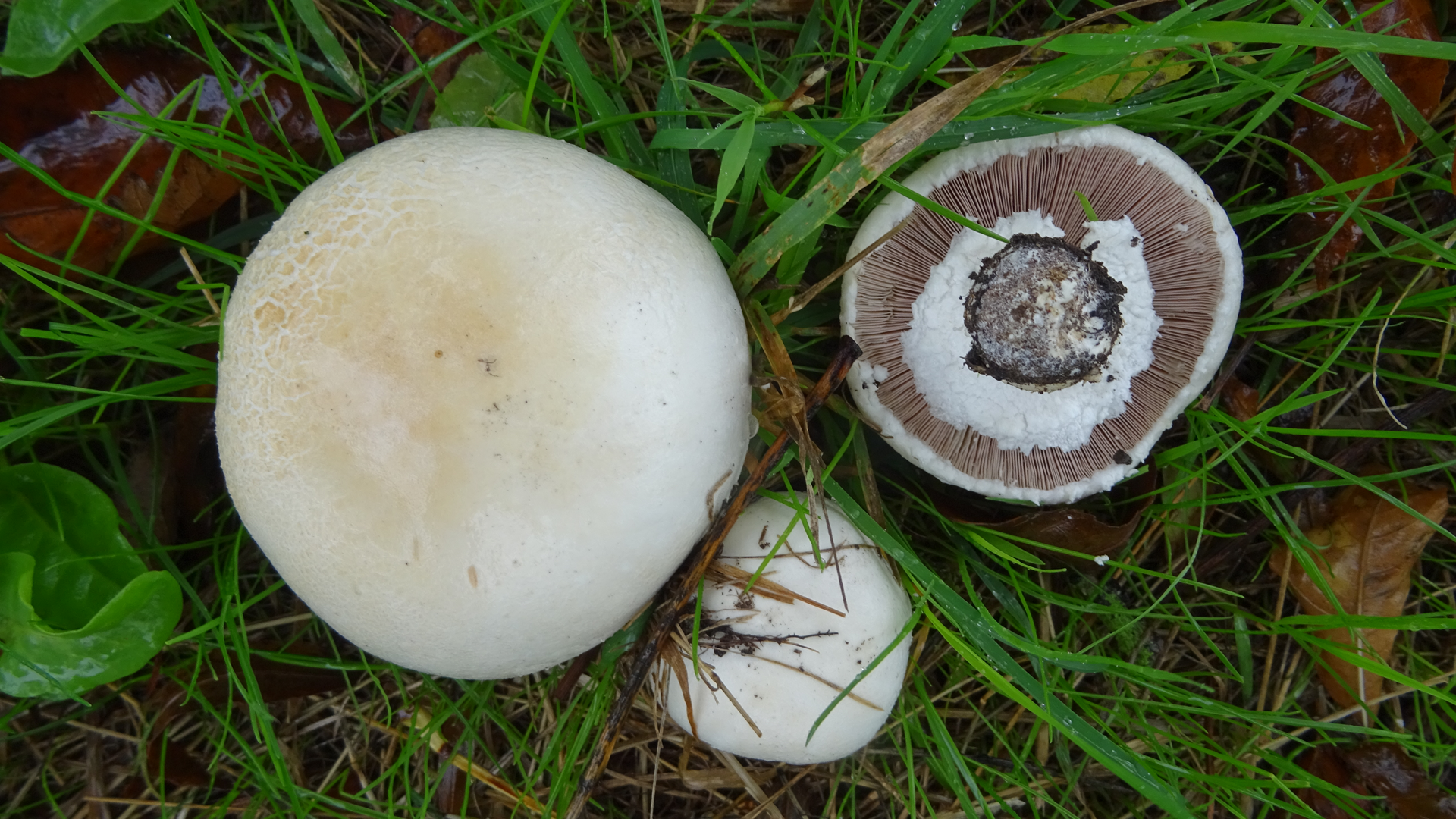
Field Mushrooms are found in the meadows. The whitish caps grow up to 12cm across and occasionally have fine scales that brown with age.
#
Brown Rollrim
Paxillus involutus
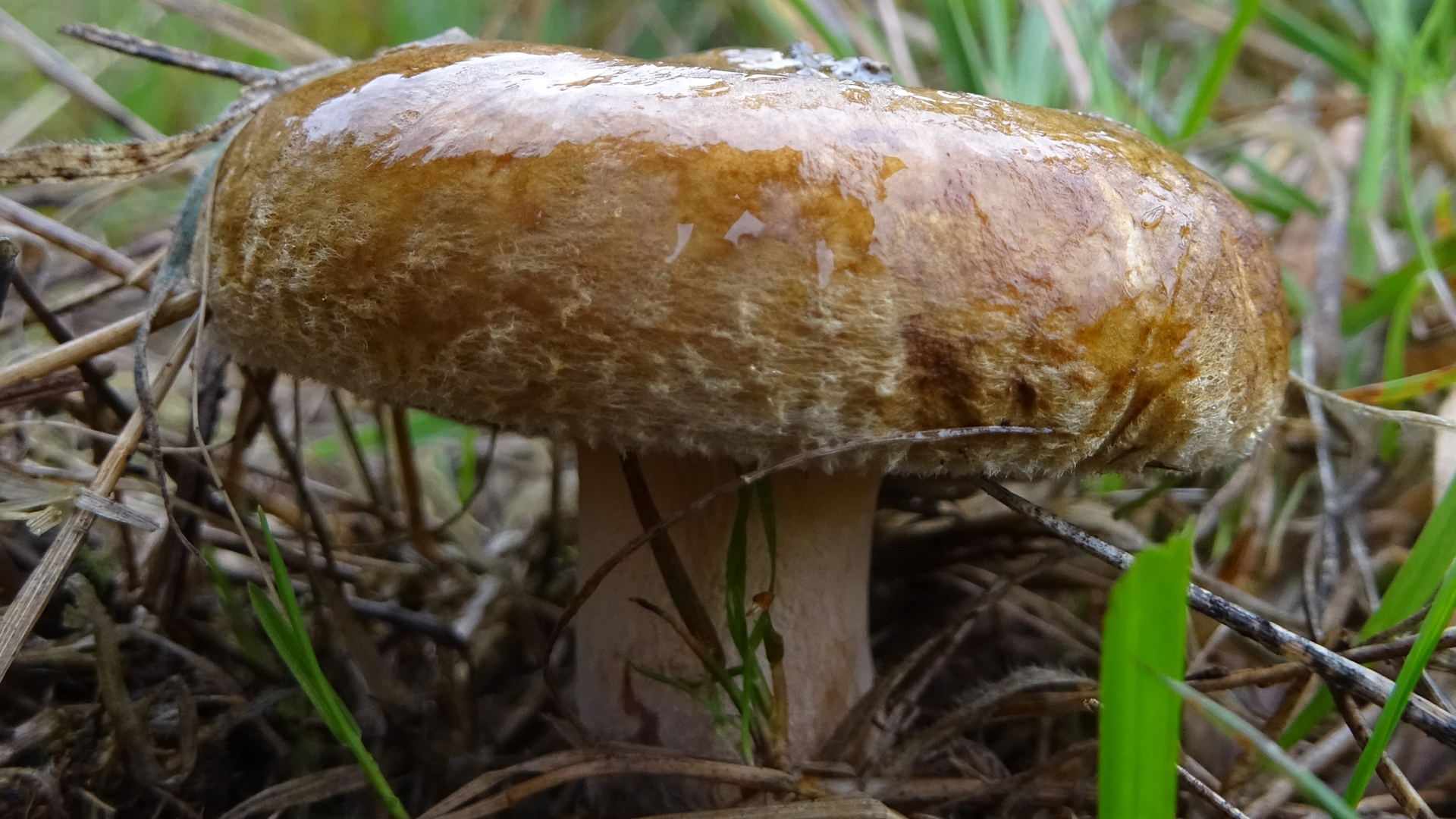
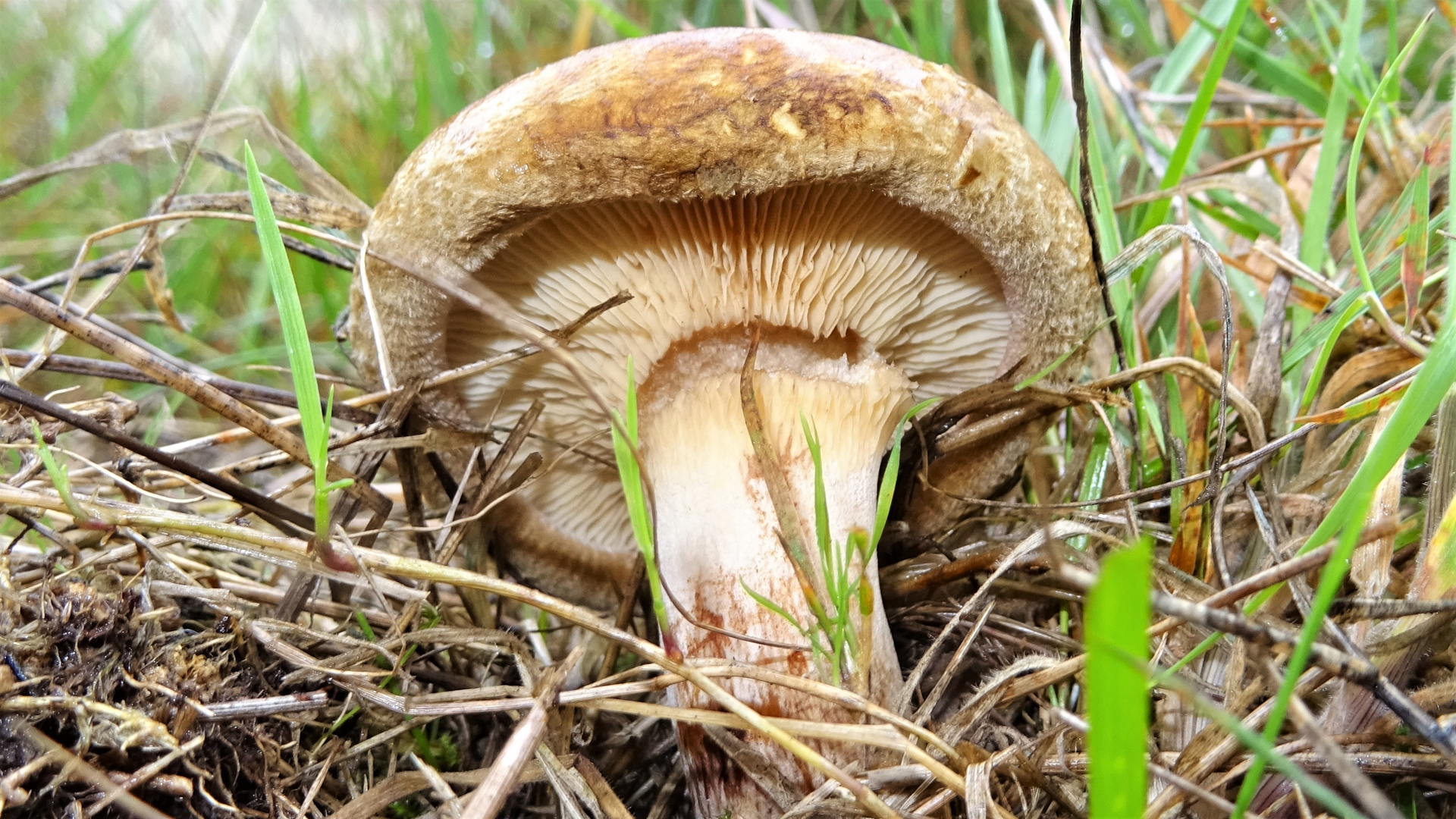
The Brown Rollrim cap can reach up to 15 cm in diameter. Mature specimens become smooth and slimy when wet, while younger toadstools have a finely felted texture. The decurrent gills easily detach from the cap when handled. The name comes from the inrolled rim. In certain countries, Brown Rollrim is still sold for consumption; however, it is poisonous and should not be eaten. Consuming it regularly can result in a build up of toxins in the body that attack red blood cells, potentially leading to death.
#
Fairy Ring Champignon
Marasmius oreades
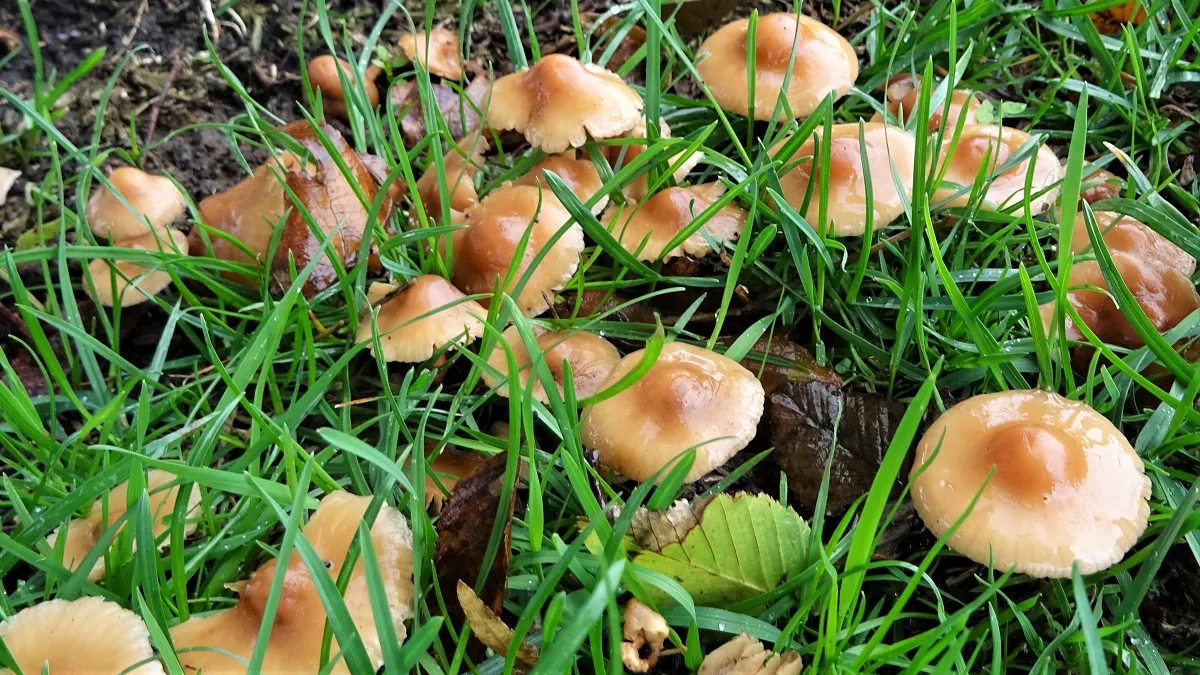
Fairy RIng Champignon often appears in the short grass with the fruiting bodies forming a circle. The caps ranged from 20 to 50mm across.
#
Common Puffball
Lycoperdon perlatum
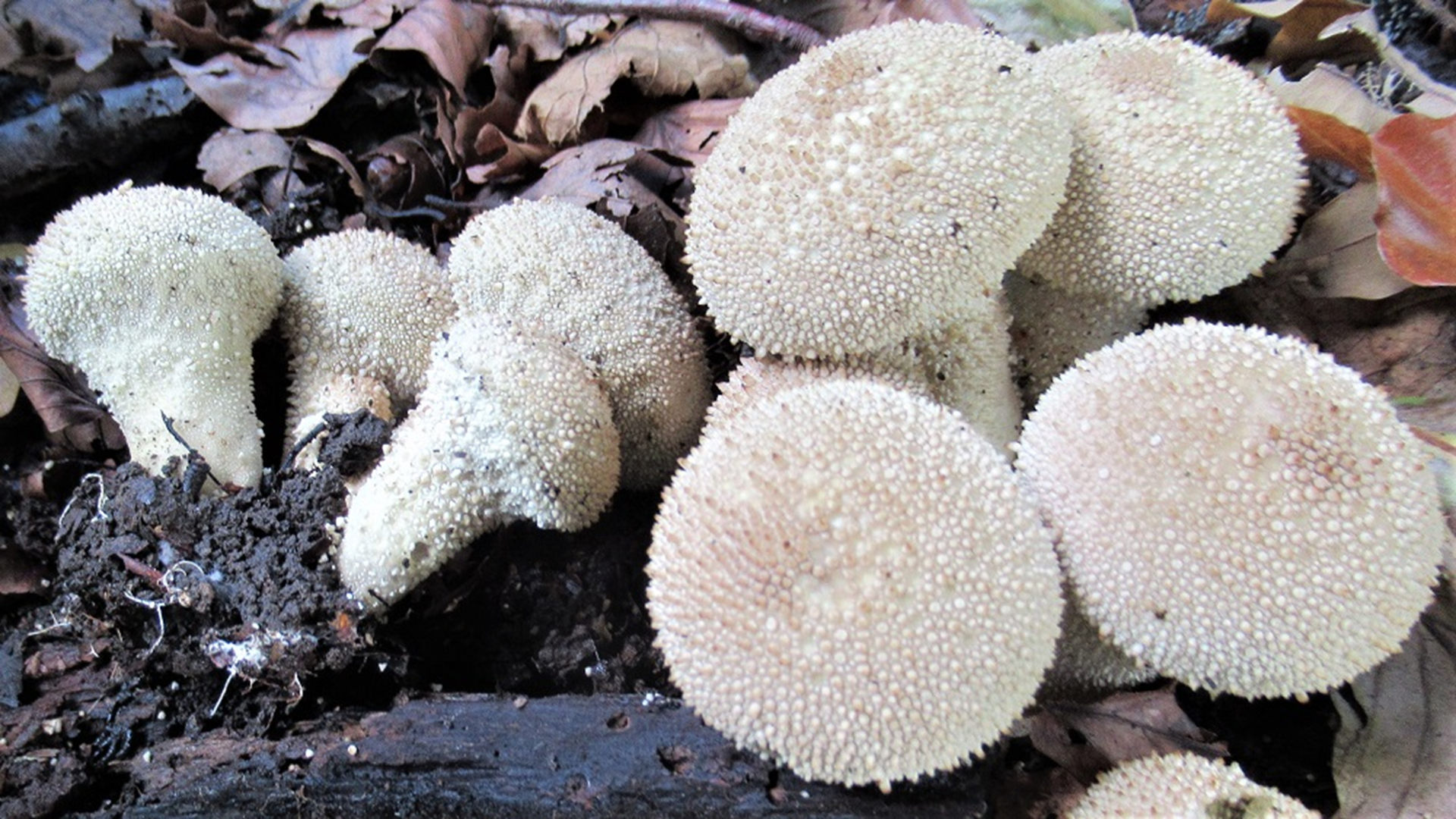
Common Puffballs are normally found in small, scattered groups amongst leaf litter under the trees.
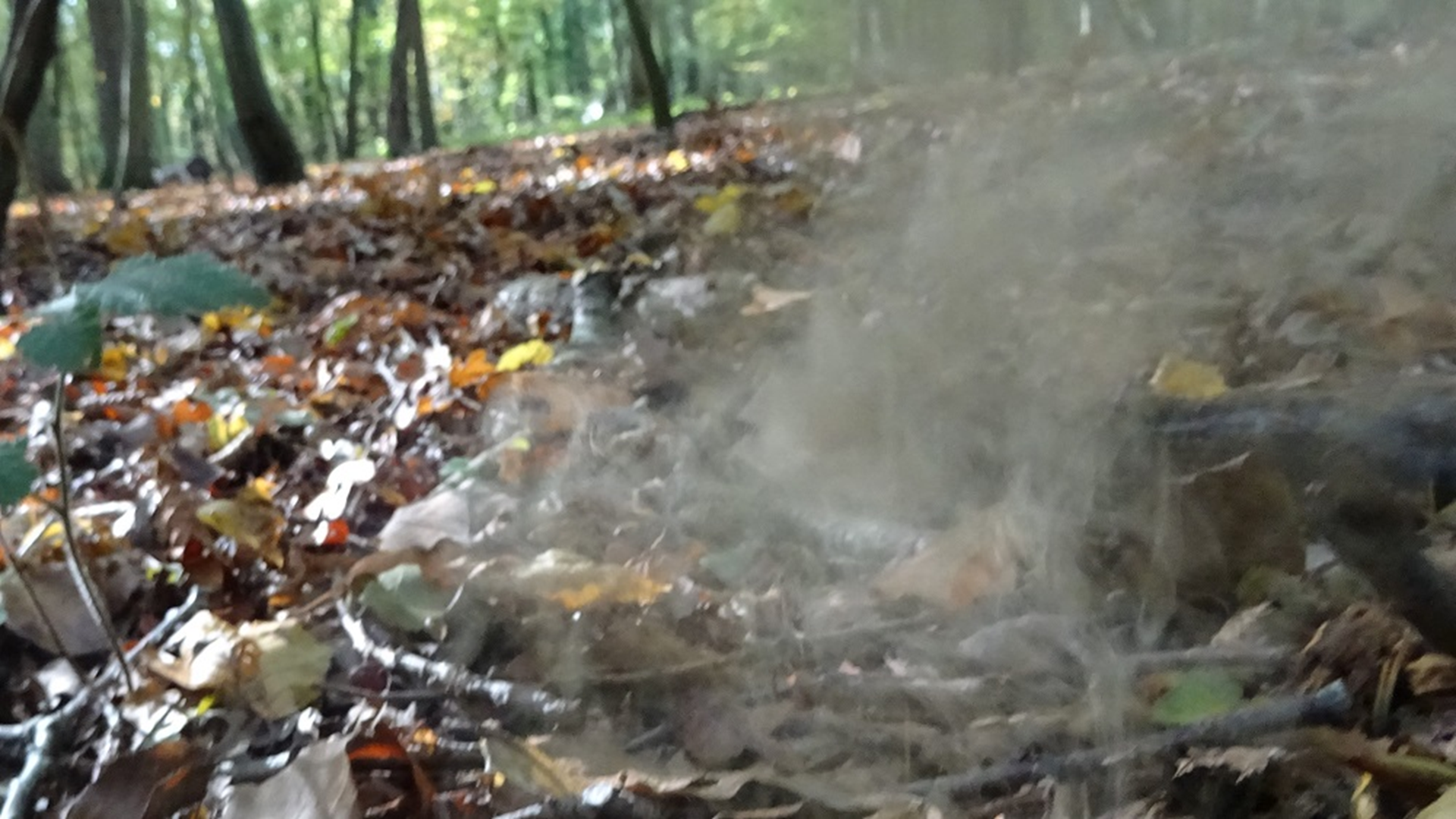
Mature puffballs release spores through a hole in the top which may resemble smoke. The spores are dispersed by wind and rain.
#
Meadow Puffball
Vascellum pratense
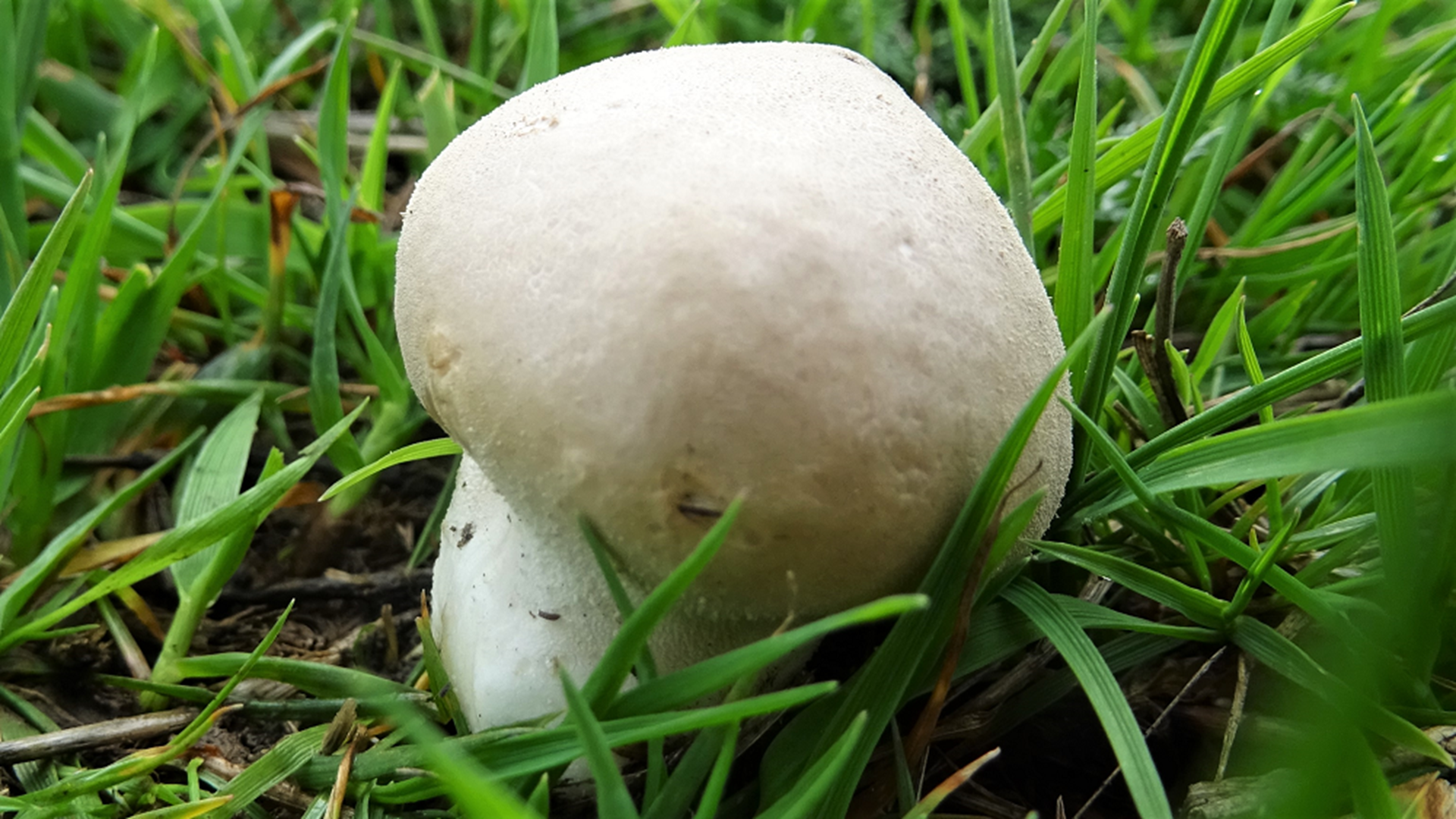
Meadow Puffballs are commonly found in meadows in the autumn season. The immature fruiting bodies are creamy-white and feature a thick stem-like base. They can reach a size of up to 5 cm in diameter.
#
Pestle Puffball
Lycoperdon excipuliforme
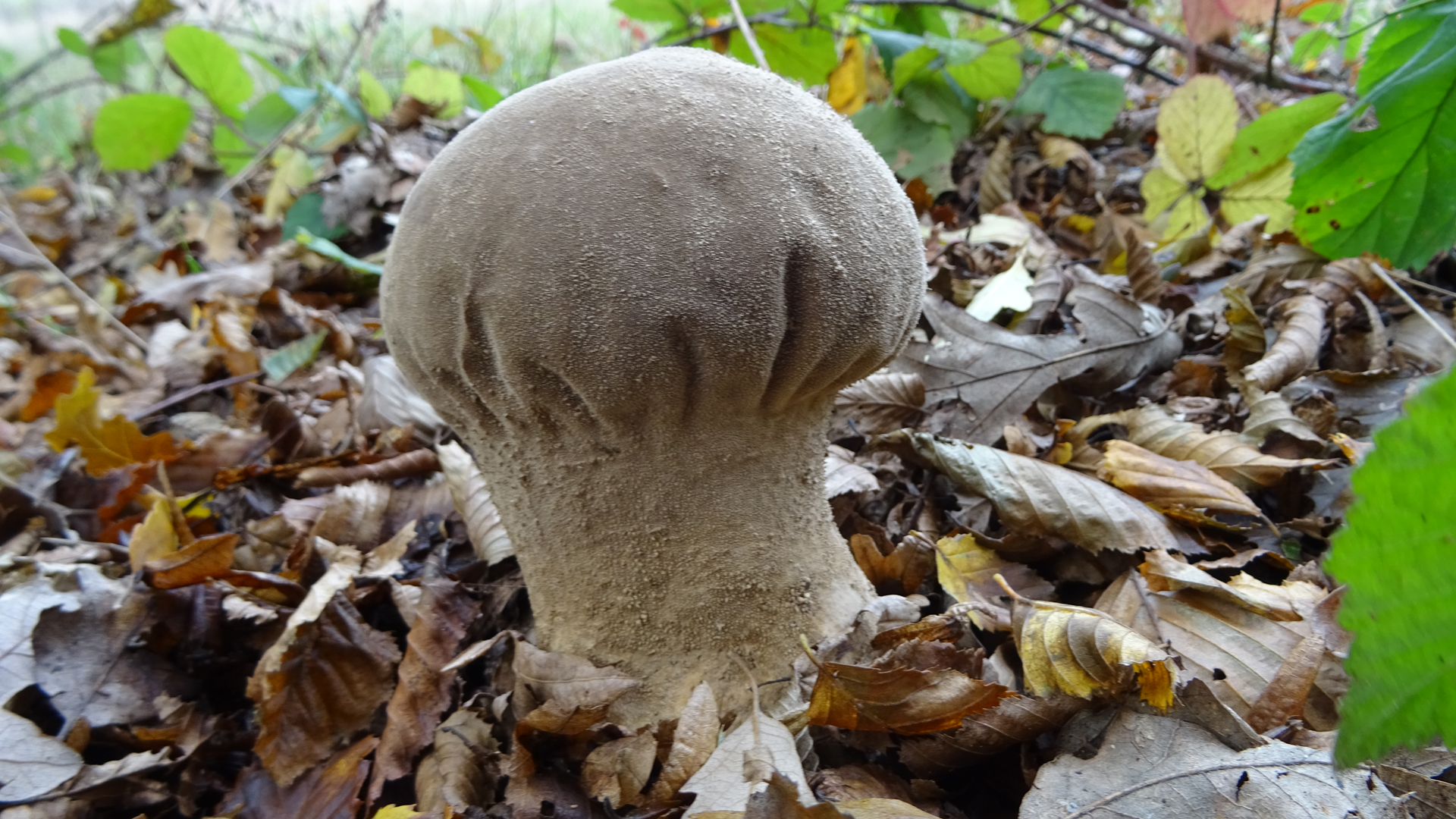
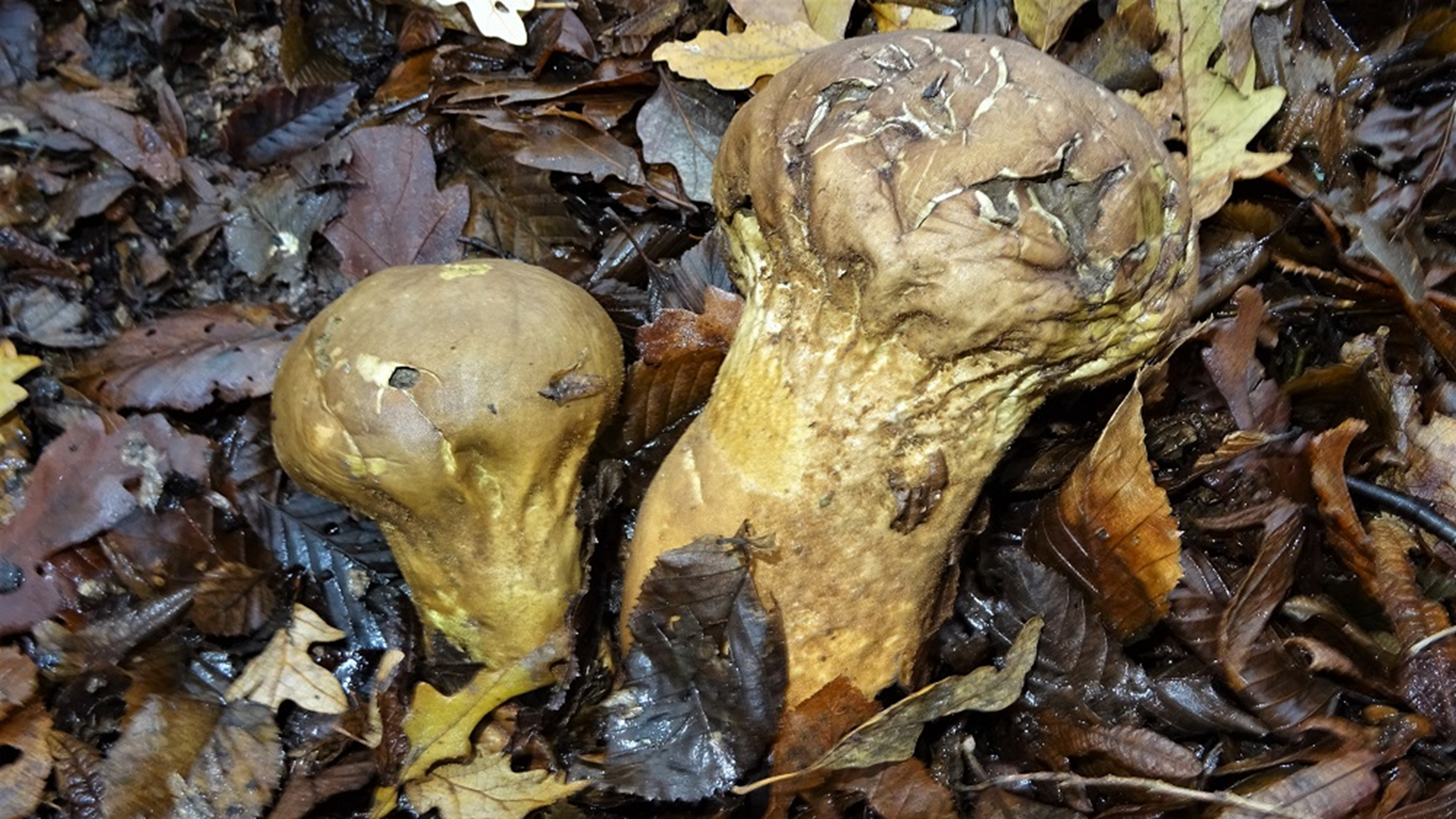
Pestle Puffballs can be up to 20cm tall and 10cm wide. They are usually found in leaf litter from September to November. As the puffballs age they lose their warts, become smooth and leathery, develop wrinkles and undergo a colour change to ochre. There is no notable odour. The fruiting bodies burst open to release spores.
#
Trooping Funnel
Clitocybe geotropa
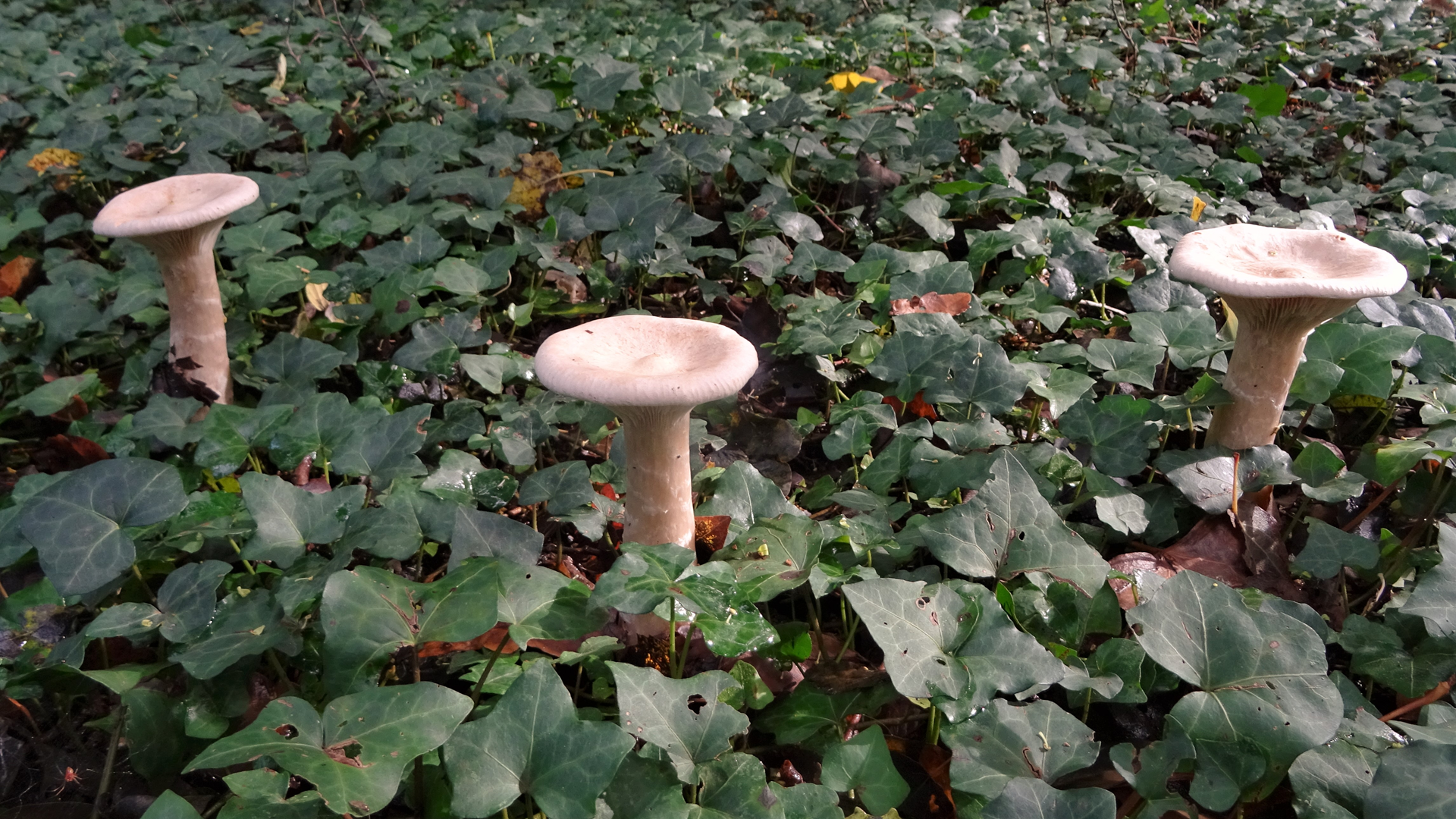
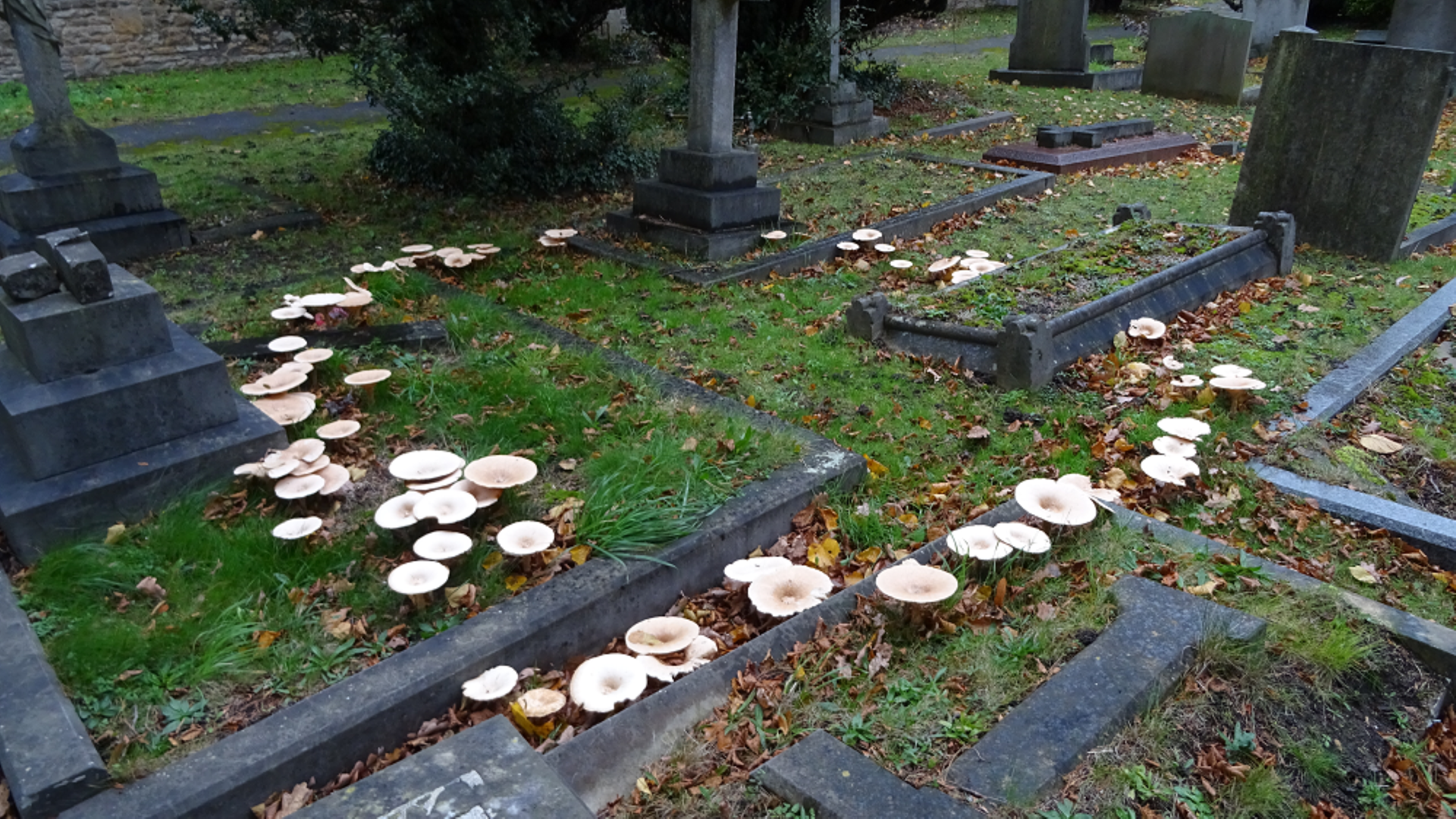
Trooping Funnels can often be seen creating arcs or rings in deciduous woodlands. These mushrooms have creamy-white caps reaching up to 20 cm in diameter, that have a smooth, felt-like texture and central bump. The stipe base is quite broad in younger specimens. Generally seen during autumn and early winter. An impressive ring of funnels appeared in All Saints Churchyard at Chigwell Row.
#
Aniseed Funnel
Clitocybe odora
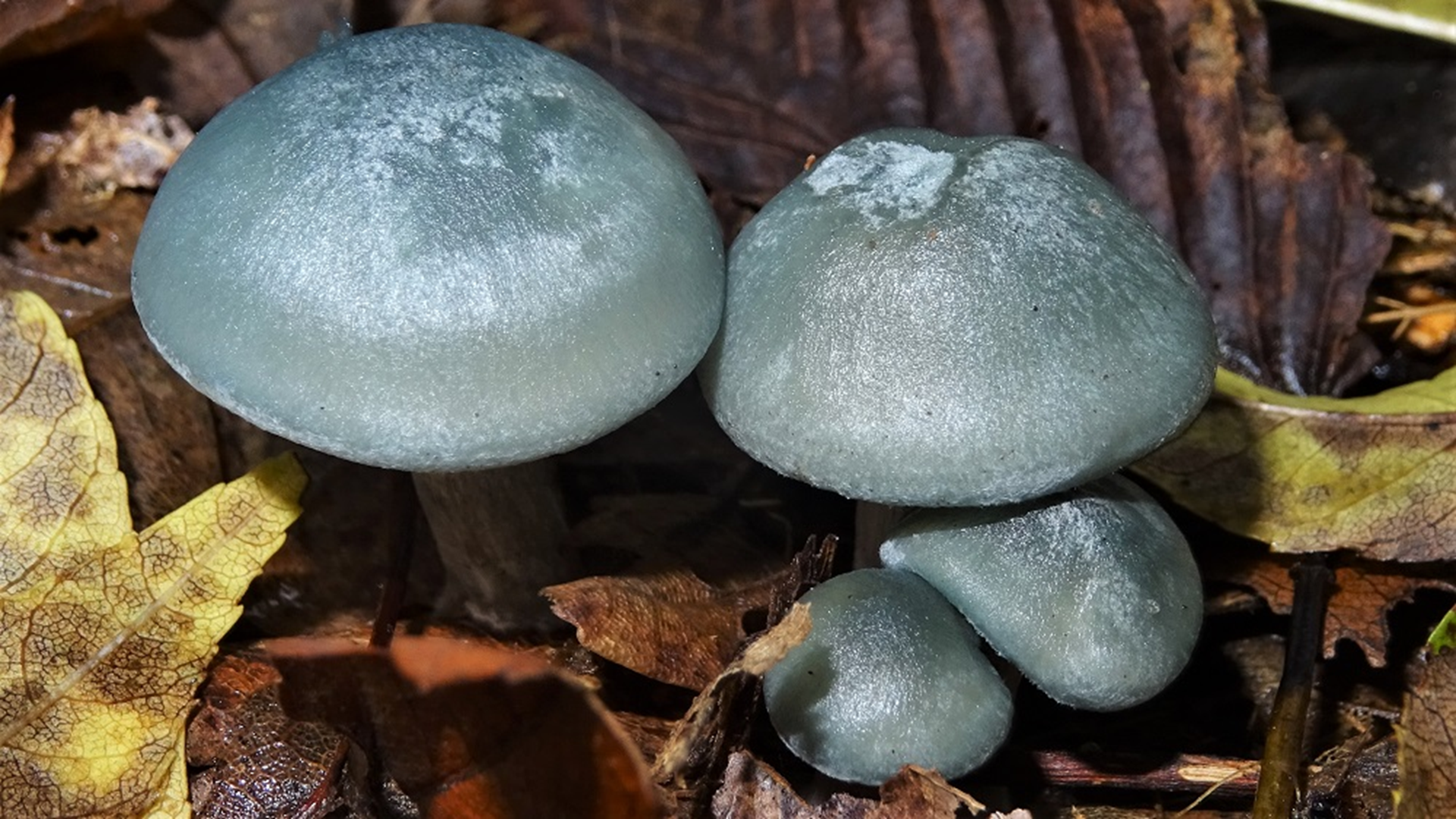
Aniseed Funnels have a distinctive blue colour when they are young and emit a strong aniseed aroma. As they develop, the caps flatten and change to a light grey. The caps can reach up to 8 cm in diameter, taking on a funnel shape with a wavy edge. This species is typically found in deciduous leaf litter during late summer and autumn, particularly in areas where beech and oak trees are present.
#
Tawny Funnel
Paralepista flaccida
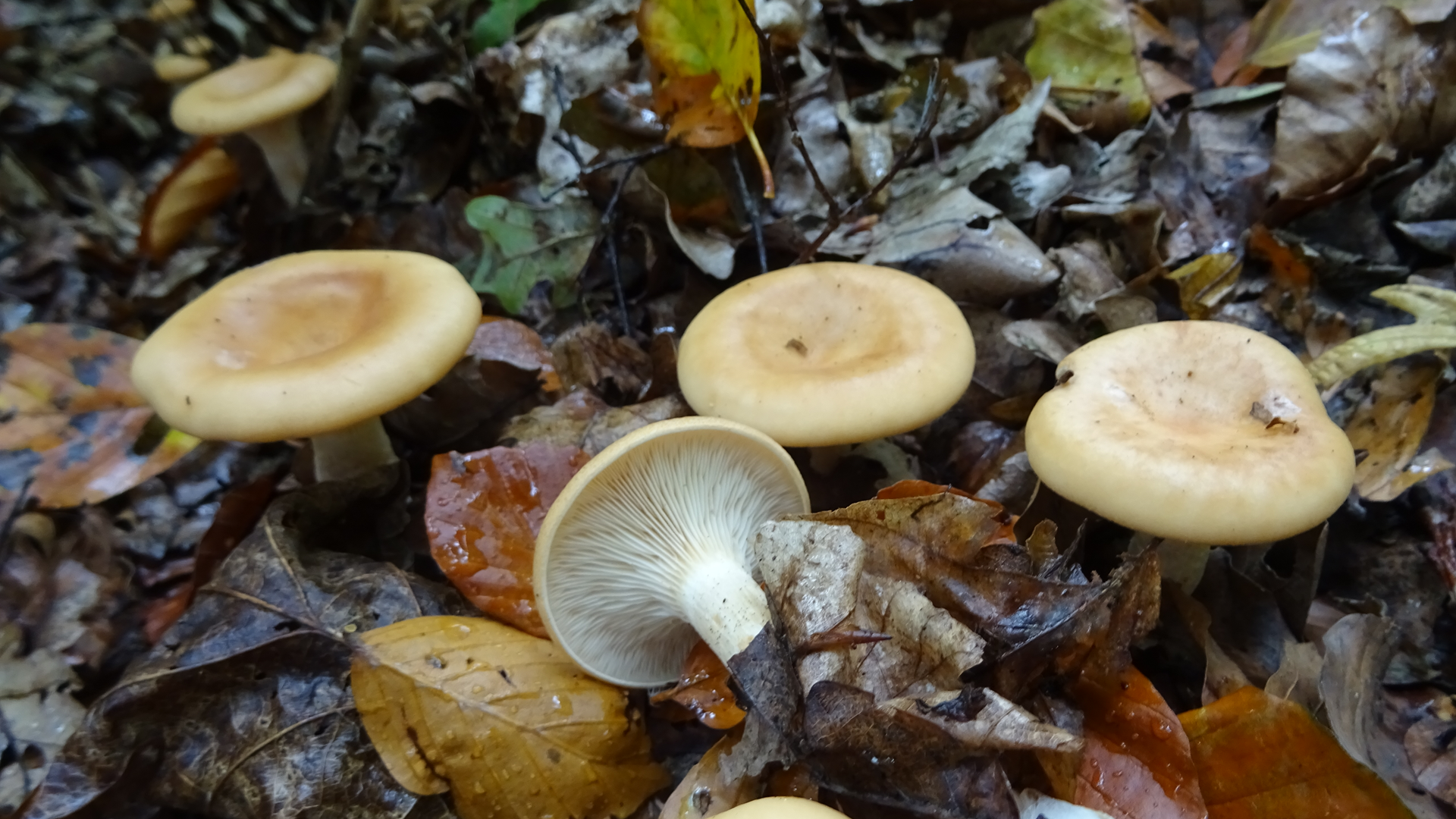
Tawny Funnels do not belong to the funnel family of mushrooms.
They feature tawny or yellowish-tan caps with decurrent gills, which run down the stem. The caps can grow up to 9 cm in diameter and tend to darken as they mature. The stipe is lighter in colour compared to the cap and eventually becomes hollow. The base is covered with fine white downy fibers. This species is usually found during autumn.
#
Clustered Bonnet
Mycena inclinata
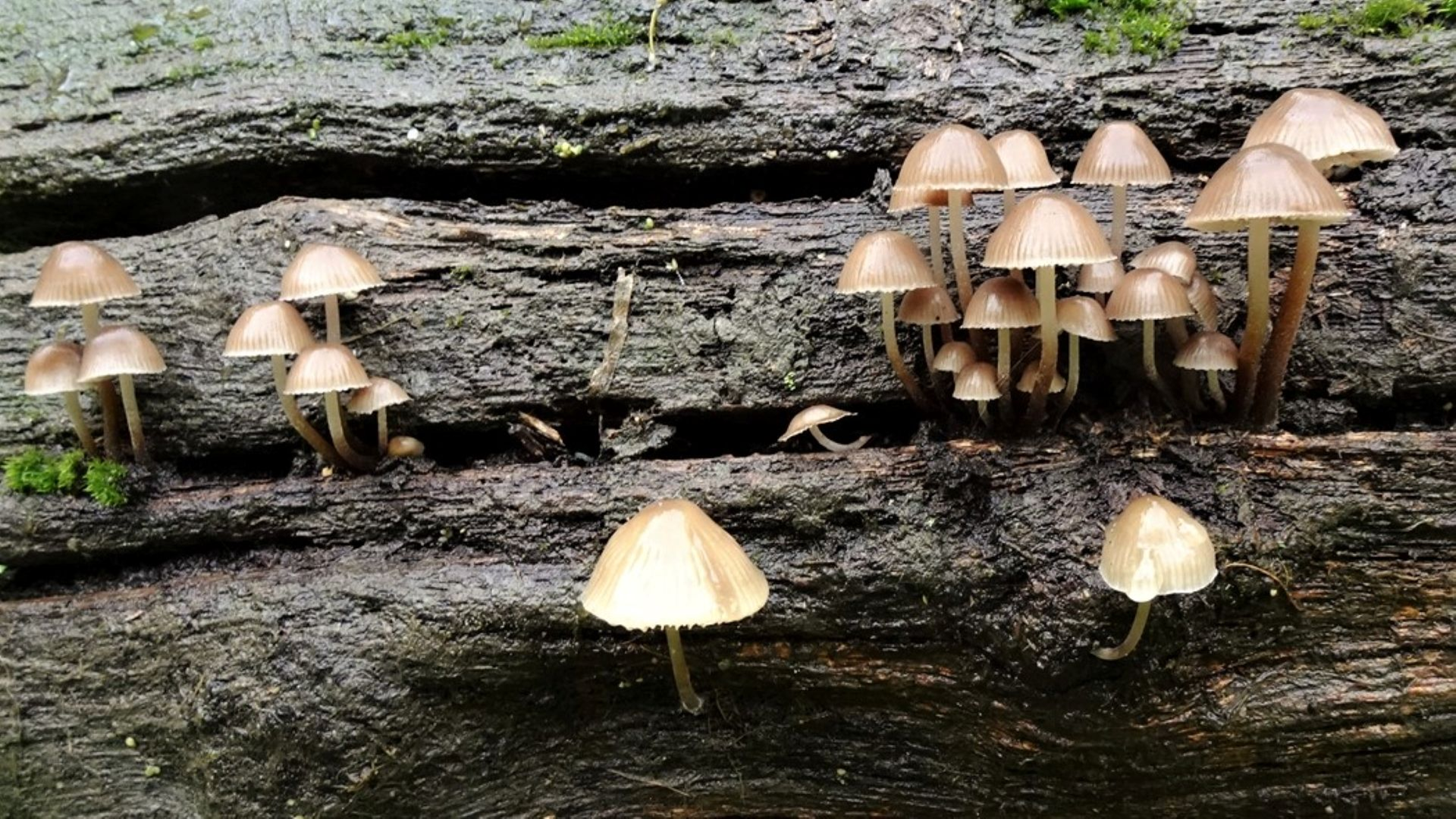
Clustered Bonnets appear in dense clusters on oak stumps and logs in late summer and autumn. The caps start off conical and become bell-shaped with a noticeable umbo, measuring 20-30mm in diameter. The stipes are typically darker near the base.
#
Rosy Bonnet
Mycena rosae
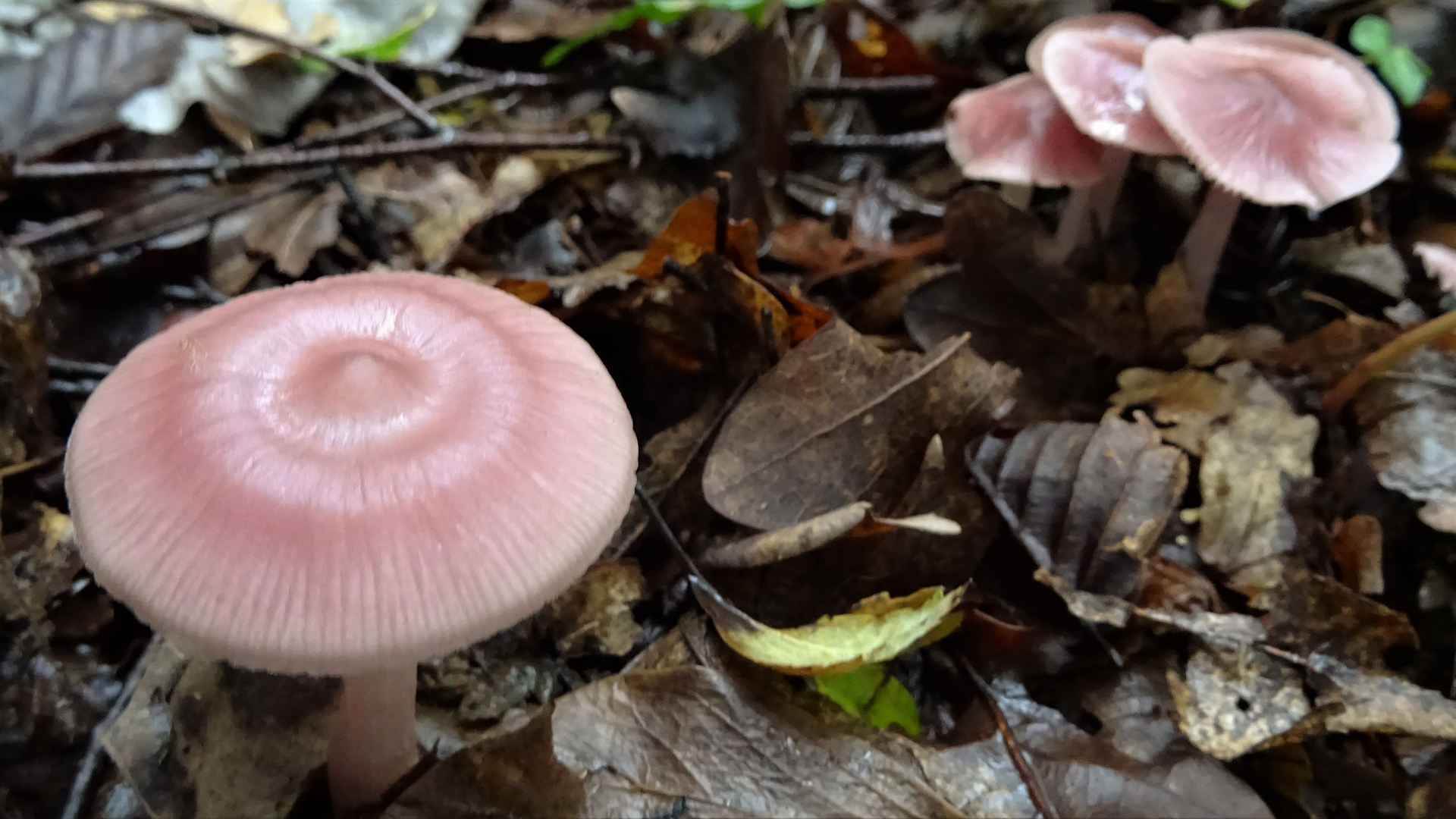
Rosy Bonnet is a common species normally found under trees in leaf litter and occasionally in grassland. It is generally larger, more robust, and brighter pink compared to the smaller, more delicate lilac-purple Lilac Bonnet
Mycena pura. Both species have a distinct radish smell and are poisonous. The Rosy Bonnet normally features a more prominent, rounded central bump (umbo) on its cap and a thicker, more club-shaped stem.
#
Steely Bonnet
Mycena pseudocorticola
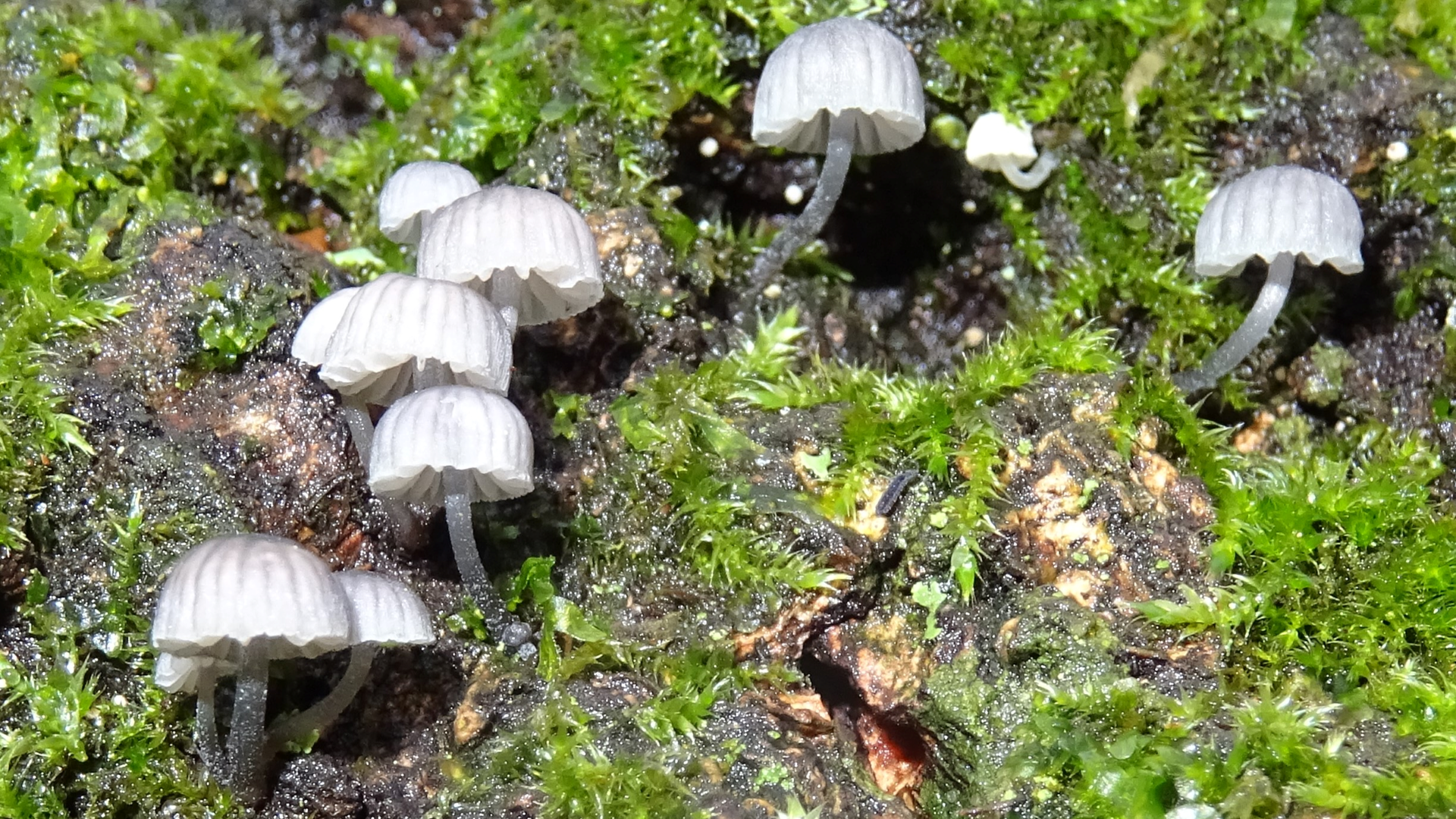
Steely Bonnets are found on bark of living trees in small trooping groups normally surrounded by mosses. The slender, downy stems reach a height of about 2 cm, while the caps have a maximum diameter of 1 cm.
#
Saffrondrop Bonnet
Mycena crocata
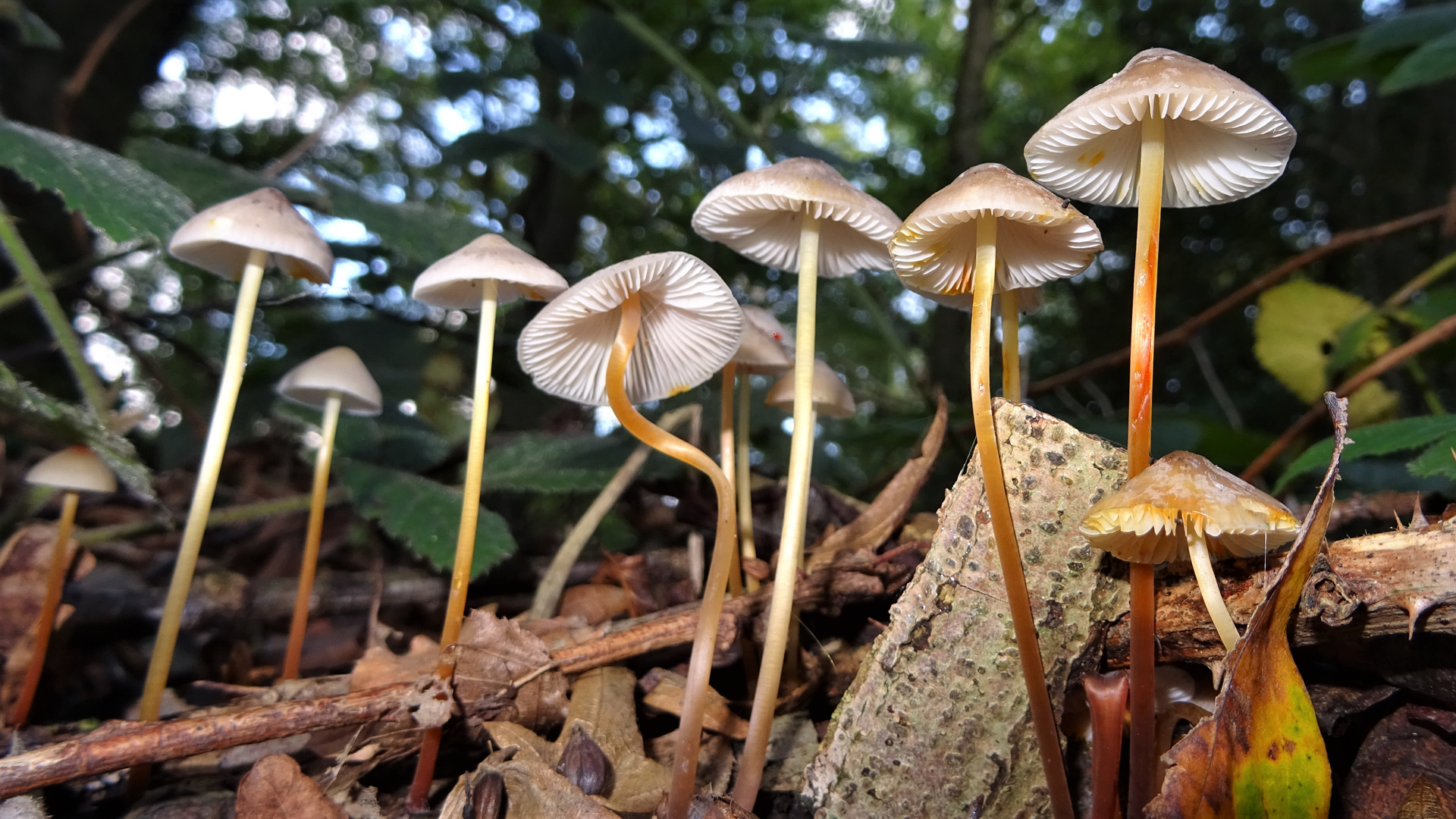
Saffrondrop Bonnets grow in deciduous woodlands, particularly in areas with beech trees. The caps, gills, and stems display random saffron-coloured patches. When the stem is broken a saffron-coloured latex is released. The stem does not have a ring.
#
The Deceiver
Laccaria lacatta
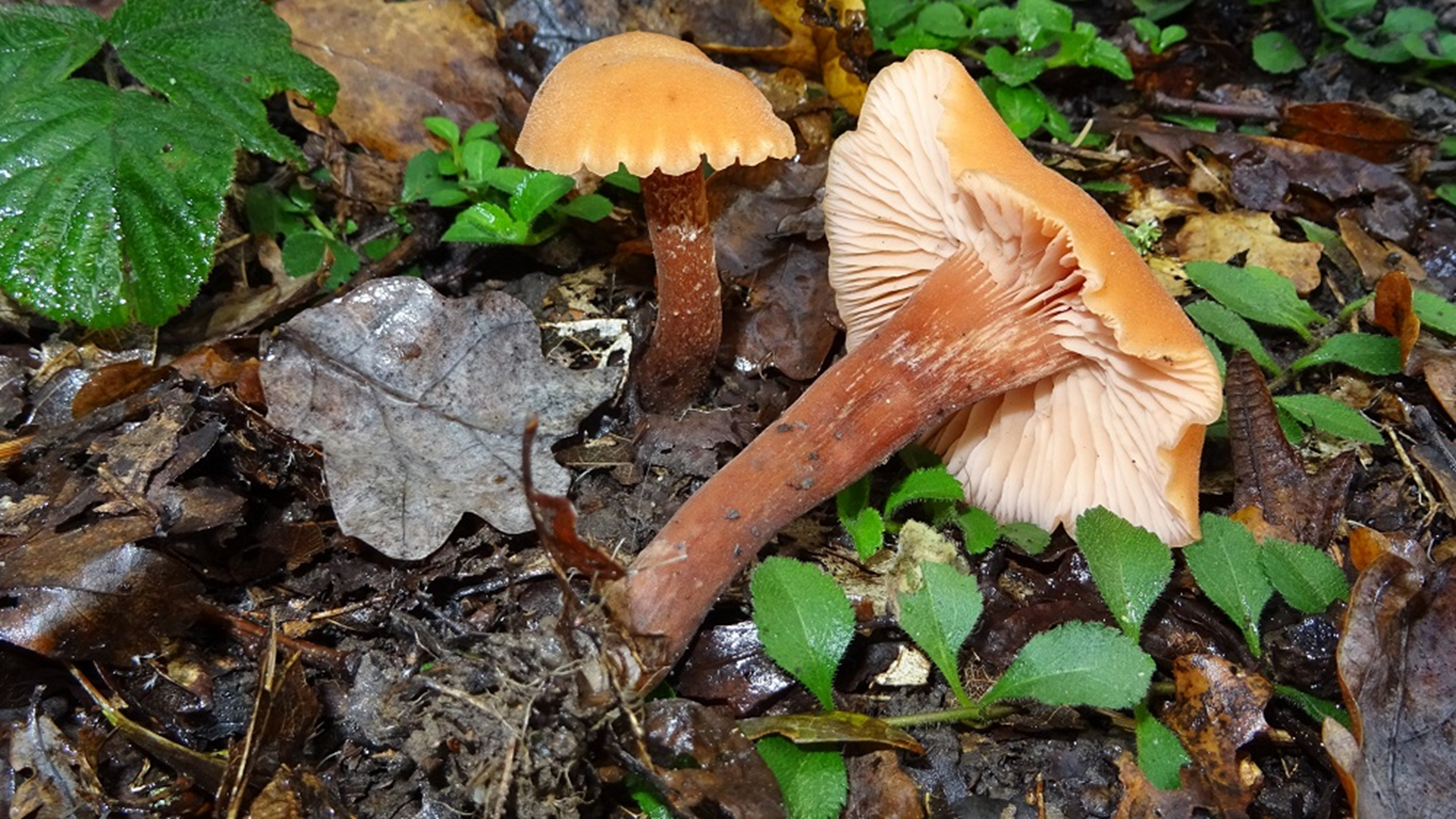
The Deceiver is variable in colour and the fibrous stipe has whitish streaks.
#
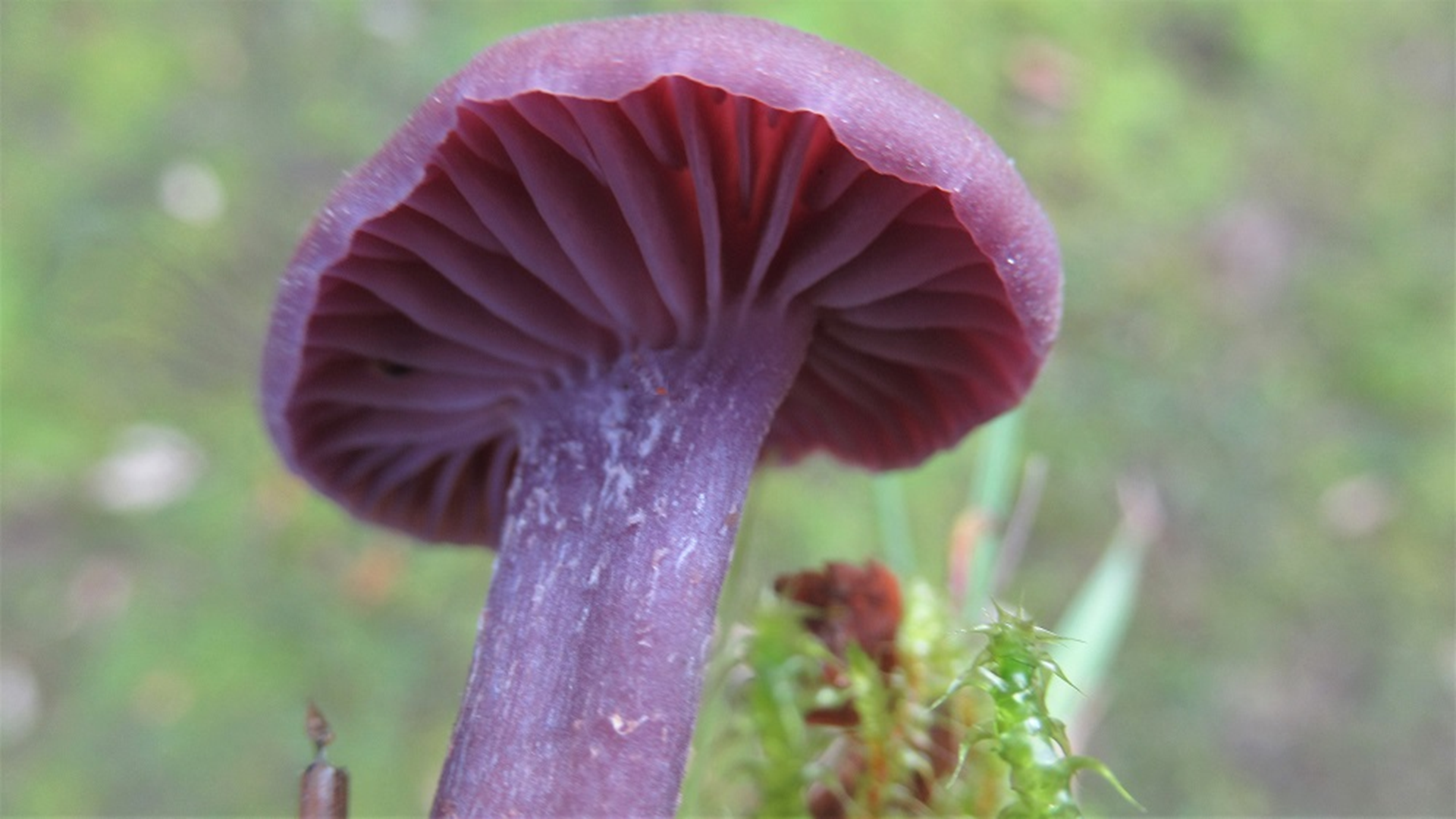
Amethyst Deceiver
Laccaria amethystina
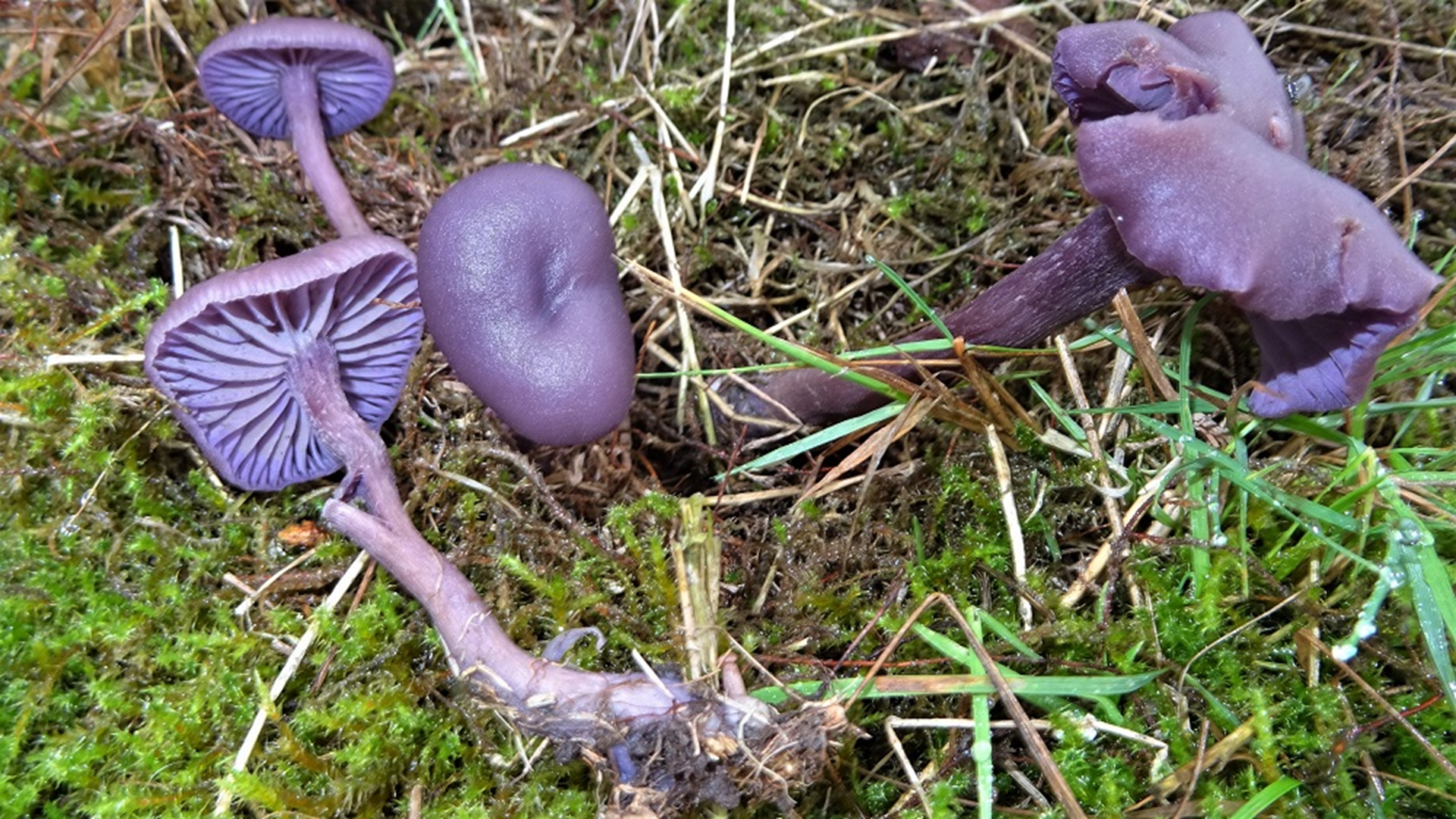
The Amethyst Deceiver is a purple fungus characterised by widely spaced gills, caps that can reach up to 6 cm in diameter, and stipes that can grow up to 9.5 cm tall. Its colour may vary based on age and weather, appearing lighter during dry conditions. The cap features a slightly rough texture, while the stipe is adorned with small white fibres. It thrives primarily in woodlands, particularly in proximity to beech trees.
#
Butter Cap
Collybia butyracea
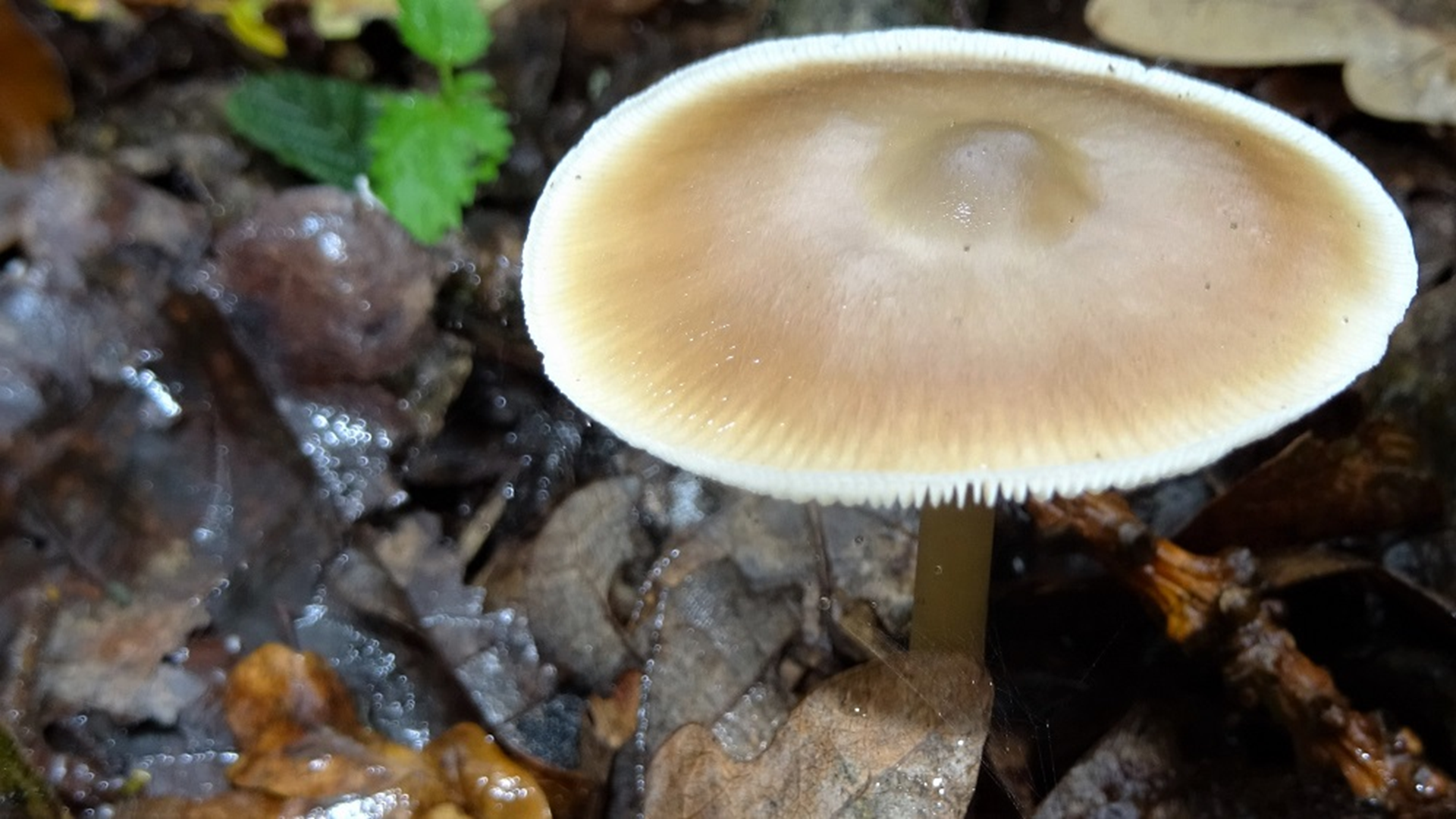
The Butter Cap is a prevalent mushroom that typically grows in leaf litter in wooded regions. The cap, which is initially domed, flattens as it ages and has a smooth, slippery texture. The stipe is a similar color to the cap and thickens at the base. The cap can reach up to 8 cm in diameter. It is also referred to as the 'Greasy Tough Shank.'
#
Russet Toughshank
Collybia dryophila
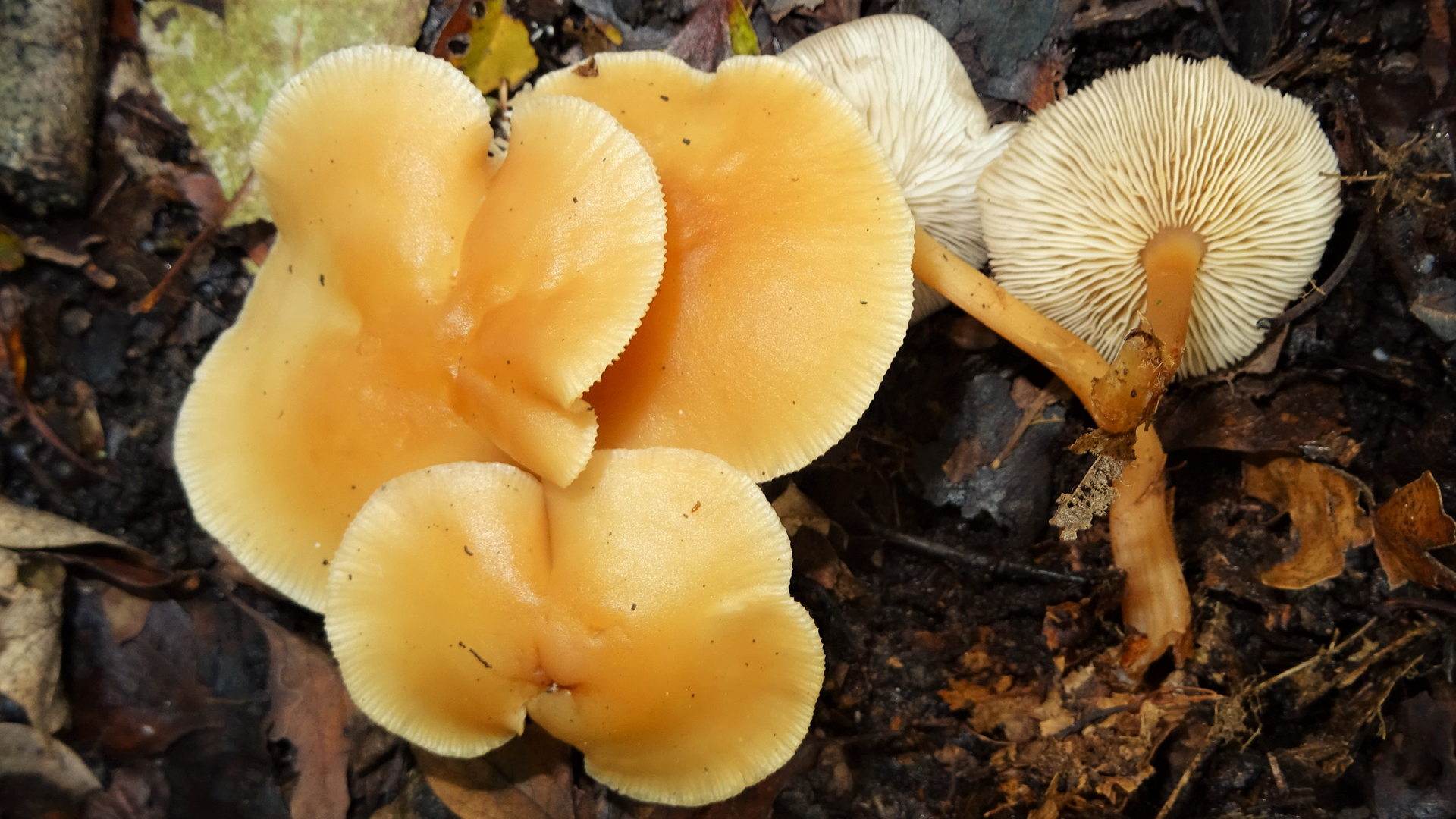
Russet Toughshank typically grows in small clusters in leaf litter on the forest floor, often found beneath oak trees. It is present from spring to late autumn. The cap, which has wavy pale edges, varies in shades of light brown and can reach up to 50mm in diameter. The stipe is tough and hollow, lighter in colour at the top compared to the base.
#
Spotted Toughshank
Collybia maculata
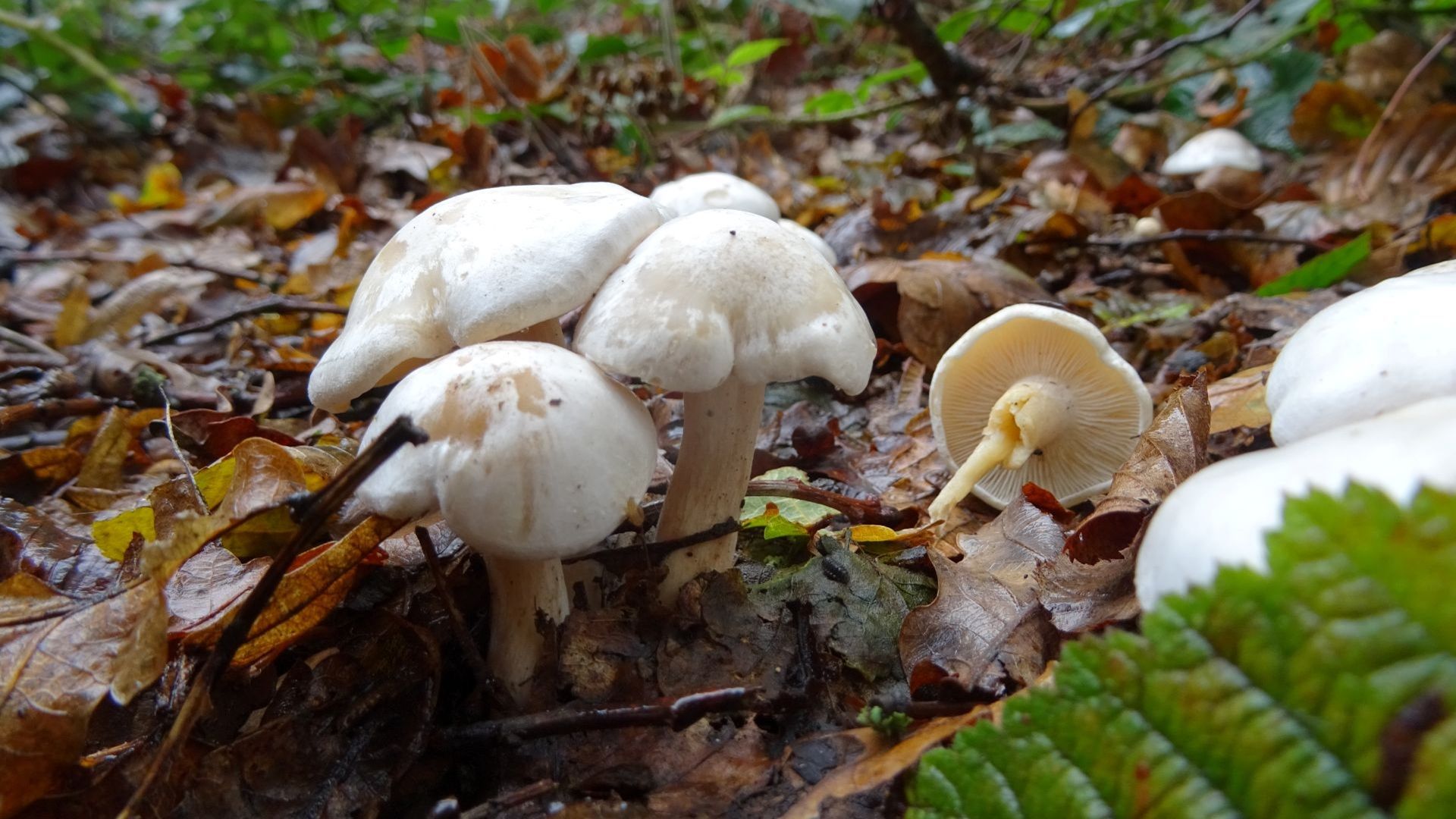
Spotted Toughshank features creamy-white, dome-shaped caps that flatten and develop brown, freckle-like spots. These spots can combine to create larger brown patches. This fungus is also known as "Cocoa Dust."
#
Spectacular Rustgill
Gymnopilus junonius
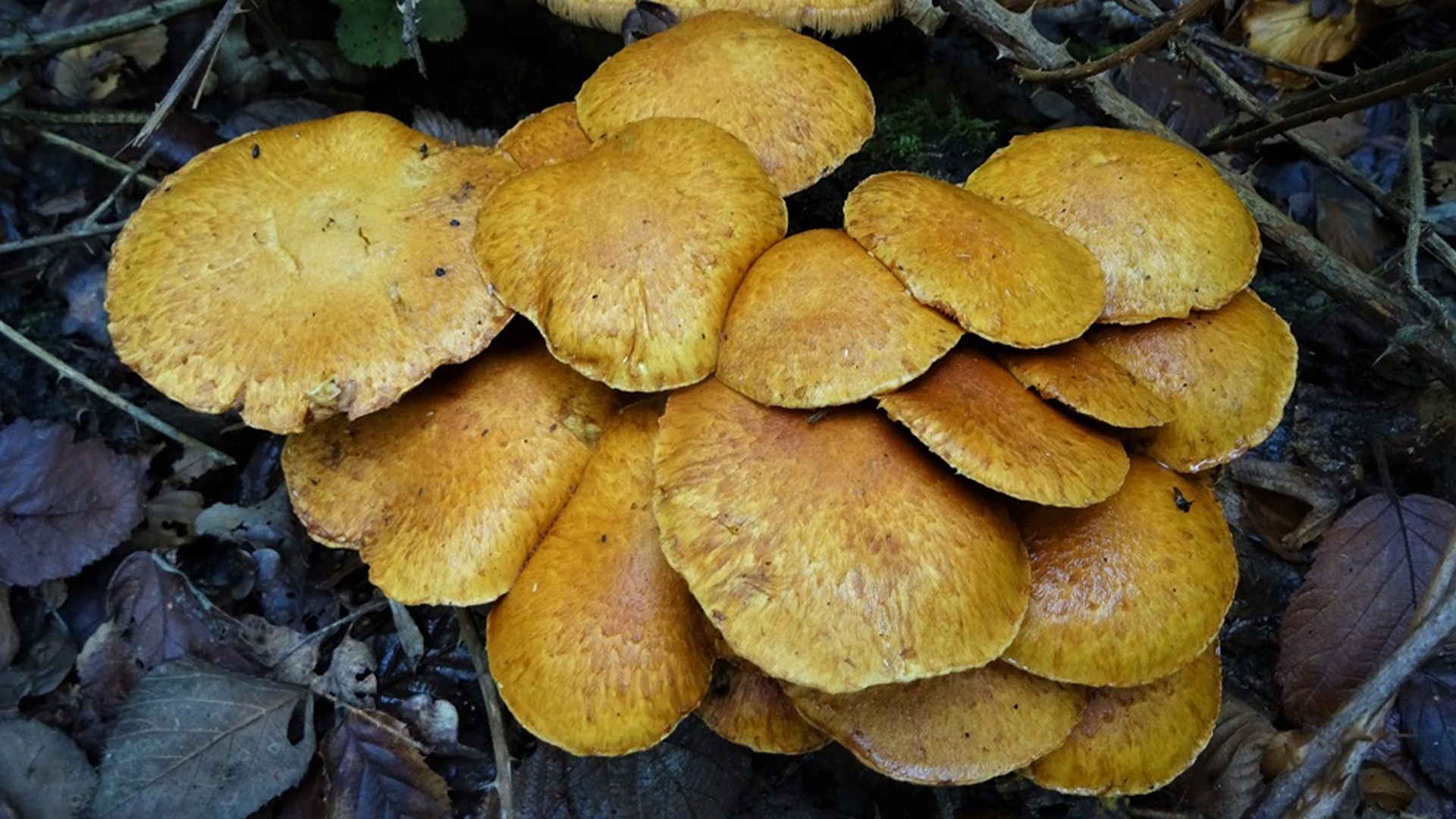
Spectacular Rustgill is a large, tufted fungus that decomposes wood and typically grows on the bases of broadleaf trees. The caps can reach up to 20 cm in diameter. It is sometimes known as "Big Jim."
#
Yellowing Knight
Tricholoma scalpturatum
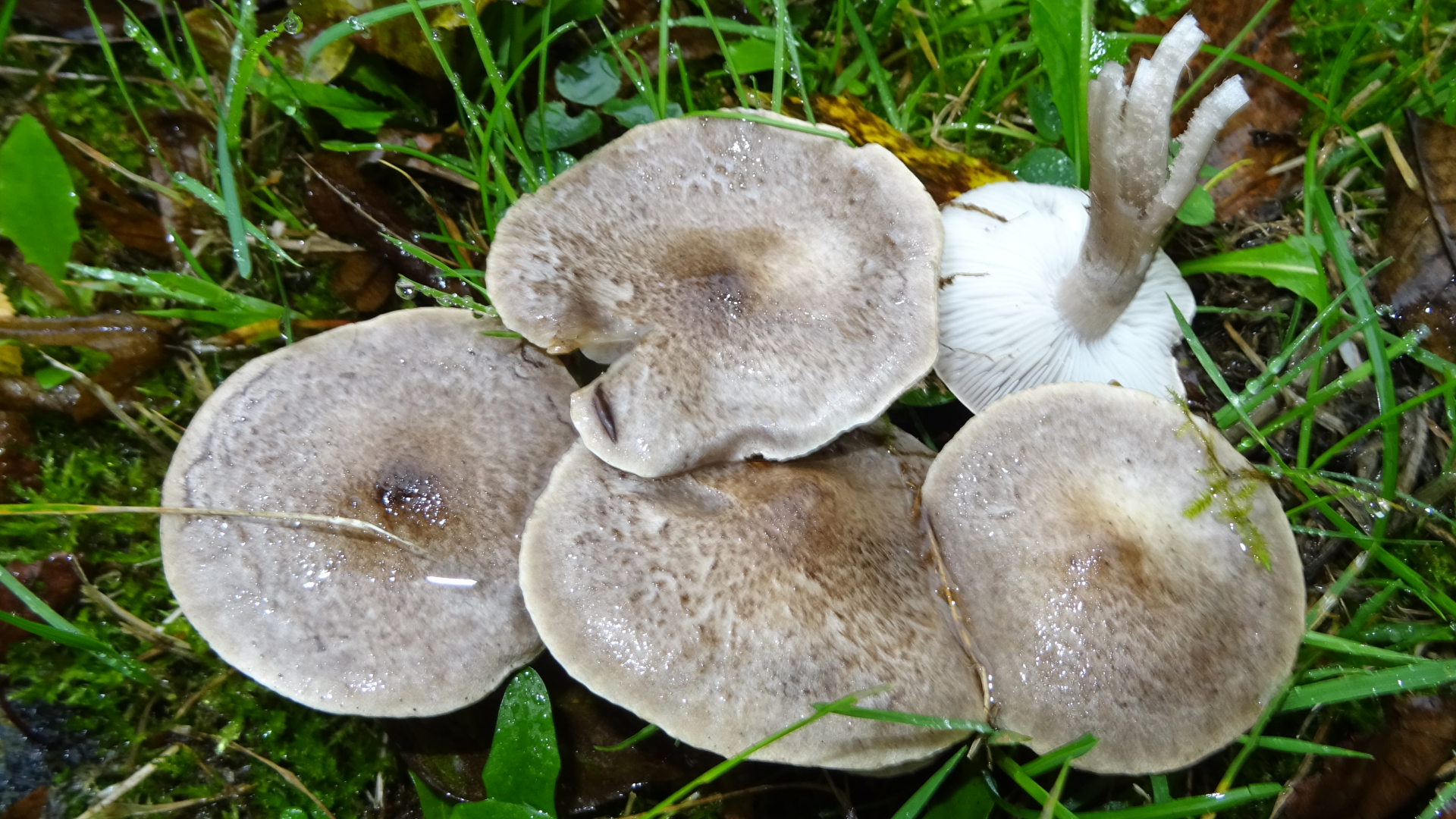
Yellowing Knight is a scaly-capped mushroom normally found in groups near broad-leaved trees. Every year this is usually seen on the grassy area near the old changing rooms in Hainault Forest during autumn.
#
Shaggy Inkcap
Coprinus comatus
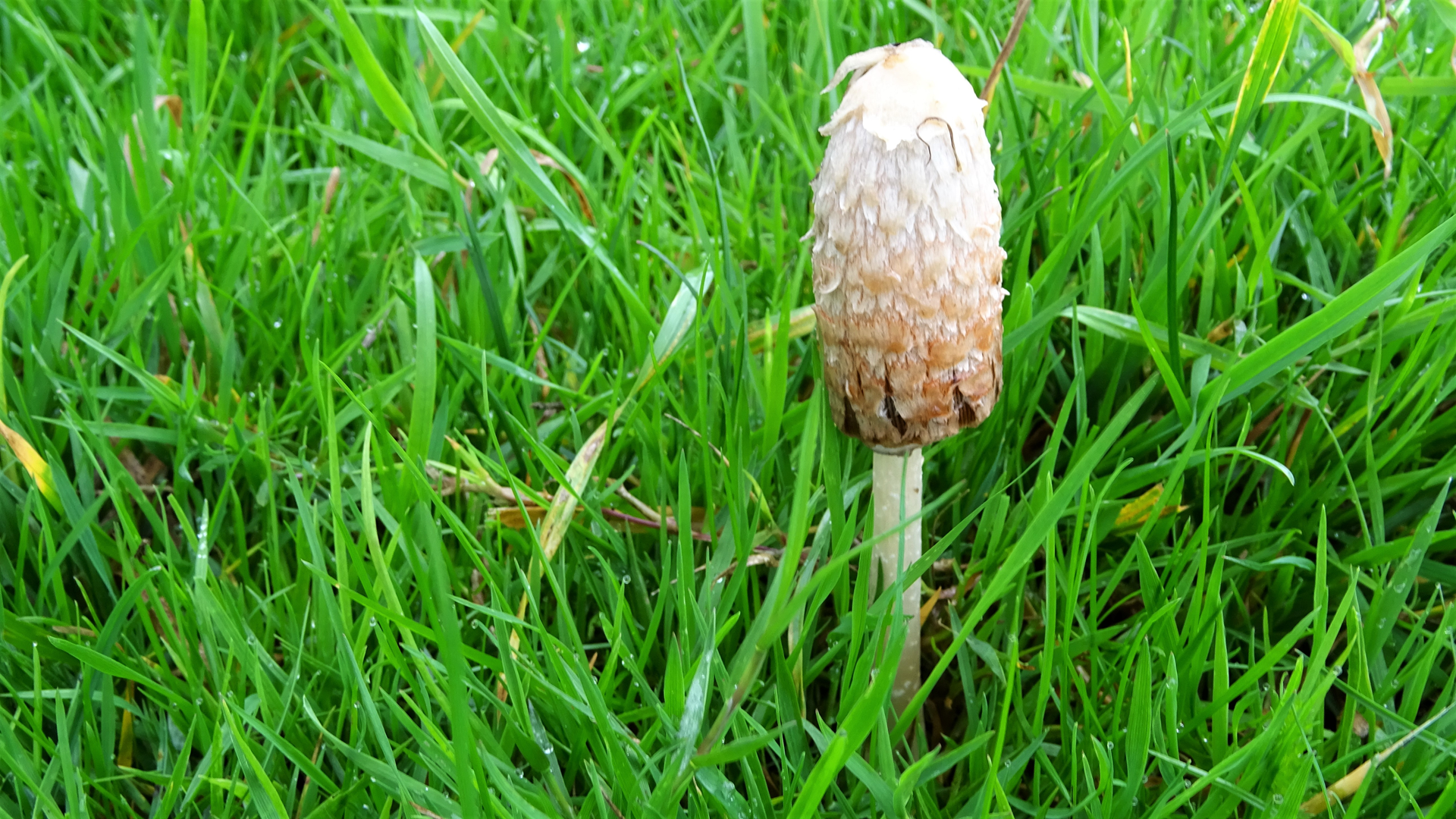
Shaggy Inkcap, also referred to as Lawyer's Wig, features an elliptical cap that is adorned with white, brown-tipped scales. The cap can reach a size of up to 15 cm but only opens slightly. Initially, the gills are white, transitioning to pink, and eventually blackening as the mushroom undergoes autodigestion, leaving an inky residue at the top of the stem.
#
Glistening Inkcap
Coprinellus micaceus
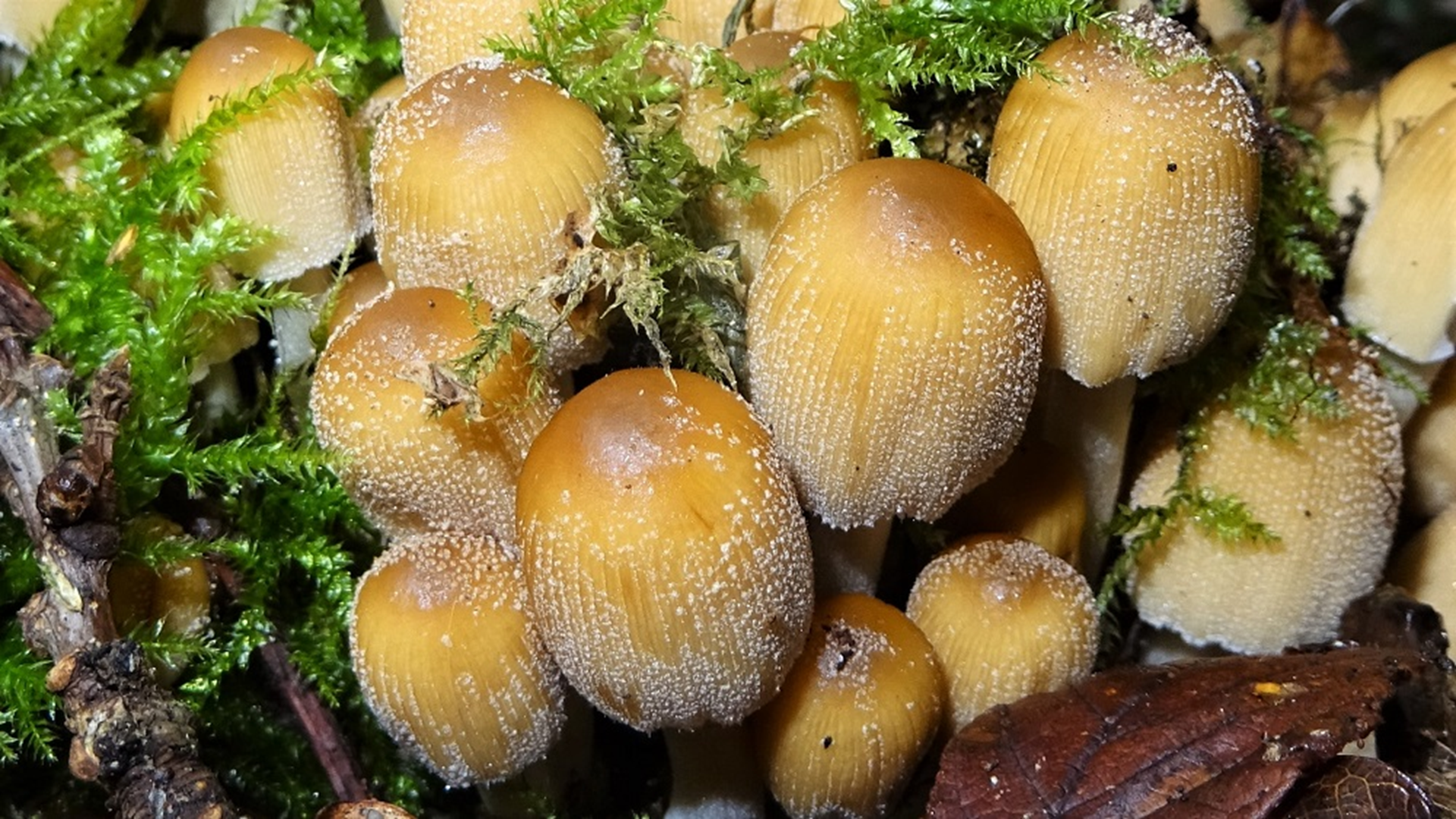
Glistening Inkcap typically grow in large clusters on deciduous stumps, trunks, and buried wood. The caps have fine scales that can appear shiny. The smooth stem and gills are white in younger specimens but turn black as the mushrooms deliquesce.
#
Pinkgill Mushroom
Entoloma
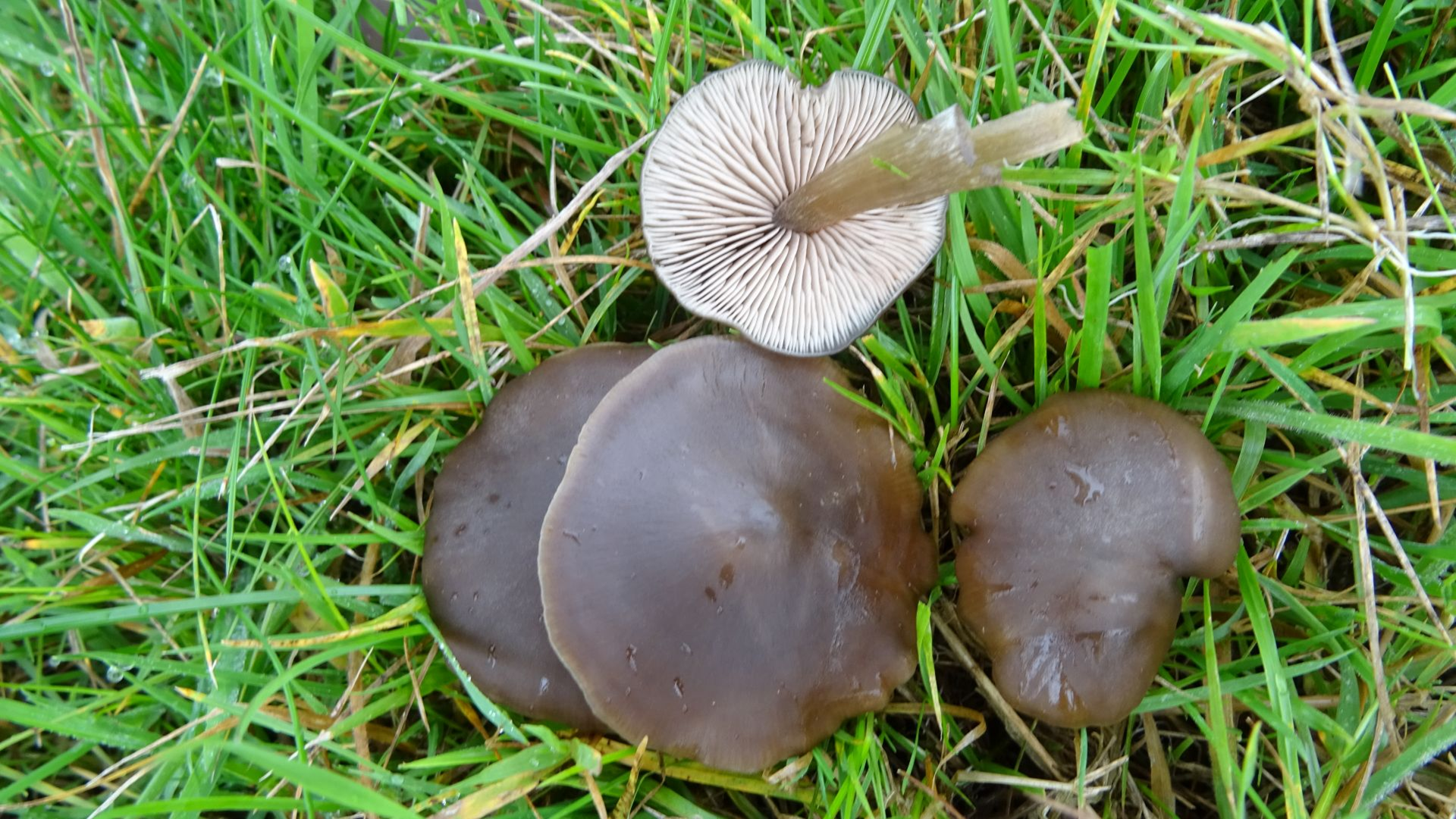
Pinkgill Mushrooms are part of the genus
Entoloma. There are several species within this genus, making identification challenging. Brian Ecott created a salmon-pink spore print, which helped confirm the genus.
#
Orange Birch Bolete
Leccinum versipelle
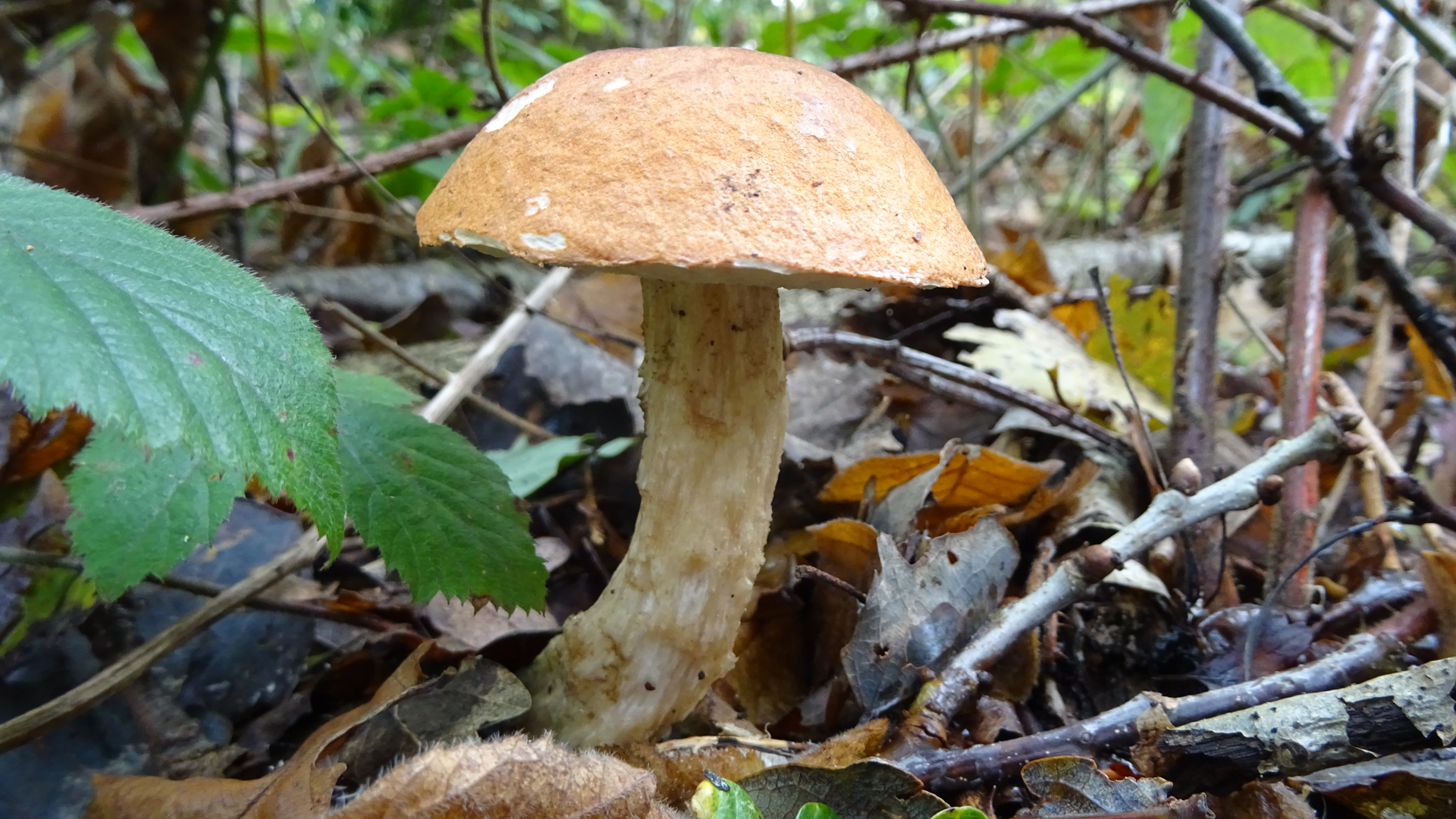
Orange Birch Bolere is associated with birch trees and can be found during summer and autumn. The whitish stipe is usually seen peppered with dark scales - although not very obvious on this specimen.
#
Shaggy Scalycap
Pholiota squarrosa
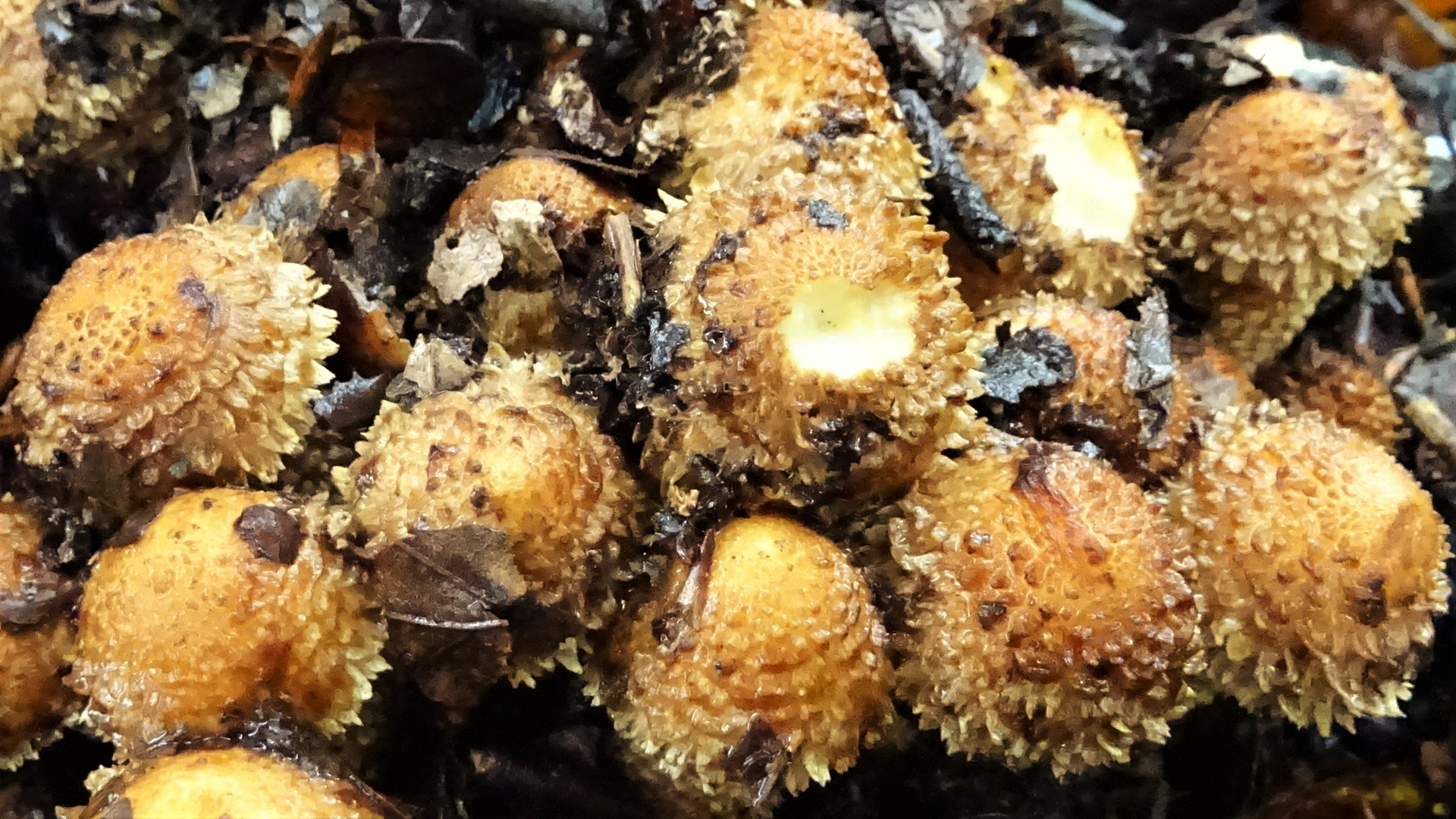
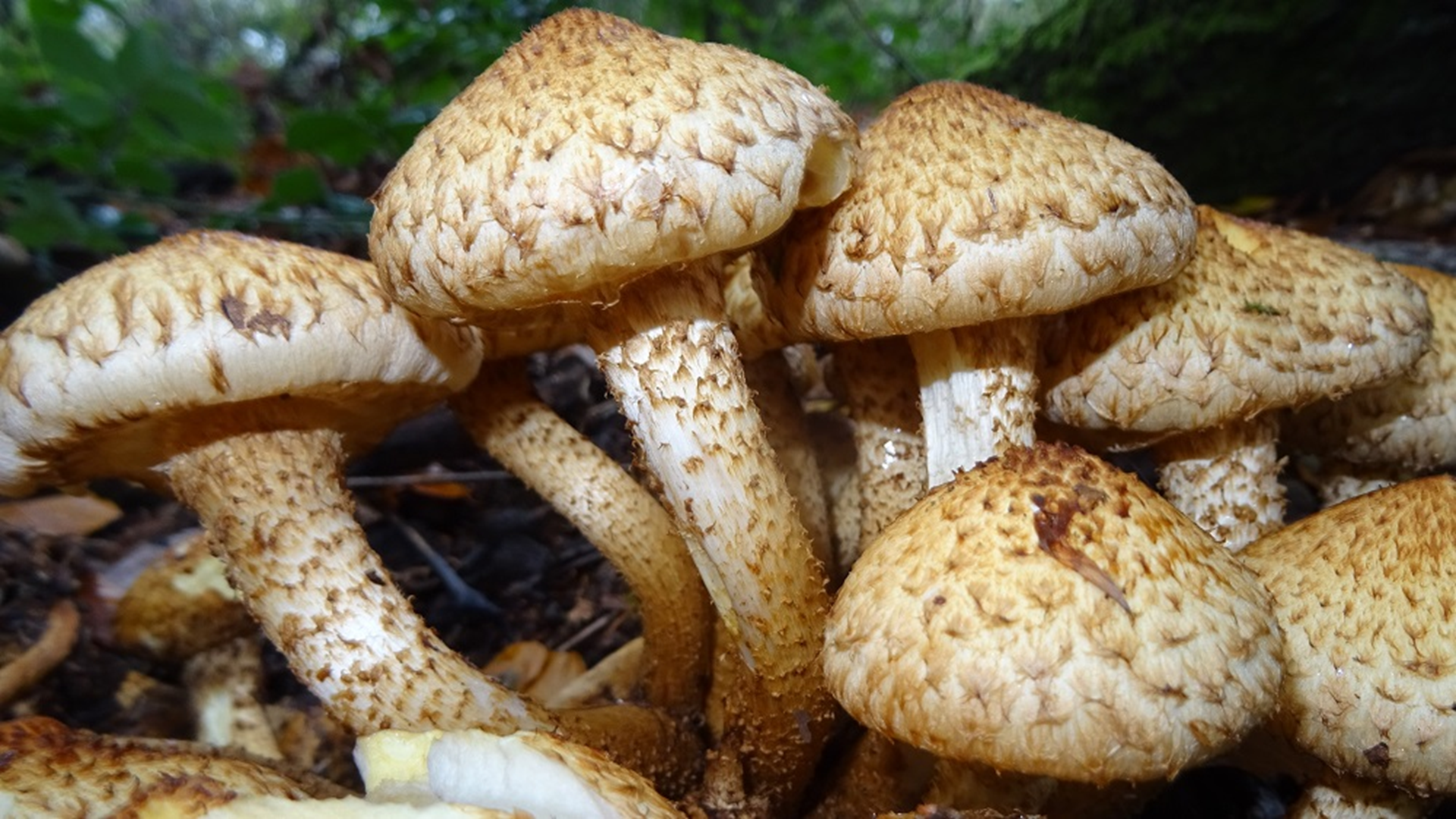
Shaggy Scalycap is usually found in large clusters at the base of trees during autumn. The young fruiting bodies have noticeable scales on the unopened caps. The stipe is also covered in scales. The caps open to a diameter of up to 11 cm.
#
Earthy Powdercap
Cystoderma amianthinum
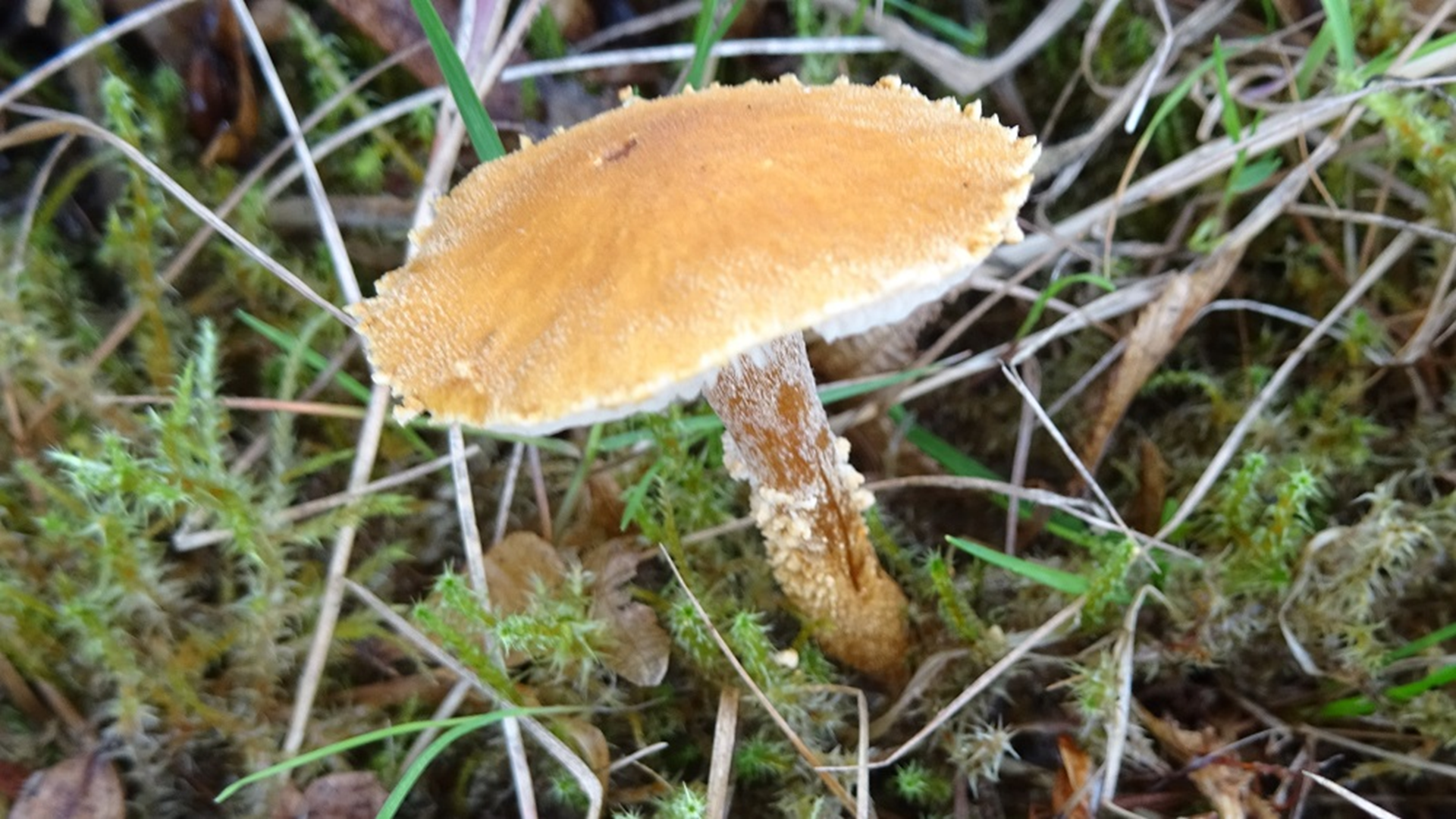
The Earthy Powder-cap is a small yellowish-brown, gilled mushroom that grows in damp mossy grassland. They usually appear alone or in small groups. The caps, up to 50mm across, often have a frill around the edge formed from the veil remnants. The lower stem is covered with large granules.
#
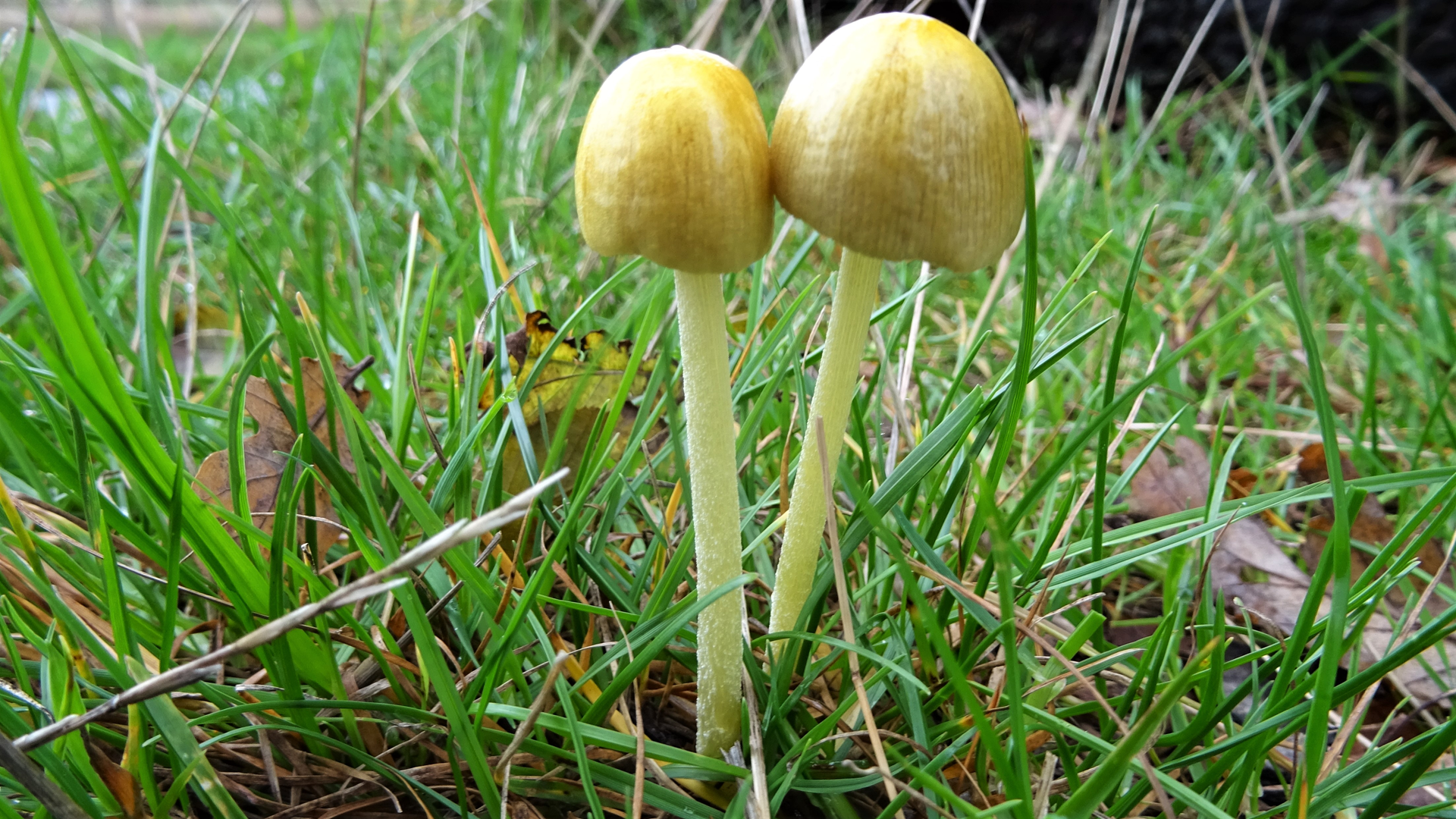
Yellow Fieldcap
Bolbitius titubans
Yellow Fieldcap is found in well-fertilised areas where horses are present. A number of them were found growing in grassland near Foxburrow Road close to the farm. The young caps are bright chrome-yellow and initially rounded. As they mature, the caps flatten out, become lighter in colour, and can reach up to 4 cm in diameter.
#
Parrot Waxcap
Gliophorus psittacinus
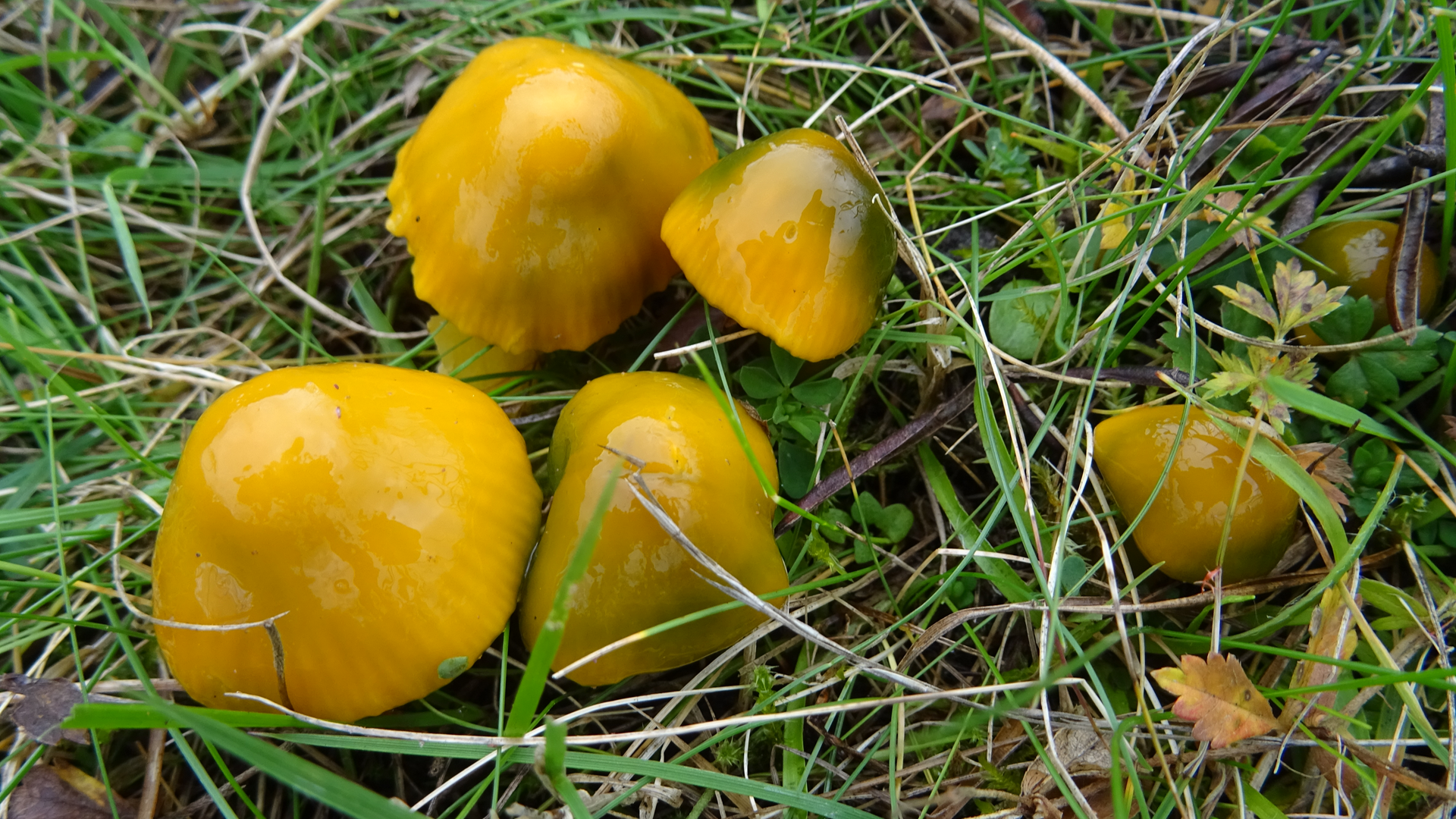
Parrot Waxcaps are colourful, very slimy mushrooms. They are initially green, turning yellow, orange or purple with maturity, They are usually found in the meadows during autumn, specifically in areas of unimproved acid grassland. The thick, waxy gills are well-spaced and narrowly attached to the stem.
#
Snowy Waxcap
Cuphophyllus virgineus
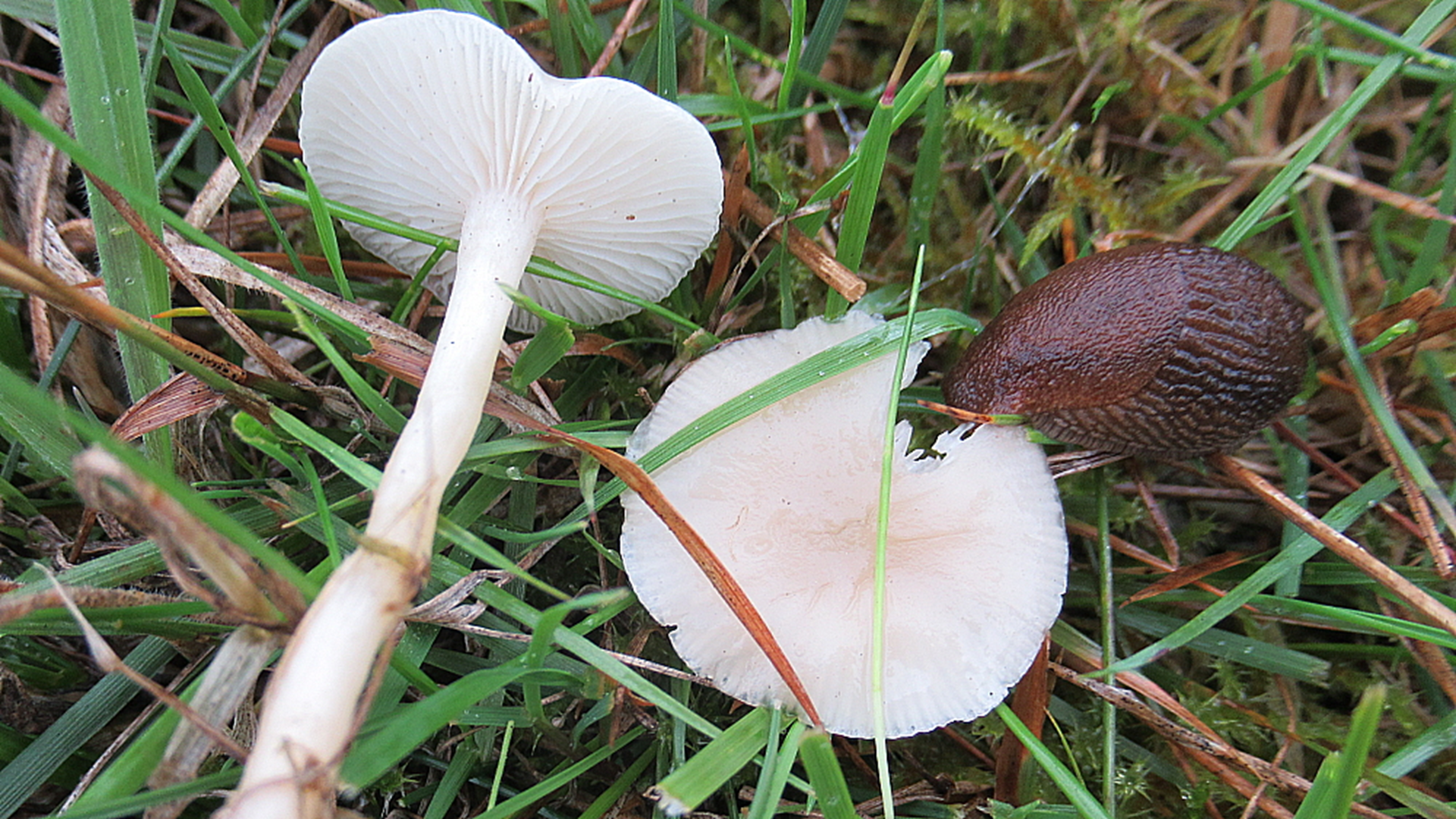
Snowy Waxcap is a common and variable species that has a shiny ivory-white cap measuring up to 50mm across. During wet weather they can feel greasy, at other times smooth and dry. Here a slug
s is feeding on a cap.
#
Orange Waxcap
Hygrocybe aurantiosplendens
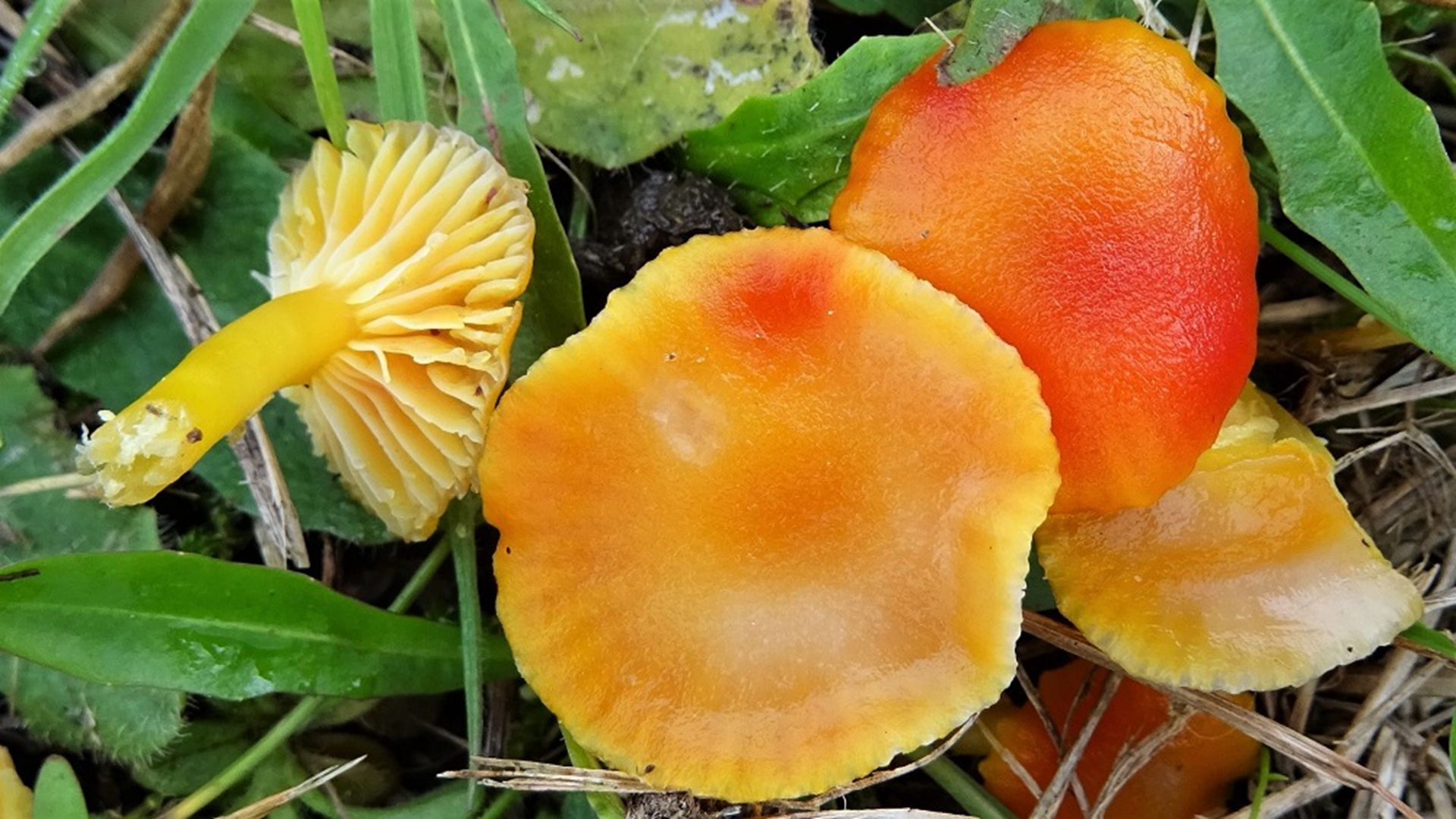
Orange Waxcaps are occasionally found in the unimproved grassland like that on Hog Hill from September to November. They usually occur in small groups and are rarely found growing alone.
#
Porcelain Fungus
Oudemansiella mucida
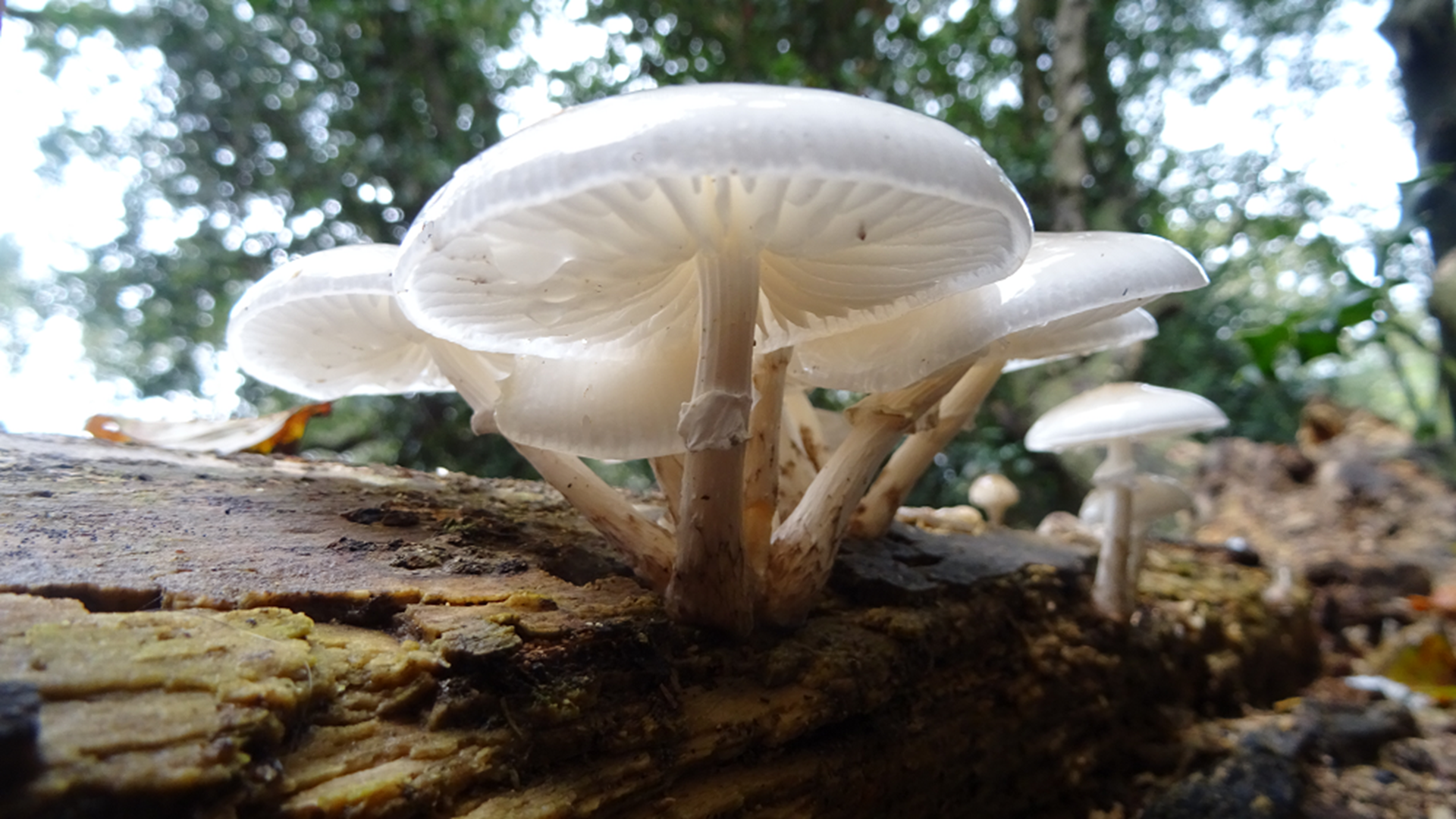
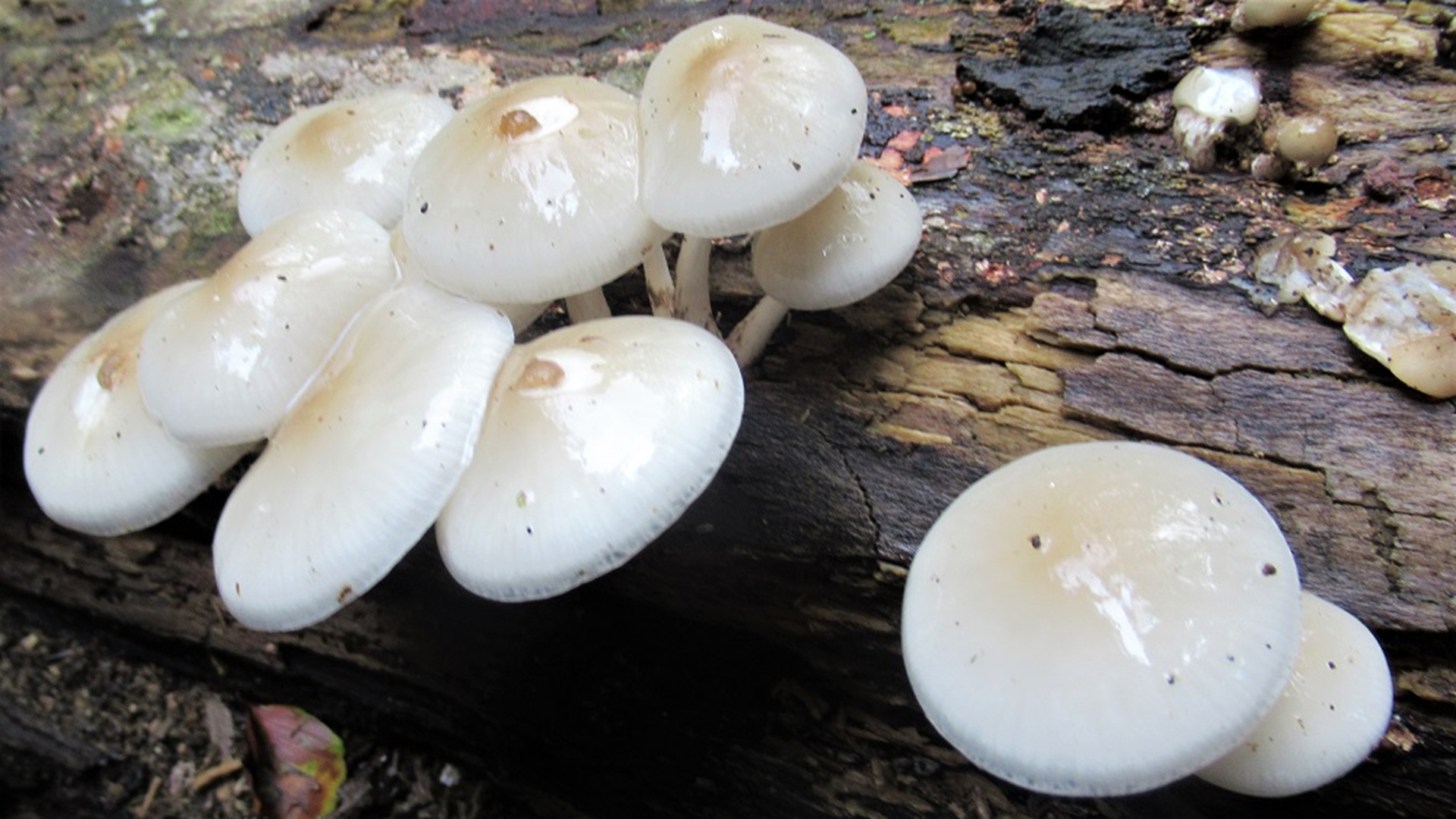
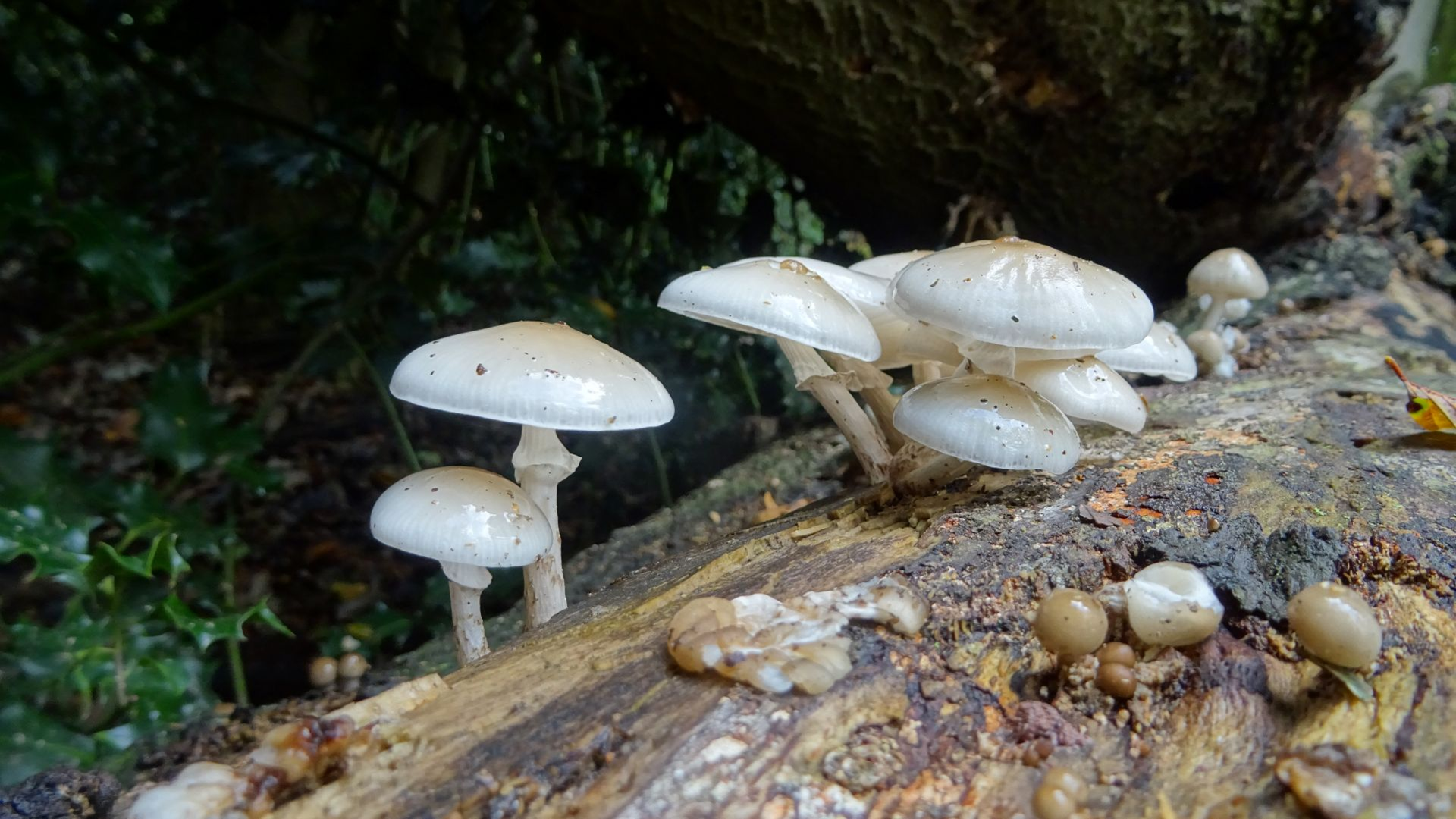
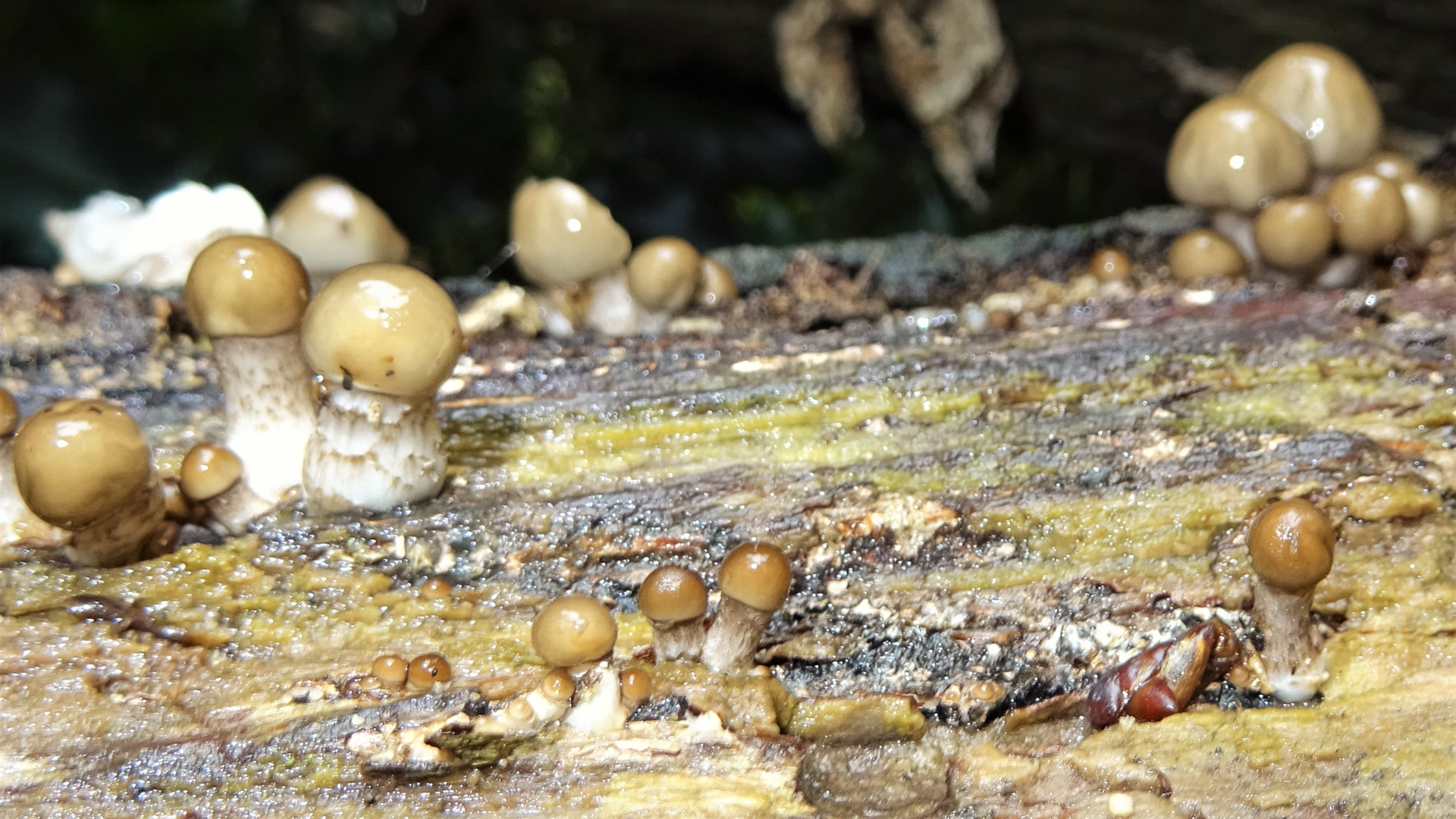
Porcelain Fungus, commonly referred to as Slimy Beech Tuft, is specifically found on beech trees and decaying wood. The surface of this fungus typically feels moist and slimy, with droplets of moisture frequently appearing on the caps. The translucent caps can reach up to 10 cm in diameter.
#
Sulphur Tuft
Hypholoma fasciculare
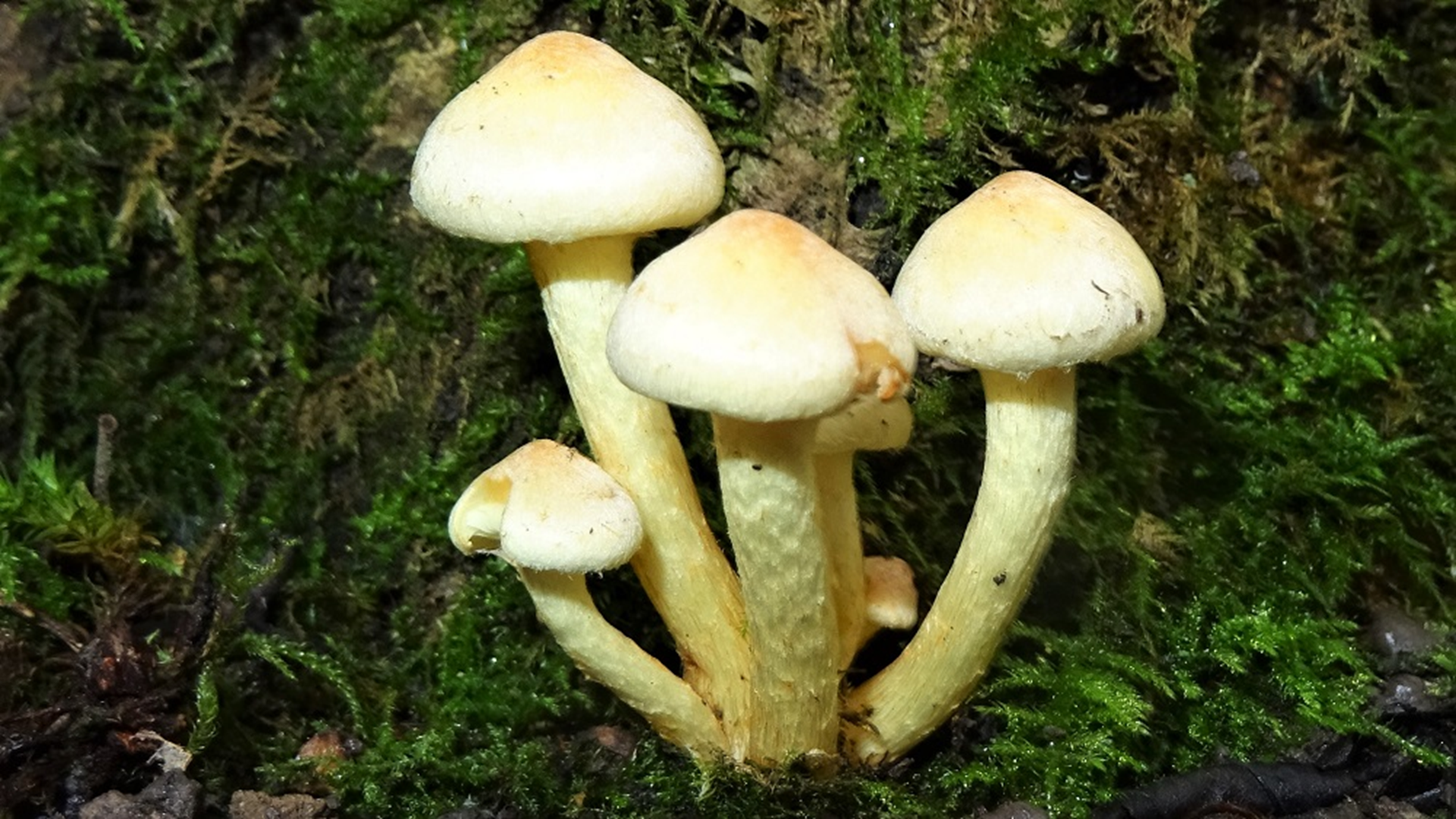
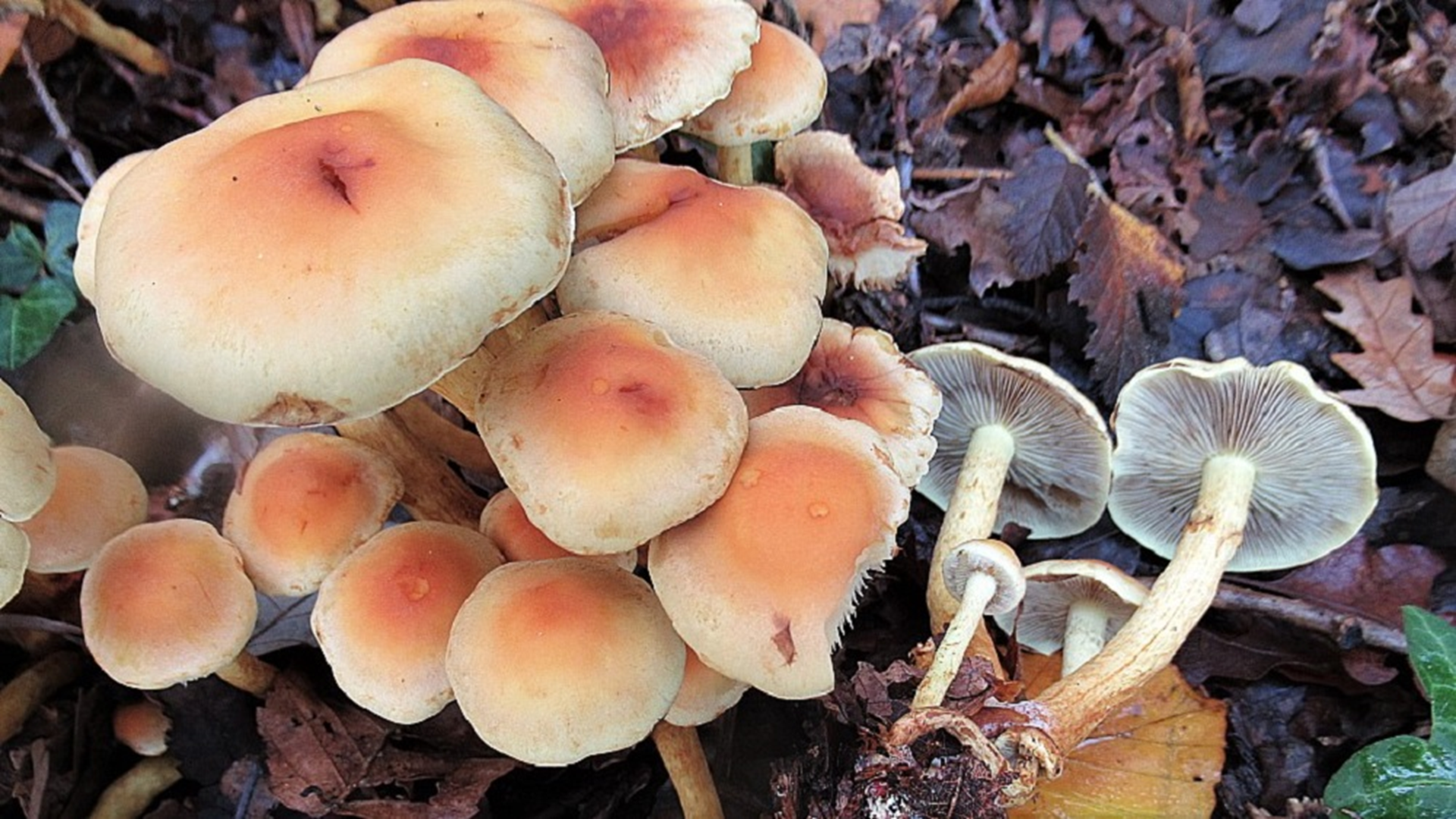
Sulphur Tuft is a common wood-rotting fungus found on fallen trunks and sometimes on living trees. The caps grow up to 7cm across. This fungus can be seen in large groups all year round.
#
Wood Blewit
Lepista nuda
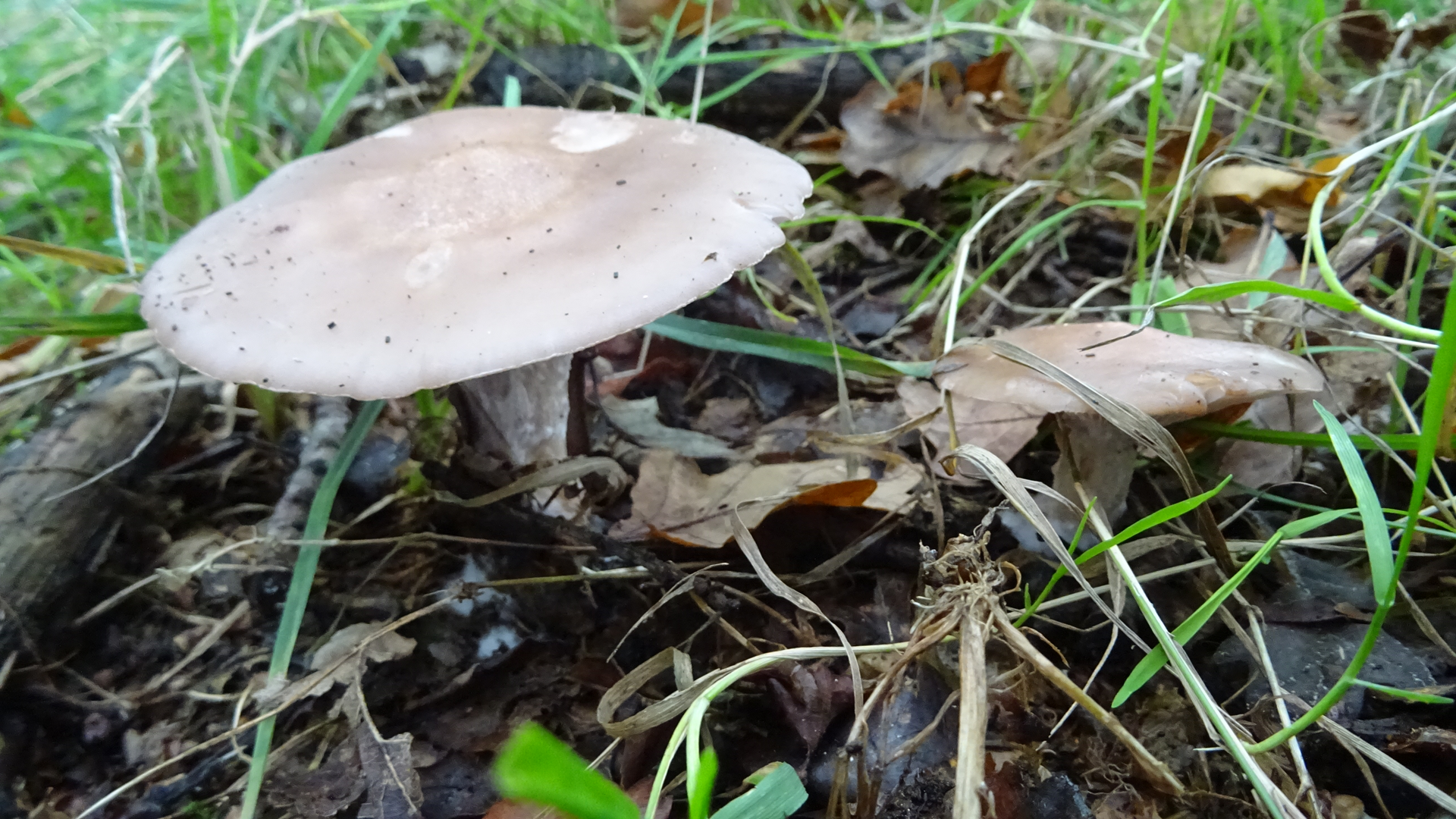
Wood Blewits appear during autumn and winter. The lilac-bue cap is tough, thick and fleshy. The caps grow up to 15cm across.
#
Deer Shield
Pluteus cervinus
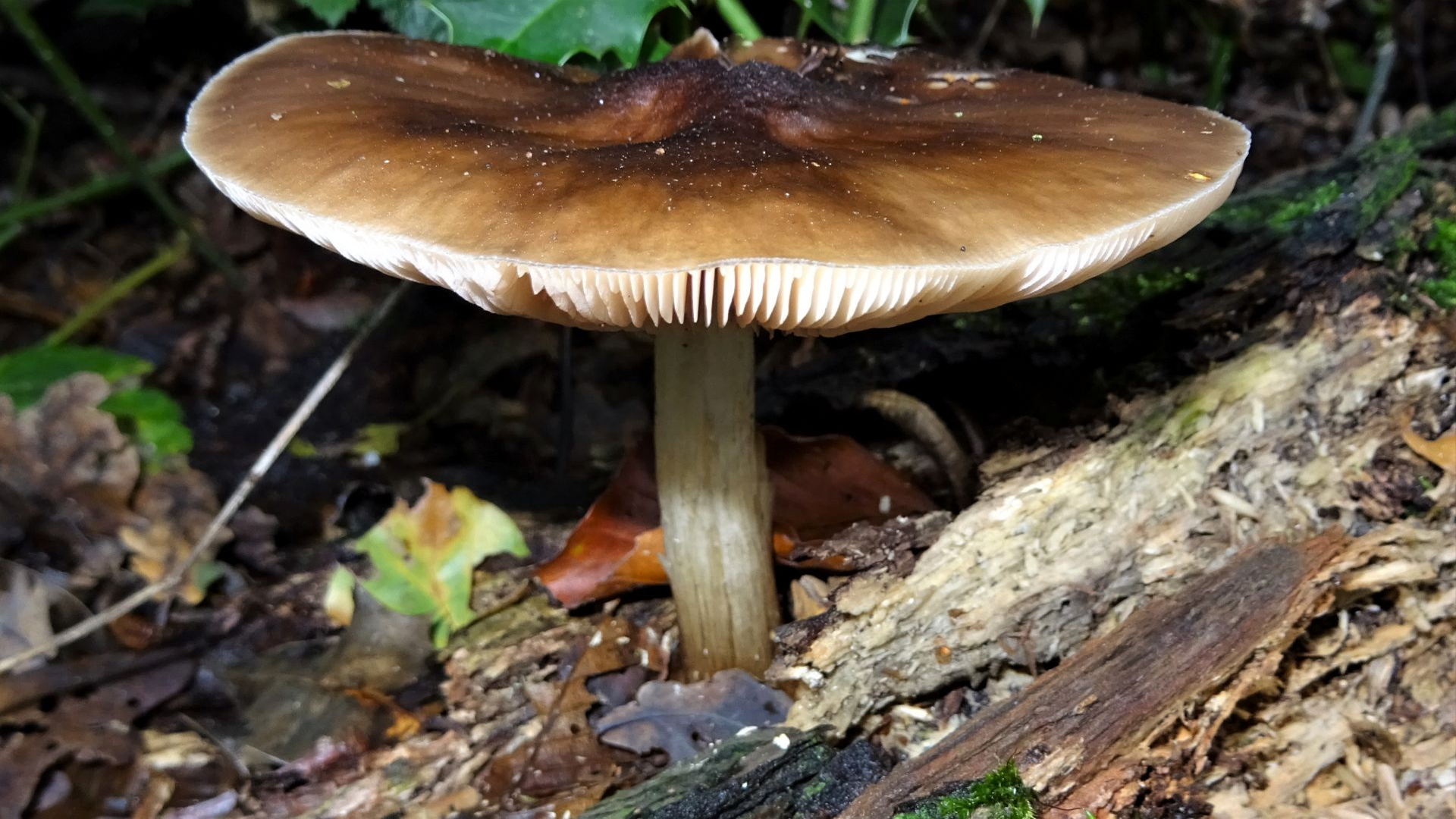
Deer Shield grows on decaying deciduous wood and debris during the autumn season. The brown cap can reach a size of up to 12 cm in diameter.
#
Common Parasol
Macrolepiota procera
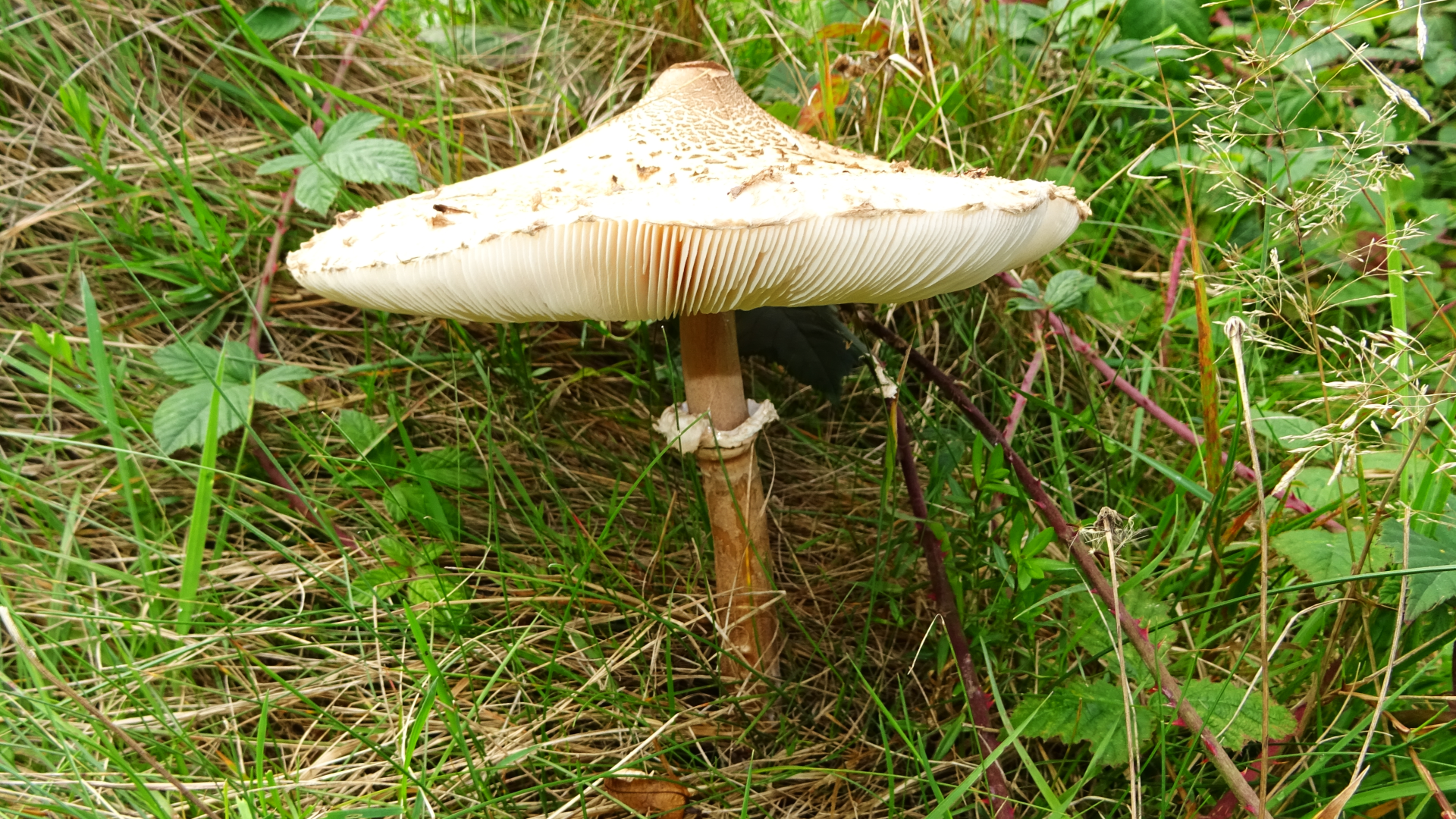
Parasol Mushrooms feature whitish-buff caps that are marked with large dark brown scales. The caps are initially egg-shaped before opening up, and flattening out with a dark central bump. The largest cap recorded this year measured 27 cm in diameter.
#
Shaggy parasol
Macrolepiota rhacodes
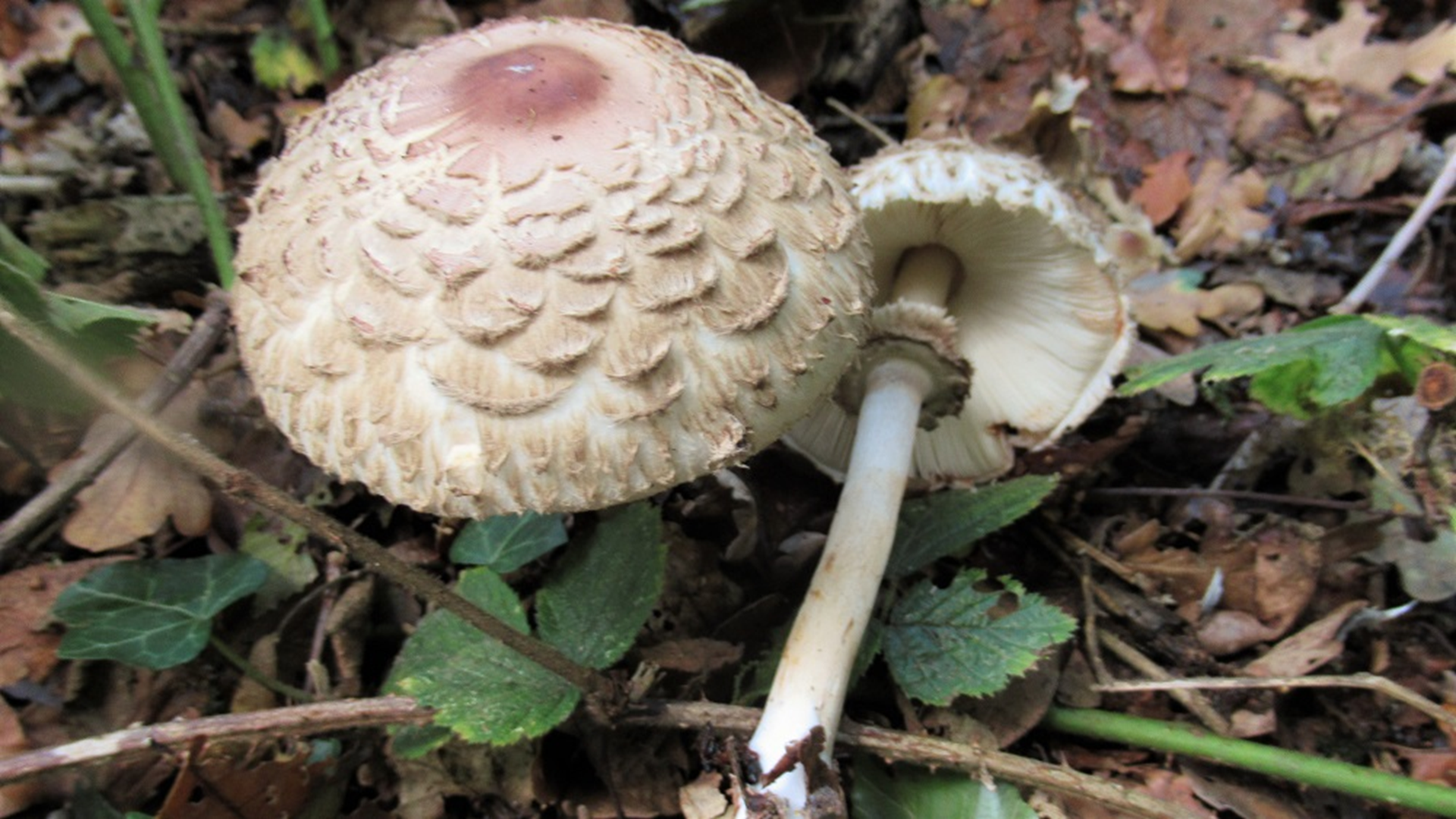
The Shaggy Parasol is found in woodland. Its cap can reach a diameter of 18 centimetres. This type of parasol has a more stockier appearance than the Common Parasol, and the presence of scales contributes to its shaggy look.
#
Rooting Shank
Xerula radicata
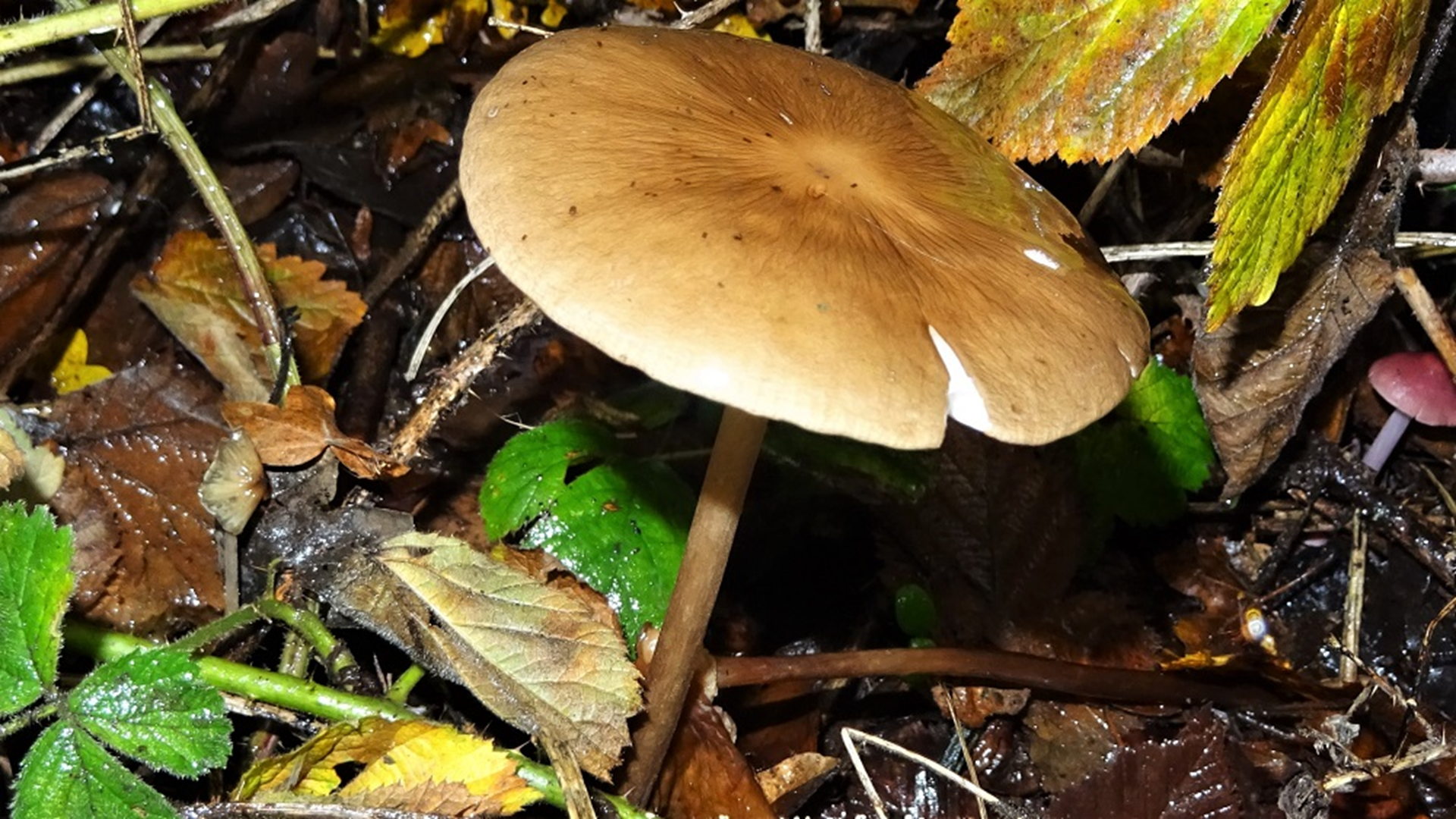
Rooting Shank is usually found near beech trees. It features a long, slender stipe that can reach up to 20 cm in height and a cap that can expand up to 10 cm across. The cap typically has a slimy texture. Initially rounded, it flattens as it matures. Notable characteristics include a persistent umbo with radiating wrinkles and moderately spaced white gills. This mushroom attaches itself to tree roots.
#
Sulphur Knight
Tricholoma sulphureum
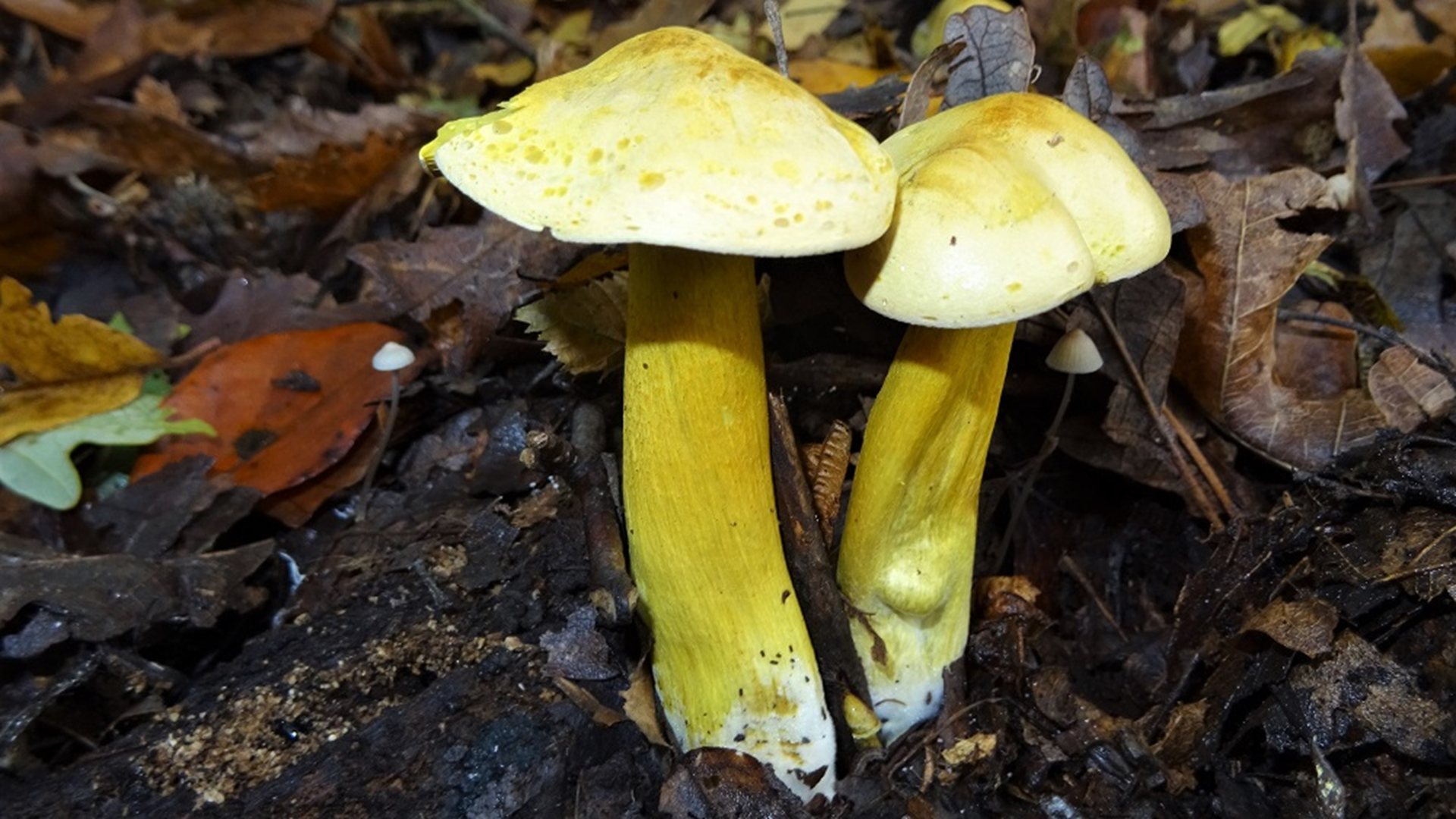
Sulphur Knight is a bright yellow fungus usually found in oak and beech leaf litter. It is sometimes referred to as the Gas Works Mushroom because they smell like coal gas.
#
© hainaultforest.net. All rights reserved.
This website uses necessary cookies. It does not use targeting or advertising cookies.