

LAST QUARTER 2025
This journal includes the period from October to December of 2025.
Ring-necked Parakeet
Psittacula krameri
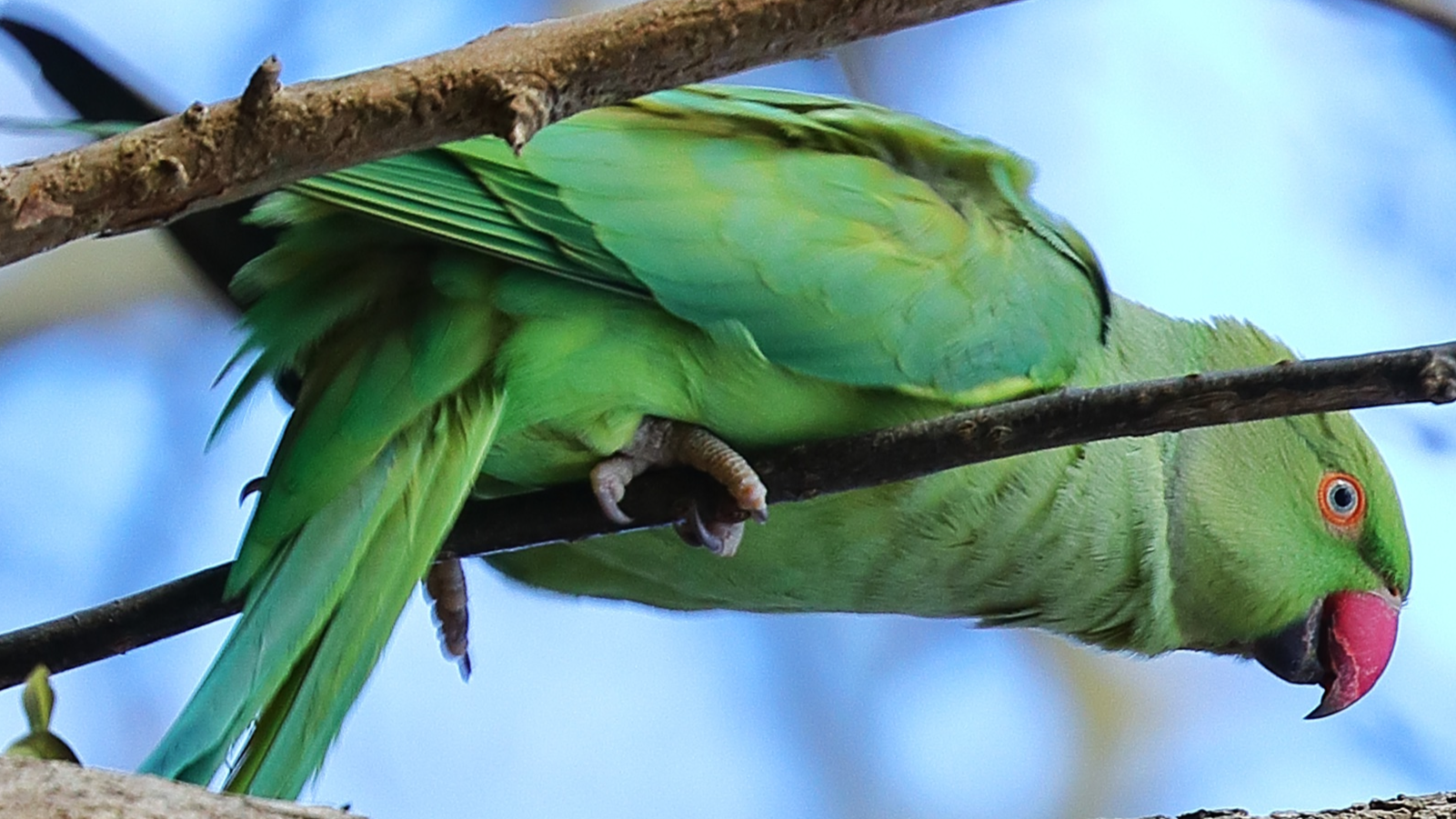
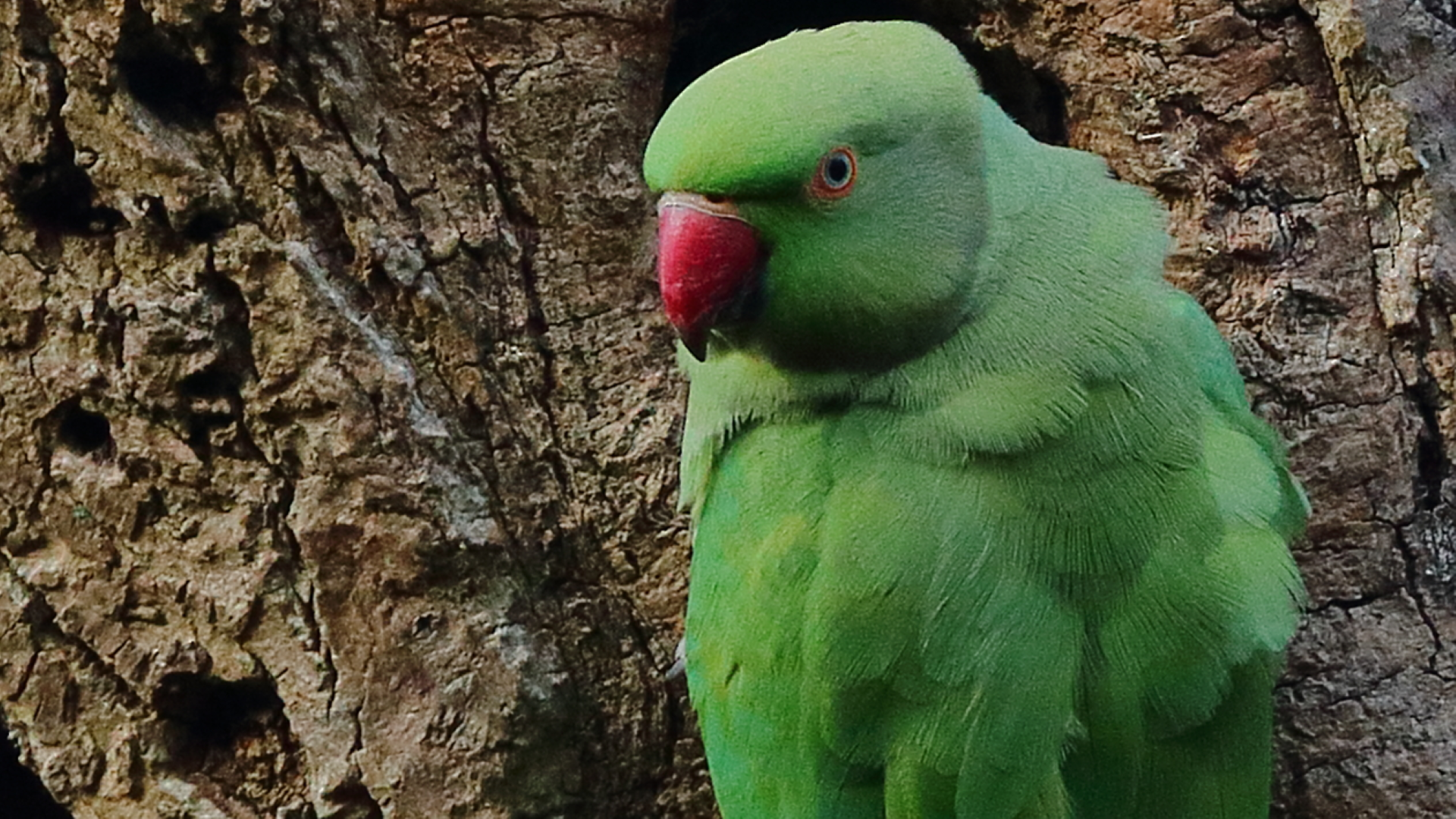
Britain's only naturalized parrot is particularly loud in the Roe's Well area of the forest, where it nests in tree holes.
#
Goldfinch
Carduelis carduelis
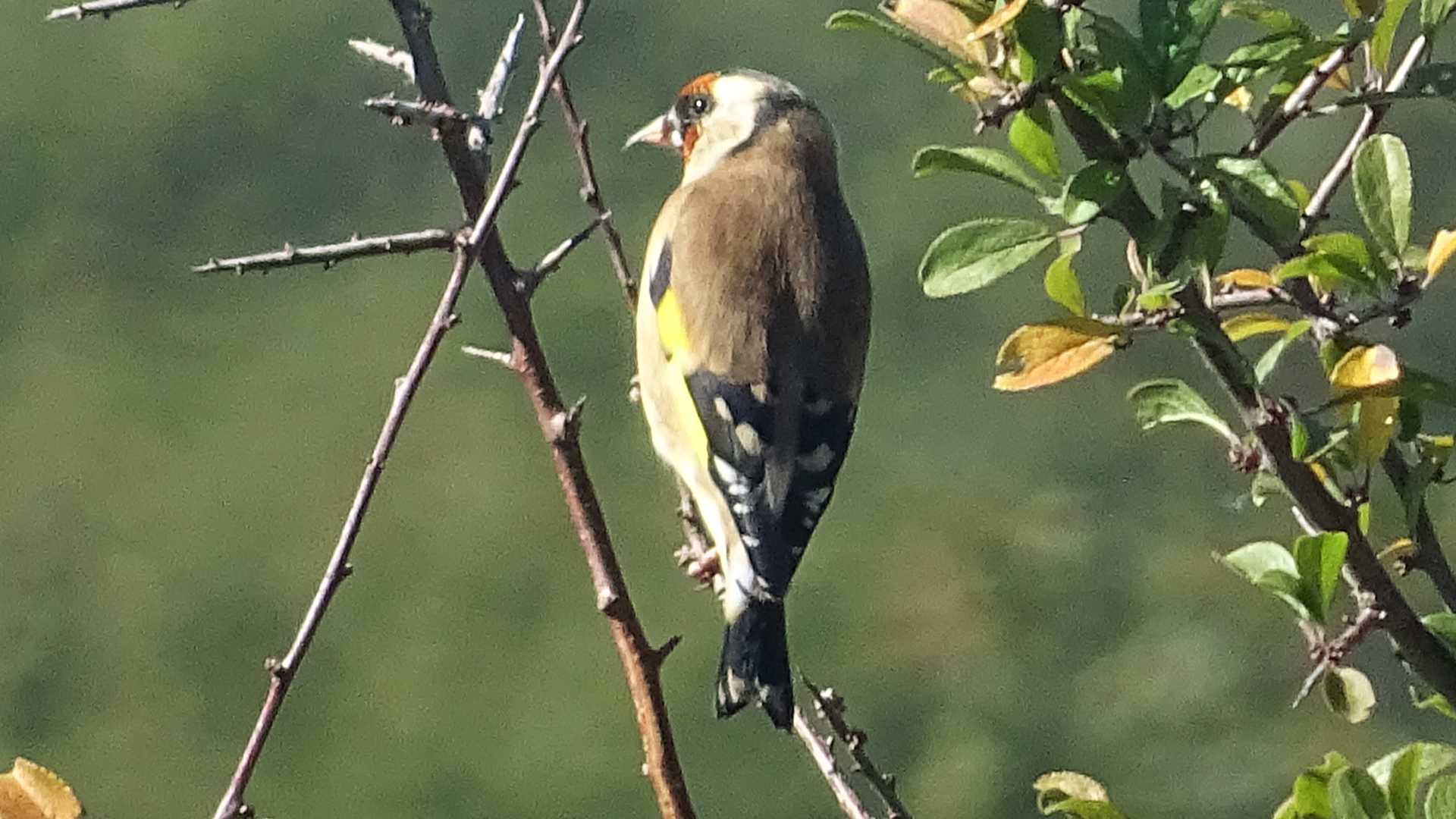
The most common type of finch observed in Hainault Forest is typically found in large groups. They consume seeds from thistle, teasel, and various other plants. Their delicate beaks enable them to access seeds that are otherwise difficult to reach. Historically, this species was referred to as the 'Thistle Finch' because of its preference for thistle seeds.
#
Coal Tit / Blue Tit
Periparus ater / Cyanistes caeruleus
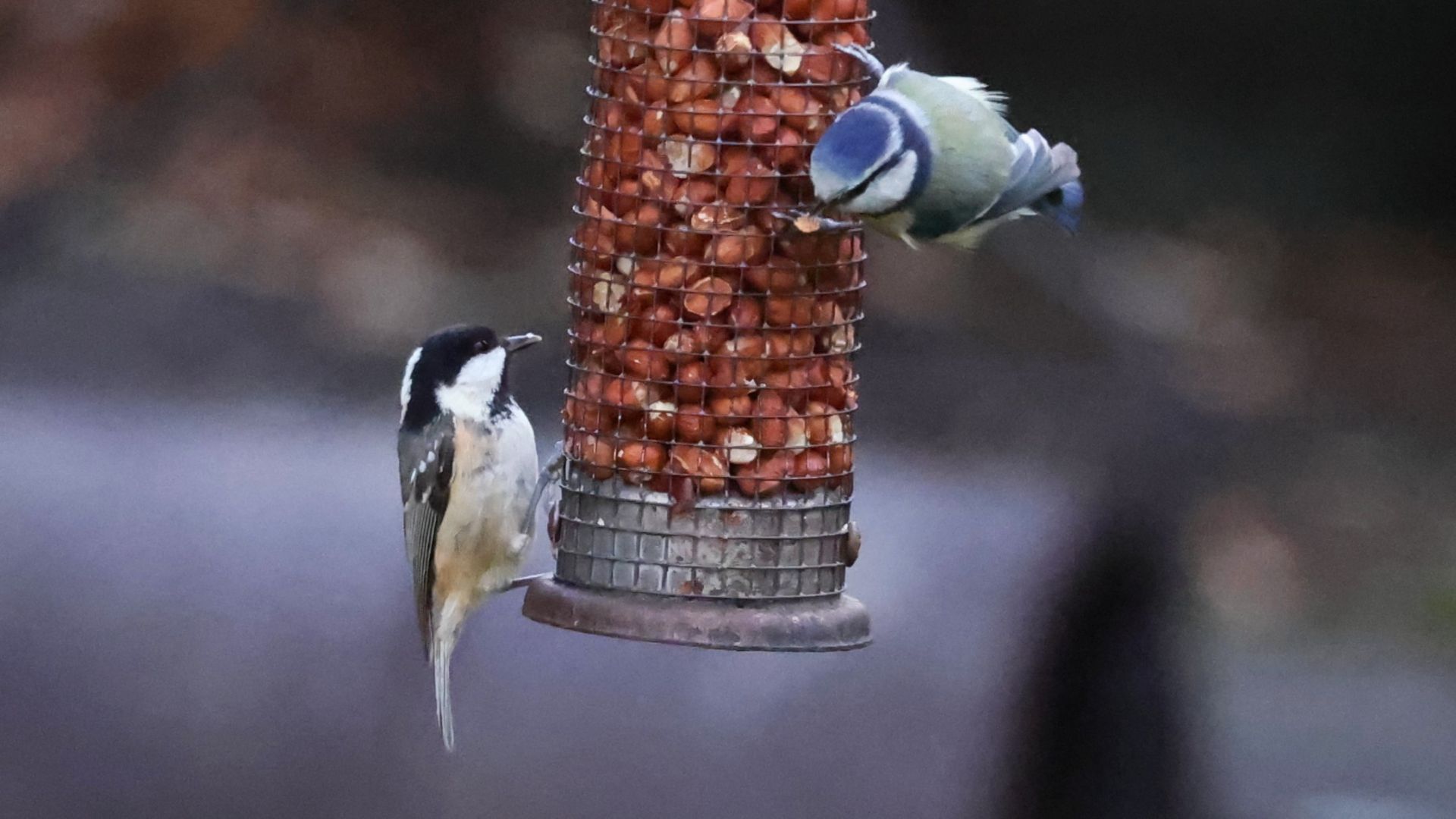
This image was captured in Michael's garden. Blue Tits, characterised by their vibrant blend of blue, yellow, white, and green, are frequently observed in Hainault and the surrounding forest. In contrast, Coal Tits are less vibrant and seen less frequently. The Coal Tit features a black head with white cheeks, a buff-brown belly, and grey legs. Distinguishing features of the Coal Tit include white wing bars and a white patch on the back of the head, which help differentiate it from Marsh and Willow Tits.
#
Long-tailed Tit
Aegithalos caudatus
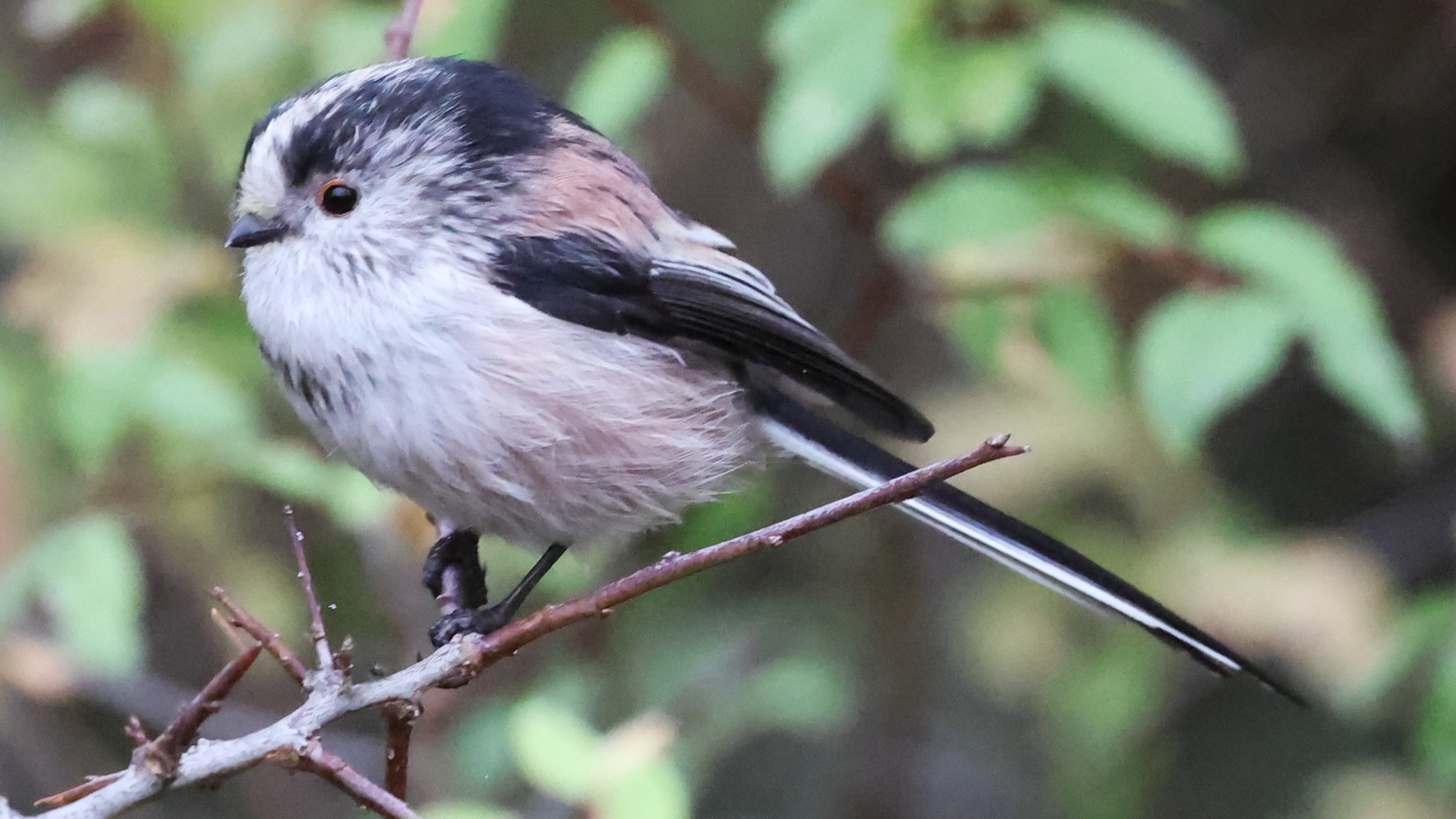
Long-tailed Tits are often observed in small, vocal groups moving around trees in woodlands and hedgerows. They primarily feed on insects, but may also change their diet to include seeds during the autumn and winter seasons.
#
Green Woodpecker
Picus viridis

Green Woodpeckers often visit scrub areas. They use their strong beaks to break into anthills to feed on ants, their preferred food.
#
Little Egret
Egretta garzetta

Little Egrets are thought to have first arrived in England in the 1950s. The species is now well established in Britain and has been experiencing population growth. In November, seven individuals were observed resting at the edge of Hainault Lake. This small member of the Heron family is characterised by a white head, back, and chest, along with black legs and bill and yellow feet. Its diet primarily consists of fish.
#
Robin
Erithacus rubecula
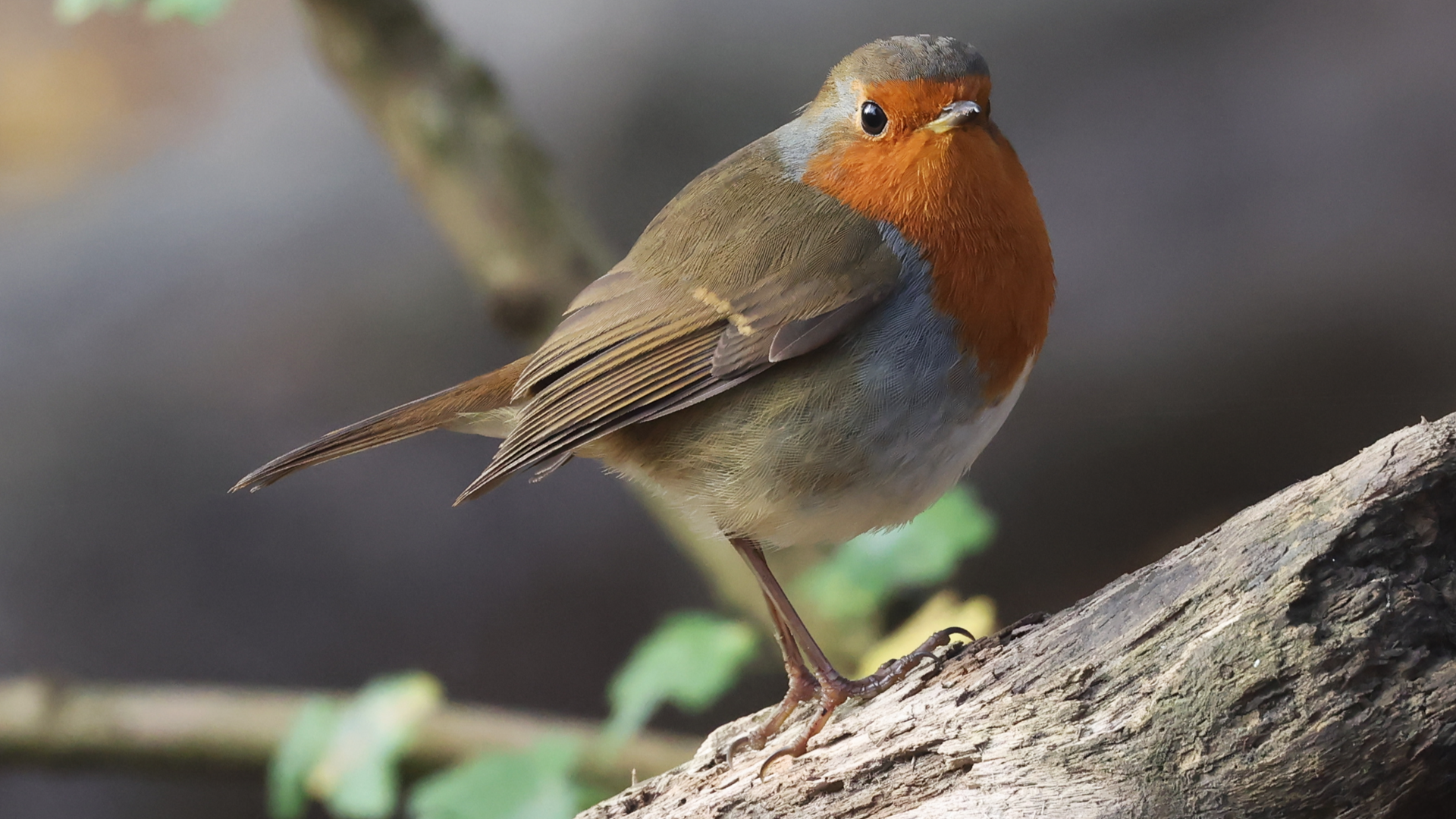
Robins are recognisable by their colourful breasts and distinctive songs. They tend to be approachable and inquisitive around people. Male robins can display aggressive behaviour when protecting their territory from intruders, including other males. The diet of a robin includes worms, insects, spiders, fruits, and seeds.
#
Stonechat
Saxicola torquata
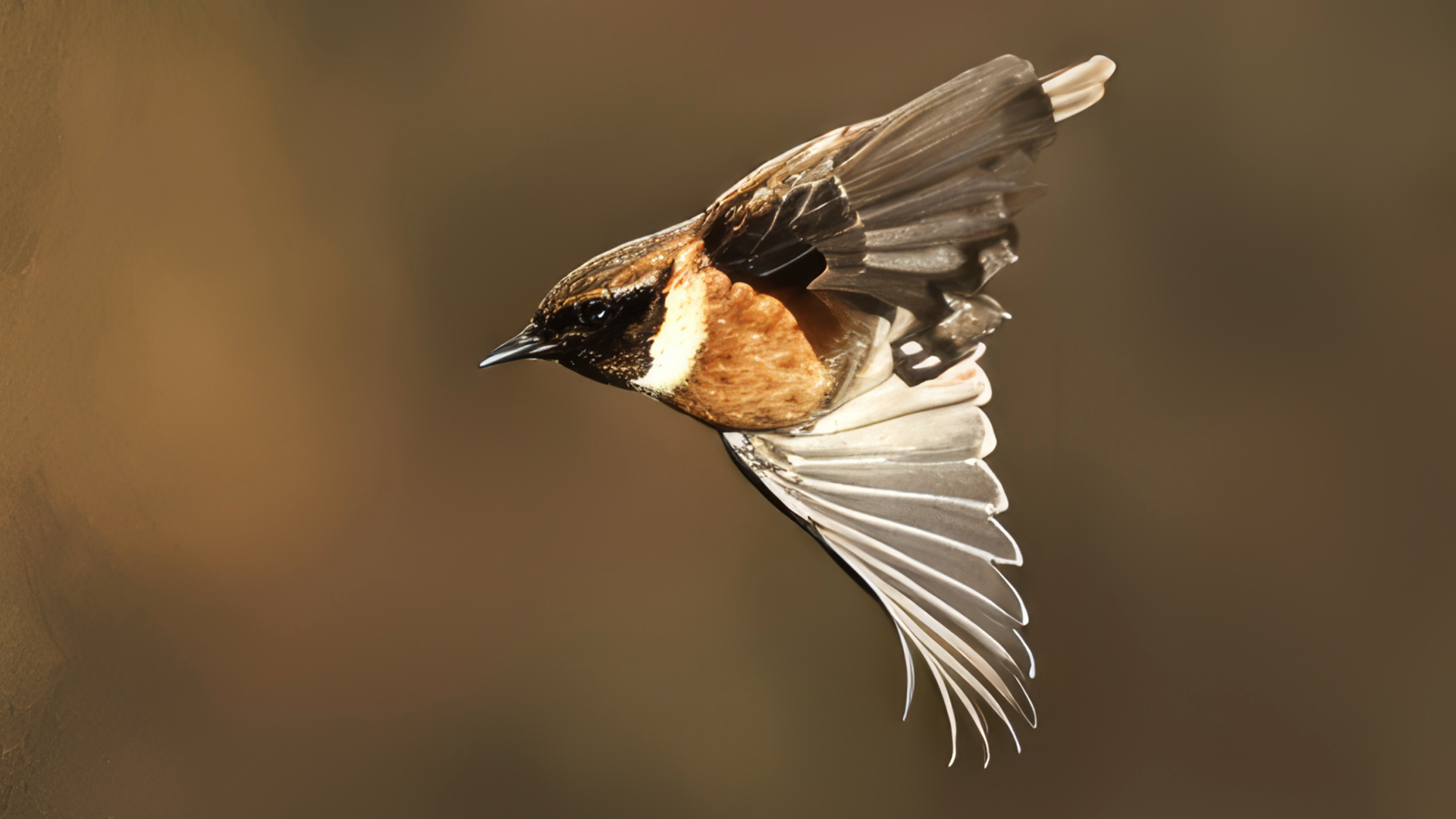
Males have black heads, white necks, orange-buff breasts, and brown backs. Females do not have black heads. Stonechats are winter visitors that feed on insects, fruits, and seeds. Large groups were observed in the scrub during this autumn.
#
Collared Earthstar
Geastrum triplex
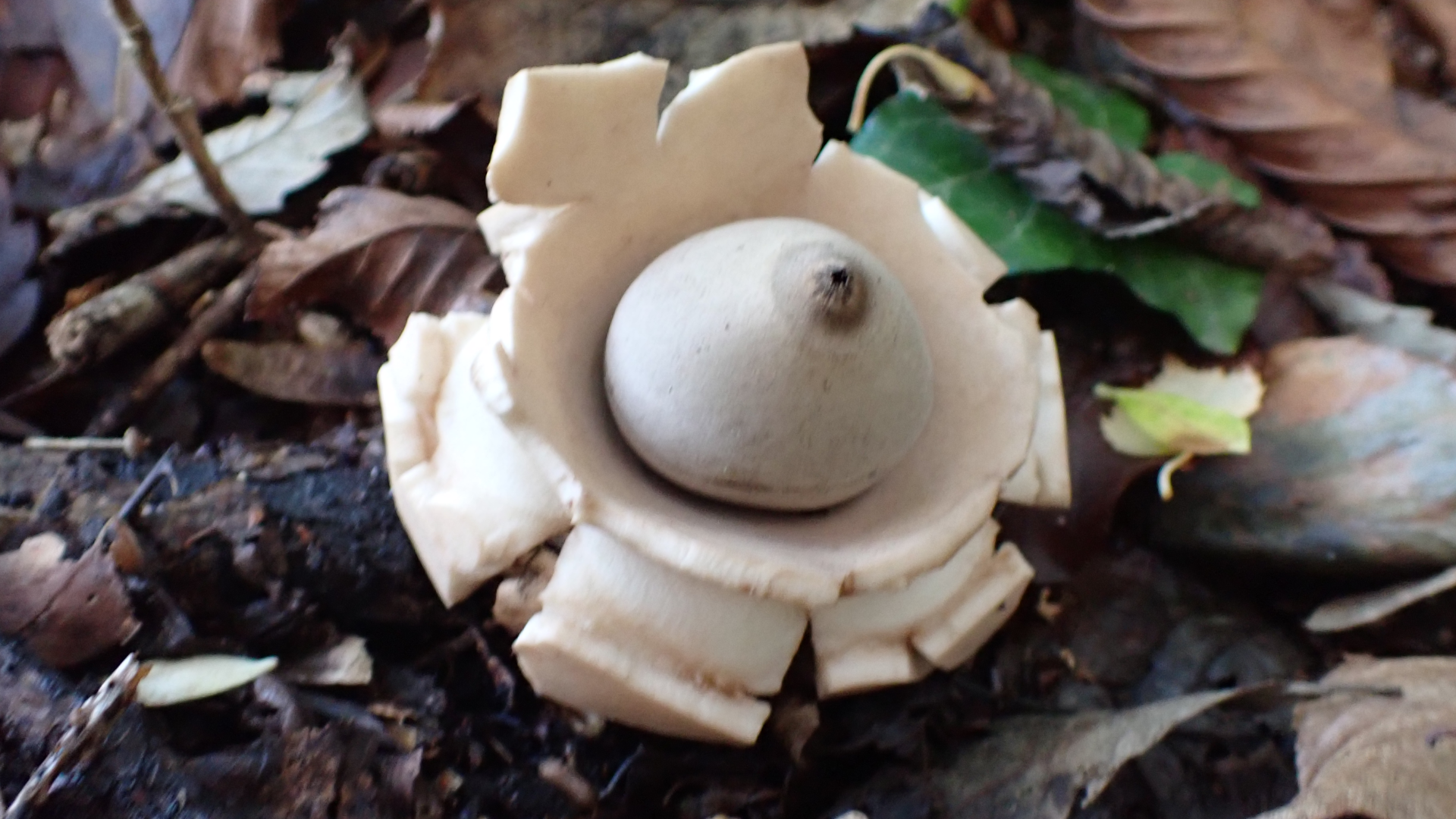
Star-shaped fungi were found among the leaf litter at Hainault Lodge Nature Reserve. They typically appear from late summer through autumn. When pressed, spores are released from the centre of the fruiting body.
#
Yellow Brain Fungus
Tremella mesenterica
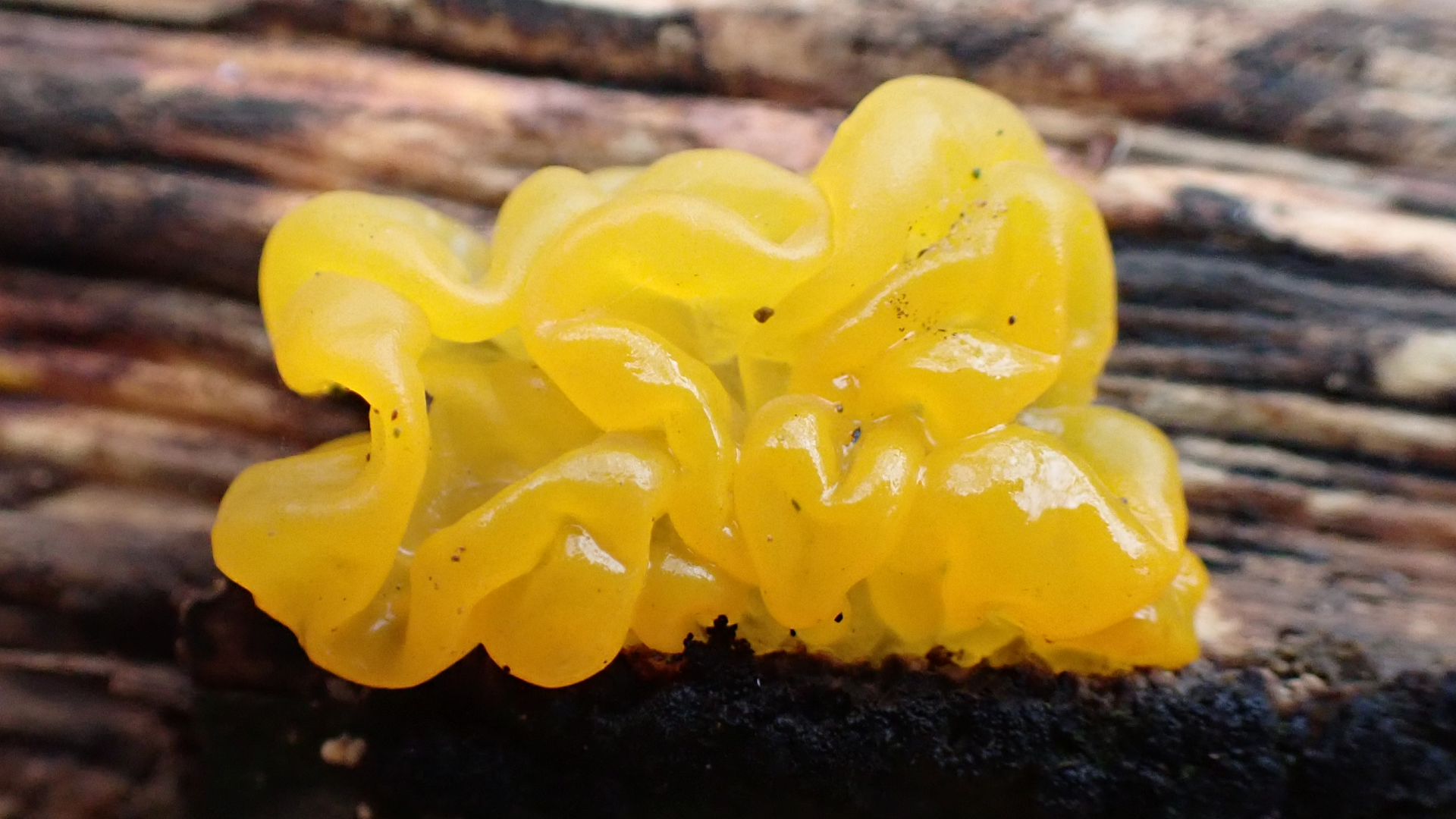
The yellow fruiting body of this fungus hardens and turns orange as it dries. It primarily appears in autumn and winter on fallen deciduous branches.
#
Jelly Ear
Auricularia aricula-judae

At first, Jelly Ear has a soft, velvet-like texture that becomes smoother as it matures. This fungus typically grows on the trunks and branches of deciduous trees, particularly Elder, during the autumn and winter seasons.
#
Birch Polypore
Fomitopsis betulina
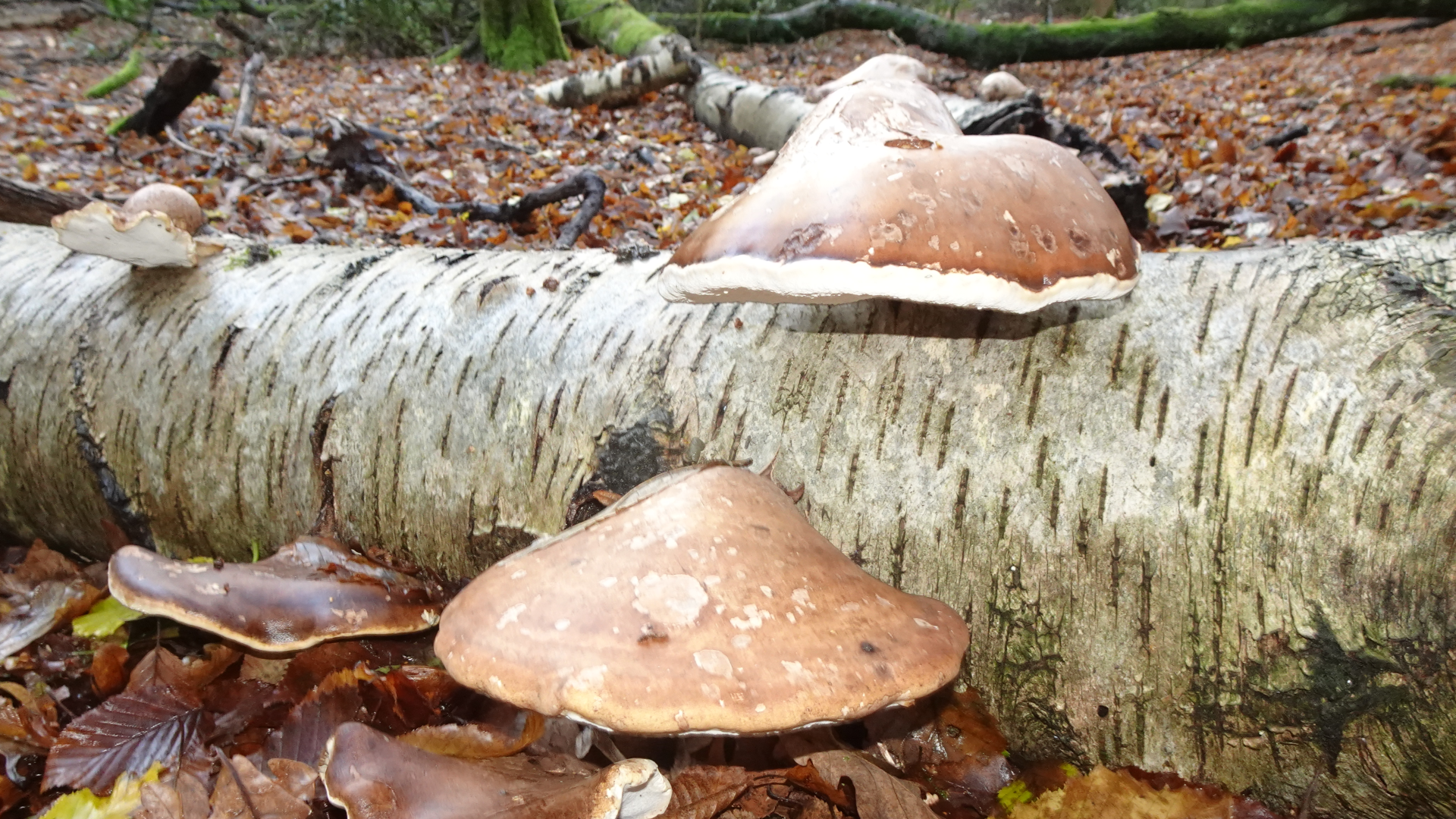
This is a common fungus that exclusively grows on Birch trees. The hard brackets can reach up to 20 cm in diameter and were historically used by barbers for sharpening their razors. It is also referred to as "Razor strop."
#
Candlesnuff
Xylaria hypoxylon
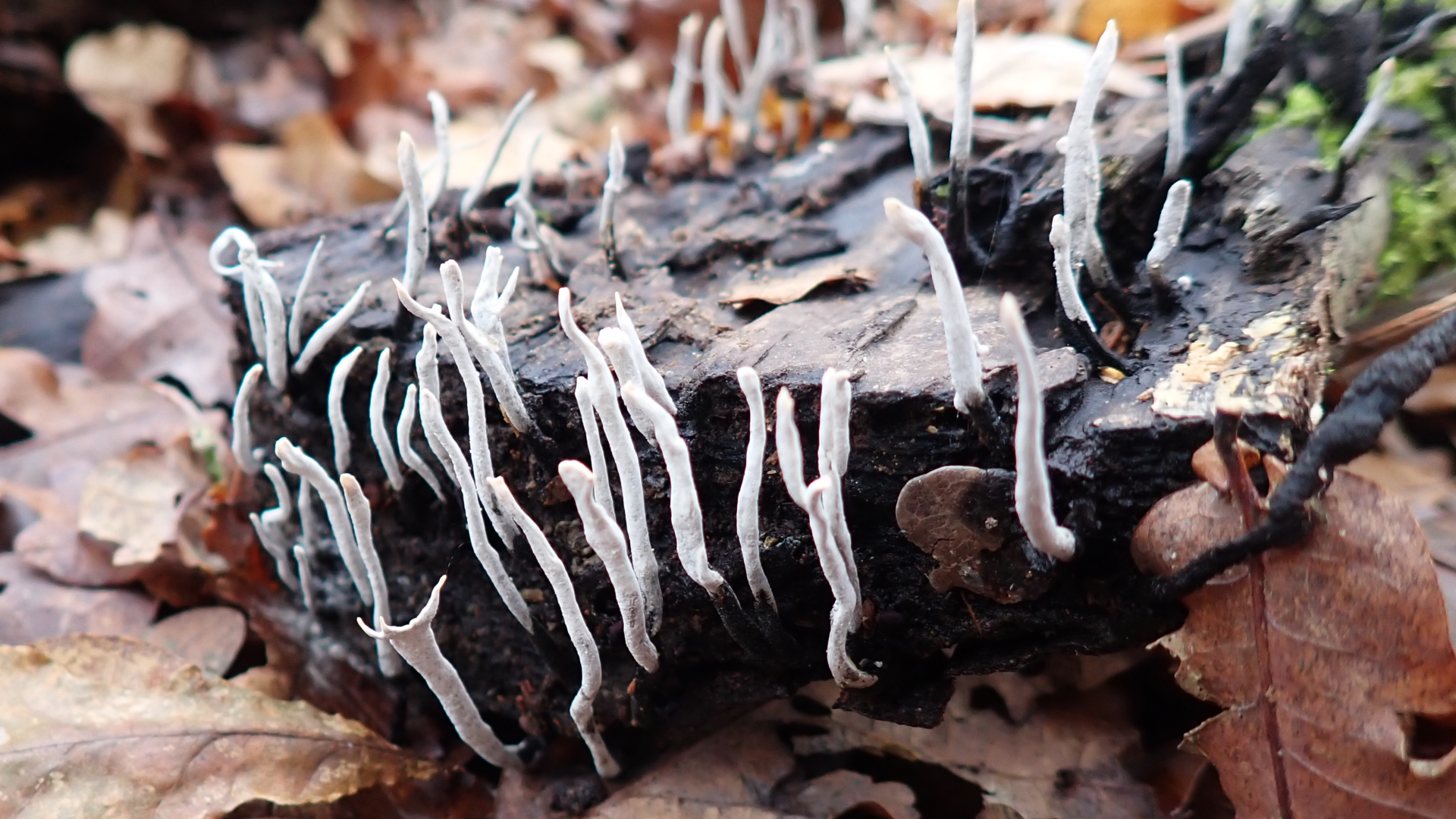
Common wood-rotting fungus characterised by stick-like or forked fruiting bodies that have black bases and white powdery tips. The height ranges from 10 to 60 mm.
#
Black Bulgar
Bulgaria inquinans
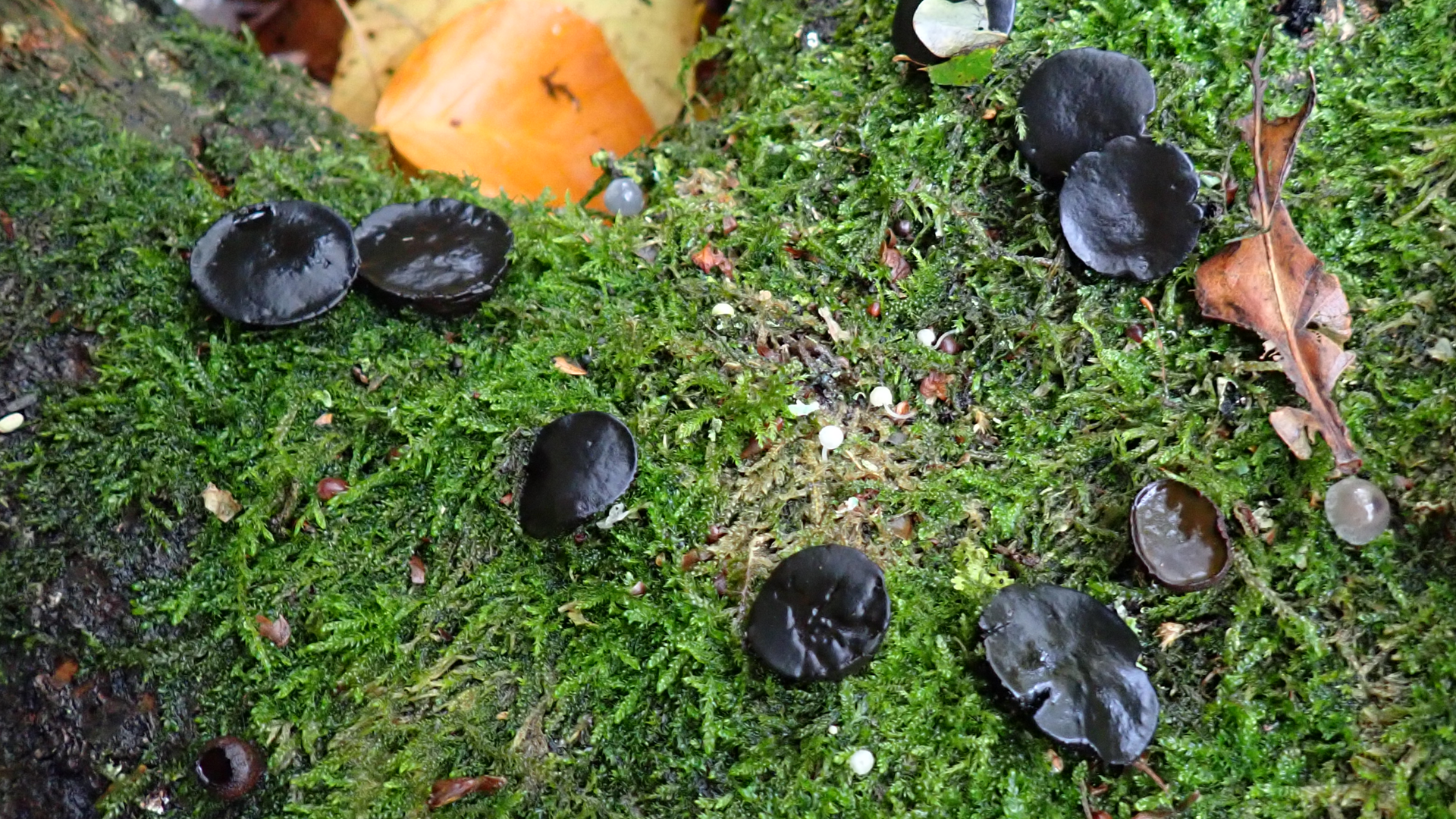
Often found on cut oak trunks and fallen branches. Although they resemble Pontefract Cakes, they are not suitable for consumption.
#
Porcelain Fungus
Oudemansiella mucida
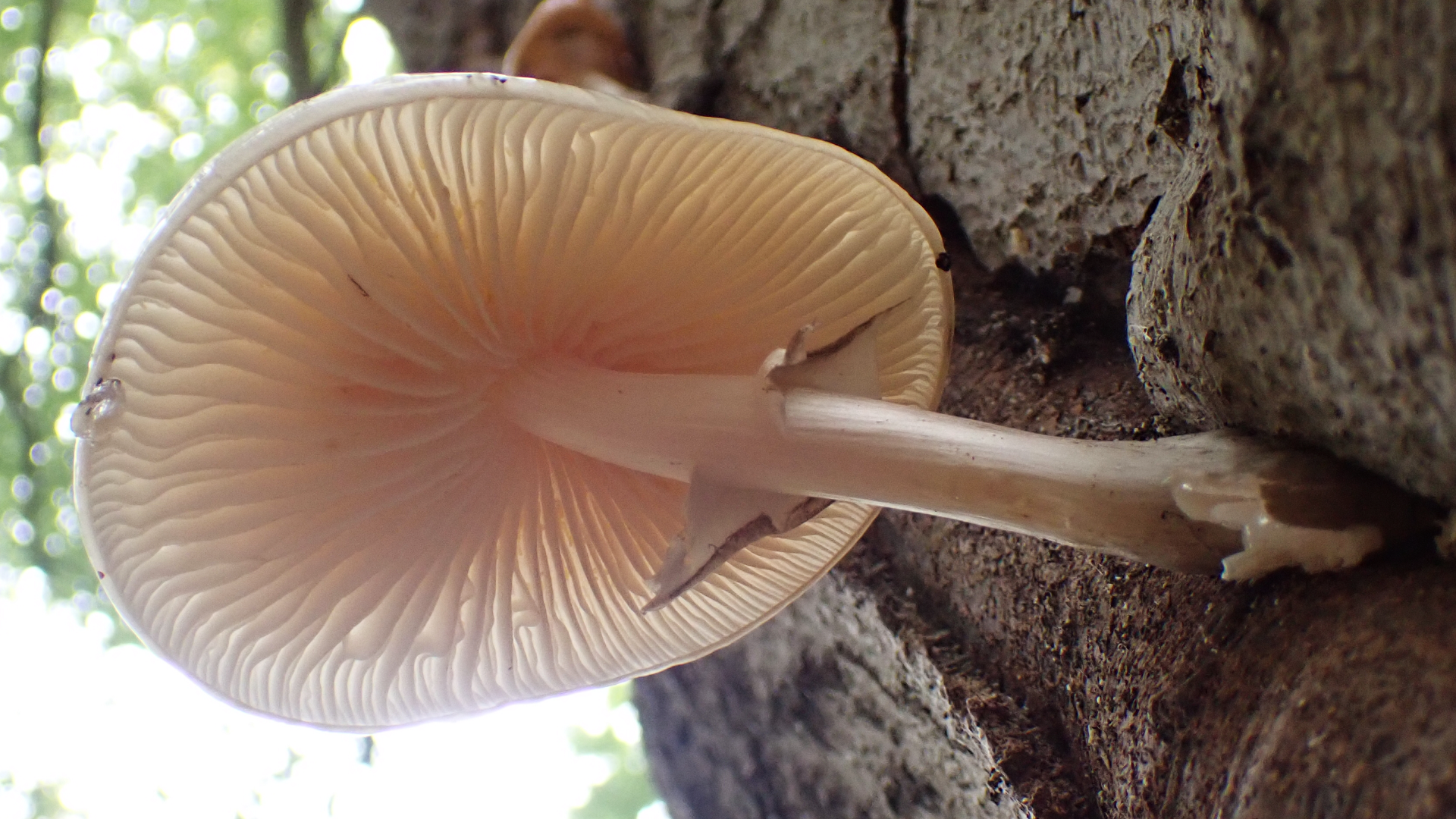
Porcelain Fungus, also referred to as 'Slimy Beech Tuft', has a delicate, translucent appearance. It can be found on both standing and fallen beech trees and branches. In folklore, elves and fairies are often associated with living under toadstools. However, this species is unlikely to attract them, as the dripping slime from its cap drives them away to drier habitats.
#
Insect Egg Slime Mould
Leocarpus fragilis

Ranger Beth Randall found a slime mould on leaf litter close to Foxburrow Farm. Essex Field Club recorder Raymond Small identified it as Leocarpus fragilis, with verification from Professor Bruce Ing. In its plasmodial stage, this slime mould appears bright yellow, and the young fruiting bodies somewhat resemble insect eggs.

As they mature, the fruiting bodies change from brown to grey and release dark spores. This is the first documented observation for Hainault Forest. It is a non-toxic decomposer that feeds on decaying organic matter and does not present any toxic risk. It can be found on dead leaves and logs, contributing to the ecosystem.
#
Dog Vomit Slime Mould
Mucilago crustacea
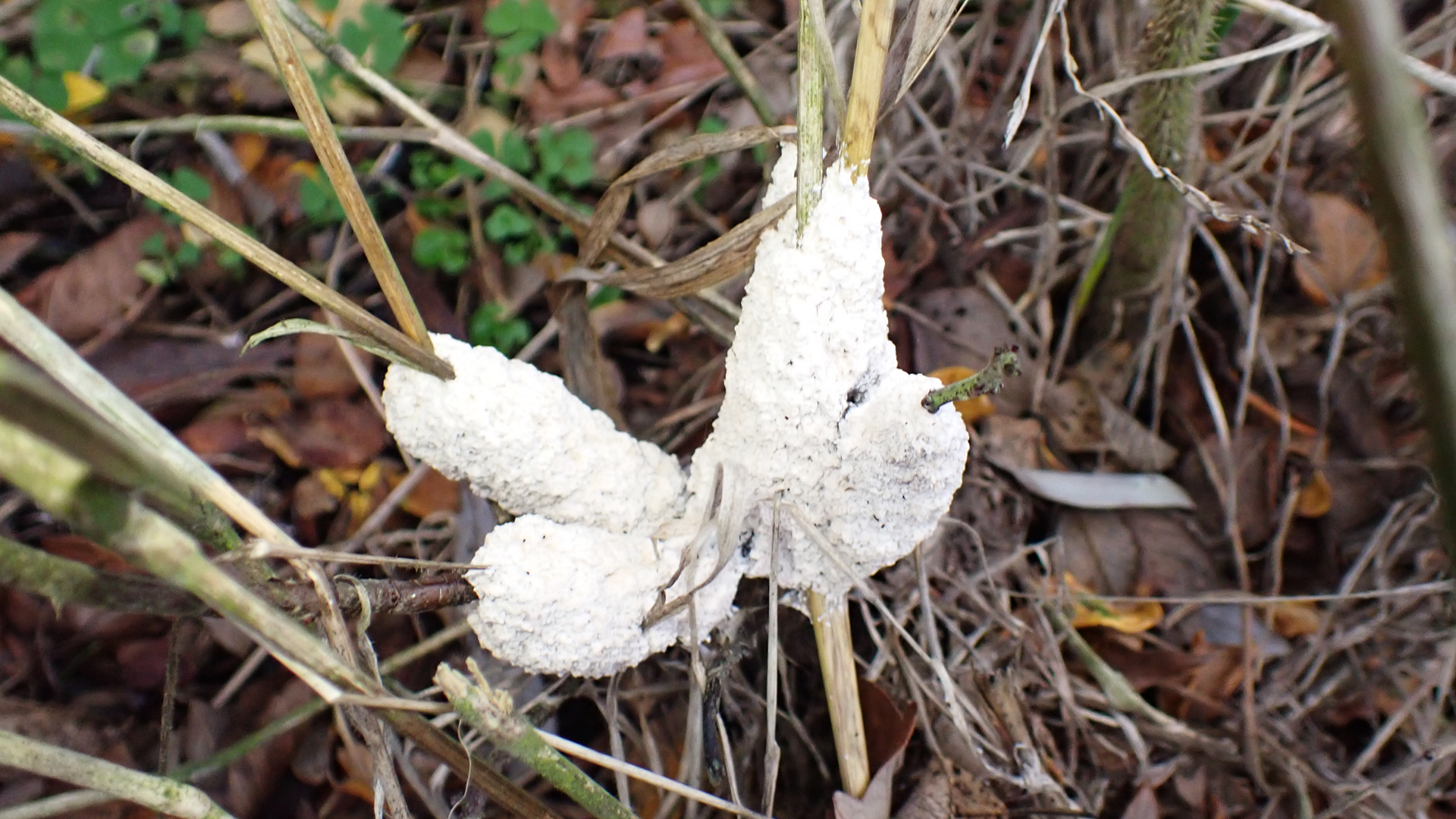
The fresh plasmodium of this slime mould is typically located on grass and resembles dog vomit. The calcareous outer layer hardens while the interior darkens as spores are generated. The spore mass is black. There are currently conversations regarding the potential reclassification of this slime mold; however, it should still be noted as Mucilago crustacea for now.
#
Flowers of Tan
Fuligo septica
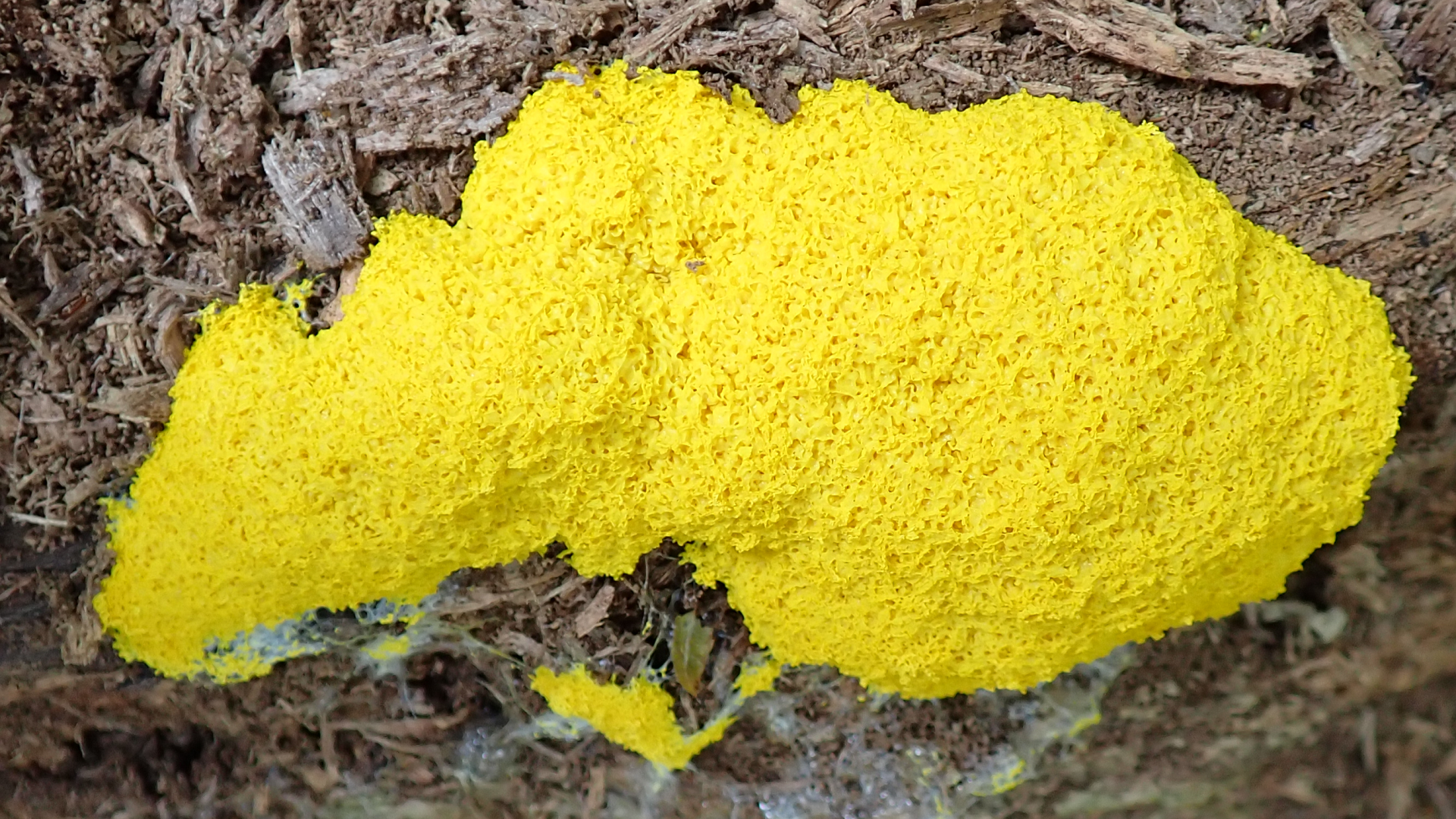
This slime mould is referred to as 'Flowers of Tan' or 'Scrambled Egg Slime Mould' and is among the most frequently documented slime moulds in the UK. Some references also use the term 'Dog Vomit', though that name truly belongs to
Mucilago crustacea. Flowers of Tan is typically found on decaying wood, woodchips, sawdust, and leaf litter.
#
Spindle
Euonymus europaeus
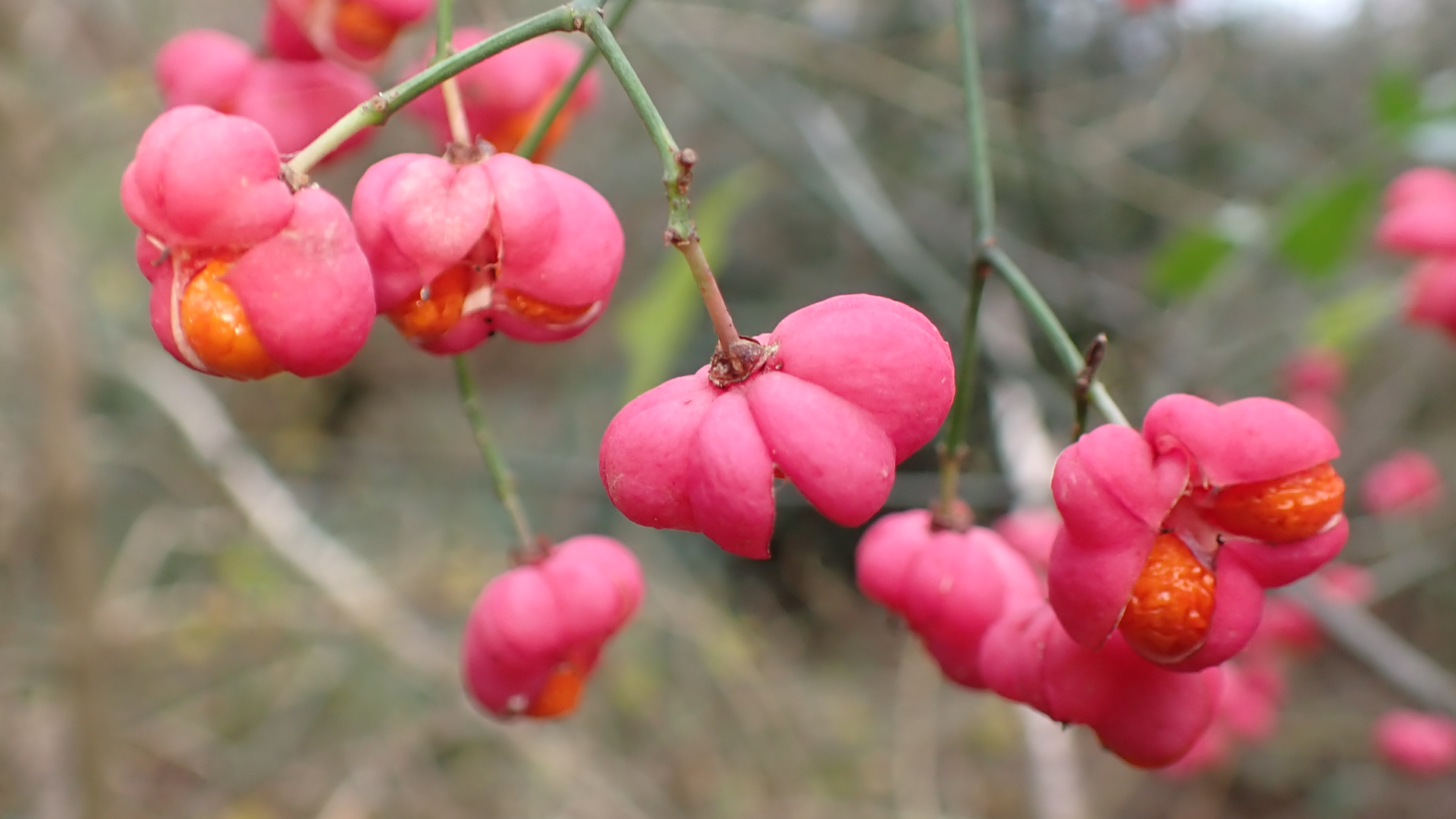
Spindle is a deciduous shrub or small tree that can reach a height of 3 metres. Its pink, four-lobed fruits open to reveal orange seeds in the autumn. These fruits were located near Roes Well.
#
Foxburrow Farm
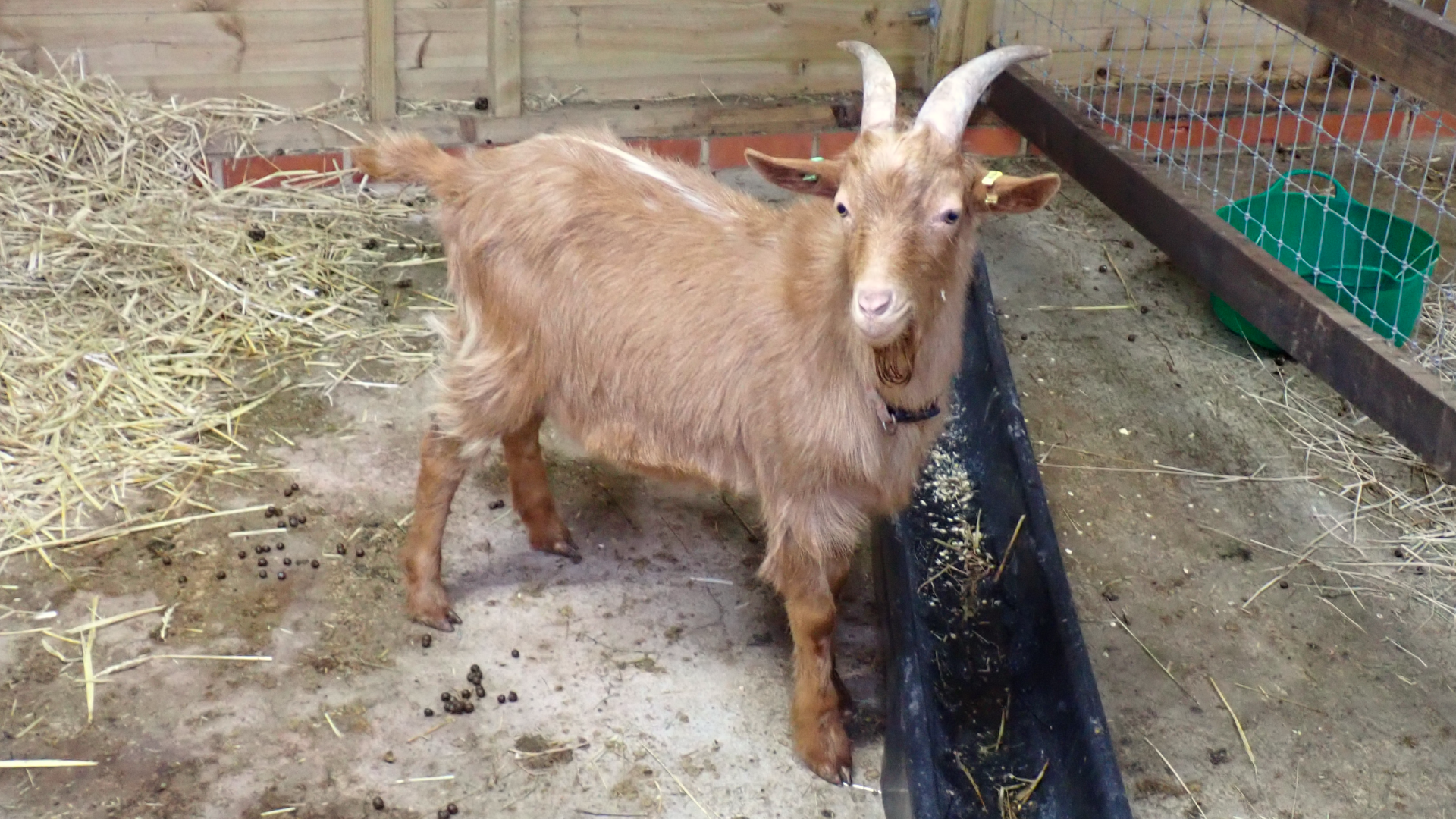
A new goat arrived at Hainault Forest in December 2025. All new arrivals must be kept in isolation before being introduced to Foxburrow Farm. The Golden Guernsey is a rare breed of dairy goat originating from the Channel Islands. Its colouration ranges from pale blonde to deep bronze. Generally, these goats are smaller than other British milking goats, and males are typically horned. Since 2024, the breed has been officially recognised as the Royal Golden Guernsey Goat after receiving this title from King Charles III. It is considered an endangered breed, with fewer than 2000 individuals remaining.

A Norfolk Horn ram has been introduced to Foxburrow Farm, and it is anticipated that the ewes will give birth to lambs in the spring.
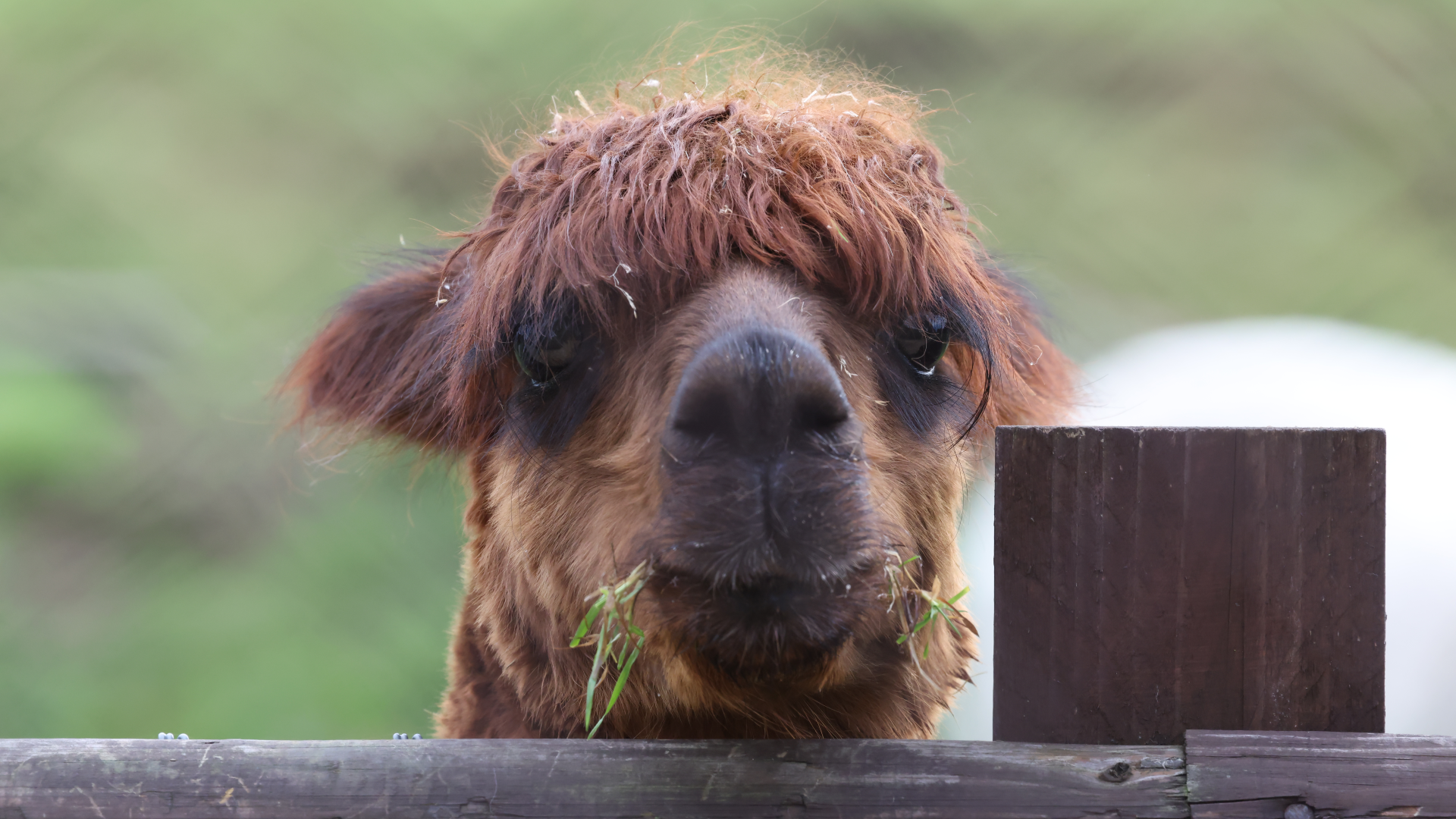
Foxburrow Farm has three alpacas, two of which are white and one is brown. Alpacas are native to South America and belong to the camel family. They were domesticated by the inhabitants of the Peruvian Andes around 6,000 years ago.
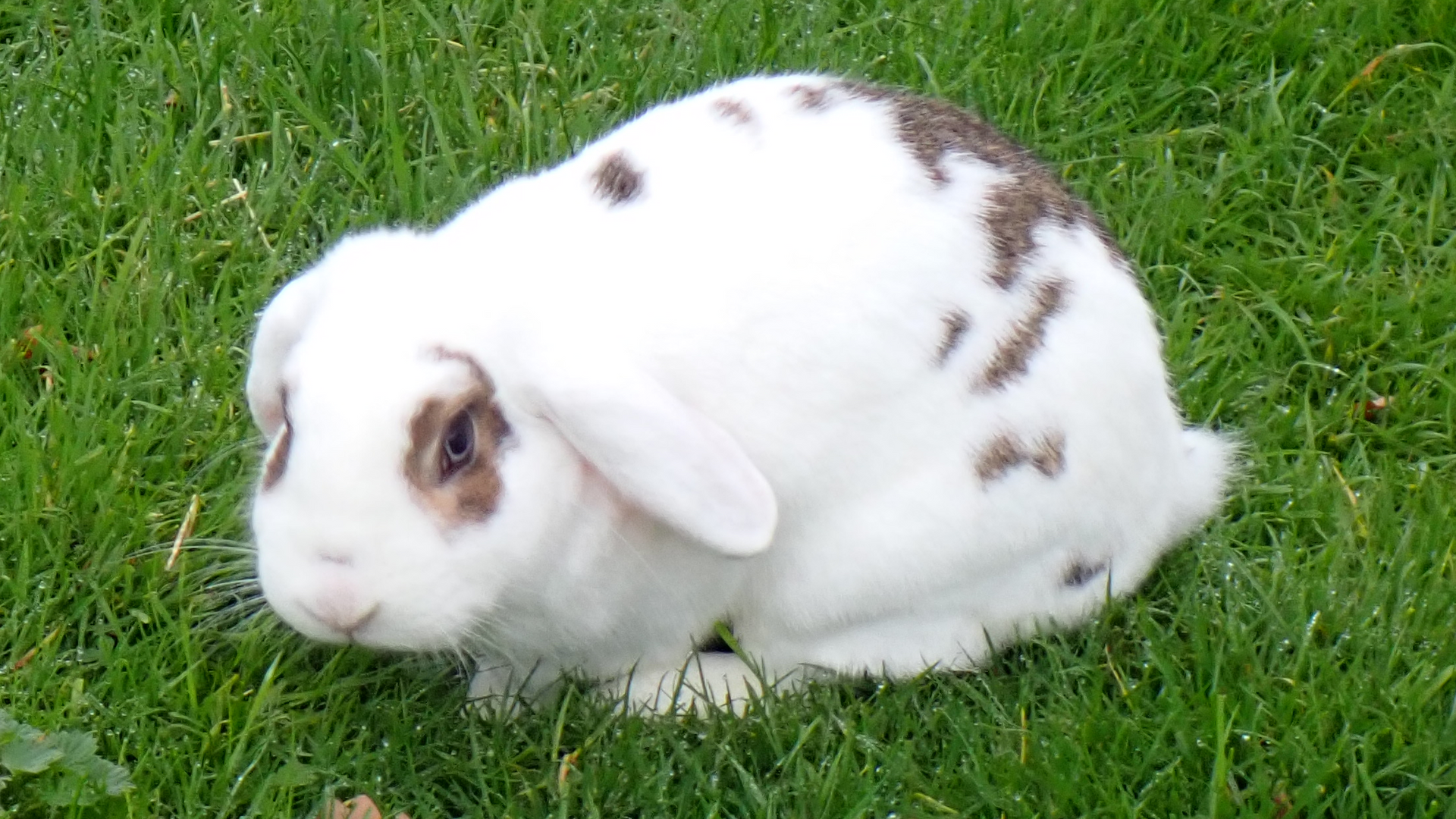
This cute rabbit is one of several small mammals found at Foxburrow Farm, which has no admission fee.
#
Education Centre
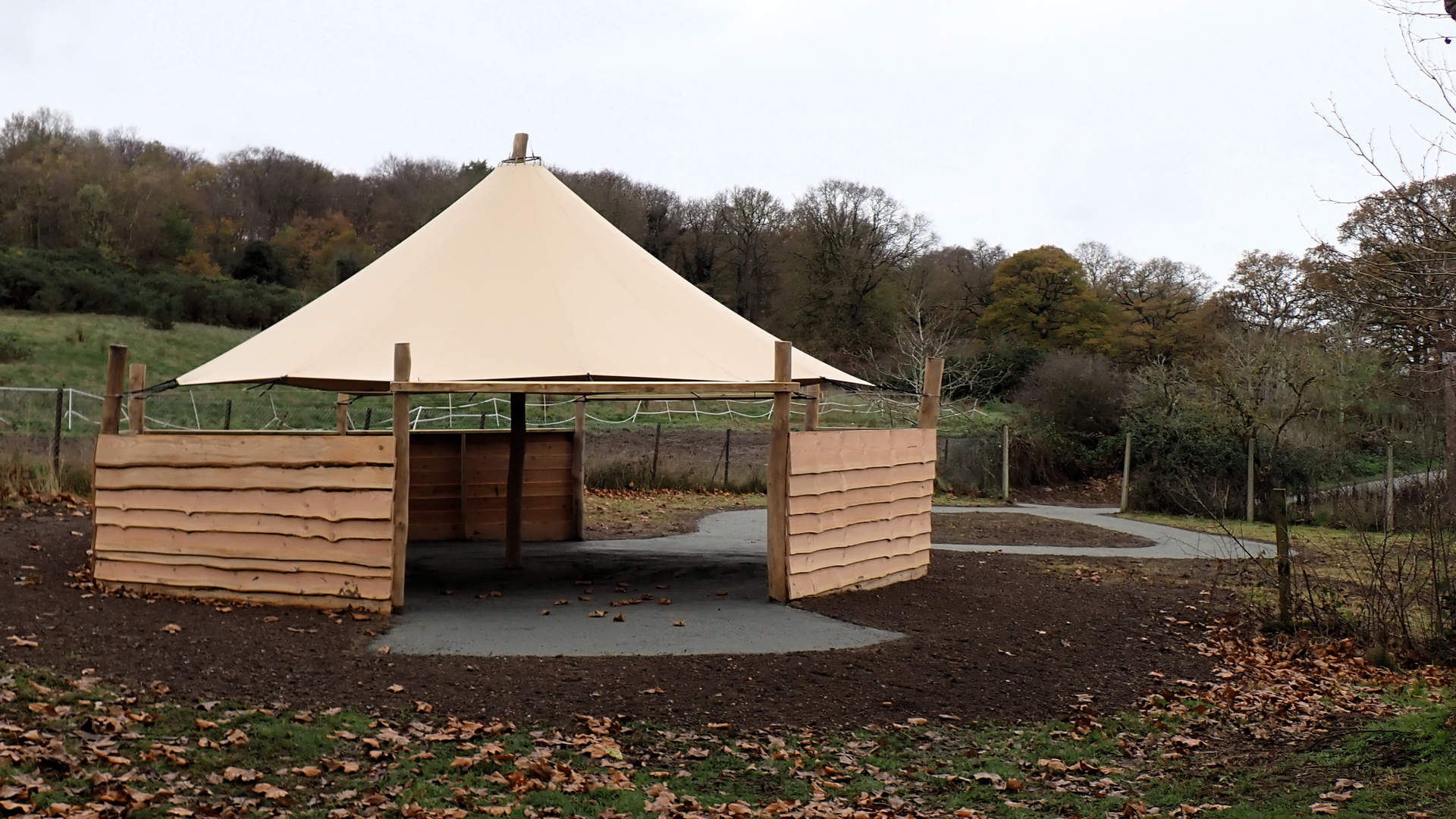
A new shelter has been constructed behind the 1886 Café, which may be used for educational sessions and other events.
#
Thank you to everyone that have contributed to this Journal.
Pages recently added to the website:
History of Hainault Forest: Olympics 2012
The Journal will now be published quarterly with the next issue appearing at the end of March 2026.
© hainaultforest.net. All rights reserved.
This website uses necessary cookies. It does not use targeting or advertising cookies.