

FIRST QUARTER 2026
This journal consisting of two pages spans from January to March 2026. Among the treasures highlighted this quarter, there is a secretive Water Rail, a Jay and a colourful Ruby-tailed Wasp.
JANUARY
Storm Goretti
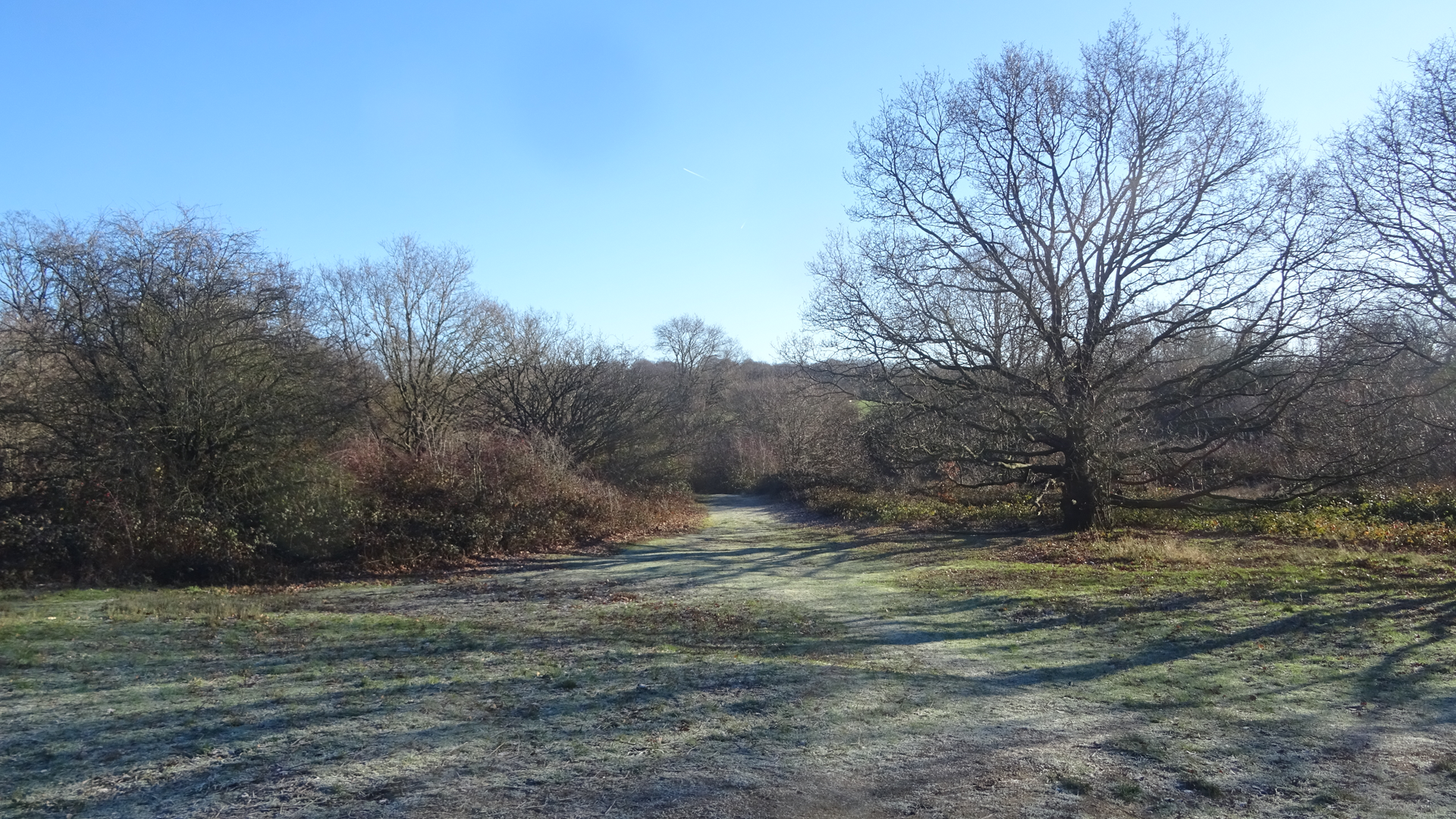
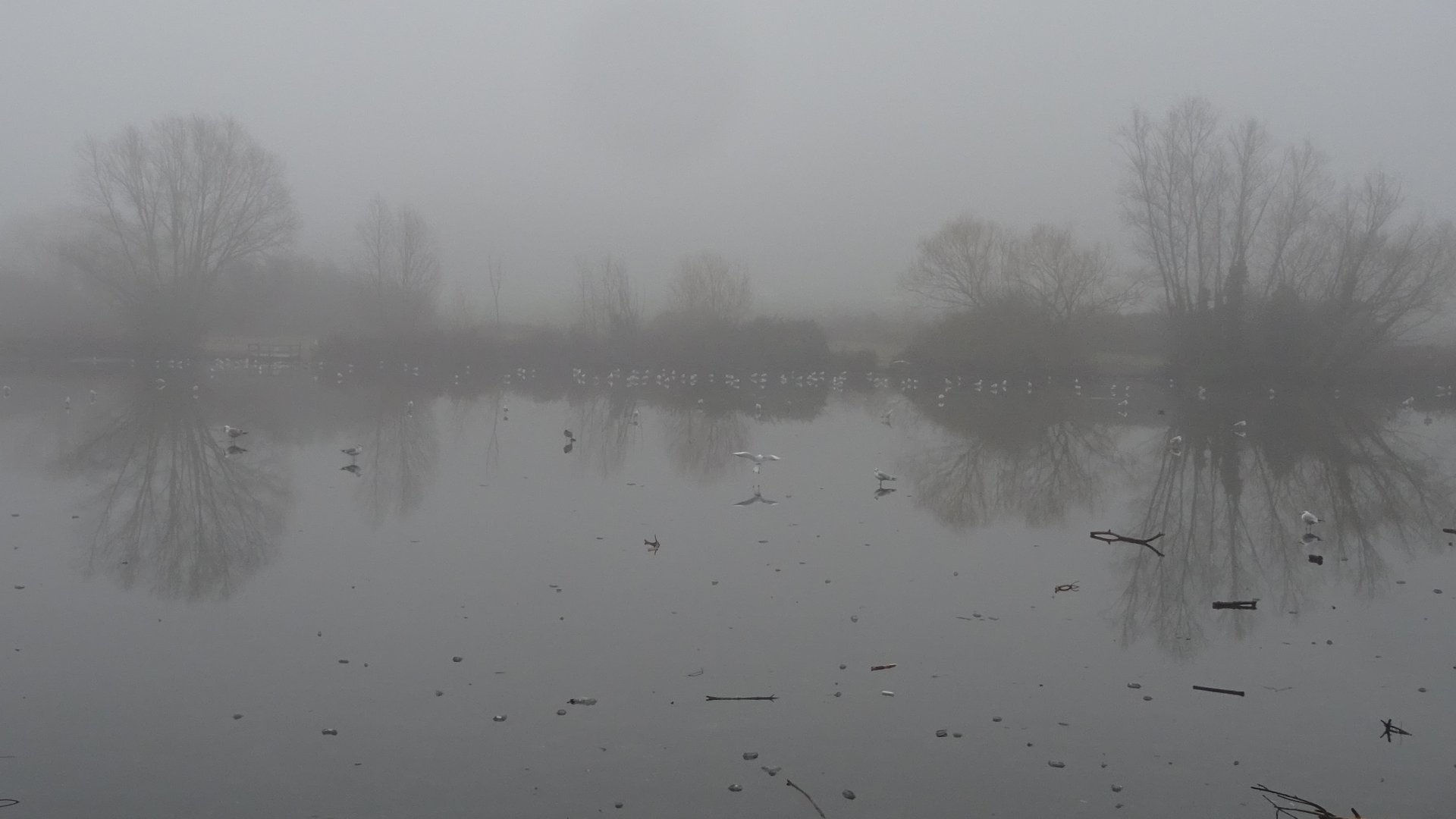
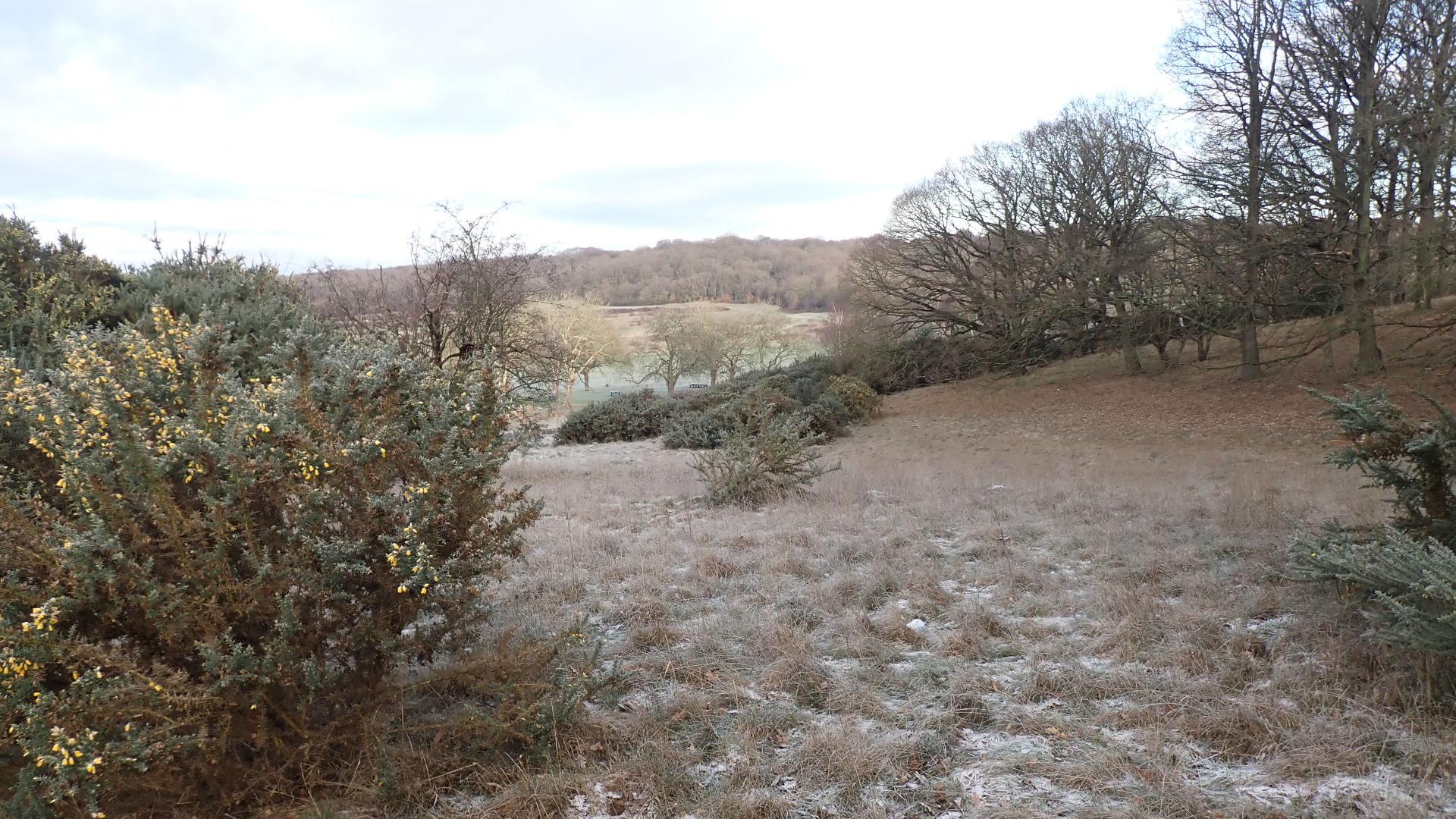
Early January, Storm Goretti arrived, swirling through the UK with its dance of snow, ice, and strong winds. Hainault Forest remained largely unscathed, experiencing merely a touch of mist and fog, gentle 15 mph breezes, heavy frosts, and a light sprinkle of snow that added a magical touch to the landscape. The dominant weather theme for the first few months was a chilly, wet, and cloudy vibe, yet amidst it all, the slime moulds thrived in the dampness. There were a few bright days when the sun broke through the clouds which helped to lift the spirits.
#
Redwing
Turdus iliacus
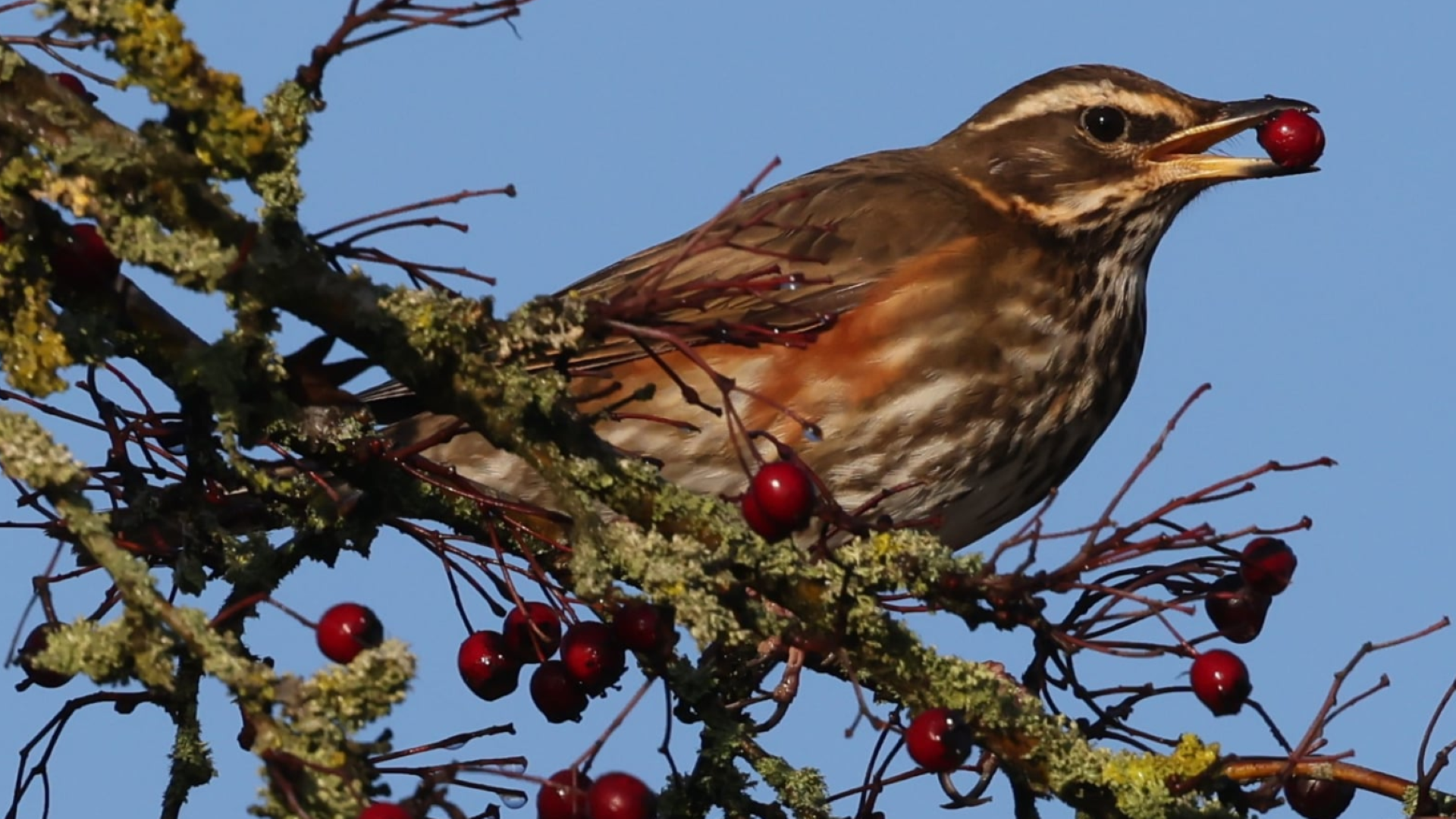
In the enchanting season of winter, Redwings choose Britain as their cosy haven where they can feast on fruits, berries, and earthworms. As the sun begins to warm the air and spring tiptoes closer, these delightful birds gather in cheerful flocks with their thoughts set on Scandinavia and Russia. And did you know? The Redwing holds the title of being the UK's tiniest true thrush! With its charming creamy stripe above the eye and those striking orange-red patches on its flanks, it truly adds a splash of joy to any landscape it graces.
#
Blackbird
Turdus merula
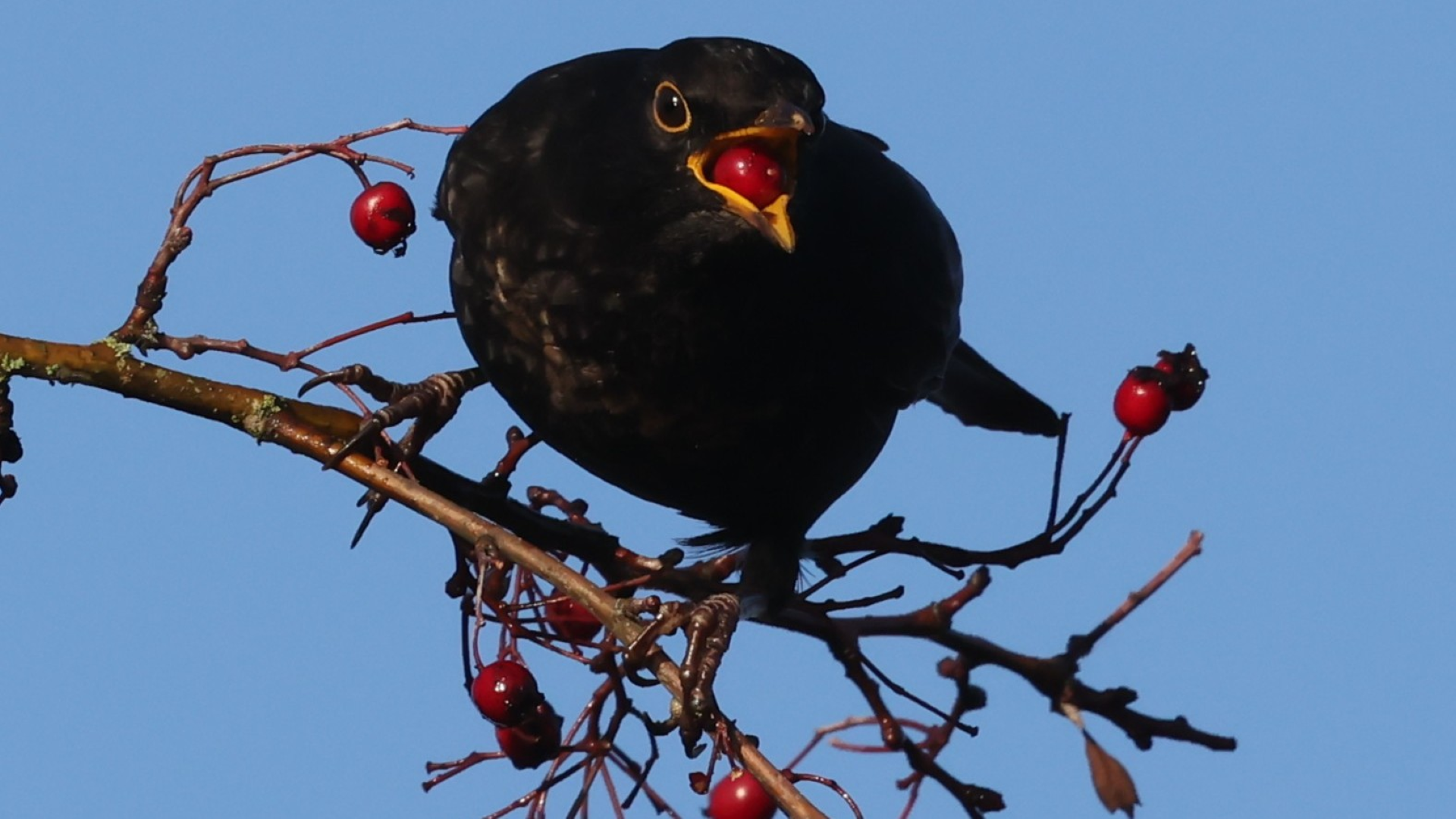
Blackbirds can usually be spotted hopping on the ground searching for tasty insects and worms. When fruits and berries burst into season they have another food source to enjoy. Birds do not have teeth, so they do not chew their food. They swallow it whole or in large pieces, sometimes using their beaks to break it into smaller portions. To aid in the breakdown of food, birds have a specialised, muscular part of their stomach known as the gizzard, which crushes and grinds the food, often assisted by small stones or grit that the birds intentionally swallows.
#
Great Tit
Parus major
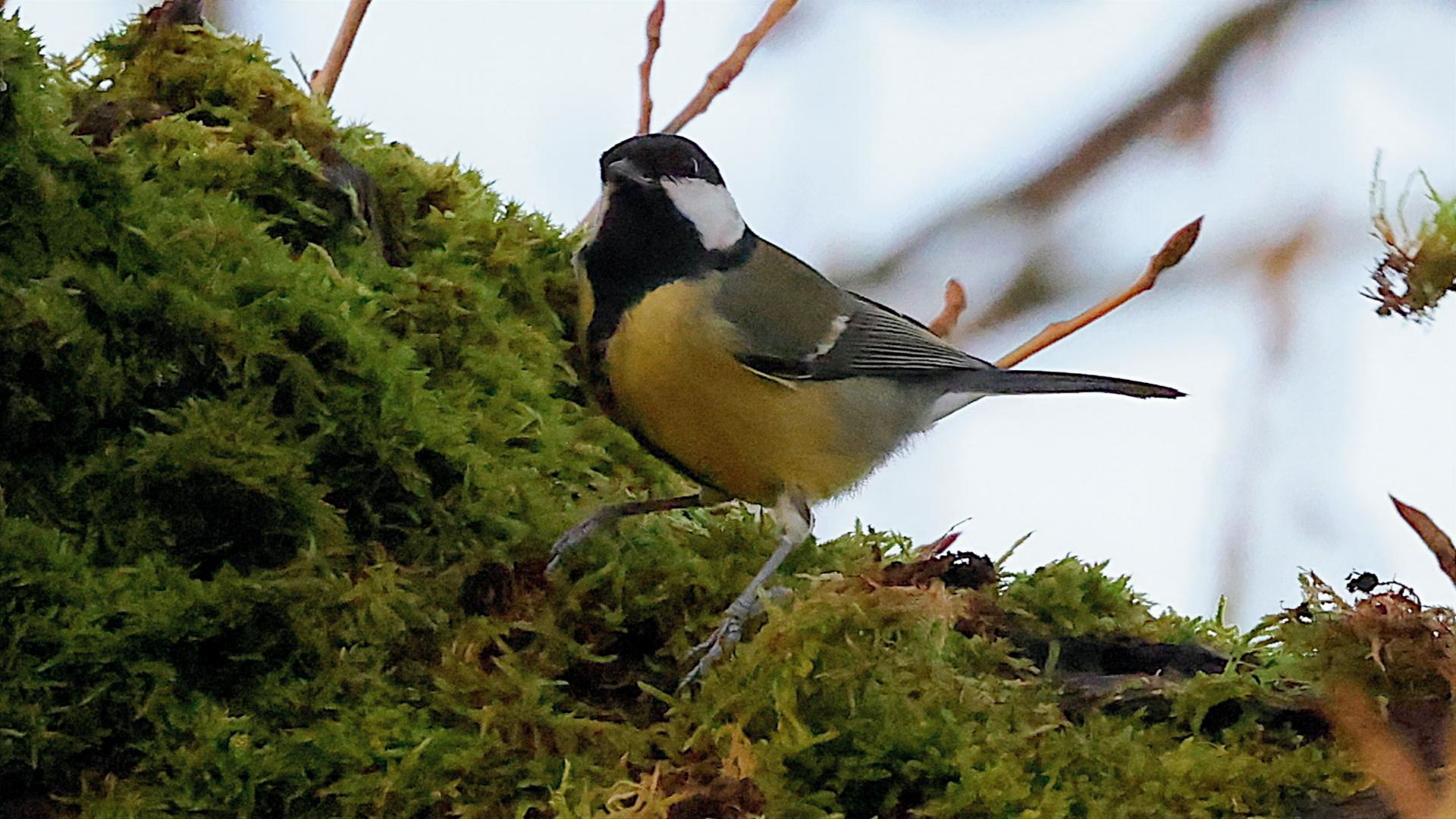
The Great Tit is known for its striking appearance, with its black head adorned with white cheeks, and a broad black bib resting over a yellow breast.
#
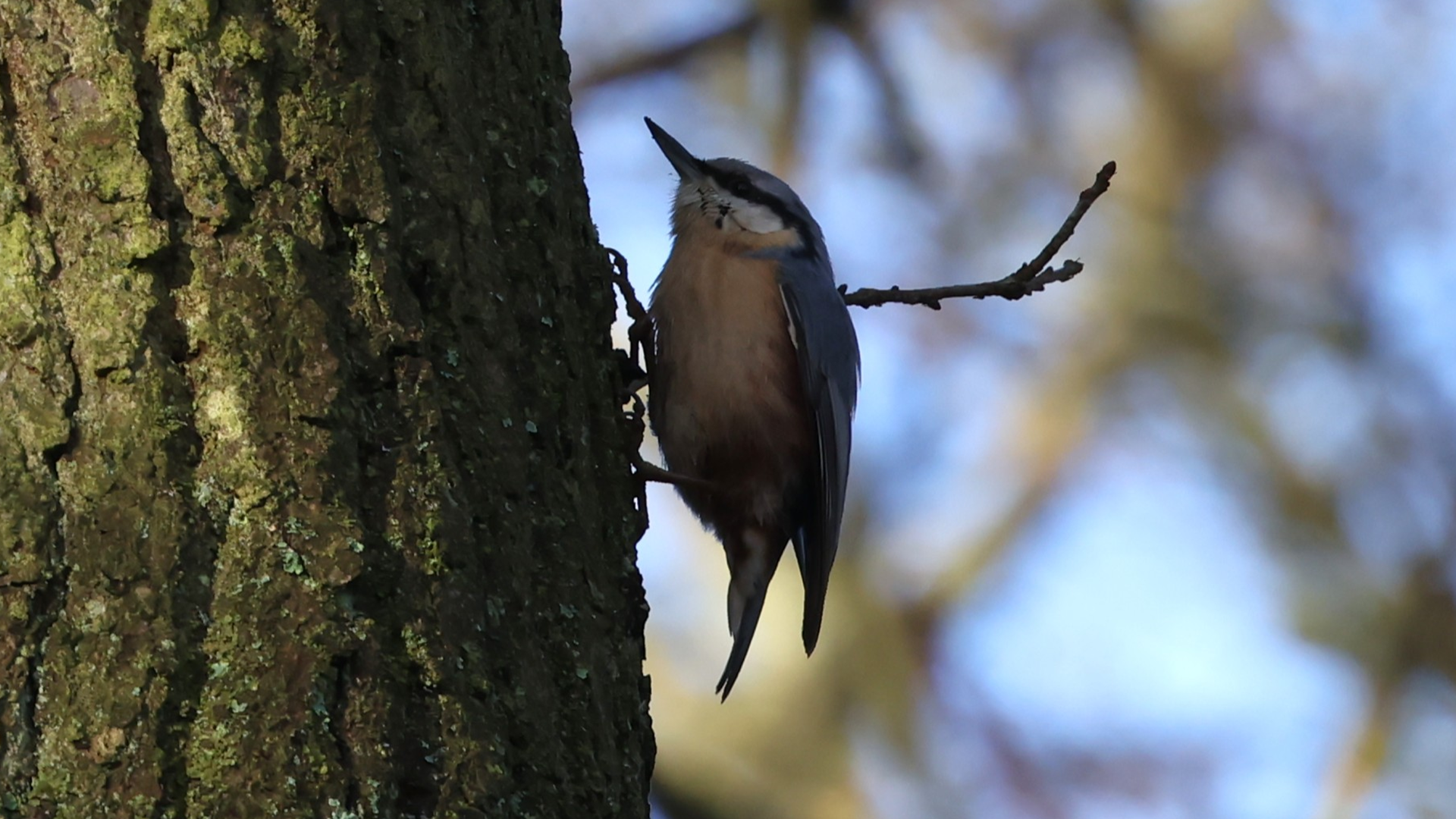
Nuthatch
Sitta Europaea
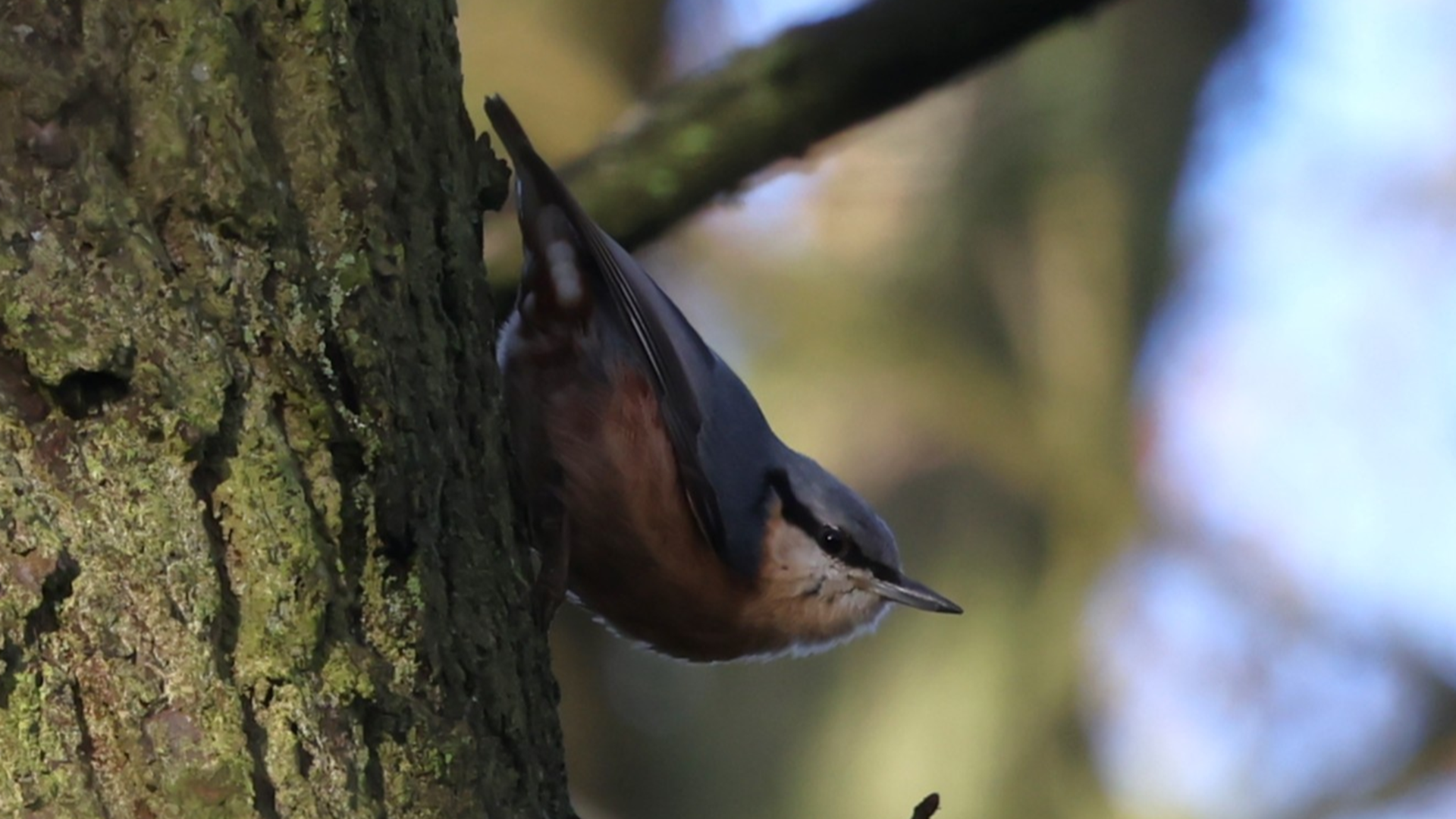
The Nuthatch is a little bird coloured blue-grey and deep buff. It doesn’t just climb trees; it runs laps around those trunks like it’s training for the avian Olympics. Not satisfied with just going up; it also descends head-first! To open nuts it jams them in crevices on the bark and busts them open with its beak.
#
Egyptian Goose
Alopochen Aegyptiaca
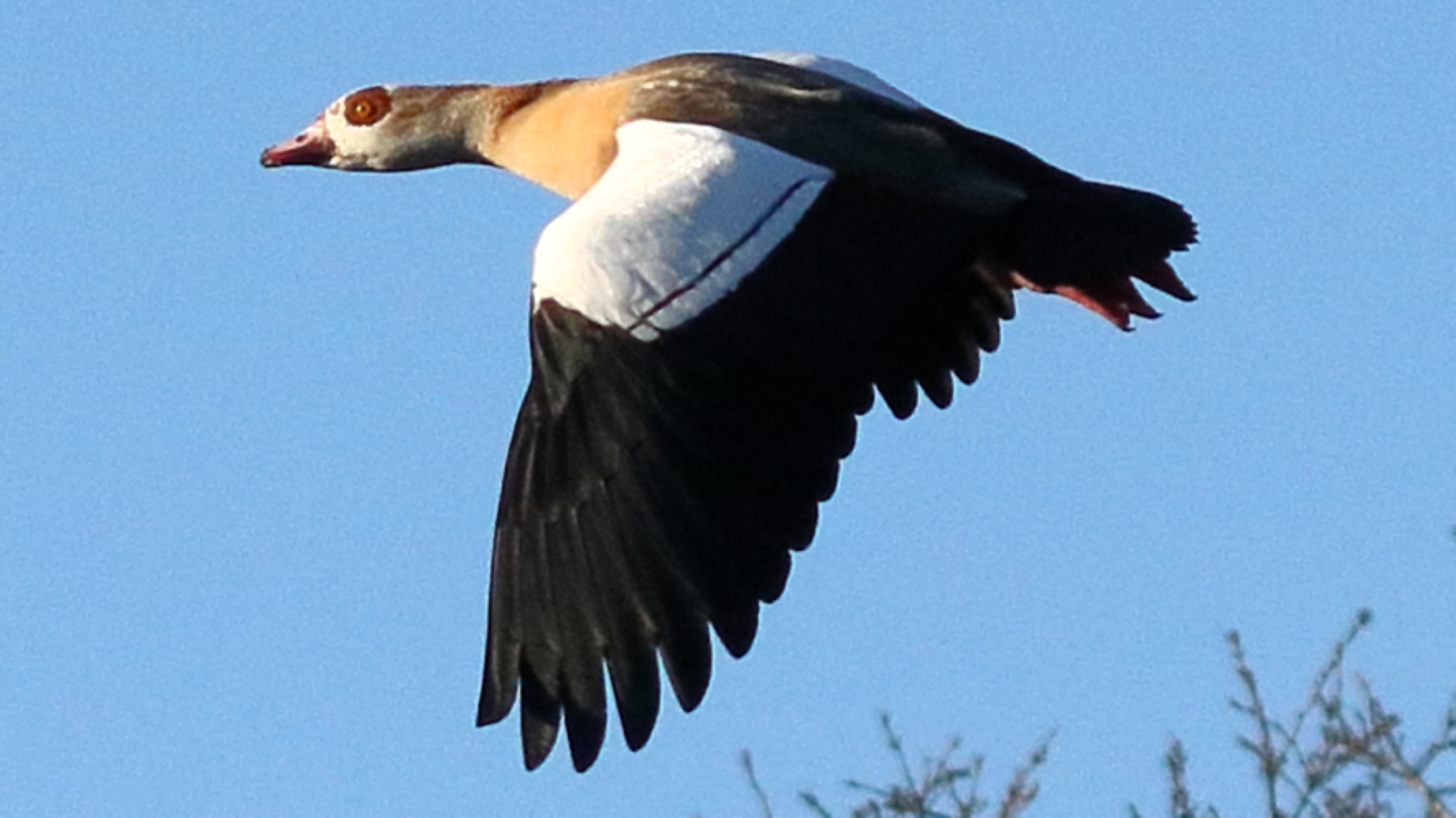
When you gaze upon Egyptian Geese in flight, you’ll notice striking white patches adorning their wings. However, when they are on the ground the warm brown feathers cleverly conceal the brilliance underneath so as not to advertise their presence to predators. When they take to the skies those magnificent white patches burst forth, gleaming brightly across their wings!
#
Smew
Mergellus albellus
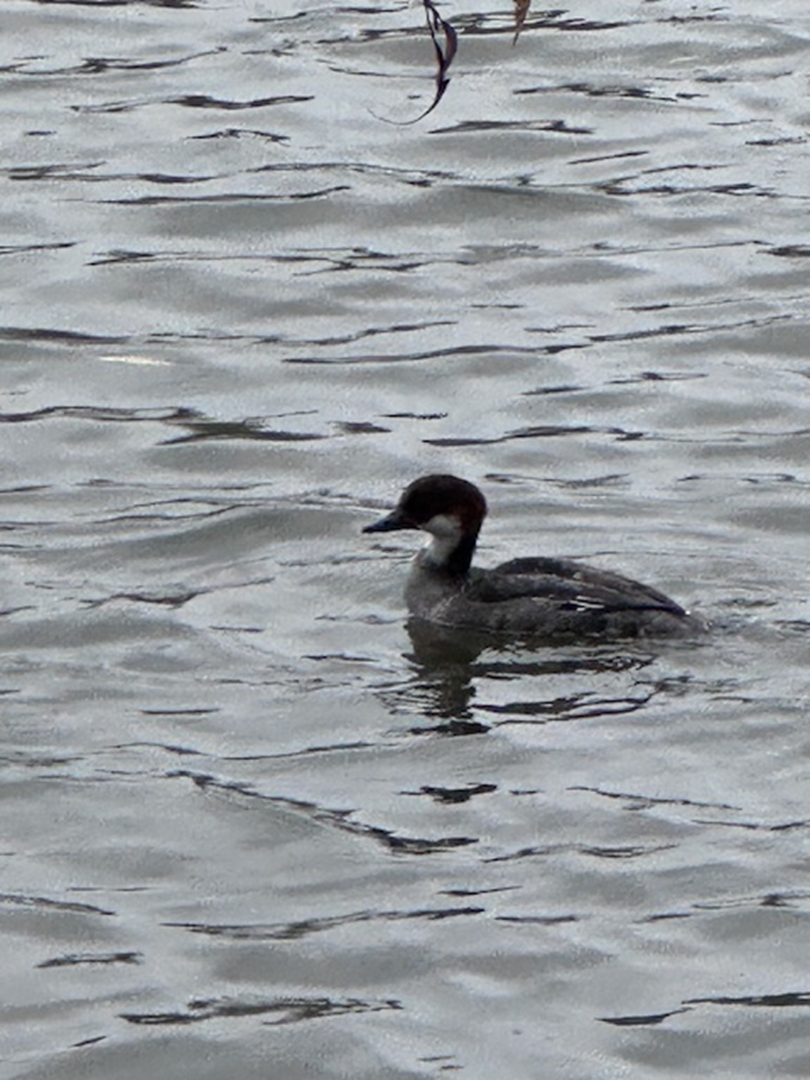
Stephen Laycock spotted a female smew on Hainault Lake, a rare visitor. Smews don’t frequent this area often, with the last known sighting dating back to 2003, documented by the keen-eyed ornithologist Mike Dennis. This small diving duck has a slender bill. The males are dressed in brilliant white adorned with striking black eye patches and a sleek black back, while the females are grey with a reddish-brown head and delicate white cheeks.
#
Winter Moth
Operophtera brumata
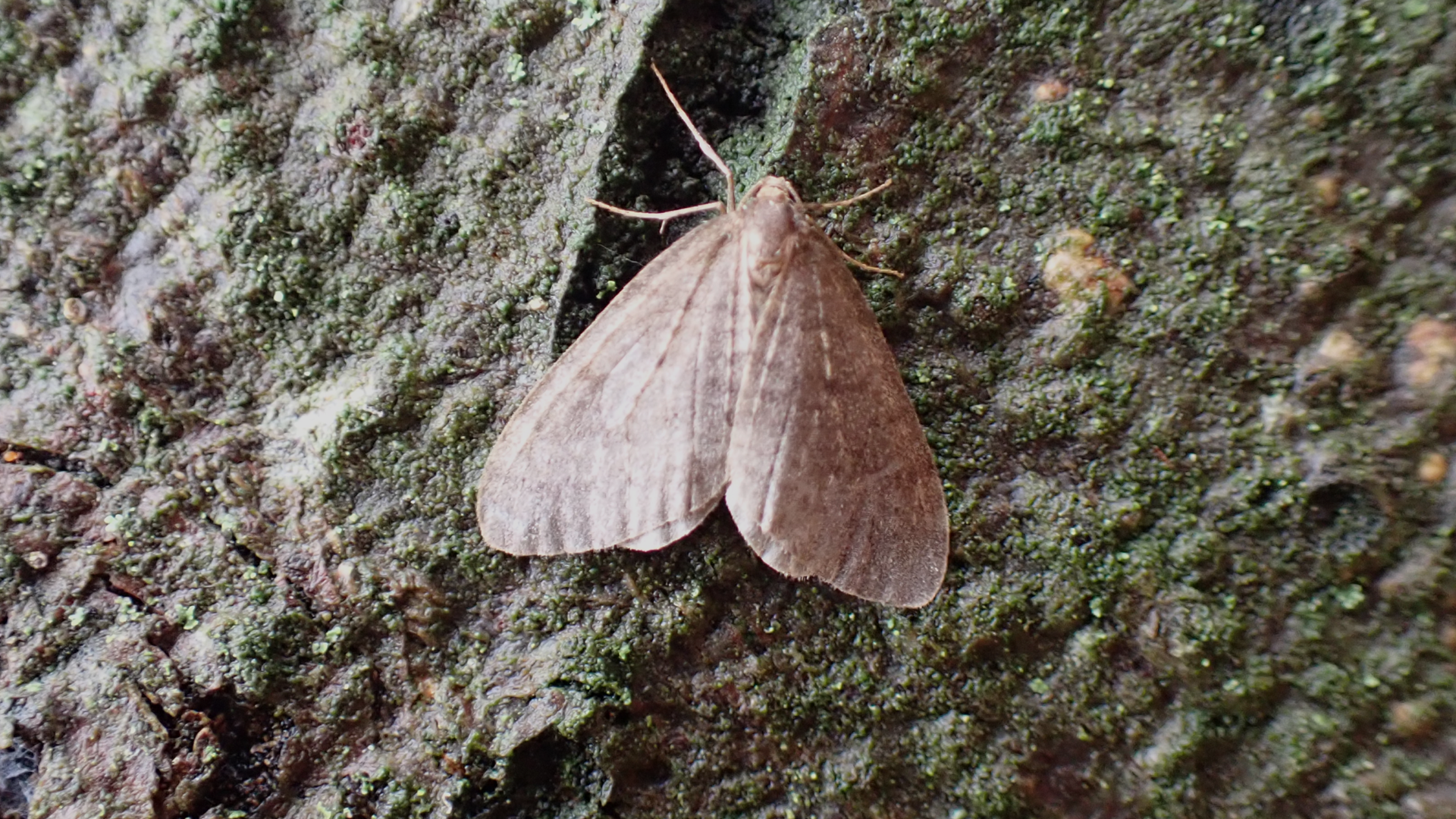
One of the few moths to embrace the chill of winter. With a preference for night flying, these light brown moths are often spotted resting on tree trunks during winter days. The females, with their short wings, were not meant for flight, but they have a splendid way of reaching new heights. They climb tree trunks, filling the air with sweet pheromones to beckon their male counterparts. The females lay their eggs on bark which remain dormant until spring. When the little green caterpillars hatch they are ready to munch on the tender leaves of broad-leaved trees.
#
Oyster Mushroom
Pleurotus ostreatus
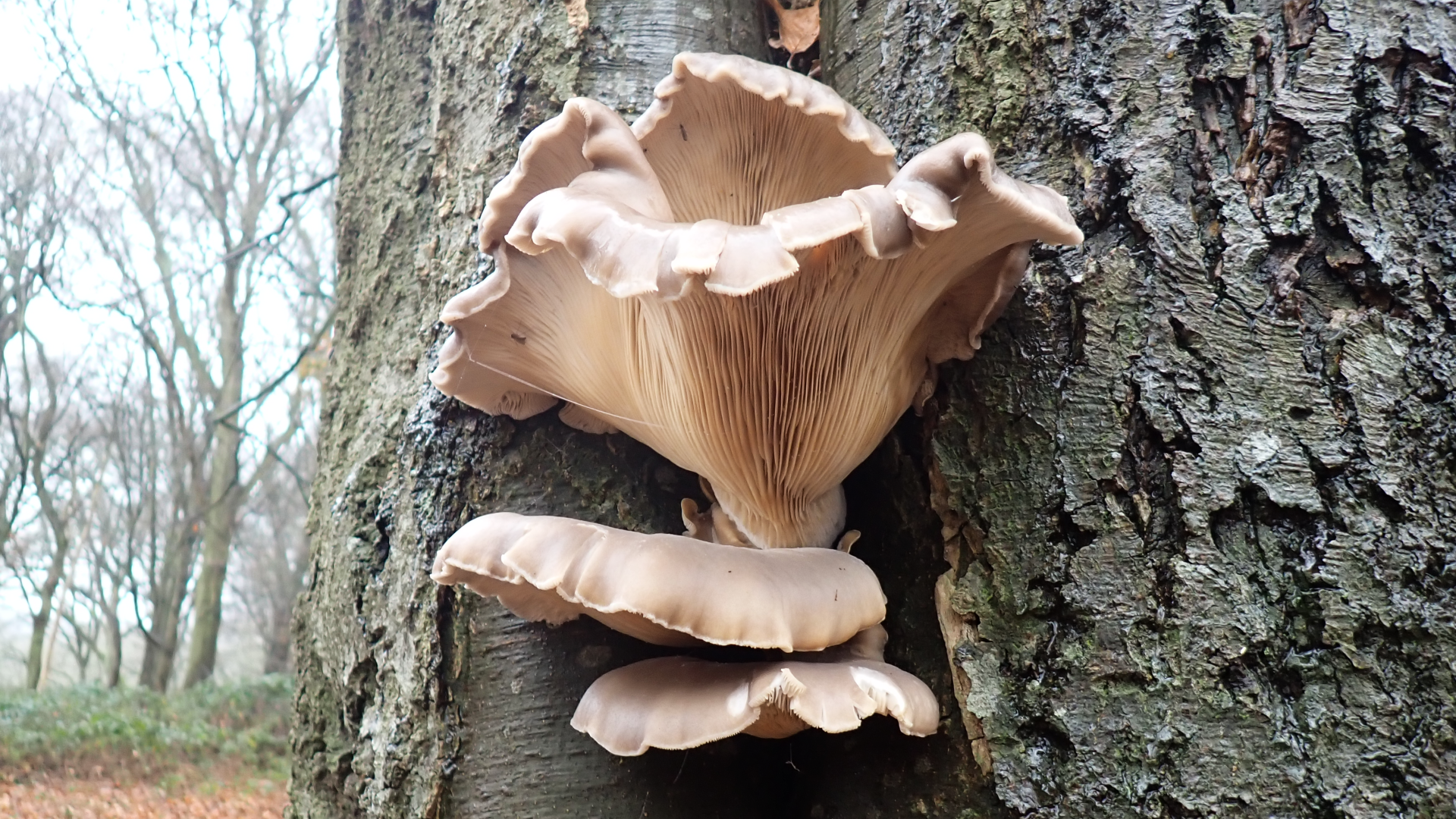
Oyster mushrooms are shell-shaped fungi that flourish in layers or clusters on decaying trees or stumps. They thrive by absorbing nutrients from decaying organic matter, showcasing their saprotrophic nature. Not confined to a particular season, these mushrooms can be discovered year-round, especially after a chilly period that encourages the fungus to fruit. Their cap diameters typically range from 5 to 16 cm, while their stems measure between 1 and 4 cm.
#
Stump Puffball
Lycoperdon pyriforme
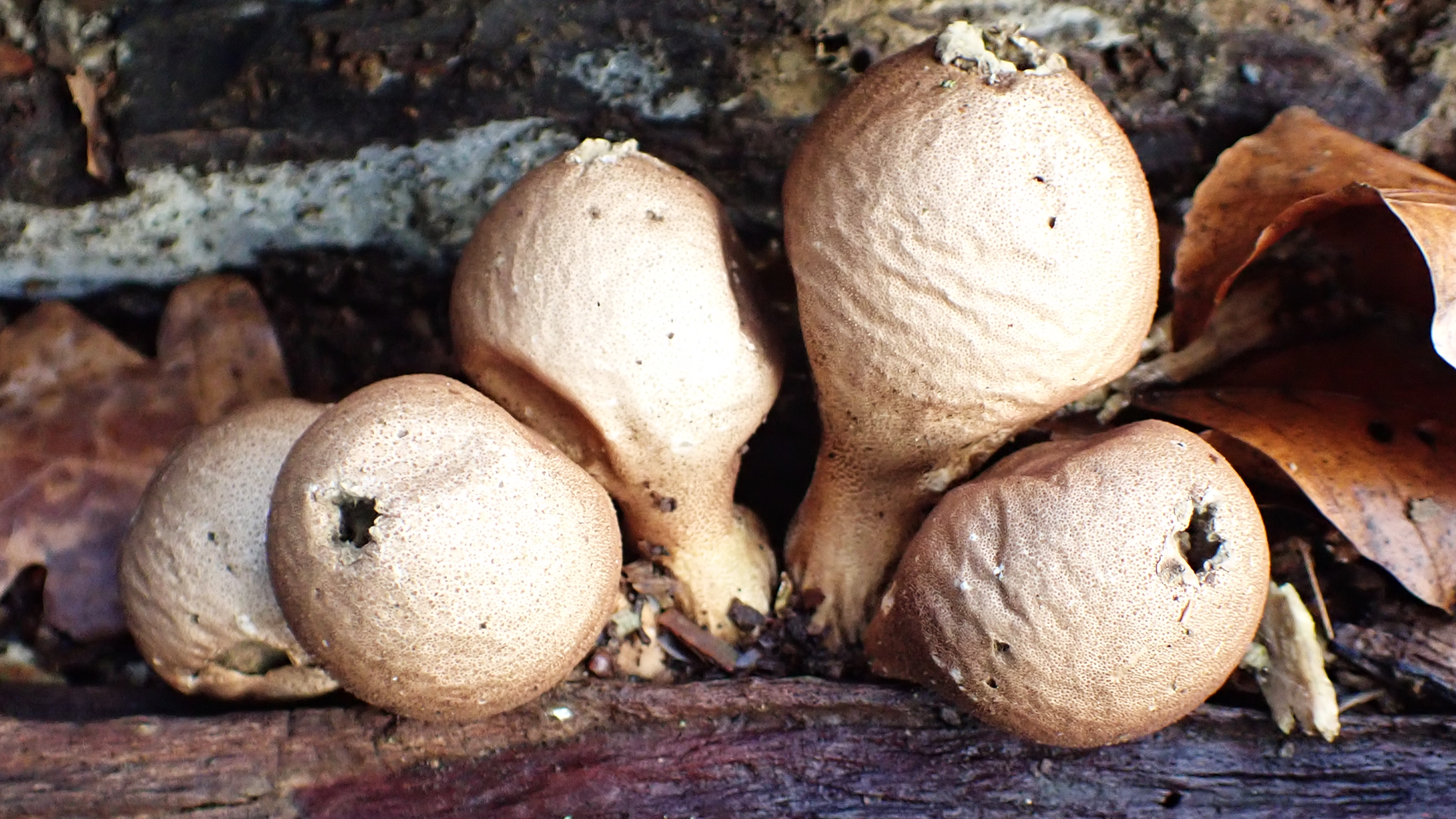
This saprobic puffball often appears in clusters on tree stumps or decaying wood. As the fruiting body reaches maturity, it forms a delicate brown skin and develops a small aperture at the top, allowing for the release of spores.
#
Lumpy Bracket
Trametes gibbosa
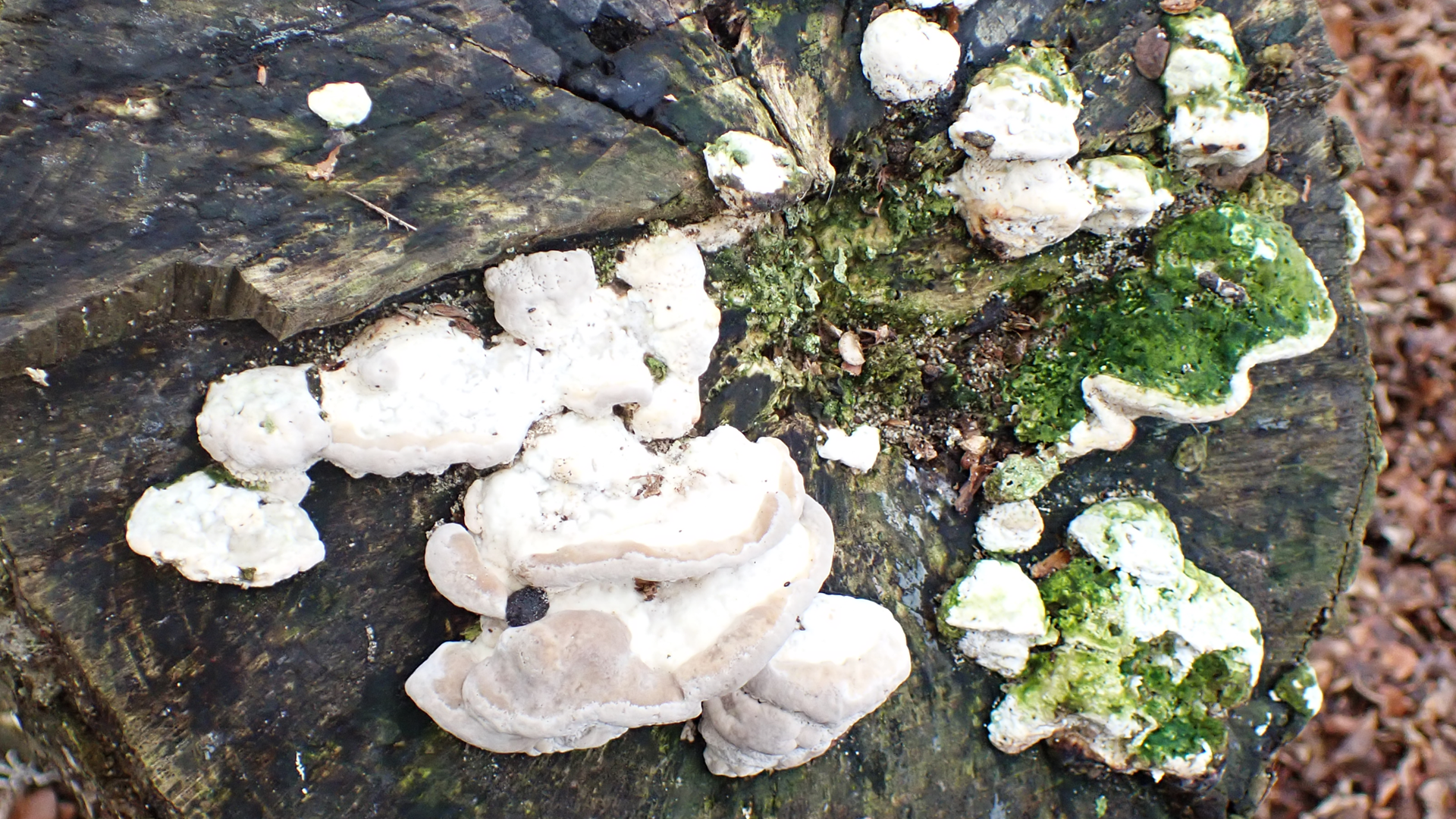
Lumpy Bracket is a saprophytic polypore commonly associated with a variety of hardwood trees, especially Beech. This fungus forms distinctive brackets on standing timber and stumps, contributing to the process of white rot. The upper surface of Lumpy Bracket frequently displays green algae, and its unique slot-like pores facilitate easy identification of this species.
#
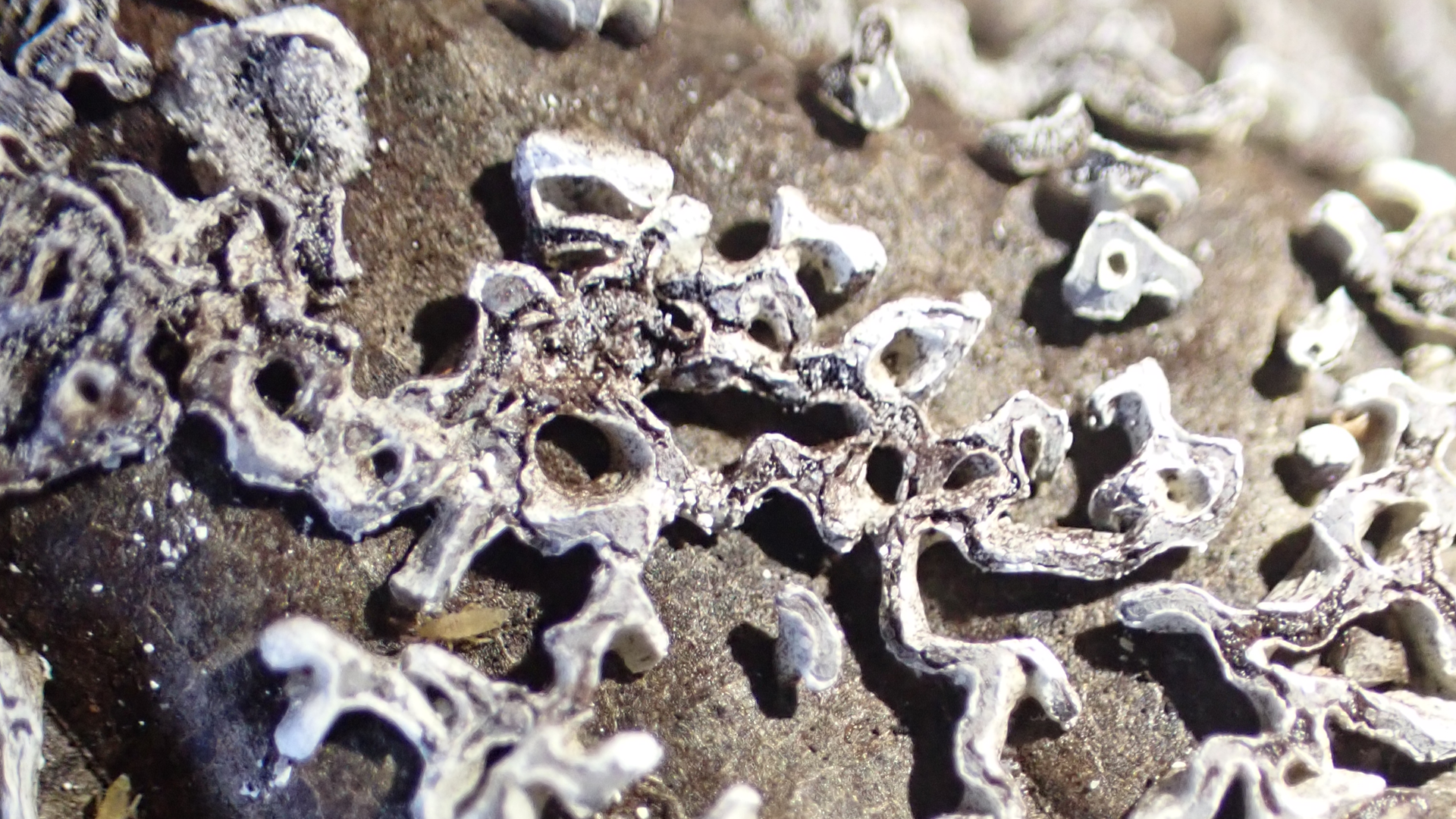
Slime Mould
Physarum bivalve
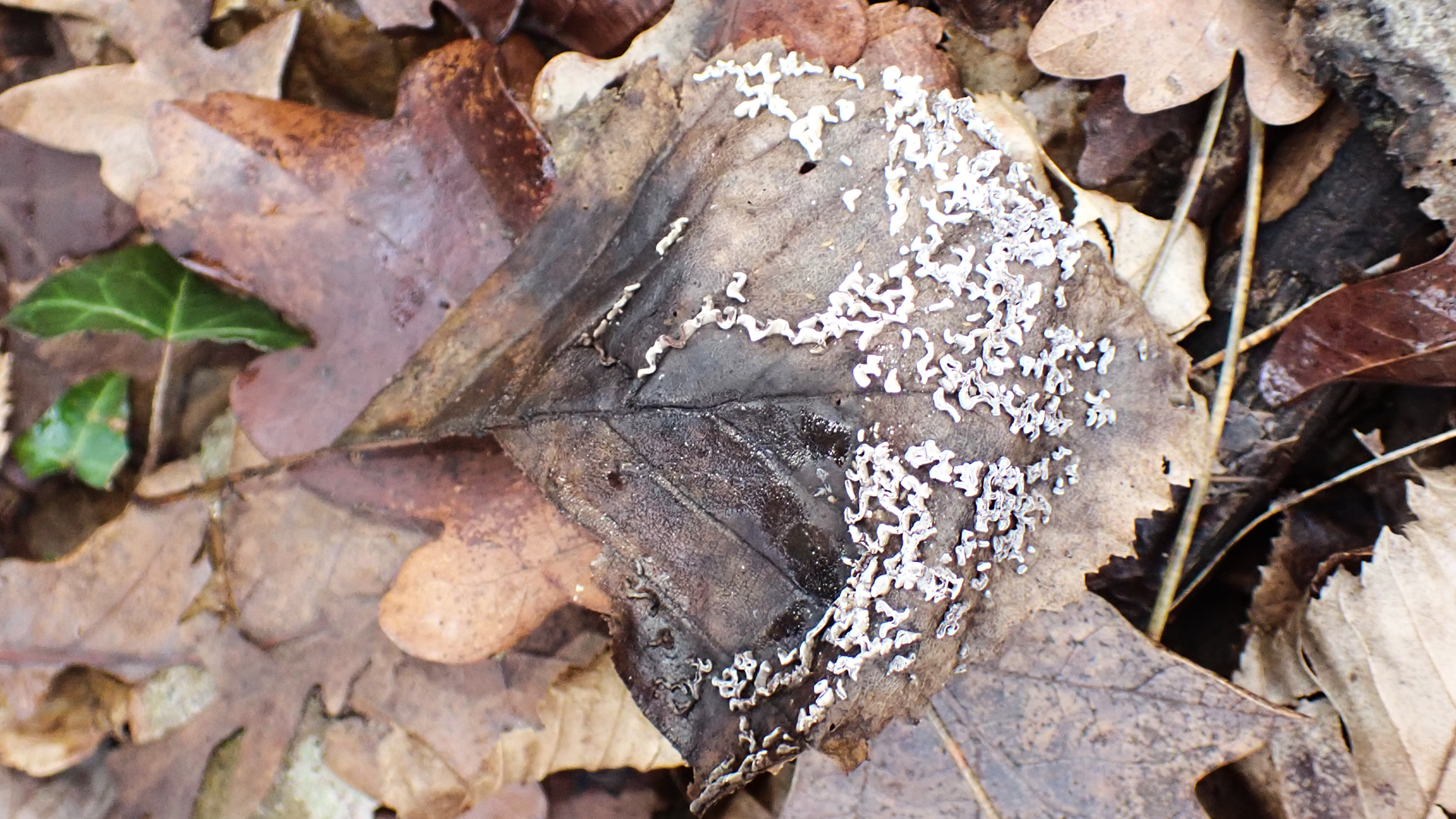
Certain slime moulds thrive on leaf litter as opposed to decaying wood. An exemplary species, Physarum bivalve, exhibits a preference for decaying bramble leaves. The plasmodiocarps of this organism—its white, elongated, sessile fruiting bodies formed when the plasmodium condenses and solidifies—are notably laterally compressed. They measure approximately 1 mm in height and can reach lengths of up to 20 mm. Thank you to Professor Bruce Ing for confirming this identification as correct.
#
Slime Mould
Trichia persimilis
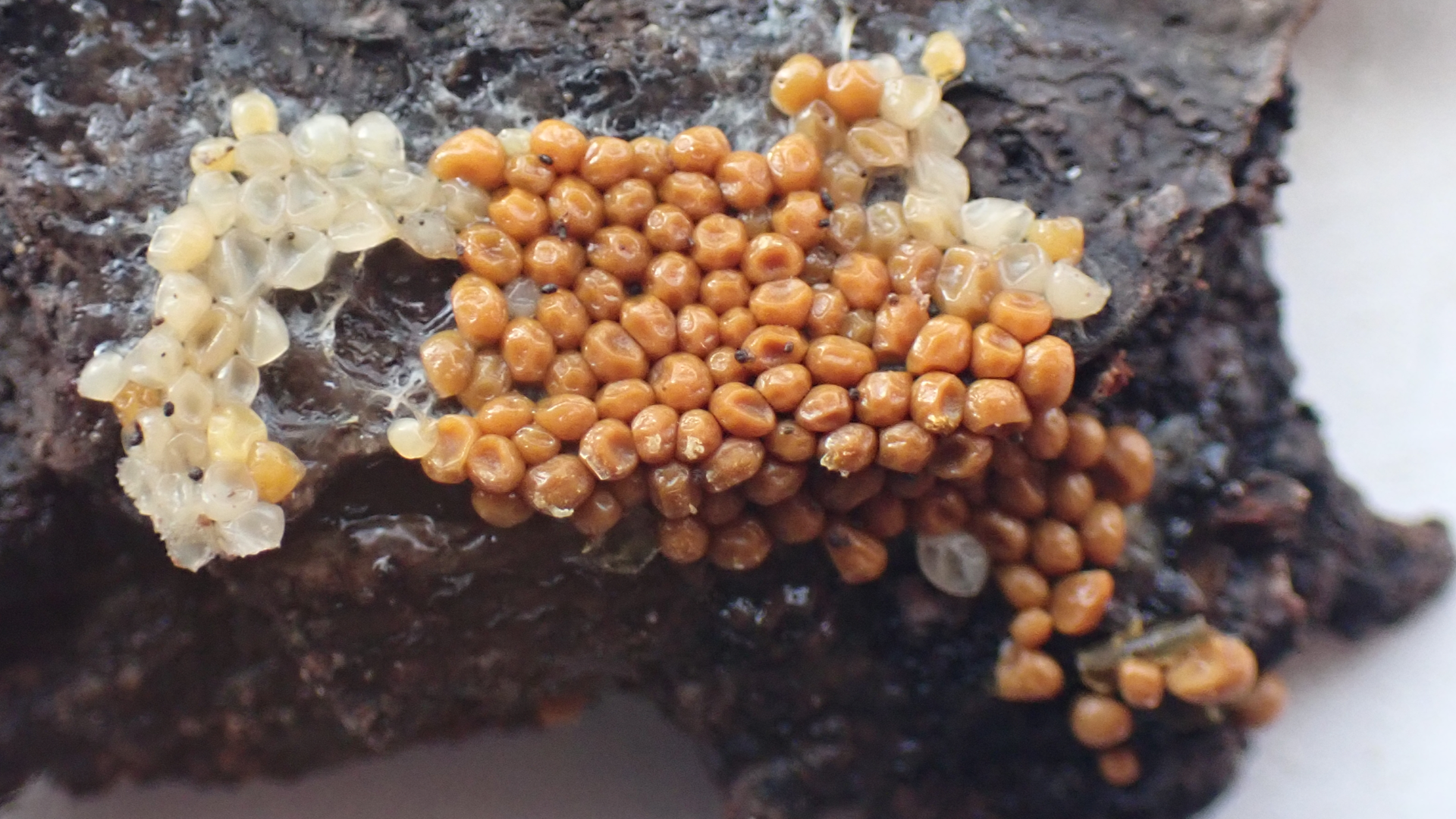
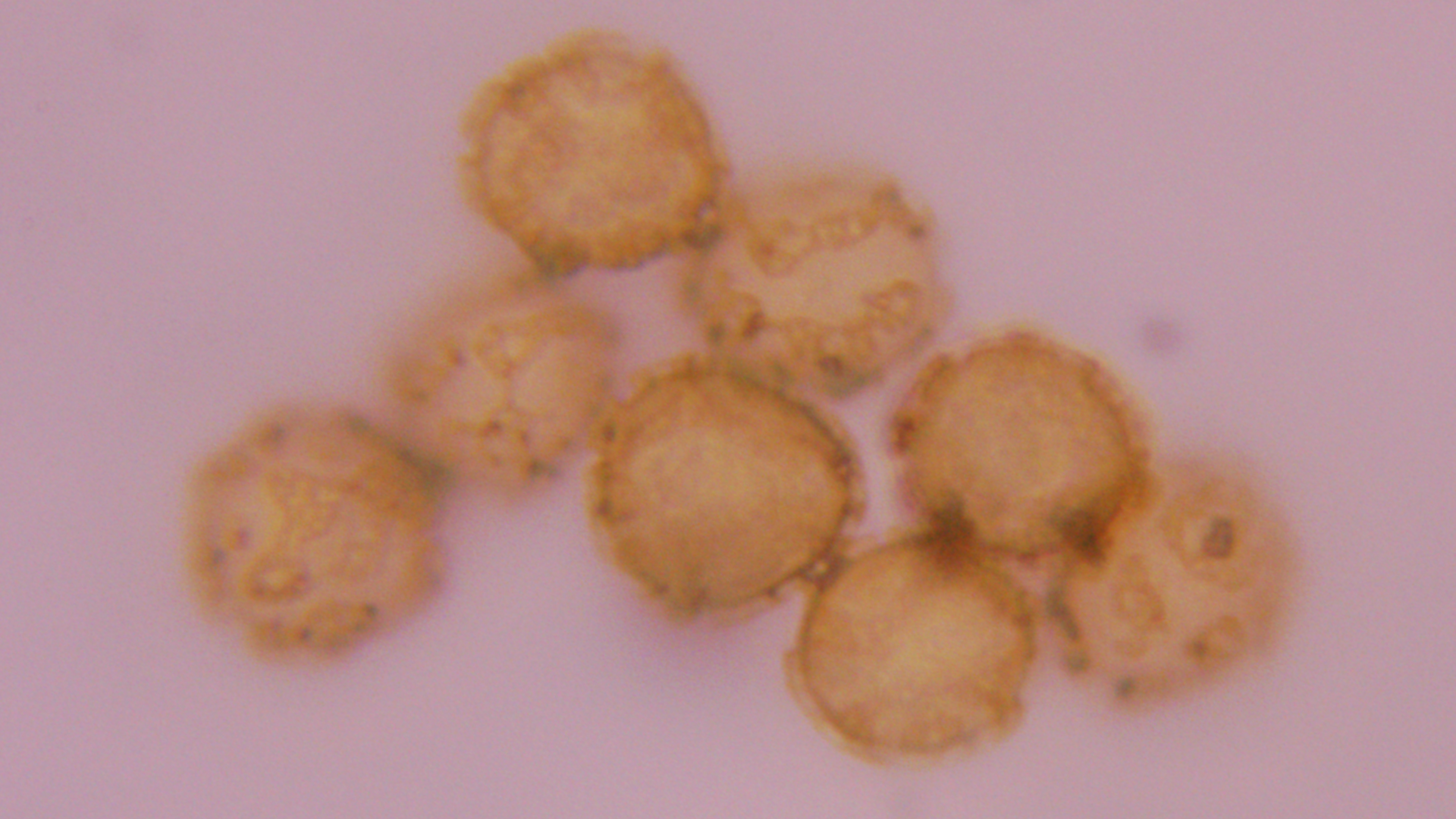
This slime mould represents one of several visually akin species within the Trichia family, that can only be distinguished through microscopic examination of the spores. Trichia persimilis typically develops on moderately decayed logs, where mosses are absent.
#
Slime Mould
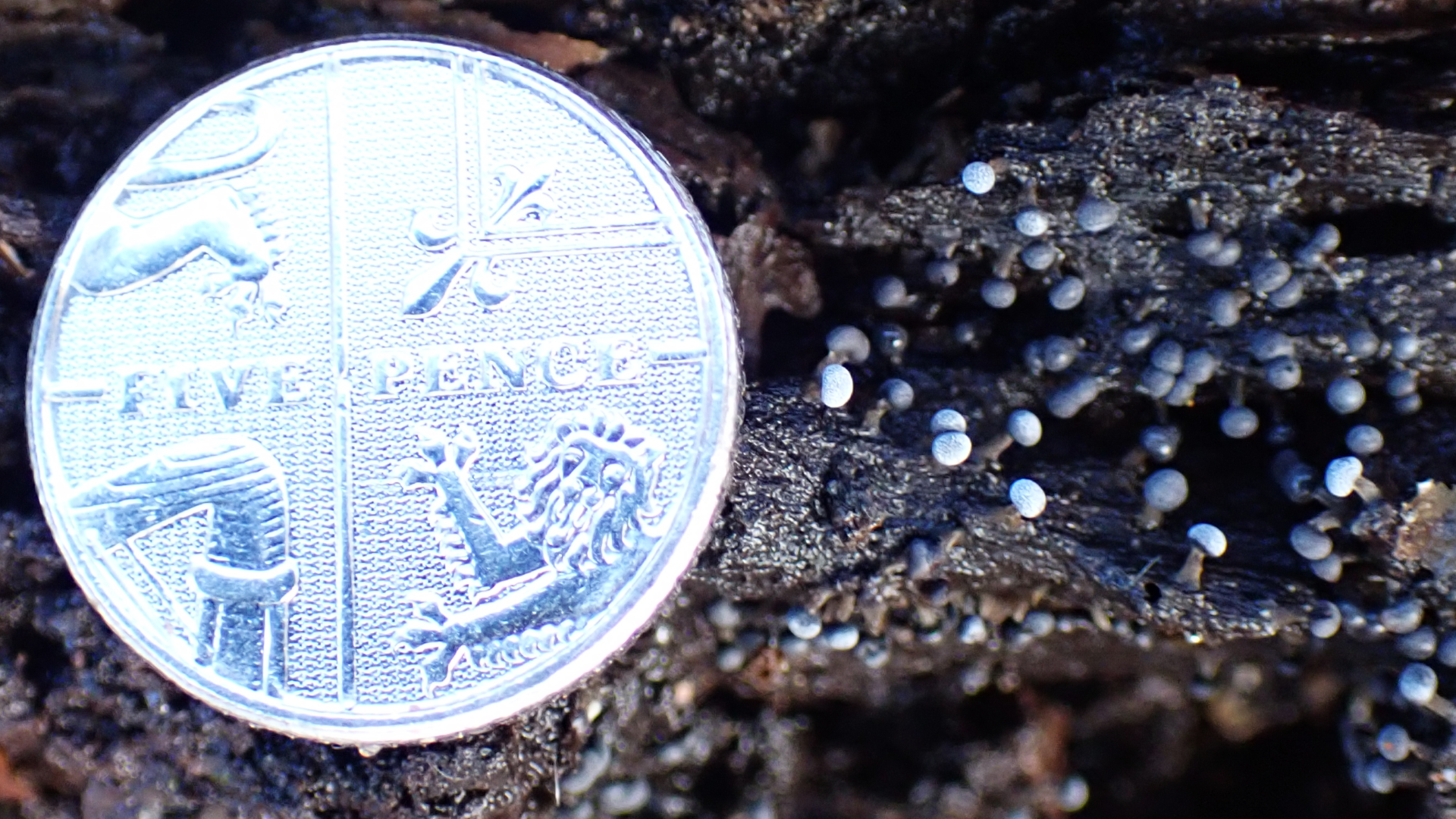
Physarum leucophaeum
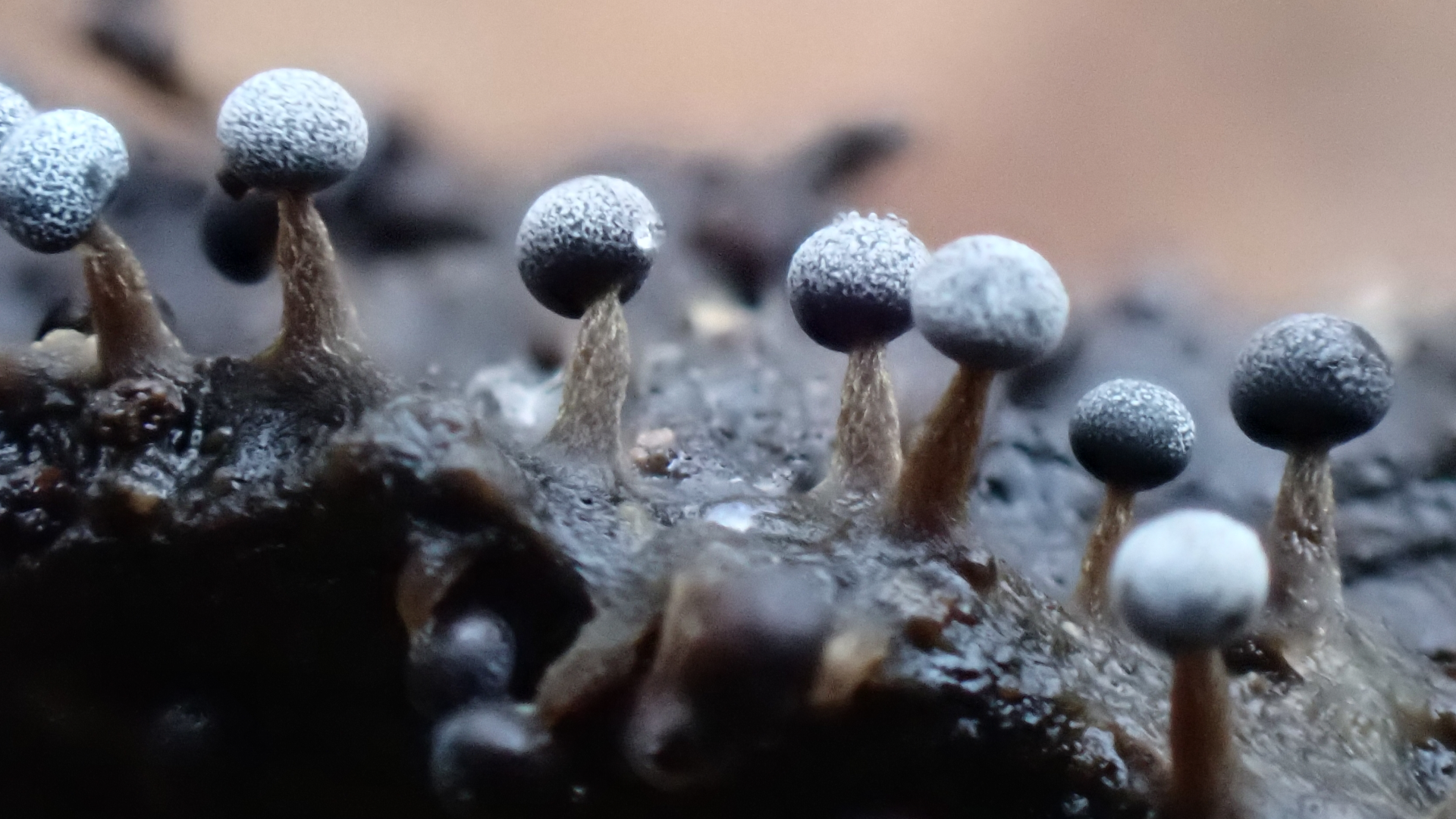
Sporocarps of Physarum leucophaeum can be white or bluish-grey. The sporocarps, measuring 0.4 to 0.8 mm in diameter, develop from a grey, sometimes brown plasmodium. The tapered stalks are frequently twisted and exhibit a colour range from mid-brown to reddish-brown, along with a white powdery coating. This is a common slime mould that typically grows on decaying wood, but care has to be taken when identifying because there are several similar species. The spores are black in mass and under the transmitted light of a microscope appear brown.
#
FEBRUARY
Water Rail
Rallus Aquaticus
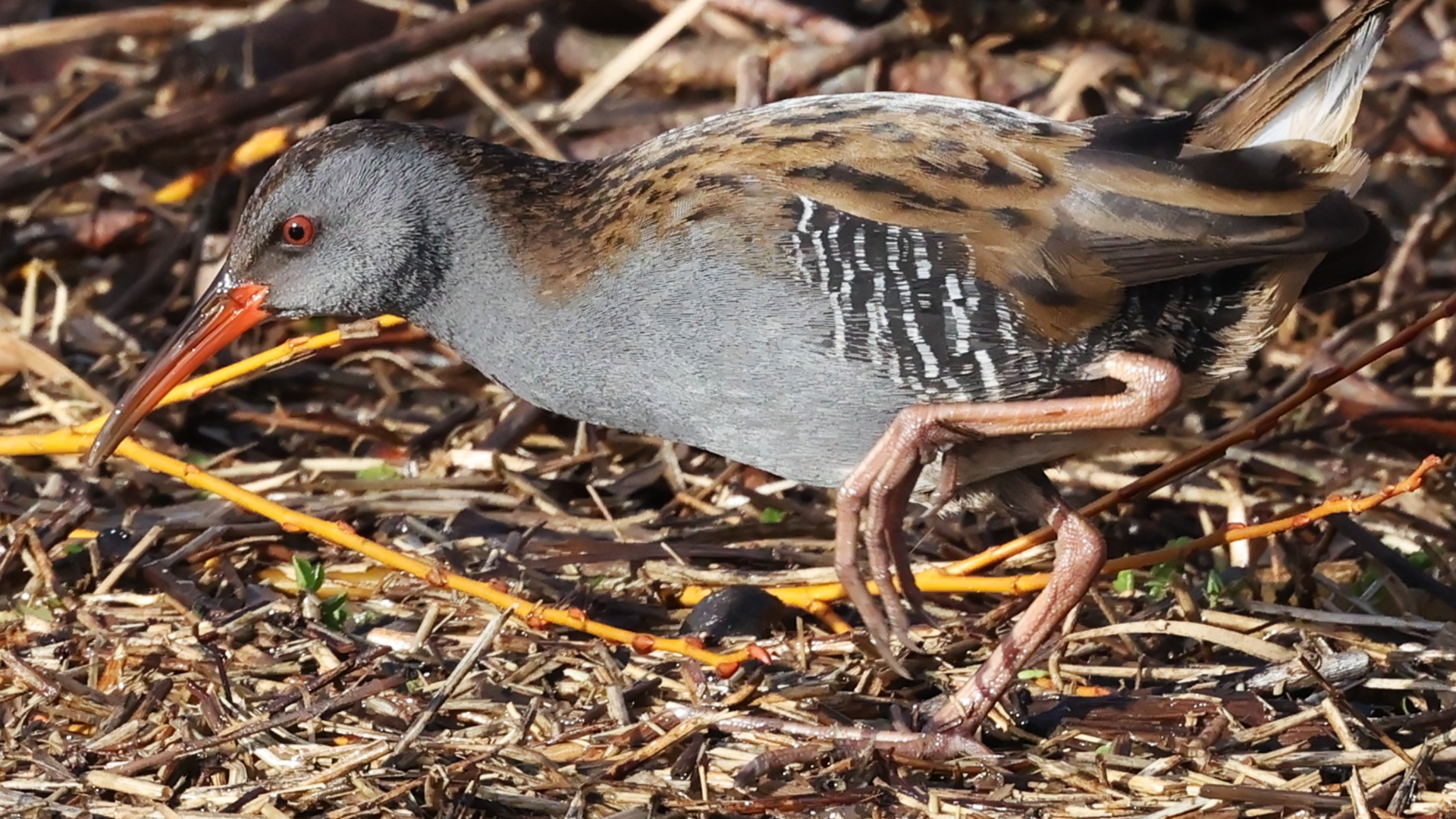
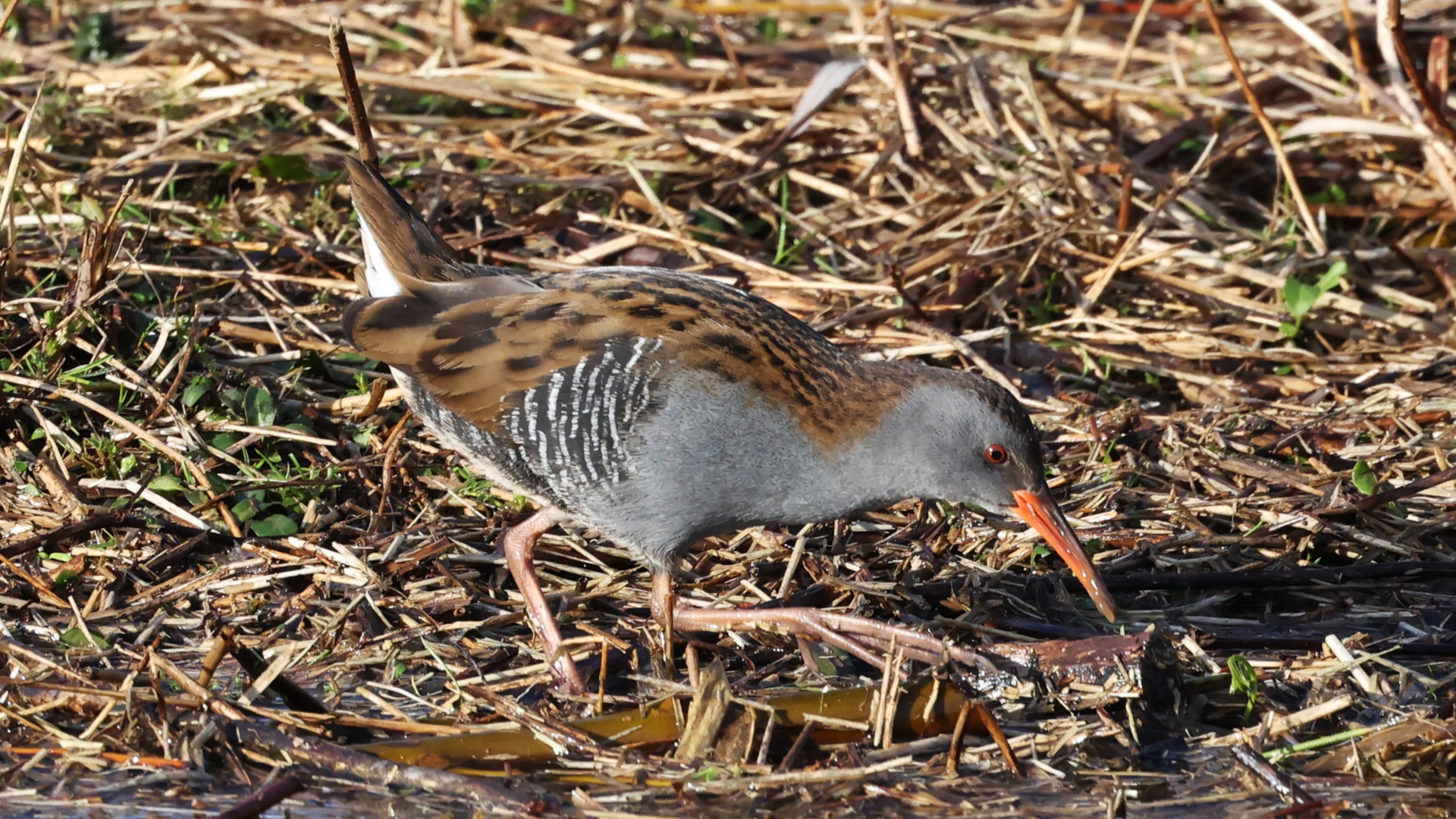
Stephen Laycock made another exciting discovery at Hainault Lake — he spotted a Water Rail! News quickly spread, setting the website's photographers buzzing with anticipation. The Water Rail features a grey body, black and brown streaked upperparts, black and white barring on its flanks, a long red bill, and pale pink legs. They are known for their secretive behaviour and typically fly under the cover of dark. They use their long beaks to search through mud and shallow water for food, consuming a wide variety of items such as worms, spiders, leeches, and occasionally small mammals. Their hunting antics can be surprisingly fierce, as they adeptly dispatch tiny birds and rodents with a swift stab of the bill. Although their diet is mainly composed of animal matter, it tends to include more seeds and berries during the winter months. Water Rails are related to coots and moorhens.
#
Song Thrush
Turdus philomelos
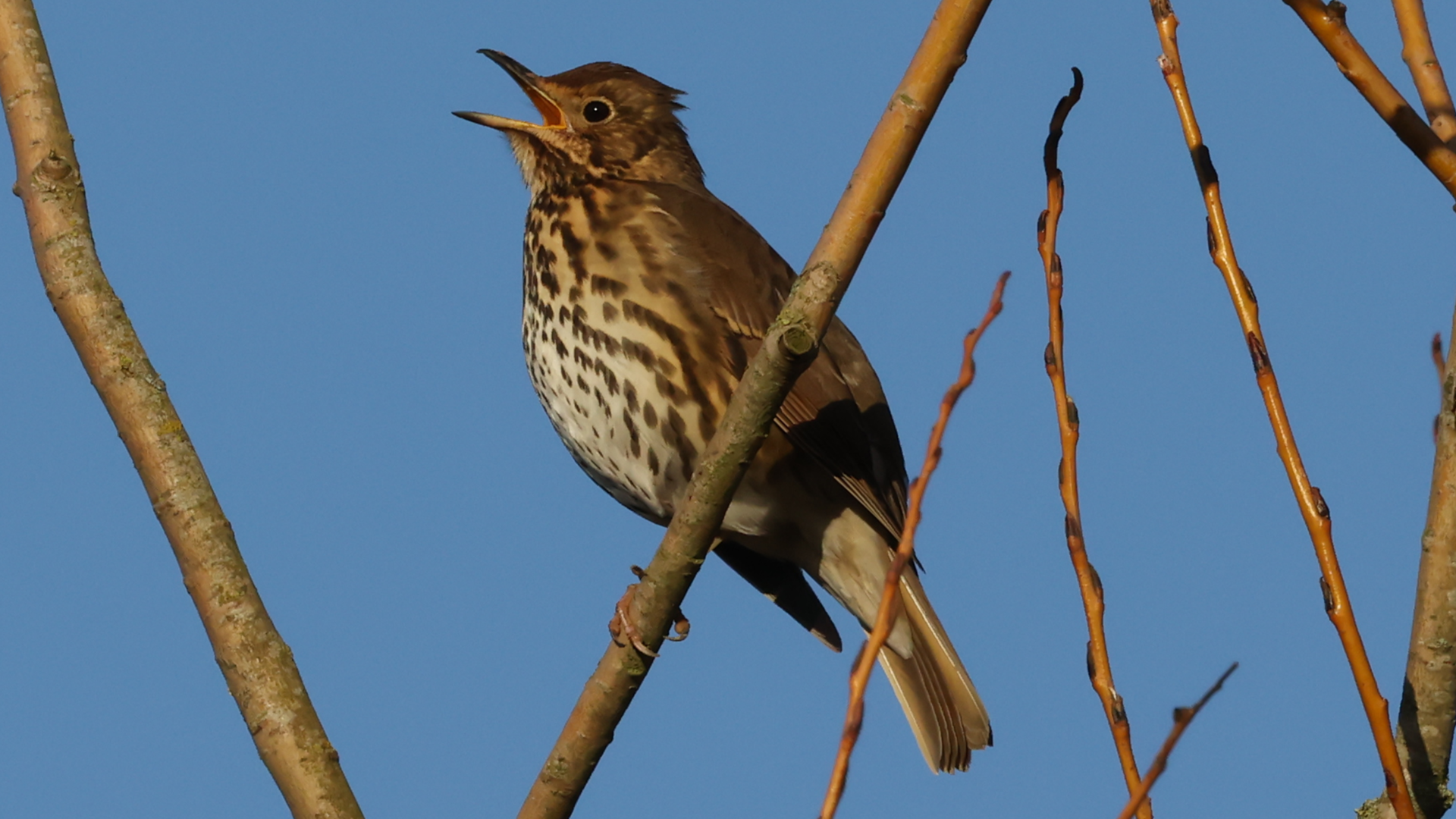
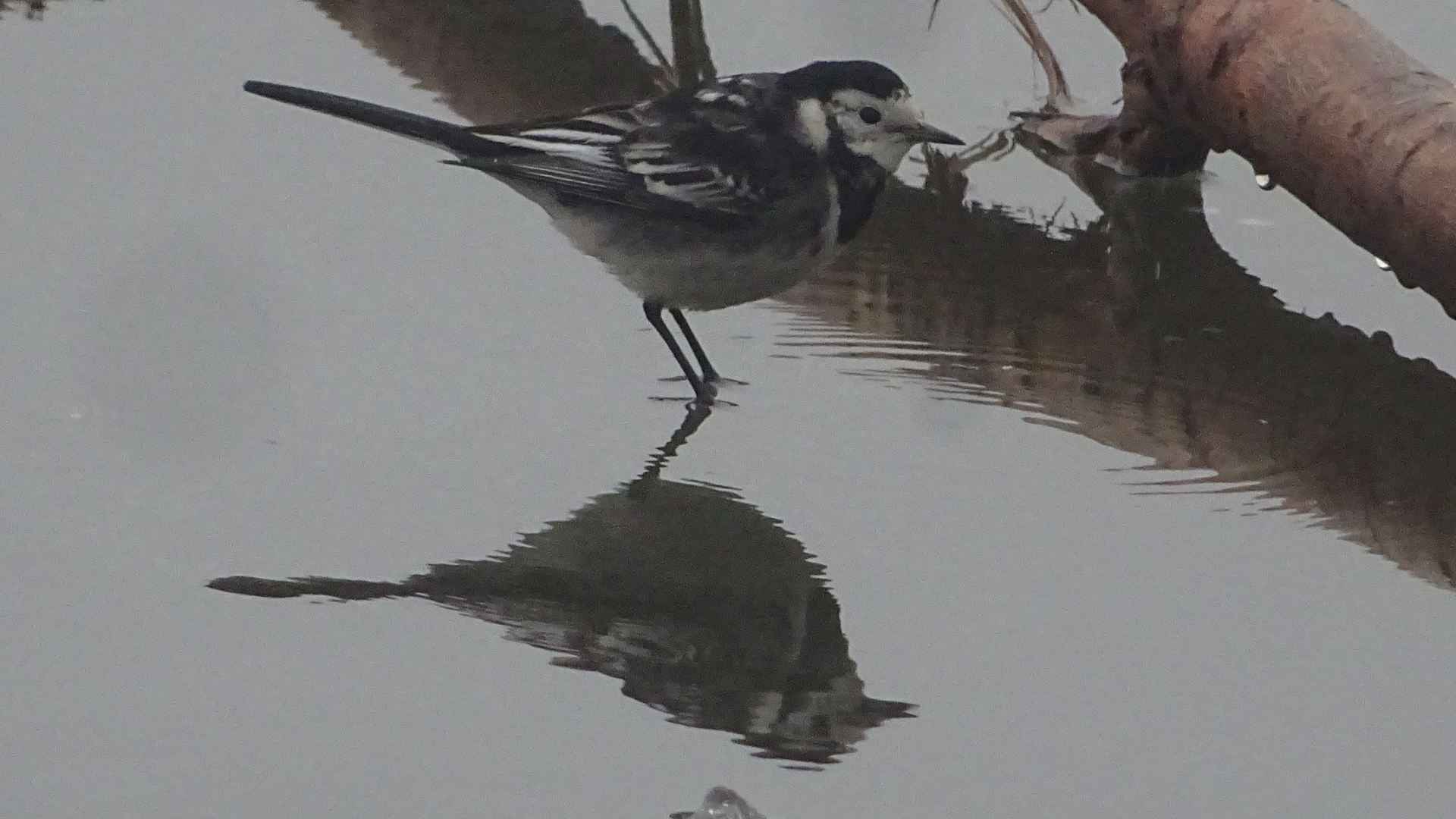
The Song Thrush, is smaller than the Mistle Thrush. What truly sets it apart is its remarkable voice, a powerful serenade that fills the air. Song Thrushes typically feed on snails, which are broken open by striking against a stone with a quick motion of the head.
#
Blackbird
Turdus merula
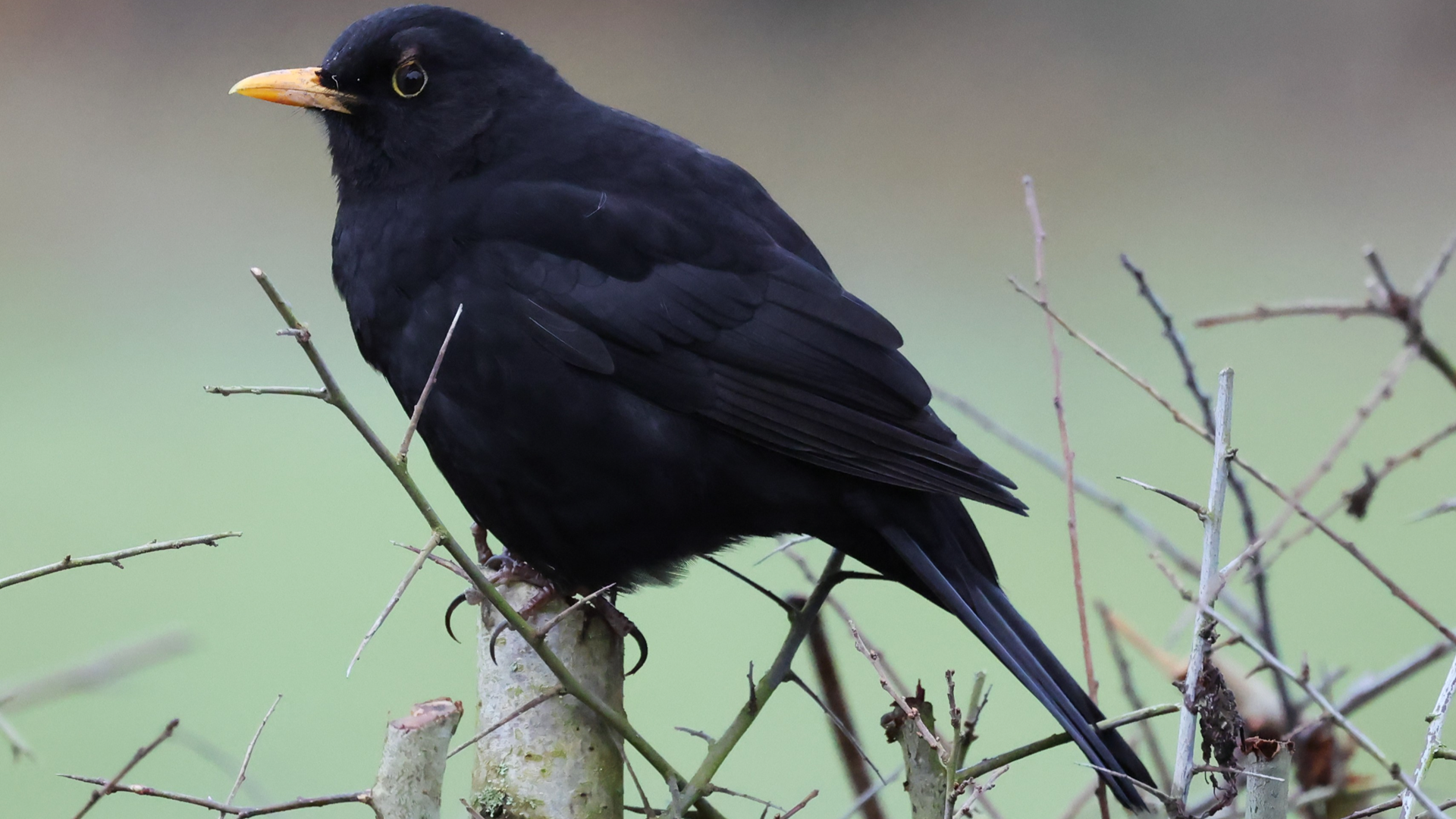
A Blackbird in the cold embrace of a winter day.
#
Grey Squirrel
Sciurus carolinensis
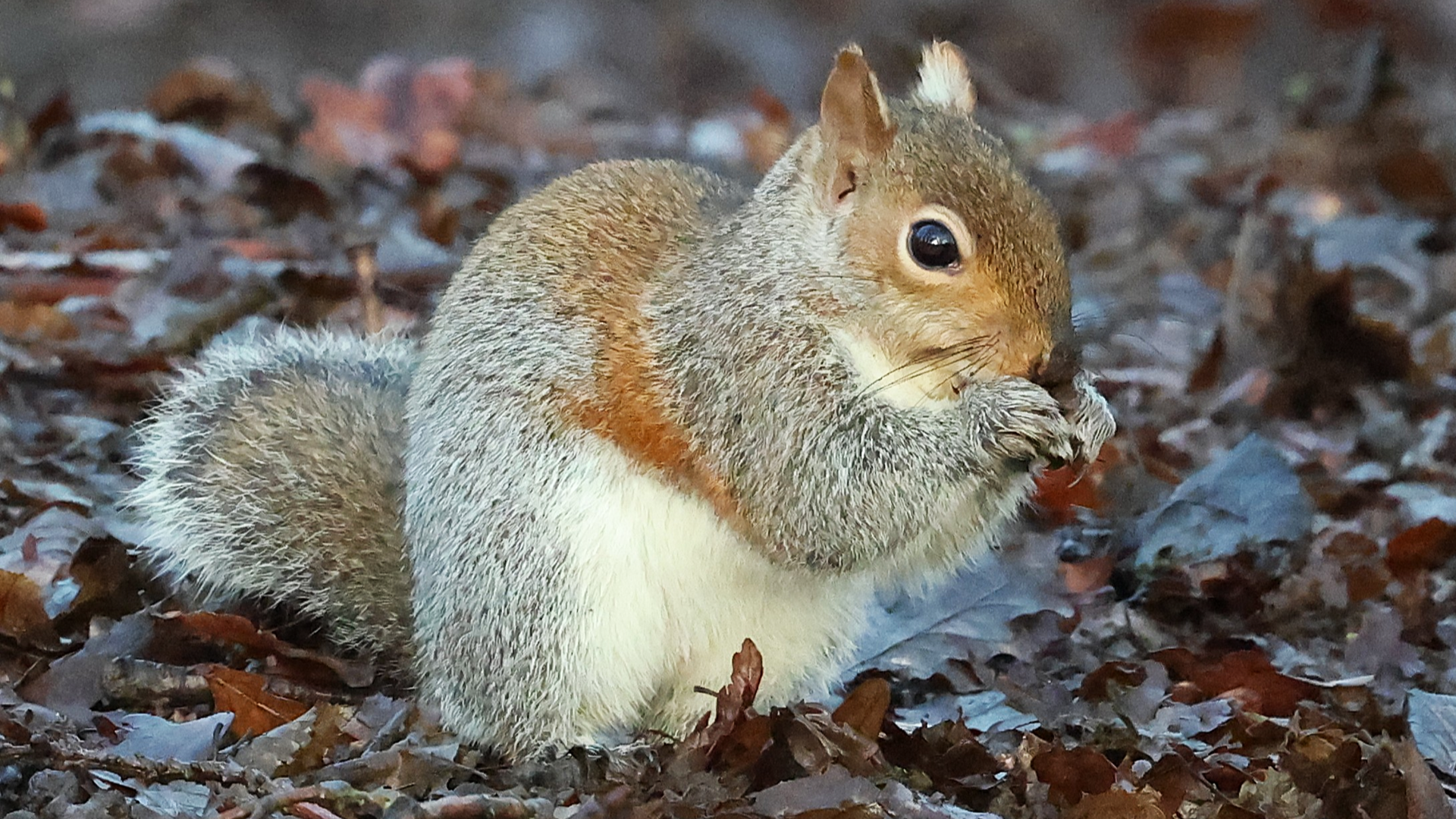
Grey squirrels quickly became established in the UK. Their population is so large that it can be difficult to believe they were not present here 200 years ago.
#
Canada Goose
Branta canadensis
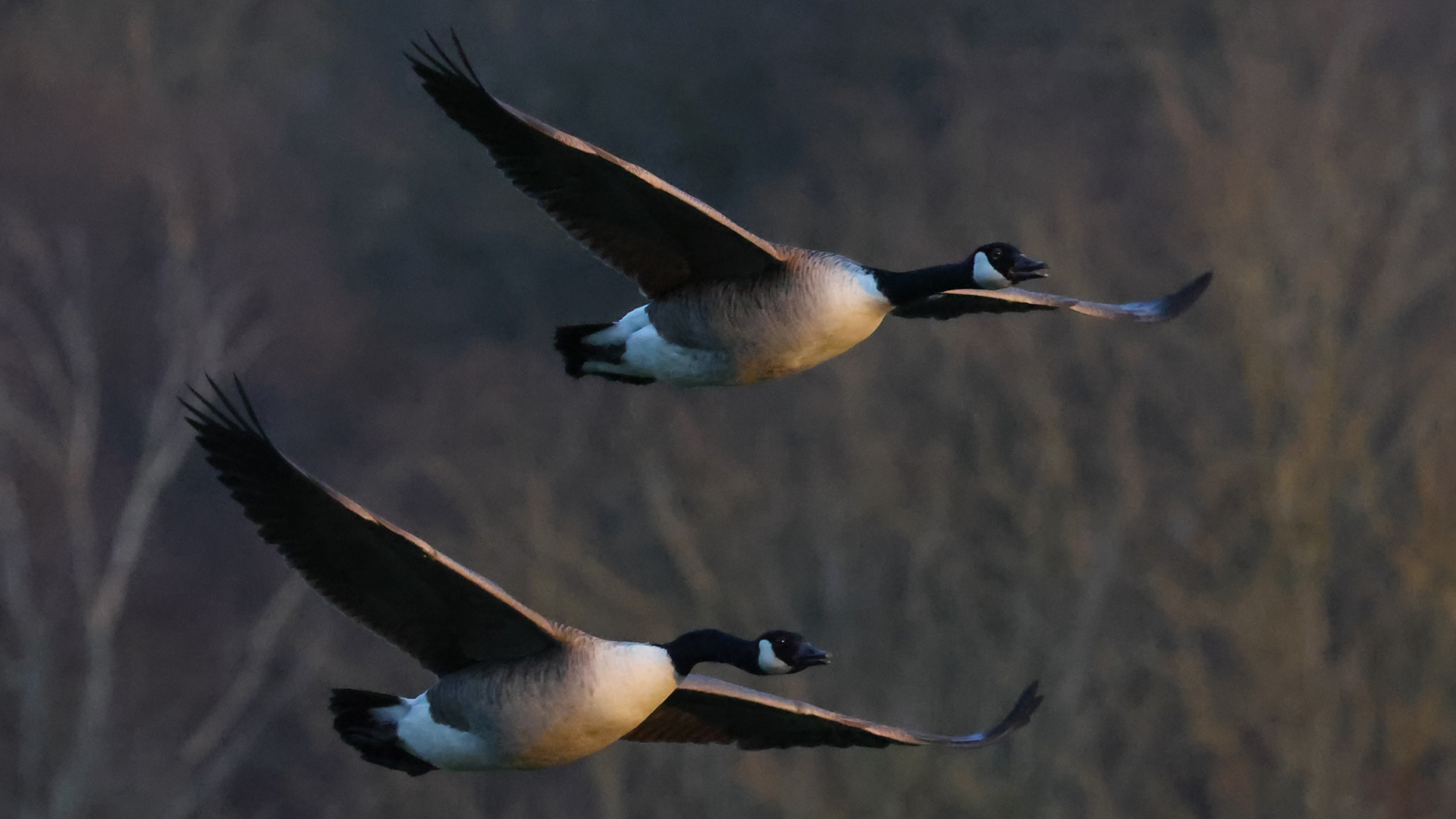
The Canada Goose is a large bird characterised by its black head and neck, along with a prominent white throat patch. Native to North America, it has expanded its range and is now found throughout much of the UK. These geese are known for their vocal congregations and groups are often found on Hainault Lake.
#
Great Four-spot Treerunner
Dromius quadrimaculatus
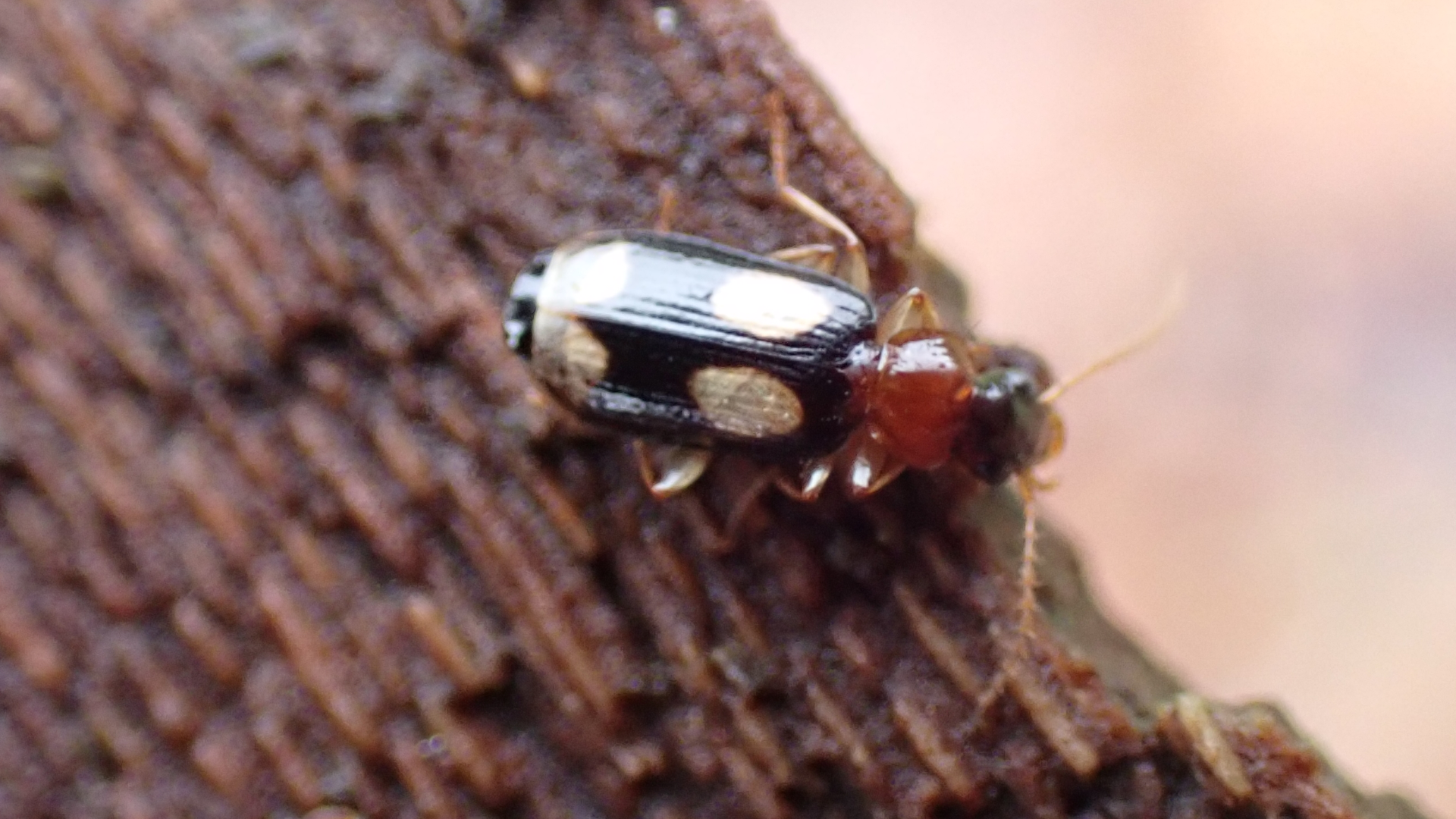
This species, measuring 5-6 mm in length, belongs to the Carabidae family, commonly known as ground beetles. It is characterised by its blackish head, a glossy red pronotum, and straw coloured legs and antennae. The dark elytra (wing cases) are adorned with two prominent pale spots on each side. This beetle is typically found across a variety of habitats and is present throughout the year.
#
Rove Beetle
Philonthus cognatus
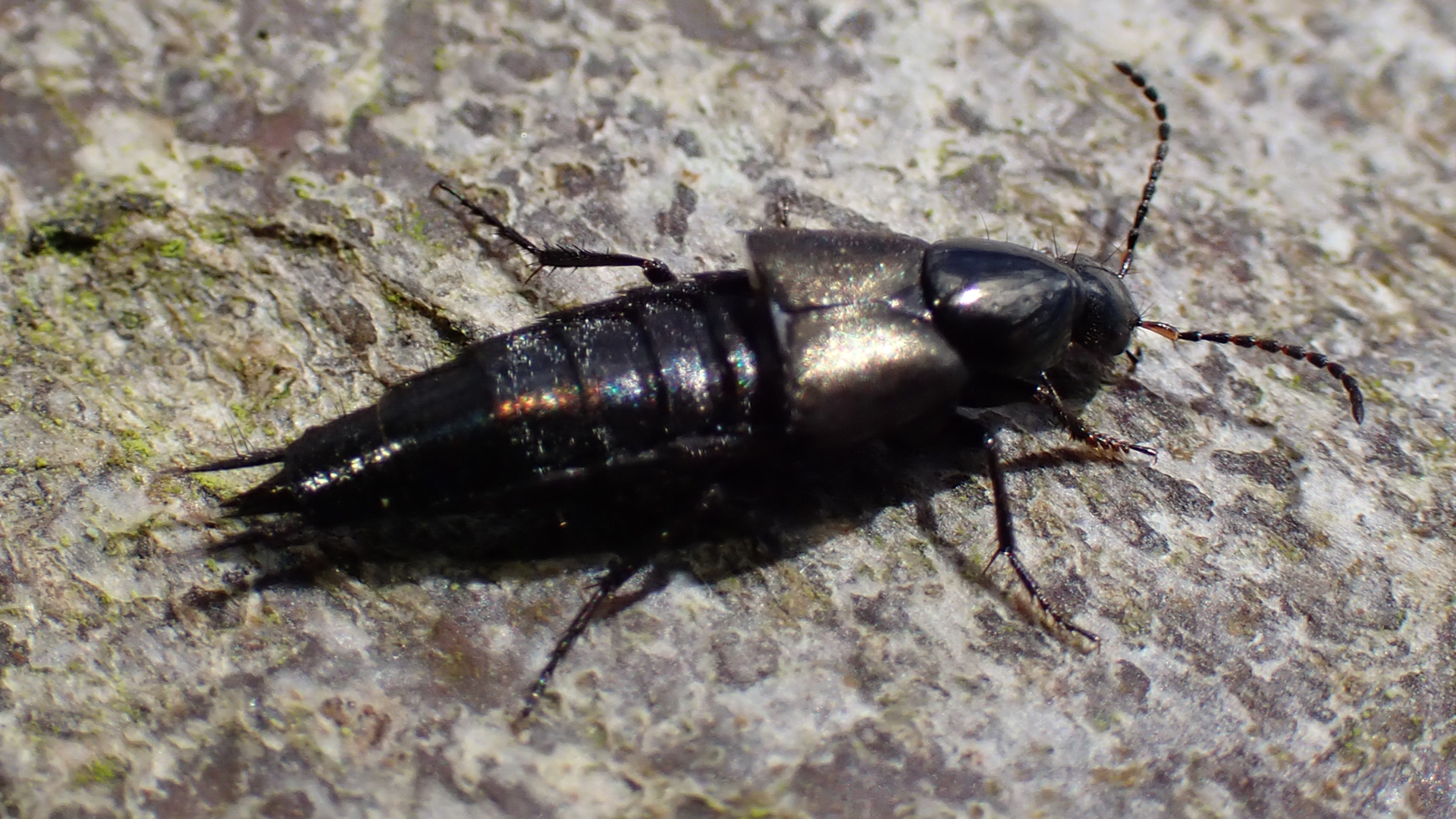
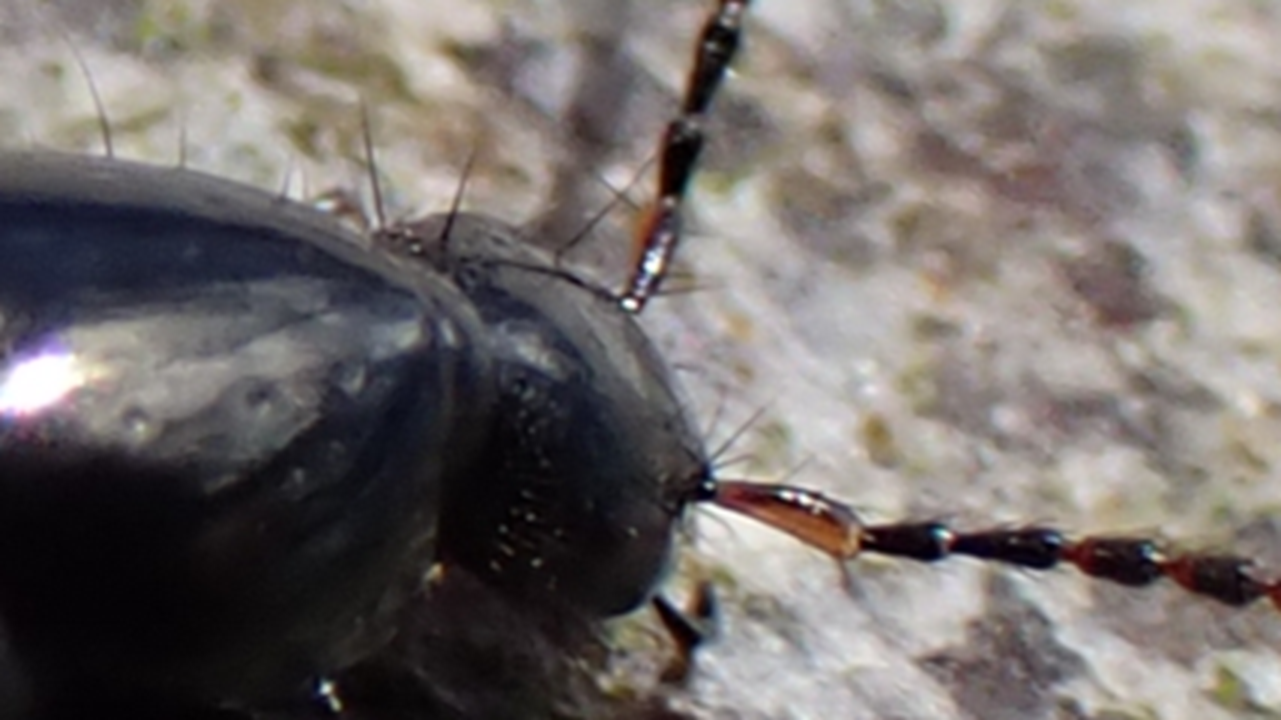
Philonthus cognatus is a species of rove beetle, with adults that measure between 8 to 10 mm in length. These beetles are primarily black, with heavily-pitted elytra displaying a metallic sheen. A diagnostic feature of this species is yellow on the underside of the first antennal segment, which contrasts with the black upper side.
#
Hebrew Character
Orthosia gothica
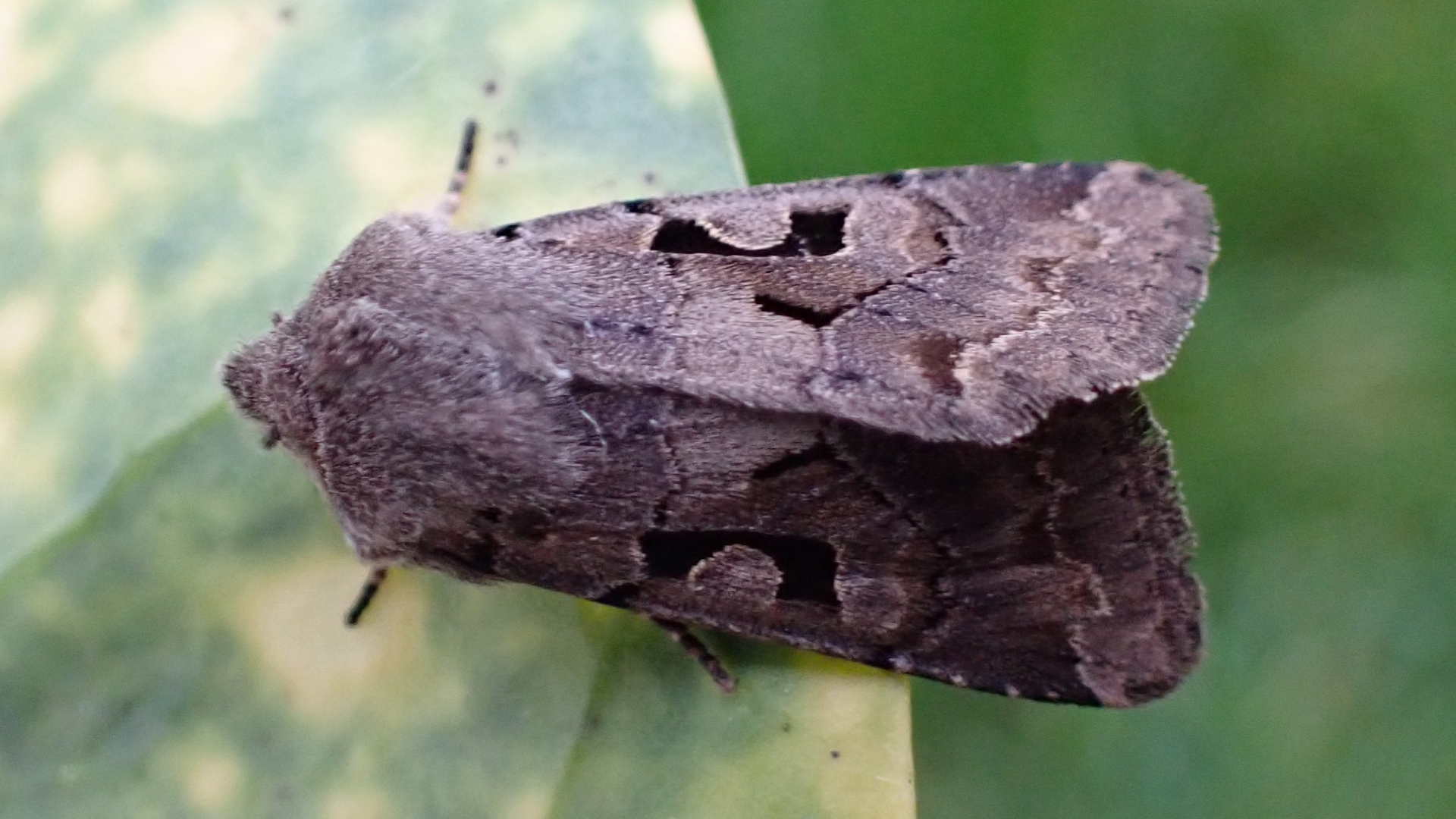
This species is both widespread and common, recognised by a distinctive mark located at the centre of its forewing, which sets it apart from other moths that emerge in spring. It inhabits diverse ecosystems where its larvae feed on an assortment of herbaceous plants, shrubs, and trees.
#
Small Quaker
Orthosia cruda
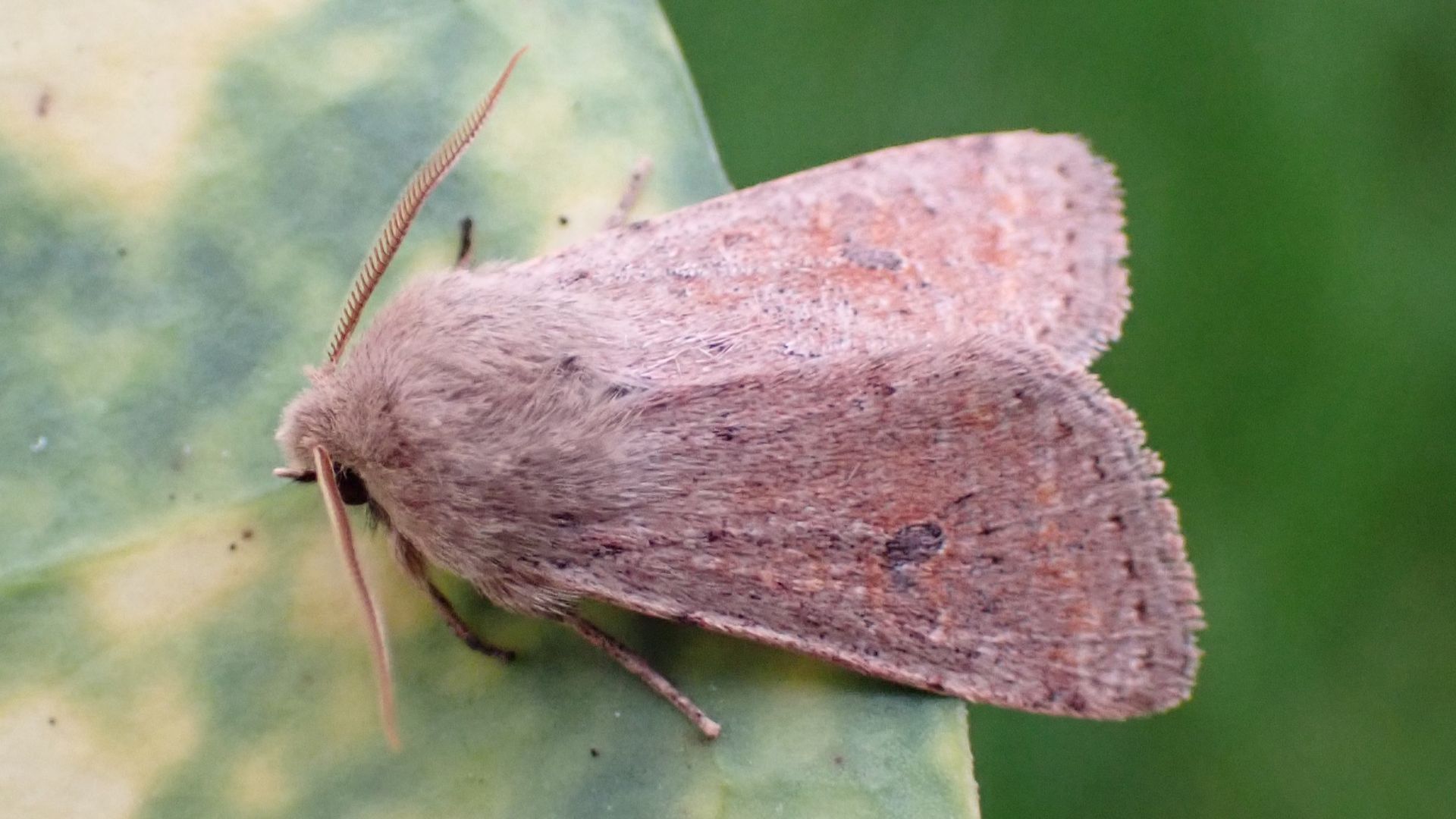
This small moth frequents broadleaved woodland, heathland and gardens and is seen flying from February to May. The adults feed on sallow catkins. Larval foodplants include oak, sallow and hazel.
#
Common Quaker
Orthosia cerasi
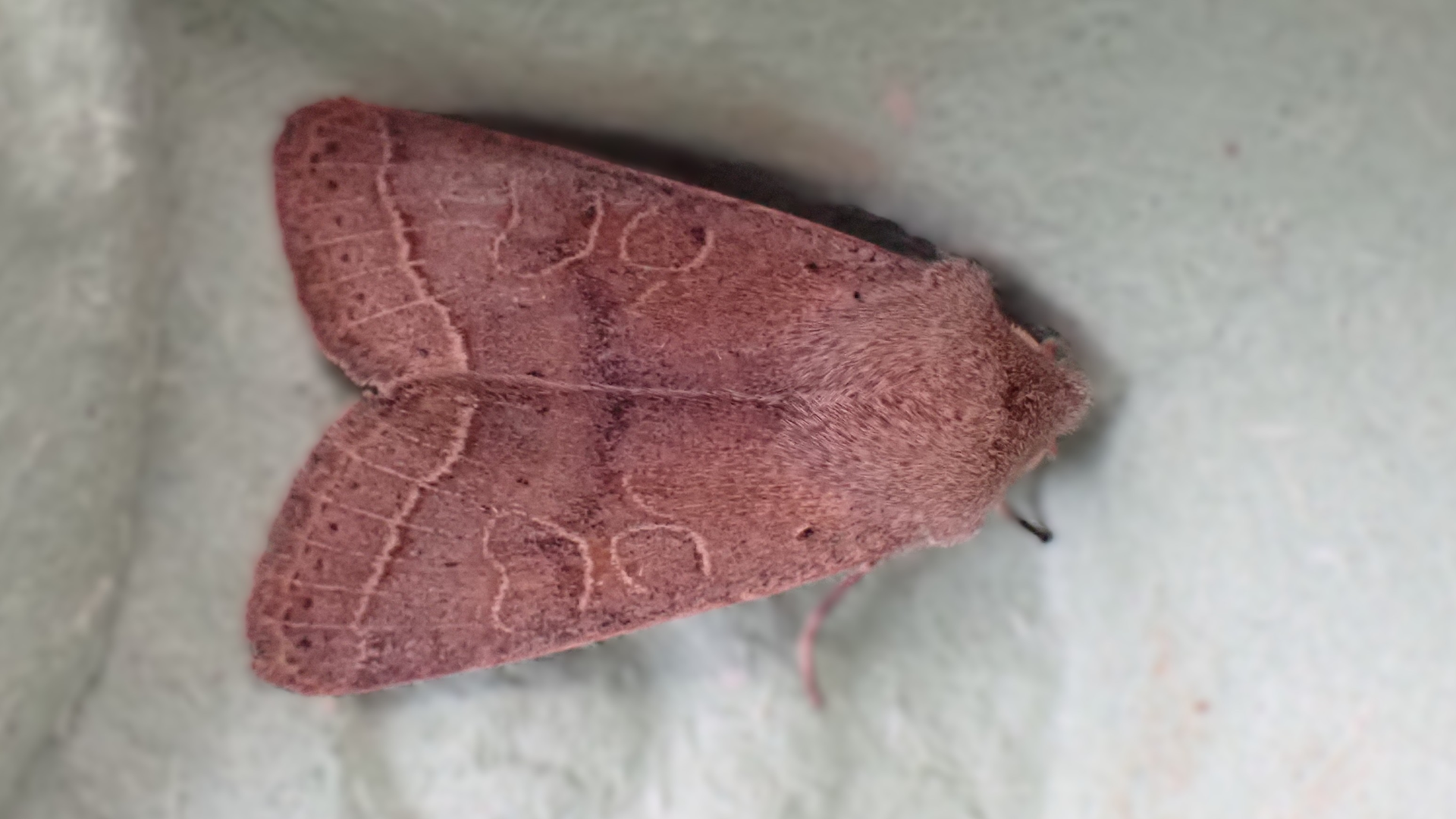
The Common Quaker has considerable variation in its ground colour, although most display large, rounded stigmata on the wings that are lightly outlined. Foodplants include broadleaved trees such as birch, sallow, oak and hazel.
#
Early Reveller
Diurnea fagella
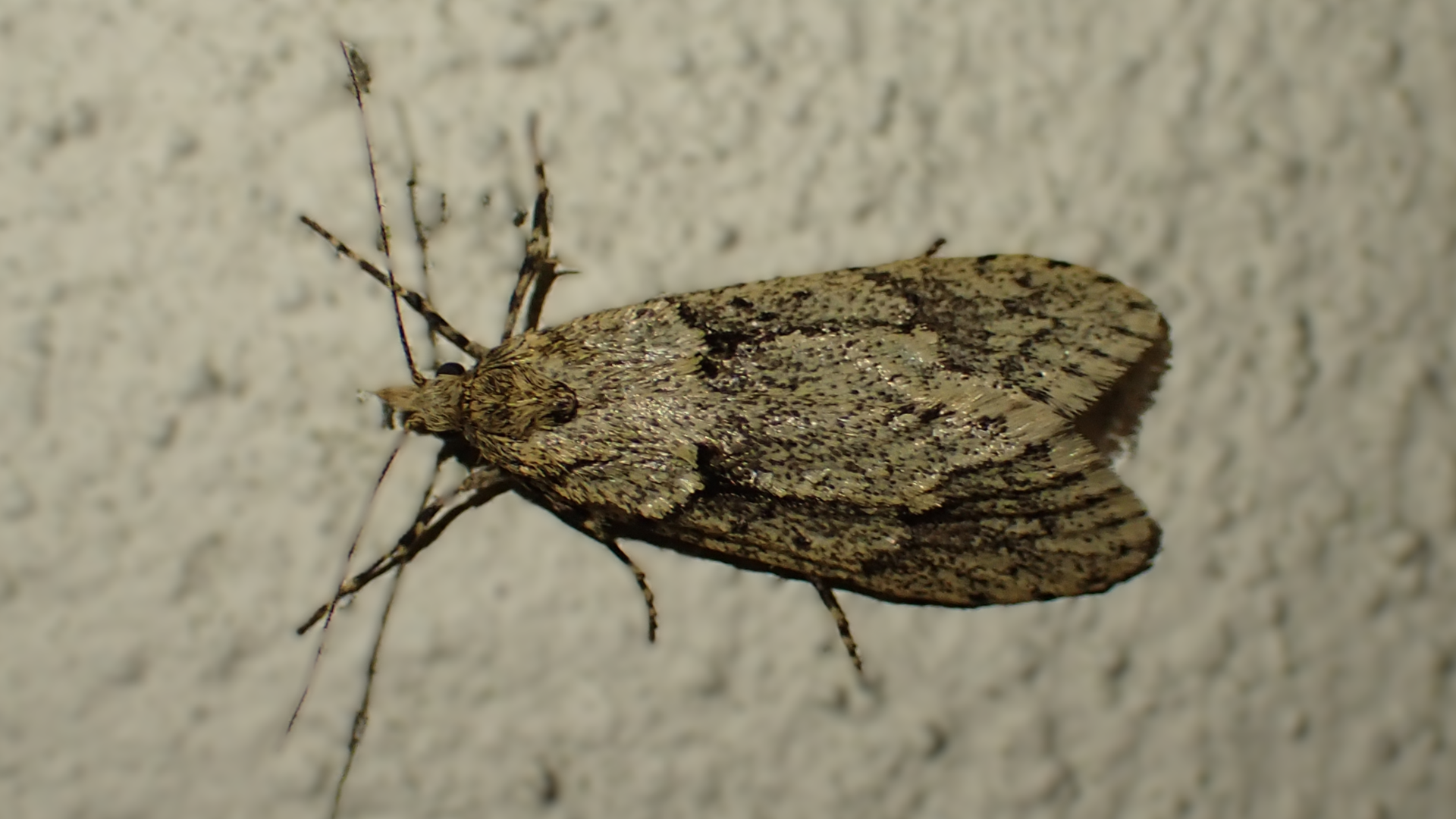
Widespread and common, this species occurs early in the year from late February to May. Males are larger than females, and females are unable to fly. The larvae feed on various deciduous trees.
#
Walnut Orbweaver
Nuctenea umbratica
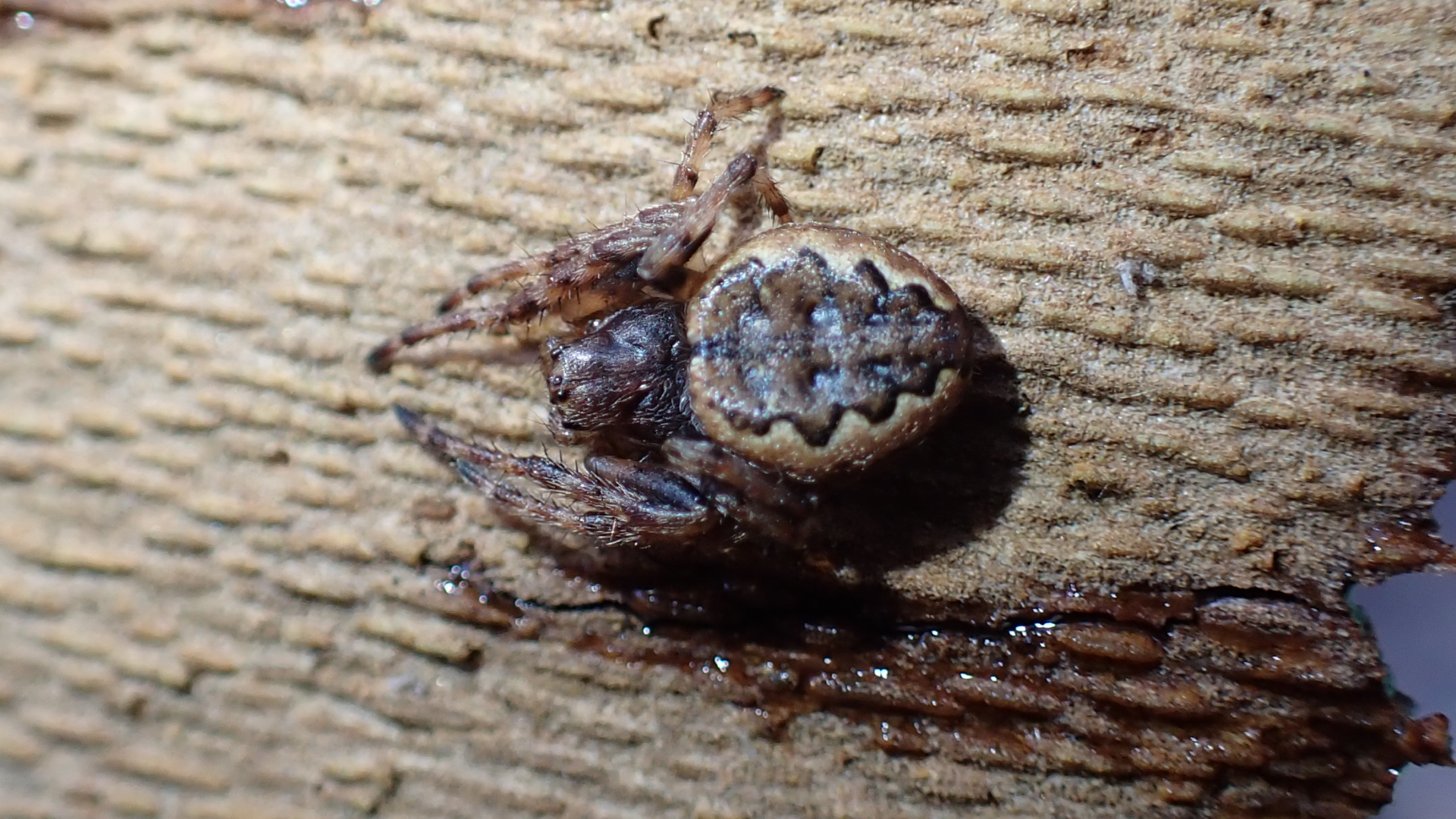
The Walnut Orb-Weaver Spider hides itself beneath bark and within crevices of posts and fences throughout the day. This particular specimen was located on a London plane tree. This spider is active at night, building an orb web between its refuge and adjacent vegetation. During daylight hours, the web is generally vacant, while the spider remains concealed in close proximity. Adults of both sexes are mainly observed from late spring to autumn; however, females, and occasionally males, may be found during the winter months.
#
Bleeding Oak Crust
Stereum gausapatum
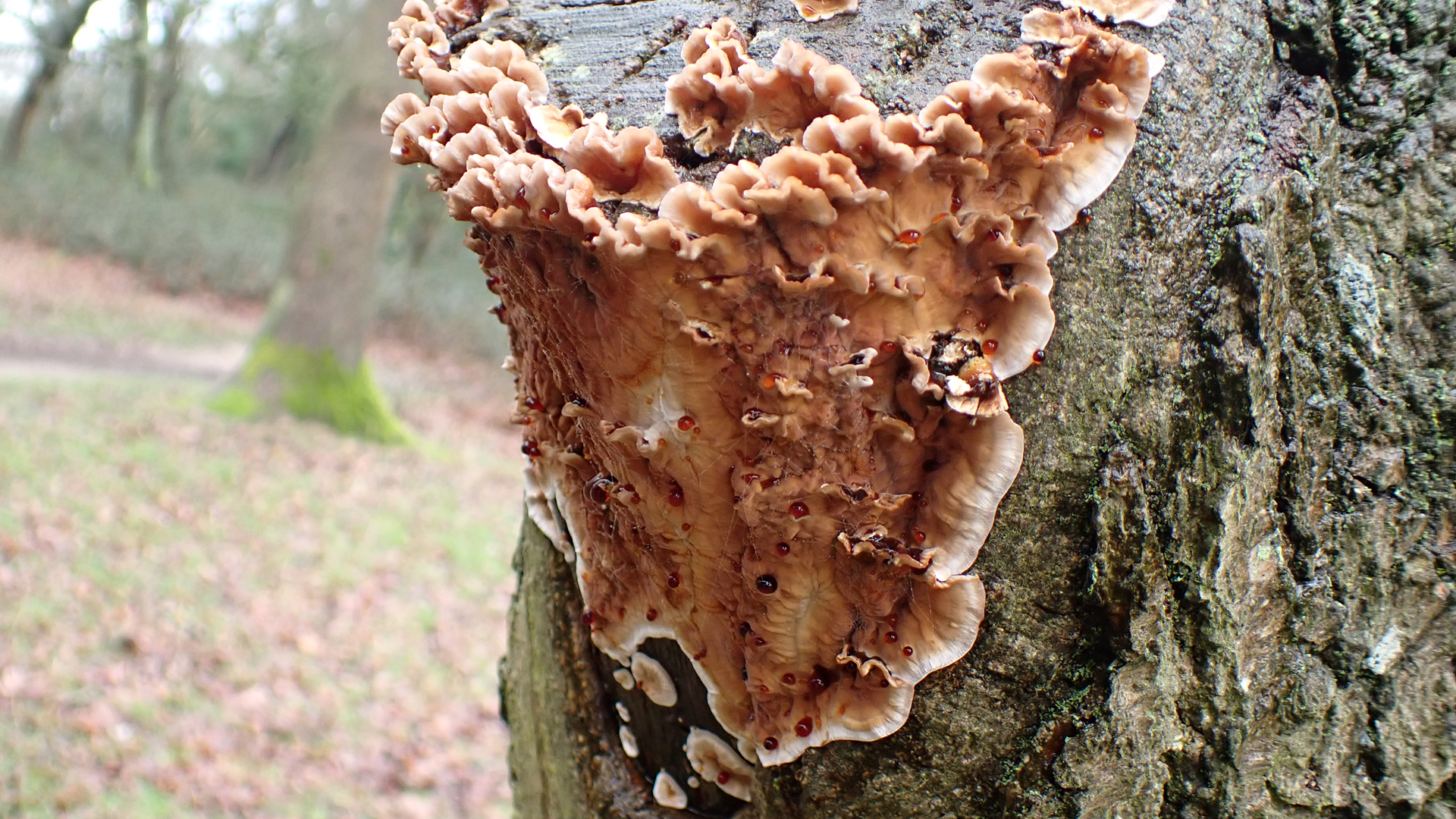
This fungus appears as circular crusts that sometimes develop into overlapping brackets. It is brown and leathery, featuring a whitish margin, and can be found on dead oak branches and logs throughout the year. When the fungus is damaged, it releases a blood-coloured fluid, creating the appearance of bleeding. Young specimens can also release the juice naturally.
#
Blushing Bracket
Daedaleopsis confragosa
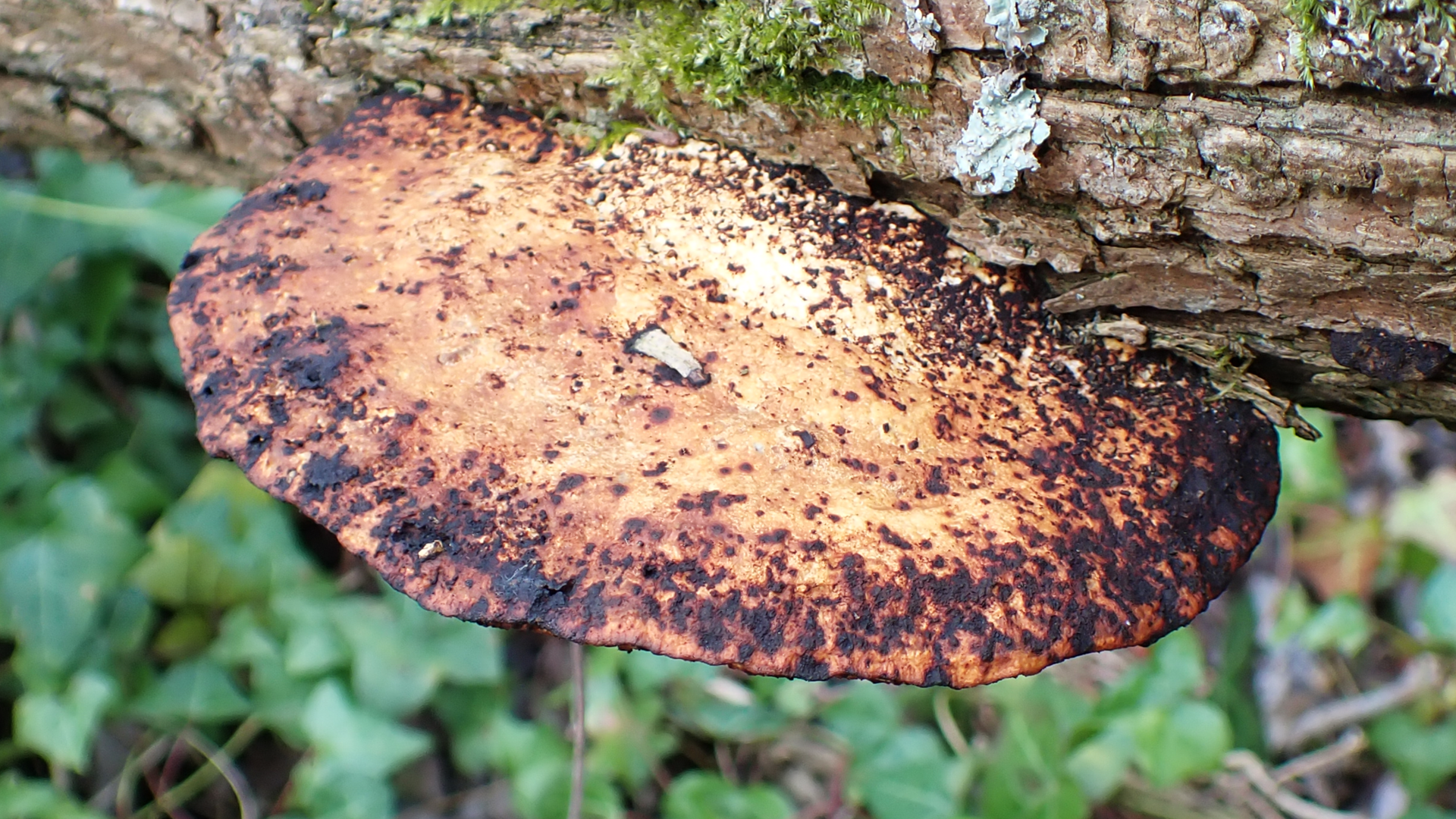
This saprotrophic polypore fungus grows on deciduous dead wood, especially on willow. It grows either singularly or in tiers and causes white rot. The fruiting body measures from 10 to 20 cm in length, 10 cm in width, and can reach thickness of up to 5 cm, presenting a somewhat convex and semi-circular shape. The margin is thin, sharp, and slightly undulating, typically appearing white or off-white but darkening with age. Its surface may be slightly hairy or smooth, displaying concentric zones in colours ranging from ochre to cinnamon, and occasionally mottled wine-red, eventually turning brownish over time. The pore surface is easily bruised when pressed.
#
Slime Mould
Physarum leucophaeum
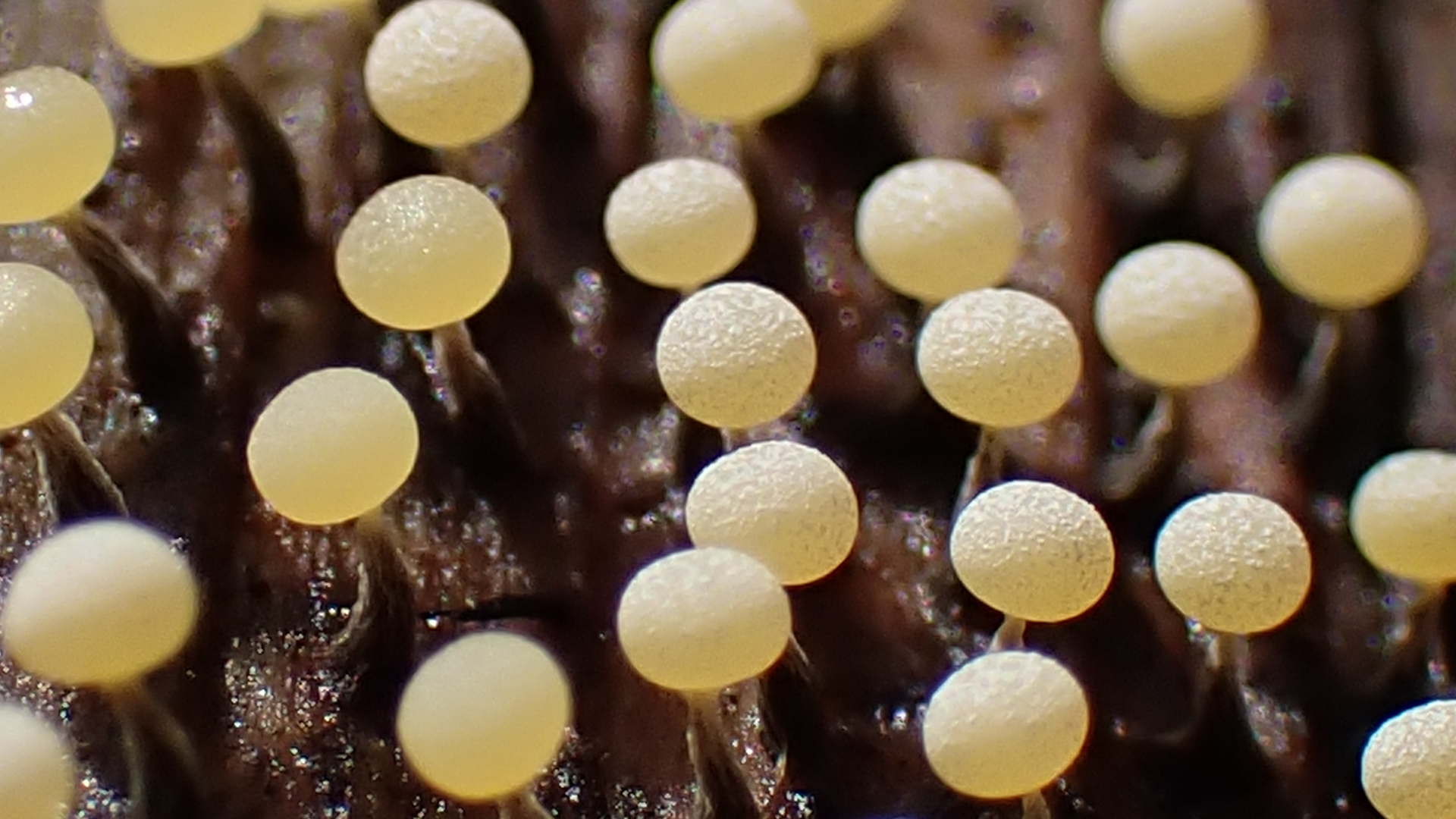
Fresh sporocarps of Physarum leucophaeum.
#
Snowdrop
Galanthus nivalis
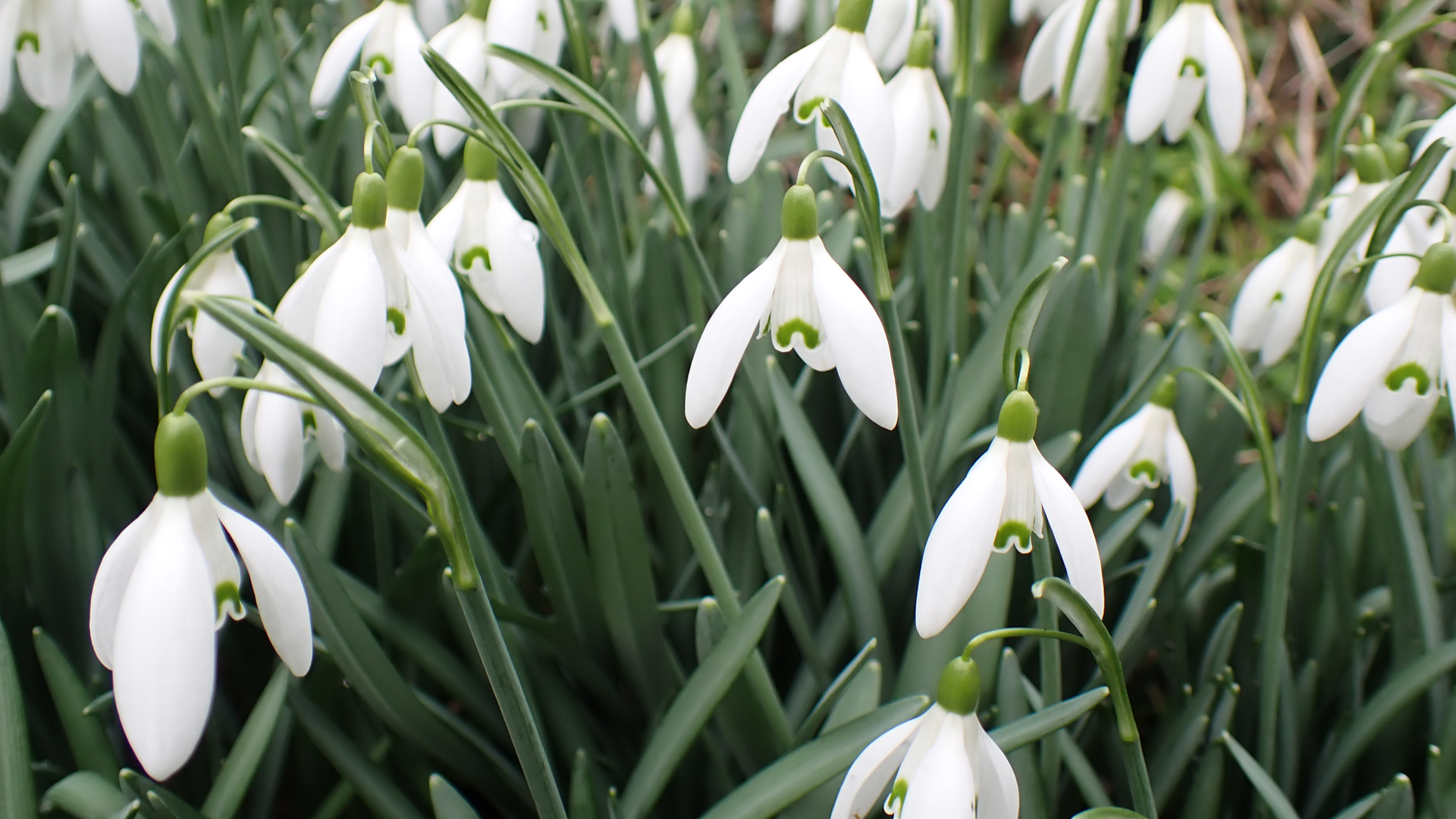
The snowdrop is a sign of spring approaching, making its appearance as early as January and lasting until March. While it is not originally from the region, evidence of its wild presence in the UK surfaced in the late 18th century. Despite this, it has found a place in the wild, thanks to plants that have escaped from gardens. Characterised by its nodding white flowers and slender, grey-green leaves at the stem's base, snowdrop plants typically grow in clusters.
#
Cherry Plum
Prunus cerasifera
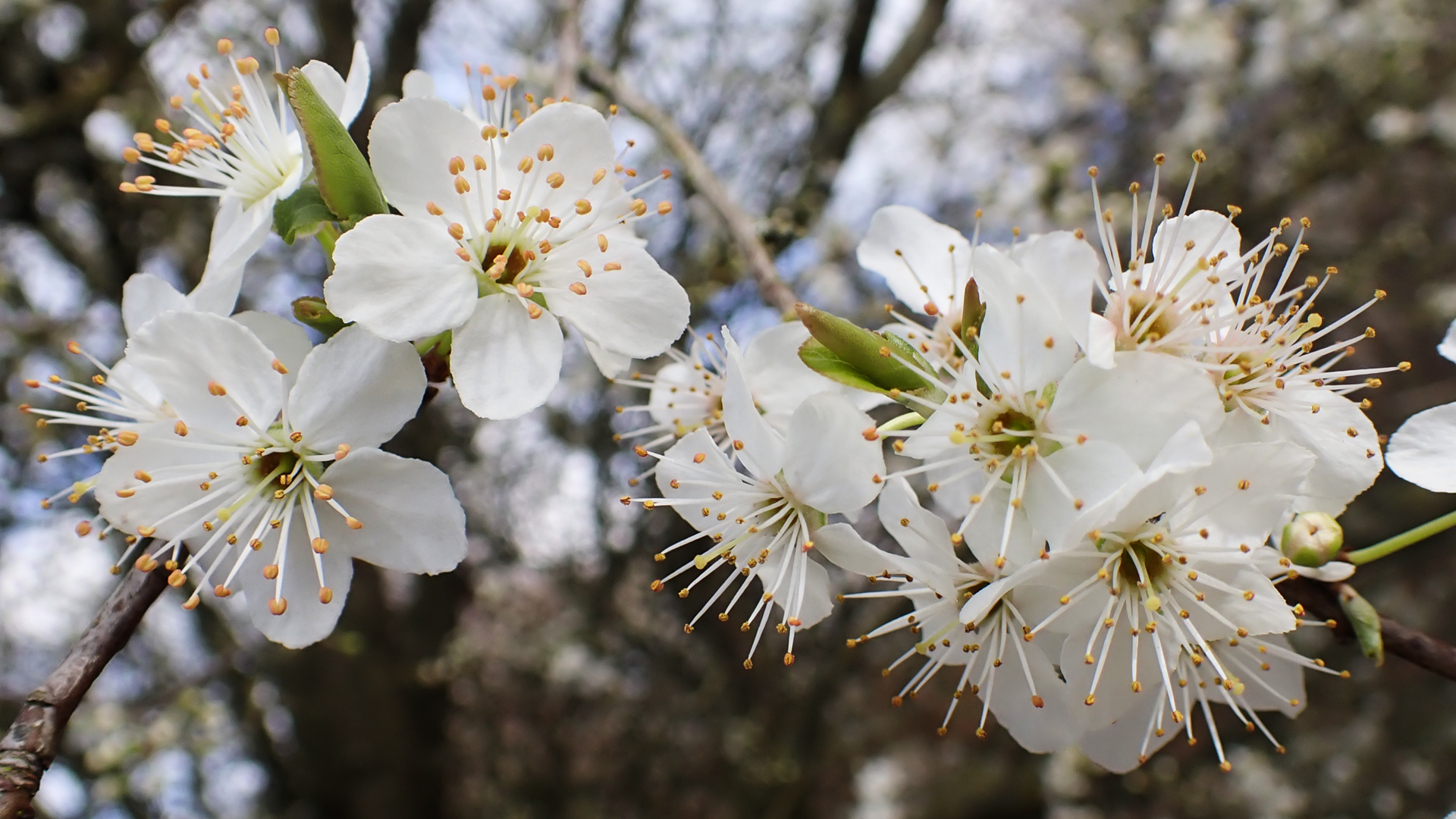
Cherry plum trees are among the first Prunus species to bloom in spring. Five-petalled flowers typically emerge before the leaves and can be white to pale pink in colour. The trees are broadleaved and deciduous, reaching heights of up to 8 metres. The green, glossy leaves measure between 3 to 7 cm long and have fine downy hairs on their underside.
#
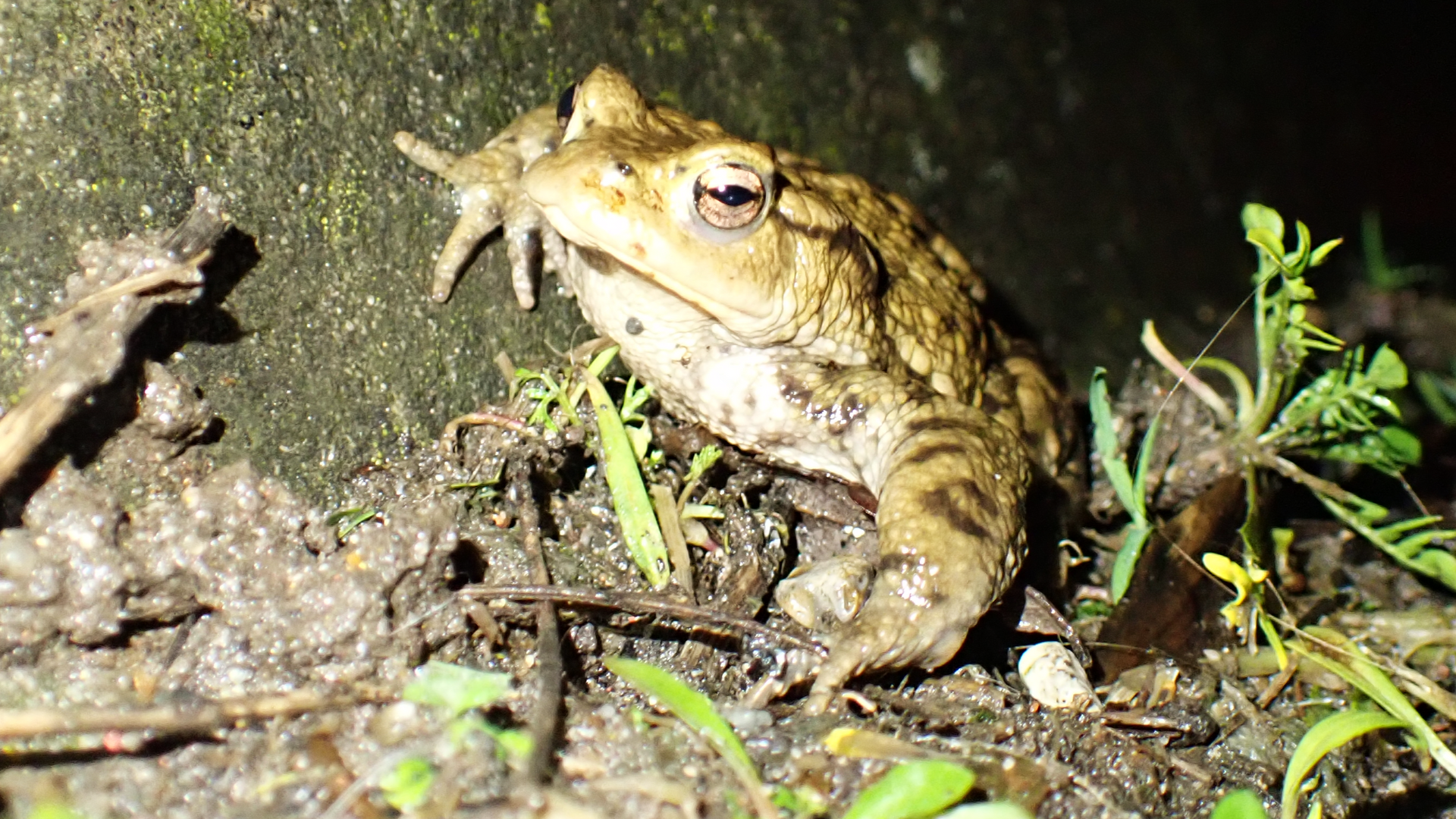
Common Toad
Bufo bufo
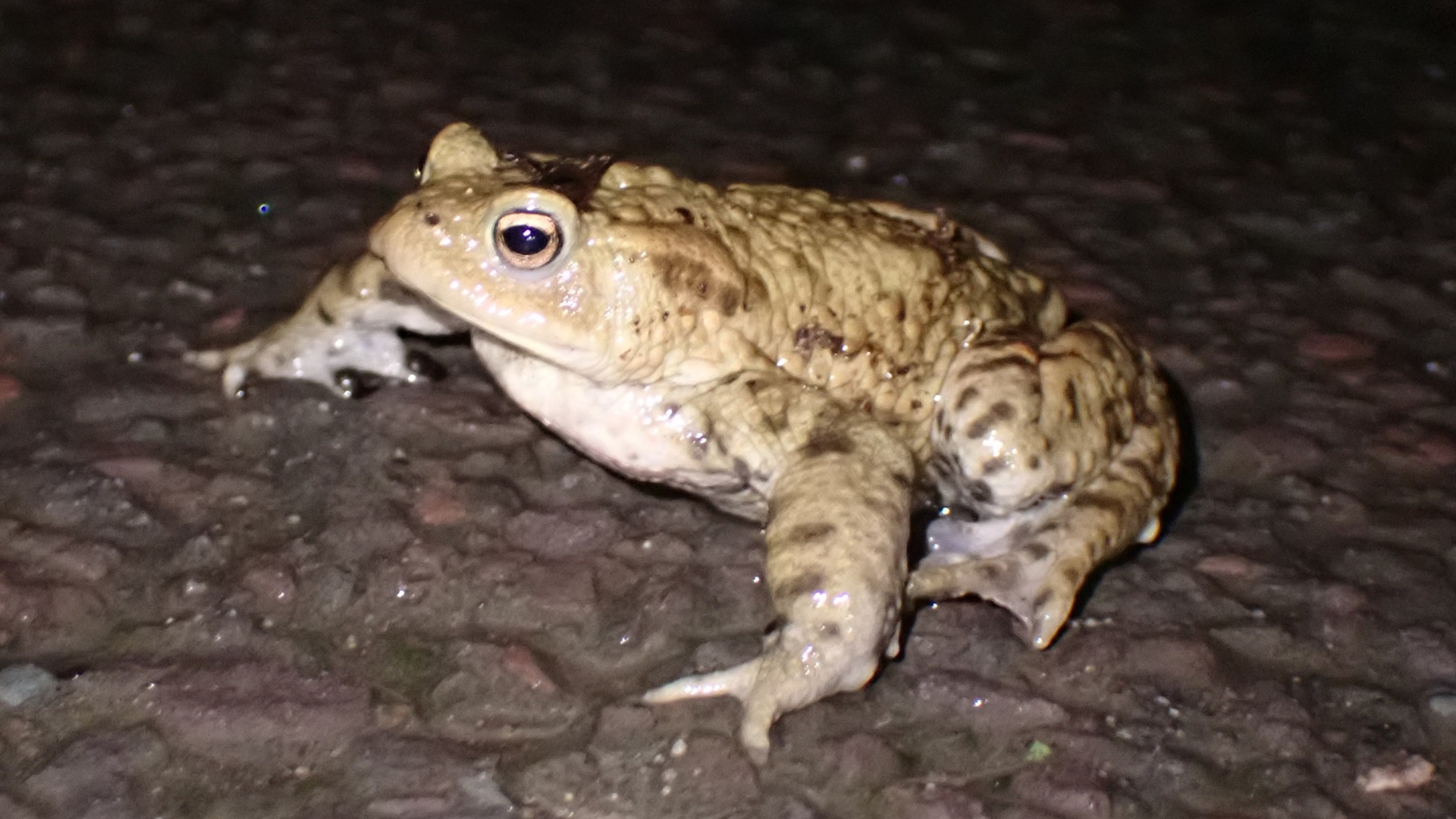
As spring draws near and the temperatures hover around 10 degrees, toads make their way out of their winter hibernation. On damp evenings they venture to lakes and ponds, under the cloak of darkness to spawn.
#
© hainaultforest.net. All rights reserved.