

FIRST QUARTER 2026
MARCH
Jay
Garrulus glandarius

This Jay was spotted near the Retreat Path. These birds are typically shy and prefer to stay close to their cover. Their distinct call often indicates their presence, particularly when they are in motion, which makes it possible to spot them flying between the trees, showing a noticeable flash of white on their rumps. During autumn they can often be seen burying acorns to retrieve them later when food is scarcer.

#
Carrion Crow
Corvus corone
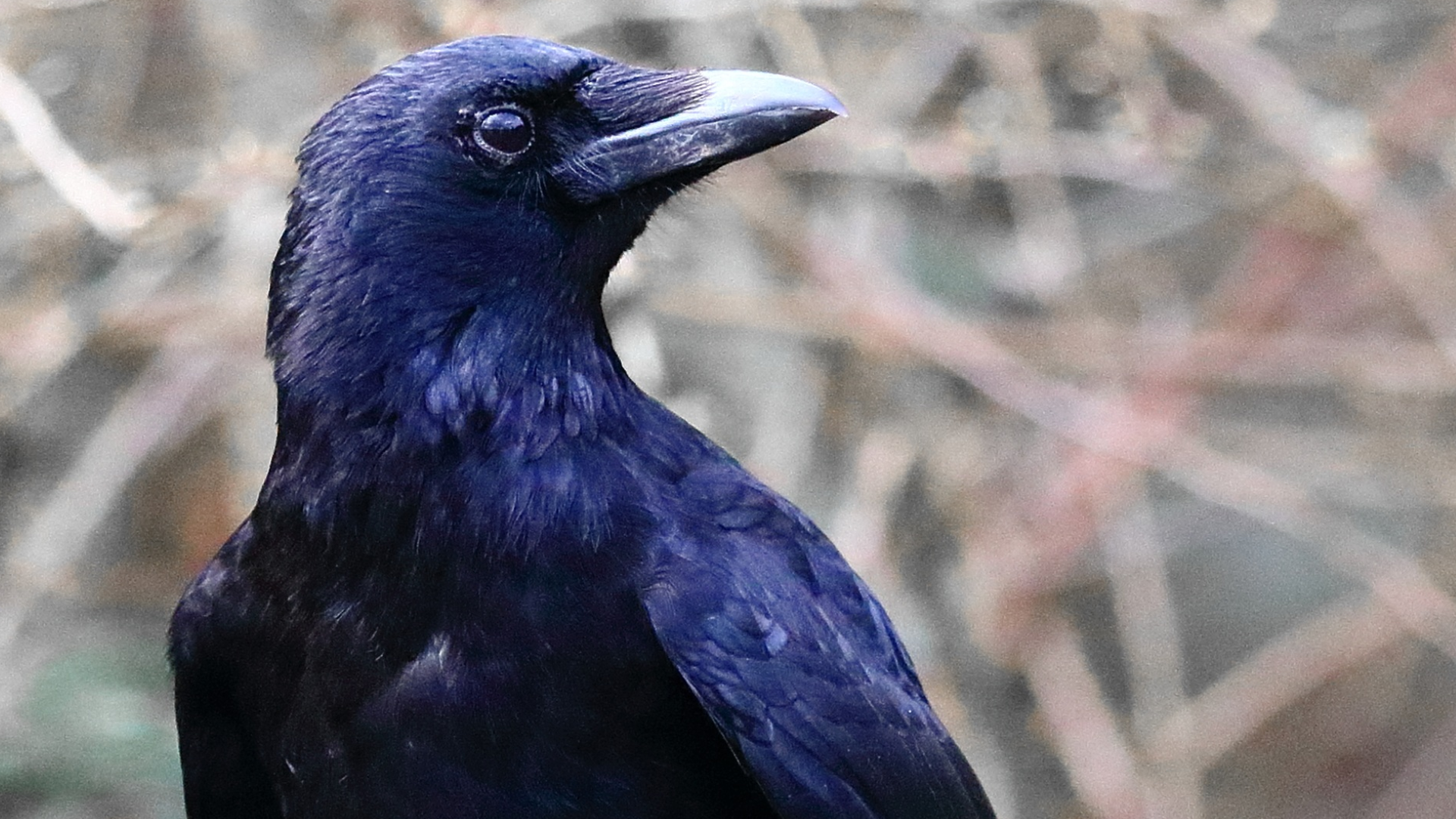
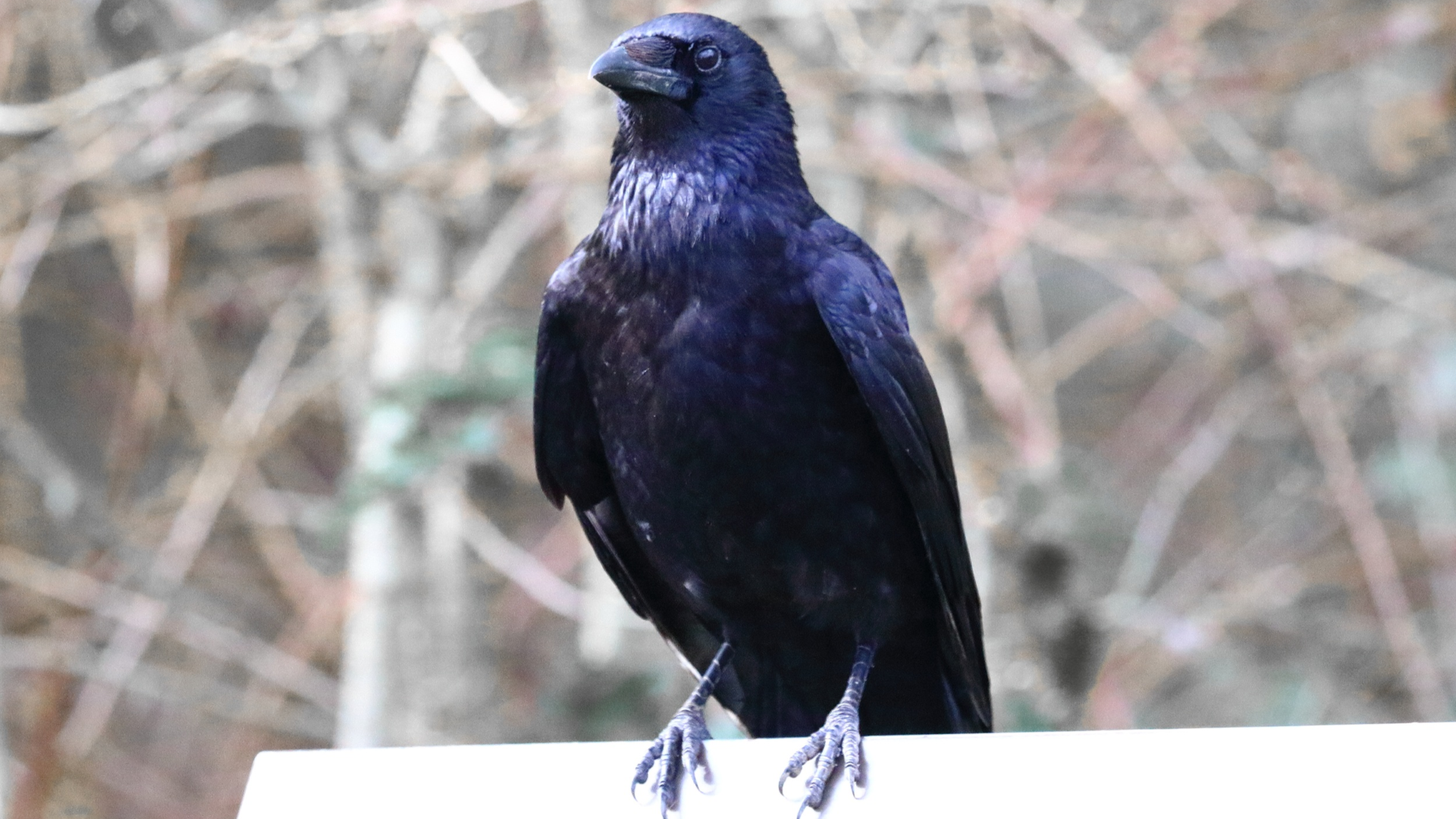
The Carrion Crow, adorned in a coat of deep black, stands out as one of the most intelligent and adaptable birds in Britain. While often displaying a bold demeanour, they sometimes approach humans with caution, however they soon learn when it is safe to be near someone they perceive as friendly.
#
Jackdaw
Coloeus monedula
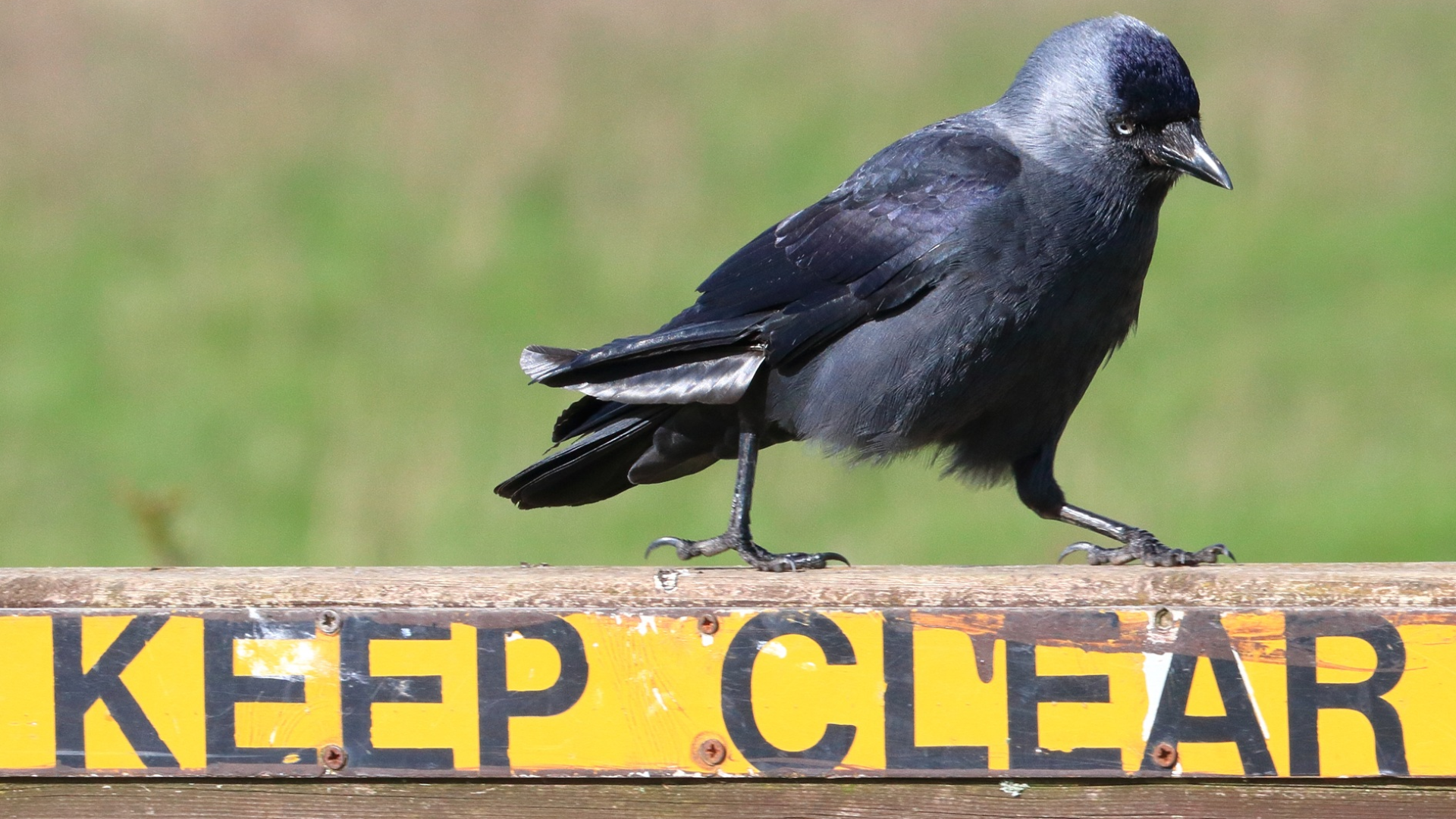
The Jackdaw is a small black corvid characterised by a distinctive silvery sheen on the back of its head and pale eyes prominent against the dark plumage.
#
Ring-necked Parakeet
Psittacula krameri
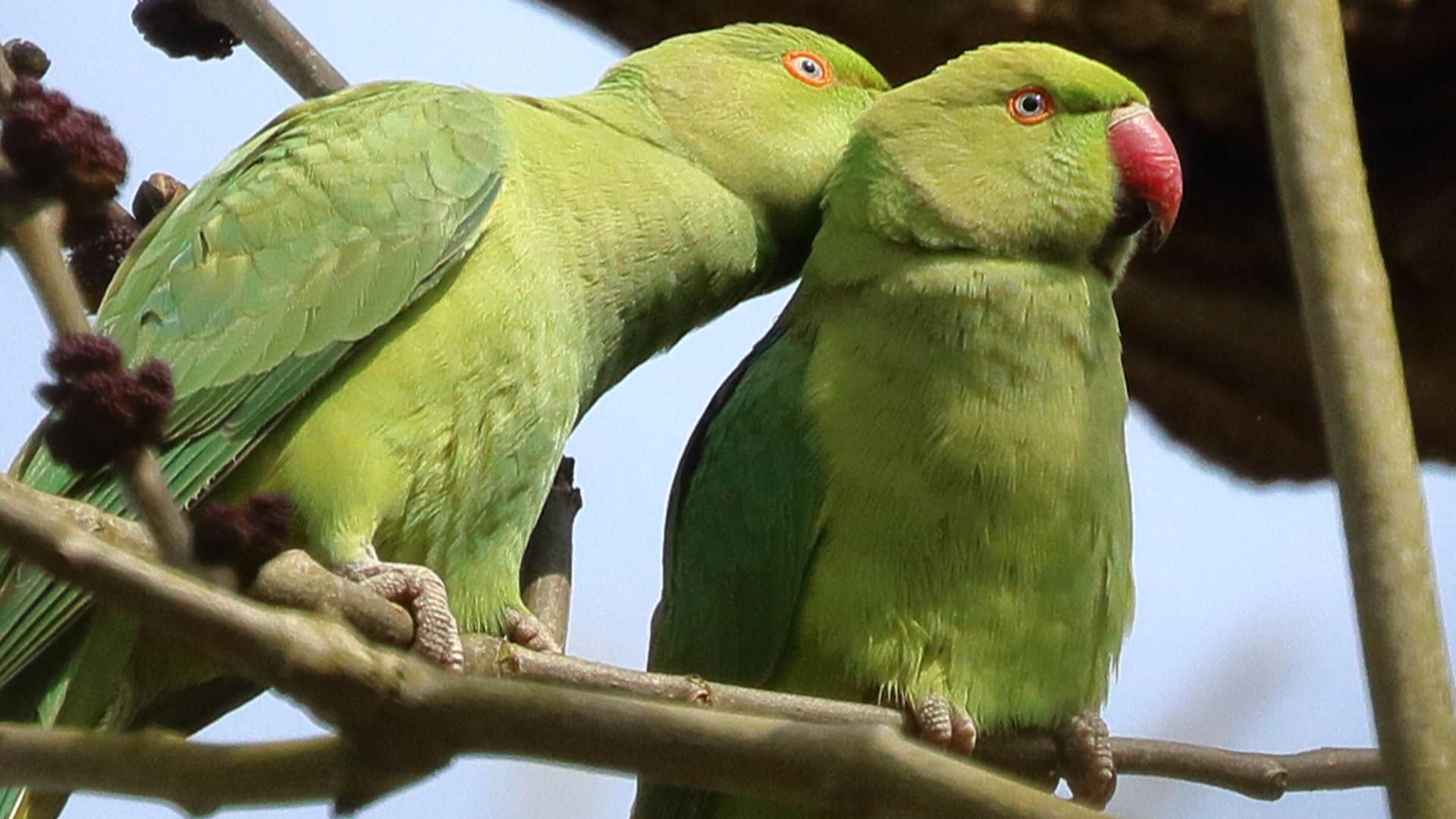
Ring-necked parakeets are native to Africa and southern Asia. There are various theories regarding their introduction to Britain, but they have since escaped into the wild here and have become established. They typically nest in tree cavities and are commonly seen in large, noisy flocks. Their diet consists of nuts, seeds, berries, and fruits.
#
Long-tailed Tit
Aegithalos caudatus
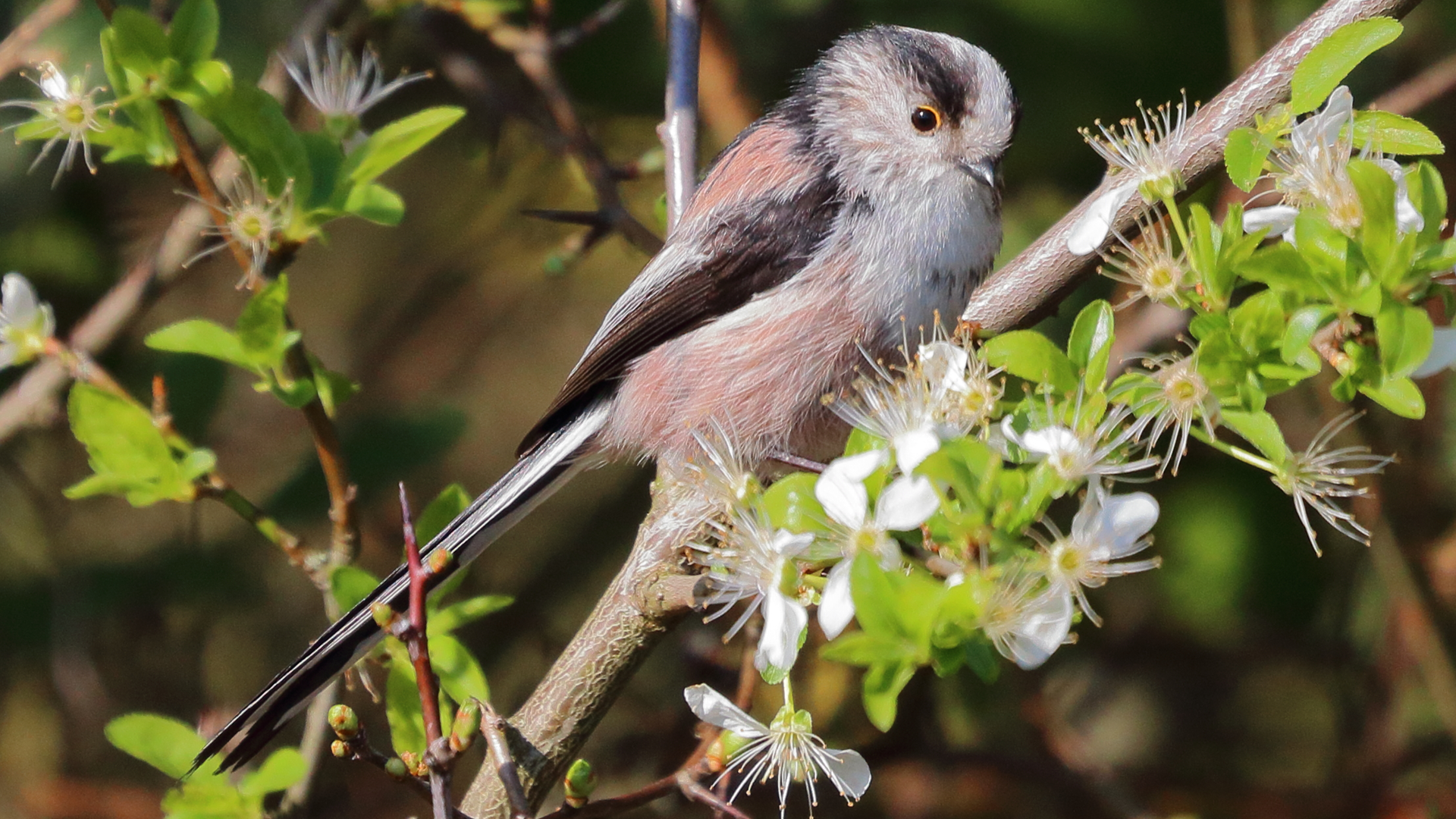
Long-tailed Tits are easily recognised by their long tails. They love to gather in groups, flitting from one bush to another. They are quite the architects; skilfully weaving together oval-shaped nests using soft moss and delicate cobwebs.
#
Blackbird
Turdus merula
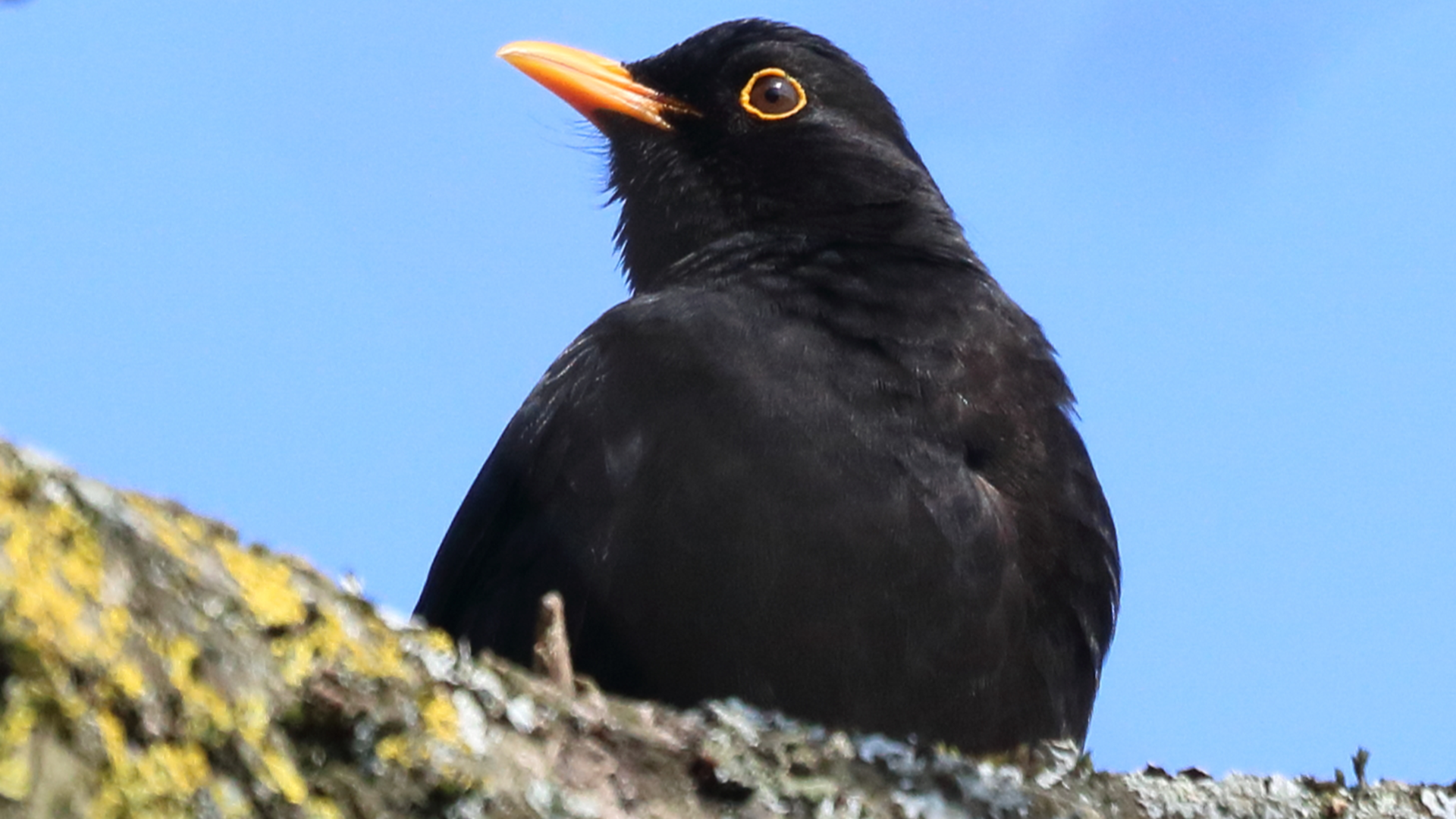
Male Blackbirds have black plumage, a bright orange-yellow beak, and a yellow eye-ring. Female Blackbirds are brown, typically featuring spots and streaks on their breasts, with their beak ranging from brown to yellow. They are among the most common and widespread members of the thrush family found in gardens.
#
Buzzard
Buteo buteo
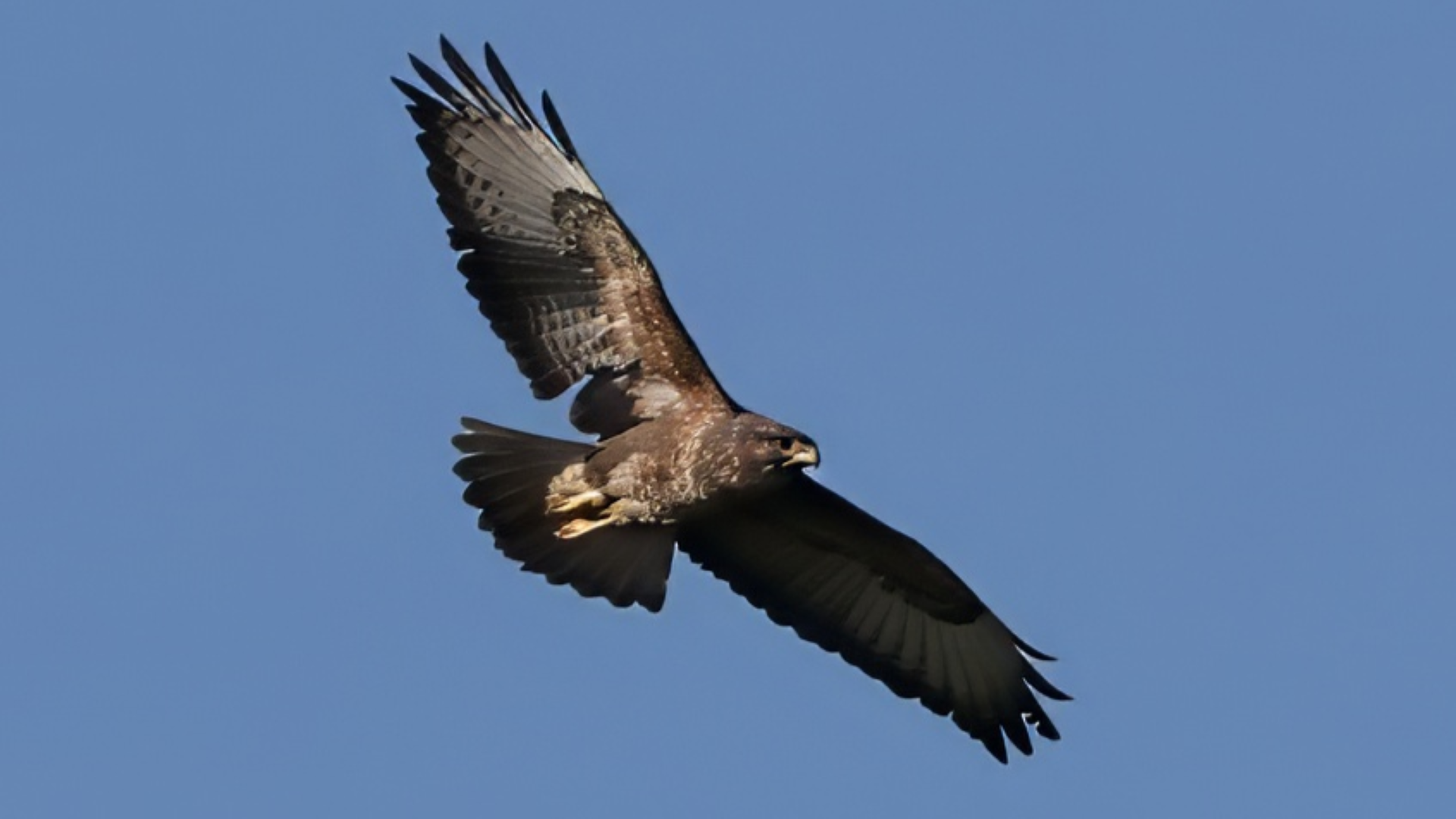
The Buzzard, which is currently the most common bird of prey in Britain, is relatively large, featuring broad, rounded wings along with a short neck and tail. While gliding and soaring, it often holds its wings in a shallow 'V' shape, with its tail fanned. A buzzard's plumage ranges from light to dark brown, with dark wingtips and a finely-striped tail.
#
Chaffinch
Fringilla coelebs
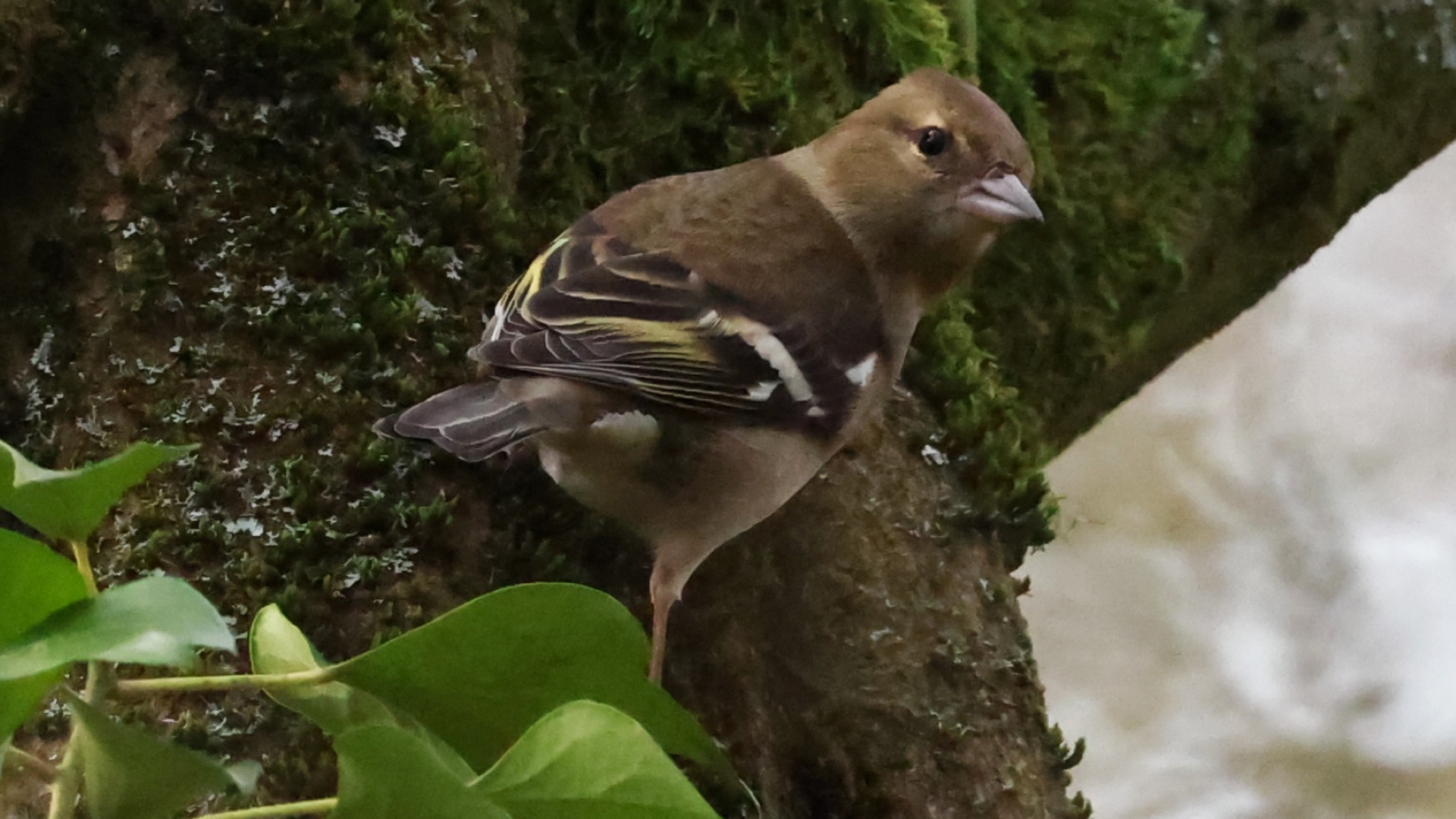
The Chaffinch is widely distributed throughout Britain. Males are colourful, while the females are yellowish-brown. Juvenile Chaffinches resemble the females.
#
Cormorant
Phalacrocorax carbo
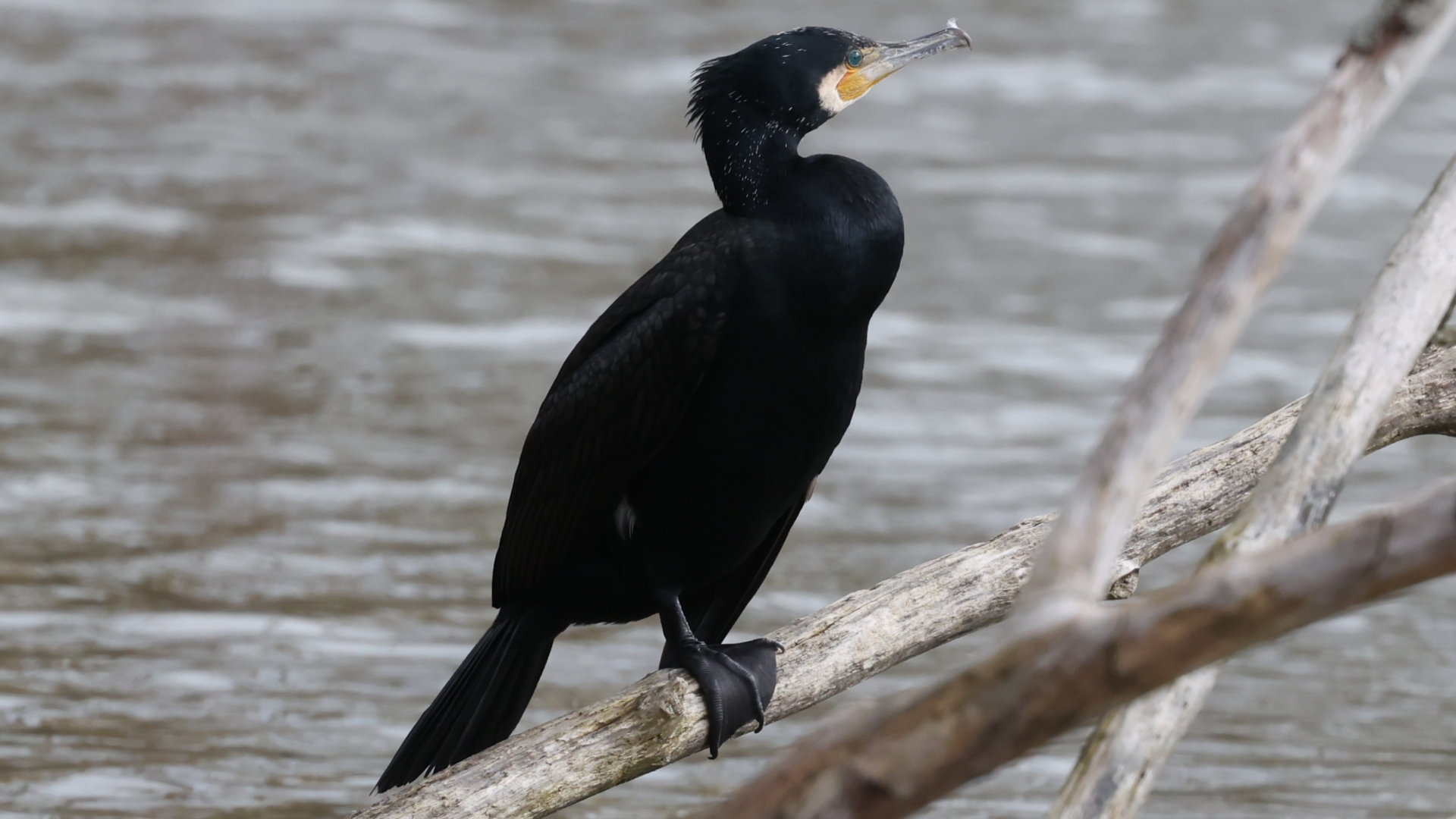
Unlike many other water birds the cormorant does not have waterproof feathers. Wet feathers reduce the bird’s buoyancy allowing it to move faster through the water when hunting for fish. Cormorants are often seen standing with wings outstretched after swimming to dry their feathers off.
#
Green Woodpecker
Picus viridis`
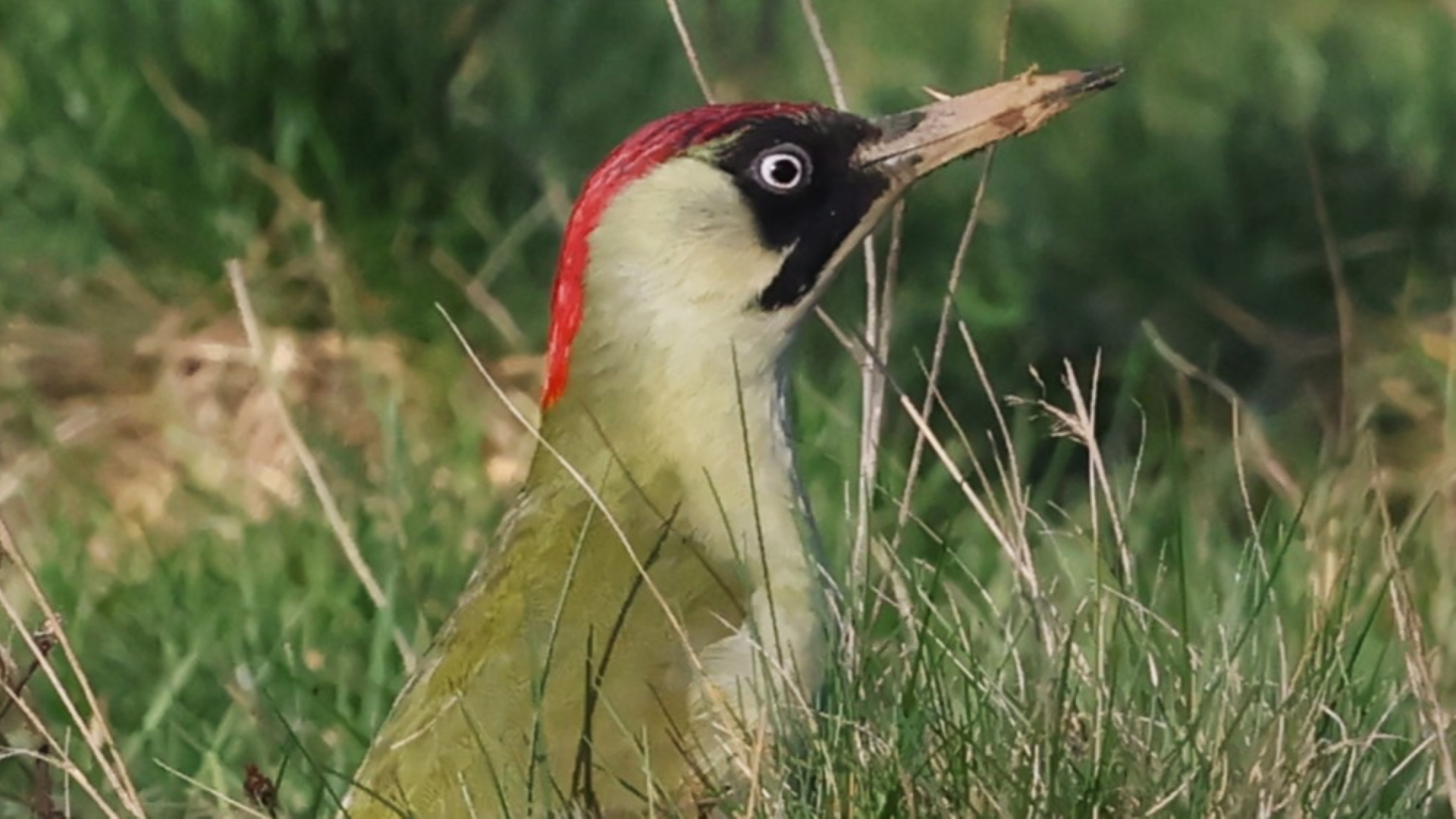
Records show a decrease in the Green Woodpecker population across the country over the last ten years. In Hainault Forest, however, numbers seem stable, likely as a result of conservation efforts in areas where yellow meadow ants have created anthills. Ants are a preferred food source for the woodpeckers.
#
Skylark
Alauda arvensis
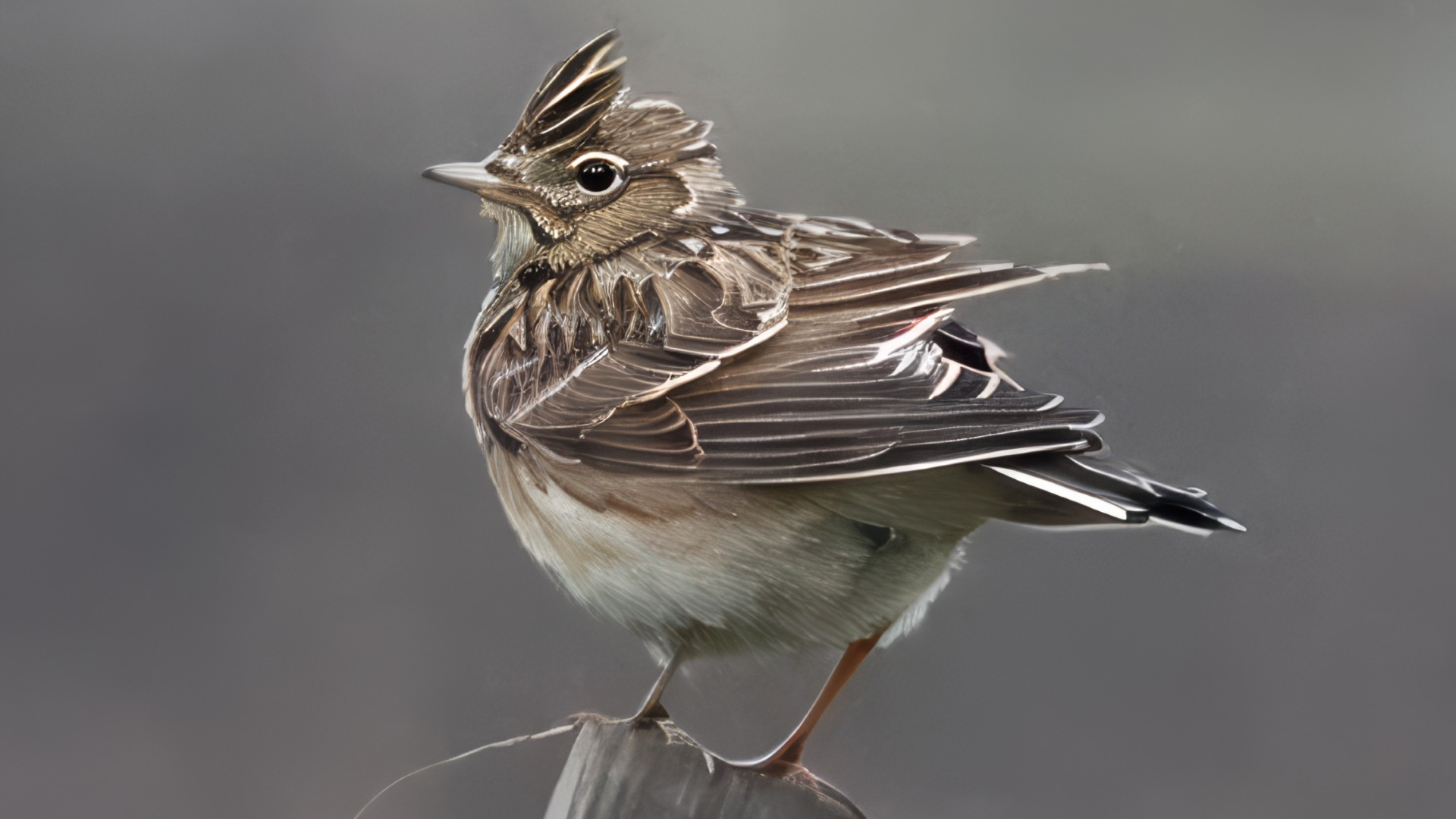
Skylarks are now frequently seen in the scrub areas of Hainault Forest where under a decade ago there was just short grass. Another success for the Conservation team and volunteers. Some of the wire fencing surrounding the nesting site has been replaced with dead hedging during the winter months.
#
Mediterranean Gull
Larus Melanocephalus
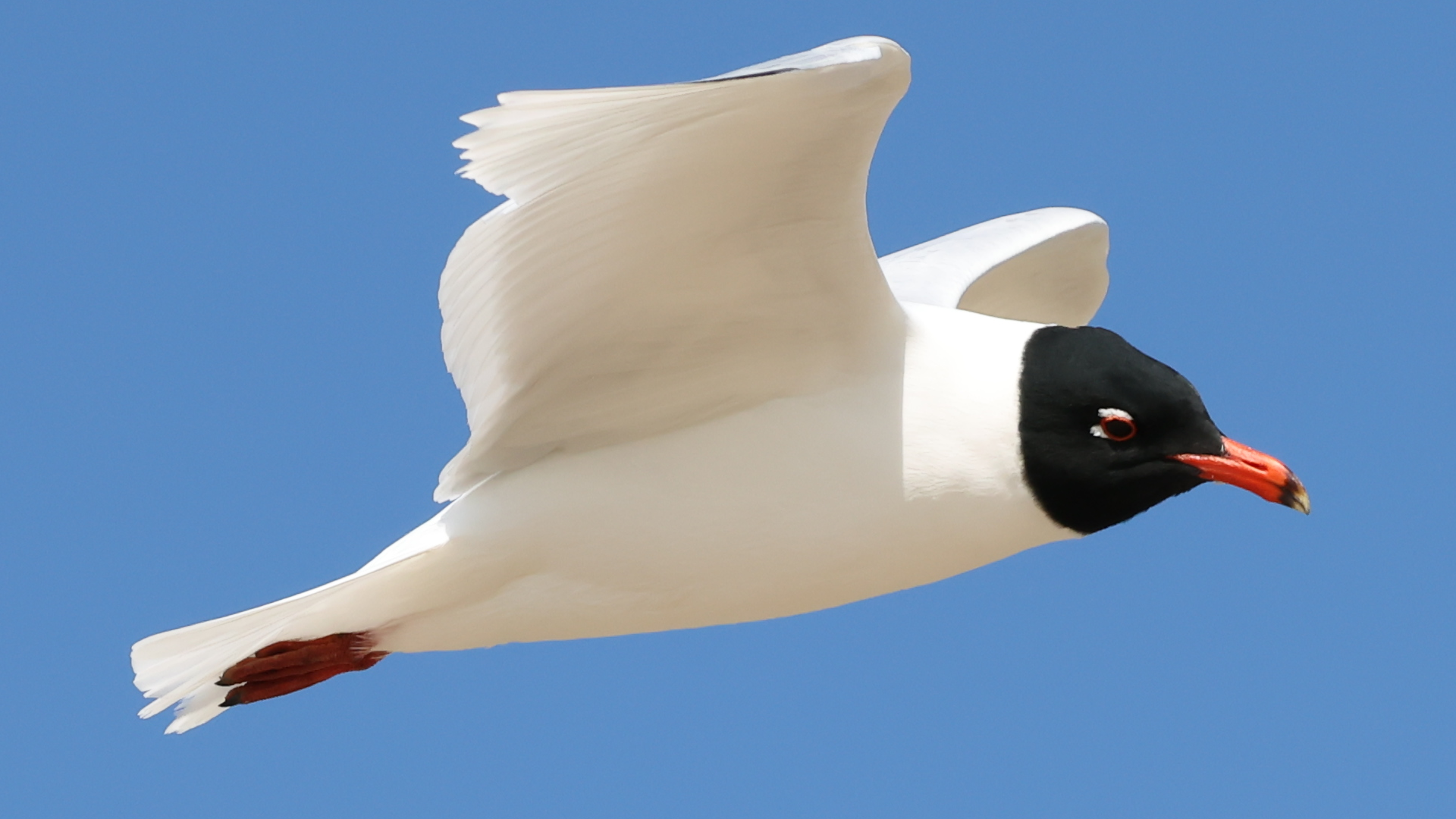
Stephen Laycock reported seeing a Mediterranean gull near Foxburrow Farm. but our regular photographers missed it. However, on a day trip to Leigh-on-Sea, Michael Trump managed to photograph one. The Mediterranean Gull is characterised by its jet-black hood that extends down the back of the neck. In contrast, the black-headed gull features a dark chocolate-brown head or mask that does not cover the entire head as extensively. The Mediterranean gull is slightly larger and stockier than the black-headed gull, and has a thicker, slightly drooping red bill.
#
Kestrel
Falco tinnunculus
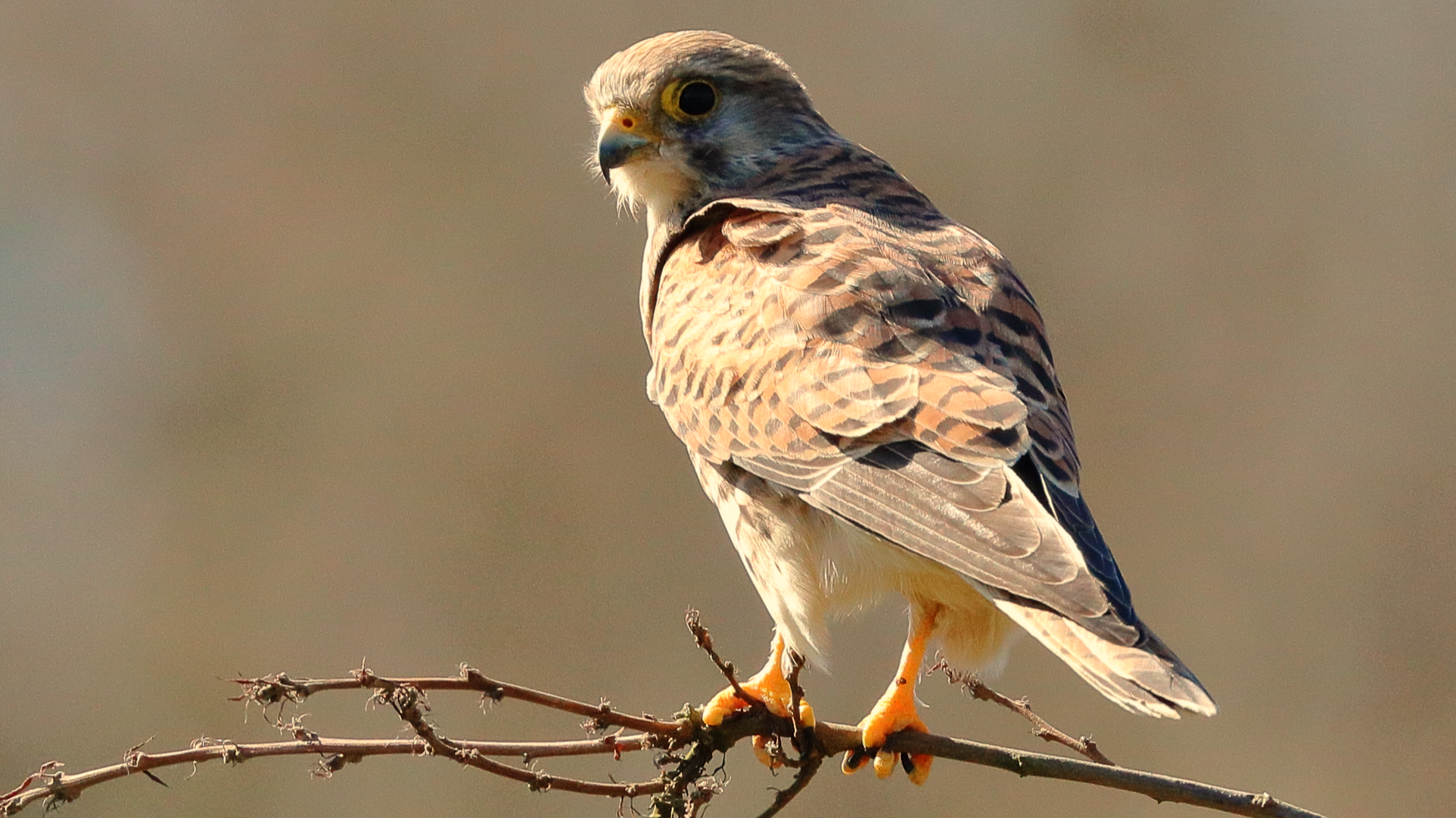
Kestrels are typically found in open habitats, including grasslands, agricultural areas, and heathlands, which provide them with a clear vantage point to observe their prey.
#
Mallard Duck
Anas platyrhynchos
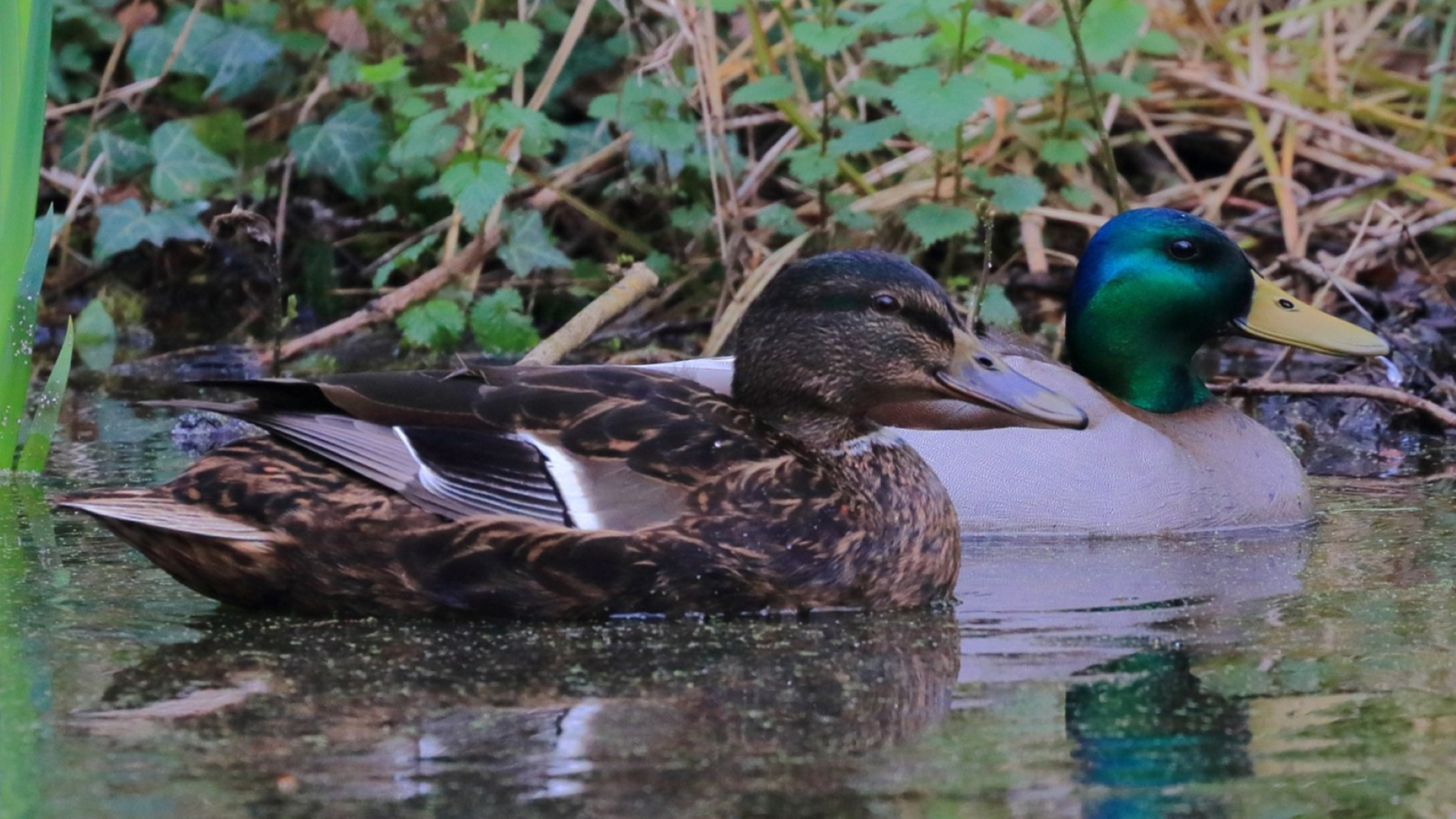
Mallards generally form pairs in autumn and engage in courtship throughout the winter. Females usually lay their eggs between March and July.
#
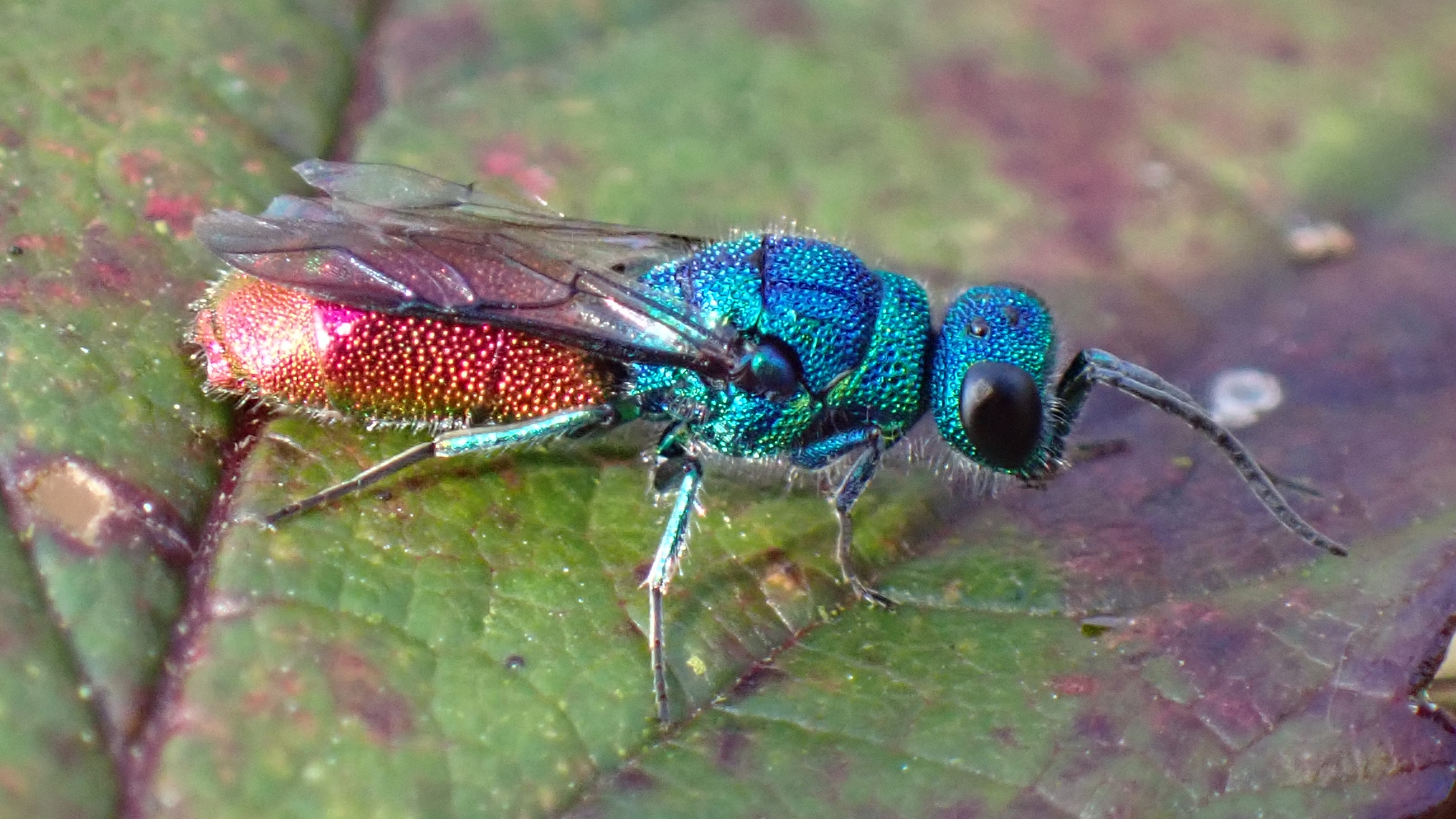
Ruby-tailed Wasp
Chrysis ignita sensu lato
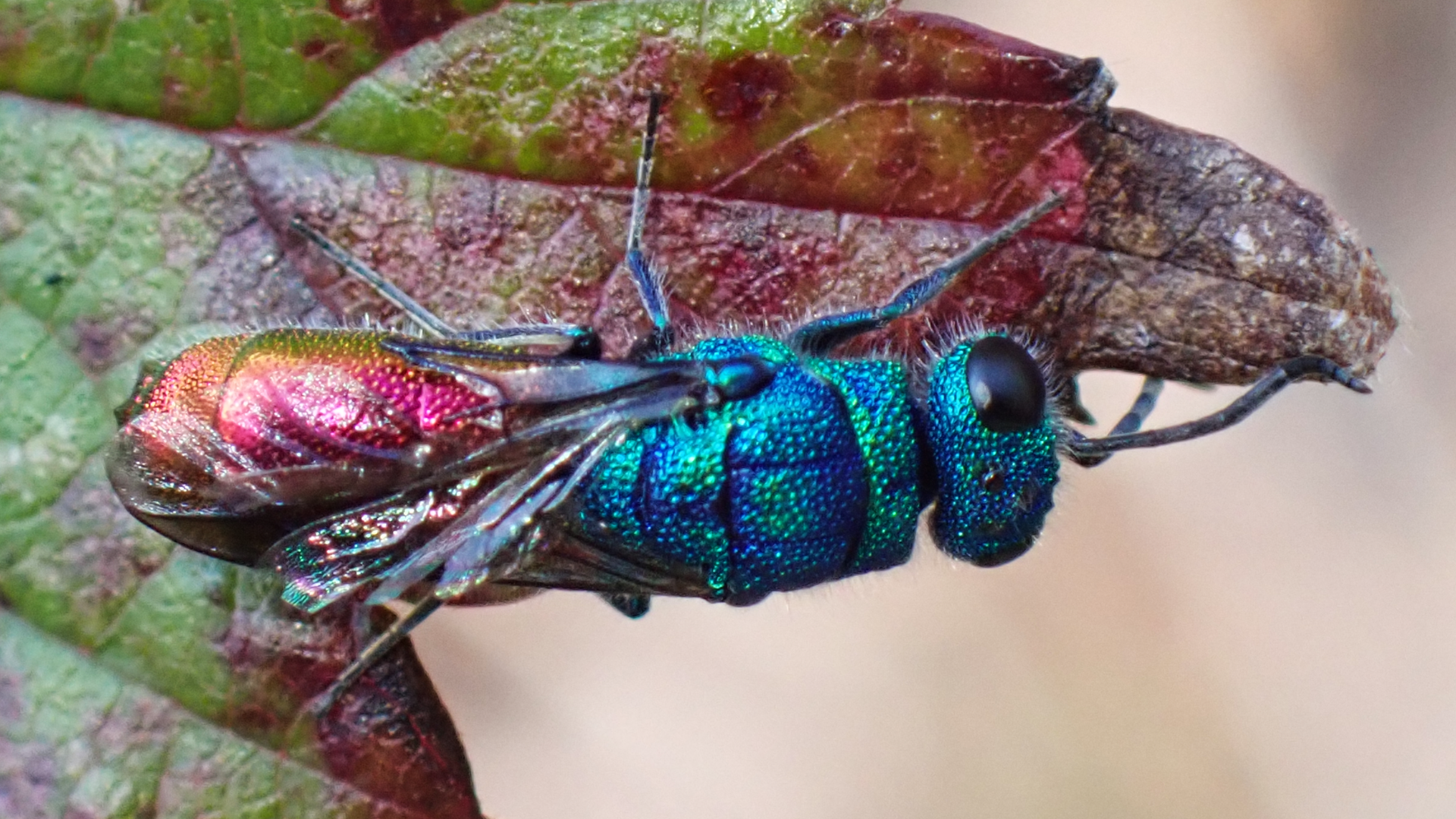
The Ruby-tailed Wasp is characterised by its shiny metallic appearance. It is a solitary wasp, one of several similar species, commonly referred to as 'cuckoo wasps' because they lays eggs in nests of other solitary wasps and bees,
#
Peacock
Aglais io
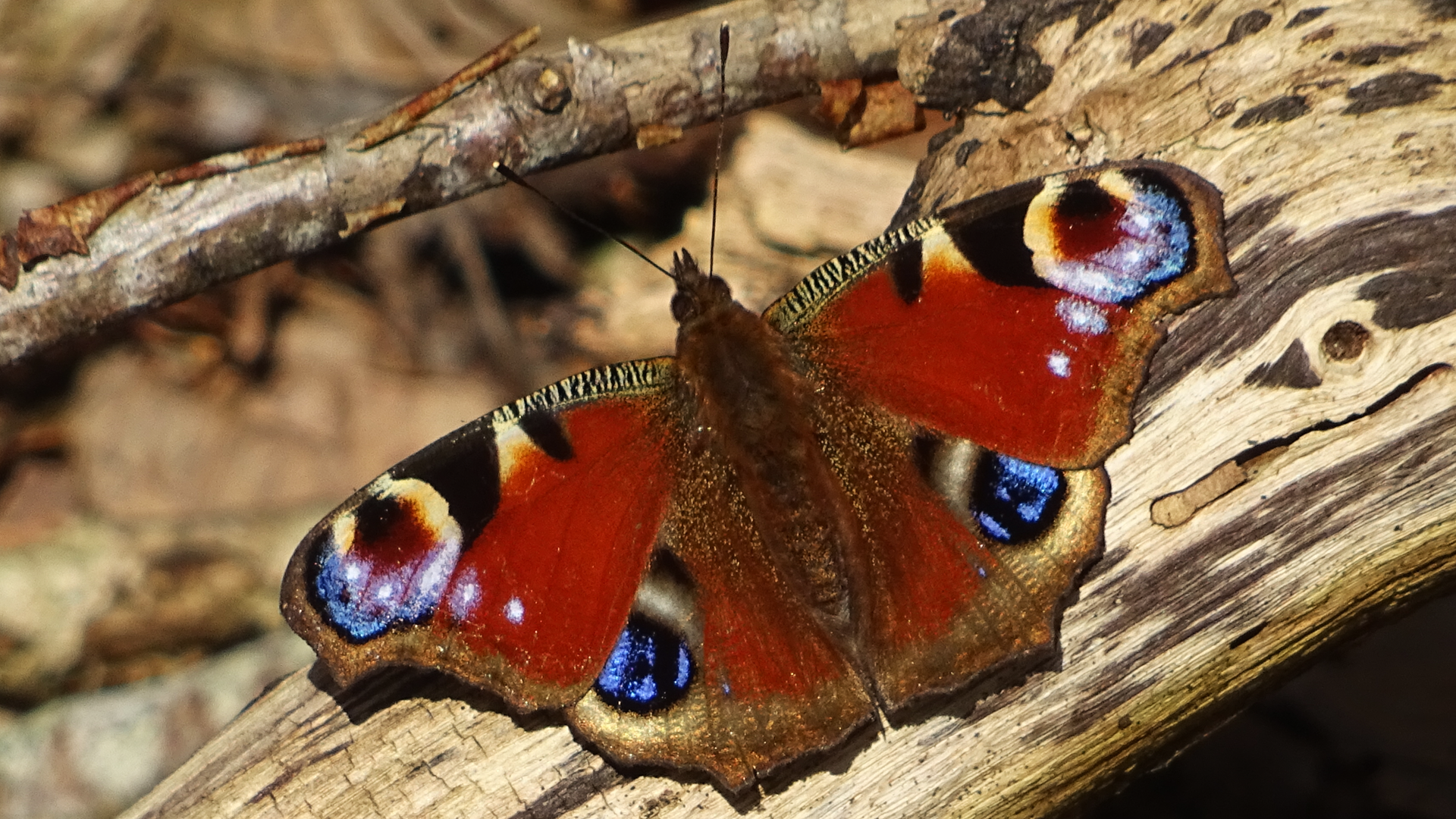
The Peacock butterfly has distinctive wing-spots that serve to startle or confuse predators. Its common name is derived from the markings found on its wings. The undersides of its wings are dark and resemble dead leaves. It is a relatively large butterfly known for its strong flight. It is typically found in woodland clearings and rides, particularly in areas that are shaded.
#
Oak Beauty
Biston strataria
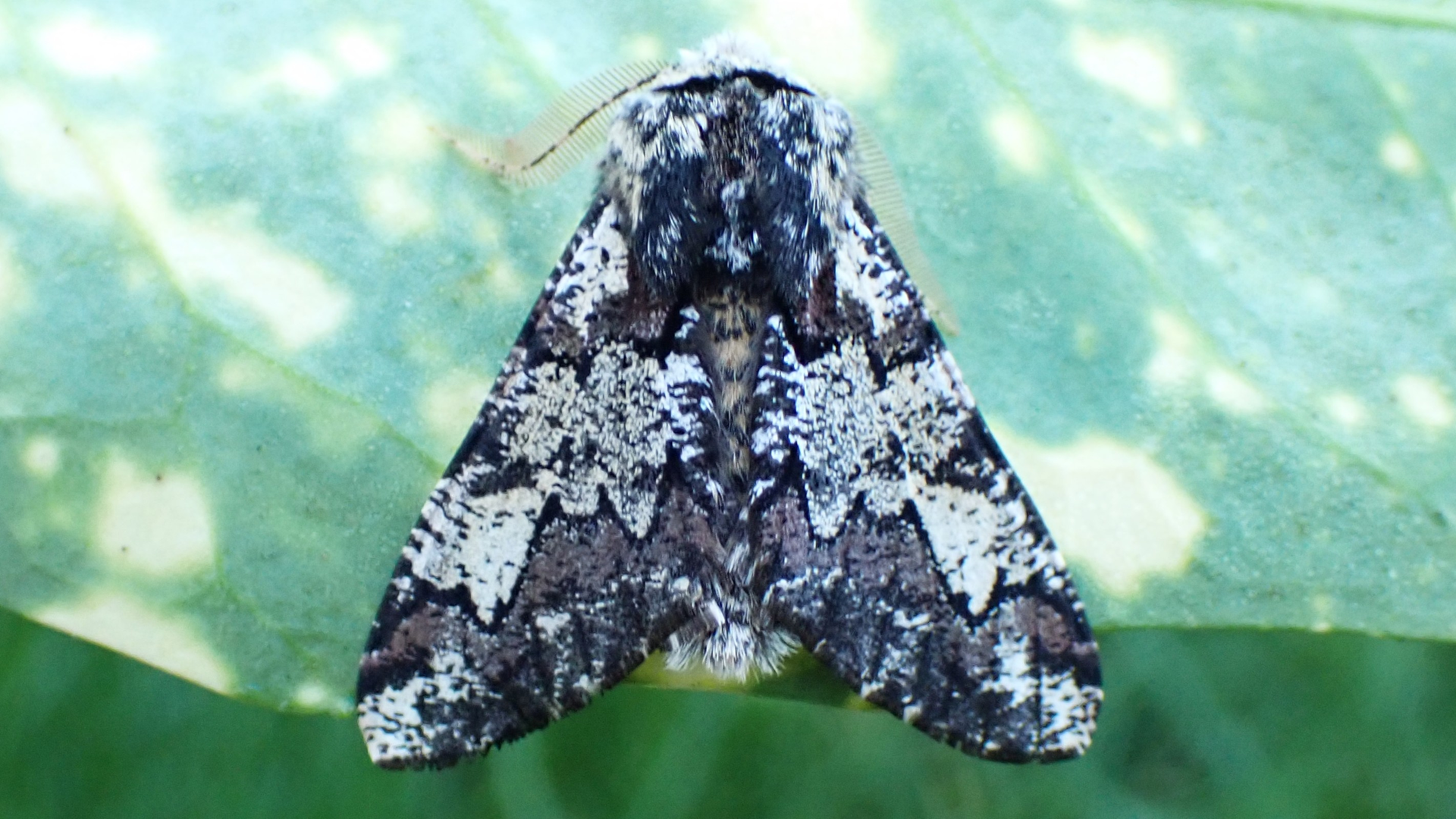
The Oak Beauty is a moth that is active from February to April. The larvae of this species primarily consume foliage from broad-leaved trees.
#
March Moth
Alsophila aescularia
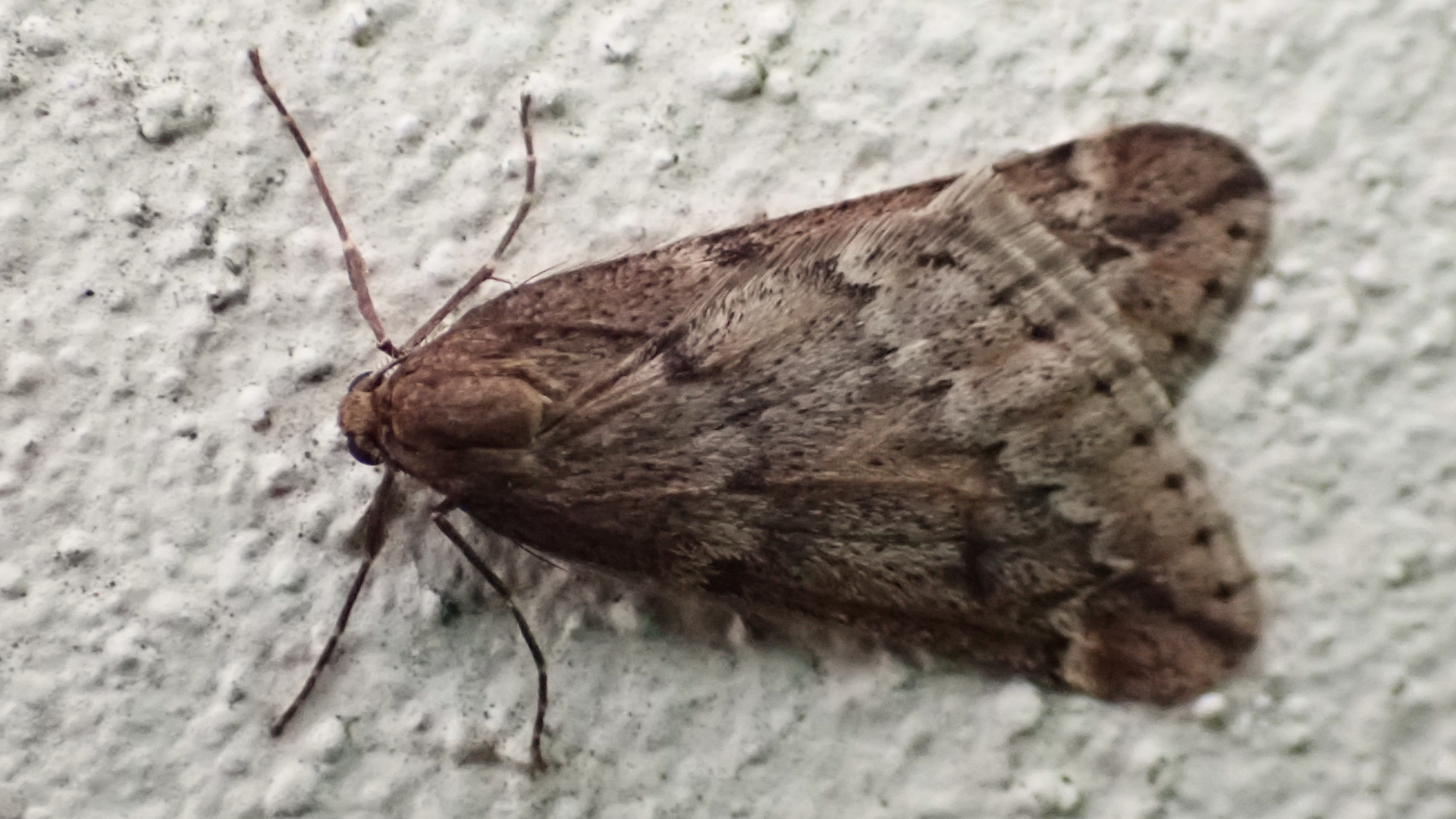
There are extensive records of this woodland species. As suggested by its common name, the male moth mainly flies during March. The females are wingless and rarely seen. The larvae feed on oak, hawthorn, and blackthorn.
#
Muslin Moth
Diaphora mendica
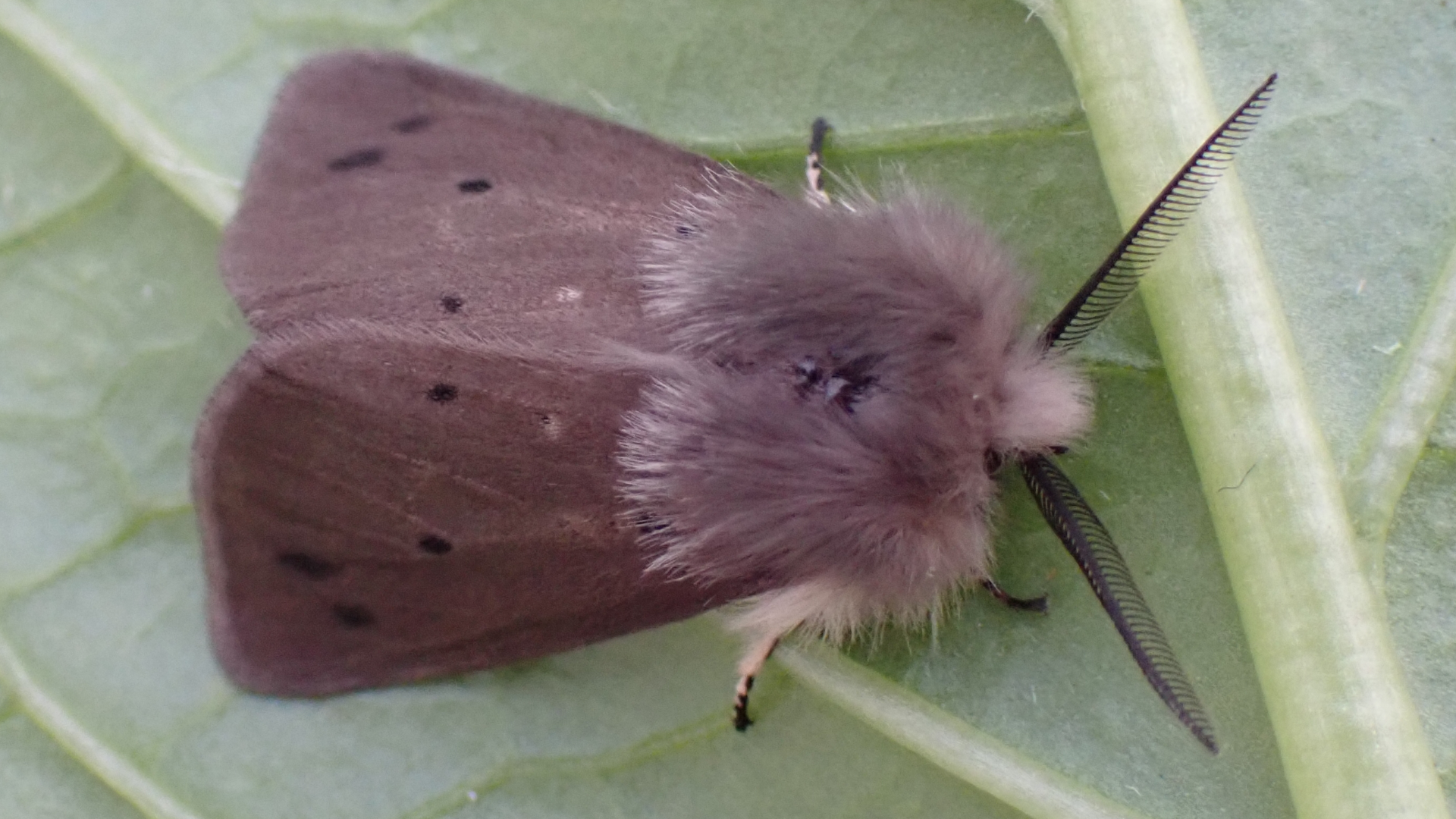
The Muslin Moth is active from late March to June. Males are nocturnal, while females are diurnal. There is a noticeable difference between the two sexes; males are a soft brown colour, whereas females are white, with both displaying sparse black speckling.
#
Brindled Pug
Eupithecia abbreviata
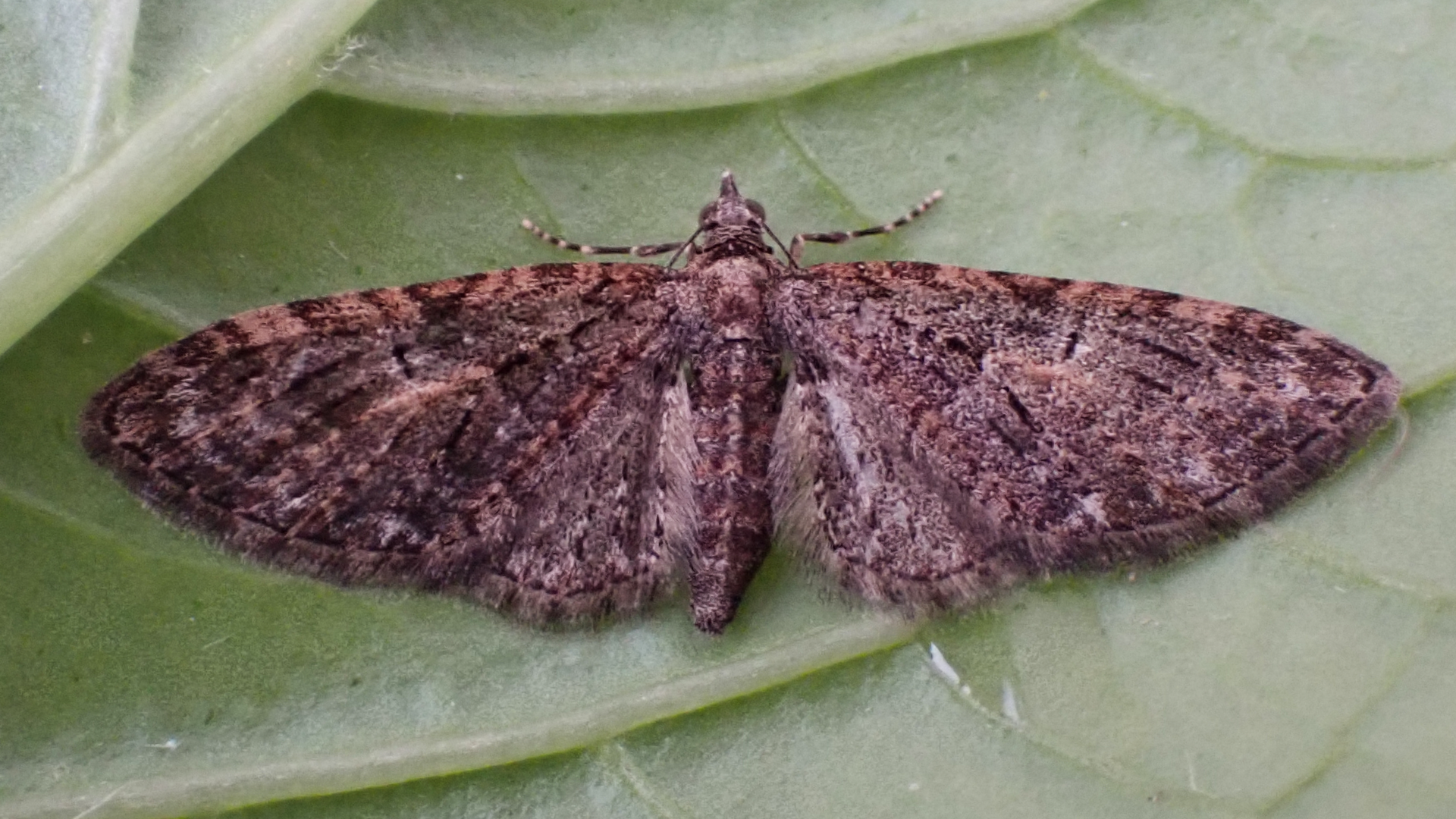
The Brindled Pug is an early spring species that can be found in oak woodlands and heathlands with oak scrub. Its larval food plants include oak and hawthorn.
#
Oak Eggar
Lasiocampa quercus
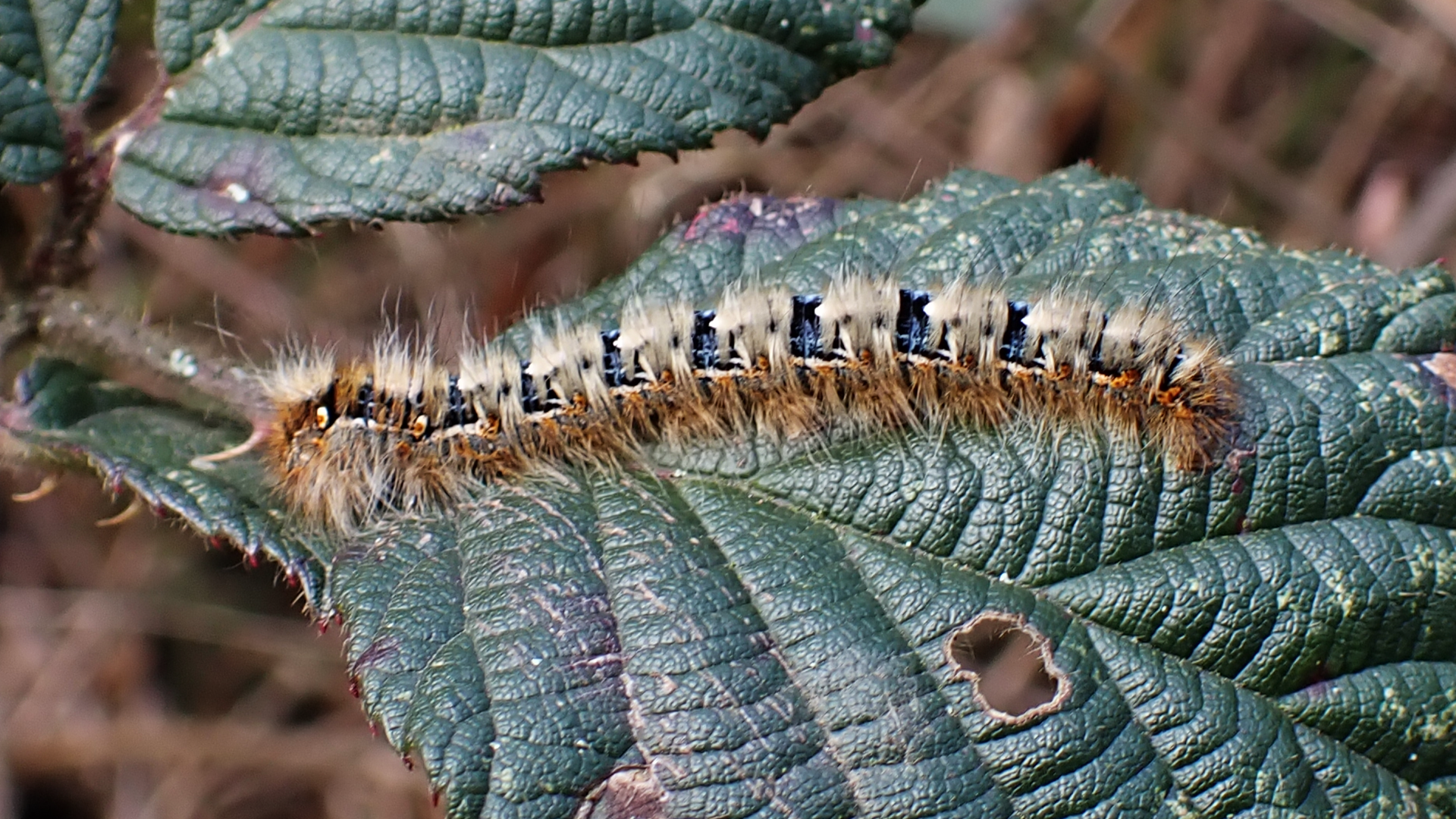
The Oak Eggar moth inhabits various habitats. Its larvae are occasionally seen feeding on bramble. They do not consume oak; the common name is due to their hard, oval, brown acorn-shaped cocoons.
#
Gorse Seed Weevil
Apion ulicis
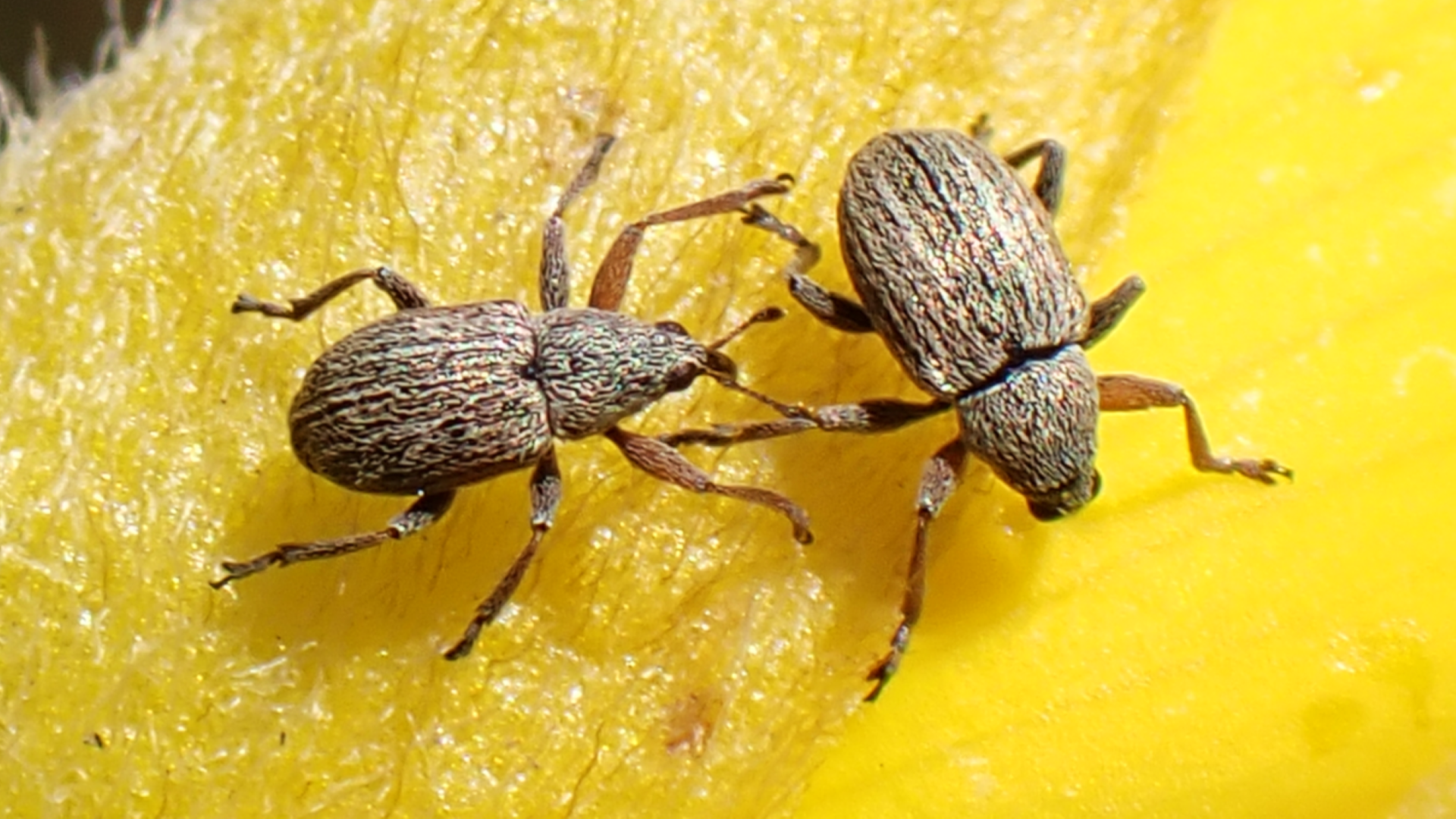
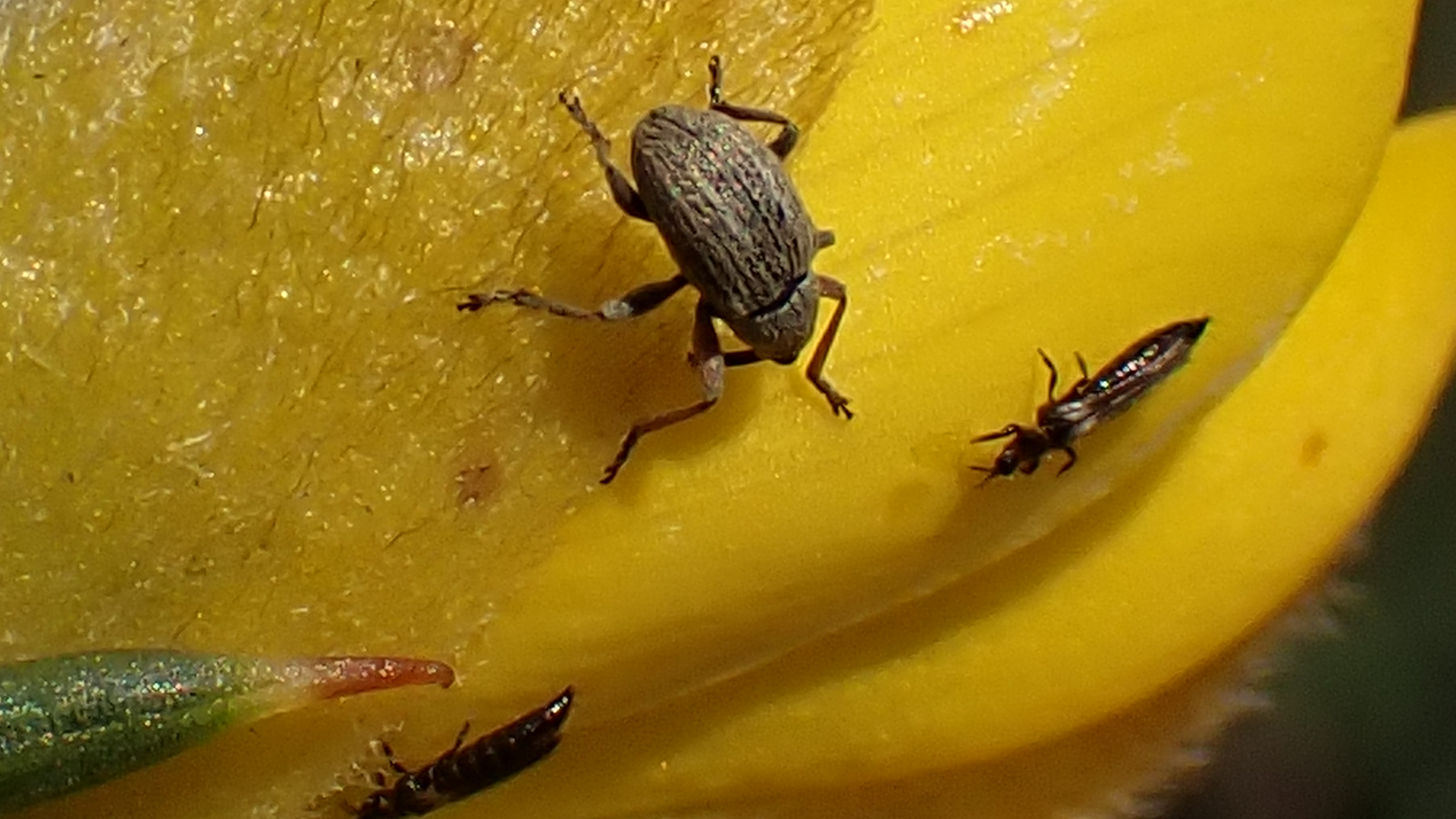
These weevils measure 2-3 mm and have greyish wing cases with lines running along the surface. Females possess a snout that is half the length of their body, while the male's snout is approximately the same length as the pronotum. This species is common on European Gorse. It makes small round holes in the petals. The picture below also shows two thrips, small insects with slender bodies and feather-like wings. They are often referred to as 'thunderflies' because they tend to fly during calm, stormy weather.
#
Dark-edged Bee-fly
Bombylius major
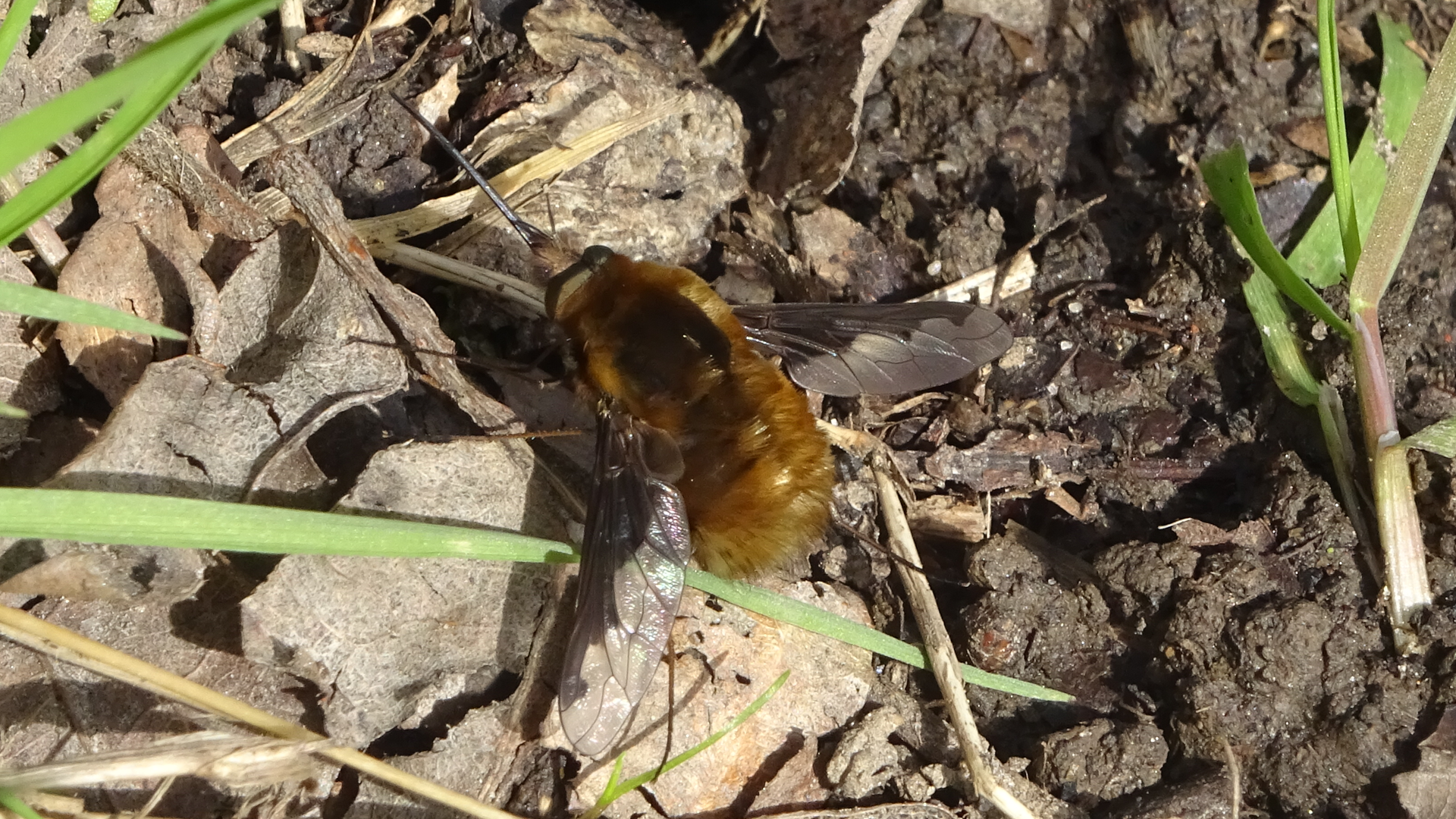
The Dark-edged Bee-fly has a long, straight proboscis that enables it to feed on nectar from spring flowers. It is active in early spring and can often be found basking on leaf litter in the sunshine.
#
Tachinid Fly
Tachina lucida
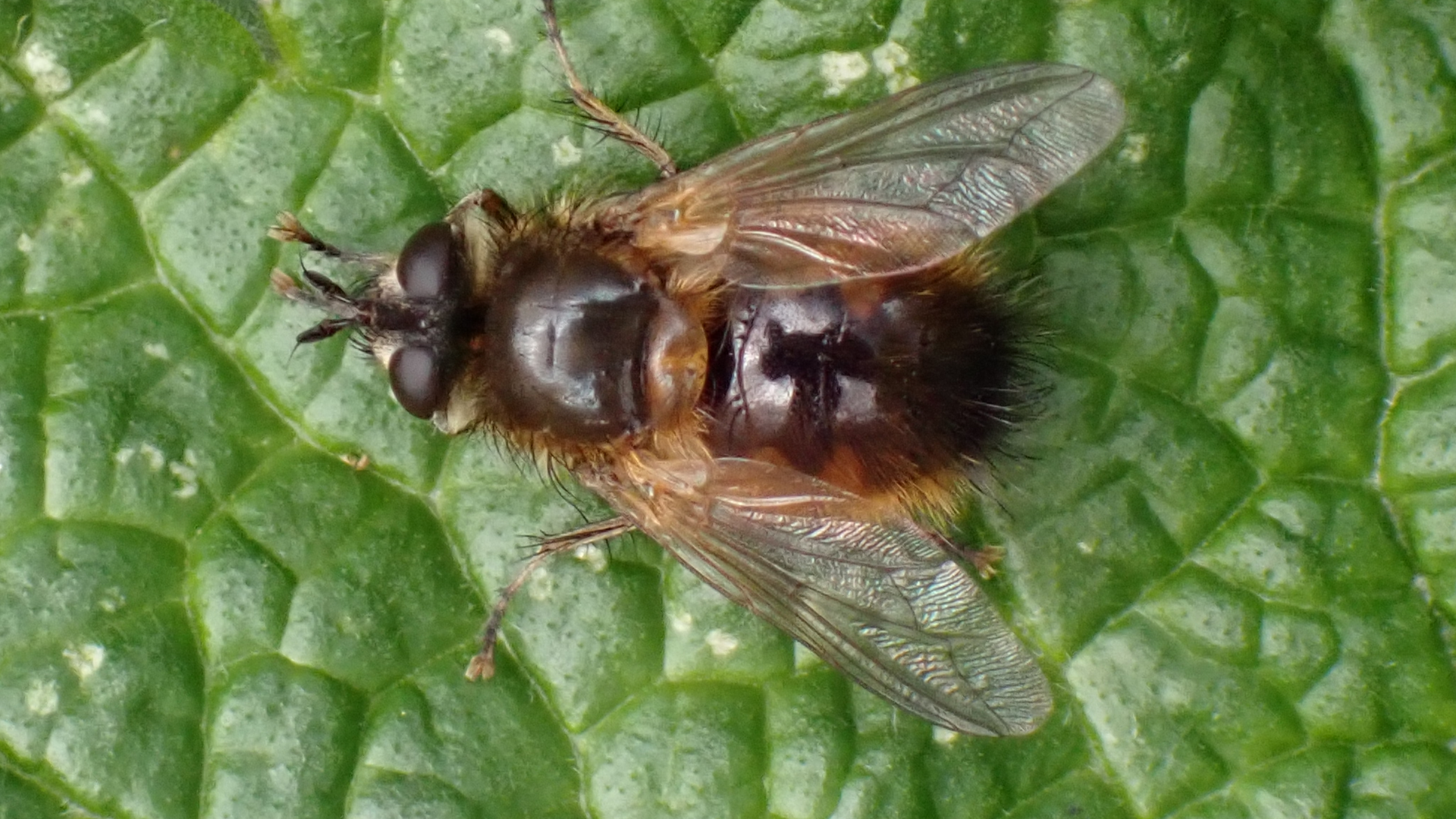
This parasitic fly with a fluffy appearance belongs to the Tachinidae family. Adults are active during early spring. Its larvae develop inside moth caterpillars which they devour.
#
March Fly
Bibio lanigerus
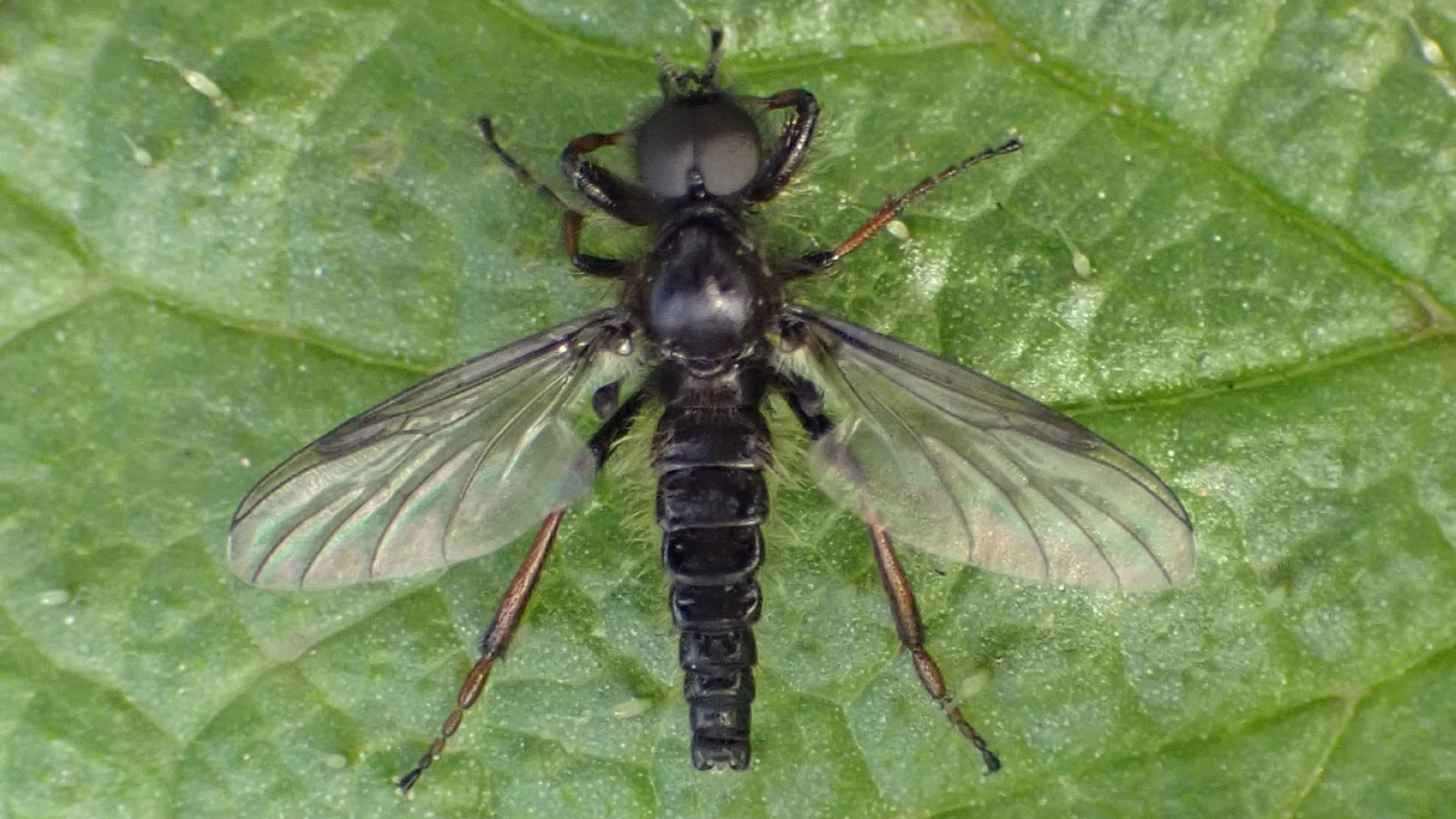
March Flies can be found on hedgerows from late March to May. This particular species measures 5 to 8 mm in length and has reddish-brown legs. Adult males are characterised by their large, bulbous eyes. The larvae are herbivorous, feeding on roots or scavenging on dead leaves.
#
Green Crab Spider
Diaea dorsata

One of the smaller crab spiders typically found in woodland areas. It has a preference for evergreen bushes and conifers. Females can reach up to 6 mm, while males can grow up to 4 mm. This spider has the ability to change its colour to blend in with its environment, although this can be a slow process. The spider rests with legs apart waiting to catch unsuspecting insects that land nearby.
#
Buff-tailed Bumblebee
Bombus terrestris

Buff-tailed bumblebees are large bees that emerge from hibernation in early spring. They are named after the buff-coloured tail of the queen. They typically nest underground in sizable groups of over 500 bees often utilising abandoned mammal nests.
#
Seven-spot Ladybird
Coccinella septempunctata
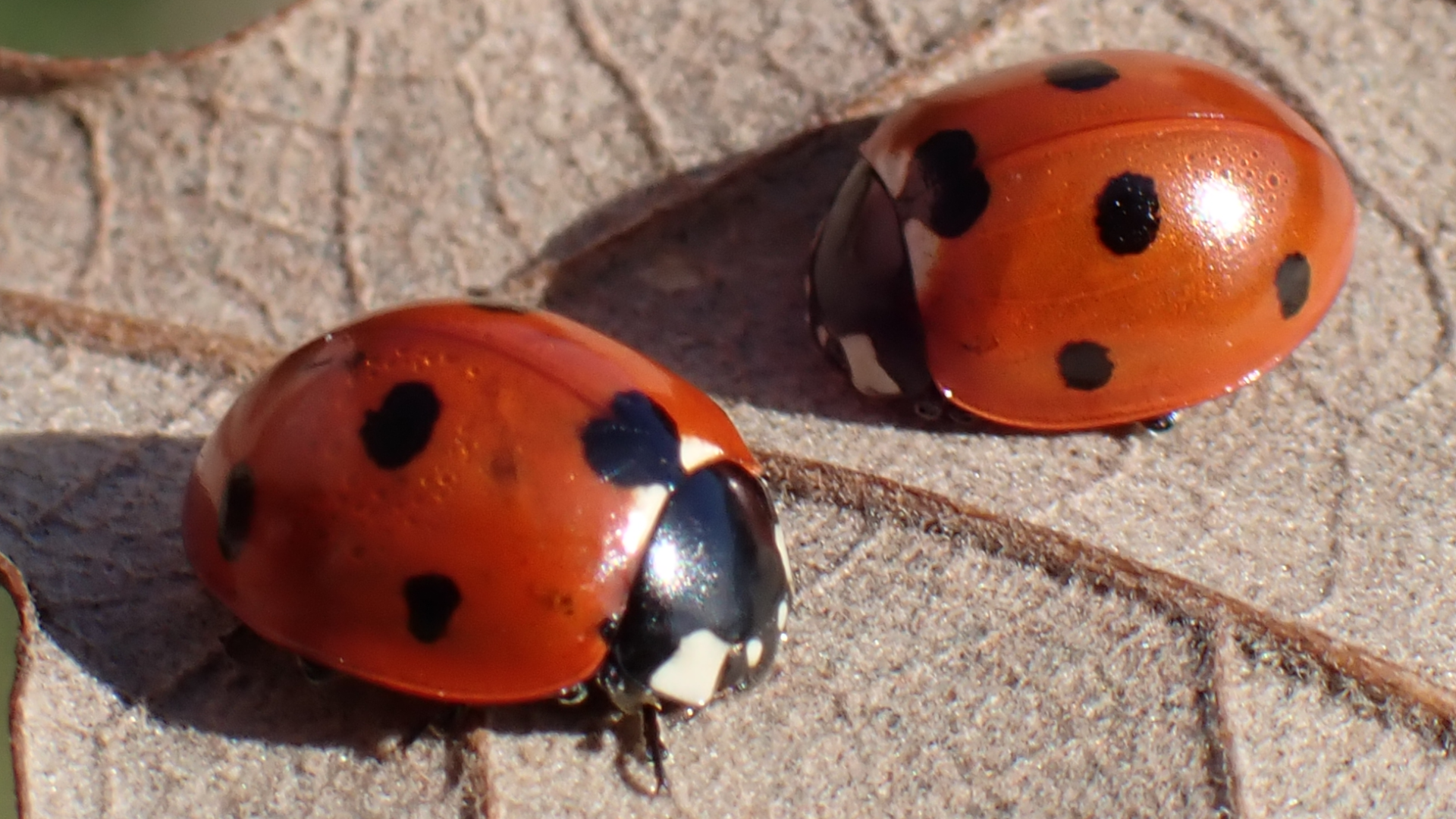
The Seven-spot ladybird is considered one of the most prevalent ladybirds in Europe. Each wing case features three black spots, along with an additional spot present on both elytra behind the pronotum, leading to a total of seven spots. They are recognised for their predation on aphids. The adult individuals generally overwinter beneath rocks, within leaf litter, and beneath tree bark.
#
Knapweed Rhopalid
Stictopleurus abutilon
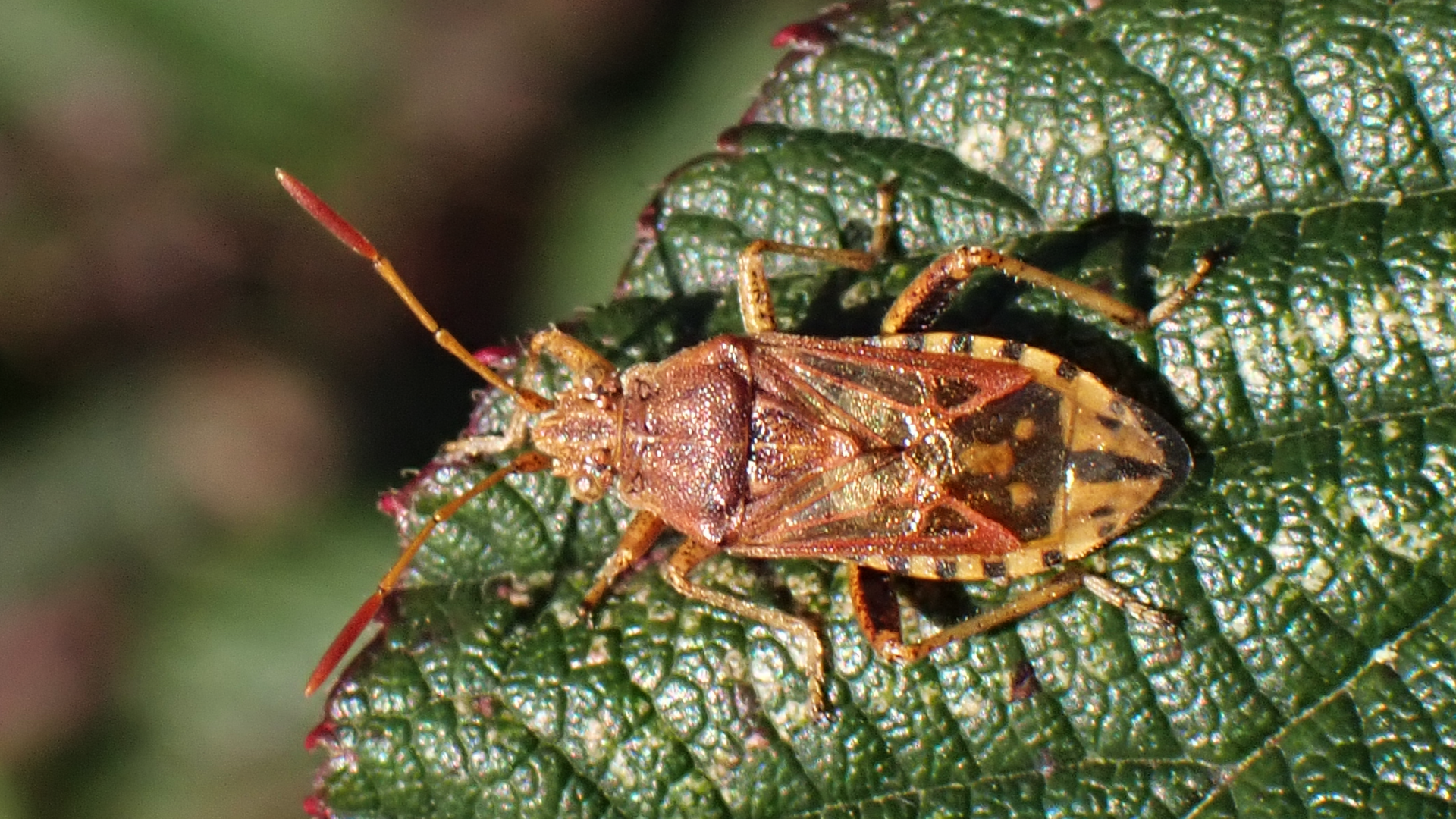
These bugs are generally found in wooded areas, grassy places, and brownfield sites, often on plants such as knapweed or mugwort. They have a broad oval abdomen, a banded connexivum, and a spatulate tip on the scutellum. This species is commonly identified by two complete dark circles situated behind the anterior margin, accompanied by a narrow impunctate band in front.
#
Coltsfoot
Tussilago farfara
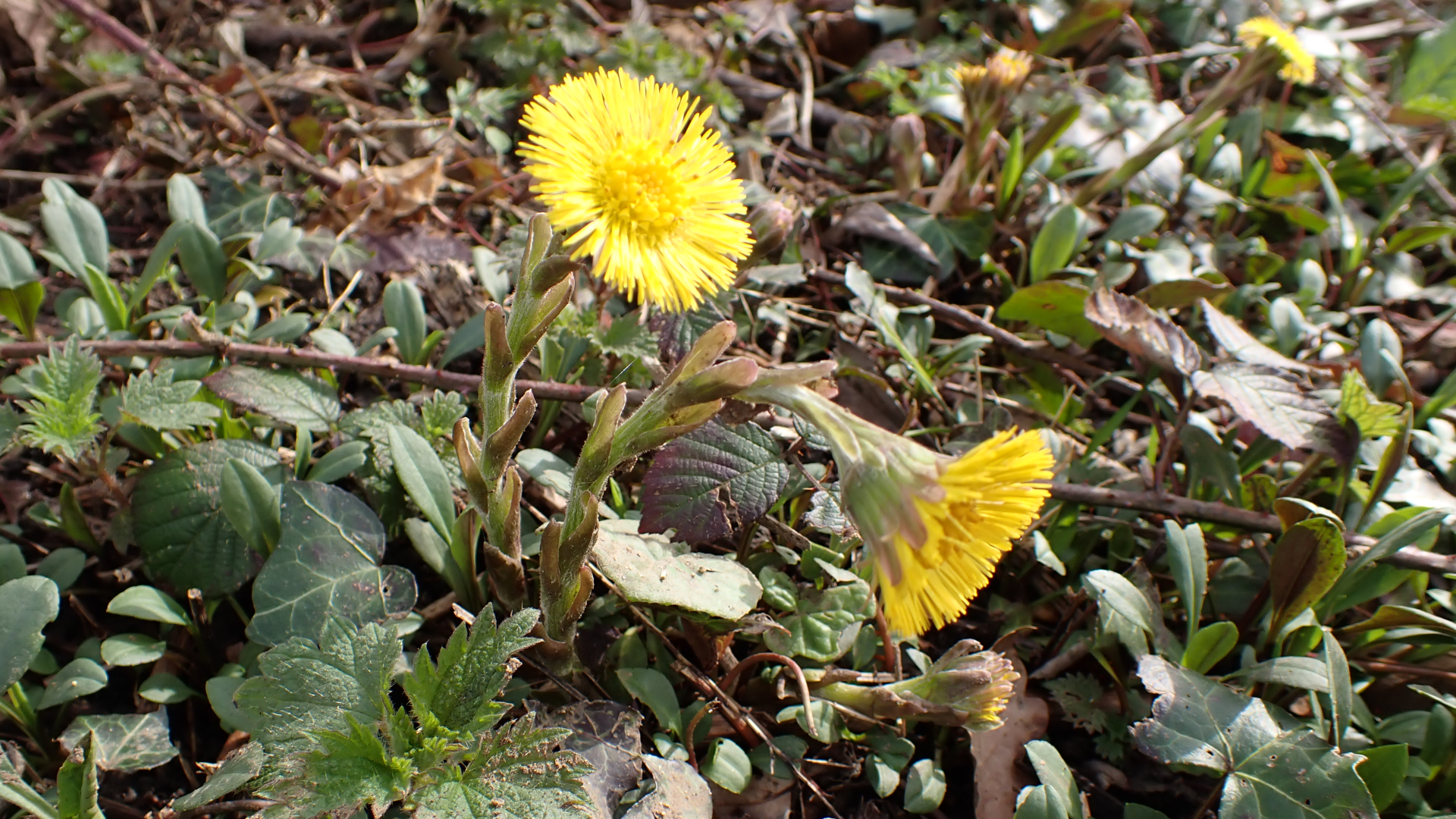
Coltsfoot has solitary yellow flower-heads that appear on scaly stems. Heart-shaped leaves appear after the flowers. Often found at the edge of Hainault Lake and bare ground during spring.
#
Dandelion
Taraxacum officinale agg.
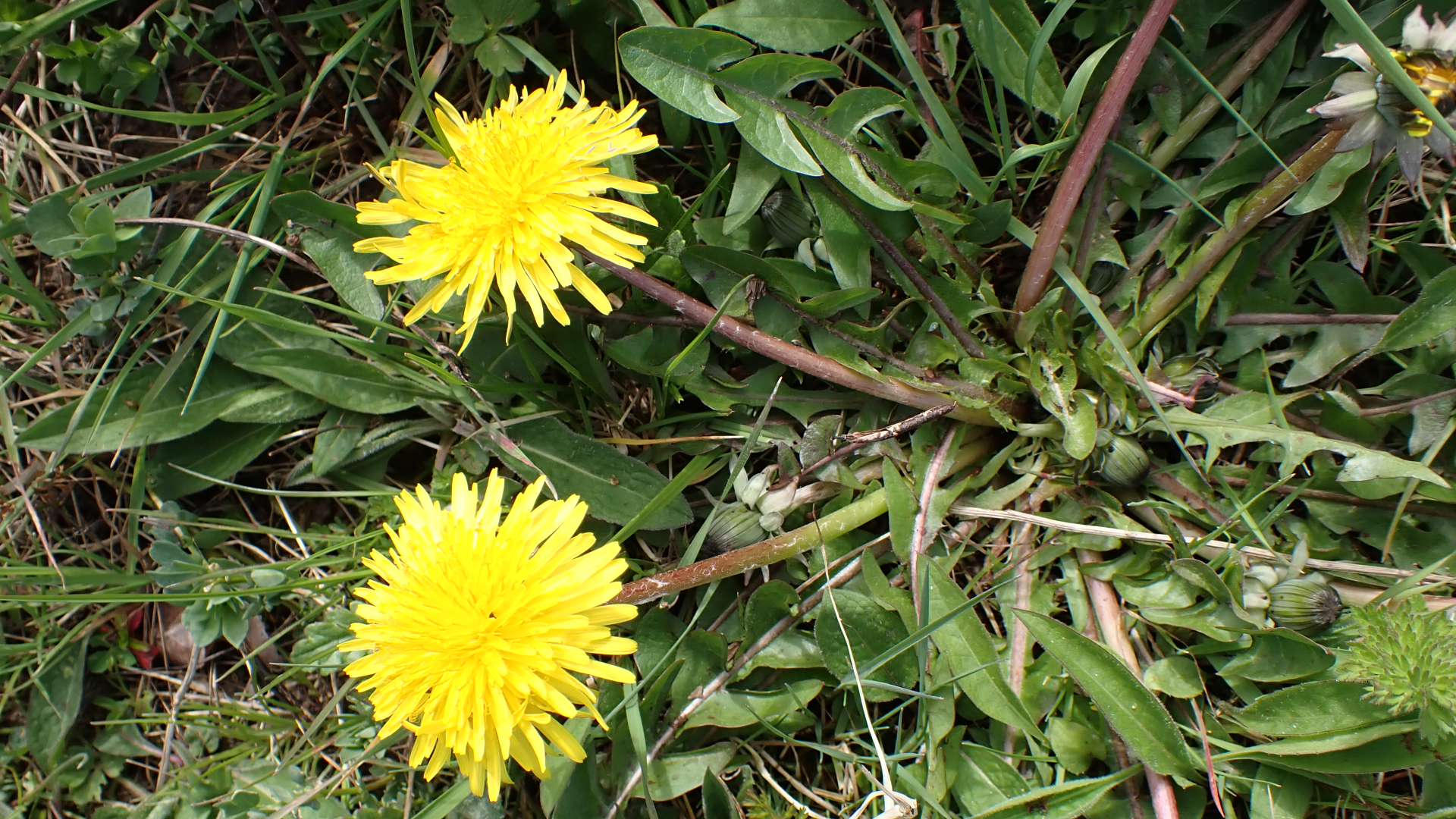
The common dandelion appears in a range of forms making identification of each micro-species challenging. However, it is well-known for having yellow flower heads with closely packed florets (small flowers). The stem releases a milky white sap when broken and the leaves are lobed. Upon fruiting, the seeds develop fluffy, white parachutes which get carried away on the wind.
#
Lesser Celandine
Ficaria sp.
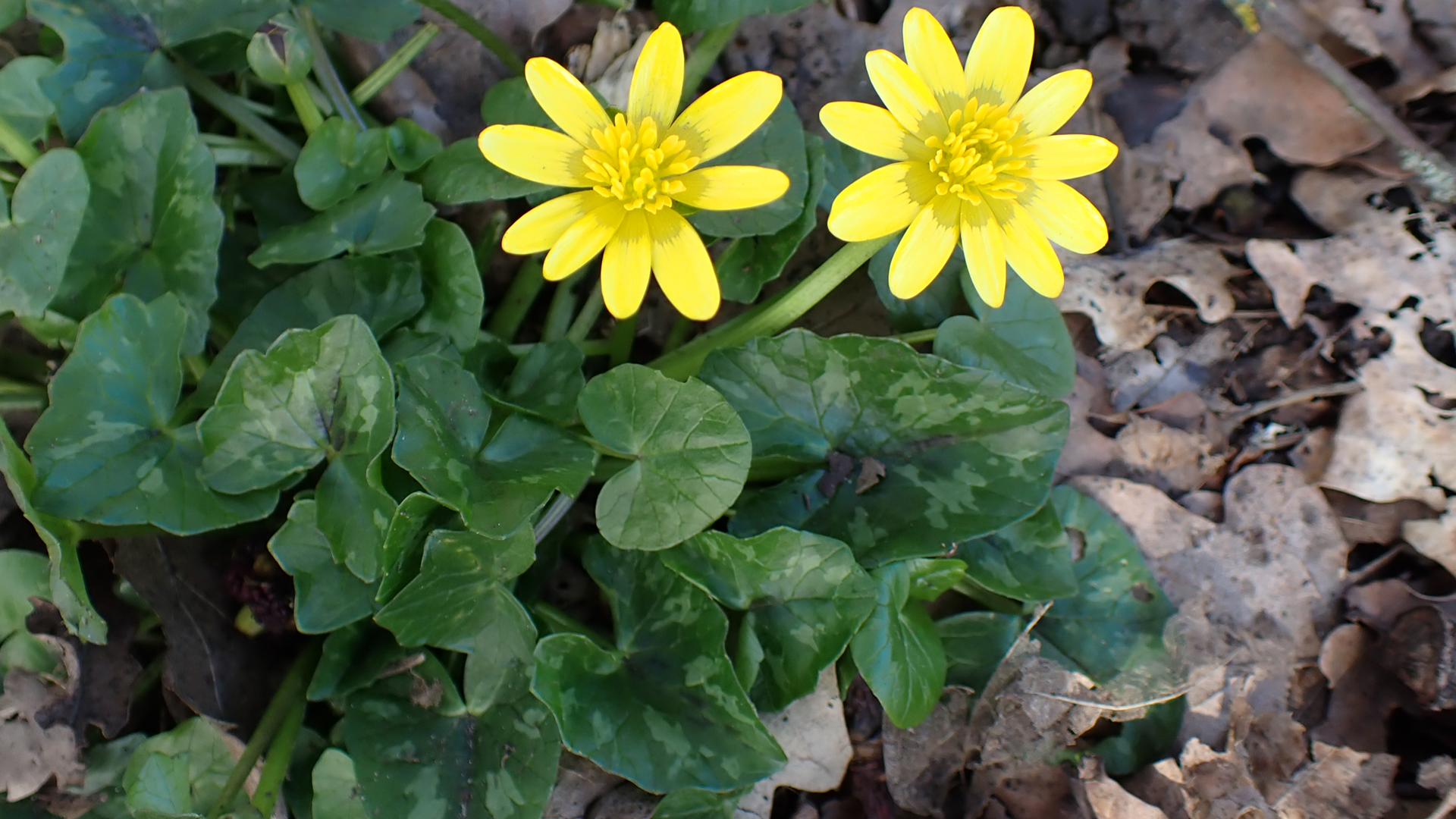
Lesser Celandine, also known as Pilewort, is a low-growing, glabrous perennial belonging to the buttercup family, Ranunculaceae. It features fleshy, dark green, heart-shaped leaves and has characteristic flowers that display bright yellow, glossy petals.
#
Common Daisy
Bellis perennis
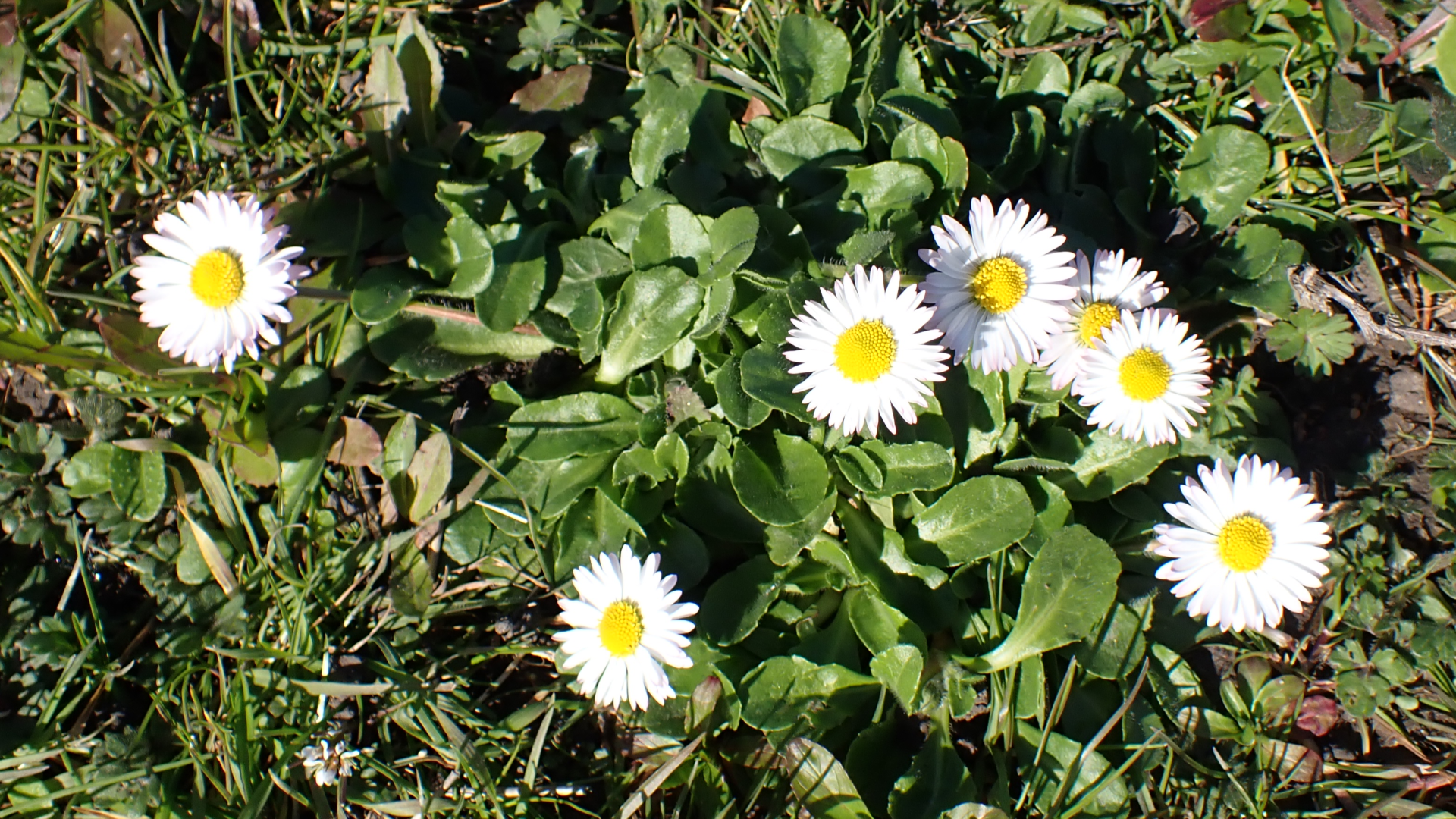
The Daisy has spoon-shaped leaves that create a rosette at the base of the plant. Daisies have preference for short grass habitats. A singular stem emerges from the base, supporting the flower head, which consists not of a single flower but rather a composite of numerous small flowers. These include the yellow disc, formed by the 'disc florets,' and the surrounding white 'ray florets' that resemble petals.
#
Red Deadnettle
Lamium purpureum
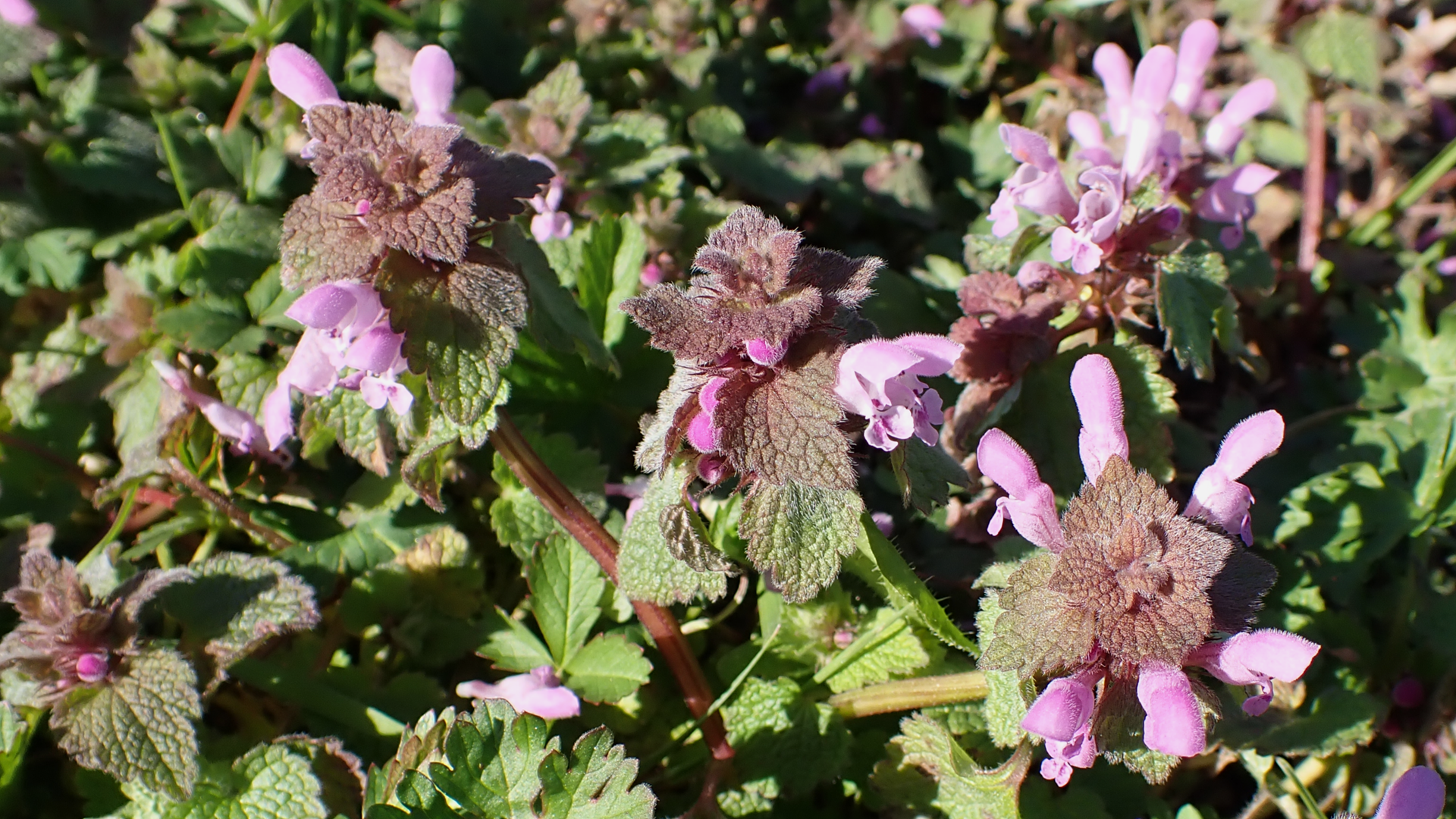
Red Deadnettle has dense clusters of pinkish-red flowers arranged in whorls along its square stem and is commonly found in disturbed environments, such as roadside verges. It belongs to the Mint family and does not sting.
#
Yellow Archangel
Lamiastrum galeobdolon subsp. argentatum
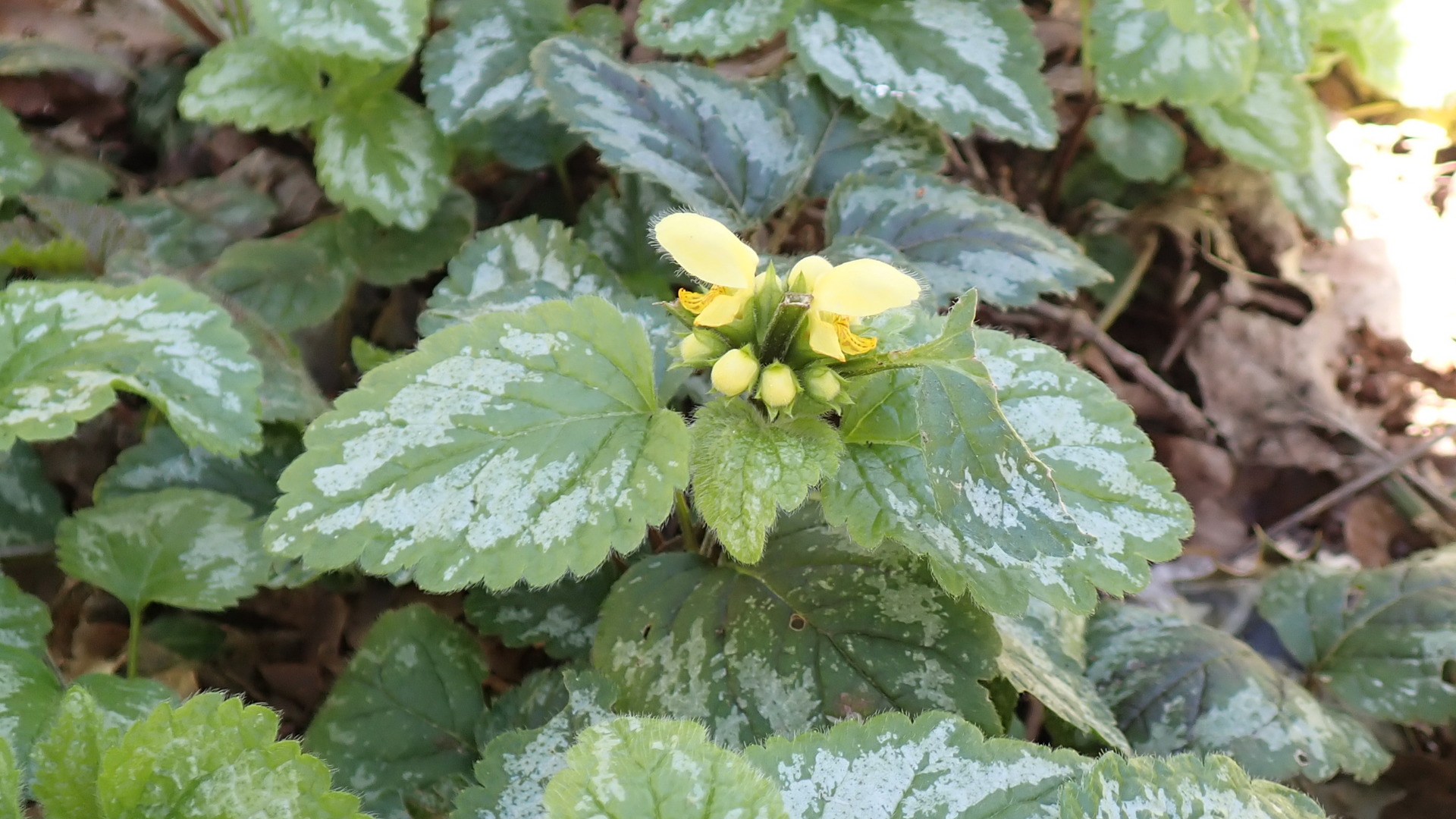
Yellow Archangel is a hairy perennial deadnettle that superficially resembles a stinging nettle. It features heart-shaped or oval, toothed leaves and clusters of yellow, hooded flowers that grow along the stem. This picture shows an invasive variety, sometimes referred to as 'Aluminium Archangel' due to the silver streaks on its leaves.
#
Ground Ivy
Glechoma hederacea
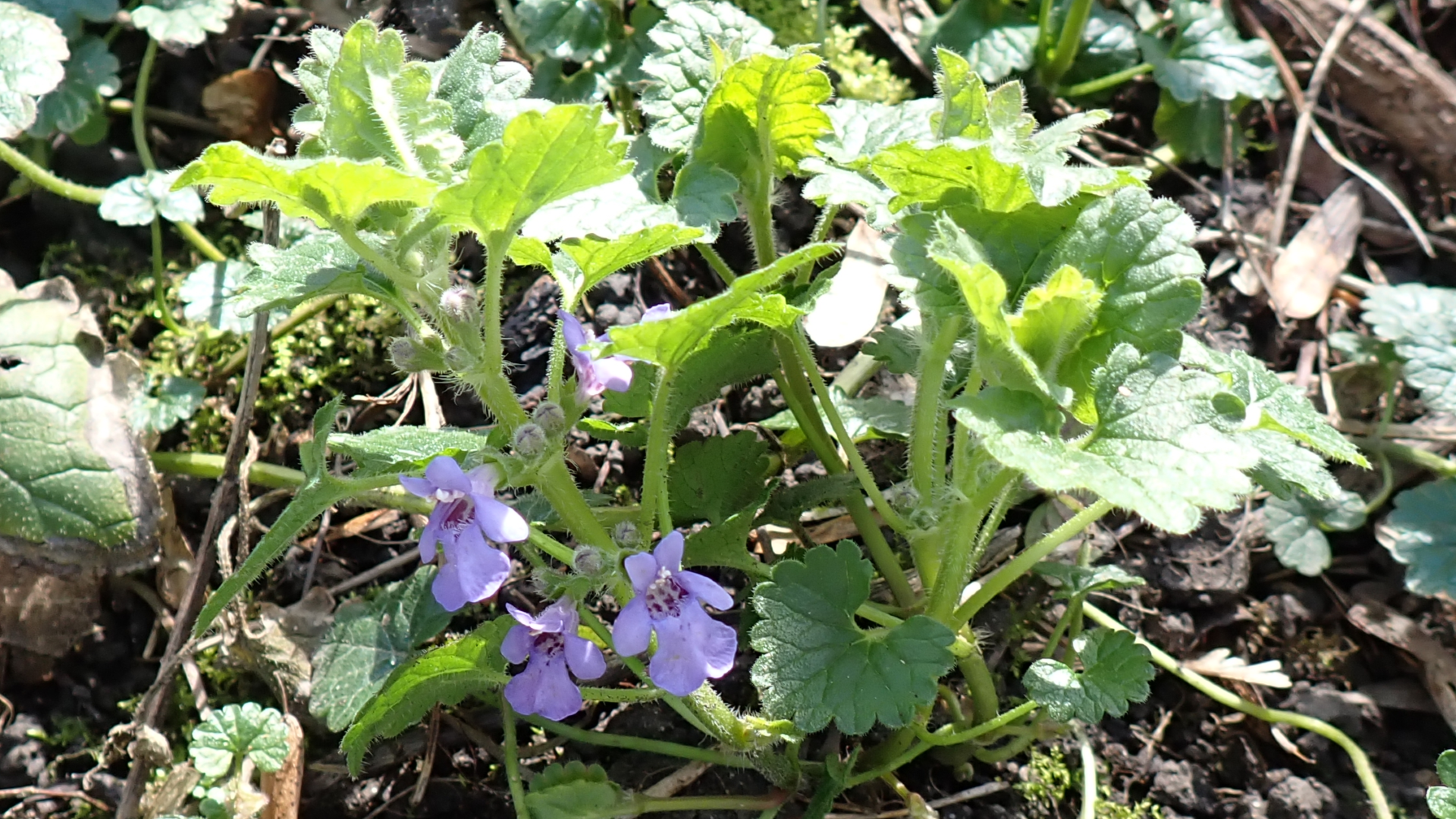
Ground-ivy is a clump-forming aromatic deadnettle, that prefers woodlands, hedgerows, and damp areas. The leaves are kidney-shaped, bright green, and have toothed edges, extending from the stem on relatively long stalks. Its violet flowers grow in clusters of two to four.
#
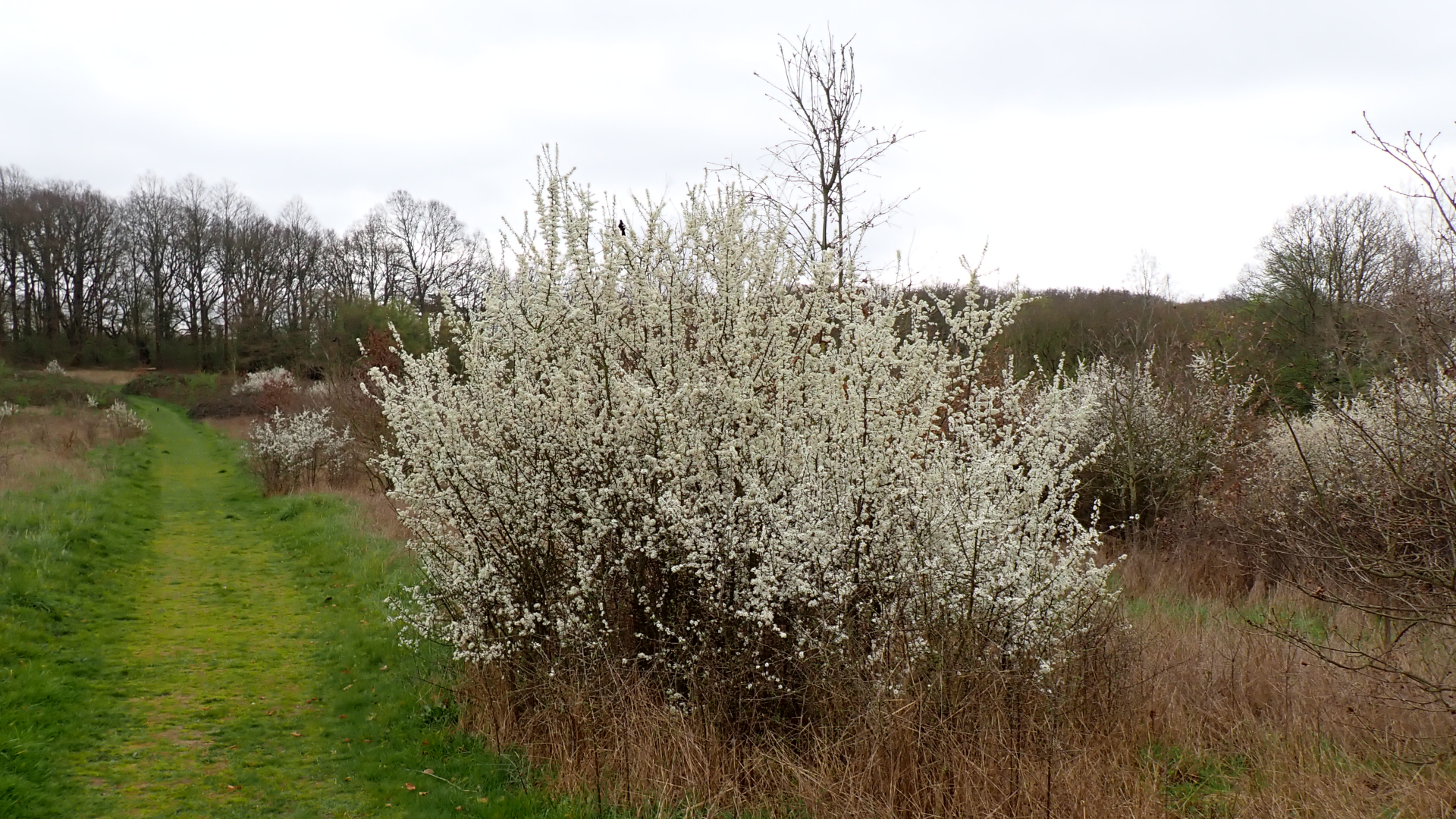
Blackthorn
Prunus spinosa
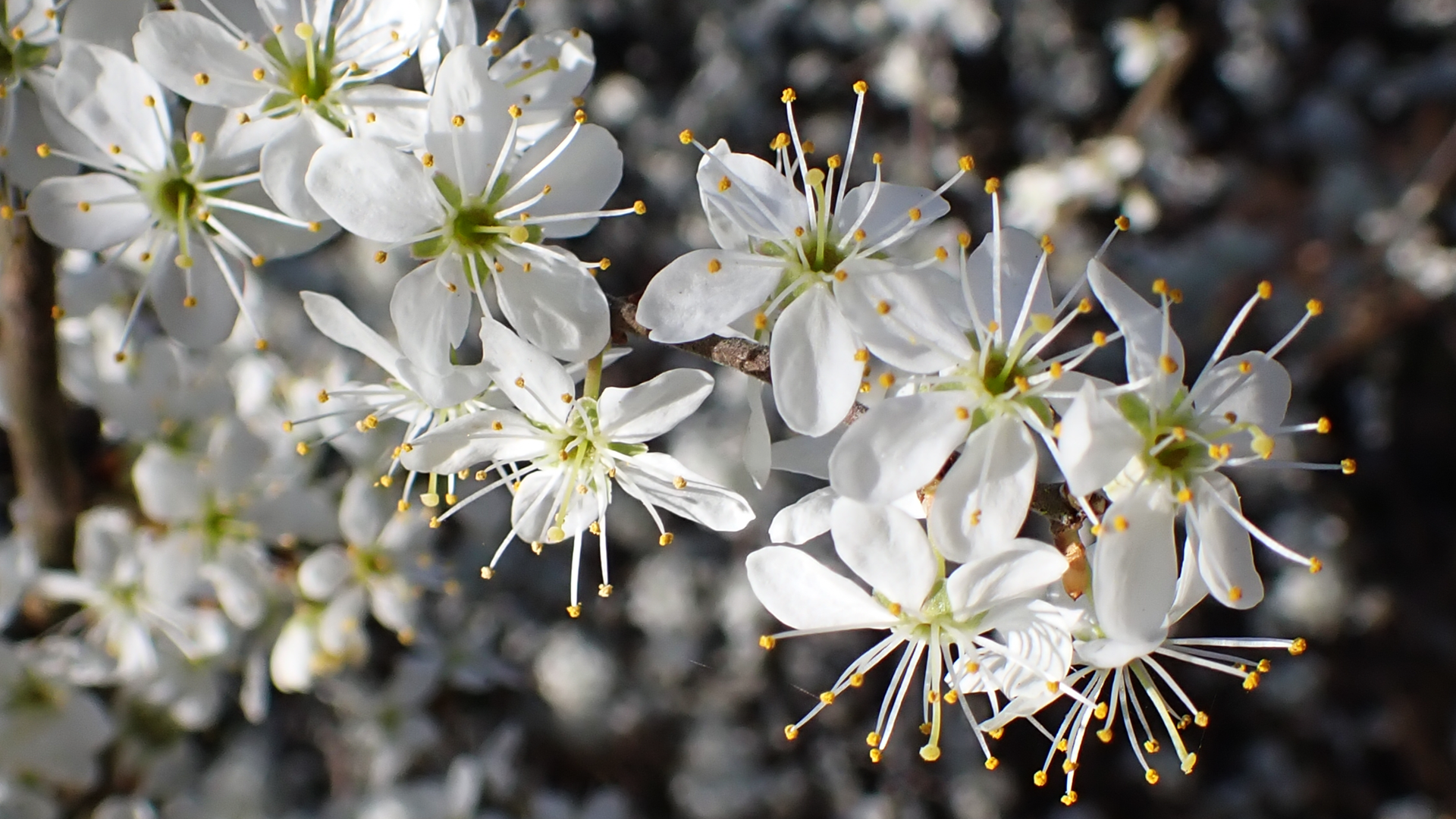
Blackthorn is a species of flowering plant belonging to the Rosaceae family. Historically, it was used as a fencing barrier in Hainault Forest to prevent cattle from entering fields where crops were growing.
#
European Gorse
Ulex europaeus
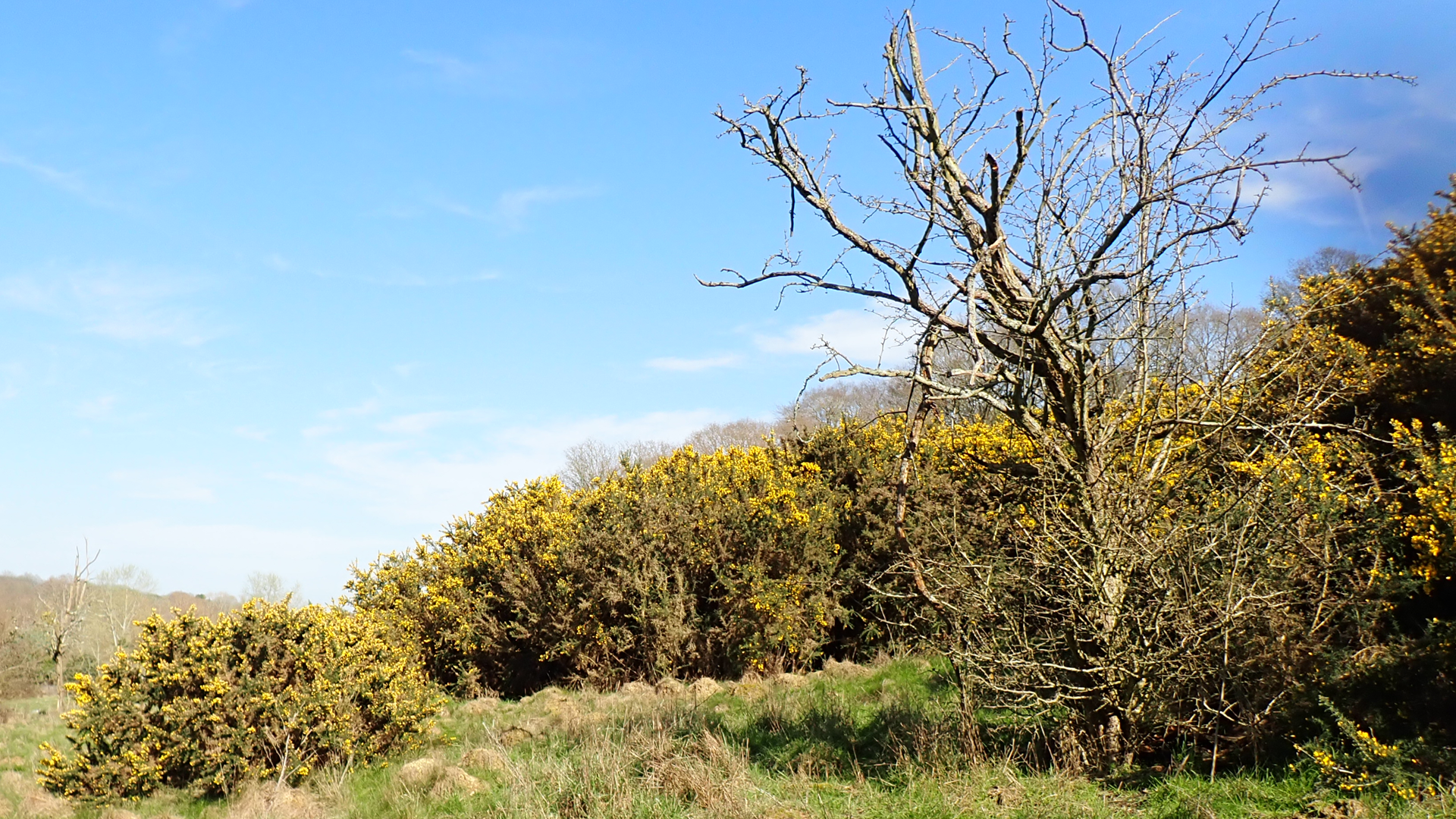
European Gorse is a bushy evergreen shrub characterised by its spiny, extensively branched stems and solitary bright yellow flowers, which emit a coconut-like fragrance. The flowers, measuring approximately 2 cm in length, predominantly bloom during the winter and spring seasons.
#
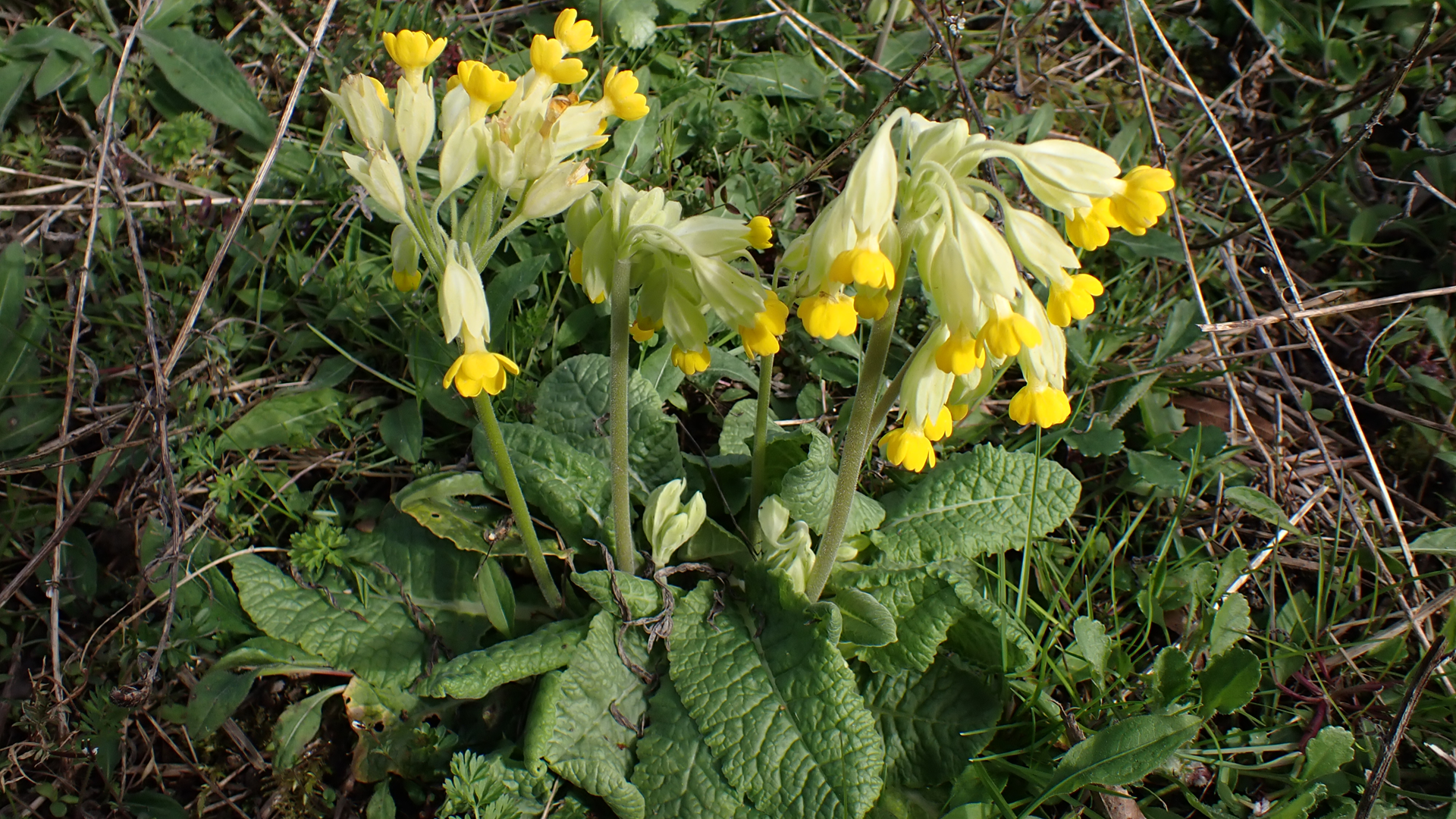
Cowslip
Primula veris
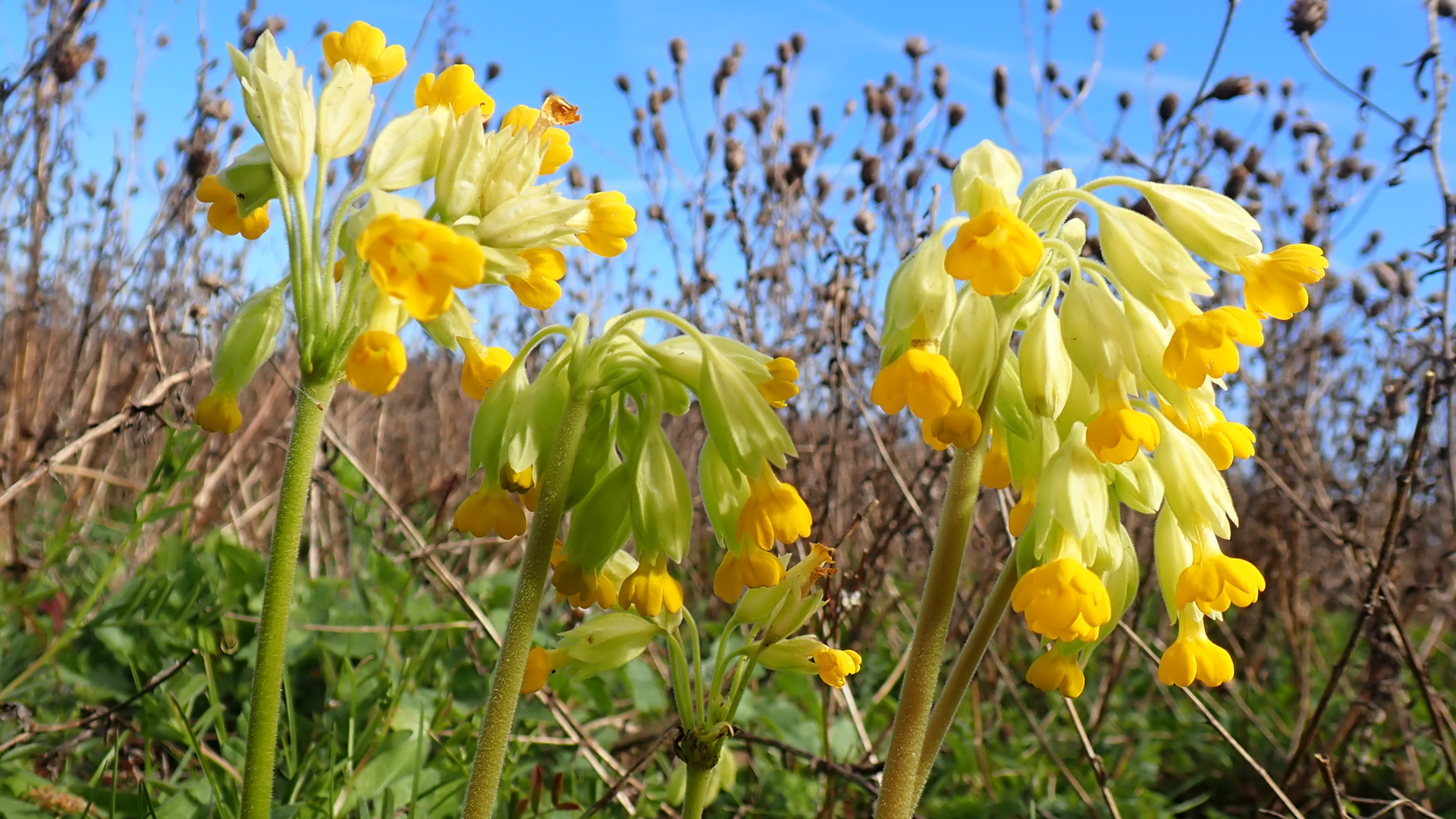
The Cowslip is a springtime flower that belongs to the Primrose family. It features a rosette of green, crinkly leaves that grow close to the ground. Its tube-shaped, yellow flowers are grouped at the tops of its upright green stems.
#
Slime Mould
Stemonitopsis typhina
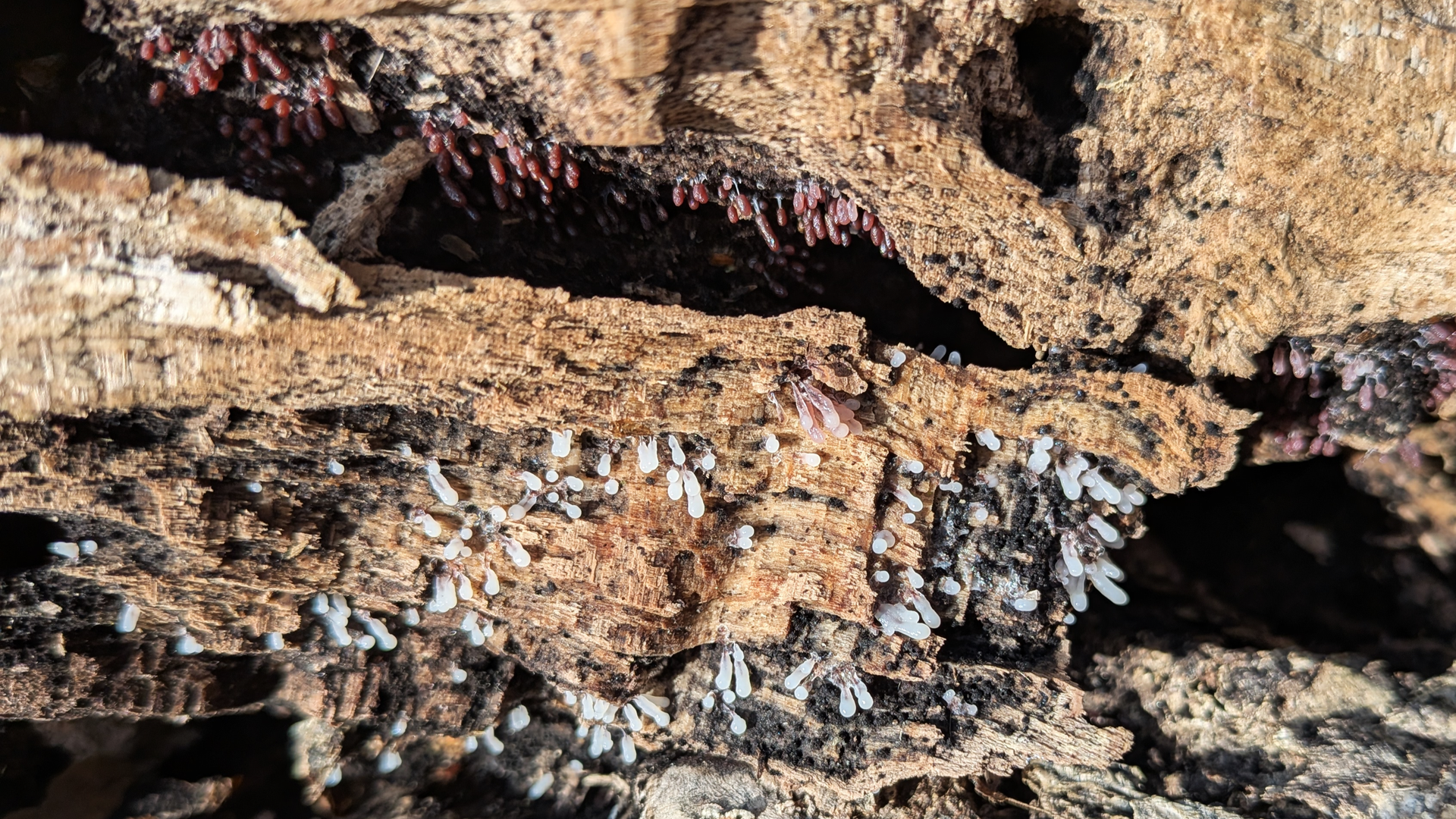
Beth Randell recorded a slime mould in the beechwood on Dog Kennel Hill. A child participating in Forest School informed her there was "rice on a log", which turned out to be white sporocarps; mature purple-brown sporocarps were also present. It was examined and identified as Stemonitopsis typhina.
#
Common Inkcap
Coprinopsis atramentaria
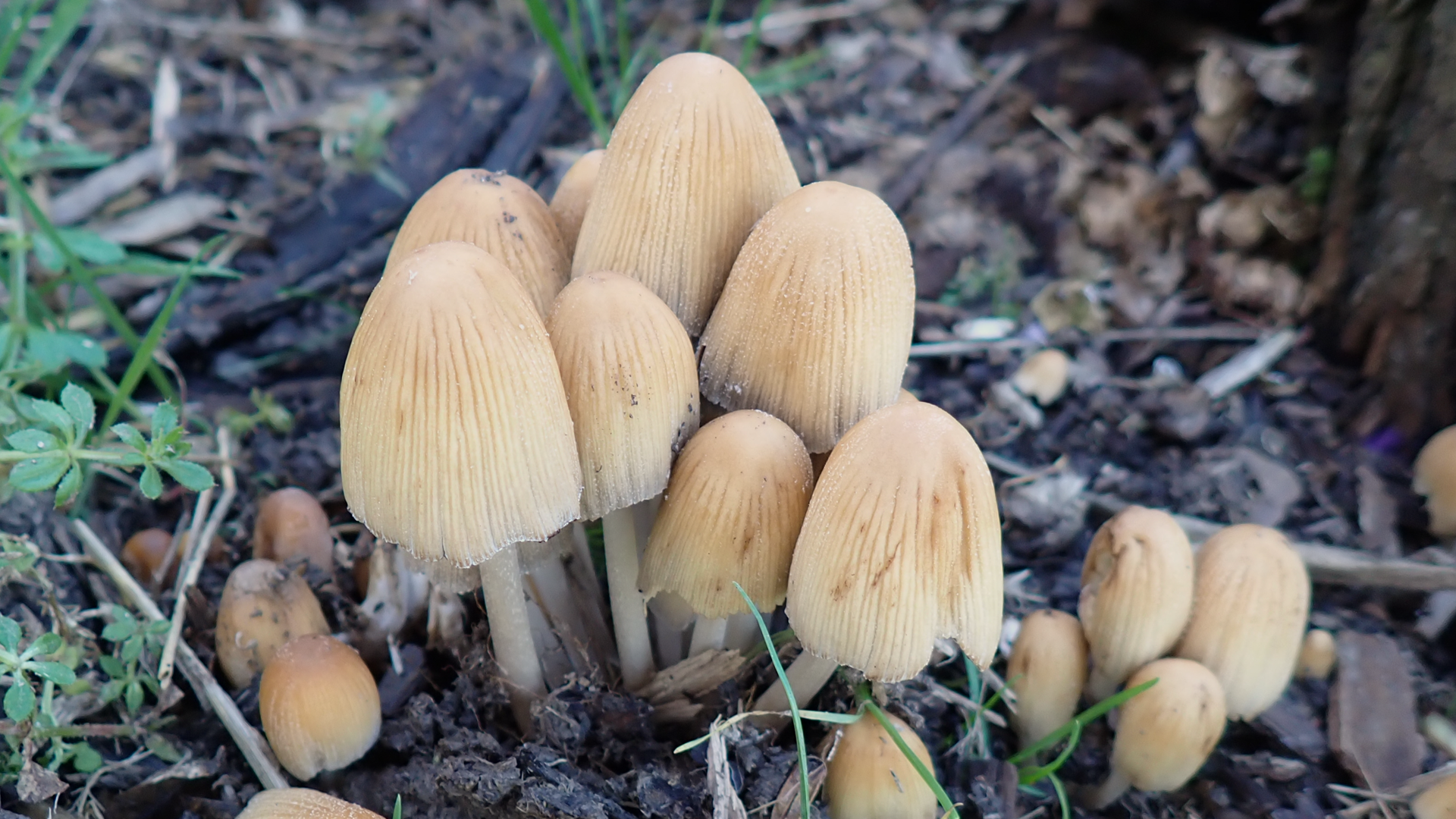
The Common Inkcap is also known as "Tippler's Bane". They are edible mushrooms, but if you drink alcohol within three days (before or after), they can turn from a delightful appetiser into something that can make you violently sick... or dead!
#
Chigwell Row
Sheepwater
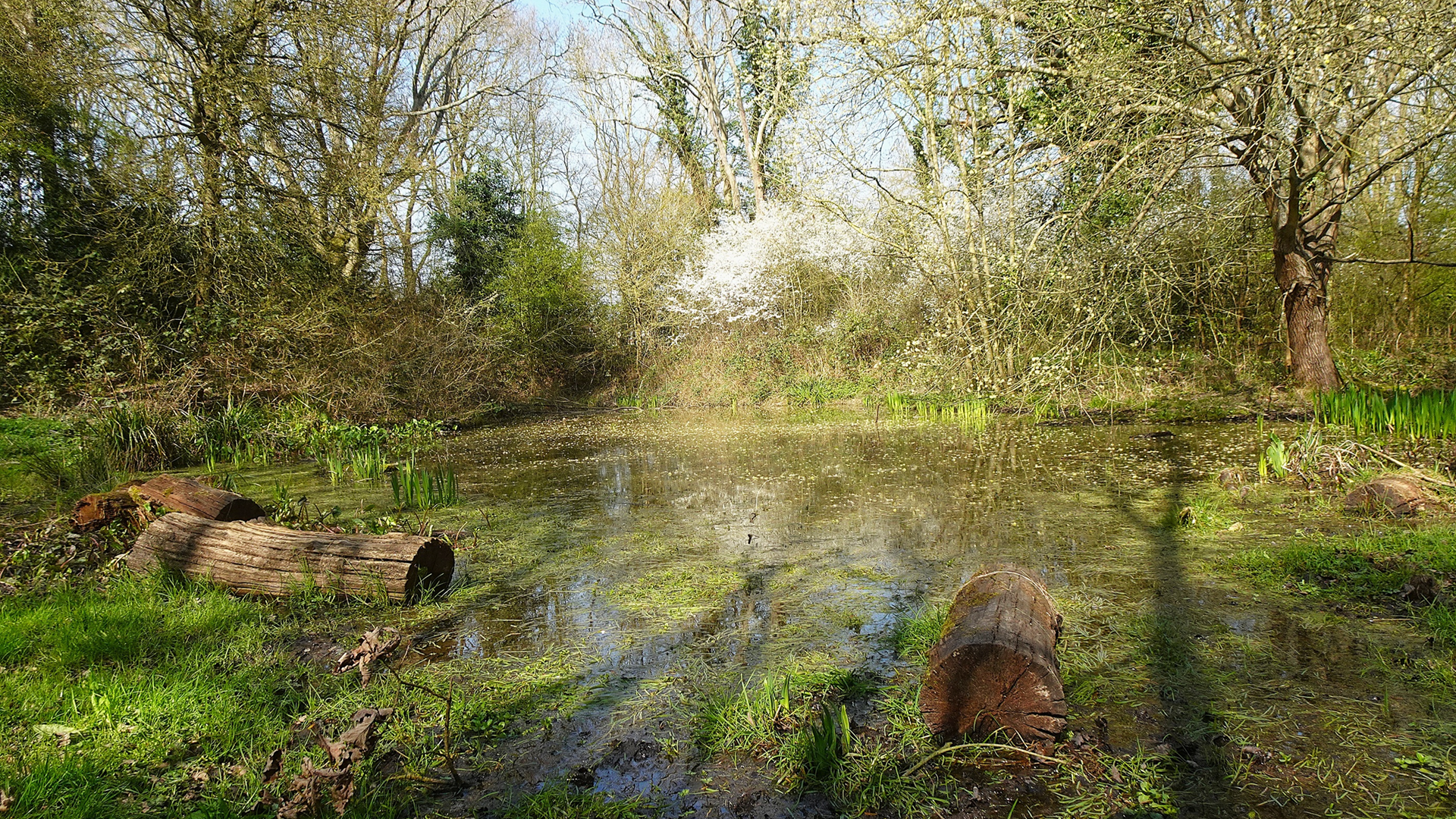
Sheepwater, is a small pond situated in Chigwell Row just inside the boundary of Hainault Forest. It derives its name from historical use as an important watering hole for livestock, especially sheep, along the route to market. It is identified as "Sheep Water" on mid-19th century Ordnance Survey maps.
#
Foxburrow Farm
Ferret
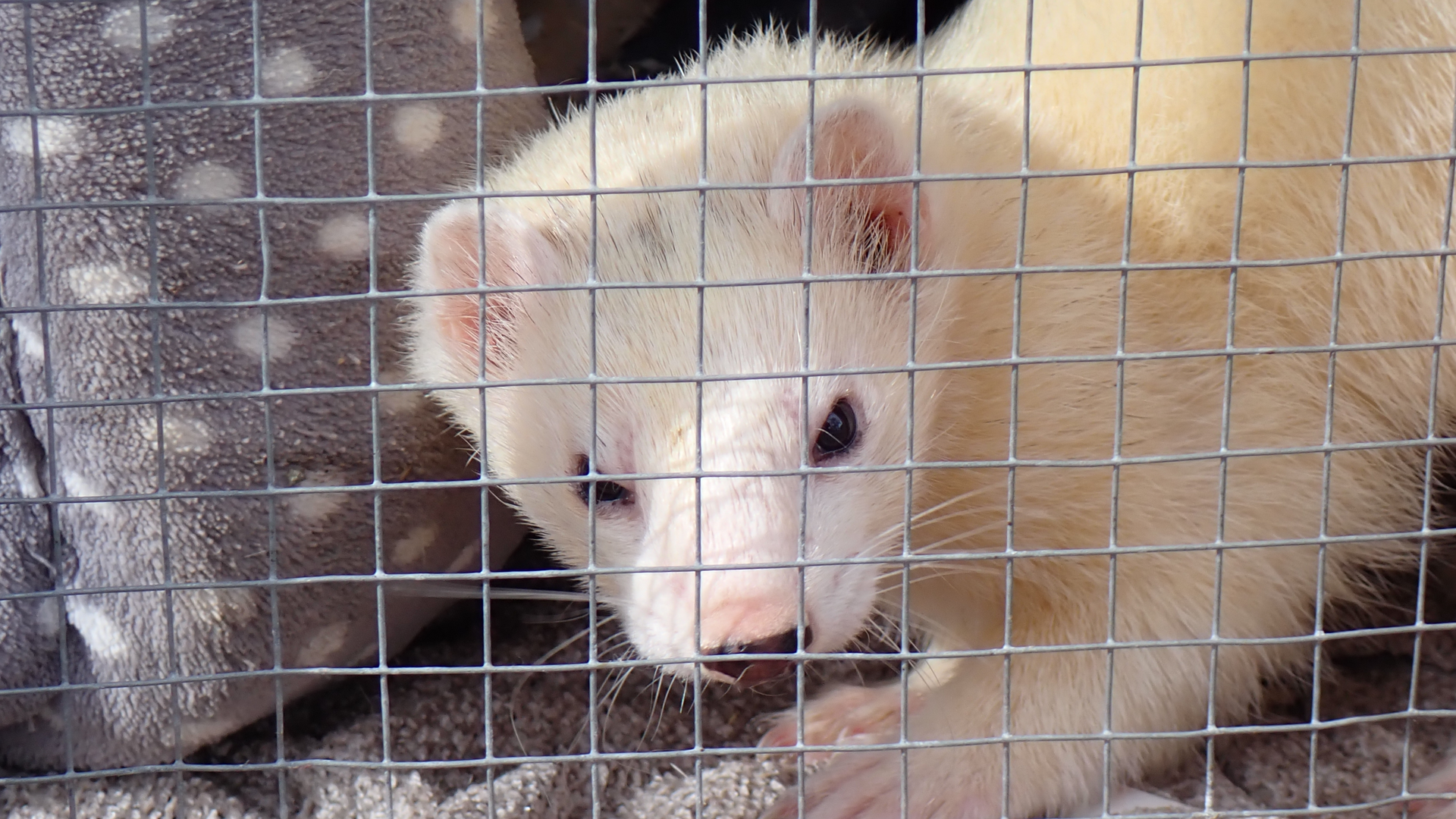
Foxburrow Farm has acquired a ferret (not on public display at time of writing), they are not found in the wild at Hainault Forest. Ferrets possess sharp teeth and strong jaws that aid in their hunting. As crepuscular creatures, they awaken just before dawn and retire before dusk, yet they spend a significant portion of their day asleep. These swift little creatures are capable of catching mice, rats and rabbits.
#
Foxburrow Farm
Sheep
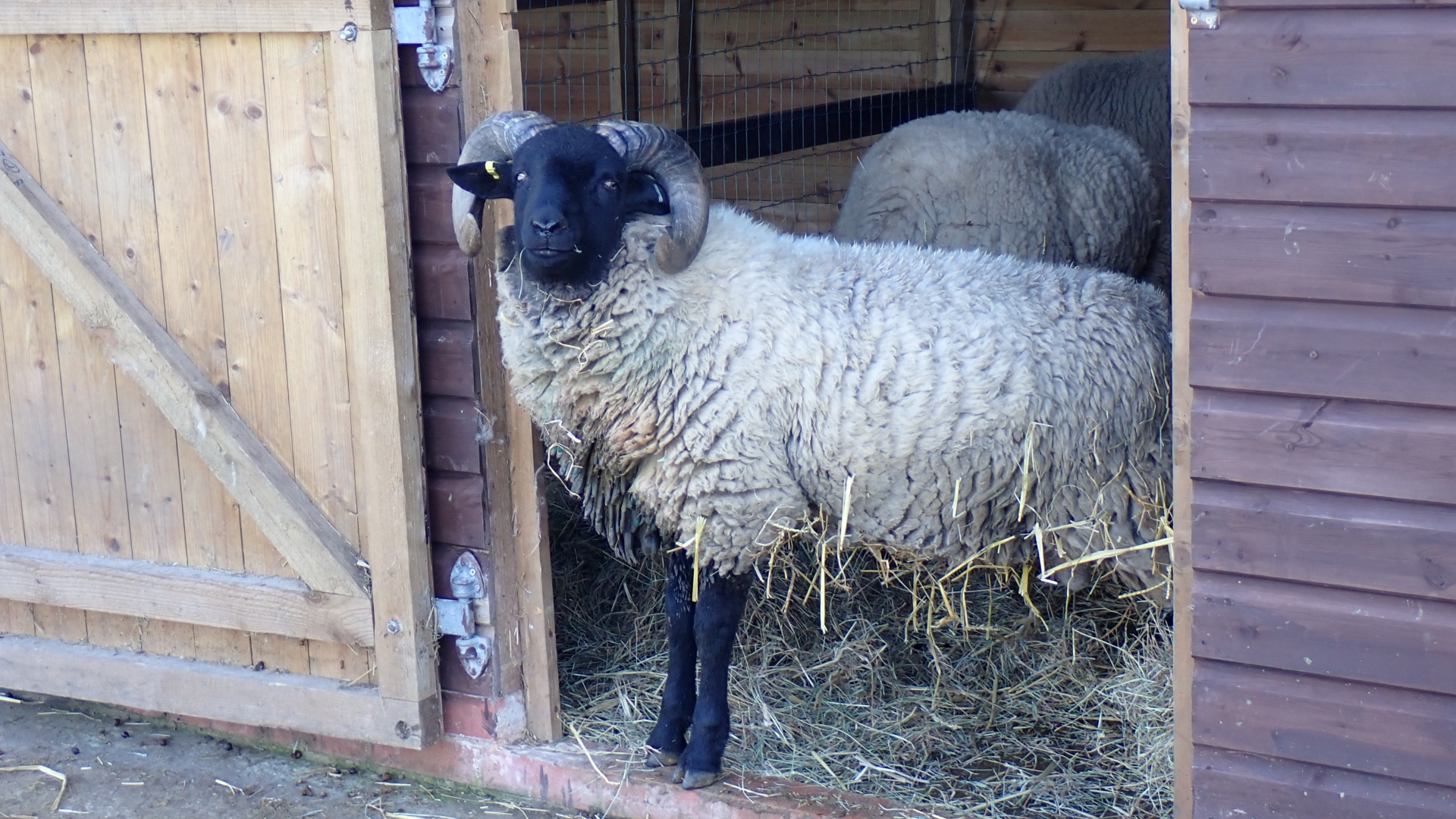
The ram at Foxburrow Farm has been busy. Scans conducted on the females have shown that ten lambs are anticipated to be born in late April; comprised of three sets of twins and four single lambs. All the Norfolk Horns have been confirmed as pregnant.
#
Nature Corner
Bethany Randell
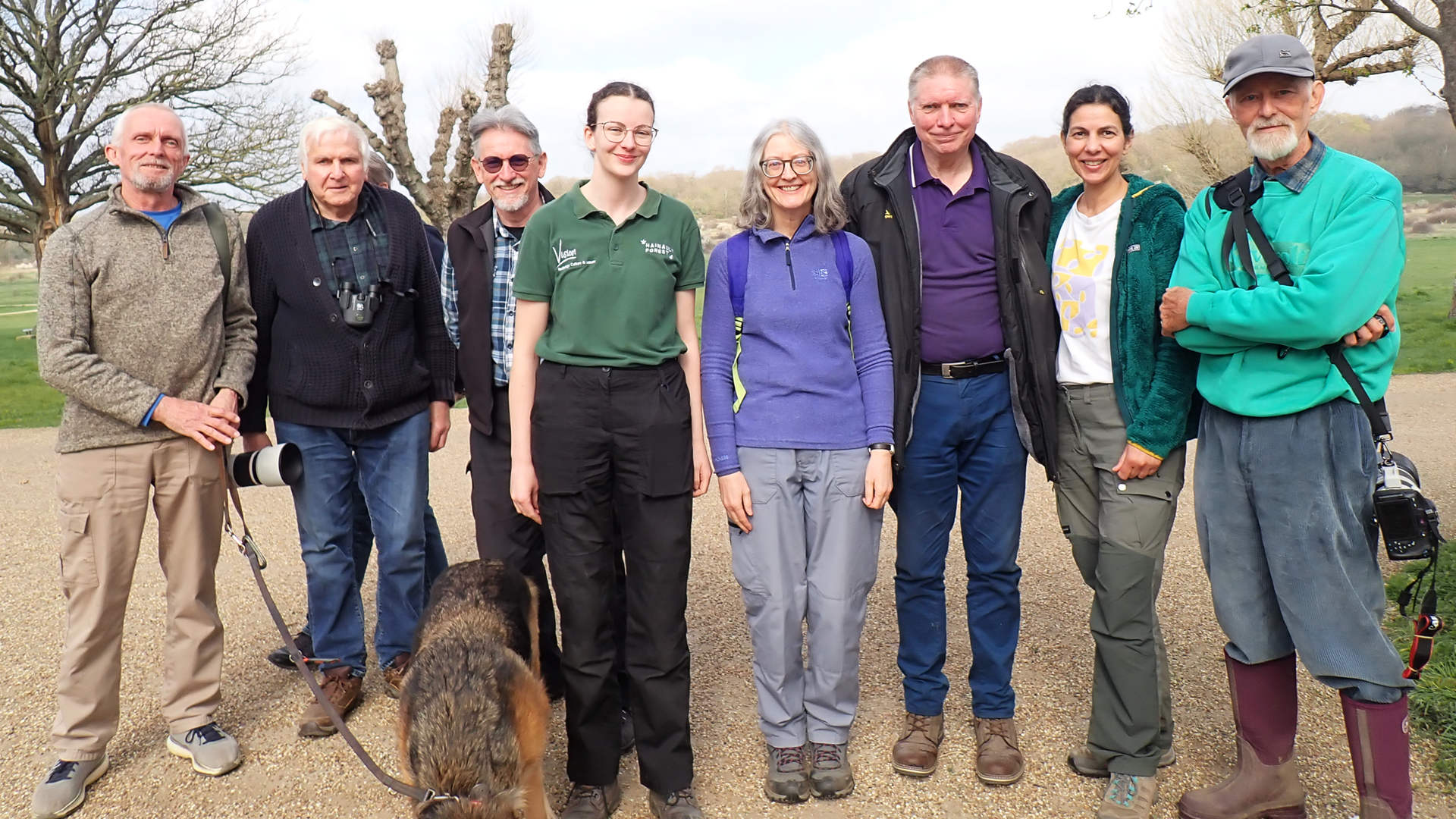
Bethany Randell's contract as the education ranger at Hainault Forest ended in March 2026. She conducted Forest School, educating children about the forest and its wildlife, and has even inspired the next generation with her newly-found passion for slime moulds. Additionally, on Sundays, she facilitated Nature Corner, an informal gathering where nature enthusiasts shared recent sightings and discoveries. Everybody sends their best wishes to Beth as she moves forward, her informative sessions will certainly be missed by young and old alike!
#
Thank you to everyone who has contributed to this Journal.
© hainaultforest.net. All rights reserved.
This website only uses necessary cookies.