

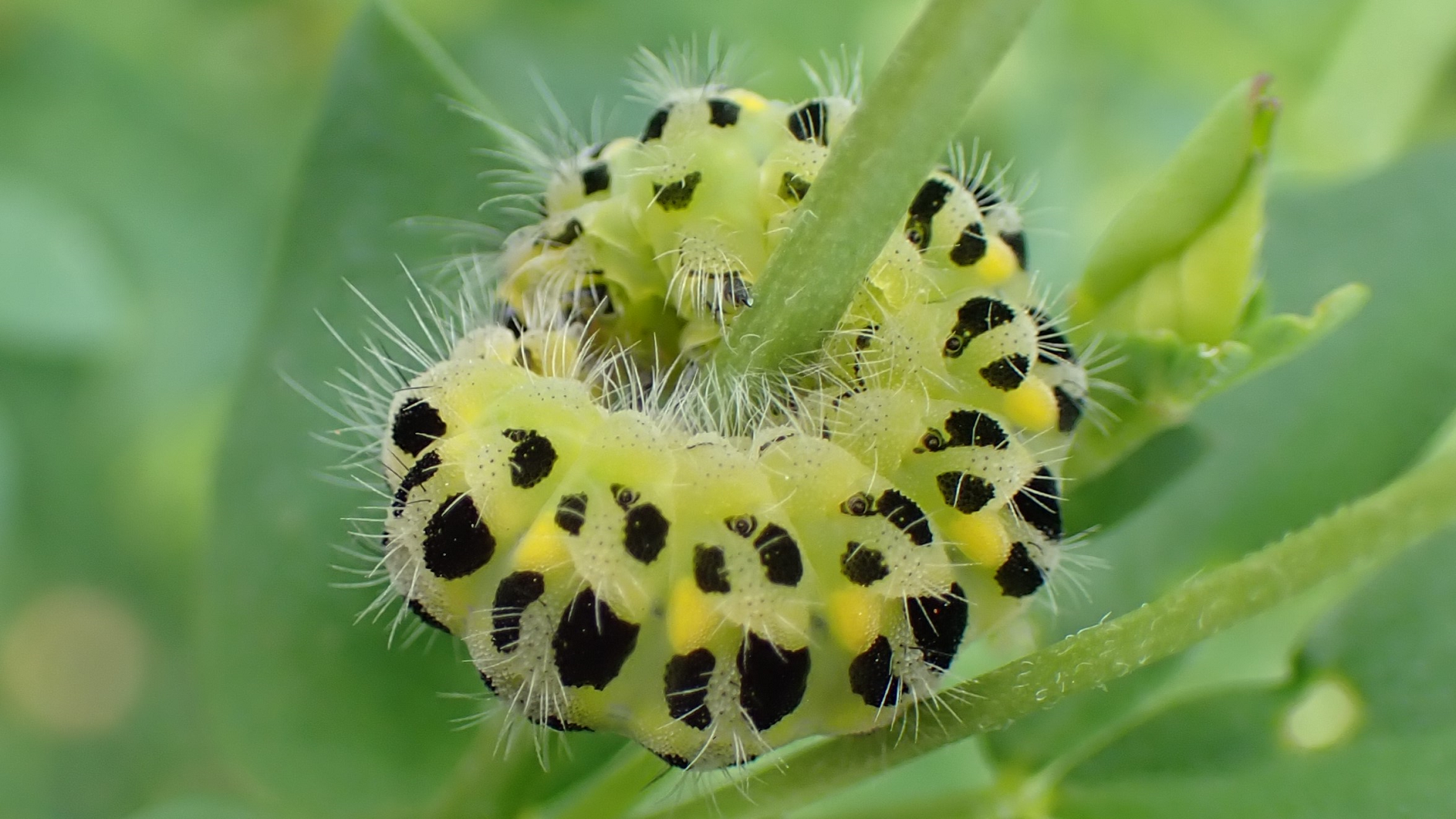
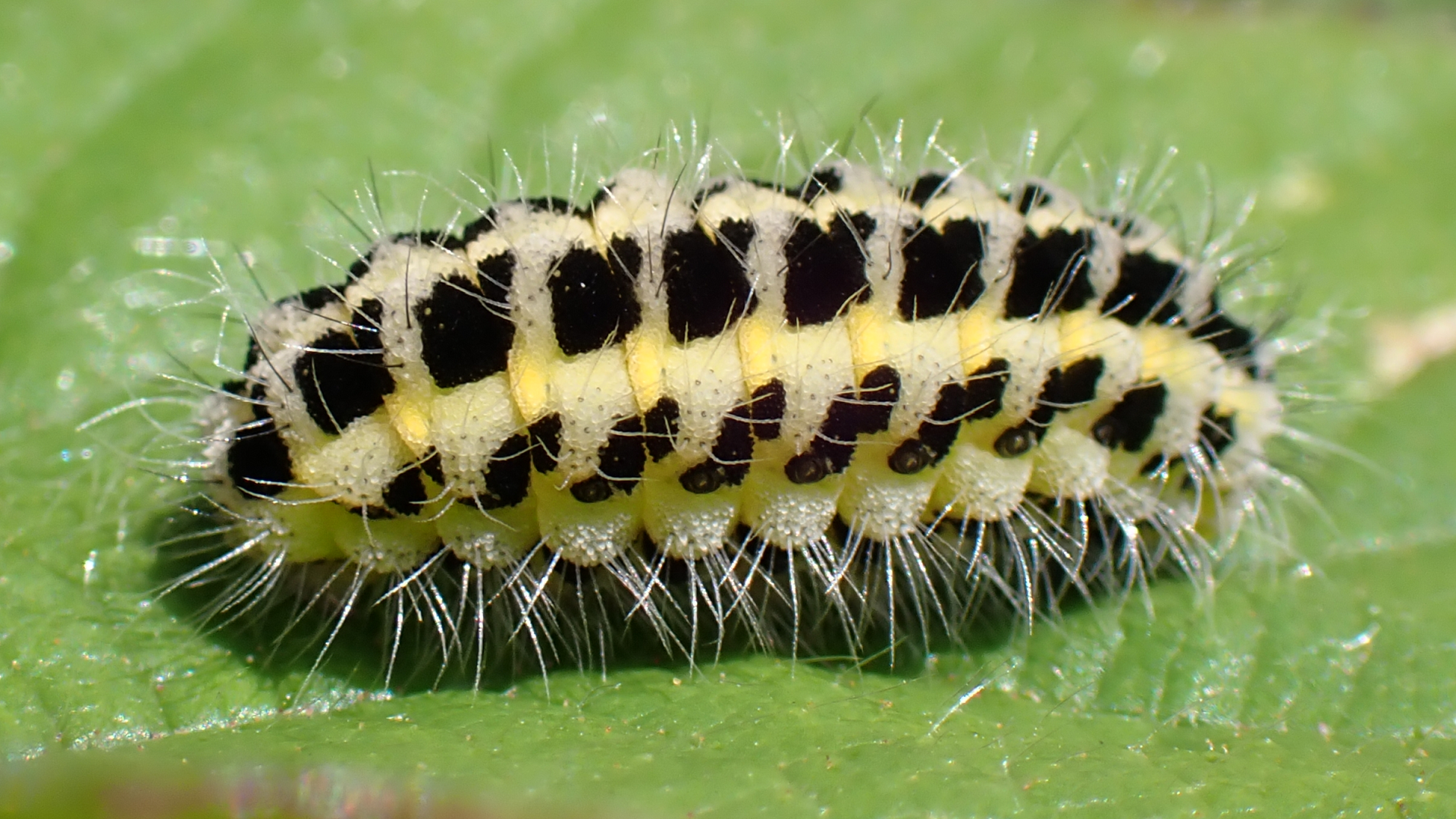
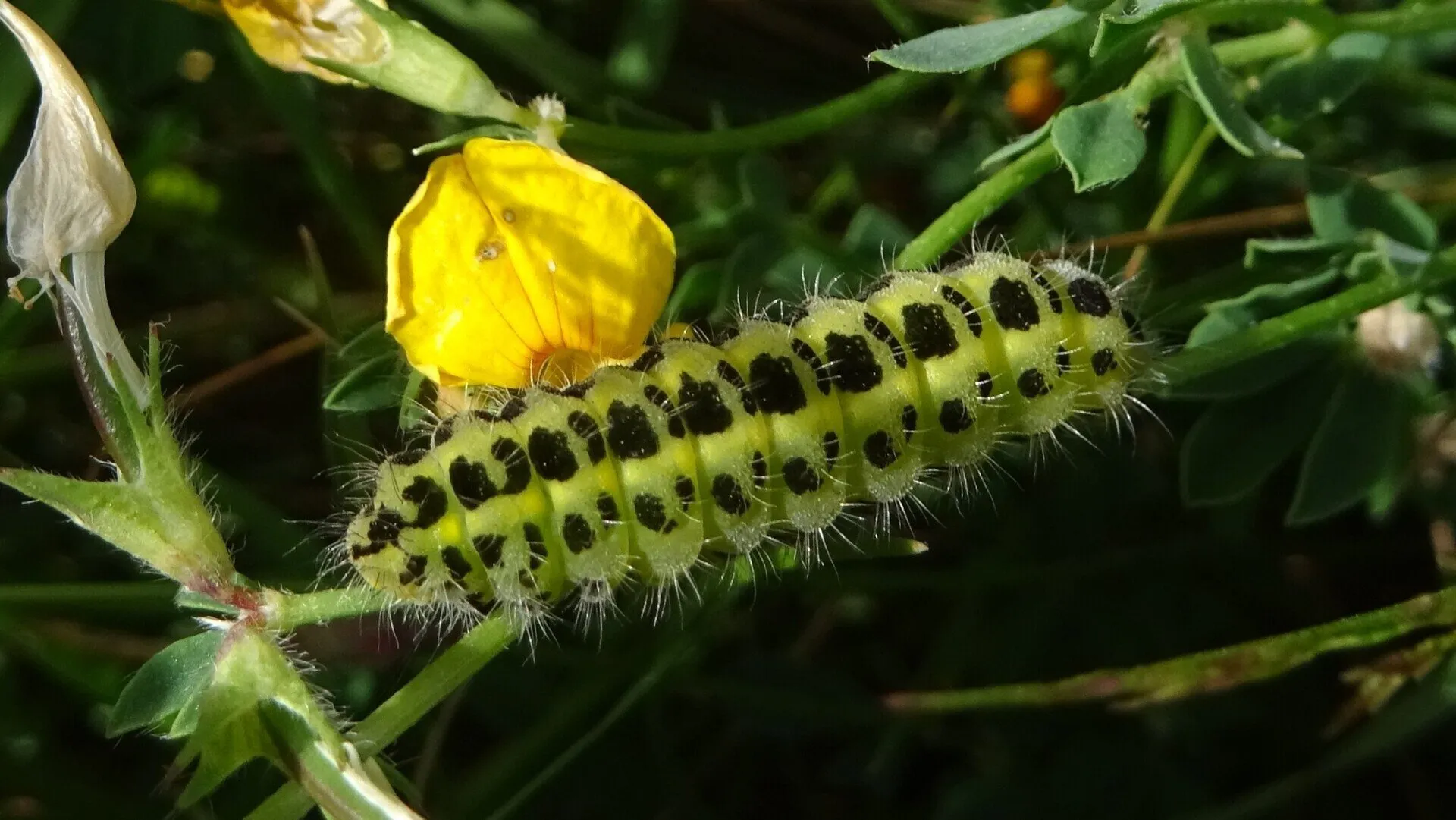
Six-spot Burnet Zygaena filipendulae
Found on foodplant Bird's-foot Trefoil.
#
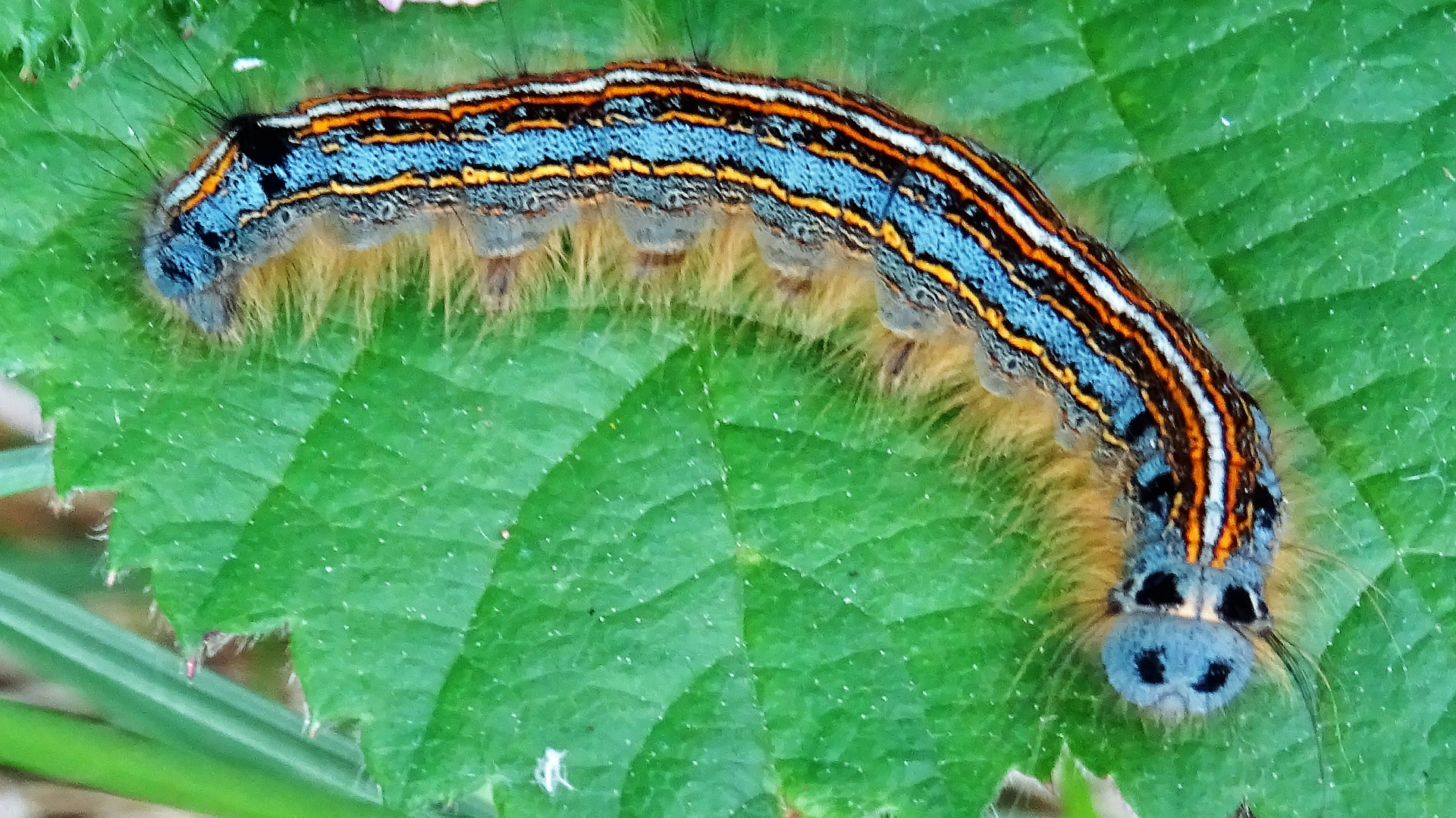
Lackey Malacosoma neustria
The brightly coloured caterpillars live gregariously in silk spun webbing. They grow quickly eventually measuring over 5cm long. Foodplants include Hawthorn, Blackthorn, Goat willow and a range of other trees and shrubs.

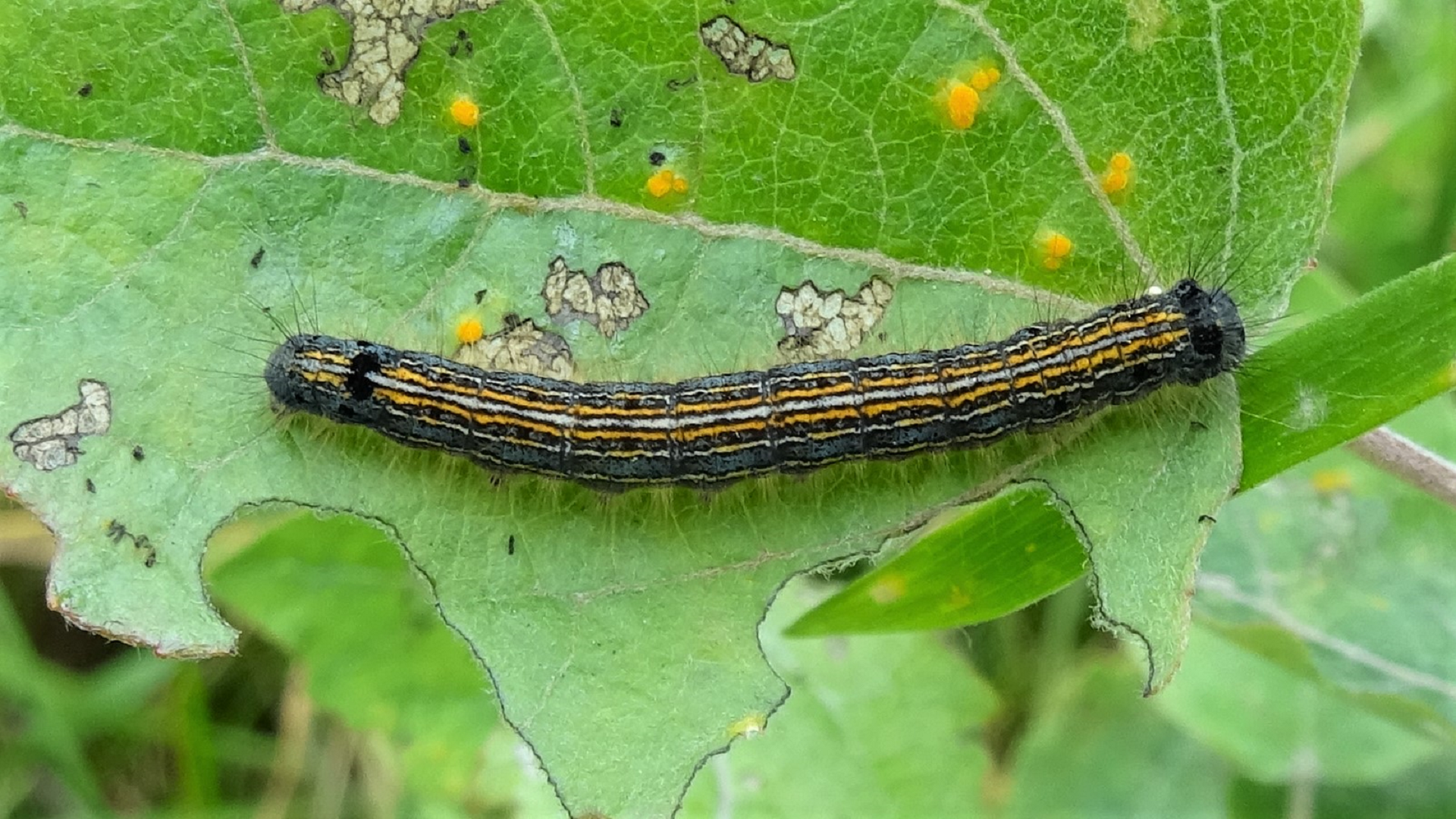
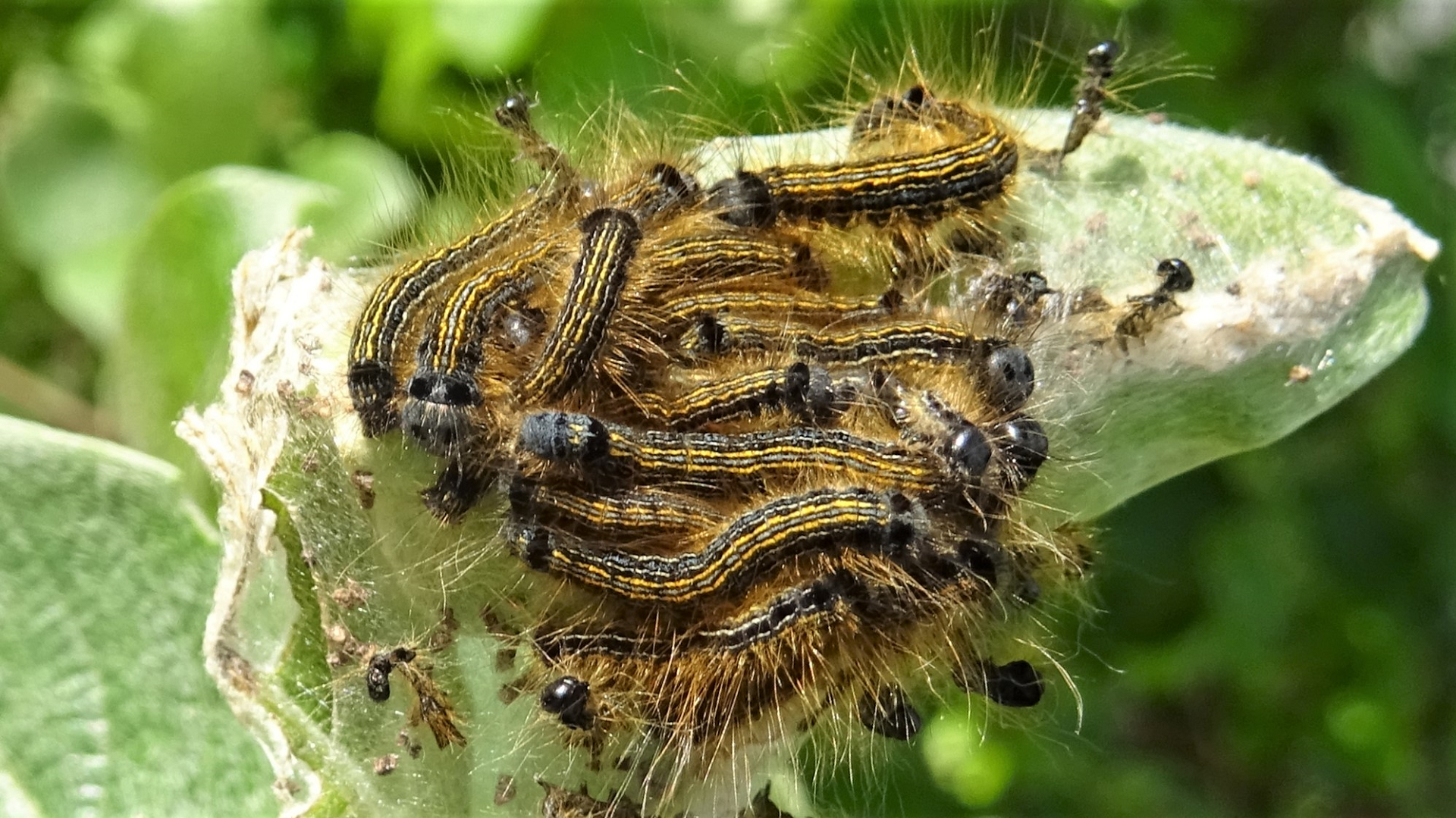
#
Drinker Euthrix potatoria
The large hairy larvae go into hibernation during October and start feeding again from April to June.
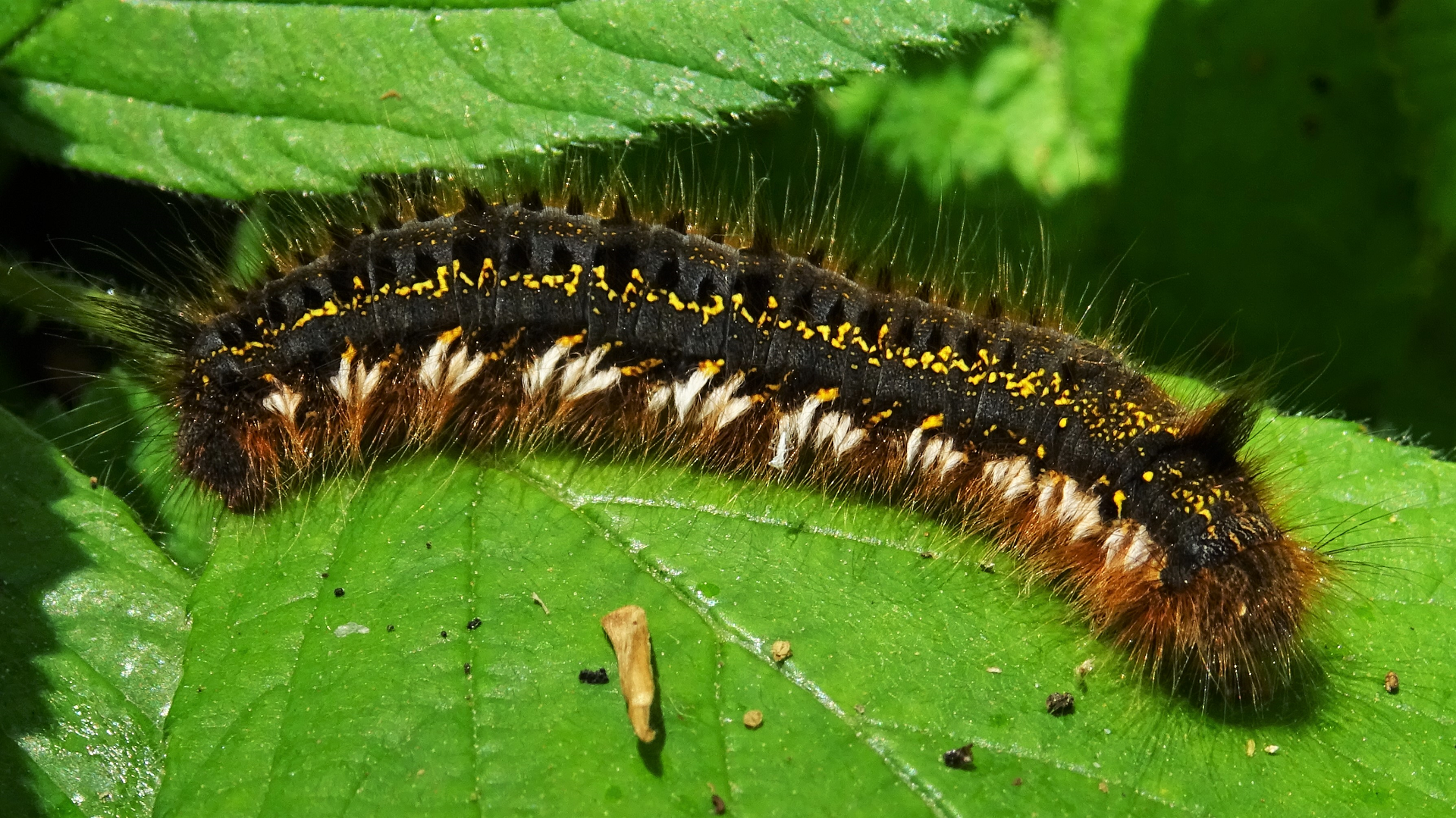
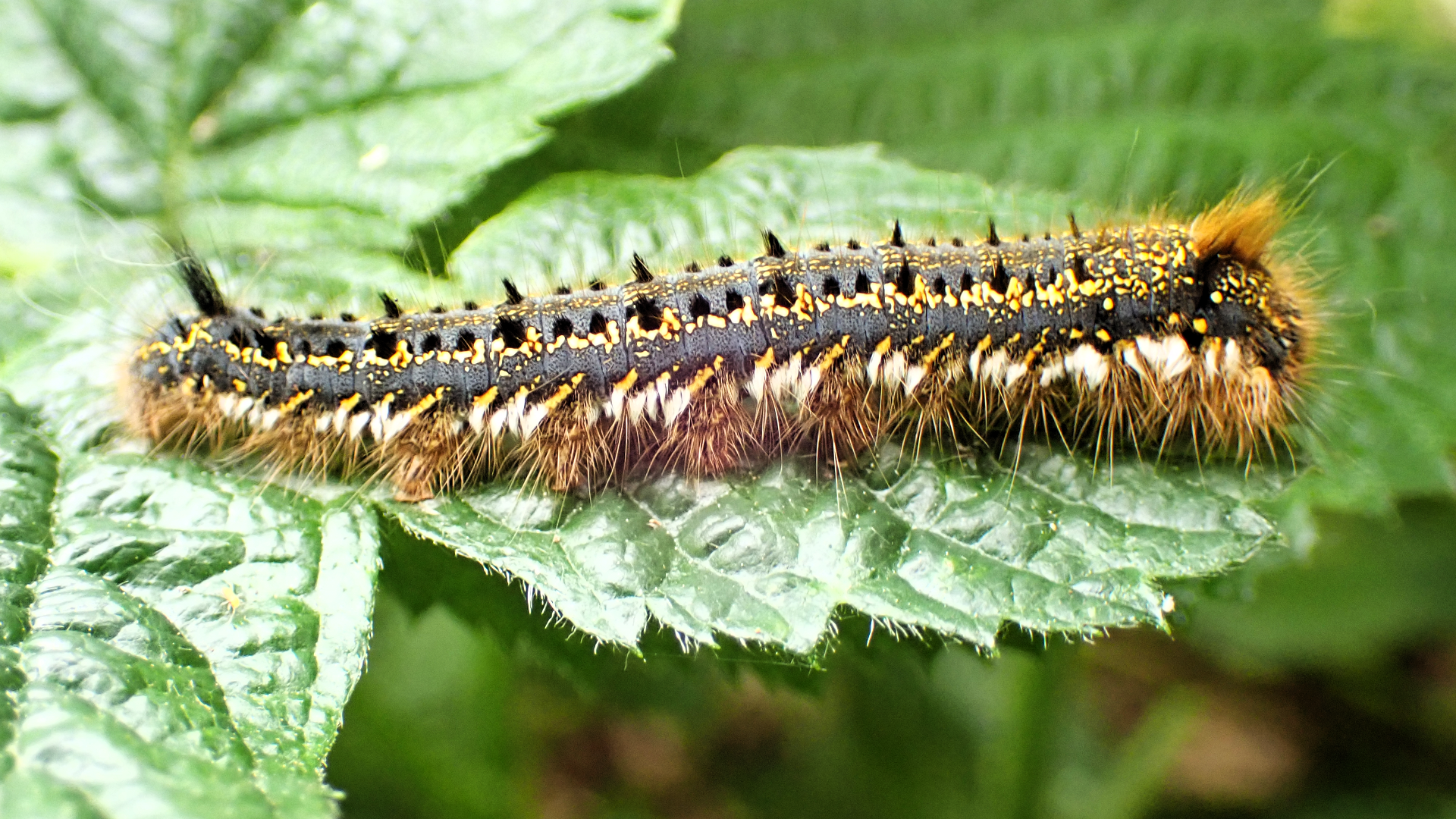
#
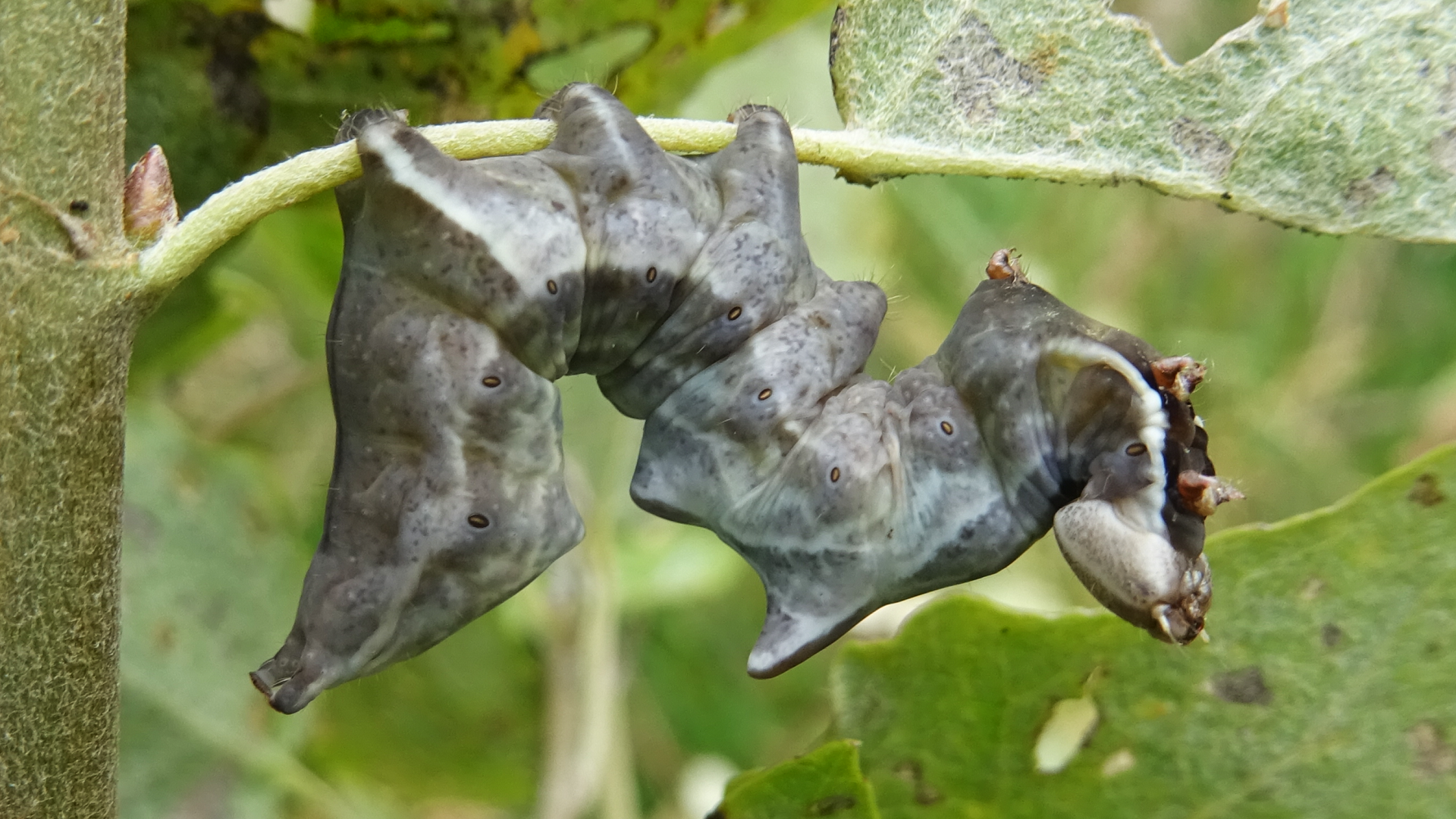
Pebble Prominent Notodonta ziczac
The larvae feed on poplar, aspen, willow and sallow.
#
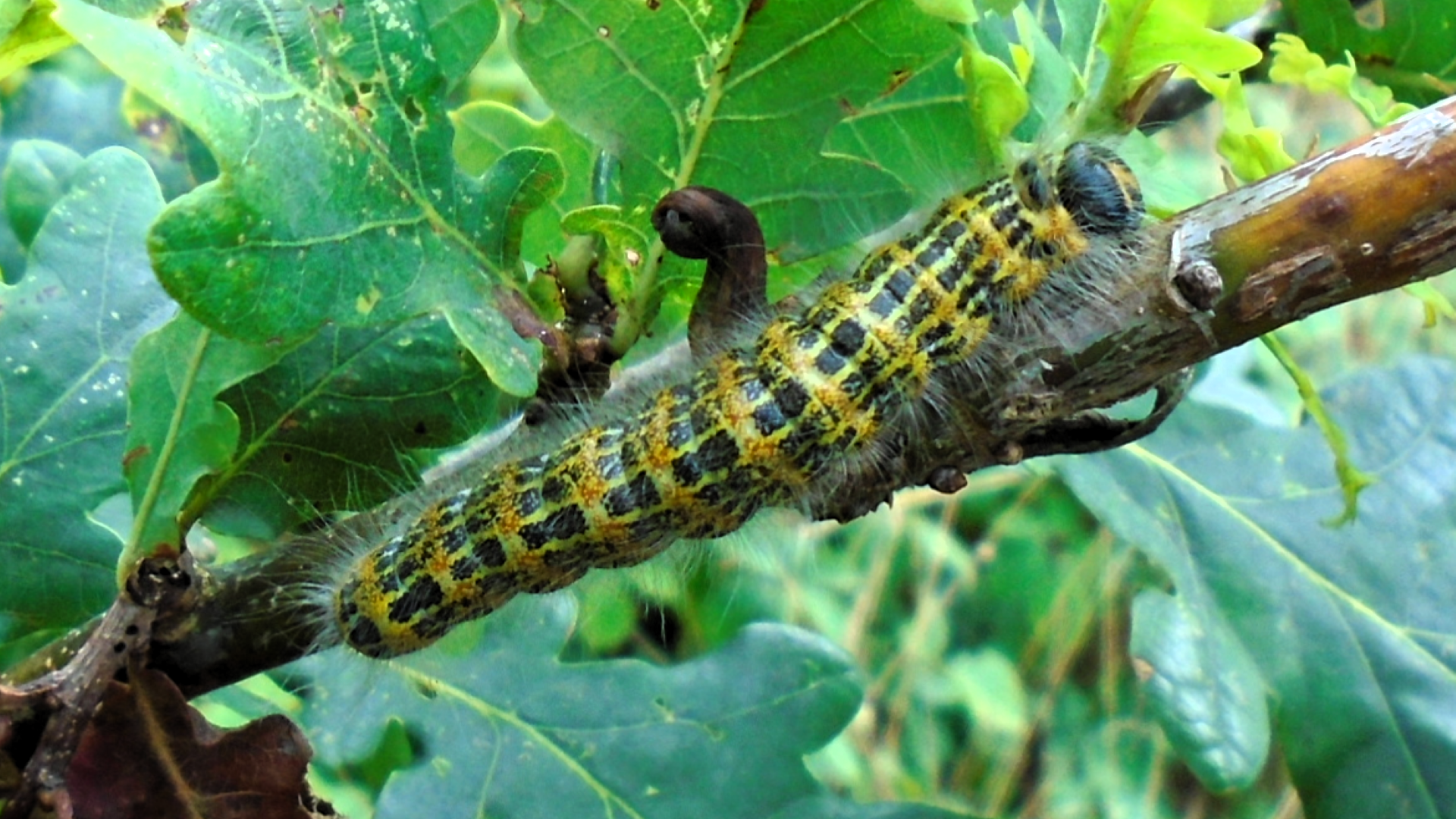
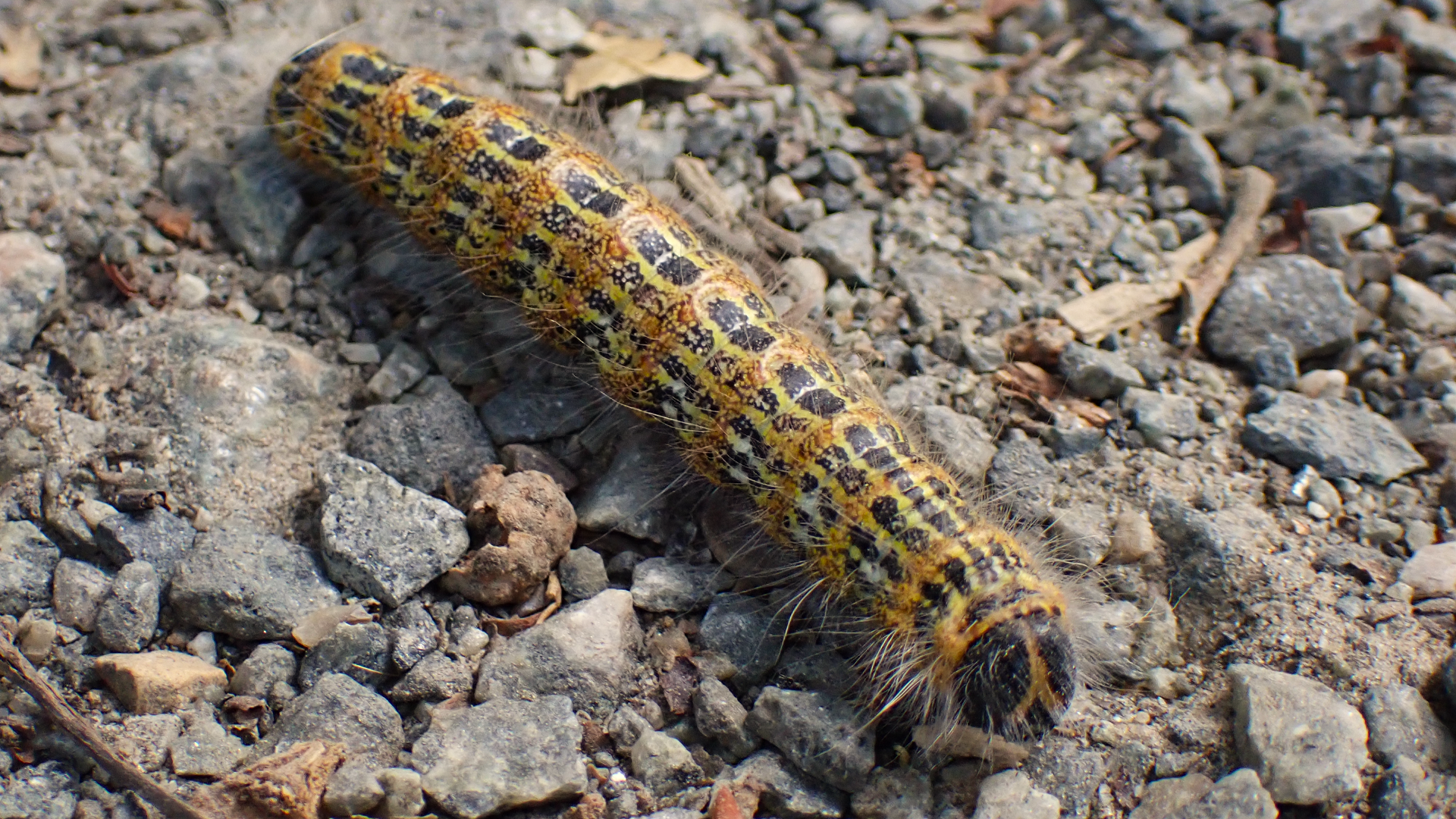
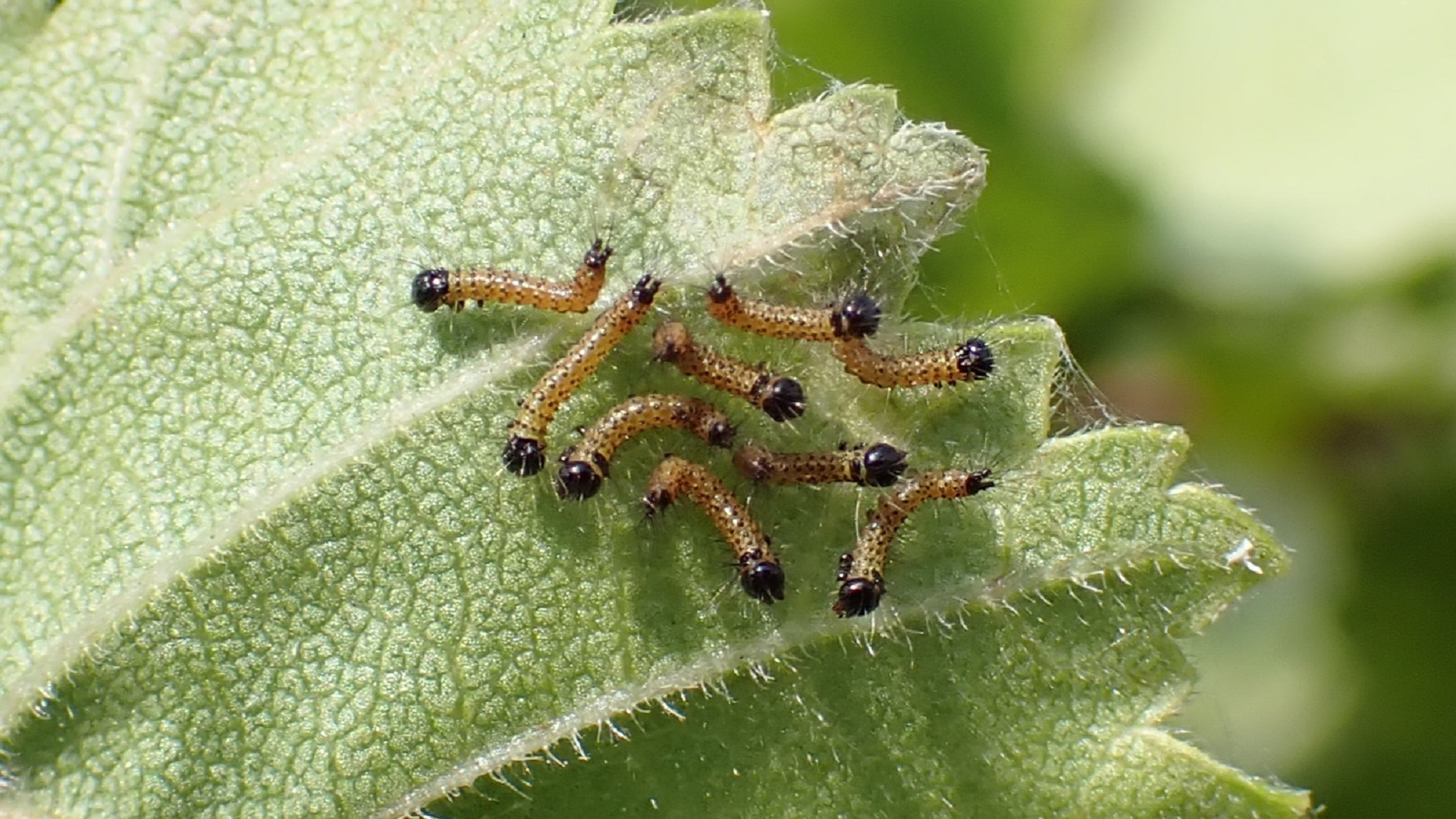
Buff-tip Phalera bucephala
Larval foodplants include Oak, Birch, Sallow and Hazel.
#
Oak Processionary Thaumetopoea processionea
The larvae feed on oak trees. DO NOT TOUCH!
#
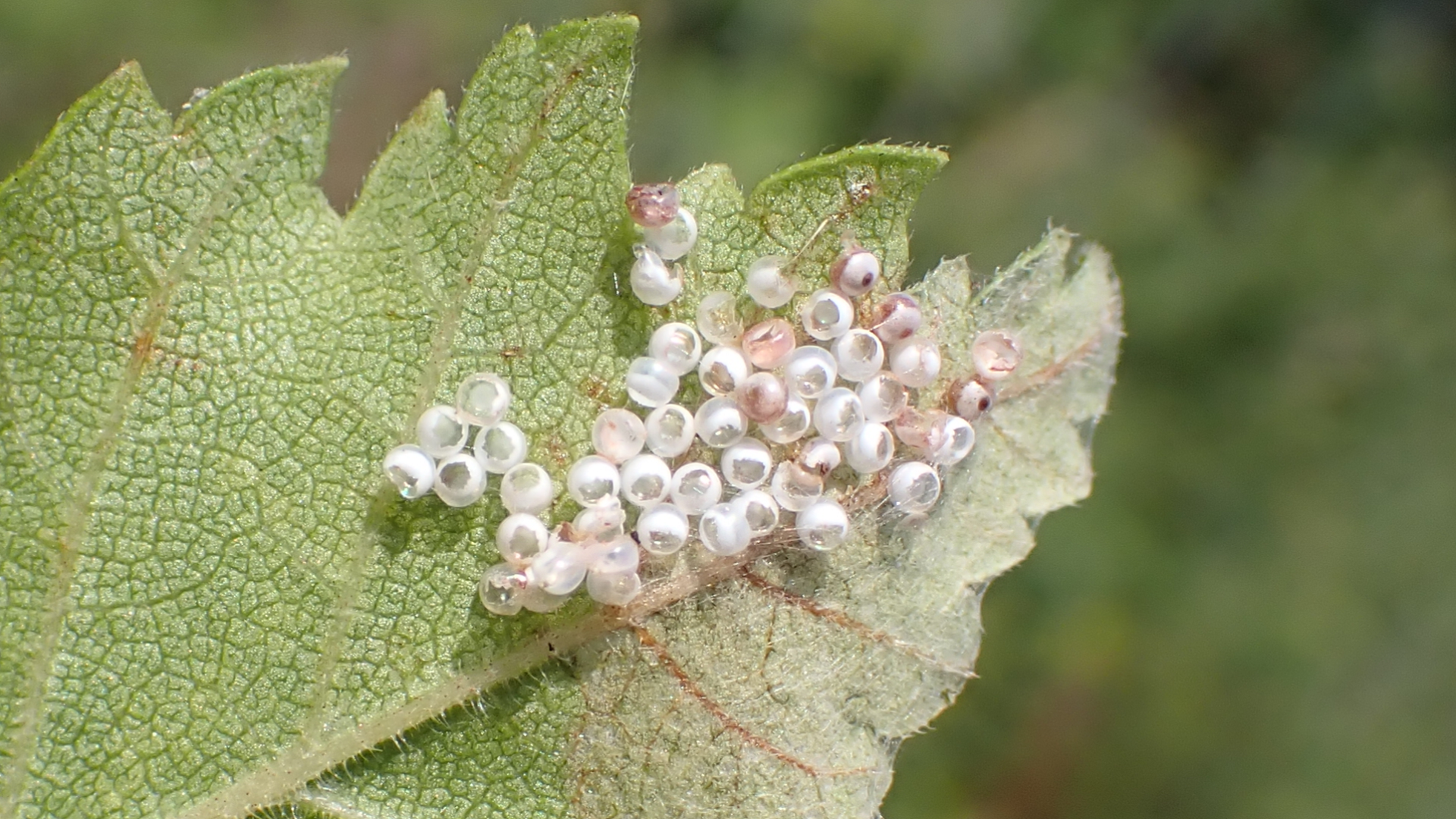
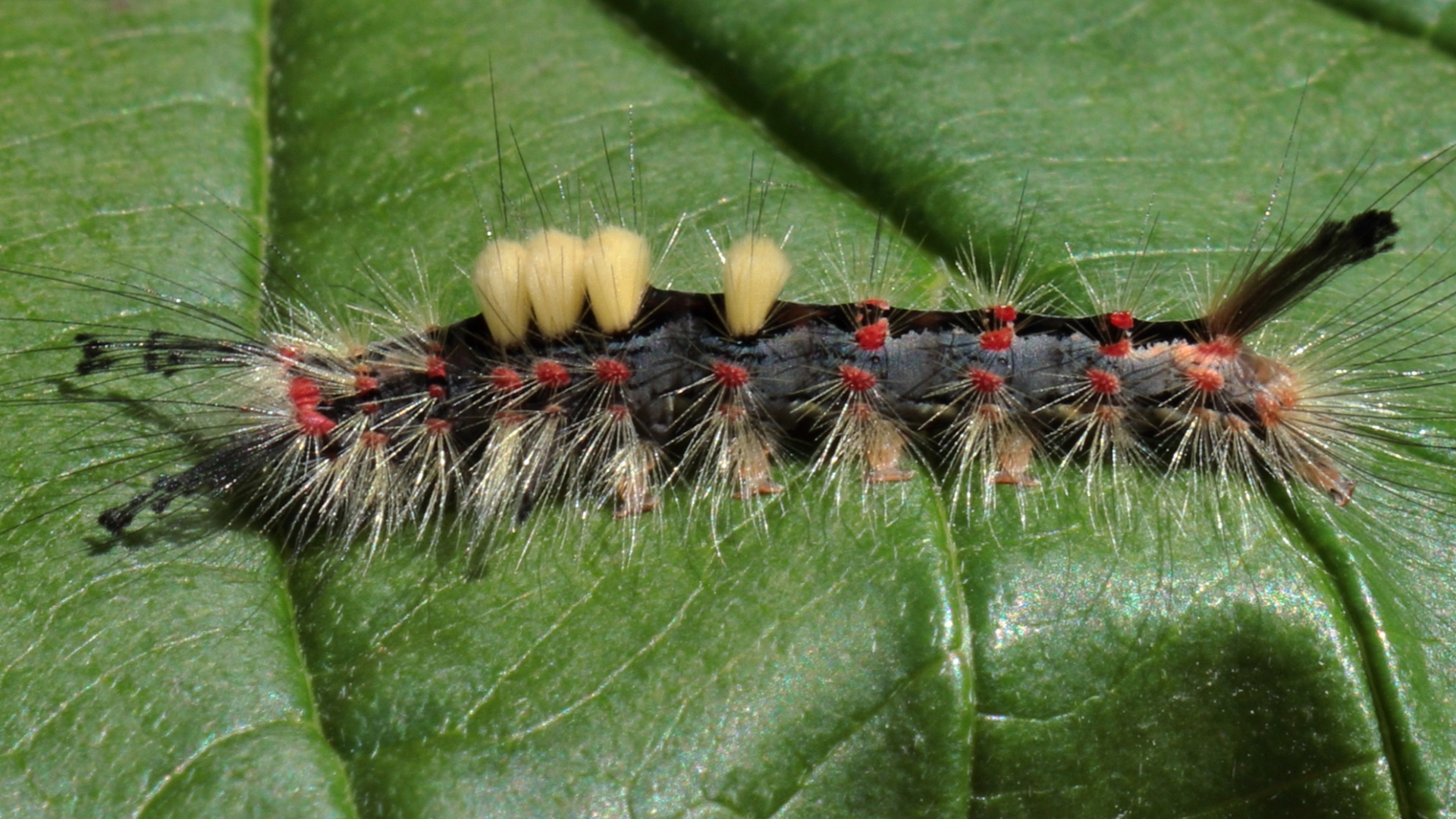
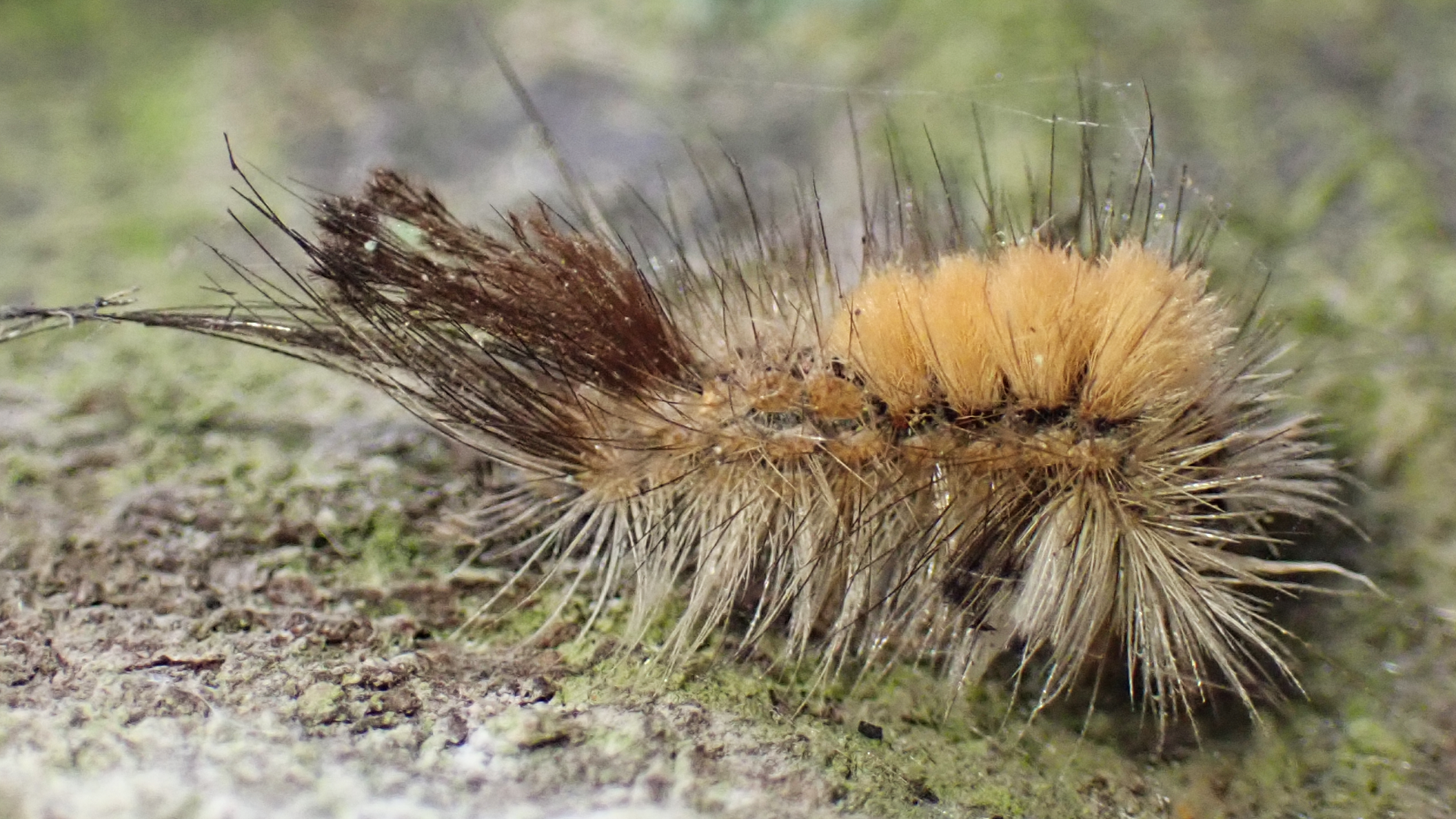
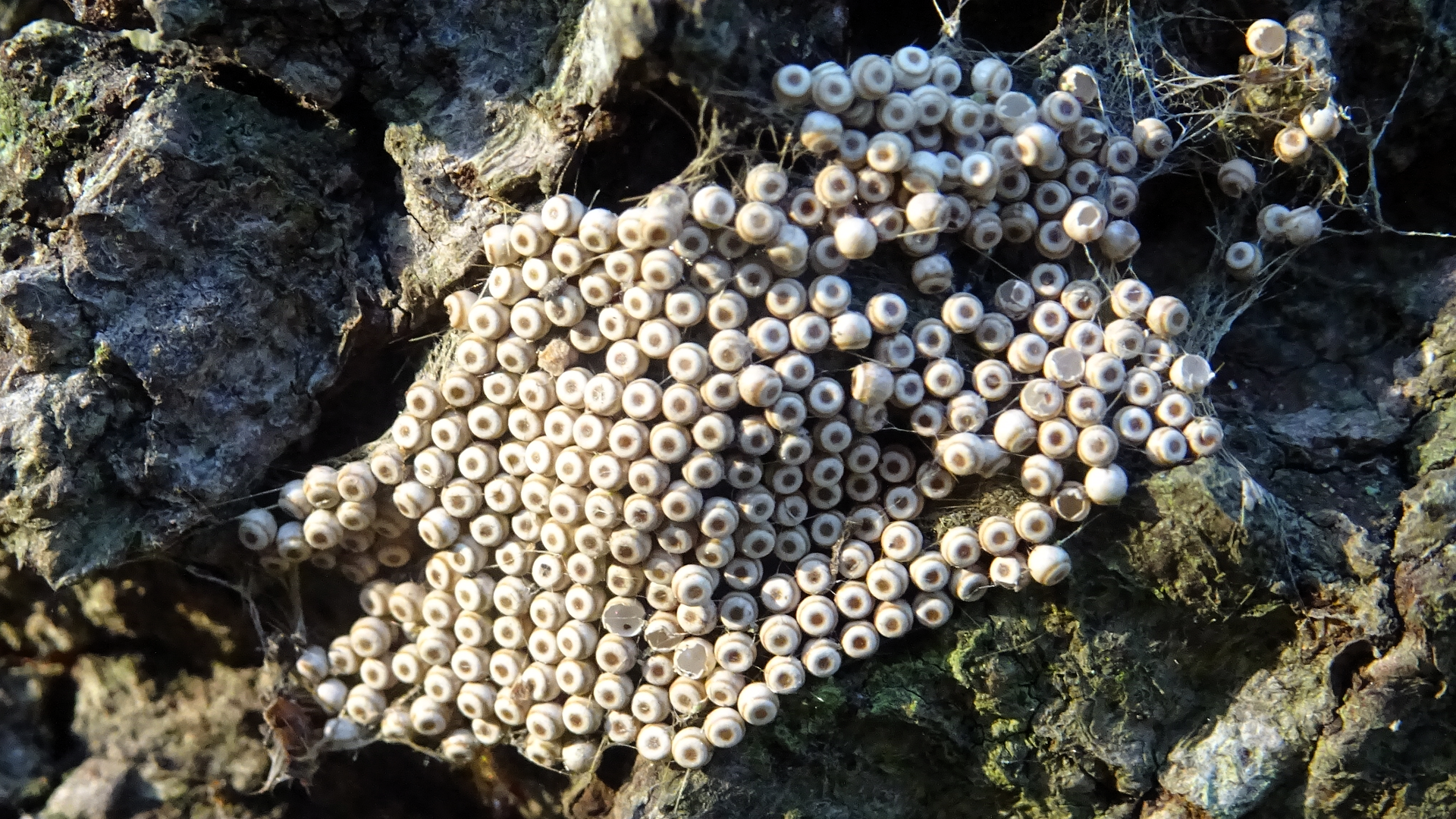
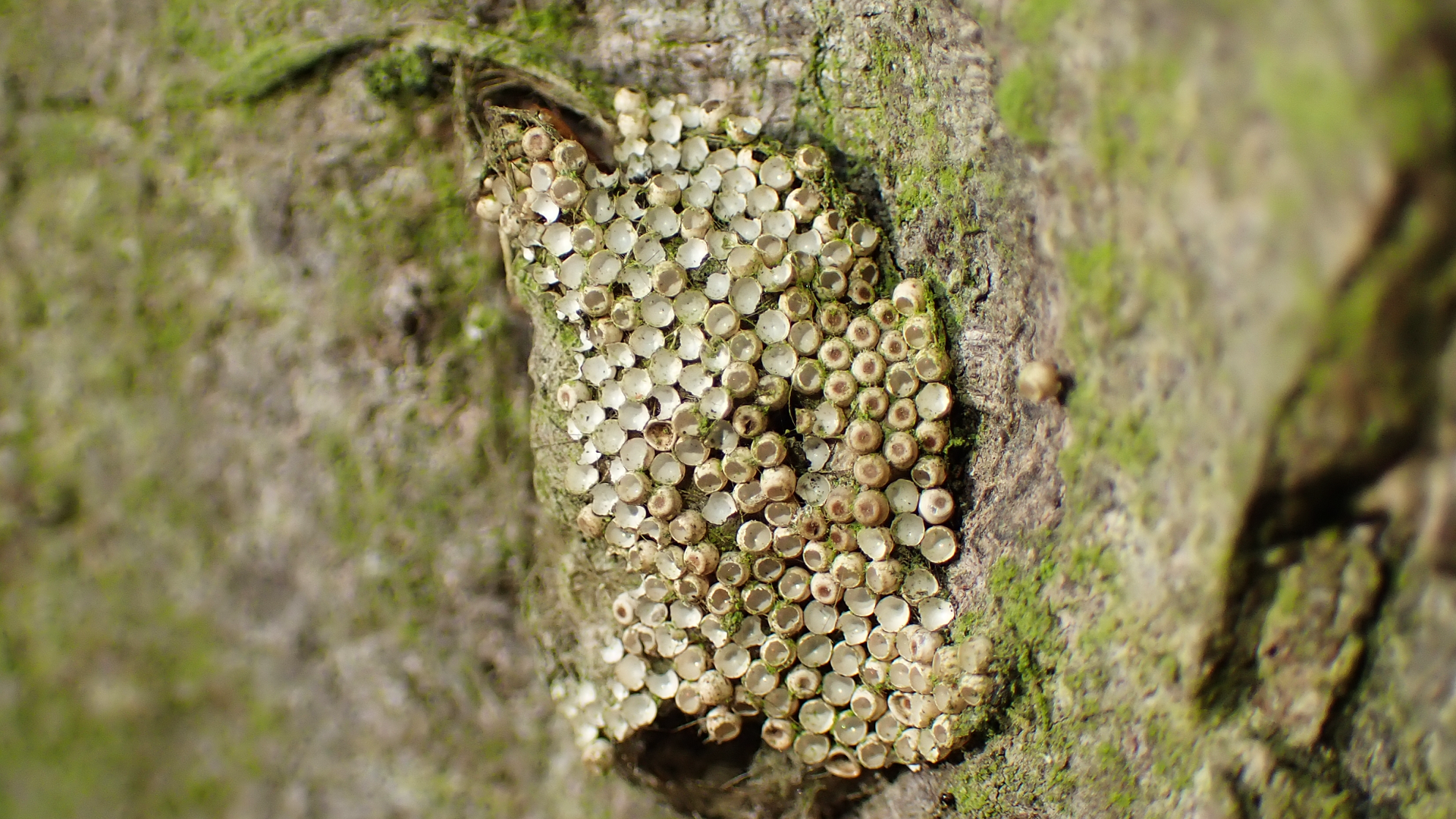
Vapourer Orgyia antiqua
Strands of silk from a female's cocoon can often be seen underneath the eggs.
#
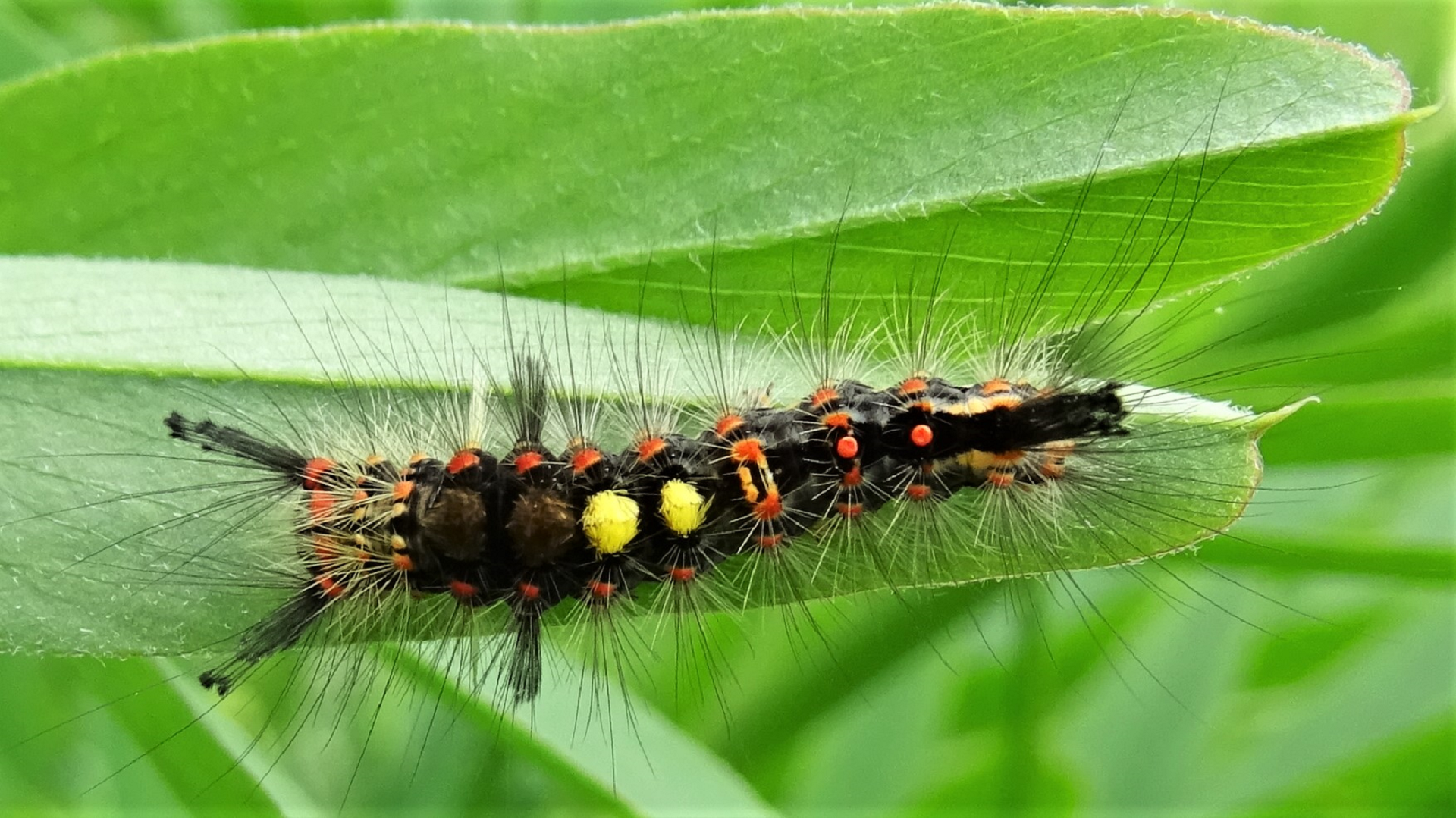
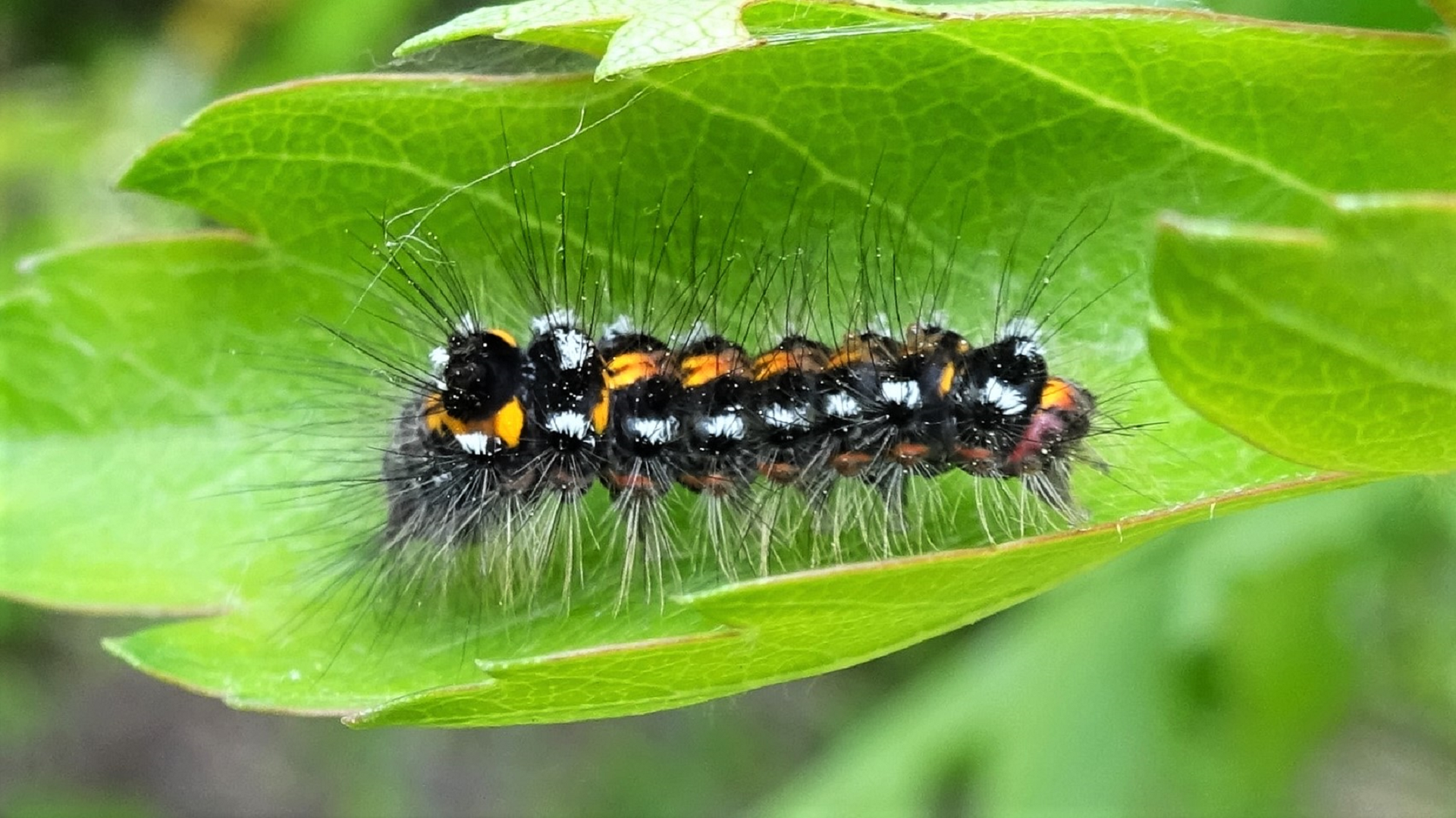
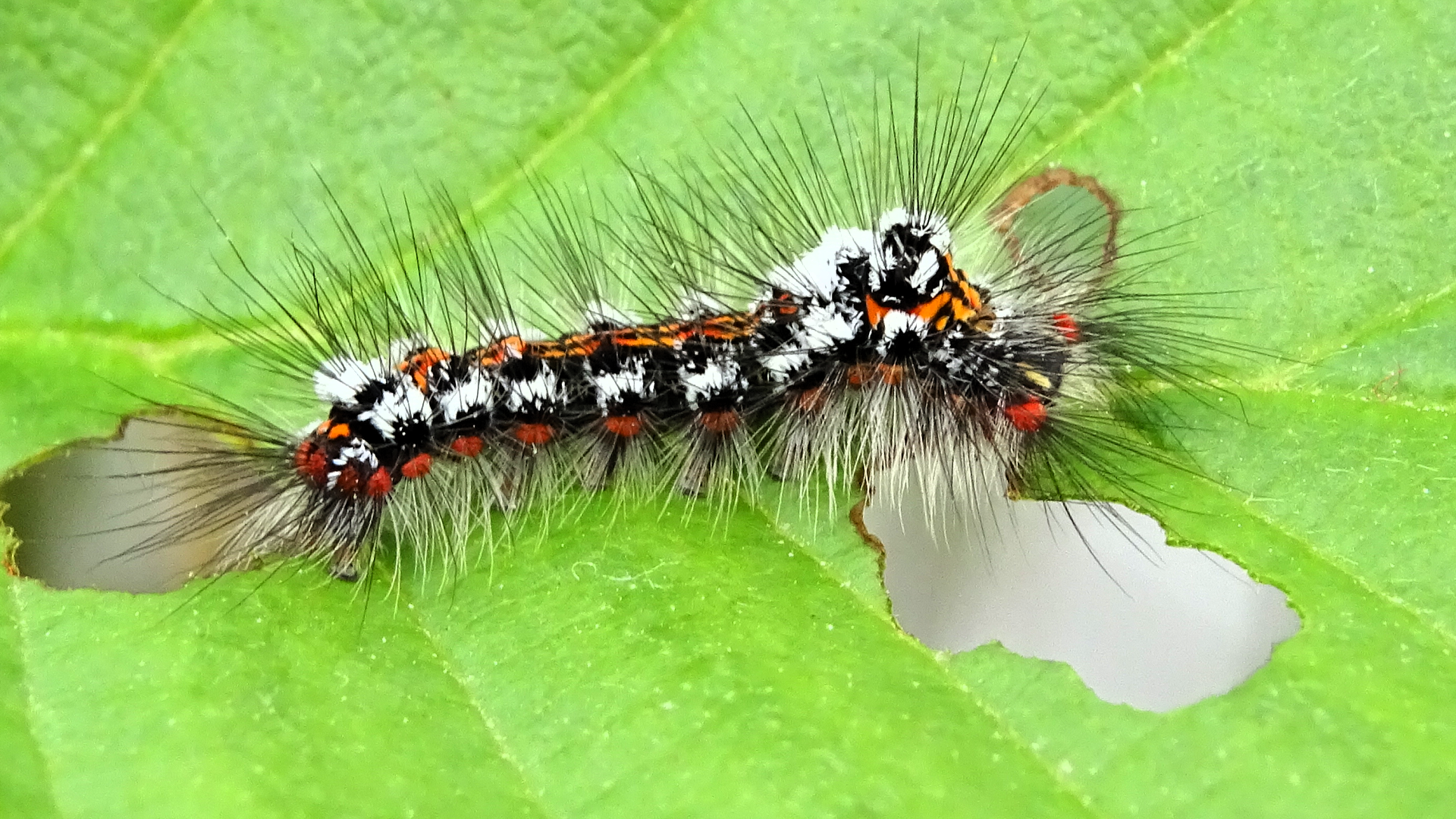
Yellow-tail Euproctis similis
Yellow-tail larvae are found on various broad-leaved trees and shrubs.
#
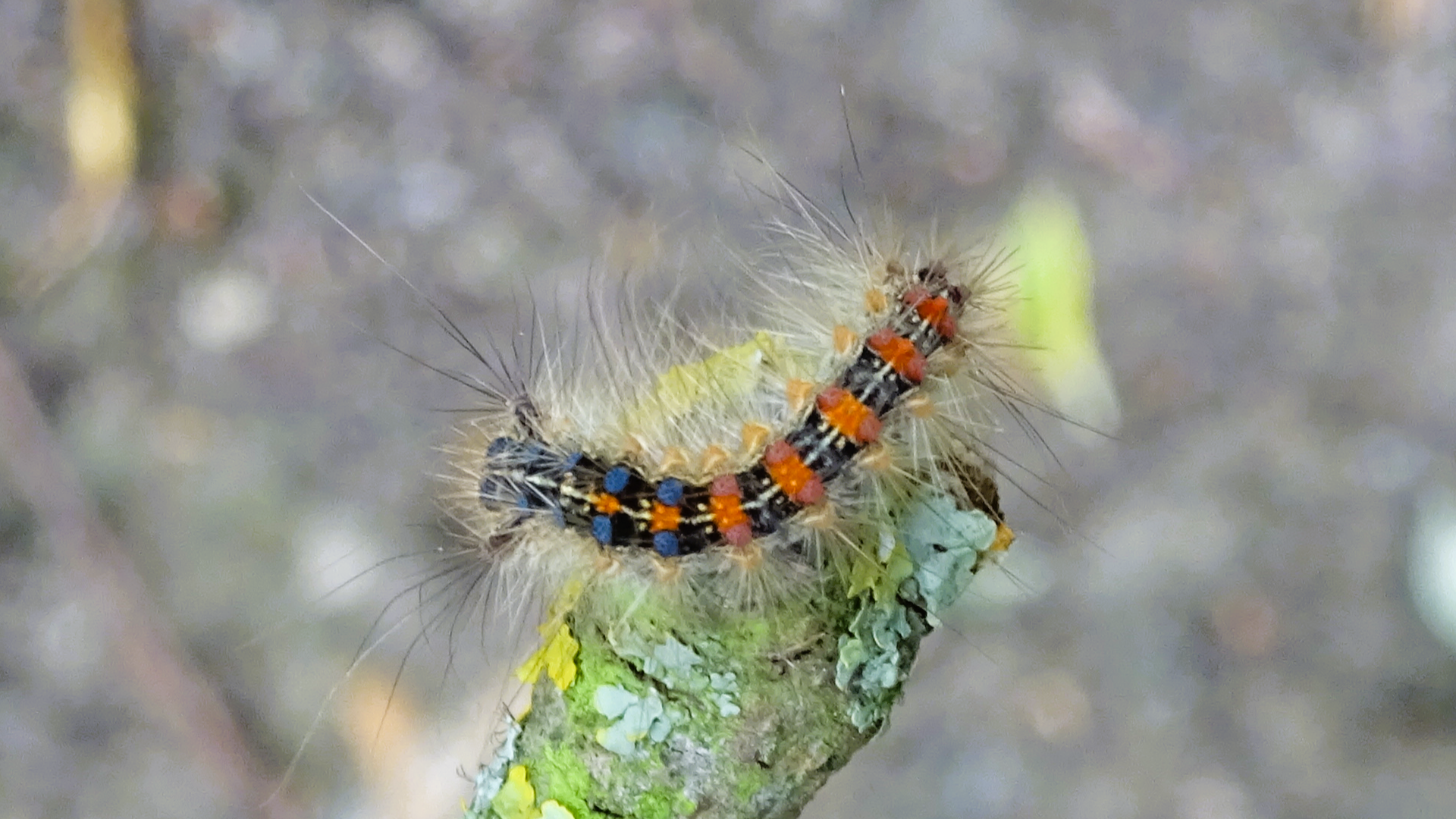
Gypsy Moth Lymantria dispar
Foodplants are Bog-myrtle and Creeping Willow, however eggs have been found on Oak and other broadleaf trees so those are probably used as foodplants too.
#
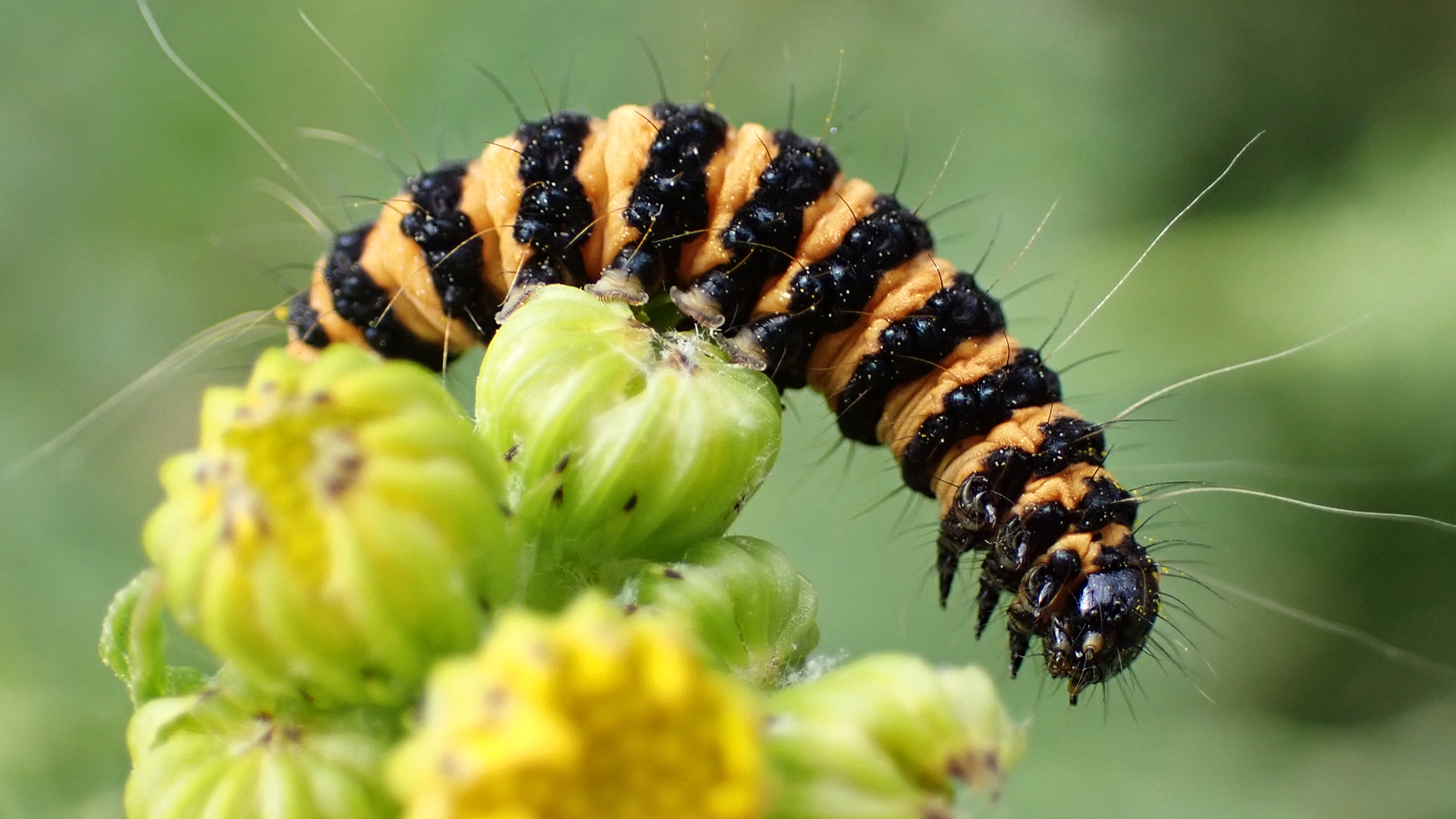
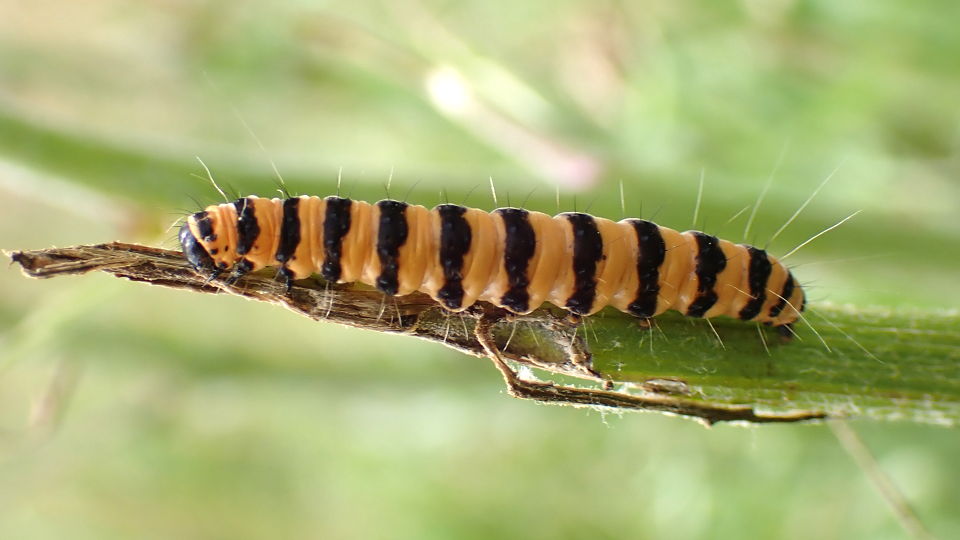
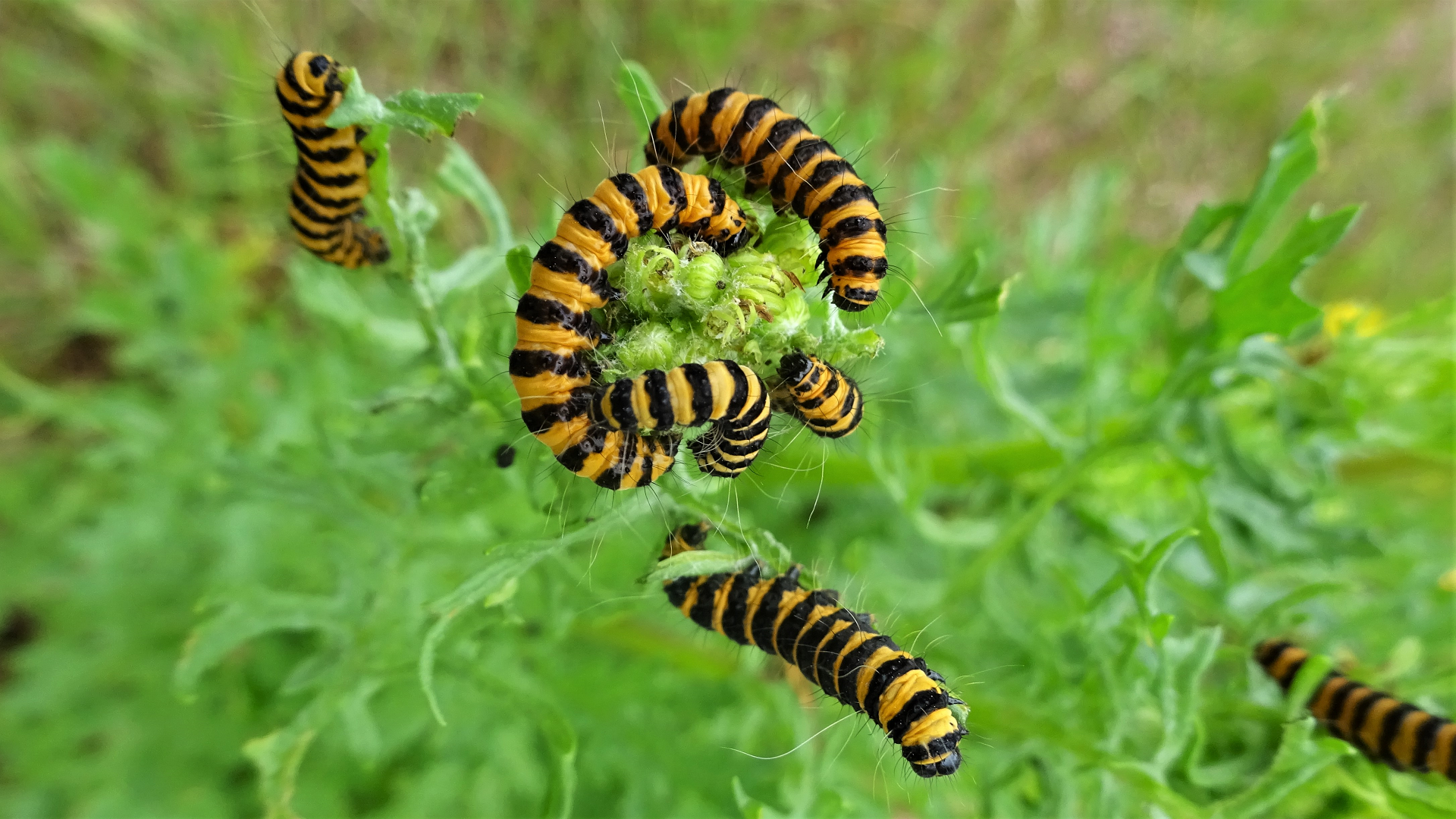
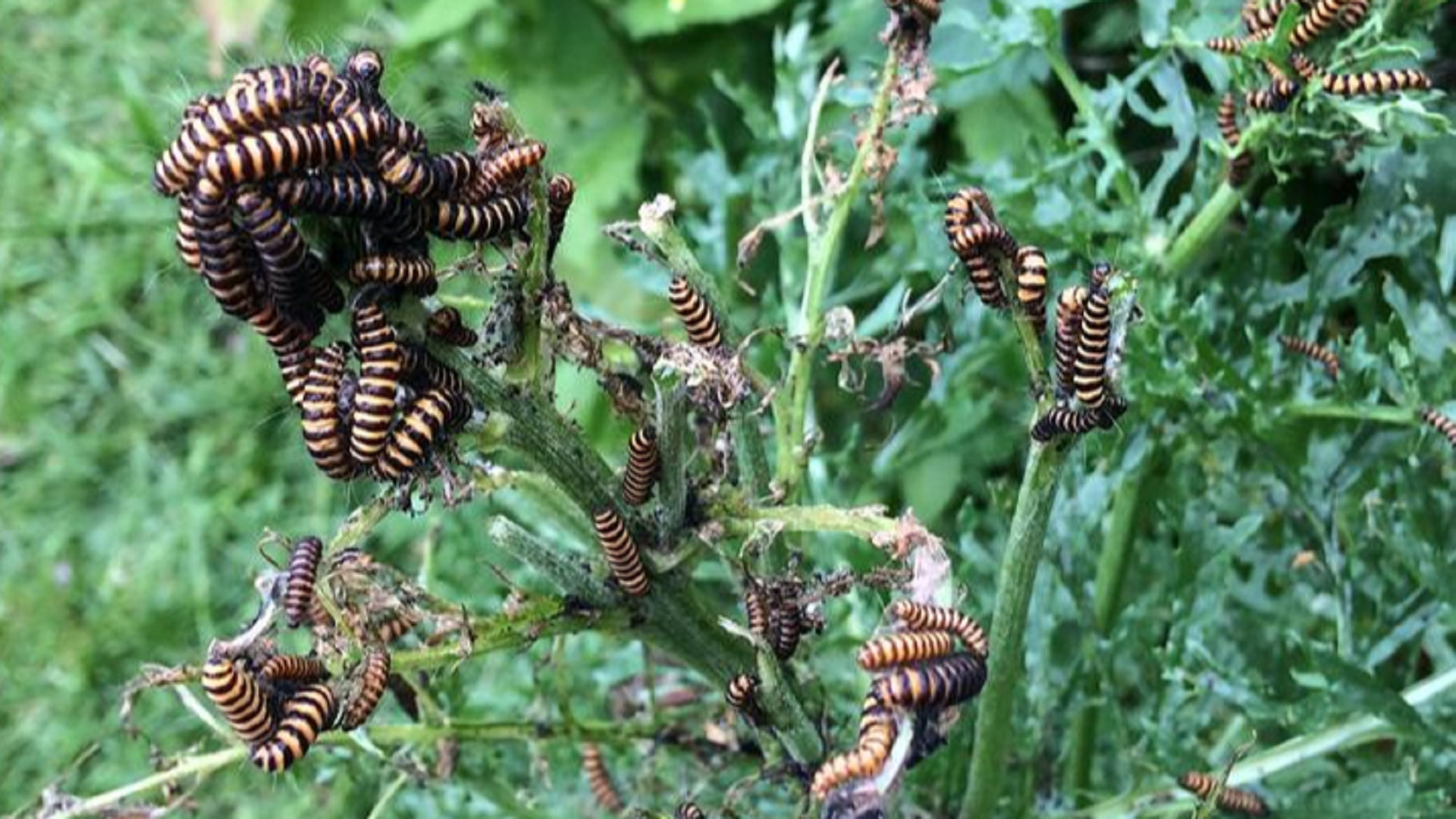
Cinnabar Tyria jacobaeae
The striped orange and black larvae are seen in large numbers in the meadows on ragwort during July.
#
© hainaultforest.net. All rights reserved.